In several places across the world, children put their elderly parents in nursing home where they can be cared for better by caregivers and staff who could meet the difficult demands in geriatric care. Sadly, not all nursing homes provide a great home for their elderly residents.
In Seremban, Malaysia, a nursing home was reported for its treatment of the elderly residents under their care. According to Facebook account Cik Pah Cik Ton, the families of these elderly residents are paying food money for the nursing home staff to take care of them; however, the old ones are suffering there.
The staff of the care home are believed to be all in their 20s and are not really greatly concerned about their elderly wards. The old people are prohibited from socializing with each other. They are also being starved, with chili sometimes given to them as food.
What’s worse, the elderly residents are served urine as their drink. When they complain, the elderly residents are simply mocked by the staff.
One video originally posted by Cik Pah Cik Ton shows a younger woman, believed to be a staff at the nursing, as she mocked an elderly lady with boxing moves. The elderly woman was not pleased and tried to hit back, but she was too old and too frail to really reach the younger woman or hit her hard enough for it to hurt.
Poor old lady…
Watch this video that would surely make your blood boil:
PUSAT JAGAAN WARGA EMAS SEREMBAN.Pusat Jagaan Warga Emas Dan Terapi Fitrah, alamat No1177, Lorong Seremban Tiga 37/1, Taman Seremban 3, 70300 Seremban, Negeri Sembilan, no telefon 0136649757Sumber https://m.facebook.com/story.php?story_fbid=105237240757424&id=100038134443578&sfnsn=xwmohttps://www.facebook.com/VlogMediaMalaysia/videos/2023621307946007/Ini Sumber dari @Cik Pah Cik Ton (akaun baru delete)
A nursing home is a private facility that provides residential accommodations with healthcare, particularly for the elderly. Due to the age and nature of the residents living in a nursing home, nursing care is provided around the clock.
Many nursing homes encourage socialization among its residents as psychologists believe this will have a better effect on everyone. Some nursing homes are so advanced and luxurious that the elderly patients have individual houses and live in a simulated community, complete with its own grocery store, cinema, social hall, bank, and other facilities.
Pharmacy warns FDA of cancer-causing chemical found in widely used heart pill
Valisure, an online pharmacy company licensed in 37 states, told the FDA last week that high levels of dimethylformamide were found in valsartan, a drug produced by Swiss drugmaker Novartis and other pharmaceutical companies. The drug is used to treat hypertension in adults. The World Health Organization classifies dimethylformamide, or DMF, as a probable human carcinogen.
Valisure ask that the medication be recalled and requested that the FDA review and significantly lower the acceptable intake of DMF from its current level of 8,800,000 nanograms to less than 1,000 nanograms. The online pharmacy said it found the cancer-causing chemical in valsartan produced by five companies.
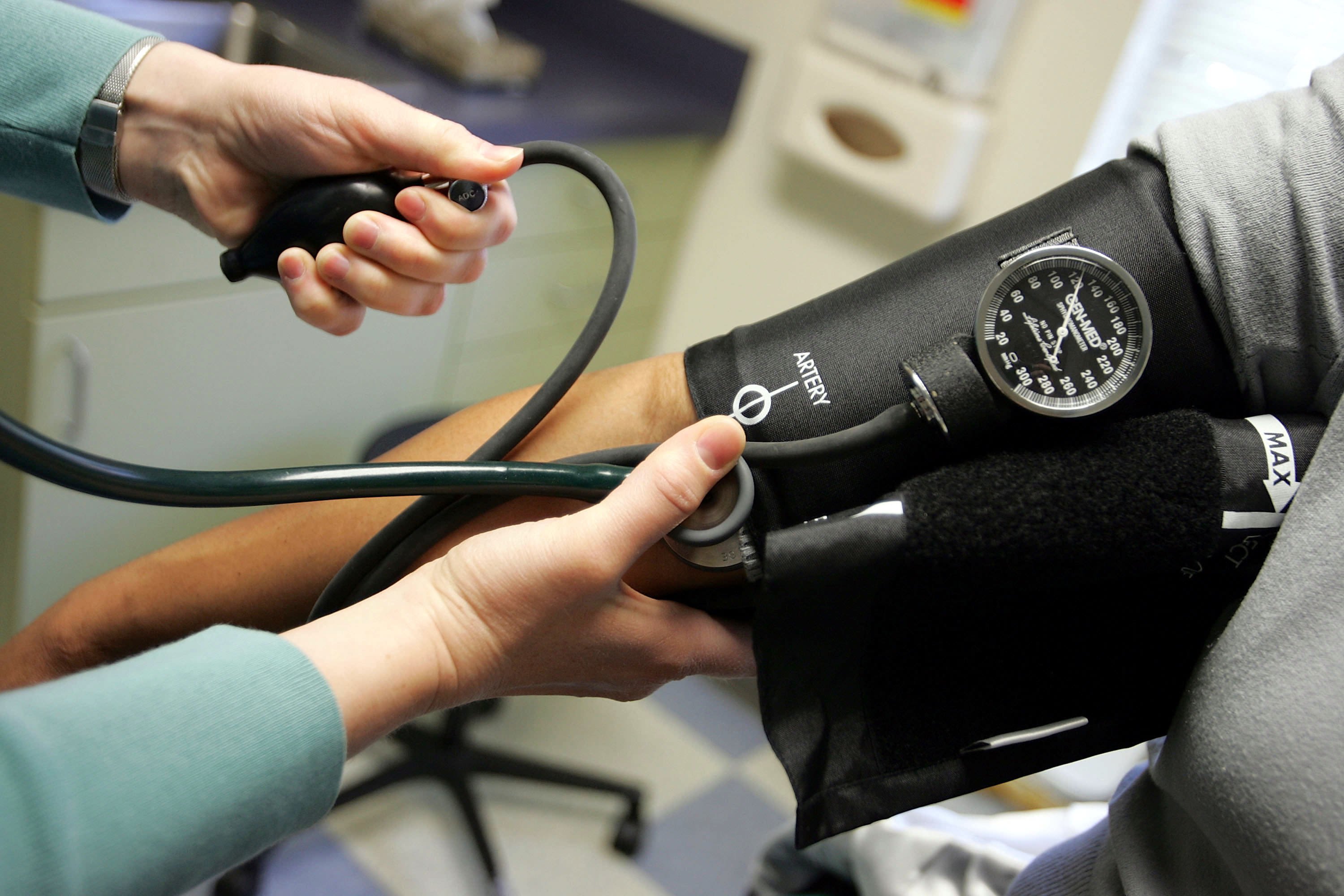
The FDA will evaluate Valisure’s findings and will respond directly to the online pharmacy chain, FDA spokesman Jeremy Kahn said in a statement to CNBC. Patients should continue to take their blood pressure medication even if it is recalled until their doctor provides a replacement or alternative treatment, he added. Abruptly discontinuing a medication is risky, he said.
“The quality and safety of all our products is of the utmost importance to Novartis,” the spokesperson added.
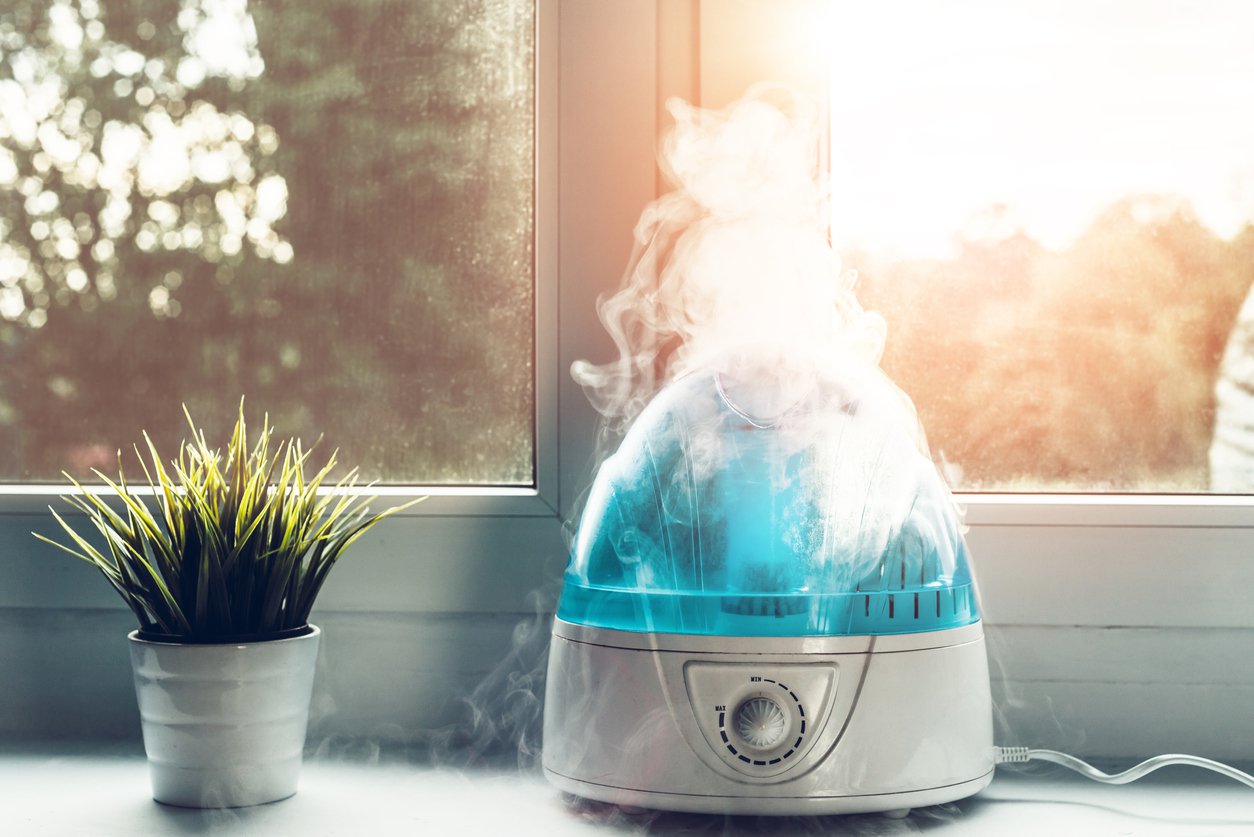
During cold winter months (or in the heat of the summer when your AC is on), you may notice that the air in your home is dry. Just like very humid air could be bad news for your health, dry air may cause nose and eye irritation in otherwise healthy people. One solution is to use a humidifier if the air in your home is too dry. Below, you will learn how humidifiers work, the benefits of using one in your home, and how to choose the right one and use it correctly.
Humidity levels and health benefit
Very dry and very humid air can affect your health and the condition of your home. When air is too humid, it can encourage mold and mildew growth and contribute to health issues, as well as cause potential damage to your home. If you have asthma or another respiratory illness, dry air may make it worse.
The Cleveland Clinic reports that dry air may cause problems including:
Keeping the air in your home from becoming too dry may help with many of these health issues. Depending on where you live, controlling indoor humidity is not always easy. This is where a humidifier may offer benefits. It is best to keep your home’s humidity within an optimal range–not too high and not too low. The Environmental Protection Agency (EPA) recommends that you keep the air in your home between 30 and 50 percent humidity.
Benefits of using a humidifier during sleep
Humidifiers may be beneficial for adults and children during sleep. Sleep itself aids in repair, rejuvenation and maintenance of our immune system. Adding a humidifier to your bedroom can bolster the effects sleeping naturally provides. Here are some of the benefits you can get from sleeping with a humidifier in your room.
Humidifier benefits for snoring and sleep apnea
Humidifiers may help alleviate dry airways that cause snoring. Snoring results from a constricted airway, resulting in a dry mouth and relaxed throat. This dryness causes the respiratory airways to overcompensate by producing more mucus and therefore more constriction and likelihood of uttering an audible vibration such as snoring. Relieving the causes of snoring, such as dry airways, may help those sleep sounder as well (Stuck et al., 2015).
Habitual snoring could very well indicate an underlying problem such as sleep apnea. Typically this breathing condition would be treated with the use of a CPAP machine in the most severe of cases. Those with snoring issues or sleep apnea could benefit from adding a humidifier to the CPAP treatment. The American Sleep Apnea Association suggests adding a heated humidification (HH) with CPAP to mitigate some problematic features of the CPAP. However, research has shown that HH may not influence CPAP users to continue to use CPAP nor improve sleep itself, but it does improve naso-pharngeal symptoms. (Yu et al., 2012). Since the nasopharynx is part of the nasal cavity of our respiratory system, symptoms such as swelling of the lymph nodes or any other obstruction in this area may cause snoring. We can deduce that those who snore from a naso-pharngeal symptom, may find a heated humidifier useful.
Too much humidity can disturb sleep
Studies by NASA indicate that the ideal humidity level for the optimal sleep condition is between 50-60% (Flynn-Evans, Caddick & Gregory, 2016). Though there are benefits to using a humidifier during sleep excessive use may actually disrupt sleep patterns. For example, high humidity alters the perception of the room temperature of an enclosed room; the higher the humidity, the hotter the room feels to us. Conversely, if both humidity and heat are elevated, the sweat response will become disrupted, preventing the natural cooling relief of evaporation when we sweat. This can decrease REM and cause you to stay awake. (Okamoto-Mizuno & Mizuno, 2012)
Humidifier benefits for babies and children
For babies and young children, dry air could cause health issues. Using a humidifier may help keep the air within acceptable moisture levels. The main benefits of using a humidifier for babies and kids include:
Of course, your child does not need to be sick or have dry skin to possibly benefit from the use of a humidifier. Moist air in the right amounts may be beneficial for health and could potentially help keep them from getting sick.
Other humidifier benefits in your home beyond health
A humidifier may provide benefits to your home, as well.
Possible benefits of a humidifier in the spring and summer
Depending on where you live, the weather may have an impact on when the air in your home feels dry. For example, if you live somewhere with high levels of outdoor humidity, you probably run your air conditioner a lot in the summer. Air conditioning may dry out your home’s air. Using a humidifier may help counteract this. If you live somewhere with dry air, a humidifier might be good to use year-round.
Since pollen and mold counts tend to be higher in the spring and summer, using a humidifier in your home may also help keep your sinuses from becoming inflamed.
Which humidifiers to choose?
There are five main categories of humidifiers. Each works in a different way but the end goal for all of them—adequate moisture conditions in your home—is the same. The type you should choose depends on your needs. Let us take a look.
Pros and cons of using cool mist or warm mist humidifiers
Humidifiers release either warm or cool air to help add humidity to a room. Either type could be beneficial, though they each have pros and cons. Which you choose could depend on whether you have children or pets, how big your space is, and your personal preferences.
Some of the benefits and drawbacks of cool mist humidifiers include:
The benefits and disadvantages of warm mist humidifiers are:
Tips for using a humidifier in your home
Any time you use a humidifier, you should take care to use it properly. Not only will this extend the life of your humidifier, it can ensure that you and your home receive benefits and are not adversely affected.
It is clear that dry air can affect your health. Adding a bit of moisture to the air with a humidifier can be an easy solution to this problem. Take care not to use one excessively so that moisture levels are too high, which can encourage mold and dust mite problems. Using an air purifier at the same time can also help improve indoor air quality.
Breakthrough paves way for new Lyme disease treatment
Monique Calello Staunton News Leader
Published 4:35 PM EDT Jun 17, 2019
Dr. Brandon Jutras, assistant professor in the Department of Biochemistry, poses for a portrait in his lab.
Olivia Coleman/Submitted
A Virginia Tech biochemist has discovered the cellular component that contributes to Lyme arthritis, a debilitating and extremely painful condition that is the most common late stage symptom of Lyme disease, a press release said.
According to the release from Virginia Tech, the biochemist, Brandon Jutras, found that as the Lyme-causing bacteria borrelia burgdorferi multiplies, it sheds a cellular component called peptidoglycan that elicits a unique inflammatory response in the body.
“This discovery will help researchers improve diagnostic tests and may lead to new treatment options for patients suffering with Lyme arthritis,” said Jutras, lead author on the study. “This is an important finding and we think that it has major implications for many manifestations of Lyme disease, not just Lyme arthritis.”
Lyme disease is the most reported vector-borne disease in the country, and in Virginia reports have increased by more than 6,000 percent in the last fifteen years. The Centers for Disease Control, estimates that approximately 300,000 people are diagnosed with Lyme disease annually in the United States. Scientists predict that the number of people who become infected Lyme will increase as our climate continues to change.
Jutras — an assistant professor of biochemistry in the College of Agriculture and Life Sciences and an affiliated faculty member of the Fralin Life Sciences Institute — and his collaborators recently published their findings in the Proceedings of the National Academy of Sciences.
According to the release, the PNAS paper was four years in the making, and Jutras began this research during his post-doctoral fellowship in the lab of Christine Jacobs-Wagner, a Howard Hughes Medical Institute Investigator and professor at Yale University.
Castor bean tick. Dangerous parasitic insect. Carrier of infections as encephalitis and Lyme borreliosis.
Ladislav Kubeš, Getty Images/iStockphoto
“Nowadays nothing significant in science is accomplished without collaboration,” said Jutras. Co-authors on this paper ranged from bench scientists to medical doctors and practicing physicians. Dr. Allen Steere, a Harvard doctor who originally identified Lyme disease in the 1970s, assisted Jutras with his research and provided access to patient samples.
The research could provide a new way to diagnose Lyme disease and Lyme arthritis for patients with vague symptoms based on the presence of the cellular component called peptidoglycan in synovial fluid.
The press release said, the team found peptidoglycan is a major contributor to Lyme arthritis in late-stage Lyme disease patients. Peptidoglycan is an essential component of bacterial cell walls. All bacteria have some form of peptidoglycan, but the form found in the bacteria that causes Lyme, borrelia burgdorferi, has a unique chemical structure. When the bacteria multiply, they shed peptidoglycan into the extracellular environment, because its genome does not have the appropriate proteins to recycle it back into the cell.
Read: Every spot in Virginia is a hotspot for ticks
“We can actually detect peptidoglycan in the synovial fluid of the affected, inflamed joints of patients that have all the symptoms of Lyme arthritis but no longer have an obvious, active infection,” said Jutras in the release.
Peptidoglycan elicits an inflammatory response and the molecule persists in the synovial fluid, which means that our bodies continue to respond, without mounting a counter response.
Support health journalism and subscribe today.
Receptors in our immune system sense bacterial products and, depending on the individual’s genetic predispositions, may determine how strongly a patient’s body reacts to peptidoglycan.
The next phase of Jutras’ work is to use methods to destroy the peptidoglycan, or intervene to prevent a response, which could get rid of Lyme disease symptoms. According to the release, Jutras predicts that with either therapy patients would start recovering sooner.
Clinical samples included in this study were obtained from patients that had confirmed cases of Lyme disease under the guidelines of the CDC, but virtually all did not respond to oral and/or intravenous antibiotic treatment, the release said. The presence of peptidoglycan in these patients’ synovial fluids may explain why some people experience symptoms of late stage Lyme disease in the absence of an obvious infection. In this case, the usual antibiotic treatments for Lyme disease would no longer be helpful, but this discovery might provide avenues for new treatments, the press release said.
Read: Risk of lyme disease is higher here. The effects can be devastating.
Members of the Jacobs-Wagner lab purified the peptidoglycan and removed all other bacterial components and asked: is peptidoglycan all on its own capable of causing arthritis in a mouse model?
According to the release, within 24 hours post-injection, mice presented with dramatic joint inflammation, indicating that peptidoglycan can cause arthritis.
Jutras is continuing his research at Virginia Tech on peptidoglycan by more thoroughly studying its chemical composition to determine how it is able to persist in the human body. This will also help further the understanding of how this bacterial product contributes to other manifestations of Lyme disease.
“We are interested in understanding everything associated with how patients respond, how we can prevent that response, and how we could possibly intervene with blocking therapies or therapies that eliminate the molecule entirely,” Jutras said.
Read: Roadblocks limit Virginia patient access to marijuana
Read: Medical marijuana policies at 5 Virginia hospitals
What should we know about health care in this community? Let health reporter Monique Calello know at mcalello@newsleader.com and follow her on Twitter and Instagram @moniquecalello.
Urolithin A, a metabolite of biomolecules found in pomegranates and other fruits, could help slow certain aging processes. EPFL spin-off Amazentis, in conjunction with EPFL and the Swiss Institute of Bioinformatics, has published a paper in the journal Nature Metabolism outlining the results of their clinical trial.
It is a fact of life that skeletal muscles begin to lose strength and mass once a person reaches the age of 50. A recent clinical trial involving two EPFL entities—spin-off Amazentis and the Laboratory of Integrative Systems Physiology (LISP) – showed that urolithin A, a compound derived from biomolecules found in fruits such as pomegranates, could slow down this process by improving the functioning of mitochondria—the cells’ powerhouses. A joint paper presenting the results of the trial, published today in Nature Metabolism, also demonstrates that ingesting the compound poses no risk to human health.
Slowing mitochondrial aging
The claim that healthy eating is the key to longer life might seem too convenient—but it is now further backed by scientific evidence. Pomegranate, a fruit prized by many civilizations for its health benefits, contains ellagitannins. When ingested, these molecules are converted into a compound called urolithin A (UA) in the human gut. The researchers found that UA can slow down the mitochondrial aging process. The catch is that not everyone produces UA naturally.
To get around that problem, and to make sure all participants received an equal dose, the team synthesized the compound. Some 60 elderly people, all sedentary yet in good health, took a single dose of between 250 and 2,000 mg of UA. The researchers observed no side effects when compared with the control group, who were given a placebo. The participants were then split into four groups, each receiving a placebo, or a 250, 500 or 1,000 mg daily dose of UA for 28 days. Again, no adverse health impacts were found, even after prolonged ingestion. The team then assessed the efficacy of UA by looking at cellular and mitochondrial health biomarkers in the participants’ blood and muscle tissue. The results were compelling: UA stimulates mitochondrial biogenesis—the process by which cells increase mitochondrial mass—in the same way as regular exercise.
UA is the only known compound that re-establishes cells’ ability to recycle defective mitochondria. In young people, this process happens naturally. But as we age, our body starts to lose its power to clean up dysfunctional mitochondria, causing sarcopenia (loss of skeletal muscle mass) and the weakening of other tissues. The team focused on slowing, or even reversing, this natural effect of aging.
The paper, published today, also confirms that the compound is safe to eat. Amazentis, based at EPFL’s Innovation Park, hopes to harness the promising results to quickly bring the product to market. “These latest findings, which build on previous preclinical trials, really crystallize how UA could be a game-changer for human health,” says Johan Auwerx, a professor at LISP, the EPFL lab involved in the trial. An article published in 2016 showed that the lifespan of nematode worms exposed to UA increased by 45 percent—from around 20 to 30 days—when compared with the control group. Likewise, older mice showed 40 percent better endurance while running after two weeks of treatment. The compound may thus have even more secrets to reveal about its benefits for human health.
More information: Pénélope A. Andreux et al. The mitophagy activator urolithin A is safe and induces a molecular signature of improved mitochondrial and cellular health in humans, Nature Metabolism (2019). DOI: 10.1038/s42255-019-0073-4
Citation: Pomegranate compound with anti-aging effects passes human trial (2019, June 17) retrieved 17 June 2019 from https://medicalxpress.com/news/2019-06-pomegranate-compound-anti-aging-effects-human.html
This document is subject to copyright. Apart from any fair dealing for the purpose of private study or research, no part may be reproduced without the written permission. The content is provided for information purposes only.
WOULDN’T it be great if weight loss was so straight forward that you could even do it in your sleep?
Well, it kind of is.
Drinking some teas before you go to bed could improve your sleep – and your weight loss ability. But we’re not talking about downing mugs of builders’ brew before bed!Getty – Contributor
Many of us think of shedding body fat as being complicated.
But it really isn’t – it’s simply a matter of re-balancing our lifestyles.
How well we sleep really does affect weight loss
We tend to store a lot of fat around our middles if we’re exposed to high and prolonged stress.
Stress comes in many different forms but their effect on our metabolisms is basically the same.
If you’re disproportionately storing more fat around your lower belly, then you need to start thinking about reducing your stress levels and getting a good night’s sleep.
Pre-bed tea time
And an easy way to start improving the quality of your sleep and boosting your weight loss is by drinking a cup of pre-bed tea.
We’re not talking about the kinds of dubious diet teas that promise to help you shed a stone in a week.
Instead, try these herbal teas to satisfy sweet cravings, calm the mind and prepare the body for rest…
Cinnamon tea
Cinnamon has tonnes of health benefits.
It’s naturally anti-inflammatory, meaning that it’ll help you de-bloat and reduce your overall physical stress load.
It’s also said to increase insulin sensitivity and decrease blood sugar – both of which are vital for losing weight.
The spice is also thought to boost metabolism because your body uses more energy to process it.
“Though it has a slight metabolism/thermogenic effect, it is more about balancing blood sugar and insulin resistance, which in turn aids weight loss and can lessen food cravings,” nutritionist Helen Bond told The Sun.
“Again, this does not replace the need for dietary changes. A far better way of balancing blood sugar and insulin resistance is to follow a sugar-free, low-carbohydrate diet.”
Dr Sally Norton told The Sun that cinnamon can be added to desserts or hot drinks as a healthy alternative to sugar, as it can have a subtle sweetness.
So if you want something sweet after dinner, a cup of cinnamon tea might be the ideal solution.
Cinnamon tea can help to balance out blood sugar and minimise cravings, aiding weight lossRoger Crump – The Sun
This stuff is traditionally drunk black and has actually been directly linked to weight loss.
A 2016 study found that the fat-burning effect of daily tea drinking helped 59 overweight or obese people to reduce their BMI and shift a significant amount of weight.
In just four weeks, they were found to have cut fat from their arms, legs and bellies.
And they also reported having a smaller appetite after drinking the stuff.
Have a go with Dragonfly Skinny Dragon Pu’Er tea, £1.87, Waitrose
“Firstly, it’s going to interfere with your thyroid – meaning it’s going to be very hard to burn fat when your cortisol is high. In fact, you’re going to be more likely to burn muscle.”
And secondly, “too much cortisol can also lead to an over-stimulation of the brain during sleep causing an increase of ghrelin – the hunger hormone, which is going to make it impossible for you to control your appetite and stay away from simple sugars and high-fat foods.”
Weight loss more likely after 8 hours
A 2011 study found that people who slept between six and eight hours a night had a greater chance of achieving their weight-loss goal than those who slept less or more.
It also found that lower stress levels were associated with greater success at weight loss, particularly when combined with between six and eight hours of sleep.
Sleep has all kinds of miraculous effects on our bodies.
It can help us fight cravings and stabilise our insulin levels.
Excess insulin makes you more hungry and tells the body to store more calories as fat – so you want to make sure that you’re as insulin sensitive as possible.
One study forced 11 men to have only four hours of sleep for six nights. After this, their bodies’ ability to lower blood sugar levels decreased by 40 per cent.
Poor sleep also slows down your metabolism, increases your calorie intake and increases your appetite.
So anything we can do to promote a much better sleep is going to result in greater fat burning ability.
Work on an 80:20 approach
Don’t think that drinking tea is going undo eating badly and doing no exercise.
Think of tea as the cherry on top of a cake that you’ve been building with good lifestyle habits.
MORE ON WEIGHT LOSS
TAKE A WEIGHT OFF
The best fasting diets to help boost weight loss – from 5:2 to days off
BACK TO BASICS
BOSH! chefs Ian and Henry talk veganism and cooking with singer Gary Barlow
SLIM FOR SUMMER
You DO feel less hungry in the summer – it’s the best time to lose weight
DON’T WEIGHT
Weight loss tips to REVERSE type 2 diabetes – from Mediterranean diet to keto
MIND BOGGLING
Fast food could cause dementia – and damage is ‘irreversible’, scientists say
WEIGHTY ISSUE
Lose weight with the 5 best diets of 2019 – low-carb keto to Mediterranean
POP TAX
Fizzy drinks could be more expensive in restaurants to tackle childhood obesity
STEAK YOUR LIFE ON TUNA
Eating fish instead of meat can cut risk of dying early by a FIFTH
SOUR GRAPES
Does apple cider vinegar REALLY boost weight loss? We asked the experts…
FLACK ON
Lose weight like Love Island host Caroline Flack with 5 easy tips to cut sugar
DIET DILEMMA
Twins prove why some pile on weight and others don’t & it’s NOT down to food
LIFE HACKS
Lose weight and live longer with three lifestyle tweaks you can make NOW
No one is saying that you have to ditch the evening wine altogether.
But if you want to lose weight, you’re probably best off trying to minimise the amount you drink and saving it for those weekend nights.
Try to drink tea five nights a week and then treat yourself on Fridays and Saturdays when you can catch up on sleep the next morning.
We pay for your stories! Do you have a story for The Sun Online news team? Email us at tips@the-sun.co.uk or call 0207 782 4368. You can WhatsApp us on 07810 791 502. We pay for videos too. Click here to upload yours
(Natural News) It is a medical fact that people of African descent have enhanced natural immunity to various viral infections, including Ebola. In fact, migrants from Africa may carry Ebola and show no symptoms whatsoever. This simple, irrefutable fact appears to be completely unknown to all U.S. doctors, journalists and CDC “experts” who claim Ebola can’t possibly be carried to the U.S. from Congo because, they often explain, nobody is showing any symptoms.
Yet it is a well-known medical fact that Ebola carriers from Africa may be entirely symptom-free. If you don’t believe me, go back to the June 27, 2000 article in the New York Times, authored by Lawrence K. Altman. The headline is, “People Carrying Ebola, in Some Cases, May Be Free of Symptoms.”
“The Ebola virus… can also infect without producing illness, according to a new finding by African and European scientists,” reported the NYT. “They found that the Ebola virus could persist in the blood of asymptomatic infected individuals for two weeks after they were first exposed to an infected individual. How much longer the virus can persist is unknown.”
Scientists have known that Ebola usually spreads from an infected person to another individual and through contamination in clinics or hospitals. The new finding suggests that some cases may result from healthy carriers. How often is unknown.
Dr. Leroy’s team said another public health concern was transmission of Ebola virus from healthy carriers through sex. Other scientists have detected Ebola in semen.
Yes, Ebola virus can live in human semen. This simple fact is completely denied by the entire fake news “establishment” media, even when the NYT openly admitted it in 2000. That’s the whole point of the indy media news censorship you’re seeing today across the ‘net; to silence real facts while pushing a fake news narrative that’s built on fictions rather than reality.
Fiction = “No one from the Republic of Congo could possibly be carrying Ebola, or they would be showing symptoms.”
FACT = Scientists documented symptom-free carriers of Ebola nearly twenty years ago, and the virus can be carried for years in blood and semen.
Twenty-five people from Congo carried Ebola and showed no symptoms at all
Also from the NYT:
Dr. Leroy’s team studied 25 individuals who never developed symptoms although they lived with family members and cared for them without using gloves and other precautions in two outbreaks in Gabon in 1996.
Using standard virologic techniques, the scientists from Gabon, Germany and France said they could not detect the virus in the blood of the healthy contacts. But Dr. Leroy’s succeeded by using a technique known as polymerase chain reaction to grow the tiny amount of virus present.
In other words, some people from the Congo are able to carry Ebola for life while showing no symptoms whatsoever. But the virus is present in their blood and can be replicated using standard PCR techniques. This means the virus might also be quite capable of infecting others.
Another study published in the Journal of Infectious Diseases in 2004, also by Dr. Leroy, documented the fact that chimpanzees can carry Ebola infections without suffering Ebola fatalities. “[C]himpanzees are continuously in contact with the virus; and nonlethal Ebola infection can occur in chimpanzees,” Dr. Leroy and co-authors write in the abstract of the study. (J Infect Dis. 2004 Dec 1;190(11):1895-9. Epub 2004 Nov 3.)
Republic of Congo migrants being dumped all across America
No media outlet has done more reporting on this alarming phenomenon than Infowars, which sent numerous reporters to San Antonio to interview doctors and city officials who were running the temporary shelters and distribution hubs. There, after intermingling in a shoddy indoor environment that would be perfect for spreading Ebola, migrants from the Congo were loaded onto buses and shipped off to other parts of the country.
Not even the San Antonio city officials knew where the migrants were headed.
See some of Infowars’ reporting here:
The World Health Organization (WHO) has decided not to declare an international health emergency over the Ebola epidemic in the Democratic Republic of Congo that has now spread to Uganda, the organization announced Friday.
WHO’s announcement comes only days after Infowars exclusively documented the hundreds of unvetted Congolese migrants being bused into San Antonio, Texas, which the mainstream media still refuses to cover.
Shock video: Watch illegals from Africa fleeing Ebola-stricken Congo who made it across the Rio Grande river a week ago arrive at a city-owned shelter in San Antonio and then being distributed by bus and van to undisclosed locations across The United States.
Hundreds of illegal aliens from the Democratic Republic of Congo in Africa, which is currently experiencing a massive Ebola virus outbreak, have been dropped off in San Antonio, Texas and hundreds more will arrive in the near future.
After being placed in San Antonio, the illegal immigrants are bussed to a destination of their choice by local charities who spend “roughly $14,000 a week on bus tickets.”
Infowars reporter Owen Shroyer physically visited the facility in San Antonio and interviewed a doctor / city official there who falsely claimed that the risk of Ebola in the migrants was “zero.” Her logic? She said Ebola always had a 21-day incubation period, and since these migrants had been “walking across Mexico” for more than 21 days, they could not possibly be infected.
Her math expresses a gross error, of course. An infected migrant could have passed the infection to a healthy person before dying themselves. That healthy person could be carrying Ebola right now, in day 10 of the incubation for example, ready to explode with Ebola in another week or so after being transported across America. And if the recipient of that new infection has natural immunity against Ebola, they could be a symptomless carrier, meaning they would never show symptoms but might still infect others.
The fact is: There is a greater-than-zero risk that migrants from the Republic of Congo may be carrying Ebola into the United States right now. The fact that these migrants are being distributed across America to seemingly random cities is beyond merely insane… it smacks of an attempted infectious disease assault on this nation.
Amazingly, nobody seems to know whether these migrants have ever been screened for Ebola at all.
Watch some of the coverage in these videos, and check both NaturalNews.com and Infowars.com for daily updates.
It is a truth universally acknowledged — or at least, much discussed on social media — that a woman who works in an office is in want of a sweater.
Office air conditioning is often set at a temperature that women find chilly; the resulting water-cooler debate has been called the “battle of the thermostat.” One study even suggested that because women have slower metabolic rates, the formula used to set temperatures in workplaces, which was developed decades ago based on the comfort of men, may overestimate women’s body heat production by 35 percent.
A question that hasn’t been asked much, however, is whether temperature affects the productivity of men and women differently. In a study published Wednesday in the journal PLOS One, researchers reported that at colder temperatures, men scored higher than women on verbal and math tests. But as a room grew warmer, women’s scores rose significantly. The findings require further confirmation under an assortment of conditions. But they add to a scientific rethinking of the spaces where we work and study, which sometimes have been devised with a limited set of physical requirements in mind.
The researchers asked more than 500 college students to take tests for an hour in rooms with temperatures between 61 and 90 degrees Fahrenheit. The students performed as many simple math problems (without the help of a calculator) as possible, and rearranged a set of letters into as many words as they could, within a time limit. They also were asked to solve a series of tricky logic problems.
The temperature had no effect on the scores when they were considered as a group. But when the researchers split the data between male and female subjects, a clear pattern emerged. Scores on the logic problems did not vary as temperatures changed, but the math and verbal test scores did.
The Full Moon happening on the 17th of June is going to sparkle brightly and powerfully in the sign of Sagittarius, sitting only several degrees away right from the so-called Galactic Center.
In fact, being close to this center will upgrade and amplify its energies, and also raise the planet Earth’s frequencies. For all those days that will surround this Full Moon, we will all have the chances to shift in higher vibrations and frequencies. We will all have the chance to tap in higher realms in order to explore our creativity’s height.
The Full Moon will be a dreamy one, amplifying our intuitive talents, and permitting us to finally unlock all the wisdom which is already present inside us.
Although we can forget, everything that we need, each small piece was given to us before we actually came into these bodies, and on such Full Moon, it is going to be easier to remember or gain access to this wisdom.
Under the Full Moon’s light, we will spend some time with our souls and nurture ourselves just like we are. Also, we will not need healing or fixing; we will only need loving.
Although there is a creative, dreamy, and beautiful energy that surrounds this lunar cycle, it will have fiery qualities as well. The sign of Sagittarius is a fire one; however, there are some other energies right into the cosmos which are contributing to all this too.
During this month, the focus was on speaking the truth.
The focus was also on learning about rising up from all those walls that we created, and from all the darkness surrounding us, and then step into the more unique place.
Speaking the truth is not actually about using the ego or being judgmental in order to create greater blame or shame in this world. Rather than that, it is more about getting to our souls’ roof. It is even about uncovering our masks and discovering freedom or love, so that we can be ourselves in every situation, regardless of how challenging or hard it is.
If some area related to our lives asks us to be truthful or honest more than before, the Full Moon’s fiery quality will provide us with the spark and confidence we need, in order to face up and stand in the truth.
We are not supposed to let our fear run all over our lives, or avoiding the life which was meant for us, and put off performing things because we feel afraid of telling the world who we really are. We are not supposed to dim our light.
During this month, the focus was on speaking the truth.
The focus was also on learning about rising up from all those walls that we created, and from all the darkness surrounding us, and then step into the more unique place.
Speaking the truth is not actually about using the ego or being judgmental in order to create greater blame or shame in this world. Rather than that, it is more about getting to our souls’ roof. It is even about uncovering our masks and discovering freedom or love, so that we can be ourselves in every situation, regardless of how challenging or hard it is.
If some area related to our lives asks us to be truthful or honest more than before, the Full Moon’s fiery quality will provide us with the spark and confidence we need, in order to face up and stand in the truth.
We are not supposed to let our fear run all over our lives, or avoiding the life which was meant for us, and put off performing things because we feel afraid of telling the world who we really are. We are not supposed to dim our light.
Male infertility is due to low sperm production, abnormal sperm function, or blockages that prevent the delivery of sperm. Illnesses, injuries, chronic health problems, lifestyle choices, and other factors can play a role in causing male infertility.
Not being able to conceive a child can be stressful and frustrating, but several male infertility treatments are available.
Despite the known importance of genetic factors in the event of the man producing no , only about 25% of these cases are explained currently.
According to a new study- to be presented today at- European Society of Human Genetics- disclosed new potential genetic causes of male infertility.
Ms Manon Oud, from the Radboud University Medical Centre, Nijmegen, The Netherlands conducted the first exome sequencing study, where they examined the vital role of de novo mutations (genetic changes that are not present in the DNA of the parents of an individual) in male infertility.
The human genome consists of 3 billion nucleotides or “letters” of DNA. But only a small percentage — 1.5 percent — of those letters are translated into proteins, the functional players in the body. The ‘exome’ consists of all the genome’s exons, which are the coding portions of genes.
Ms. Oud said, “These de novo mutations are found in every individual and are part of the natural evolution of the genome. Mostly they do not affect our health. But in some cases, they have a strong effect on gene function and can lead to disease. Until now, their role in male infertility had not been studied.”
Scientists volunteered 108 infertile men for the study. They then studied their DNA and also of their parents.
Ms Oud said, “Comparison of the parental DNA with that of the offspring enabled the identification of the de novo mutations. ” We found 22 in genes involved in spermatogenesis, none of them previously known to cause infertility in human.”
However, scientists think that it’s too early to give these patients a definitive diagnosis as further studies are ongoing. They want to screen more patients to learn more about the function of the genes that are affected by them.
Ms Oud says, “We are studying the role of these genes in material from testis biopsies of our patients and performing experiments in fruit flies to see whether disruption of these genes causes infertility in them.”
“The results will help establish new diagnostic tests, which will be able to provide a patient with a detailed analysis of the reason for his infertility and allow for personalized care. By establishing the molecular cause of infertility, the risk of transmitting infertility to another generation can be predicted.”