Category: Health

  • Miracle or malarkey? Can arm-swinging stave off cancer?

    Miracle or malarkey? Can arm-swinging stave off cancer?

    YouTube video on arm swinging exercise.

    PETALING JAYA: A miraculous treatment for cancer has been found and it apparently involves the simple act of swinging one’s arms repeatedly for prolonged periods of time.

    If science could only prove this to be true, it would certainly spread like wildfire across the world.

    For now, the supposed cancer-curing capabilities of Ping Shuai – literally meaning ‘swing hand’ – Qi Gong are only believed to be fact by the most hardcore proponents of the exercise.

    Whether one believes in the effectiveness of Eastern medicine and health practices or otherwise, it is undeniable that some people swear by them.

    However, the possibility of the placebo effect being hard at work is always lurking in the background. Then again, scientists have discovered the medicinal properties of several herbs that are traditionally used in Chinese medicine.

    Thus, it should be with an open mind when one considers the benefits of Ping Shuai.

    The exercise is said to have been introduced to the East by Master Da Mo, also known as Bodhidharma, a 5th/6th century Buddhist monk.

    It is a rather simple exercise that can be done by both the young and old.

    This is how to do it:

    • Stand with legs shoulder-width apart.

    • With palms facing downwards, raise both arms to chest level.

    • Swing arms in a pendulum-like motion.

    • After every five swings, bend knees slightly and spring up quickly.

    The exercise demands little use of actual strength and on the contrary, encourages relaxation of the body.

    On the surface level, it appears that this exercise does help provide the body with a level of physical activity, and it is simple enough for even the most unfit of persons to do.

    Practitioners of Ping Shuai are encouraged to maintain a healthy, preferably vegetarian diet and avoid acidic foods such as meat.

    Ping Shuai explained

    Qi Gong master, Lee Feng San, expressed his hope that the exercise would become more widespread among the public.

    According to him, the exercise, “improves qi (life energy) and blood circulation through the theory of ’10 fingers connecting the heart.’”

    Ping Shuai, he said, opens all the meridian points (the path through which qi flows) and stimulates the bone marrow to rid toxins from the body.

    The energy flows to the fingertips, then on to the body’s internal organs and brain; opening and unblocking arteries and veins along the way.

    Many have since claimed that their practice of Ping Shuai has cured them of a variety of ailments including eczema and backache.

    There has even been a fantastical but contested claim about the exercise curing a man of cancer.

    The term “correlation does not imply causation” applies quite a bit to the benefits of Ping Shuai.

    It is not necessarily the exercise of arm swinging in particular that brings about a healthy life.

    It is more likely that the combination of physical exercise and a healthy diet simply leads to a stronger immune system; a medically known fact.

    The type of physical exercise, be it running, swimming, jogging or aerobics, would ultimately not matter, as long as it is done consistently and in a safe manner.

    By its nature, Ping Shuai is not harmful and is indeed probably a good form of exercise due to how easy it is.

    Until the day its cancer-curing capabilities are proven, it would not hurt to swing your arms for a bit to try knocking some chub off them.

    This content was originally published here.

  • 16 Amazing Reasons Why You Need To Eat Pineapples

    16 Amazing Reasons Why You Need To Eat Pineapples

    16 Amazing Reasons Why You Need To Eat More PineapplesDo you eat pineapples regularly?

    If you only whip out the fruit during barbecues and cocktail hour, you’re missing out on a lot.

    Not only are pineapples absolutely delicious, they’re also great for your skin, bones, and digestive tract. And that’s not all!

    Here are 16 reasons to put eat pineapples more often.

    1. It’s Rich in Nutrients

    This tropical fruit is packed with vitamin C, thiamin, vitamin b6, folate, manganese, and copper. Not convinced that you should eat more? Well, pineapple is also packed with niacin, pantothenic acid, magnesium, potassium, and countless other vitamins and minerals (1).

    Sign up for our FREE daily newsletter.
    Get daily health tips and exclusive offers delivered straight to your inbox.

    Enter your email below to sign up.

    We hate SPAM and will NEVER violate your privacy.

    2. It Keeps Your Bones Strong

    Just one cup of pineapple contains 76% of your daily value of manganese. Combined with zinc, calcium, and copper, manganese prevents bone loss caused by osteoporosis (2).

    3. It Helps You Digest

    Eating a few slices of pineapple for dessert can help your digest a meat-heavy meal since bromelain help break down proteins (3). It also fights inflammation in the pancreas to assist with sugar metabolism and reverse diabetes (4).

    4. It Improves Your Smile

    Your dentist probably never you this, but vitamin C is essential for your gums. Vitamin C deficiency is known to cause gum inflammation, bleeding gums, capillary fragility, and eventually, tooth loss (5). Eating more pineapple will strengthen your gums and keep gingivitis, periodontal disease, and other gum conditions at bay (6)!

    5. It Soothes Sore Joints

    Pineapple is so good for your joints that the Arthritis foundation recommends its use to manage joint pain and mobility loss. The fruit works just as well as nonsteroidal anti-inflammatory drugs (like ibuprofen) in treating rheumatoid arthritis (RA) and osteoarthritis (7).

    6. It Regulates Blood Pressure

    Pineapple contains potassium citrate, which has the ability to control blood pressure by counteracting the debilitating effects of excessive sodium consumption (8).

    7. It Prevents Cancer

    Pineapple stem, which can be steeped into a tea, prevents cancer cell proliferation and even induce apoptosis. It’s suggested its active compound, bromelain, can be used as a chemopreventive agent against the notoriously aggressive colon cancer (9).
    The fruit can also act against prostate cancer and researchers believe it may have even more therapeutic uses (10).

    This content was originally published here.

  • These dogs are getting a cancer vaccine. If it works, humans could be next

    These dogs are getting a cancer vaccine. If it works, humans could be next

    If you ask most experts in the cancer community, creating a wide-ranging vaccine that prevents tumors like we prevent infectious diseases is damn near impossible.

    The idea may be tantalizing, but study after study over the last several decades has taught doctors that cancer is personal. Everyone’s looks different on a molecular level. And each tumor is an agile, devious adversary that mutates as it grows to outwit the human immune system.
    “They may be right,” Stephen Johnston says, but “if the chance is 10% that it might work, I can’t see any reason why we shouldn’t take that chance.”
    Johnston isn’t an oncologist. He’s a scientist, inventor and director of Arizona State University’s Center for Innovations in Medicine. He recently launched a clinical trial to test a cancer vaccine in hundreds of dogs across the country. The trial will examine whether the vaccine delays or prevents a variety of cancers in healthy, older dogs. If it’s successful, Johnston says, it could lay the groundwork for developing a similar vaccine for humans.
  • New Breakthrough Pill Could Cure Tinnitus

    New Breakthrough Pill Could Cure Tinnitus

    Researchers at the University of Arizona in the US have made a breakthrough in their study on tinnitus in mice which could eventually lead to a cure in humans. According to the study published in the journal PLOS Biology, blocking a specific protein that fuels brain inflammation in the mice stopped the condition in its tracks.

    The treatment works on a molecule called TNF-A (tumour necrosis factor alpha) that disrupts communication between neurons. When this communication is disrupted, neuro inflammation is halted, believed by the researchers to be a major contributing factor to the condition.

    Study co-author Professor Shaowen Bao said, “Genetic knock out of TNF-A or pharmacologically blocking its expression prevented neuro-inflammation and ameliorated the behaviour associated with tinnitus in mice with noise induced hearing loss.”

    As with any animal trial, far more rigorous study needs to be conducted before the treatment is applied to humans.

    Even with the success of this study, scientists maintain that the underlying process of tinnitus remains a mystery. The most common cause of tinnitus is damage and loss of the tiny sensory hair cells in the cochlea of the inner ear, called stereocilia. This tends to happen as people age, and it can also result from prolonged exposure to excessively loud noise. Hearing loss may coincide with tinnitus.

    The team of scientists are hopeful their research will lead to a gene therapy to combat ringing in the ears and other hearing loss disorders, possibly even in a simple pill form.

    This content was originally published here.

  • Dogs Detect Lung Cancer In Blood With Stunning 97% Accuracy

    Dogs Detect Lung Cancer In Blood With Stunning 97% Accuracy

    Oncologists looking for highly-accurate, but not highly-expensive methods to diagnose lung cancer in patients may need not look any further than their local dog breeder community. That’s because a new study finds that beagles are capable of successfully detecting the disease by scent, a major breakthrough in identifying the specific biomarkers of the disease.

    Researchers with the American Osteopathic Association say the dogs’ remarkable accuracy may lead to a safe, affordable, and effective mass cancer screening alternative in the future.

    source

  • Breakout Breakthrough: Clear-Up Your Complexion With Dirt

    Breakout Breakthrough: Clear-Up Your Complexion With Dirt

    Chances are you or someone you love struggles with a skin condition such as acne, rosacea, eczema, psoriasis or premature aging. Turns out, many of these cases are the result of not having enough good bacteria on our skin and in our bodies. The good news is by putting those microscopic warriors back where they belong, they can clear up skin issues pronto. Just ask Danielle Fleming. The New Jersey mother of three told CBN News after years of hiding from people, she can finally enjoy her life. She used to dread social occasions because she was so embarrassed about the way her skin looked.  “I was having issues with acne all around my mouth area, kind of patches of dry spots and red bumps and it was just terrible,” she said, “I tried covering it up with makeup but it didn’t work.’

    You Can Be Too Clean

    Danielle’s not alone. Unsightly skin conditions like acne, rosacea, eczema, psoriasis, and premature aging are on the increase. Health experts now say it’s largely due to the destruction of the tiny critters on our skin tasked with keeping it healthy. Celebrity dermatologist Whitney Bowe told CBN News that only within the last couple of years have scientists fully realized our obsession with cleanliness is doing more harm than good. “You’ve got to get a little dirty to have beautiful, glowing skin,” she smiled. In her book, Dirty Looks: The Secret to Beautiful Skin, Dr. Bowe says things like antibacterial soaps and harsh scrubbing tools wipe-out the good bacteria on our skin. Groundbreaking research uncovered our skin’s microbiome. We can’t see this vast ecosystem, but our skin’s health and appearance depend on its balance.


    “A lot of people don’t realize that our skin is covered in trillions of microscopic organisms,” She explained. “So right after you get out of the shower in the morning when you think you are clean, your body is covered. Again, trillions and they are just swarming through your eyelashes and diving into your belly button.”

    source

  • Dandelions Are Not Weeds! Top 10 Health Benefits of Dandelion

    Dandelions Are Not Weeds! Top 10 Health Benefits of Dandelion

    People spray their lawns to get rid of it, while others use it to heal their body of numerous ailments. What could it be? Well, dandelions of course!

    Whether your eat or juice the greens, indulge in the honey-flavoured flowers or steep some dandelion root tea, this herb is pure magic!

    The health benefits of dandelion include bone and skin health, help with liver and urinary disorders, acne, jaundice, diabetes, cancer and anemia.

    The only problem is, is that most people are killing the very plant that could be helping them. Dandelions are not a pesky weed, and should be utilized to their full advantage!

    Dandelions Are Not Weeds

    Only in the twentieth century did humans decide that the dandelion was a weed. Before the invention of perfectly manicured lawns, dandelions were more less praised as a natural medicine, food source and out-right magic. Back in the day, grass was dug out to make room for the dandelions – just imagine!

    According to the Maine Organic Farmers and Gardeners Association, “The use of dandelions in the healing arts goes so far back that tracing its history is like trying to catch a dandelion seed as it floats over the grass. For millennia, dandelion tonics have been used to help the body’s filter, the liver, remove toxins from the bloodstream. In olden times, dandelions were prescribed for every ailment from warts to the plague. To this day, herbalists hail the dandelion as the perfect plant medicine: It is a gentle diuretic that provides nutrients and helps the digestive system function at peak efficiency.”

    Dandelions are also good for your lawn. Their roots break through hard-packed soil to help aerate the earth and help reduce erosion. Their deep taproots pull up calcium and other nutrients from the depths of the soil, making them available to other plants. These nutrients actually help fertilize the soil, improving the quality of grass and other surrounding plants.

    The less we focus on dandelion as being a “weed”, the more we can appreciate what this plant truly is – a natural medicine that can actually help treat many ailments we see today.

    Top 10 Health Benefits of Dandelion

    Dandelions are a green and growing first aid kit! Their ability to heal and nourish the body from the inside out make them one plant you definitely do not want to get rid of this summer. There’s a reason dried dandelion root is so expensive.

    Here are 10 of the most important health benefits of dandelion:

    Stronger Bones

    Dandelions are calcium-rich, which is the main element required for the growth of strong, healthy bones. They are also high in antioxidants like Luteolin and Vitamin C, which protect from loss of bone density and bone weakening (1).

    Liver Health

    One of the greatest benefits of dandelion is it’s effect on our liver. Dandelion improves liver function by removing toxins, encouraging bile flow, and re-establishing hydration and electrolyte balance (2).

    Dandelion helps stimulate the pancreas to produce insulin, and helps regulate blood sugar levels. It is also a natural diuretic, and thus encourages urination. What does this have to do with diabetes? It helps remove excess sugar and salt from the body, and reduces sugar build-up in the kidneys (thus helping reduce the risk of renal problems in diabetics) (3).

    Urinary Health

    As mentioned above, dandelions are a great natural diuretic, and so they help eliminate toxic build-up in the kidneys and urinary tract. The anti-microbial properties of dandelion also prevent bacterial growth in the urinary system, which is great for individuals suffering from recurring urinary tract infections (UTIs) (4).

    Better Skin

    Dandelion is an excellent detoxifier and antioxidant, making it one of the best herbal remedies for treating acne and other skin problems like psoriasis and eczema. It helps purify the blood, and improves liver function, both of which result in beautiful, glowing skin. The major chlorophyll content in dandelion greens is also a win-win for skin health.

    Another important use for dandelion is its powerful effects against cancer. Many studies have found that dandelion root extract is effective against the treatment of leukaemia and breast cancer. It acts by inducing apoptosis in leukaemia cells, while leaving healthy cells alone. It also has a positive impact against cancer cells that are resistant to chemotherapy.

    Thanks to the liver-healing abilities of dandelion, it also helps with jaundice, a disorder of the liver, where it overproduces bile and messes with the body’s metabolism. Dandelion helps regulate bile production, and also promotes urination, helping to get rid of excess bile (5).

    Gall Bladder Disorders

    Dandelion leaf is great for stimulating a sluggish gallbladder (the organ that stores and excretes bile as the body needs it). Gallstones can even be flushed out by using a combination of dandelion and milk thistle.

    Digestive Issues

    Dandelion contains mucilage and inulin (6), which soothe the digestive tract and make food processing easier. It is also a great source of dietary fibre, which is crucial for proper intestinal health and improving gut flora. If you suffer from constipation or diarrhea, eat some dandelion greens!

    Circulatory Health

    The high levels of iron, B-vitamins and protein in dandelion make it a perfect food to eat if you suffer from anemia or other blood-related disorders. Dandelion is also a natural diuretic, so it helps lower blood pressure by getting rid of excess salt in the body. The fibre in dandelion is also helpful in reducing cholesterol, which we all know is an integral part of maintaining a healthy circulatory system.

    How to Use Dandelion

    Dandelion can be utilized in all its forms. Whether you want to use the flower and leafy greens in your salad, or steep a body-warming tea with the root, you can receive so many benefits from the plant!

    Here are some options for including dandelion in your day-to-day life:
    – Harvest dandelion, clean the roots, dry them in a dehydrator and then make a tea out of them. Alternatively, you can steep dandelion root tea from a bag, but this is much more expensive.
    – Harvest dandelion greens and stick them in a juicer for a major liver-cleansing “juice shot”.
    – Add some dandelion flowers to your salad or to garnish another meal.
    – Make a dandelion green salad mixed with other tender leafy greens to offset the bitters with more bland flavours and textures.

    There are so many ways you can enjoy the benefits of dandelions. What are some ways you’ve utilized dandelion in your life? Let me know in the comments below!

    This content was originally published here.

  • How to Move from Self-Awareness to Self-Improvement

    How to Move from Self-Awareness to Self-Improvement

    Jonathan Knowles/Getty Images

    We know that leaders need self-awareness to be effective. That is, an understanding of their strengths, weaknesses, feelings, thoughts, and values — as well as how they affect the people around them. But that’s only half of the story. Self-awareness is useless without an equally important skill: self-management.

    A client of mine, we’ll call him Rick, serves as a case in point. He has been given repeated feedback that he speaks too often and for too long in meetings. He has told me that he wants to improve this behavior and learn how to be a more productive participant in order to help his team make better decisions. After a recent meeting with 15 people where he spoke for 30% of the time, I asked him to evaluate his participation. He replied, “I know I talked too much but I had a lot of points to make.” He then continued to tell me more about his ideas. Rick is very self-aware, but he isn’t as effective as he could be because he doesn’t self-manage.

    Self-management is a conscious choice to resist a preference or habit, and instead, demonstrate a more productive behavior. It’s a four-step process:

    For Rick, self-management would look like this:

    What makes self-management so hard goes back to the definition. The most productive behaviors are often not aligned with our habits and our preferences. (If they were, we would not need to manage ourselves.)

    Behaving in ways that aren’t aligned with your preferences can make you feel uncomfortable (“I always respond first in a Q&A. I worry others won’t get it right”), unskillful (“I don’t know how to give negative feedback”), and even unpleasant (“I like being direct and get impatient when I have to choose my words carefully”).

    Operating in ways that contradict our habits can evoke similar negative reactions. With a habit, our brain creates a shortcut and moves from stimulus to response without thinking, saving both time and effort. But non-habitual behaviors require us to think about a situation, consider choices, make a choice, and then demonstrate the behavior that aligns with that choice. This takes work. The auto-pilot efficiency of habits is what make them so hard to change. It’s easier and more pleasant to default to an old habit than it is to invest the energy in creating a new one.

    Despite these barriers, self-management is a learnable skill. This is how you can start:

    It’s natural to behave in ways that feel good and familiar — to not self-manage — and yet, if we did this all the time, we’d never get better at anything. To become as effective as possible, leaders need to move beyond self-awareness to self-management. Start by recognizing your current actions, considering alternative options, and then putting in the hard work required to resist what may be most familiar or comfortable. Instead, commit to effectively executing what is most productive.

    This content was originally published here.

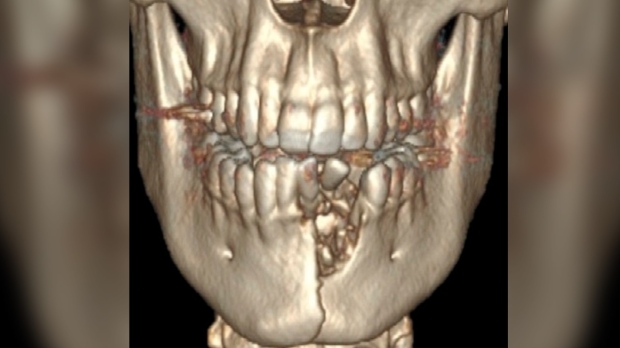
  • E-cigarette explodes in teen’s mouth, shattering jaw and teeth

    E-cigarette explodes in teen’s mouth, shattering jaw and teeth

    WARNING: This story features images that some readers may find disturbing

    A teenager was rushed to hospital with horrific injuries after an e-cigarette exploded in his mouth shattering his jaw and dislodging his teeth.

    The 17-year-old boy was treated for a circular puncture wound to the chin, extensive deep cuts in his mouth, bone damage to his lower jaw and dislodged lower teeth, according to a report in The New England Journal of Medicine.

    Doctors in Utah worked to fix the jaw fracture, removed teeth and other tissue.

    But the patient, who wasn’t named in the study, needed a dental plate put under his lower gums to stabilize his jawbone, Dr. Katie Russell from the University of Utah Health Care, told Live Science.

    His mouth still wouldn’t close properly, so doctors wired his jaw shut for six weeks to give it time to heal, Dr. Russell, who treated the patient, said.

    “The increasing prevalence of vaping among adolescents is a public health concern,” Dr. Russell wrote in the report.

    “At the six-week follow-up assessment, the patient had recovered well.”

    There were 32 reported cases of injuries or poisonings related to vaping products including e-cigarettes between January 2013 and August 2018 in Canada, according to government figures.

    Seventy-eight per cent of the injuries reported were poisonings from ingesting vaping liquid, 92 per cent of which were among children aged four or younger.

    Nine per cent of the remaining patients were burned from e-cigarettes exploding or catching fire.

    More than 60 per cent of the patients injured were male and eight-out-of-ten of the injuries happened in the home. 

    This content was originally published here.

  • Why Some Seniors Will Get a Surprise Medicare Bill Soon

    Why Some Seniors Will Get a Surprise Medicare Bill Soon

    At least 250,000 seniors may soon receive a bill for up to five months of Medicare premiums that they thought had been paid.

    The unwelcome letter is the result of a processing error that occurred in January, Kaiser Health News reports.

    According to the website of the Social Security Administration (SSA), the government agency did not properly deduct Medicare premium costs from some seniors’ Social Security checks earlier this year, so those seniors’ premiums did not get sent to their Medicare plans.

    Now that Uncle Sam has discovered the mistake, he wants you to pay up. According to the SSA:

    “If you are affected and haven’t already received a bill in the mail, you will soon. The first bill will likely be for a larger amount than usual to make up for the unpaid premiums.”

    Bills will come directly from the plans themselves, the SSA says.

    According to Kaiser Health News, the federal government’s Social Security and Medicare agencies did not explain how or why the mistake occurred, nor did they “provide a more exact number or the names of the plans that were shortchanged.”

    The total amount that affected Medicare enrollees now owe the plans also wasn’t announced.

    What all Medicare enrollees should do now

    The Kaiser Health News report notes that the affected Medicare enrollees may not realize they’ve been affected. They may have assumed the Social Security payments they received were a little bigger since January due to the 2019 cost-of-living increase in benefits, rather than because of a glitch that prevented the withholding of their Medicare premiums.

    So, if you are on Medicare, consider taking it upon yourself now to determine whether you were affected rather than waiting for a letter to arrive. The sooner you find out whether you were affected, the sooner you will know whether you need to brace your finances for an unexpected health insurance bill.

    According to the federal Medicare program’s own notice about the premium glitch:

    “You may be affected if you enrolled either in a Medicare Advantage Plan or in a Medicare Prescription Drug Plan for coverage starting January 1, 2019, and you asked to have your plan premiums taken out of your Social Security payments.”

    If you fit that description, the Medicare program advises that you “contact your Medicare plan directly with any questions or concerns.” If you are unsure what plan you have, the program says to check your plan card or materials.

    If you are unable to find out from your plan whether you were affected — or if you learn that you were indeed affected — you can also seek assistance from one of these entities:

    What affected Medicare enrollees should know

    The Medicare program notes that the premium glitch has been corrected. This means that “unless you told your plan you now want to pay your premiums a different way, your plan premiums will be taken out properly from your Social Security payments beginning in June or July 2019 through the rest of the year.”

    As for premiums that you might still owe due to the glitch, you should know that:

    Learn everything you need to plan your dream retirement

    The Only Retirement Guide You’ll Ever Need gives you the knowledge you need to retire on your own terms. Sure, you can pay a financial adviser, but this online course gives you total control to create a custom retirement plan around the things that make you happy.

    You’re going to get expert, personalized advice. You’ll have access to the latest tools. And when it’s complete, you’ll be able to approach your retirement confidently and with peace of mind.

    It’s time to plan the best years of your life. Let’s get started.

    This content was originally published here.