Category: Health

  • The truth about sugar addiction

    The truth about sugar addiction

    Sugar is one of the most harmful and addictive substances that you can consume, as it’s associated with various metabolic diseases. Nowadays, it’s found in almost everything you eat.

    In fact, the average American consumes around 17.4 teaspoons of sugar per day — that’s more than 5 teaspoons higher than the average sugar intake recommended by the U.S. Dietary Guidelines for Americans, 2015-2020. A 2015 article from The Washington Post states that the U.S. even ranks first in the countries that consume the highest amount of sugar.

    According to a study published in the Journal of the Academy of Nutrition and Dietetics, around 75% of packaged foods sold in supermarkets contain added sugar. This includes processed foods like sweet snacks, cereals, energy drinks, fruit juices and baked goods. It’s even present in infant food and baby formula, exposing children to numerous health issues at a very young age.

    But avoiding sugar is not as simple as skipping sweet foods, as savory foods, like salad dressing and pizza, contain this ingredient as well. Sugar hides behind 61 different names in food labels, the most common of which include sucrose, high-fructose corn syrup, molasses, maple syrup, glucose, maltose, lactose and fruit juice concentrate, among others.,

    What makes sugar so addicting?

    When you eat sugary foods, the reward center of your brain, known as the nucleus accumbens, is stimulated through increased signals of dopamine, a neurotransmitter that plays a role in your perception of pleasure.

    Because eating sugar makes you feel good, you’re likely to eat it often. As you consume excessive amounts of sugar on a regular basis, your body’s dopamine signals become weaker and you develop tolerance, so you have to eat more sugar to get the same level of reward, eventually resulting in sugar addiction. This is why manufacturers use sugar to drive your behavior.

    There have been many studies regarding the addictive potential of sugar., For instance, a 2018 review published in the British Journal of Sports Medicine states that “sugar has been found to produce more symptoms than is required to be considered an addictive substance.”

    It exhibits drug-like effects such as bingeing, craving, tolerance, withdrawal, cross-sensitization, cross-tolerance and cross-dependence. Another study published in the journal Neuroscience states that intermittent bingeing on sucrose and abusing drugs can both increase extracellular dopamine in the nucleus accumbens.

    60 ways sugar can ruin your health

    Excessive sugar consumption is associated with chronic metabolic problems, such as Type 2 diabetes, obesity and heart disease. Aside from these, there have been numerous studies spanning decades that demonstrate the other ways in which eating too much sugar can lead to detrimental effects to your health. I counted 60 of these health risks, divided into four categories:

    Nutrient imbalance or deficiency

    1. Upsets the mineral relationships in your body
    2. Causes chromium deficiency
    3. Interferes with the absorption of calcium and magnesium
    4. Increases total cholesterol, triglycerides and bad cholesterol levels
    5. Decreases good cholesterol levels
    6. Lowers vitamin E levels

    Behavioral changes

    1. Leads to addiction and intoxication, similar to alcohol,
    2. Increases hyperactivity and depressive symptoms
    3. Causes difficulty in concentrating and drowsiness
    4. Reduces learning capacity and can cause learning disorders
    5. Increases the risk for antisocial behavior
    6. Decreases emotional stability
    7. Increases the risk for alcoholism

    Increased risk of diseases

    1. Promotes cancer cell growth
    2. Increases fasting levels of glucose,
    3. Increases blood pressure levels
    4. increases platelet adhesion, which could put you at risk of arterial thrombotic conditions
    5. Leads to formation of kidney stones and ,
    6. Promotes excessive food intake through rapid sugar absorption
    7. Increases the risk for obesity
    8. Decreases insulin sensitivity, leading to high insulin levels and eventually diabetes
    9. Causes reactive hypoglycemia
    10. Triggers dizziness and headaches, including migraines
    11. Makes you more prone to gastrointestinal tract problems
    12. Promotes chronic degenerative diseases
    13. Causes atherosclerosis and cardiovascular diseases
    14. Causes cataracts and nearsightedness
    15. Increases the risk for lung cancer
    16. Contributes to osteoporosis
    17. Promotes the progression of Parkinson’s disease
    18. Increases the risk of gout and Alzheimer’s disease,
    19. Increases acidity of the saliva and causes tooth decay and periodontal diseases,
    20. Promotes uncontrolled growth of Candida Albicans (yeast infection)
    21. Leads to toxemia in pregnancy
    22. May lead to epileptic seizures

    Bodily impairments

    1. Impairs metabolic processes in a normal healthy individual
    2. Suppresses the immune system, which increases risk of contracting infectious diseases
    3. Reduces tissue elasticity and function
    4. Leads to weaker eyesight
    5. Accelerate aging
    6. Increases advanced glycation end products wherein sugar molecules attach to proteins and end up damaging them
    7. Impairs DNA and collagen structure
    8. Alters collagen structure
    9. Worsens signs of skin aging
    10. Lowers the ability of your enzymes to function
    11. Promotes fat accumulation in the liver
    12. Increases the risk for kidney and pancreatic damage,
    13. Contributes to salt and fluid retention
    14. Affects urinary electrolyte composition
    15. Impairs normal function of the adrenal glands
    16. Compromises lining of capillaries
    17. Weakens your tendons
    18. Can cause an increase in delta, alpha and theta brain waves, which results in the inability to think clearly
    19. Causes hormonal imbalances,
    20. Increases free radicals and oxidative stress
    21. Leads to substantial decrease in gestation, with a twofold increased risk for delivering a small-for-gestational-age infant
    22. Causes among newborns
    23. Affects carbon dioxide production when given to infants

    How to manage sugar addiction

    It’s never too late to kick your sugar-loading habits to the curb. Here are some of my recommendations to help manage or limit your sugar consumption:

    Limit your sugar intake — Sugar in its natural form is not bad provided that it’s consumed in moderation. Generally, your total sugar consumption should be below 25 grams per day from all sources, including sugar that you get from whole fruits. However, if you have insulin or leptin resistance, it’s ideal to limit your fructose intake to as little as 15 grams per day until you’ve normalized your insulin and leptin levels.

    Avoid high-fructose corn syrup (HFCS) — This sweetener is made from corn and found in many of the food items that you eat and drink today. It’s considered to be dangerous not only because of the amount of sugar that it contains, but also because of the health risks that it can cause, most of which are mentioned above.

    Increase your consumption of healthy fats — Healthy fats, such as omega-3 fatty acids, saturated fats and monounsaturated fats, are your body’s preferred source of fuel. The best sources of these include grass fed butter, coconut oil, free-range eggs, wild-caught Alaskan salmon, avocado and raw nuts like pecans and macadamia.

    Add fermented foods into your diet — Eating fermented foods like kimchi, natto, organic yogurt and kefir may help reduce the negative effects of excessive sugar on your liver by supporting your digestive function and detoxification.

    Drink pure water — Instead of drinking sweetened beverages like soda and fruit juices, I recommend that you rehydrate your body with pure, clean water.

    Try the Emotional Freedom Techniques (EFT) — Food cravings are sometimes triggered by an emotional need, such as wanting to relieve stress or feel a little happier after a tiring day. EFT is a simple and effective psychological acupressure technique that could help you manage the emotional components of your cravings.

    It has been proven to help relieve emotional traumas, ease phobias and post-traumatic stresses, break down food cravings and lessen physical pain and discomfort. What EFT entails in its practitioners is to have the right mindset when going on a diet or just taking steps to improve on their health. If you’re already curious, you can browse through the basics of EFT here.

    Aside from the recommendations mentioned above, I recommend exercising every day, along with optimizing your vitamin D levels, getting enough sleep and managing your stress levels. These strategies may help minimize the effects of excessive sugar intake. Exercise in particular is known to improve insulin sensitivity, reduce stress levels, suppress ghrelin (the appetite hormone), speed up metabolism, strengthen bones and boost your mood.

    It can be quite difficult to say no to sweets, especially if you have been consuming them on a daily basis, but once you feel the effects that lowering your sugar intake has on your body, it will all be worth it.

    This content was originally published here.

  • WaPo Says Anti-Vaxxers are Dangerous Should be Arrested

    WaPo Says Anti-Vaxxers are Dangerous Should be Arrested

    You may have noticed a recent article in the Washington Post by Juliette N. Kayyem entitled, “Anti-vaxxers are dangerous. Make them face isolation, fines, arrests.”(1)

    My initial reaction was the article must have been written by a moron. However, my opinion changed when I discovered the author, Ms. Kayyem, graduated Harvard law school in 1995. So, it appears this article is a carefully crafted piece of pro-vaccine industry propaganda. In other words, a large pile of nonsense and misinformation masquerading as authoritative information. Propaganda pieces typically contain nonsense and blatant lies. That’s OK because the “Big Lie” becomes believable if repeated often enough. (Who Said That?)(9) Let’s take a look at the main point and the most glaring falsehood in the article: “Anti-Vaxxers Are Dangerous.”

    What is an Anti-Vaxxer?

    The catch word, “anti-vaxxer” has become popular in the vaccine industry propaganda machine as a pejorative term for children who have been vaccine injured, and whose mothers no longer vaccinate them. This is aptly described by Barbara Loe Fisher in her article: “No Mercy for Mothers Or Their Vaccine Injured Children“(2)

    The Big Lie: Unvaccinated are Dangerous

    The easiest way to demonstrate the Big Lie: “Unvaccinated are Dangerous”, is to ask the CDC, the US Government Center for Disease Control.

    It is universally agreed those most susceptible to the ravages of infectious disease are the immuno-compromised, such as those undergoing bone marrow transplantation. If the “Unvaccinated Are A Danger”, then one would expect the CDC to advise keeping the unvaccinated away from the immunocompromised, those having bone marrow transplants. Quite to the contrary, the CDC says the exact opposite. The recently vaccinated, not the unvaccinated, must be kept away from the transplant ward.(3)
    The CDC document, “Guidelines for Preventing Opportunistic Infections Among Hematopoietic Stem Cell Transplant Recipients.” contains this quote.(3)

    “Visitors who might have communicable infectious diseases (e.g., URIs, flu-like illnesses, recent exposure to communicable diseases, an active shingles rash whether covered or not, a VZV-like rash (note: VZV is Varcella, chickenpox) within 6 weeks of receiving a live-attenuated VZV vaccine, or a history of receiving an oral polio vaccine within the previous 3-6 weeks) should not be allowed in the HSCT center (note HSCT is hematopoetic stem cell transplant center) or allowed to have direct contact with HSCT recipients or candidates undergoing conditioning therapy (AII).”(3)

    Not sure you want to believe the CDC? Instead, lets ask the University of Kentucky Transplant Service (4). Are the unvaccinated a danger? and should they be kept away from the transplant ward? Again, they say the exact opposite, adults and children who are recently vaccinated with the chickenpox or polio vaccine are a danger and should be kept away from immunocompromised transplant patients.

    Still Dont Believe it? Maybe the University of Kentucky is an exception? All transplant wards across the nation follow the American Society for Blood and Bone Marrow Transplantation Guidelines.(5) What do they say? Are the unvaccinated a danger to be kept from visiting the transplant ward? No, again they say quite the opposite. Those who have been recently vaccinated are a danger. Nowhere in this document do they say the unvaccinated are a danger. Quite to the contrary they say those recently vaccinated with the following vaccinations are a danger to the transplant ward: MMR (measles mumps rubella) Polio vaccine (OPV), Varicella Vaccine, Rotavirus vaccine, Influenza Vaccine (LAIV).(5)

    The Varivax Package Insert Says Vaccinated Are a Danger to Others

    This information is readily available. All you need to do is read the package insert for the vaccine. Merck, the manufacturer of the Varivax (chickenpox) vaccine openly admits in their product insert that people recently vacccinated with the Varivax vaccine pose a danger to the immune-compromised, pregnant mothers and infants.(7) The danger is due to transmission of live vaccine virus from those recently vaccinated to those contacts around them. This is a quote from the Varivax product insert:

    “Due to the concern for transmission of vaccine virus, vaccine recipients should attempt to avoid whenever possible close association with susceptible high-risk individuals for up to six weeks following vaccination with VARIVAX. Susceptible high-risk individuals include:” Immuno-compromised, pregnant mothers, and infants-(shortened for brevity).(7)

    Healthy Unvaccinated People are not Dangerous

    The reality is that healthy unvaccinated individuals are NOT DANGEROUS, and are allowed visitation rights on the transplant wards across the country. It is the recently vaccinated who are “dangerous” and are restricted from visiting the transplant ward. Perhaps someone reading this could inform Juliette N. Kayyem and the Washington Post of this information so their blatantly incorrect article can be retracted, or at least modified to correct the false information contained.

    The Unvaccinated are Causing the Measles Outbreaks

    Another BIG Lie in this Washington Post article by Juliette N. Kayyem is the blame for the recent measles outbreak falls squarely on the unvaccinated. For this reason, the unvaccinated should be branded as criminals to be arrested, found guilty and sent to prison. For the moment let us ignore the obvious contrary argument that persecuting the unvaccinated like this is a violation of just about every form of national and international human rights and civil liberties laws you can think of.

    Measles Outbreaks are Caused by the Vaccine Program Itself

    Lets take a look at what Dr. Levy in 1984 J Epidemiology has to say about this in his article: “The future of measles in highly immunized populations.”(6) Dr. Levy is not alone in stating the obvious. Because of limitations and failures in the measles vaccine program ( i.e. primary and secondary vaccine failure), we are creating a larger population of susceptible individuals, than before the vaccine era.(6) Dr. Levy is saying the measles vaccine program itself is creating a larger population of people susceptible to contracting measles, and this is the reason we are seeing periodic measles outbreaks which are predicted to increase.

    Dr. Levy says:

    “despite short-term success in eliminating the disease (measles), long-range projections demonstrate that the proportion of susceptibles in the year 2050 may be greater than in the prevaccine era. Present vaccine technology and public health policy must be altered to deal with this eventuality.”(6)

    What Dr. Levy is saying is that the unvaccinated are NOT to blame for periodic recurrent measles outbreaks. We will be seeing more and more of these outbreaks as a result of primary and secondary vaccine failure.

    Dr. Gregory Poland, world expert on measles vaccine, said in Vaccine 2012, that measles outbreaks in highly vaccinated populations occur because of primary and secondary vaccine failure.(8) Here is a quote:

    “Thus, measles outbreaks also occur even among highly vaccinated populations because of primary and secondary vaccine failure, which results in gradually larger pools of susceptible persons and outbreaks once measles is introduced.. This leads to a paradoxical situation whereby measles in highly immunized societies occurs primarily among those previously immunized” (Quote Gregory Poland)(8)

    Similar measles outbreaks have been documented in other highly vaccinated populations in countries such as Israel, Nigeria, Korea, Czech Republic, Australia and Japan involving the vaccinated as well as unvaccinated.(8) This is discussed in more detail in my previous article.

    Conclusion: Pro Vaccine Industry Propaganda has reached a new extreme which threatens to label the unvaccinated as criminals to be arrested and sent to prison. In case you haven’t noticed, it’s official, you are now living in a police state.

    Push Back by Rep Daryl D. Metcalfe Pennsylvania

    Daryl D. Metcalfe, a Pennsylvania Republican is pushing back. He is introducing House Bill 286, also known as the Informed Consent Protection Act which makes it illegal for pediatricians to “Fire” a patient or family for not following the CDC vaccination schedule. It also makes it illegal for pediatricians to “Game the System” by accepting cash kickbacks from insurance companies for vaccinating children. Watch this video of the News Conference:

    1) Anti-vaxxers are dangerous. Make them face isolation, fines, arrests.
    Juliette N. Kayyem Wasington Post Harvard Law School with a Juris Doctor degree in 1995.

    We are viewing the measles outbreak though a public health lens. We need to change our orientation. This is a public safety crisis and hopes for people to “get the shot” are well past the pretty please stage. My latest for the Washington Post

    In the same way we have created sex-offenders lists to protect our children, communities can inventory families that choose not to be vaccinated, notifying employers of these parents as well as neighbors who may choose not to expose their children.

    2) No Mercy for Mothers Or Their Vaccine Injured Children
    by Barbara Loe Fisher Published April 25, 2019 | Opinion

    3) CDC Guidelines for Preventing Opportunistic Infections Among Hematopoietic Stem Cell Transplant Recipients
    Recommendations of CDC, the Infectious Disease Society of America, and the American Society of Blood and Marrow Transplantation

    HSCT Center Visitors

    Visitors who might have communicable infectious diseases (e.g., URIs, flu-like illnesses, recent exposure to communicable diseases, an active shingles rash whether covered or not, a VZV-like rash within 6 weeks of receiving a live-attenuated VZV vaccine, or a history of receiving an oral polio vaccine within the previous 3-6 weeks) should not be allowed in the HSCT center or allowed to have direct contact with HSCT recipients or candidates undergoing conditioning therapy (AII).

    University of Kentucky Markey Center Patient Care Standards Chapter 4: Visiting Patients on the Transplant Unit Reviewed May 2012 Page 1 of 3 Chapter Four: Visiting Patients on the Transplant Unit Purpose: To provide visitation guidelines which are designed to minimize the risk of transmission of bacterial, fungal, viral, and other infectious organisms from visitors to patients in the transplant unit.

    Allowed Visitors:

    1. A patient’s nurse will assess all visitors for signs and symptoms of infectious diseases or organisms.

    2.Anyone with evidence of even a mild communicable illness or infection, or who has been exposed to one, will not be allowed to visit patients.

    3.Adults who meet the following requirements:
    a)Have not received a live polio vaccine in the previous 3 months
    b) Have not received live chicken pox vaccine in the previous 2 weeks
    c) Have not been exposed to chicken pox in the previous 4 weeks
    d) Do not have a fever, cold of any sort, cough, sneezing, conjunctivitis, sore throat, ear infection, wheezing, cold sores, or any skin rash.e)Have not been exposed to TB
    f)Do not have shingles

    4.Children who meet the following requirements:
    a)Must be at least 10 years of age or receive special permission from staff
    b) Children must be under the direct supervision of a responsible adult at all times.The responsible adult must not be the patient.
    c) Have not received a live polio vaccine in the previous 3 months
    d) Have not received live chicken pox vaccine in the previous 2 weeks
    e) Have not been exposed to chicken pox in the previous 4 weeks
    f) Do not have a fever, cold of any sort, cough, sneezing, conjunctivitis, sore throat, ear infection, wheezing, cold sores, or any skin rash.g)Have not been exposed to TB
    h) Do not have shinglesi) During the RSV/Flu season (December -March) children less than 10 years old may not visit patients in the transplant unit

    American Society for Blood and Bone marrow transplantation GUIDELINES Guidelines for Preventing Infectious Complications among Hematopoietic Cell Transplantation Recipients:A Global Perspective Marcie Tomblyn, Tom Chiller, Hermann Einsele, Ronald Gress, Kent Sepkowitz, Jan Storek,John R. Wingard, Jo-Anne H. Young, Michael A. BoeckhBiol Blood Marrow Transplant 15: 1143-1238 (2009)Ó2009 American Society for Blood and Marrow Transplantation

    Infants and children who have recently received the OPV vaccine should be excluded from visiting the HCT unit for 4 to 6 weeks after receipt of vaccine to minimize the risk of transmission and vaccine-associated paralytic poliomyelitis among HCT recipients (AII)[734]

    Until further data on the risks of transmission of vaccine virus become available,HCT units may wish to exclude infants who have re-cently received rotavirus vaccine from visiting for 2to 4 weeks after receiving a vaccine dose (CIII).

    Health care center personnel and HCT center visitors who receive LAIV Live-attenuated influenza vaccine (LAIV) instead of TIV shouldavoid contact with severely immunosuppressed per-sons for 7 days after vaccination (CIII)[307]

    However, HCT centers should exclude visitors who develop a varicella- or zoster-like rash aftervaccination (AIII). If a household member developsa varicella or zoster-like rash after vaccination, closecontact with the HCT recipient should be avoidedand affected areas should be covered (AIII).

    Individuals who experience a vaccine-associatedrash within 1 month after varicella vaccinationshould be excluded from visiting the HCT centerand should avoid close contact with HCT recipientsin the home setting (BIII).

    Measles, mumps, rubella (MMR) vaccine (AIII):Household members should receive age-appropri-ate MMR vaccination as recommended. However,vaccine recipients who develop a fever and/or rash postvaccination should be excluded from visiting the HCT center while symptomatic and should avoid close contact with HCT recipients in the home setting (BIII)

    6) Am J Epidemiol. 1984 Jul;120(1):39-48.
    The future of measles in highly immunized populations. A modeling approach. Levy DL.

    Little is known about how an intensive measles elimination program changes the overall immune status of the population. A computer model was created to study the effect of the measles elimination program in the United States on the number of susceptibles in the population. The simulation reveals that in the prevaccine era, approximately 10.6% of the population was susceptible to measles, most of whom were children less than 10 years of age. With the institution of the measles immunization program, the proportion of susceptibles in the population fell to 3.1% from 1978 through 1981, but then began to rise by approximately 0.1% per year to reach about 10.9% in the year 2050. The susceptibles at this time were distributed evenly throughout all age groups. The model did not consider the potential effect of waning immunity. The results of this study suggest that measles elimination in the United States has been achieved by an effective immunization program aimed at young susceptibles combined with a highly, naturally immunized adult population. However, despite short-term success in eliminating the disease, long-range projections demonstrate that the proportion of susceptibles in the year 2050 may be greater than in the prevaccine era. Present vaccine technology and public health policy must be altered to deal with this eventuality.

    7) VARIVAX: Package Insert and Label Information
    Merck Sharp & Dohme Corp. 23 January 2019

    VARIVAX- varicella-zoster virus strain oka/merck live antigen injection, powder, lyophilized, for suspension Merck Sharp & Dohme Corp.

    Risk of Vaccine Virus Transmission

    Post-marketing experience suggests that transmission of vaccine virus may occur rarely between healthy vaccinees who develop a varicella-like rash and healthy susceptible contacts. Transmission of vaccine virus from a mother who did not develop a varicella-like rash to her newborn infant has been reported.

    Due to the concern for transmission of vaccine virus, vaccine recipients should attempt to avoid whenever possible close association with susceptible high-risk individuals for up to six weeks following vaccination with VARIVAX. Susceptible high-risk individuals include:

    Immunocompromised individuals;
    Pregnant women without documented history of varicella or laboratory evidence of prior infection;
    Newborn infants of mothers without documented history of varicella or laboratory evidence of prior infection and all newborn infants born at <28 weeks gestation regardless of materna; varicella immunity.

    8) Measles Outbreaks Fake News Hysteria by Jeffrey Dach MD

    9) “If you tell a lie big enough and keep repeating it, people will eventually come to believe it. The lie can be maintained only for such time as the State can shield the people from the political, economic and/or military consequences of the lie. It thus becomes vitally important for the State to use all of its powers to repress dissent, for the truth is the mortal enemy of the lie, and thus by extension, the truth is the greatest enemy of the State.” Quote attributed to Joseph Goebbels.

    This content was originally published here.

  • Researchers Develop Vaccine That Could Possibly Prevent Alzheimer’s

    Researchers Develop Vaccine That Could Possibly Prevent Alzheimer’s

    Researchers at the University of New Mexico are working on a vaccine that they hope could prevent Alzheimer’s disease. As of now, a cure for Alzheimer’s does not exist, which is why UNM’s Health and Science Department associate Professor Kiran Bhaskar, made it a point to study the disease for the last decade and started to research the vaccine in 2013.

    Bhaskar and his research team began to test the vaccine on a group of mice and has not yet been shown if it works in people. The group of mice all had Alzheimer’s disease and were given a series of injections. Ph.D. student Nicole Maphis sated the vaccine targets a specific protein known as “tau” that is commonly found in the brains of Alzheimer’s patients. Maphis stated, “These antibodies seem to have cleared (out) pathological tau. Pathological tau is one of the components of these tangles that we find in the brains of patients with Alzheimer’s disease.”

    Watch the video

    The tangles “disrupt the ability of neurons to communicate with one another”, adding that tau protein is usually a stabilizing structure inside of neurons. All mice were given a series of maze-like test, and those that received the vaccine performed better than those that hadn’t. The worry that researchers have with these vaccines, is that sometimes, the drugs that work in mice don’t always have the same effect in humans. A clinical trial involving humans will be required to see if the drug actually helps humans, which researchers say is difficult and expensive undertaking with unfortunately no guarantee of success.

    Researchers need to have a clinical version of the vaccine in order for them to test in people. Testing a small group would cost the UNM Health Sciences Department nearly $2 million, which is why they are currently looking for a partnership to help them toward a “clinical-grade vaccine.” Once they develop a vaccine that is safe for humans, they will submit it to the FDA for approval, which might take another five years.

    According to the Alzheimer’s Association, Alzheimer’s is the 6th leading cause of death in the United States and 1 in 3 seniors dies with Alzheimer’s or another dementia. One in 10 people age 65 or older have suffered from Alzheimer’s dementia and over 5.8 million Americans are currently living with it. Scientists believe that the number is set to project to rise to nearly 14 million by 2050.

    This content was originally published here.

  • Two hours a week spent outdoors in nature linked with better health | New Scientist

    Two hours a week spent outdoors in nature linked with better health | New Scientist

    Spending just 2 hours a week in green spaces such as parks, woodlands and fields has been linked with people feeling healthier and happier.

    The health benefits of being out in nature have been well-documented and will seem common sense to many of us, but until now no one has quantified exactly how much time might be beneficial. The magic number emerged from analysis of a survey of 20,000 people in England, who reported how long they spent in natural environments in the past week, plus their health and well-being.

    While individuals who spent less than 2 hours in nature were no more likely to report good health or well-being than those who spent no time there at all, those who spent more than 2 hours had consistently higher health and well-being levels.

    “It’s not a huge amount of time. You can spread it over the course of a week or seem to get it in a single dose, it doesn’t really matter,” says Mathew White at the University of Exeter, UK. Moreover, the threshold is within reach for most people: the analysis found that the average person spent 94 minutes a week exposed to a natural environment.

    Green is good

    “We have long known that nature is good for physical and mental health and putting numbers on the critical ‘dose of nature’ which gives us the best health is a really important step forward,” says Rachel Stancliffe of the Centre for Sustainable Healthcare in Oxford, UK.

    After 2 hours, the health benefits of being out in nature seem to give diminishing returns, with a cut-off after 5 hours. White says that could be explained by many of that group being dog walkers who are out in nature with little choice in the matter. The team controlled for the fact that the health benefits might be a byproduct of physical activity, not contact with nature.

    The magnitude of health gains of 2 hours spent in nature appear to be significant, on a par with the health differences associated between living in a well-off area and a deprived one. They also seem to apply to everyone, regardless of age, gender, long term illness or disability. “You don’t have to be running around the park, just sitting on a bench will do,” says White.

    Initial findings from an European Union project due to be published later this year suggests 2 hours is not just the magic number for the English, says White, but all Europeans.

    Journal reference: Scientific Reports, DOI: 10.1038/s41598-019-44097-3

    This content was originally published here.

  • Lawmakers Just Voted To Give FULL Health Benefits To Illegal Immigrants!

    Lawmakers Just Voted To Give FULL Health Benefits To Illegal Immigrants!

    Get ready to get outraged, if you’re not already by reading the headline.

    California lawmakers recently agreed to let illegal immigrants be accepted into their state’s Medicaid program, which offers full health benefits to the poor and disabled.

    Just…what?

    How can liberals be so crazy and stupid?

    We can imagine the conversation before the decision went something like this:

    Should we take steps towards ending the immigration crisis affecting our taxpaying law-abiding citizens?

    Nah, how about instead we give FULL HEALTH BENEFITS to illegal immigrants?!

    That’ll really show Trump. 

    Who cares that it will be our own legal civilians paying for it?

    Nevermind that the vast majority of hard-working U.S. citizens don’t even have full healthcare and have to pay a lot out of pocket for just partial coverage!

    Check out this angering display of government idiocy that hit Twitter:

    Democrat-Controlled California To Give Taxpayer-Funded Health Care To Illegal Aliens In Gavin Newsom’s Budget Dealhttps://t.co/61FCDDhFlZ

    — Ryan Saavedra (@RealSaavedra) June 10, 2019

    UNBELIEVABLE:

    In a stance to distance itself from President Trump’s administration, California is set to become the first state in the country to pay for tens of thousands of illegal immigrants to have full health benefits.

    — Bill Mitchell (@mitchellvii) June 10, 2019

    Far-Left California Governor Gavin Newsom to Extend Health Benefits to Illegal Aliens https://t.co/Q9xjQA0vr4 pic.twitter.com/AUgOuC6zuB

    — Chuck Woolery (@chuckwoolery) June 10, 2019

    Democrat Gov. Gavin Newsom estimates that it’s going to cost the state $98 million in taxpayer’s money to pay for illegal immigrants’ health care.

    But – don’t fret!

    It’s only going to be available to young illegals from age 19-25.

    It would just be too costly to let every illegal immigrant get free health care.

    THAT would just be insane!

    ABC News has more details Newsom’s budget allocation, which includes paying for illegals to have free health coverage:

    California will become the first state to pay for some adults living in the country illegally to have full health benefits as the solidly liberal bastion continues to resist the policies of Republican President Donald Trump’s administration.

    Democrats in the state Legislature reached an agreement Sunday afternoon as part of a broader plan to spend $213 billion of state and federal tax money over the next year. The legislature is expected to approve the deal this week. The agreement means low-income adults between the ages of 19 and 25 living in California illegally would be eligible for California’s Medicaid program, the joint state and federal health insurance program for the poor and disabled.

    Only those in that age group whose incomes are low enough to qualify for the program would get the health benefits. State officials estimate that group will be about 90,000 people at a cost of $98 million per year. The state Senate had wanted to expand the proposal to include adults 65 and older, but the Newsom administration argued it would cost too much.

    “California believes that health is a fundamental right,” said state Sen. Holly Mitchell, a Los Angeles Democrat who led the budget negotiations.

    The move is part of a larger effort to make sure everyone in California has health insurance. The proposal also makes California the first state in the country to help middle-income families pay their monthly health insurance premiums. It means a family of four earning as much as six times the federal poverty level — or more than $150,000 a year — would be eligible to get about $100 a month from the government to help pay their monthly health insurance premiums.

    But to pay for part of it, the state will begin taxing people who don’t have health insurance. It’s a revival of the individual mandate penalty that had been law nationwide under former President Barack Obama’s health care law until Republicans in Congress eliminated it as part of the 2017 overhaul to the tax code.

    Republicans on the legislative committee negotiating the budget voted against the proposal, arguing it was not fair to give health benefits to people who are in the country illegally while taxing people who are here legally for not purchasing health insurance.

    Fox News also had the following to say:

    Under an agreement between Gov. Gavin Newsom and Democrats in the state legislature, low-income adults between the ages of 19 and 25 living in California illegally would be eligible for California’s Medicaid program, known as Medi-Cal. The deal emerged as part of a broader $213 billion budget.

    The plan would take effect in January 2020, the Sacramento Bee reported.

    State officials have estimated the benefits would be available to about 90,000 low-income illegal immigrants at a cost of $98 million per year.

    “While it’s not all we sought, it will provide a real tangible difference for people, especially for those around and below poverty and for middle income families who don’t get any help under the federal law,” Anthony Wright, executive director of advocacy group Health Access, said. Indeed, a family of four earning as much as six times the federal poverty level — or more than $150,000 a year — would be eligible to get about $100 a month from the government to help pay their monthly health insurance premiums.

    Mr. Newsom, if you’re going to spend the budget in such a way, why don’t you at least instead pay for health care for citizens who are legally in California and spend tons of dollars every year on health insurance instead of childishly trying to “prove a point” by giving handouts to CRIMINALS?

    Oh, yeah, because Trump just might approve of that.

    Dems can’t risk being associated with that “bad Russia colluding man!”

    This content was originally published here.

  • Doctors Found Hundreds of Bubble Tea Balls Trapped in Teenager’s Stomach

    Doctors Found Hundreds of Bubble Tea Balls Trapped in Teenager’s Stomach

    Constipation sucks. But the next time you’re trapped on the toilet, praying for some action, keep in mind that it could be much, much worse.

    One teenager in China was actually hospitalized for constipation after having severe stomach pains and not being able to poop for five days. Zhu Li, 14, had her stomach scanned and what doctors found might make you rethink your bubble tea habit. Li’s doctor, Zhang Louwei, discovered hundreds of undigested tapioca balls from bubble tea that were blocking up her GI tract, The Sun reports.

    In case you’re not familiar with it, bubble tea is a cold drink usually made with iced tea, sweetened milk, and sweet black balls, or “pearls,” that are made from tapioca. (It’s become so popular, companies have turned it into decor. Proof: this boba tea nightlight.)

    Li claimed that she only had one cup of bubble tea before the sh*t (didn’t) hit the fan, but her doctor is calling her bluff. “So many undigested tapioca balls can’t all be from just one cup,” Zhang said. “She must’ve had quite a few over a short period.”

    He Yuling, chief of the emergency department where Li sought care, said that tapioca is notoriously hard to digest and “some companies add thickeners such as gelatin to make the balls more ‘al dente.’” Yuling also said that “drinking too much bubble tea can easily lead to gastrointestinal dysfunction.”

    Luckily, Li ended up okay. She was given a prescription for laxatives to help flush out the tapioca balls and sent on her way.

    This content was originally published here.

  • Cheerios tested positive for traces of glyphosate. The chemical is the active ingredient in Roundup…YUM!

    Cheerios tested positive for traces of glyphosate. The chemical is the active ingredient in Roundup…YUM!

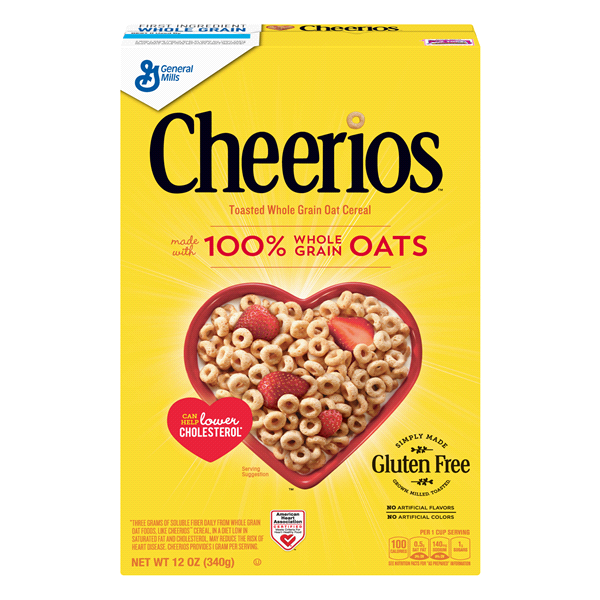
    Twenty-one oat-based cereal and snack products popular with children contain traces of glyphosate, the active ingredient in the weed killer Roundup, according to tests from the Environmental Working Group. EWG said the tests found glyphosate levels above what it considers safe for children in all but four of the products.

    The 21 products that were tested are made by General Mills, including six varieties of Cheerios and 14 of General Mills’ Nature Valley products, such as Nature Valley granola bars.

    General Mills said food safety is a “top priority” for the company, which said it’s working to minimize the use of pesticides on the ingredients it uses. “Most crops grown in fields use some form of pesticides and trace amounts are found in the majority of food we all eat,” the company said in an emailed statement. “Experts at the FDA and EPA determine the safe levels for food products,” which it adheres to, as well as farmers that grow the crops, it added.

    The two highest levels of glyphosate were detected in Honey Nut Cheerios Medley Crunch and Cheerios, at 833 parts per billion and 729 parts per billion, respectively, the group said. It considers anything over 160 parts per billion to be unsafe for children.

    However, the U.S. Environmental Protection Agency has a far higher threshold for glyphosate content, ranging from 0.1 to 310 parts per million, rather than per billion.

    Even though several juries have found in favor of cancer patients who claim their illness is linked to glyphosate exposure, there are conflicting scientific studies. The World Health Organization’s cancer agency has said the weedkiller is “possibly carcinogenic to humans,” but other organizations have said they believe the link is unlikely.

    Glyphosate and oats

    Glyphosate is sprayed on oats to dry out the crop, making it easier to harvest, the EWG said. The group said the practice increases the chances the chemical will end up in children’s cereal.

    “The only way to quickly remove this cancer-causing weedkiller from foods marketed to children is for companies like General Mills and Quaker to use oats from farmers who do not use glyphosate as a desiccant,” it said in the report.

    The four products that tested below the EWG’s threshold of 160 parts per billion are:

    • Honey Nut Cheerios
    • Nature Valley Fruit & Nut Chewy Trail Mix Granola Bars, Dark Chocolate & Nut
    • Nature Valley Sweet & Salty Nut granola bars, Cashew
    • Nature Valley Soft-Baked Oatmeal Squares, Cinnamon Brown Sugar

    source

  • Plant Profile: Penstemon

    Plant Profile: Penstemon

    June is the month of flowers, with favorites like roses, irises and peonies in bloom. But one of my favorite June flowers is Penstemon, sometimes referred to as beardtongue because of the fuzzy growths inside the plants bloom.

    dark towers penstemon

    Dark Towers penstemon is a popular cultivar. (Photo courtesy of Terra Nova Nursery)

    Penstemon is a group of plants that includes more than 250 species and most of them are native to areas of North America from the southern states up through Canada. They are considered one of the most attractive (to humans, at least) of the wildflowers. Because they are comfortable in northern climates, penstemon grow very well in our northern gardens. Many are hardy to USDA Zone 3 (northern Minnesota) and they are easy to grow. You can grow them easily from seed, too.

    Large beardtongue (Penstemon grandiflorus) is native to Minnesota, growing in the prairie and lakes areas from the Twin Cities all the way up to Grand Forks. This plant is about 3 feet tall with large pinkish purple tubular shaped blooms. Each plant will have up to 6 blooms arranged around the stem. It grows well in sandy soil and full sun.

    Husker red penstemon

    Penstemon will bloom in a variety of light, but hails from sunny prairies.

    More commonly seen in gardens is foxglove beardtongue (Penstemon digitalis), which is native as far north as Iowa and is found all over Minnesota, though it is not native here. Foxglove beardtongue typically has white flowers and is an adaptable plant, growing in a variety of sun situations. It is very attractive to pollinators, especially mason and bumblebees as well as hummingbirds. Whenever mine are in bloom, the bumblebees are all over it, flying in and out of the tubular flowers.

    Foxglove beardtongue has also been the subject of some breeding efforts. ‘Husker Red’ is perhaps the most used cultivar in home gardens. With its reddish stems, purple toned leaves and abundant pink-to-white flowers, it’s a contrast plant in beds and borders. Blooms can last up to three weeks and this plant looks great planted in masses. An even more dramatic cultivar is ‘Dark Towers,’ which has deep maroon leaves and blooms that lean more toward reddish pink than white. Both cultivars grow about 3 feet tall and don’t spread too much.

    Plant penstemon where the foliage and flowers will stand out, in the middle of the border. They look especially at home with other prairie plants, such as coneflower, grasses and perennial sunflowers.

    The post Plant Profile: Penstemon appeared first on Minnesota State Horticultural Society.

    This content was originally published here.

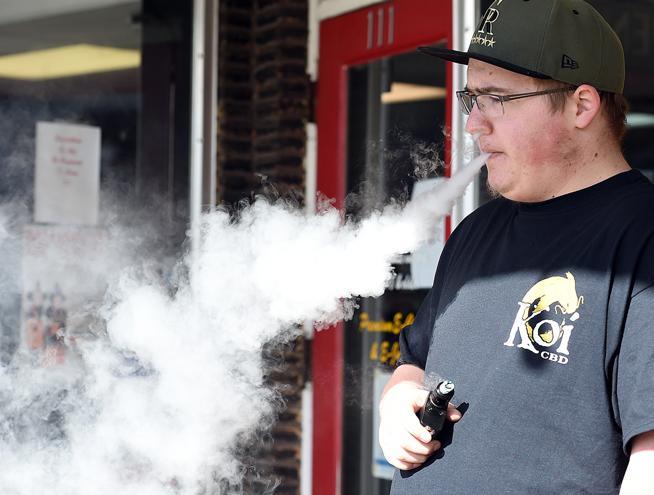
  • Aspen is first city in Colorado to ban sale of flavored nicotine products amid efforts to curb teen vaping

    Aspen is first city in Colorado to ban sale of flavored nicotine products amid efforts to curb teen vaping

    In an effort to combat what officials have called an “epidemic” of teen vaping, several Colorado communities have moved to further regulate tobacco sales through new laws that increase taxes or raise the legal age to buy such products.

    But this week Aspen took a far more aggressive approach, becoming the first city in the state to ban the sale of all flavored nicotine products, including those containing menthol.

    The prohibition on selling flavored cigarettes, cigars, e-cigarettes and vaping products in Aspen goes into effect Jan. 1.

    “It is, I think, our duty on council and in government to protect public health, and this ban, which I fully support, not only protects youth but tries to address addiction by adults,” Councilman Ward Hauenstein said during Monday night’s meeting.

    Only 37 other cities in the U.S. — including Chicago, San Francisco and Minneapolis — have passed such sweeping restrictions on the sale of flavored tobacco products, according to the Campaign for Tobacco-Free Kids, which submitted a letter to the Aspen council supporting that city’s flavor ban.

    Colorado steps up efforts to curb “epidemic” of teen vaping with increased checks on retailers, health advisories

    Flavored nicotine products, especially those used in e-cigarettes and vaping devices, have come under fire by state and federal health officials, who say they draw teenagers, and even children, to vaping. Other than menthol, vaping products’ flavors can include creme brulee, mint, cucumber and mango.

    The Food and Drug Administration has referred to the use of e-cigarettes by teenagers as an “epidemic,” while Colorado’s high rate of teen vaping has drawn the attention of the state’s two most recent governors.

    This year, Gov. Jared Polis introduced a plan to create an excise tax on vaping products and increase taxes on all nicotine products. The bill failed but followed a push by then-Gov. John Hickenlooper in November to increase regulation of e-cigarettes.

    In Colorado, teens and children use e-cigarettes more than any other tobacco product, with 27 percent of youths reporting they used the products, according to a 2017 state survey of middle and high schoolers.

    A spokesman for Juul Labs said the e-cigarette company has taken action to curb underage use of its products, but “flavors are a complex issue” as the firm believes they help adults switch from smoking cigarettes.

    “While we do not and will not sell flavors which are clearly targeted to youth, we also understand that flavors that drive adults from cigarettes have the potential to appeal to youth,” Juul spokesman Ted Kwong said in an email.

    Ahead of their vote this week, Aspen’s city leaders in May approved a partial ban that prohibited just the sale of flavored e-cigarette products. It’s already illegal for anyone under 21 to buy tobacco products in the city, according to the Aspen Daily News.

    When the City Council considered the ban in May, convenience store owner Michael Haisfield opposed the proposal, saying that he had removed all vaping and e-cigarette products from his stores in 2018 because of the problem with youth vaping.

    “In my opinion, vaping and e-cigs are the issue with young adults, not the other tobacco products,” he wrote in a letter to council members. “This ban is imposing restrictions on grown adults, who are, despite assumptions to the contrary, the primary users of flavored tobacco products and should be allowed to make their own decisions.”

    Other cities across the state have considered or approved ordinances to further regulate the sale of tobacco products, such as Lakewood, which now requires retailers selling products such as e-cigarettes, cigars and chew to get a license from the city and to check identification to prevent underage buyers.

    Denver has proposed prohibiting teenagers from buying tobacco products by raising the minimum purchase age to 21.

    And other cities, such as Loveland and Snowmass Village, have expressed interest in considering ordinances similar to that passed in Aspen, said Jodi Radke, a regional director for the Campaign for Tobacco-Free Kids.

    “Our elected officials are looking to pass policies that they know will decrease use rates among kids and prevent them from ever starting,” she said, adding, “The conversation definitely doesn’t stop at Aspen.”

    This content was originally published here.
  • Drug to replace chemotherapy may reshape cancer care

    Drug to replace chemotherapy may reshape cancer care

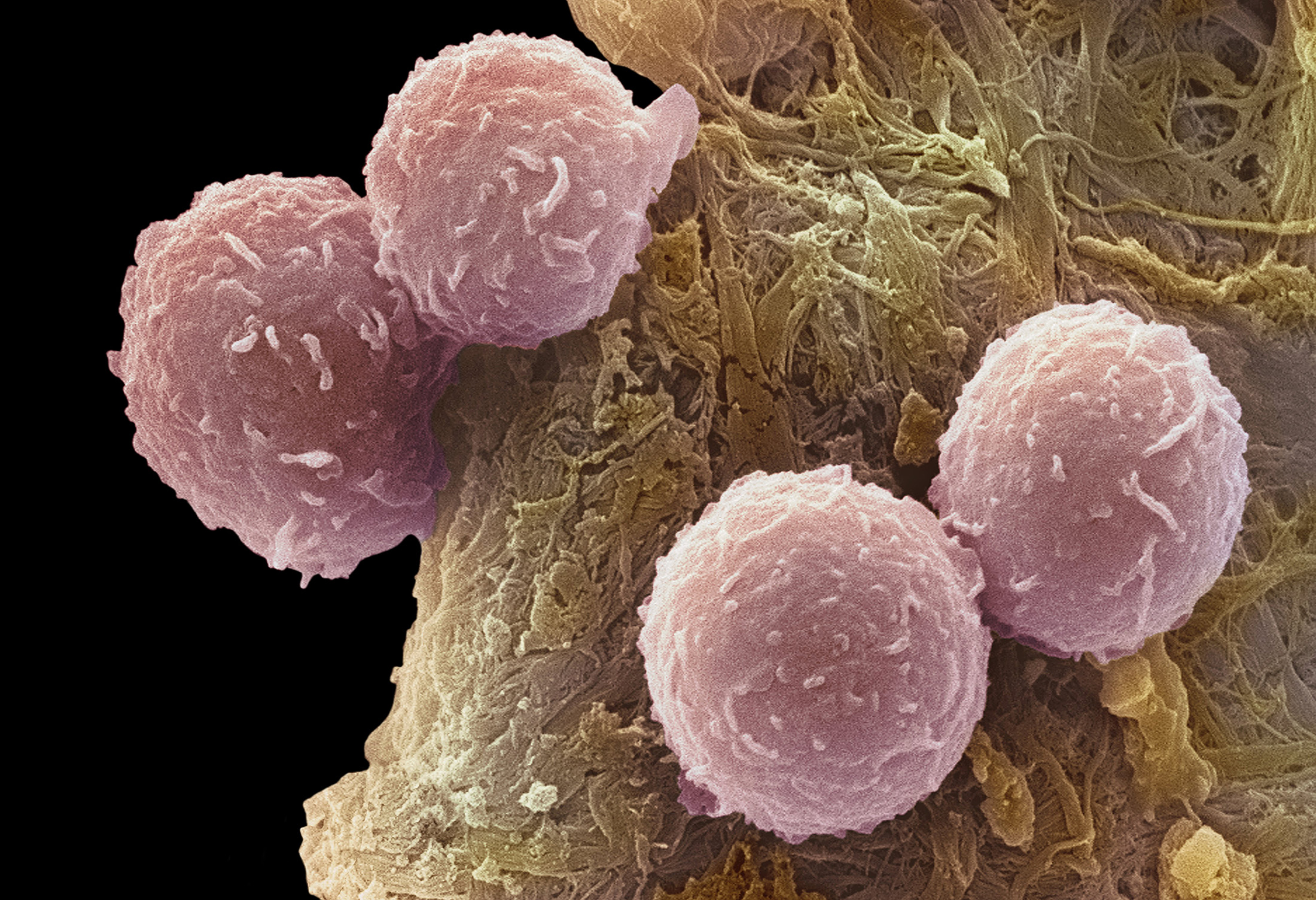
    A class of drugs is emerging that can attack cancer cells in the body without damaging surrounding healthy ones. They have the potential to replace chemotherapy and its disruptive side effects, reshaping the future of cancer care.

    The complex biological medicines, called antibody drug conjugates (ADCs), have been in development for decades, and are now generating renewed excitement because of the success of one ADC in late-stage testing, a breast cancer treatment called DS-8201.

    The fervor over ADCs is such that AstraZeneca Plc (AZN.N) in March agreed to pay as much as US$6.9 billion to jointly develop DS-8201 with Japan’s Daiichi Sankyo Co. (DSNKY.PK), the British drugmaker’s biggest deal in more than a decade. The investment was widely seen to be a validation of DS-8201’s potential — and the ADC class of drugs as a whole — as an alternative for chemotherapy, the most widely used treatment, for some types of cancer.

    DS-8201, which will be filed for U.S. approval by the end of September, is so well-regarded that some analysts already predict it will surpass the US$7 billion in annual sales for Roche Holding AG’s (RHHBY.PK) breast cancer drug Herceptin, which it aims to replace.

    “DS-8201 may become one of the largest cancer biologic drugs,’’ said Caroline Stewart, an analyst at Bloomberg Intelligence who estimates sales of the drug to eventually approach US$12 billion globally. That’s a level that has been attained by only a handful of biologic drugs, which are produced from extracts of other living organisms.

    source