Category: Health

  • Is modern life poisoning me? I took the tests to find out | US news | The Guardian

    Is modern life poisoning me? I took the tests to find out | US news | The Guardian

    Sitting on a plastic chair in a small office, I’m wearing medical scrubs rolled up to my knees and I have an X-ray machine strapped to my shin.

    The machine is scanning my bones for lead as an expert monitors readings streaming on to a screen.

    Earlier that day, after arriving at a Mount Sinai facility in New York City, I dropped off a urine sample that will be studied for 81 chemicals in lab tests far more advanced than at a regular doctor visit.

    A couple of weeks earlier, I spent five days wearing a silicone wristband designed to measure dangerous chemicals in my environment. I wore it while I cleaned my apartment, applied cosmetics and commuted to work.

    All this testing came during a six-month journey to try to answer what sounds like a very simple question: how toxic am I?

    As an environment reporter for the Guardian in Washington DC, I had noticed a growing number of experts expressing concerns about how Americans are exposed to potentially toxic chemicals just by living our everyday lives.

    But how concerned should individuals be? How worried should I be?

    Pinterest

    Childhood in Cancer Alley

    I grew up in south Louisiana, where cancer is a common part of life.

    In Baton Rouge, I passed industrial facilities churning out gasoline and petrochemicals on drives to the airport or my favorite po boy shop for lunch. At home, I rarely thought about those chemicals when I moved my dad’s dirty coveralls from the washer to the dryer.

    So when the Guardian decided to explore how Americans encounter toxic substances, I couldn’t turn my mind away from my own quiet worries. Tallying the people in my extended family who have died from cancer, I texted my parents. We stopped counting at eight.

    The hour-long drive between my hometown and New Orleans is technically called the “petrochemical corridor”, but more Louisianans know it as Cancer Alley.

    In Louisiana from 2011 to 2015, about 188 people out of 100,000 died each year from cancer, according to the Centers for Disease Control and Prevention (CDC). That’s higher than all but three states: Kentucky, Mississippi and West Virginia. One town outside New Orleans, which the Guardian is reporting from in a series through this year, has a cancer rate 50 times higher than the national average because of toxic air.

    Our ‘body burden’

    Humans are more vulnerable to chemicals in utero and in youth, so my concerns aren’t unreasonable. Even the most health-conscious people have carcinogens and other harmful chemicals in their bodies – from plastics, cosmetics, cleansers, pesticide-soaked food, polluted air and water and the many other exposures that are a part of modern life.

    All the chemicals together form what is known as a person’s “body burden”. Almost none of us can test ourselves to see our own body burdens. Doctors’ offices don’t offer the option and private labs don’t routinely test individuals and cost thousands of dollars.

    With that in mind, I set out to quantify one person’s health risks from chemicals. As the complex world of toxicology unfolded, I realized just how much none of us know.

    Are Americans getting sicker?

    Cancer refers to a group of related diseases involving abnormal cell mutation. As these cells grow in number and spread, they can form growths called tumors.

    The impact of cancer on Americans has changed over time with medicine, lifestyle and the environment. In the last four decades, more Americans have been diagnosed with cancer, but more have survived, the US National Cancer Institute reports.

    In the last two decades, rates of lung and bronchus cancer from smoking (accounting for one in four US cancer deaths) have declined, but remain dominant.

    Liver, thyroid and skin cancers, which remain a minority, are on the rise. There is evidence that flame retardants could cause thyroid cancer, and that the chemicals mimic hormones in animal trials.

    The rates of people who are obese or overweight have tripled globally since 1975. Nearly 40% of US adults are obese, with the most pronounced increase among people considered obese or extremely obese. Most research looks to the “big two”: Americans eat more “energy dense foods”, such as sugar-sweetened beverages and processed foods, and institutional changes have discouraged non-participation in physical activity.

    While big two research dominates, other factors may play a role. A growing body of research examines how obesity might be related to an increase in industrial chemical exposure characterized as “obesogens”.

    Food allergies

    Food allergies appear to be increasing in prevalence, especially in westernized countries. However, the reasons for this rise are unclear, according to Harvard researchers. Even the prevalence itself is difficult to measure, given the dangers of testing large populations for food allergies.

    As much as 10% of the population of westernized countries could have a food allergy. Some evidence shows that children of Asian or African descent who are raised in a westernized environment are at increased risk of developing a food allergy.

    Infertility rates globally are difficult to determine, but the worst rates are in undeveloped countries, and are often indexed to women. Some of the best estimates come from a global survey which compared rates of infertility in 1990 and 2010. Researchers found little change.

    At the same time, researchers have become increasingly convinced of a decline in male fertility, especially in the western world. While the cause of male sperm count decline are debated, one increasingly accepted theory posits people’s increasing exposure to industrial chemicals, especially of those used in plastics such as bisphenol A and phthalates, could impact sperm counts.

    Learning difficulties

    In general, the prevalence of learning disabilities is estimated at between 5% and 9% of the US population. Researchers believe roughly 840,000 school-aged children have a severe learning disability. The percent of students with a learning disability is highly correlated with poverty, and the gap between poor and middle class appears to be widening.

    It is difficult to disentangle learning disabilities from poverty, which can also impact health through trauma and the effects of poor housing.

    Autism Spectrum Disorder impacts about 1% of US children, roughly in line with other industrialized nations, according to the US Centers for Disease Control and Prevention.

    Autism diagnoses increased rapidly in recent decades. However, whether the absolute number of people with autism has increased has confounded researchers, as diagnostic criteria broadened and community awareness rapidly increased.

    Was this helpful?

    Of the tens of thousands of chemicals in commerce, scientists have closely studied the health impacts of roughly 50 to 100. The CDC records some of the average levels shown in the bodies of a representative sample of Americans.

    We know what levels are average, but we don’t know what levels are safe. We also don’t know how various chemicals react together in the human body.

    Individually, some of the chemicals commonly in use and in human bodies are known to be linked with cancer, organ problems, reproductive difficulties, endocrine disruption, obesity, diabetes, birth defects, neural issues and developmental delays. Together, we don’t know what they do.

    One analysis of CDC data found that mixtures of chemicals can heighten toxicity in the body. But chemicals are typically studied only for their individual effects. And the existing research covers only a small fraction of chemicals people are exposed to – many more are unknown.

    I didn’t understand most of this when I started working on this story.

    Pinterest

    The science of ‘exposomics’

    I think of myself as a relatively cautious consumer. I buy most of my soaps and lotions at Whole Foods, but I don’t closely examine the hair products from my salon or the cleaning products I’ve always used. I eat mostly organic when I cook at home, but I dine out often too. Plastic is everywhere in my life, although I try to purchase as little of it as possible. I bought a special mattress specifically to avoid flame retardants.

    So I was fascinated when I first heard of exposomics – the burgeoning study of how toxic chemicals affect a body over a lifetime.

    “I like to say that exposomics is roughly where genomics was 15 years ago,” says Robert Wright, a pediatrician, medical toxicologist and epidemiologist at Mount Sinai in New York.

    “There’s a growing realization among geneticists that genetic information in the absence of environmental information doesn’t have very much value because everything interacts.”

    In the US, Wright says, companies start using new chemicals and don’t stop using them unless people get sick and can prove how it happened. Medicines are tested before market, but most other products aren’t.

    I know this, but hearing it from an expert makes me hyper aware of my environment. I start wearing socks after cleaning my floors. At a restaurant, I smell disinfectant and cringe at the silverware resting on the table.

    Pinterest

    Searching for tests

    Wright tells me we can test my body for a small number of chemicals but we won’t know where in my life they’re coming from.

    To examine my current-day risk, I can wear a newly developed silicone wristband designed by another researcher that will show what toxic substances I encounter in a given week.

    For a longer history, we would need to analyze my baby teeth, which I don’t have. They would show signs of early exposures to toxic substances like lead and pesticides.

    As I start seeking tests, I also find Leonardo Trasande, a doctor at New York University who helped a reporter with a similar experiment years ago. He tells me that unfortunately not much has changed since then.

    Which everyday chemicals are toxic?

    Phthalates make plastic flexible and are used as solvents in cosmetics. They can damage the liver, kidneys, lungs and reproductive system, according to animal studies.

    Bisphenols go into hard plastic products, beverage bottles, metal cans and other food packaging. The best known one is BPA, which many companies have phased out because of its cancer risk. Its replacements are not necessarily safer, however.

    Flame retardants

    Flame retardants are likely to be in most things you sit on: couches, beds and carpets. Evidence links them to endocrine and thyroid disruption, immune and reproductive problems, adverse effects on fetal and child development and cancer.

    Organophosphates are the most widely used insecticides, or poisons for bugs. Acute exposure can cause death. They disrupt a neurotransmitter that carries signals between brains and muscles. Chronic low-level exposure may increase the risks of neurological disorders.

    Was this helpful?

    Trasande suggests starting with four categories: phthalates, bisphenols, polybrominated diphenyl ethers (flame retardants) and organophosphate pesticides.

    Aside from popping up in products and food, many of these chemicals enter the air, water and soil where they are manufactured and used.

    I tick through my daily life and hypothesize that I probably have moderate levels of all four categories.

    Pinterest

    How much do we want to know?

    Wright, the exposomics expert, says people educated about risks can reduce their toxic burdens, and this makes me feel my personal research is worthwhile.

    However, Paolo Vineis, the chair of environmental epidemiology at Imperial College in London, tells me I should consider the psychological impact of my quest. He says he worries about a future where people are frequently testing their exposures. “I’m not sure it is good mental health to be that concerned about pollution,” he says.

    Andreas Kortenkamp, a researcher looking at the effects of mixtures of chemicals, says there are limits to how much individuals can do. “It requires regulatory action from government,” he says.

    What all the experts agree on, however, is that the best thing is to maintain a healthy lifestyle – to be active, eat fruits and vegetables and never smoke.

    I’m unsure of how much I really want to know until I speak to Philippe Grandjean, a Harvard environmental pollution specialist who splits his time between Copenhagen and Cambridge, Massachusetts.

    His studies have made him an expert in lead, mercury and most recently, manmade non-stick perfluorinated chemicals, or PFAS , which most people have in their bodies.

    “The lower you can get your exposure, the better, and simply use your brain,” Grandjean says. There may be bigger hazards we haven’t discovered “so we should try to limit our exposure to essentially all chemicals”, he adds.

    Grandjean is also hyperaware. He doesn’t scrape melted cheese off chemically treated pizza boxes. He doesn’t eat popcorn microwaved in a bag.

    If he can be that careful, I figure I can throw out some old perfumes and lotions. But for months while I’m learning about this invisible world, I try to keep my routines the same for the sake of our experiment.

    Pinterest

    The wristband test

    After a few weeks, Kim Anderson, who developed the wristband for chemical testing at Oregon State University that Wright told me about, sends me a thick resealable plastic bag with a Livestrong-style bracelet.

    For five days I don’t take it off. It’s bright orange and black, and I can’t help but notice it constantly. When I put on makeup or clean a counter, I think about whether it will show. When I take a deep breath, I wonder about the day’s air quality.

    A photographer comes to document my everyday life and we line up my shower products on the edge of the bathtub. I feel overwhelmed: I don’t know much about the ingredients in what I use.

    A few weeks later, Wright and Mount Sinai volunteer to test me for some of the chemicals the experts I’ve interviewed highlighted as important. I take a train to New York City and tour the lab where my samples will be collected and analyzed. Expensive machinery whirs all around.

    I head to the bone scanner – which exposes me to a small fraction of the radiation involved in an annual dental X-ray. I was born in 1989, the year lead was phased out of gasoline. So if I was exposed, it was probably from old wall paint or drinking water pipes.

    The full results of the lead test will take time to analyze, but Andrew Todd – who operated the machine on my leg – tells me I’m in the clear. “Because you’re not lighting up like a Christmas tree,” he says.

    Lead is the only heavy metal we’re testing. The other tests we’ve arranged – after months of phone and video calls, emails and train trips – focus on the kinds of chemicals most Americans encounter every day, which worry me more.

    Pinterest

    Reviewing my products

    With all my testing complete, I get home and start to make some changes.

    I collect what I understand to be my riskiest products throughout my home, according to a database and app maintained by the Environmental Working Group, a health advocacy group.

    I keep some of my personal care products and cosmetics but discard others. I struggle to part with a poorly rated hair cream I used since I was a teenager and perfumes that remind me of my first years in Washington DC. I remind myself that cosmetics, and particularly fragrance, in the US are largely unregulated.

    Friends who hear about the project ask if I’m scared. But I’m actually relieved to know I’m making better-educated decisions.

    Then the results arrive.

    The test results from the wristband

    My wristband was analyzed for 1,530 chemicals. Twelve were detected, and the remaining 1,518 analytes were below the detection limit.

    I Google the 12, and they sound terrifying, but I have no frame of reference. There is no database for chemicals Americans are exposed to on a daily basis.

    Most on my list are fragrances used in body care products and cleaning supplies. Several are phthalates, the plasticizers used in food packaging and cosmetics. One is a flame retardant.

    Olga Naidenko, a senior scientist at the Environmental Working Group, goes through the list with me. She notes phthalates can mimic hormones, affect the endocrine system and harm a developing fetus. She adds that the flame retardant – TPP – is used in some nail polishes and is another suspected endocrine disruptor.

    Pinterest

    Endocrine function is important to a healthy body. Endocrine disruptors can turn on or off, or modify, signals that hormones carry. They are linked with developmental, neural, immune and reproductive problems.

    Naidenko reminds me that research can’t yet tell us the effects of cumulative exposure to multiple chemicals simultaneously.

    “In EWG’s view, this question should have been answered by chemicals and products manufacturers before the chemicals were released on the market,” she says. “In the meantime, EWG recommends avoiding various possible sources of exposure to endocrine disrupting chemicals in everyday products.”

    This, she adds, will “require a bit of detective work … since ingredients are not typically listed on consumer products”.

    At first, I don’t aggressively pursue that detective work – I’m busy and I’ve been living this way without major problems for years, right? But I find I can’t help myself. Within the month I decide to start skipping pedicures and painting my toenails at home or not at all.

    Results from the rest of my tests

    When Mount Sinai completes my lab tests, Wright won’t send them to me until we talk. He knows I would go straight to Googling.

    First he asks if I have chronic illnesses or take medications. I don’t, but I do take two pills a day for minor issues. I work in front of a computer, but I’m otherwise active and eat plenty of fruits and vegetables. I’m also gluten intolerant, so I skip many processed foods.

    Wright tells me I have at least 36 chemicals in my body – phthalates, flame retardants and pesticides, as well as some phenols used in plastics and polycyclic aromatic hydrocarbons from air pollution.

    I also have a metabolite from cigarette smoke, called cotinine. I don’t smoke and I’m rarely around smokers, but I did briefly visit relatives who were smoking two weeks before my test.

    It’s remarkable to me that this could show up in my results.

    “There’s no such thing as a ‘normal’ level for any of these chemicals,” Wright says.

    But compared with the CDC data, I’m fairly average for a person living in a city.

    Two of my phthalate levels are two to three times higher than the American average. Those are the chemicals found in my fancy soaps and shampoos. But they’re also in the plastic medicine capsules I swallow each day. And they’re in food packaging – like the plastic sheets that wrap American cheese. They are associated with obesity and reproductive problems, particularly for males.

    “All those things are not directly causal, they’re risk factors,” Wright explains.

    Even average levels aren’t necessarily healthy.

    Trasande says he would have compared my numbers to the ranges of levels – rather than the averages – present in Americans. He says results like mine “are associated with a host of health consequences that can develop in folks who don’t have clinical symptoms of any disease or burden”. He counsels me to avoid the exposures I can.

    But Wright says that since I don’t have any illnesses – like type 2 diabetes – he wouldn’t advise any extraordinary measures to limit my encounters with phthalates.

    “My bet is you’re more in tune than most people and probably have a lower risk,” Wright says. He says taking your health seriously, “more than anything else, will help no matter what you’re exposed to and pretty much no matter what your DNA says.”

    Based on one result, my elevated polycyclic aromatic hydrocarbons, I decide to get a big fan and open the window when I cook over my stove.

    My kitchen doesn’t have an exhaust. It’s unclear whether the air pollution my labs show is from cars in a traffic jam or smoke inside my home.

    “I think the important message is it’s not that we think that all chemicals should be banned,” Wright says. “Chemicals have positive uses. It’s just that we need to be aware of what’s in [products] and then make informed choices.”

    This content was originally published here.

  • Short Film Reveals the Lunacy of Water Fluoridation

    Short Film Reveals the Lunacy of Water Fluoridation

    The U.S. Centers for Disease Control (CDC) has hailed water fluoridation as one of the top 10 public health achievements of the 20th century. Beginning in 1945, it was claimed that adding fluoride to drinking water was a safe and effective way to improve people’s dental health. Over the decades, many bought into this hook, line and sinker, despite all the evidence to the contrary. The featured film, “Our Daily Dose,” reviews some of this evidence. As noted in the film’s synopsis:

    “Filmmaker Jeremy Seifert lays out the dangers of water fluoridation informatively and creatively, highlighting the most current research and interviewing top-tier doctors, activists, and attorneys close to the issue. Through thoughtful examination of old beliefs and new science, the film alerts us to the health threat present in the water and beverages we rely on every day.”

    Share This Film With Those Still Sitting On the Fence on Fluoride!

    The film may not offer many brand new revelations to those of you who are already well-informed about the history and documented hazards of fluoride.

    It was primarily created as an educational vehicle aimed at those who may not be aware of these issues, or who might not yet be entirely convinced that drinking fluoride isn’t a good thing. So PLEASE, share this video with all of your friends and family who are on the fence on this issue, and ask them to watch it. It’s only 20 minutes long, but it packs a lot of compelling details into those 20 minutes.

    Understanding how fluoride affects your body and brain is particularly important for parents with young children, and pregnant women. It’s really crucial to know that you should NEVER mix infant formula with fluoridated tap water for example, as this may overexpose your child to 100 times the proposed “safe” level of fluoride exposure for infants!

    If your child suffers with ADD/ADHD, drinking fluoridated water may also worsen his or her condition. Ditto for those with underfunctioning thyroid. So please, do share this video with your social networks, as it could make a big difference in people’s health.

    Fluoride Is Both an Endocrine Disruptor and a Neurotoxin

    Scientific investigations have revealed that fluoride is an endocrine-disrupting chemical, and a developmental neurotoxin that impacts short-term and working memory, and lowers IQ in children.It has been implicated as a contributing factor in the rising rates of both attention-deficit hyperactive disorder (ADHD), and thyroid disease.

    Indeed, fluoride was used in Europe to reduce thyroid activity in hyperthyroid patients as late as the 1970s, and reduced thyroid function is associated with fluoride intakes as low as 0.05 to 0.1 mg fluoride per kilogram body weight per day (mg/kg/day).

    For Over 50 Years, Fluoride Levels Were Too High, Government Admits

    Children are particularly at risk for adverse effects of overexposure, and in April 2015, the US government admitted that the “optimal” level of fluoride recommended since 1962 had in fact been too high. As a result, over 40 percent of American teens show signs of fluoride overexposure — a condition known as dental fluorosis. In some areas, dental fluorosis rates are as high as 70 to 80 percent, with some children suffering from advanced forms.

    So, for the first time, the U.S. Department of Health and Human Services (HHS) lowered its recommended level of fluoride in drinking water,, by 40 percent, from an upper limit of 1.2 milligrams per liter (mg/L) to 0.7 mg/L. The HHS said it will evaluate dental fluorosis rates among children in 10 years to assess whether they were correct about this new level being protective against dental fluorosis. But just what is the acceptable level of harm in the name of cavity prevention?

    A number of studies,,, have shown that children with moderate to severe dental fluorosis score worse on tests measuring cognitive skills and IQ than peers without fluorosis — a clear revelation highlighted in the film, as some still insist that dental fluorosis is nothing more than a cosmetic issue.

    The Price We Pay for Cavity Prevention

    According to the film, the CDC estimates water fluoridation decreases dental decay by, at most, 25 percent. Recent research, however, suggests the real effect may be far lower. Based on the findings of three papers assessing the effectiveness of fluoridation on tooth decay, the researchers concluded that water fluoridation does not reduce cavities to a statistically significant degree in permanent teeth.

    If that’s the case, then why are we still jeopardizing our children’s long-term thyroid and brain health by adding fluoride to drinking water?

    Fluoride — like many other poisons — was originally declared safe based on dosage, but we now know that timing of exposure can play a big role in its effects as well. Children who are fed infant formula mixed with fluoridated water receive very high doses, and may be affected for life as a result of this early exposure.

    Fluoride can also cross the placenta, causing developing fetuses to be exposed to fluoride. Considering the fact that fluoride has endocrine-disrupting activity, this is hardly a situation amenable to the good health of that child. It’s important to realize that fluoride is not a nutrient. It’s a drug, and it’s the ONLY drug that is purposely added directly into drinking water. 

    This route of delivery completely bypasses standard rules relating to informed consent, which is foundational for ethical medical practice. What’s worse, there’s no way to keep track of the dosage. And no one is keeping track of side effects.

    Infants Are Severely and Routinely Overdosed on Fluoride

    According to the recent Iowa Study, funded by the National Institutes of Health (NIH) and the CDC, infants and young children are being massively overdosed on fluoride. This study, which is the largest U.S. study conducted measuring the amount of fluoride children ingest, concluded that:

    • 100 percent of infants receiving infant formula mixed with fluoridated tap water get more than the allegedly safe dose of fluoride. Some formula-fed infants receive 100 times the safe level on a daily basis
    • 30 percent of 1-year-olds exceed the recommended safe dose
    • 47 percent of 2- to 3-year-olds exceed the safe dose

    Most Water Authorities Use Toxic Waste Product, Not Pharmaceutical Grade Fluoride

    As stated, fluoride is a drug, and research into the health effects of fluoride are based on pharmaceutical grade fluoride. However, a majority of water authorities do not even use pharmaceutical grade fluoride; they use hydrofluosilicic acid, or hexafluorosilicic acid — toxic waste products of the phosphate fertilizer industry, which are frequently contaminated with heavy metals such as arsenic, mercury, cadmium, lead and other toxins.

    This is a key point that many fluoride proponents fail to address when arguing for its use. Indeed, holding elected officials accountable for procuring proof that the specific fluoridation chemical used actually fulfills fluoride’s health and safety claims and complies with all regulations, laws and risk assessments required for safe drinking water, has been a successful strategy for halting water fluoridation in a number of areas around the U.S.

    While the idea of hiding toxic industrial waste in drinking water would sound like a questionable idea at best to most people, it was welcomed by the U.S Environmental Protection Agency (EPA). In a 1983 letter, Rebecca Hanmer, Deputy Assistant Administrator for Water, wrote:

    “… In regard to the use of fluosilicic acid as a source of fluoride for fluoridation, this Agency regards such use as an ideal environmental solution to a long-standing problem. By recovering by-product fluosilicic acid from fertilizer manufacturing, water and air pollution are minimized, and water utilities have a low-cost source of fluoride available to them…”

    Data and Science Do Not Support Water Fluoridation

    Ninety-seven percent of Western European countries do not fluoridate their water, and data collected by the World Health Organization (WHO) show that non-fluoridating countries have seen the exact same reduction in dental cavities as the U.S., where a majority of water is still fluoridated. If fluoride were in fact the cause of this decline, non-fluoridating countries should not show the same trend.

    Clearly, declining rates of dental decay are not in and of themselves proof that water fluoridation actually works. It’s also worth noting that well over 99 percent of the fluoride added to drinking water never even touches a tooth; it simply runs down the drain, contaminating and polluting the environment.

    Source: KK Cheng et.al. BMJ 2007. Rates of cavities have declined by similar amounts in countries with and without fluoridation.

    Ending Fluoridation Will Be the Greatest Public Health Achievement of the 21st Century

    Despite the fact that the scientific evidence does not support fluoridation, those who question or openly oppose it are typically demonized and written off as crazy conspiracy theorists. Many fluoride supporters claim the science of fluoridation was “settled” some 50 years ago — effectively dismissing all the revelations produced by modern science!

    To defend their position, they rely on outdated science, because that’s all they have. You’d be extremely hard-pressed to find modern research supporting water fluoridation.

    Indeed, as noted in the film, ending water fluoridation will be one of the greatest public health achievements of the 21st Century, and I for one will not stop until that happens. To learn more about why water fluoridation runs counter to good science, common sense and the public good, please see the following video, which recounts 10 important fluoride facts.

    The Best Cavity Prevention Is Your Diet

    The best way to prevent cavities is not through fluoride, but by addressing your diet. One of the keys to oral health is eating a traditional diet or real foods, rich in fresh, unprocessed vegetables, nuts and grass fed meats. By avoiding sugars and processed foods, you prevent the proliferation of the bacteria that cause decay in the first place.

    According to Dr. Francesco Branca, Director of WHO’s Department of Nutrition for Health and Development:”We have solid evidence that keeping intake of free sugars to less than 10 percent of total energy intake reduces the risk of overweight, obesity and tooth decay.”

    Other natural strategies that can significantly improve your dental health are eating plenty of fermented vegetables, and doing oil pulling with coconut oil. Also make sure you’re getting plenty of high-quality animal-based omega-3 fats, as research suggests even moderate amounts of omega-3 fats may help ward off gum disease. My favorite source is krill oil.

    This content was originally published here.

  • Night owls’ health may benefit from ‘simple’ routine adjustments

    Night owls’ health may benefit from ‘simple’ routine adjustments

    bearded man asleep in bed
    A few easy adjustments could help night owls boost their productivity and lower their health risks.

    Research from earlier this year found that night owls — people who naturally keep late hours — experience an effect similar to jet lag on a daily basis.

    This occurs, at least in part, because they have to meet the requirements of a world that we created for “morning people,” in which 9 to 5 jobs are standard, and there is the expectation that people should primarily work in the mornings.

    Other studies have suggested that night owls have a higher risk than morning people of diabetes and that they are also more likely to develop heart disease.

    However, a team of researchers from the Universities of Birmingham and Surrey in the United Kingdom and Monash University in Melbourne, Australia, argues that by making just a few simple lifestyle adjustments, night owls might be able to minimize their health risks.

    For their study, the researchers recruited 22 healthy volunteers with night owl habits. They had an average bedtime of 2.30 a.m. and an average wake-up time of 10.15 a.m.

    “Our research findings highlight the ability of a simple nonpharmacological intervention to phase advance ‘night owls,’ reduce negative elements of mental health and sleepiness, as well as manipulate peak performance times in the real world,” says lead researcher Elise Facer-Childs, Ph.D.

    The team presents the study’s findings in a dedicated paper that appears in the journal Sleep Medicine.

    4 changes to boost night owls’ performance

    “Having a late sleep pattern puts you at odds with the standard societal days, which can lead to a range of adverse outcomes — from daytime sleepiness to poorer mental well-being,” explains study co-author Andrew Bagshaw, Ph.D.

    For this reason, the researchers wanted to find out whether implementing some easy lifestyle changes would allow individuals to adjust their sleep patterns. They also wanted to see whether it could reduce the ill effects that the mismatch between body clock rhythm and the rhythm of modern society can have on health.

    To this end, the team asked the 22 participants to make certain lifestyle changes over 3 weeks. These changes included:

    “We wanted to see if there were simple things people could do at home to solve this issue,” says Bagshaw, adding that the study’s approach “was successful, on average allowing people to get to sleep and wake up around 2 hours earlier than they were before.”

    After the 3-week intervention, the volunteers demonstrated improvements in both cognitive performance, with an increase in reaction time, and physical shape, with improved grip strength, in the morning. They also reported reaching “peak” performance capacity in the afternoons rather than in the evenings as they were before the study.

    Moreover, participants reported a decrease in feelings of depression and stress, as well as in daytime sleepiness.

    “[The intervention] was also associated with improvements in mental well-being and perceived sleepiness, meaning that it was a very positive outcome for the participants,” notes Bagshaw.

    However, the researcher continues, “we now need to understand how habitual sleep patterns are related to the brain, how this links with mental well-being, and whether the interventions lead to long-term changes.”

    For now, the researchers argue that these easy adjustments can allow people whose natural body clock does not match the regular 9 to 5 work schedule to boost both their performance and their well-being.

    Establishing simple routines could help ‘night owls’ adjust their body clocks and improve their overall physical and mental health. Insufficient levels of sleep and circadian misalignment can disrupt many bodily processes, putting us at increased risk of cardiovascular disease, cancer, and diabetes.”

    Study co-author Prof. Debra Skene

    This content was originally published here.

  • Purslane, with its many health benefits, is a ‘wonderweed’ – Agriculture Monthly

    Purslane, with its many health benefits, is a ‘wonderweed’ – Agriculture Monthly

    Though it might be considered a weed, Portulaca Oleracea more known as purslane (ngalong or ulasiman in the Philippines), has a lot of health benefits.

    First, they are rich in antioxidants like glutathione, vitamin E, and beta-carotene. Being rich in antioxidants means that it promotes good heart health, also because it contains omega-3 fatty acids. Purslane also helps soothe and heal wounds when directly applied to a mild burn or scratch. Eating the succulent leaves of purslane can also help treat inflammatory diseases.

    Purslane also has compounds may increase the number of white blood cells as well as phytochemicals,  a potential treatment for cancer. Recent tests found that purslane extracts also have the potential to subdue tumors, lower gastric acid, and even manage diabetes symptoms. This weed also contains minerals such as calcium, potassium, magnesium, iron, and phosphorus, which are beneficial to the bones. But purslane must be moderately taken for people who are prone to having kidney stones.

    This content was originally published here.

  • The crucial connection between magnesium and vitamin B6

    The crucial connection between magnesium and vitamin B6

    You may be familiar with the connection between magnesium, calcium and vitamins K2 and D, and how they work in tandem. But are you aware of the crucial link between magnesium and vitamin B6 (pyridoxine)? Individually, magnesium and vitamin B6 are both essential for heart and brain health. Both also play roles in the regulation of your blood sugar level.,

    When you get insufficient amounts of magnesium from your diet, your body will leach magnesium from your bones, muscles and internal organs, which can lead to osteoporosis, kidney problems and liver damage.

    Vitamin B6 can help ameliorate this by escorting magnesium to the cells that need it most, thus ensuring that the magnesium you’re getting, whether from foods or supplements, is being used as efficiently as possible. In so doing, vitamin B6 also helps augment the many benefits of magnesium.

    Magnesium-B6 combo is superior for severe stress

    The importance of magnesium in combination with vitamin B6 was presented in a 2018 study in the journal PLOS ONE. Taken together, these two nutrients have been shown to have a complementary effect on stress reduction in animal studies.

    In this randomized trial, they evaluated whether the combination of magnesium and B6 would improve perceived stress levels in 264 human subjects who also had low magnesium to start. Healthy adults with a depression anxiety stress scale score above 18 and a serum level of magnesium between 0.45 nanomoles per liter (mmol/L) and 0.85 mmol/L were randomized to receive either:

    1. 300 milligrams (mg) of magnesium in combination with 30 mg of vitamin B6
    2. 300 mg of magnesium only

    The primary endpoint was a reduction in stress score from baseline to Week 8. While both treatment groups experienced similar reductions in their stress scores — the magnesium-B6 combo group reporting a 44.9% reduction in perceived stress and the magnesium-only group a 42.4% reduction — a more significant impact was shown in those with severe and/or extremely severe stress.

    According to the authors, adults with a stress score at or above 25 had a 24% greater improvement with magnesium-vitamin B6 versus magnesium only at Week 8. Those taking magnesium and B6 in combination also experienced fewer side effects: 12.1% of those taking magnesium-vitamin B6 versus 17.4% of those taking magnesium only experienced some form of adverse event. As noted by the authors:

    “These findings suggest oral Mg supplementation alleviated stress in healthy adults with low magnesemia and the addition of vitamin B6 to Mg was not superior to Mg supplementation alone. With regard to subjects with severe/extremely severe stress, this study provides clinical support for greater benefit of Mg combined with vitamin B6.”

    Magnesium and B6 may ease premenstrual syndrome

    Magnesium and vitamin B6 are two nutrients commonly recommended for women struggling with premenstrual syndrome. According to a research paper published in the Journal of Caring Sciences, magnesium deficiency has been proposed “as one of the factors causing and intensifying premenstrual syndrome symptoms,” and magnesium appears to work because it has a calming effect on the neuromuscular system.

    “Vitamin B6 is another proposed treatment for this syndrome,” the paper notes. “On the one hand vitamin B6 increases serotonin and dopamine levels and improves premenstrual syndrome symptoms, and on the other, it has an essential role in the synthesis of prostaglandin and fatty acids, which are reduced in etiologies causing premenstrual syndrome.

    Moreover, researchers believe that vitamin B6 deficiency decreases dopamine in the kidneys and therefore increase sodium excretion, which in turn causes water accumulation in the body and induces symptoms such as swelling in extremities, edema, and abdominal and chest discomfort. The administration of vitamin B6 can thus decrease these symptoms and improve premenstrual acne.”

    To evaluate the effects of these two nutrients on premenstrual syndrome, 126 women diagnosed with premenstrual syndrome, based on American Psychiatric Association criteria, were divided into three groups, which received either 250 mg of magnesium oxide, 250 mg of vitamin B6, or a placebo, taken from the first day of the menstrual cycle until the beginning of the next cycle.

    Magnesium and B6 have similar rates of effectiveness

    Overall, magnesium and B6 had similar rates of effectiveness for premenstrual syndrome in this Journal of Caring Sciences study. Mean scores of premenstrual syndrome before and after intervention in the three groups were as follows:

    Magnesium Vitamin B6 Placebo

    Before intervention: Before intervention

    Magnesium : 36.89%

    Vitamin B6 : 36.51%

    Placebo : 35.8%

    After intervention: After intervention

    Magnesium : 22.22%

    Vitamin B6 : 22.84%

    Placebo : 28.41%

    As you can see, while the placebo also helped reduce premenstrual syndrome symptoms, magnesium and B6 did so more effectively, and at similar rates. When looking at specific symptoms, B6 and magnesium were found to be the most effective for lowering rates of depression, water retention and anxiety. In conclusion, the authors noted:

    “Considering the importance of premenstrual syndrome and the numerous effects it has on society and the lives of women, health groups should prioritize the diagnosis and treatment of this syndrome. Since there is no definitive etiology and treatment for this syndrome, many researchers have tried to find the best and most effective drug with the least side effects to prevent the occurrence of the syndrome …

    The current study was also undertaken with the goal of finding an effective compound with no side effects to reduce the symptoms of this syndrome and its direct and indirect economic and social effects. All compounds used in the current study had no side effects, were effective, non-chemical, and acceptable by most groups of women in the society.

    Hence, health groups, especially midwives, can compare the effectiveness the compound on their specific patients and select the most appropriate treatment for each individual. Moreover, in cases where the patient is prohibited from using chemical drugs to treat premenstrual syndrome, such as oral contraceptive pills and gonadotropin releasing hormone (GnRH) agonists, the use of these compounds seems effective …”

    Unfortunately, a combination of magnesium and B6 was not evaluated in this study. It would have been interesting to see what their combined effect would have been. Considering the importance of both of these nutrients for health, I see no risk in combining them, though, should you struggle with premenstrual syndrome.

    The importance of magnesium for optimal health

    Magnesium is the fourth most abundant mineral in your body and the second most common intracellular cation (positively charged ion) after potassium. It’s required for the healthy function of most cells in your body, but is especially important for your heart, kidneys and muscles.

    Low magnesium will impede your cellular metabolic function and deteriorate mitochondrial function, which can have far-reaching health consequences, seeing how loss of mitochondrial function is a foundational factor in most chronic diseases, including heart disease and cancer.

    According to one scientific review, which included studies dating as far back as 1937, low magnesium actually appears to be the greatest predictor of heart disease, and other recent research shows even subclinical magnesium deficiency can compromise your cardiovascular health.

    Being one of the most abundant minerals in the human body, it’s not surprising that it has several hundred biological functions. To list just a few, magnesium helps: 

    • Relax your muscles as well as your blood vessels — Being deficient in it can cause muscle cramps and weakness
    • Promote mental and physical relaxation — It’s a stress antidote that works by boosting GABA, an inhibitory neurotransmitter that relaxes your nervous system. Magnesium also helps boost your melatonin production
    • Regulate blood sugar and improve insulin sensitivity, potentially protecting against Type 2 diabetes

    Magnesium is required for activation of vitamin D

    Magnesium is also a component necessary for the activation of vitamin D,,, and deficiency may hamper your ability to convert vitamin D from sun exposure and/or oral supplementation.

    According to Mohammed Razzaque, professor of pathology at Lake Erie College of Osteopathic Medicine in Pennsylvania, coauthor of a study published in The Journal of the American Osteopathic Association (JAOA) in March 2018, “By consuming an optimal amount of magnesium, one may be able to lower the risks of vitamin D deficiency, and reduce the dependency on vitamin D supplements.”

    Interestingly, the first paper I ever had published, back in 1985, was also in the JAOA. My paper was about the use of calcium to control hypertension, but if I had written the paper this century, it most certainly would have been about the use of magnesium for that purpose.

    A second study, published in The American Journal of Clinical Nutrition in December 2018 also concluded that your magnesium status plays an important role in your vitamin D status. Overall, people with high magnesium intake were less likely to have low vitamin D. They also had a lower mortality risk from cardiovascular disease and bowel cancer.

    As explained by Dr. Qi Dai, professor of medicine at Vanderbilt University Medical Center and the lead author of this study, “Magnesium deficiency shuts down the vitamin D synthesis and metabolism pathway.” What’s more, magnesium was found to have a regulating effect, raising and lowering vitamin D based on baseline levels.

    In people who had a baseline vitamin D level of 30 ng/mL (75 nmol/L) or below, magnesium supplementation raised their vitamin D level. However, in those who started out with higher vitamin D levels (50 ng/mL or 125 nmol/L), magnesium supplementation lowered their vitamin D.

    Magnesium for brain health and neurological functioning

    Magnesium is also crucial for optimal brain function, and is a common culprit in neurological ailments, including:

    Migraines,, Researchers have noted that empiric treatment with a magnesium supplement is justified for all migraine sufferers.

    Depression — Magnesium plays an important role in depression as it acts as a catalyst for mood-regulating neurotransmitters like serotonin. Research published in 2015 found a significant association between very low magnesium intake and depression, especially in younger adults.

    Research published in PLOS ONE demonstrated magnesium supplementation improved mild-to-moderate depression in adults, with beneficial effects occurring within two weeks of treatment. In fact, the effects of magnesium were comparable to prescription SSRIs in terms of effectiveness, but without any of the side effects associated with these drugs.

    Participants in the treatment group received a daily dose of 248 milligrams (mg) of elemental magnesium for six weeks, while controls received no treatment. According to the authors, “It works quickly and is well tolerated without the need for close monitoring for toxicity.”

    Memory problems and loss of brain plasticity — Memory impairment occurs when the connections (synapses) between brain cells diminish. While many factors can come into play, magnesium is an important one.

    According to Dr. David Perlmutter, a neurologist and fellow of the American College of Nutrition, “magnesium is a critical player in the activation of nerve channels that are involved in synaptic plasticity.” Magnesium threonate, which most effectively permeates the blood-brain-barrier, is likely your best choice here.

    The specific brain benefits of magnesium threonate were demonstrated in a 2010 study published in the journal Neuron, which found this form of magnesium enhanced “learning abilities, working memory, and short- and long-term memory in rats.”

    Health benefits of vitamin B6

    Like magnesium, vitamin B6 (as well as several other B vitamins) also plays an important role in heart and brain health. It is used in the creation of neurotransmitters, and is required for proper brain development during pregnancy and infancy.

    Vitamins B6, B9 (folate, or folic acid in its synthetic form) and B12 may be particularly important for supporting cognitive function as you age, and have been shown to play a major role in the development of dementia, including Alzheimer’s disease, which is the most serious and lethal form.

    A primary mechanism of action here is the suppression of homocysteine, which tends to be elevated when you have brain degeneration. High homocysteine has also been implicated in the development of atherosclerosis.,

    The good news is your body can eliminate homocysteine naturally, provided you’re getting enough B9 (folate), B6 and B12. One study confirming this was published in 2010. Participants received either a placebo or 800 micrograms (mcg) of folic acid (the synthetic form of B9), 500 mcg of B12 and 20 mg of B6.

    The study was based on the presumption that by controlling homocysteine levels you might be able to reduce brain atrophy, thereby slowing the onset of Alzheimer’s. Indeed, after two years those who received the vitamin-B regimen had significantly less brain shrinkage compared to the placebo group.

    A 2013 study took this research a step further, showing that not only do B vitamins slow brain shrinkage, but they specifically slow shrinkage in brain regions known to be most severely impacted by Alzheimer’s disease.

    As in the previous study, participants taking high doses of folic acid and vitamins B6 and B12 lowered their blood levels of homocysteine, decreasing brain shrinkage by as much as 90%. High doses of vitamins B6, B8 (inositol) and B12 have also been shown to significantly reduce symptoms of schizophrenia, more so than standard drug treatments alone. Vitamin B6 is also important for healthy:

    • Metabolism, by helping break down amino acids in the muscles to be used as energy and by converting lactic acid to glucose in your liver
    • Immune system, as it helps create white blood cells that fight infections
    • Hair and skin health, by reducing hair loss and alleviating dermatitis

    How to improve your magnesium and vitamin B6 status

    The recommended dietary allowance (RDA) for magnesium ranges from 310 mg to 420 mg for adults over the age of 19, depending on age, gender and pregnancy status, and the adult RDA for vitamin B6 is between 1.2 mg and 2 mg per day, depending on age and gender.

    Both magnesium and vitamin B6 are abundant in whole foods. Good sources of magnesium include leafy greens, berries, avocado, seeds, nuts and raw cacao nibs. Eating a primarily processed food diet is the primary culprit in magnesium deficiency, and if you fall into this group, you’d be wise to take a magnesium supplement.

    Vitamin B6 is abundant in animal foods such as beef and wild-caught salmon, as well as dark leafy greens, papaya, oranges, cantaloupe, sweet potatoes, avocados, bananas, spinach, pistachios and sunflower seeds. Nutritional yeast is another excellent source.

    To learn more about the benefits of magnesium and/or vitamin B6, see “Reasons to Increase Your Magnesium Intake” and “Top Benefits of Vitamin B6.” In those articles, you’ll also find more details about top food sources for these nutrients, and how to identify a possible deficiency.

    This content was originally published here.

  • Black Plague Looms For Los Angeles – BillLawrenceOnline

    Black Plague Looms For Los Angeles – BillLawrenceOnline

    Black Plague Looms For Los Angeles — Dr. Drew Pinsky on last night’s (May 30) Ingraham Angle reported that Los Angeles is experiencing medieval diseases such as typhus, typhoid fever, and, notably, the bubonic plague, which killed half of Europe in the 14th century.

    “We have a complete breakdown of the basic needs of civilization in Los Angeles,” Pinsky said.

    He said airborne disease like tuberculous is exploding.

    He said that rat-borne disease is unchecked as L.A. is one of the country’s few major cities that doesn’t have a rodent control program.

    There will be a typhus outbreak this summer, he said, and worse.

    “I’m hearing from experts that bubonic plague is likely. It’s already here,” he said.

    And of course, there is the disease spread by fecal filth in the street like typhoid fever.

    “This is not Third World,” he said. “This is medieval. Third World countries would be insulted if they were accused of being like this,

    Welcome to the Golden State. Guess that’s what happens in “sanctuary states” that consider unrestricted abortion to be the primary health objective.

    Pinsky noted that L.A. is sub-optimally immunized.

    “God forbid if measles gets in,” he said.

    Questions for all the progressives sneering at the anti-vaxxers: Do unvaccinated illegal immigrants — who exponentially outnumber anti-vaxxers — cause any concern for you?

    For laughs, the Los Angeles Times is blaming “climate change” for the looming plague outbreak. Do people really still believe the garbage the establishment media is feeding them?

    Black Plague Looms For Los Angeles

    This content was originally published here.

  • Little Girl’s Brain Tumor Mysteriously Disappears, Parents Say God Healed Her

    Little Girl’s Brain Tumor Mysteriously Disappears, Parents Say God Healed Her

    A family from Texas are thanking God after their little girl’s rare and inoperable brain tumor mysteriously disappeared. Doctors are actually unable to explain how and they credit it all to the healing power of Jesus Christ.

    Roxli Doss was diagnosed with diffuse intrinsic pontine glioma (DIPG) last year in June. This was after the 11 year old girl started suffering from headaches, nausea, and double vision. DIPG is a highly-aggressive and difficult-to-treat tumor located at the base of the brain.

    Little Girl’s Brain Tumor Mysteriously Disappears, Parents Say ‘God Healed’ Her

    Little Girl’s Brain Tumor Mysteriously Disappears, Parents Say ‘God Healed’ Her

    The little girl’s condition was life-threatening to say the least. “It was the worst news we could have had…At Dell Children’s, Texas Children’s, at Dana-Farber, at John Hopkins, and MD Anderson, all agreed it was DIPG.” Roxli’s dad, Scott Doss, explained.

    “It is a devastating disease. You have decreased ability to swallow, sometimes vision loss, decreased ability to talk, eventually difficulty with breathing. We don’t have a cure. This is considered a terminal diagnosis.” Dr. Virginia Harrod, one of Roxli’s doctors at Dell Children’s Medical Center, said.

    Read also: ‘Jesus Saved Our Son’s Life’- Boy Thrown From Mall Of America Balcony Out Of Critical Condition

    Even so, Roxli underwent 11 weeks of radiation therapy to fight the tumor, while her family established a to help cover the costs of the medical bills.

    In a bid to fight the tumor, Roxli underwent radiation therapy for eleven weeks. Her family also sent up a GoFundMe Page to aid with hospital expenses.

    Beside all that, the family turned to God, knowing He was the only one who could truly change anything around. Losing their little girl to cancer was a very real scare at this point, it only made sense to hand her over to the Giver Of Life.

    “The doctors guide us, but really the true guidance that we’re looking for is from God because that’s who we need our help from right now, and we’re really just praying for a miracle.” Scott said.

    What happened next has left doctors speechless!

    An MRI scan in September showed that the brain tumor had mysteriously disappeared. Roxli was cancer-free!

    “When I first saw Roxli’s MRI scan, it was actually unbelievable. The tumor is undetectable on the MRI scan, which is really unusual.” Dr. Harrod confirmed.

    Roxli’s parents are convinced that it was God’s doing that healed their child and saved her from imminent death.

    “A Miracle!! We all walked out in shock even though we had been begging, praying, asking and believing. Thank you Jesus just wasn’t enough to say.” The family wrote on CaringBridge.org.

    “God is using precious Roxli as a vessel for His mighty power! REVIVAL is springing up in hearts everywhere!” Gena Doss, Roxli’s mom,  wrote on social media.

    The post Little Girl’s Brain Tumor Mysteriously Disappears, Parents Say God Healed Her appeared first on FaithPanda.

    This content was originally published here.

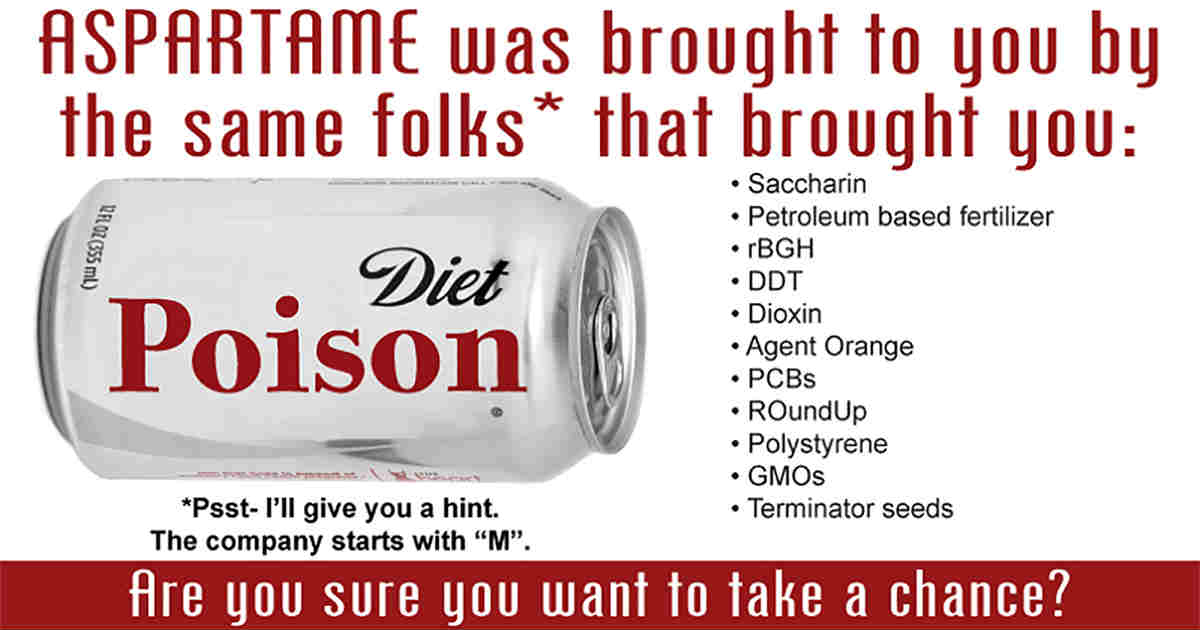
  • Aspartame Is Linked To Leukemia And Lymphoma

    Aspartame Is Linked To Leukemia And Lymphoma

    It’s time to play Kick the Can—of soda, that is.

    In a 22-year landmark study published in The American Journal of Clinical Nutrition involving over 125,000 people, significant links were found between daily intake of aspartame and the development of leukemia and lymphoma. (1) These findings are consistent with previous studies in animal models:

    “A recent megaexperiment in 1800 rats tested at aspartame doses much lower than the currently acceptable daily intake (ADI) for humans reported a dose-dependent increase in lymphomas, leukemias, and transitional renal cell tumors.” (2, 3)

    Broken down, here are the primary results of this mega-study.

    This research begs the question: what will we find about the effects of aspartame on human health twenty years from now, when the generation that grew up with it is at middle age?

    Sign up for the DailyHealthPost newsletter.
    All the doable stuff to live better naturally, sent to your inbox daily.
    🍎

    Enter your email below to sign up.

    We hate SPAM and will NEVER violate your privacy.

    If this isn’t enough to get you to kick the can to the curb for good (and then recycle it!), other studies show a direct connection between the methanol in aspartame and neurological disease.

    Is anyone surprised?

    Thirty years ago, a toxicologist from the Food and Drug Administration (FDA) testified before the U.S. Congress on the subject of the safety of aspartame in the food supply:

    “…the cancer-causing potential of aspartame is a matter that had been established way beyond any reasonable doubt… Given the cancer-causing potential of aspartame, how would the FDA justify its position that it views a certain amount of aspartame as constituting an allowable daily intake or safe level of it? Is that position in effect not equivalent to setting a tolerance for this food additive and thus a violation of that law? And if the FDA itself elects to violate the law, who is left to protect the health of the public?” Congressional Record SID835:131 (8/1/85)

    Yet aspartame is not only legal, it’s consumed at thousands of tons per year.

    Aspartame poisoning, while not on most doctors’ diagnosis chart, is disturbingly real. It can manifest in symptoms similar to multiple sclerosis, digestive problems, severe muscle pain, headaches, dizziness, and blurred vision. These symptoms will subside if the artificial sweetener is discontinued. The research here discussed shows that sustained exposure has a cumulative effect and there is a point at which it becomes life-threatening.

    Oh, and by the way: regular soda is just as bad as diet.

    High-fructose corn syrup (the primary sweetener in most non-diet sodas) causes cancer, heart disease, obesity, and dementia, too.

    If you need a sweet drink, try fruit-infused water and mixing honey or maple syrup with water or club soda (real club soda that contains only water and bicarbonate of soda). If it’s the push of caffeine you want, drink coffee, black tea, matcha, or yerba maté. But by all means, kick the killer soda habit.

    Sign up for the DailyHealthPost newsletter.
    All the doable stuff to live better naturally, sent to your inbox daily.
    🍎

    Enter your email below to sign up.

    We hate SPAM and will NEVER violate your privacy.

    This content was originally published here.

  • Government Meddling Makes Amazing Cancer Treatment Harder To Get

    Government Meddling Makes Amazing Cancer Treatment Harder To Get

    Chimeric Antigen Receptor (CAR) T-cell therapy might be the cancer cure patients have been waiting for—if only the government would get out of the way. CAR-T therapy is a novel treatment that trains the body’s immune system to attack and kill cancer cells. It could be a game-changer for cancer patients, especially those who have run out of time and options: The National Cancer Institute says it might be effective at treating some late-stage cancers.

    That is, of course, unless the government decides to interfere. In February, the Center for Medicare and Medicaid Services (CMS) issued a National Coverage Determination (NCD) for CAR-T defining under what circumstances CAR-T treatment is available to Medicare patients. It limits CAR-T treatment to hospitals alone, forcing otherwise viable treatment centers out of the marketplace. This singular provision in CMS’s otherwise sensible proposition threatens to undermine the entire proposal.

    On May 17, the federal government is expected to make the final decision on whether to restrict access to this treatment, a decision that has faced significant condemnation from Republican and Democratic members of Congress alike. At the start of May, a bipartisan group of 47 legislators urged administrators to refrain from imposing unnecessary restrictions on this miraculous cancer treatment. But, in a vain attempt to control the cost of the therapy, the regulations may move forward regardless.

    CMS’s decision inadvertently eliminates competition and gives hospitals every incentive to keep their prices sky-high. CAR-T already costs an estimated $395,000 to $439,000 per treatment. With a dearth of providers caused by arbitrary government restrictions on who can offer this life-saving treatment, hospitals have the upper hand over patients, who might otherwise seek cheaper treatment at a different facility.

    The hospital mandate perverts CMS’s commendable objective to cover cancer patients. While likely unintentional, it nevertheless awards hospitals both profits and exclusive treatment rights. This will no doubt exacerbate costs.

    Unfortunately, CAR-T is also hitting the market at a time health care is becoming less affordable for ordinary Americans. A major new survey released on May 2 by the Los Angeles Times and the Kaiser Family Foundation showed that the cost of health care continues to rise dramatically. Over the last 12 years, annual health insurance deductibles have nearly quadrupled.

    Fewer families than ever have the extra funds to cover the cost. Four in 10 Americans say they don’t have enough money saved to meet their deductible. This is especially true for people with serious medical conditions, like heart disease, diabetes, and, yes, cancer. These Americans are most likely to have trouble paying astronomical medical bills. They report skimping on medication or forgoing other necessities—like food and clothing—to afford health care.

    This is despite government interventions, like the Affordable Care Act, that promised to make health care cheaper. The government hasn’t delivered on its promises. It’s only succeeded in making things worse. Americans need free-market solutions to spiraling health care costs. Boosting competition among hospitals will improve health systems, making treatments more accessible, while prices will fall.

    Policymakers must eliminate the moral hazard and perverse incentives that the hospital mandate creates. This reorients the incentive structure by allowing drug manufacturers to produce the supply to meet the demand, instead of attempting to manipulate the system.

    With treatment as new as CAR-T, there are undoubtedly ways to improve and streamline procedures in order to reduce costs. The way to do that is to allow a variety of different treatment centers into the marketplace to compete against each other for patients. Reducing the government red tape is a necessary first step.

    Attempts to regulate health services and control the costs of treatment always backfire, inflating the cost of health care and making the problem worse. The solution is to remove arbitrary restrictions and let the free market take its course on CAR-T therapy.

    For millions of Americans suffering from cancer, CAR-T is the answer to their prayers. Let’s not place arbitrary and counterproductive restrictions on where they can seek this miracle treatment. CMS ought to rethink its decision to restrict CAR-T treatment to hospitals only. After all, if it tries to control the price of CAR-T treatments through government regulation, it will, invariably, fail.

    This content was originally published here.

  • The Case for Wearing AirPods All the Time

    The Case for Wearing AirPods All the Time

    Small, snug, and unyoked from laptop or phone, AirPods are easy to wear for hours at a time, without a second thought. This, BuzzFeed News recently declared, is “Making Things Awkward for Everyone Else.” All-day AirPod wear can make social interactions clumsy and uncomfortable: Has the AirPod wearer hung up the call or turned off their music? The person on the other end of the interaction doesn’t know. Particularly in situations that require some sustained face-to-face communication—ordering coffee or crossing paths with a co-worker—wearing AirPods and ignoring others, intentionally or not, can be a jerk move, BuzzFeed News concludes.

    But something’s missing in the lamentation over the Apple buds and their erosion of social norms. There’s actually a very good reason for wearing AirPods all the time, even at the risk of offending someone: to safely ignore street harassers.

    The currency of street harassers is attention—they want it, and they act as if they’re entitled to it. Leaving your AirPods in while ordering at Starbucks is rude, because the barista at the counter is owed some common courtesy. Wearing them on your commute to pretend you didn’t hear that nasty comment is not, because the harasser isn’t owed anything at all.

    source