Category: Home & Garden

  • Plant Trees that Turn Your Yard Into a Bird Oasis—and Carbon Sponge

    Plant Trees that Turn Your Yard Into a Bird Oasis—and Carbon Sponge

    Editor’s note: Want a climate-friendly home? Your yard is a good place to start. This is the fourth in a five-part series of guides on how to manage your outdoor turf to reduce your carbon footprint, all while creating bird-friendly habitat. Read part onetwo, and three.

    One of the best ways to combat climate change is to fill your garden with as many trees, shrubs, and other plants as possible. Whether a tiny orchid or towering oak, all plants have the amazing ability to remove carbon dioxide from the atmosphere during photosynthesis and store it in their wood, shoots, and roots.

    Because they’re the giants of the plant kingdom, trees are also powerhouses of carbon storage. In one year, a mature tree can absorb 48 pounds of CO2—about the amount emitted by driving 150 miles in a hybrid plug-in car. Collectively, according to the U.S. Forest Service, trees offset 10 to 20 percent of U.S. emissions from burning fossil fuels each year. The carbon benefits really begin to add up when you consider that trees fight global warming in other ways. For example, carefully placed trees can reduce the energy required to heat and cool a home by 25 percent (see tips here on how to place trees). Because they cool the air by casting shade and releasing water vapor when they breathe, trees also alleviate one of the most underestimated health threats of climate change—heat waves.  

    Of course, while they’re helping to reset the earth’s thermostat, trees in towns and cities provide critical habitat. These so-called urban forests, the sum total of trees along streets and in parks, commercial landscapes, and residential yards, “support a lot of native [avian] species and even species of conservation concern,” says Susannah Lerman, a U.S. Forest Service wildlife ecologist. New York City’s Central Park, for example, is a refuge for several at-risk birds, including resident Common Nighthawks and migrants such as Wilson’s Warblers, both species in decline.

    The bad news is that, at a time when urban forests are needed most, they are also declining across the country. According to a recent U.S. Forest Service study, nationally, about 36 million trees per year were lost in towns and cities due to pests, diseases, and development from 2009 to 2014.

    Typically, only a small percentage of a city’s forest is located on public land, which means home gardeners have a vital role to play in efforts to enhance and maintain urban forests—both for their carbon-trapping and wildlife habitat benefits. “It comes down to some simple decisions,” Lerman says, “such as what kind of tree to plant for birds like chickadees that prefer to forage in neighborhoods with a high percentage of native trees.” The native species, she explains, “support more caterpillars, which are baby food for birds.”

    The following are some tips for choosing and using plants to maximize their climate and habitat benefits.

    Regional Needs 

    For the biggest greenhouse gas reduction and the best wildlife habitat, plant as many trees as appropriate for your region. If you live in an East Coast or Northwest state, where water is plentiful, your landscape can support more trees than if you live in the desert Southwest.  

    For example, Lerman and her colleagues examined the habitat potential of 10 northeastern cities for nine birds with different habitat needs, from the relatively common American Robin to the declining Wood Thrush. A habitat feature that’s important for most of the birds in this forested region, they found, is the percentage of tree canopy cover in an area—that is, the “footprint” occupied by the combined leaves, branches, and trunks of all standing trees on a particular plot of land. The more canopy cover, the better the habitat was for most native birds. 

    Resilience and Maintenance

    Choose native trees, which provide the best wildlife habitat. For help in selecting the most bird-friendly species, consult Audubon’s Native Plant Database. But even native species need to be matched to the amount of soil moisture and other conditions on your planting site, or they won’t prosper and reach their full carbon-trapping potential. Because the climate is changing rapidly and trees live a long time, talk to tree experts at a nearby botanical garden or a local arborist to learn which species are best suited to the increased temperatures and other projected changes in your area. 

    Remember to also look for species that are pest- and disease-resistant and will not require much maintenance once they’re established—fertilizer, pesticides, and irrigation all have large carbon footprints. Another important hedge: Plant a variety of native trees. A biodiverse landscape is least likely to be wiped out by a disease or pest. 

    Consider the Lifespan

    For maximum carbon storage, plant the biggest trees your property can accommodate, and choose long-lived species because the carbon stored in a tree is sequestered only as long as it is alive. Once a tree dies and begins to decompose, greenhouse gases return to the atmosphere. Some trees can live for hundreds of years, others only two or three decades—a 30-year-old Bradford pear is quite elderly, for example, while a sugar maple of the same age is still a teen. 

    When individuals die, maintain overall tree biomass by replanting. Extend the climate benefits of deceased trees for decades by finding local woodworkers or artists who can use their wood, rather than allowing it to decompose. (Note: Decomposing leaves and logs also provide vital habitat for a variety of critters, so if you have a particularly woodsy yard, feel free to let a tree rot away, too.) 

    Create Vertical Layers

    Finally, don’t stop with the tree planting. The typical American garden, which consists of a few shade trees surrounded by lawn, lacks the biomass of the natural landscape it replaced. Remedy this situation by restoring the various vertical layers of the native plant community that once flourished on your property.

    Below the tall oaks and other trees in my Shelter Island, New York, garden, for example, I’ve planted smaller understory trees such as flowering dogwood, as well as native shrubs, wildflowers, and ferns. This has not only restored the land’s carbon storage potential but also its habitat suitability for birds, from the flycatchers that hunt high in the trees to the catbirds that nest in the shrubs and the  Worm-eating Warblers that forage on the forest floor.

    This content was originally published here.

  • April showers bring home and garden projects. Helpful tips for the projects to start on first! – Living Home Ideas

    April showers bring home and garden projects. Helpful tips for the projects to start on first! – Living Home Ideas

    Whether you have a sprawling property or a small backyard, there’s always some work to be done. Spring is the perfect time to liven up your outdoor space for al fresco dining or a little gardening. No matter how you like to spend your days outside, here are a few projects you’ll want to take care of first.

    Check your air conditioner

    First things first — check to make sure your air conditioner is in full working order. This simple step often goes unchecked, but you’ll definitely wish you had checked early if your AC does ever go out. If you suspect that there’s an issue, contact a local heating and air company to come take a look. Go Green Heating & Air services or replaces air conditioners in the greater Denver Metro area.

    Get your yard ready

    It’s time to start making room for all the new growth that comes following April showers. Clean up any debris like fallen twigs and rake leaves to create a clean canvas to work with. After you’ve done that, apply weed killer, pre-emergent, and fertilizer to have your lawn looking like new in no time.

    Tune-up your lawn mower

    Throughout the spring and summer you’ll want to mow often to keep everything looking nice and trim. If you have a stubborn lawn mower that doesn’t always start when you want it to, it might be time to give it a little tune-up or fully replace it.

    Repair your fence

    A broken or worn out fence can make even the prettiest landscaping look drab. If your fence isn’t in need of major repair, rent a pressure washer to scrub weather-related wear and tear. Some fences do need to be fully replaced though, and if planks are missing or falling down, it’s time to update. Companies like Ozark Fence can build any kind of fence from traditional wood fences to more unique styles like bamboo, iron, and vinyl.

    Plant a garden

    Starting a garden can be such a rewarding activity. Spring is the perfect time to plant a fruit and vegetable garden with delicious foods like tomatoes, peppers, or even watermelons. Imagine all the dishes you’ll be able to create with ingredients right at your fingertips.

    And after all that hard work, don’t forget to sit back and enjoy your freshened up outdoor space before embarking on a summer full of activities.

    This content was originally published here.

  • This Organic Hobbit House Is Perfectly Integrated Into Its Surroundings And Is Almost Invisible To Passers-By

    This Organic Hobbit House Is Perfectly Integrated Into Its Surroundings And Is Almost Invisible To Passers-By

    Conceived by renowned Mexican architect Javier Senosiain, this 1985 house is a perfect example of ‘organic architecture’ that takes its shape from nature and aims for minimal impact on the environment. The green dune wraps itself around the inside spaces almost completely, rendering it almost invisible to the passer-by.

    “To take a walk in the garden is to walk over the roof of the house itself without even realizing it,” Senosiain said. The Mexican architect is famous for his organic architecture—to date, he has built houses inspired by the shape of a snake, a shark, and a flower to name just a few.

    Read more and view homes

  • There’s A Bee Species That Sleep In Flowers And It’s As Cute As It Sounds

    There’s A Bee Species That Sleep In Flowers And It’s As Cute As It Sounds

    We need bees. They’re the world’s most important pollinator of food crops. In fact, it is estimated that one third of the food that we consume each day relies on pollination mainly by bees. But as much as we are used to seeing them buzzing with work, they need their beauty sleep as well. Recently, wildlife photographer Joe Neely captured two bees snuggling in a flower, and the shot shows a beautiful side of them we rarely witness.

    “Wel,l I never knew that bees slept in flowers but as it turns out these bees (Diadasia diminuta) sleep in the orange flowers called Globe Mallows.” The Diadasia diminuta – or simply the globe mallow bee – collects pollen from its favorite food plant, globe mallow (Sphaeralcea). According to Forest Service at the United States Department of Agriculture, their nests are commonly found in partially compacted soil along the margins of dirt roads in the western United States. The globe mallow bees play a major role in the flower’s reproduction. “The bees become covered with pollen visiting the flowers [and] most of this pollen is groomed into the pollen basket on the hind legs and taken back to the nest,” the organization writes on its website. “However, some remains on the body and is deposited on the stigma of each of the next few globe mallow flowers visited. Thus, Diadasia contributes to globe mallow reproduction.

    When it comes to bees sleeping, there are a few interesting details. “They don’t have eyelids, so you can’t just look for bees with their eyes closed,” Brandon Hopkins, a bee researcher at Washington State University, said. “By carefully watching bees, scientists have found that honey bees stop moving their antenna and in some cases fall over sideways.” The nuances of exactly how and where a bee sleeps depend on where it lives. After all, there are more than 20,000 known species of bees living on our planet. Honey bees, for example, work day and night and take shifts sleeping inside the hive. Their sleep patterns change as they grow up. Younger bees sleep less but older bees catch between 30 minutes and an hour and a half each night, taking little naps of about 15 to 30 seconds at a time.

    see and read more

  • Best LED Garage Lights (+WORKSHOP) 2019 | STUNNING Review

    Best LED Garage Lights (+WORKSHOP) 2019 | STUNNING Review

    Whenever you are working on a project in your garage, doing some kind of maintenance, or simply need to find something stuffed in there months ago, it always helps to have a lot of illumination. This is especially important in a space like a garage where traditionally few windows can make it difficult to illuminate it with natural light. This is a situation when you would be well served with the best LED garage lighting ideas  keeping in mind that while incandescent lighting may work, it is ultimately an inferior choice. Still, LED garage lights are seemingly fairly similar to outward appearances with a few important qualities and a dozen or so additional features to separate one from another. Best LED Lighting Ideas for Garage Workshop 2019 As such, figuring out which LED garage light is the best one for you can be a difficult and confusing task. That is why we have put together a list of the 5 best LED garage lights, highlighting what each one does best. Then we provide a helpful buyer’s guide, so you can find the best LED garage light to suit your needs. Model Product   Read Our Review Hykolity Vapor Energy Saving Saving 75% electric bill instantly. Waterproof tight light fixture was designed for both wet and damp locations IP66 High Quality Vapor proof led was DLC Complied and thus eligible for state and nationwide rebate programs. IK08 impact rating. Read Our Review Hykolity Utility Shop Super Bright 3700 Lumens at 5000K Daylight White, LED Efficiency of 88 lm/w. Durable Made up of composite aluminum for a long lasting LED Light fixture. 5 Year Warranty Read Our Review Barrina Very Bright More than 2200 lumens output, 20w low power consumption to save up to 65% on electricity bill Linkable. Extendable design that could connect up to 8 tube lights together with seamless connectors. Temp 6500 K Read Our Review Sunco Lighting Certifications: ETL, Energy Star. Specifications: Length 4 FT / 48 IN, Frosted Cover, Kelvin 5000, Wattage 40, CRI 80+, Lumens 4100, Voltage 120, Linkable 4. 7-Year Warranty Read Our Review Leonlite Design. The PVC backing plate and PC lampshade is durable and the pull chain selectivity switch makes it considerably easy to operate. This ENERGY STAR qualified light gives you the save performance as a traditional fluorescent light, but with 60% less power used. The 4000lm ultra-bright light instantly turns on without it annoyingly flickering or buzzing and it has an amazingly long service life of 50,000hrs. As a brand, Hykolity is definitely a bit unusual in that it is not actually a company at all but is instead a smaller subsidiary of a larger company. That said, Hykolity is at least owned by a company that specializes in electronics with a particular focus on LED light fixtures as well as cordless power tools and other battery pack operated products. For Hykolity itself, this means that they can put aside any other distractions to produce the best LED garage lights that they can even if the company has only been around for a couple of years. That is why we are a bit surprised to report that the Hykolity Vapor/Water Tight LED garage light is the brightest LED garage light that we reviewed. Exceptional Light Power One thing to keep in mind when judging the quality of an LED garage light’s illumination is that there are a couple of different qualities which will ultimately determine how well a given LED garage light will be at illuminating your space. Thankfully, the Hykolity Vapor/Water Tight LED garage light comes in at the top of the list for all of the most relevant categories. For instance, when it comes to straight up brightness, the Hykolity Vapor/Water Tight LED garage light has all of its competitors beat with 4400 lumens. On top of that, the Hykolity Vapor/Water Tight LED garage light also puts out more volume than most with a 40 W bulb. When taken together, there is simply no other LED garage light that we reviewed which comes close to the light power that the Hykolity Vapor/Water Tight LED garage light produces. More Versatile Settings Beyond the fact that the Hykolity Vapor/Water Tight LED garage light produces a brighter light with equivalent volume than any other LED garage light that we reviewed, this is also by far one of the most durable and resistant LED garage lights that we saw. In fact, the Hykolity Vapor/Water Tight LED garage light is the only vapor and waterproof LED garage light on our list. This is perfect if you have an open-air garage or some other setting where the elements are liable to be a bigger concern. On top of that, this also means that if you are using chemicals that could otherwise impact the bulb or the connectors even modestly over a long period of time the Hykolity Vapor/Water Tight LED garage light’s body makes that a problem of the past. 2. Hykolity 4FT Linkable LED – Best All-Around Value LED Garage Light While it is ideal to always use the best of anything whenever you can, sometimes you simply do not have either the means of the need for the very best. For instance, if you are simply looking for an LED garage light to provide general illumination without the consideration that that space will also eventually be used for working on personal projects, then chances are that spending significantly more money for the very best LED garage light will simply leave you with far more illumination than your situation demands. As such, it is nice that not only does Hykolity produce the brightest LED garage light that we saw, but it also manufactures the best all-around value LED garage light that we reviewed too. Second-Best Light Power Even though we just got done explaining why when looking for the best all-around value you do not necessarily need to worry about getting the very brightest LED garage light available, that does not mean that you should simply just look for the absolutely cheapest LED garage light available. That is why it is such a pleasant surprise that not only is the Hykolity Utility Shop LED garage light a less expensive LED garage light compared to some of the other products we reviewed, it actually produces the second best light power. While its bulb is tied for first producing 40 W of light, its brightness is also the second best on our list with 4800 lumens which is 20 percent brighter than the remaining LED garage lights on our list. All-Around Value Of course, the “all-around value” aspect of our designation is not simply determined by price and light power alone. Instead, we consider that a garage is liable to need more than one of two LED garage lights to properly illuminate it. In fact, there are plenty of garages that could require a dozen LED garage lights of more something that can get tricky from more than a financial perspective. That is why it is so nice that the Hykolity Utility Shop LED garage light can link up to 20 Hykolity Utility Shop LED garage light units together which is actually the most on our list . 3. Barrina LED T5 – Hottest LED Garage Light Barrina is a bit similar to some of the companies that we reviewed in that it relies primarily on an only online business model which allows them to cut overhead costs and potentially pass those savings on to their customers. Another notable quality about Barrina is that despite only having been founded a couple years ago, the brand is its own company and it specializes in manufacturing a wide variety of different types of LED lights not just those for the garage . When we discuss the temperature of a light, we are not actually speaking about the thermal temperature. Instead, the temperature of a light, regardless of the kind, refers to the color of light that the bulb produces. For the Barrina LED T5 LED garage light this shows itself in a light that is actually significantly underpowered compared to the other LED garage lights that we reviewed with a notable difference: it is significantly hotter colored than the other LED garage lights on our list. Specifically, the Barrina LED T5 LED garage light puts out a light that is 6500 K which makes it a bit bluer than all of the other LED garage lights that we saw. This means that colors along a warmer spectrum will stand out more. Some Concerning Issues It is worth noting that this is the only LED garage light that made it onto our list with a couple of glaring flaws. Specifically, the circuitry of the Barrina LED T5 LED garage light is not the best and this will have certain effects on the illumination and the experience of using the Barrina LED T5 LED garage lights. For one, the Barrina LED T5 LED garage light does not process the powering electricity cleanly and leaves radio frequency feedback running throughout the lines. This will cause some of the electronics in the area to not work properly or could affect how they work to the point that they get damaged. On a lesser note, the Barrina LED T5 LED garage light also produces the classic hum that fluorescent lights are known for. 4. Sunco Lighting 16 PACK – Best LED Garage Lights for Large Garage Out of all the different companies on our list, Sunco Lighting is by far the oldest though that should be taken with a bit of a grain of salt considering the company was founded a little over 20 years ago. That said, Sunco Lighting does at least specialize in lighting products though they do not necessarily specialize in LED lights or lights intended to be used for a garage though they do make them. Regardless, with the amount of time that Sunco Lighting has been manufacturing high-end LED garage lights allows them to branch out into other markets, like making the best LED garage light for a large garage. A Solid Volume Easily one of the most important qualities of the Sunco Lighting 16 PACK LED garage light is the fact that you are not simply purchasing a single LED garage light. Instead, you are purchasing 16 different LED garage lights which, unless you have a fairly large space to light, will likely go to waste. It is the sheer volume of LED garage lights that actually drives up the cost of the Sunco Lighting 16 PACK LED garage light as well. In fact, when you consider the number of lights that you are purchasing, this is actually the least expensive LED garage light set on our list though that does not hold true if you purchase a smaller set of the Sunco Lighting LED garage lights. Great Energy Efficiency One of the best reasons to opt for an LED garage light as opposed to a different type of illumination is that LED lights are inherently fairly energy efficient when compared to other types of illuminating bulbs. That said, even within the LED light market, there are still a number of ways that you can further increase the LED bulb’s efficiency further. Considering that the Sunco Lighting 16 PACK LED garage light is the best value per light, it only makes sense that Sunco Lighting would also make a concerted effort to make their LED garage lights more efficient too, and they accomplish this with the inclusion of an LED Chip that controls the power usage more strictly. 5. LeonLite 40W 4ft – Best Price Budget LED Garage Light Sometimes, you do not need anything special or even noteworthy in too terribly many ways and instead require only the least expensive LED garage light that you can find. Perhaps you have a project and a small space but are unlikely to really put the LED garage light to test any further. In this instance, the least expensive LED garage light that can still produce a solid amount of illumination is likely the best option . Considering LeonLite is an upstart with little more than a year of experience, it makes sense they would try to enter the LED garage light market with the best price budget LED garage light. The Best Linking While the fact that his LED garage light is the least expensive product that we reviewed is great on its own, the LeonLite LED garage light actually has another feature that makes it uniquely qualified as the best LED garage light for certain people. Specifically, the Sunco Lighting 16 PACK LED garage light can link with up to 5 units, though that is not all that unusual. What is more remarkable is that this is actually the only LED garage light that we reviewed which can connect two units flush. This means that up to 5 units can essentially function as a single large LED garage light as opposed to separate ones. A Great Value On top of the fact that the LeonLite LED garage light is the least expensive that we reviewed and has an unusual linking feature that allows it to grow as desired, this LED garage light is also noted for providing an all-around good light power . For instance, it uses a 40 W bulb which is tied for the best on our list and means there will be no shortage of light volume. On top of that, the 4000 lumens may not be anywhere near the top of our list, but it is still more than bright enough for most purposes. Not the most durable housing Light is directional Best LED Garage Lights and Garage Lighting Ideas – Buyer’s Guide While there is no officially defined rating to judge the power of an LED garage light, there are a number of different qualities that, when considered in conjunction with one another, can give a reasonably good estimate of how powerful an LED garage light will be. Light Power Some of the qualities are a bit more relevant to determining how well the LED garage light illuminates your space, but it is best to remember that none of the qualities are ultimately more important than the others. Regardless, it is worth noting that watts and lumens will generally determine how well the LED garage light illuminates the space more generally whereas the LED garage light’s temperature will be more or less relevant depending on the objects being illuminated. While this is not inherently a gauge for how well an LED garage light will illuminate your space, it does still provide some valuable information. For instance, light bulbs that require a higher wattage have a tendency to produce more light. Keep in mind, this is a very different quality than how bright the light is, which is determined by the lumens. Instead, the wattage of the bulb provides you a rough idea of how much volume of light is being put out. Remember that very little bright light will be far less effective than a great deal of dimmer light, though as stressed earlier, the two are inextricable when judging how well an LED garage light will illuminate your space. This is the quality that will often catch everyone’s eye as being the most indicative of how well an LED garage light will illuminate your space, but it truly is not the best indicator. As just expressed, the wattage is a better gauge of how much volume of light the bulb will put out, and that will be more important for general seeing purposes than the lumens. That said, if you need an LED garage light for anything other than general illumination especially if you use that space for any kind of projects then the brightness of the light in lumens is incredibly important. Essentially, the brighter the light the better it will illuminate individual given details which is incredibly important if you have to take readings, make measurements, or keep track of lines, guides, and cuts. In this instance, you will definitely want to make it a point to get an LED garage light that not only produces a high volume of light but does so at a bright intensity. In truth, the color temperature of the light is not truly a great gauge of how well an LED garage light will illuminate your space, but it will subtly influence how easily you can see different objects. Specifically, the color temperature of the LED garage light will affect how well certain colors stand out against the light. For instance, the color temperature for neutral, white daylight is about 5000 degrees Kelvin whereas increasing the temperature makes it bluer and decreasing the temperature makes it redder. It is important to remember that if you get an LED garage light whose color temperature is too far from neutral, your space will be illuminated in that color which will wash that color out of the setting. This means a bluer light will make it more difficult to see blue things like pens marks or blueprints for projects. That said, a slightly warmer color temperature, meaning closer to blue than red, has been shown to promote alertness and focused energy. The materials that an LED garage light is made out of refer more to the body and the frame of the LED garage light as opposed to the actual bulb. That said, there are a couple different materials used, each with their own benefits and disadvantages. Still, there are a number of different qualities that all of the materials share which should give you some idea of how manufacturers expect their LED garage lights to be used. For instance, all of the materials used in the manufacturing of LED garage light housings are waterproof which suggests that manufacturers expect LED garage lights to regularly come into contact with water or be installed in damp, humid areas. Polyvinyl Chloride Polyvinyl Chloride, or PVC, is a plastic that is used for a wide variety of applications that put it in contact with environmental stresses. This is because not only does PVC not interact with water, it does not interact with too terribly many other chemicals that are commonly used for projects in garages. That said, you should always make sure that PVC never comes into contact with solvents, like paint thinner or acetone, as this can cause the PVC to swell or even dissolve. Regardless, PVC is also by far the least expensive material on our list though polycarbonate is not too terribly more expensive. On top of that, PVC is incredibly lightweight, though it does happen to be the least durable material commonly used in the manufacture of LED garage lights. Polycarbonate, or PC, is another plastic like PVC, but it is a far different type of plastic with different properties many of which are superior to PVC. In fact, if you have the option to choose between an LED garage light housing made of PVC and one made of polycarbonate, you should almost without question always select the polycarbonate one. This is because polycarbonate is far more durable than PVC, at least in regards to impact resistance and it is fairly unlikely that you would be unduly concerned with minor scratches on the exterior of your LED garage light housing. On top of that, polycarbonate is every bit as light as PVC and, due to some unusual thermoplastic properties, it is actually much easier to simply mold or shape the LED garage light’s body, providing further structural integrity. That said, one of the unfortunate things that polycarbonate has in common with PVC is that both of them are fairly susceptible to strong solvents the likes of which are liable to be found in a garage. Out of all the materials used for the housing of an LED garage light, aluminum is likely the all-around best though it should also be noted that aluminum is generally a bit more expensive than plastics as well. However, if you are willing to pay a little bit more up front, an aluminum body for your LED garage light is a far superior option than any type of plastic. For one, aluminum may be a bit heavier than the commonly used plastics, but it is still actually an incredibly lightweight material. On top of that, aluminum does not suffer from the same susceptibility to strong solvents that the plastic materials do. Finally, aluminum is a waterproof material, despite being a metal, so you do not have to worry about rust or corrosion. The only potential issue with aluminum as a material for an LED garage light’s housing is that it could potentially conduct electricity should the LED garage light’s connections improperly ground. As we can see, there is not a single LED garage light that is going to be the best product for every person due to a wide variety of needs and circumstances. That said, there are still a number of ways that we can differentiate these LED garage lights from one another to find the one that best suits your needs. Whether you simply need the brightest bulb available or just something that can get you through, there is an LED light out there right for you. If you are looking for the brightest LED garage light we reviewed, then we recommend the Hykolity 4FT Vapor and Water Tight Proof LED garage light. Aside from the fact that it puts out a list best 5200 lumens, it also provides a solid IP66 waterproof rating. Though it is a bit more expensive, it puts out a great deal of neutral light and can be linked together. Of course, not everyone requires the absolute brightest or one of the more expensive LED garage lights that we reviewed. If this describes you, then we would like to recommend the LeonLite. Though it may not put out the most or brightest light, the LeonLite is still able to produce more than enough illumination for most needs. On top of that, this is the only LED garage light that we reviewed which can also be linked together flush.

    This content was originally published here.

  • Best Sun-Loving Houseplants | 5 Windowsill Choices

    Best Sun-Loving Houseplants | 5 Windowsill Choices


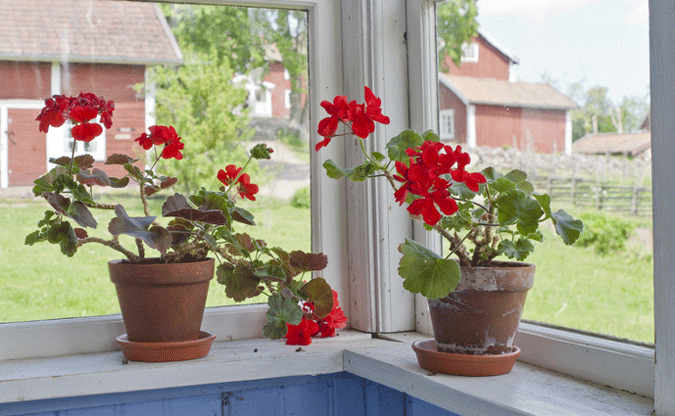
    Windowsills receiving full light exposure provide an optimum environment for sun-loving houseplants. With just a bit of effort, your healthy houseplants will add a pop of color that can be viewed and enjoyed from both sides of the window.

    windowsill geraniums sun-loving houseplants

    Sun-Loving Houseplants | Geraniums

    Dreamstime

    Turn the plants’ pots every week or so to adequately expose all sides of the houseplants to the outside sun for even growing patterns. And to protect the sill and floor below from water damage, be sure to use pots with a saucer to collect water at the base. To increase use of the window space, try hanging sun-loving houseplants in windows from a hook as well.

    5 SUN-LOVING HOUSEPLANTS

    Succulents

    Succulent plants require lots of light and very little water. A misting once a week is usually enough for these drought-tolerant plants to flourish. Succulents are unique because of their unusual shapes, sizes and colors. They grow well grouped together in container gardens, but a single succulent in its own pot can make a statement as well. For best results, plant succulents in semi-sandy soil and in a pot that matches the size of the plant—they should fill the pot but not look crowded.

    Sun-Loving Houseplants

    Succulents | Sun-Loving Houseplants

    Pixabay

    Cactus

    All varieties of cactus thrive in windows that receive full sun during the day. In the right conditions, some, such as the Christmas cactus, can flower more than once a year. There are many varieties of cactus to choose from, coming in all shapes and sizes. A grouping of cactutes will feel right at home when showcased on a sunny windowsill. Cactus need very little watering and sandy soil.

    Geraniums

    Virtually all varieties of geraniums are sun lovers. When it comes to houseplants, there are a variety of indoor geraniums available. The Martha Washington variety is more delicate in appearance and has several flower color choices to choose from. But don’t overlook bringing traditional porch geraniums inside at the end of the season, as they should do just as well indoors.

    Umbrella Plants

    A leafy deep green plant with stems that are capped by slender petals that hang in the shape of an umbrella, this plant is a sunny window favorite. Keep the soil moist by watering weekly, but don’t allow the roots to sit in water.

    Crotons

    With its colorful foliage, crotons are a good pick for a sunny winter at the front of the house. This plant has large, heavy leaves, usually with lines and patterns on the top. The leaves start out green with yellow and can show hues of pink, orange and reds, but will change color as it matures and is exposed to the direct sun. Soil should be kept moist, but never wet.

    Which sun-loving houseplants are your favorites?

    This post was first published in 2016 and has been updated.

    The post Best Sun-Loving Houseplants | 5 Windowsill Choices appeared first on New England Today.

    This content was originally published here.

  • 17 DIY Fireplace Ideas to Inspire You | Kaleidoscope Living

    17 DIY Fireplace Ideas to Inspire You | Kaleidoscope Living

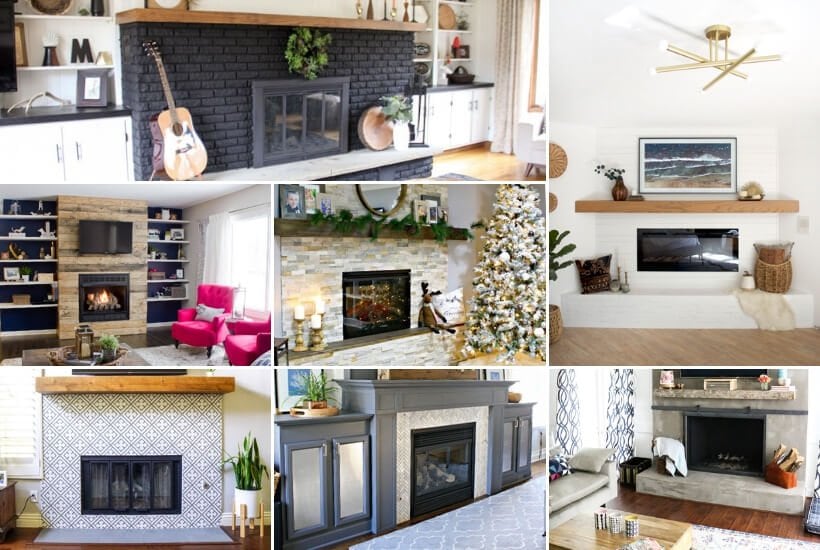
    A DIY fireplace is an amazing way to update a room. Altering the room’s focal point is the perfect way to make a big impact! These 17 tutorials will give you tons of inspiration for a fireplace makeover. People still cannot believe we attempted (and finished beautifully, in my opinion) a DIY fireplace. And it wasn’t the hardest renovation we have done! People imagine that doing a fireplace makeover is overwhelming, but it doesn’t have to be. So many other DIY’ers have done their own and also had AMAZING results and I have gathered my favorites for you. These 17 tutorials of awesome fireplace makeovers will blow your mind. And hopefully, they will give you lots of inspiration and get you thinking about giving your own hearth or mantel an overhaul! I am constantly amazed at how different a room can feel once the fireplace has been given a makeover (big or small!). I cannot emphasize enough that changing the fireplace is a big impact renovation and will totally change (or enhance) the look of your room! DIY Fireplace Makeover Ideas Planked Wall by Thrifty Decor Chick Aren’t these tutorials all amazing? Are you surprised at how many people tackle a DIY fireplace makeover? Let these inspire you, because giving your fireplace a face-lift, or adding one where it was just a big blank wall, will do WONDERS for your room overall. I am sure seeing all these is getting your brain churning on a fireplace update of your own, but before you go and start planning, make sure you get your password below for our design vault! It has all of our amazing freebies with more guides being added all the time!

    This content was originally published here.
  • 7 Kids Were Asked To Draw Bedrooms Of Their Dreams, And Here’s What They’d Look Like In Real Life

    7 Kids Were Asked To Draw Bedrooms Of Their Dreams, And Here’s What They’d Look Like In Real Life

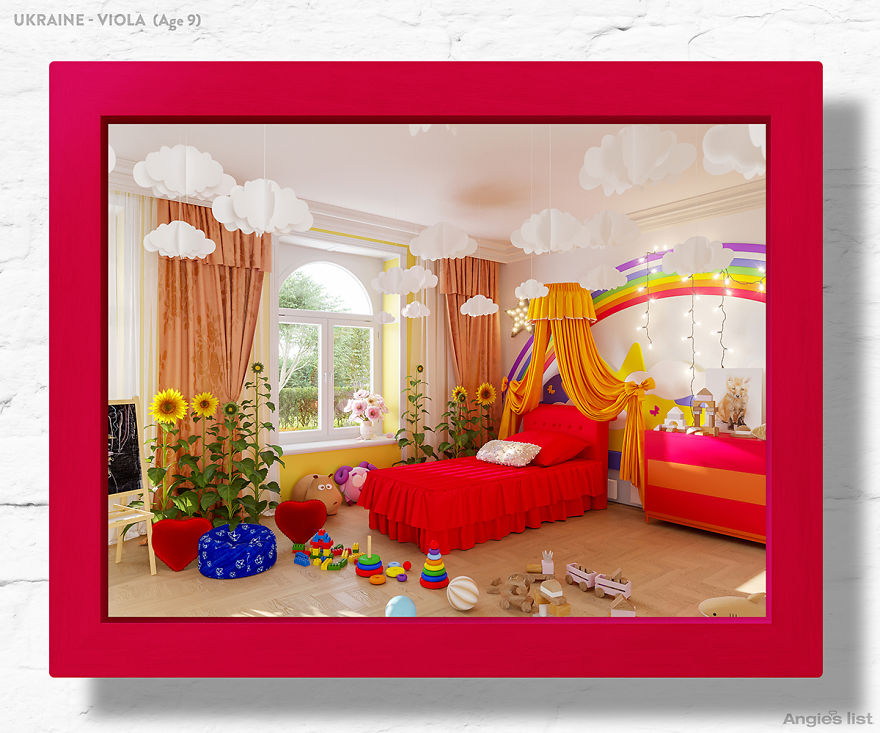
    Adulting is overrated; laundry, bills, figuring out how to cancel plans without offending anyone, the boring tasks are endless. But maybe the biggest disappointing aspect of being an adult is that our bedrooms are so boring compared to when we were children.  Most kids are unabashedly enthusiastic about what they love and their bedrooms can tell us so much about their personality. But what would happen if they were asked to design their own bedrooms, with no limits to what they can have in there?  Commissioned by Angie’s list, a London-based creative studio NeoMam Studios asked kids from around the world to draw their dream bedrooms and then they brought their ideas to life in realistic CGI renders.

    The goal of the project was to bring a new source of home design inspiration by looking through the eyes of a child. By the time we reach adulthood we have a fixed idea of what a bedroom should look like and exactly what is and isn’t available in our local IKEA. This project tears up the rulebook of bedroom design – and it’s clear that we can all learn a thing or two from the creativity and naivety of children.  To create this project, the research team briefed the above 7 children to doodle their “dream bedroom” and asked their parents to conduct a short Q&A with them to get an insight into their lives and interests. The project then moved onto design with the help of interior designer and CG artist Andrey Barinov who collaborated with managing editor Jonny Addy and art director Povilas Daknys to create the realistic digital designs you see today.

    see and read more

  • Belgian Guy Documents Ugly Houses He Sees And They’re So Bad, It’s Hilarious

    Belgian Guy Documents Ugly Houses He Sees And They’re So Bad, It’s Hilarious

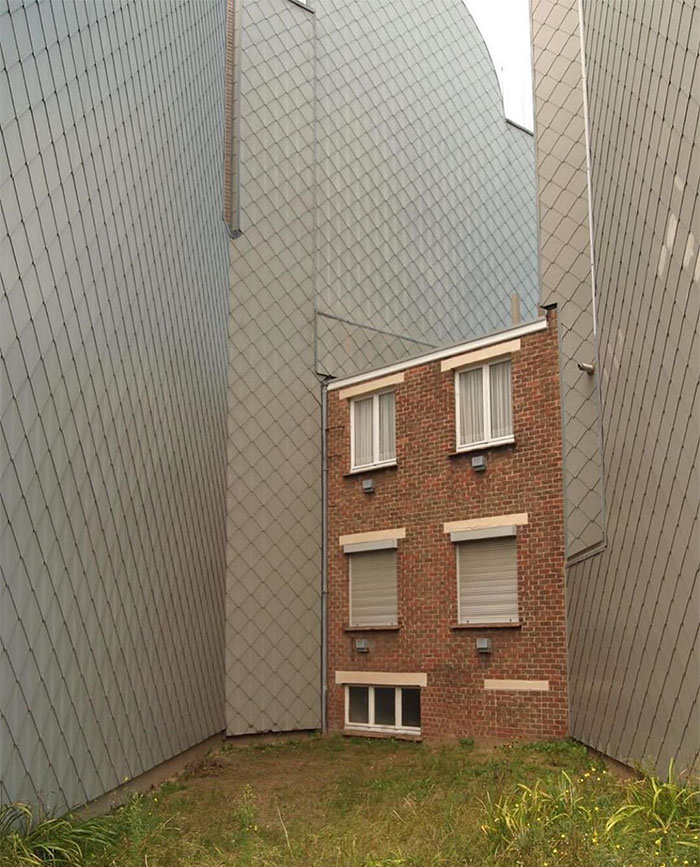
    Thanks to blogger Hannes Coudenys and, of course, the architects themselves, Belgium has become notorious for its quirky buildings. In 2012, Coudenys decided to begin documenting the peculiarities of Belgian architecture on an Instagram account called ‘Ugly Belgian Houses,’ and it has drawn the attention of architecture enthusiasts from all over the world.

    But really, how hideously bizarre can a house design really be? Scroll down to check out the list of outrageous examples below, and let us know what you think in the comments!

    See More

  • Gardening Highlights From Tennessee – FineGardening

    Gardening Highlights From Tennessee – FineGardening

    Today we’re heading to Arrington, Tennessee, to visit Laurel Nash Prothro’s garden. Greetings! I just wanted to send a few highlights from my gardening year 2018, and I am excited to send you progress pics on an interesting landscape undertaking—think wine villa but in Tennessee! I’m a jewelry designer and silversmith working also as a garden and container designer. I’m also on the board of the Williamson County, Tennessee, Master Gardeners. Happy gardening 2019! Check out that view! Who knew Tennessee was so ridiculously beautiful? It looks like a scene out of a classic landscape painting. Grapes! Destined, I take it, to become wine. Wine grapes are being grown in more and more different places in the United States. They’re not just for California anymore. When the surrounding landscape is this beautiful, make it part of the garden! This red rose on a fence is just an accent to the dramatic clouds and beautiful scenery beyond. A beautiful container, with perennials such as the hosta in the back, creeping jenny ( Lysimachia nummularia ‘Aurea’ Zones 3–9 ) trailing over the edges, and a bright annual impatiens ( Impatiens hybrid) to add flower power. Perennials can stay in containers from year to year, or be planted out elsewhere in the garden in the fall. Hard at work, with plants heading off to their new homes. A rustic, informal garden space, with bright flowers from a daylily ( Hemerocallis hybrid) and coneflower ( Echinacea hybrid). A gardenia ( Gardenia sp., Zones 8–11) in full bloom, surely making the entire space smell like heaven. Elephant ears ( Colocasia gigantea,  Zones 8–10 or as an annual) are usually grown for their absurdly huge leaves, which bring a tropical look to the garden. If they’re happy, they’ll also produce these unusually shaped white flowers for added interest. Have a garden you’d like to share? Have photos to share? We’d love to see your garden, a particular collection of plants you love, or a wonderful garden you had the chance to visit! To submit, send 5-10 photos to  GPOD@finegardening.com  along with some information about the plants in the pictures and where you took the photos. We’d love to hear where you are located, how long you’ve been gardening, successes you are proud of, failures you learned from, hopes for the future, favorite plants, or funny stories from your garden. If you want to send photos in separate emails to the  GPOD email box  that is just fine. Have a mobile phone? Tag your photos on  Facebook,   Instagram  or  Twitter  with #FineGardening! You don’t have to be a professional garden photographer – check out our  garden photography tips ! Do you receive the GPOD by email yet?  Sign up here. Get our latest tips, how-to articles, and instructional videos sent to your inbox.

    This content was originally published here.