Category: Home & Garden

  • LA County Halts Use of Popular Weed Killer on County Property

    LA County Halts Use of Popular Weed Killer on County Property

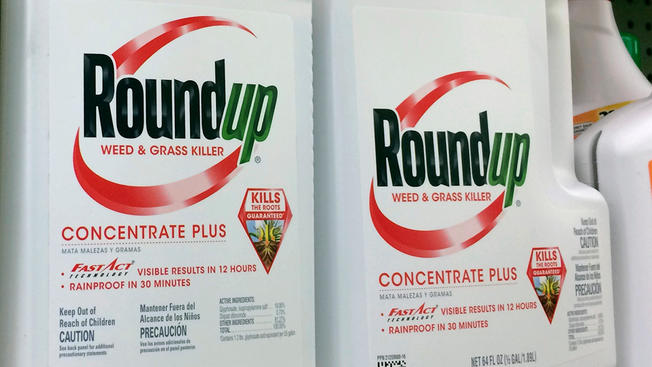
    The Los Angeles County Board of Supervisors Tuesday directed all departments to stop using a popular weed killer until more is known about its potential health and environmental effects.  Supervisor Kathryn Barger recommended the moratorium on glyphosate — a main ingredient in the herbicide brand Roundup.  “I am asking county departments to stop the use of this herbicide until public health and environmental professionals can determine if it’s safe for further use in L.A. County and explore alternative methods for vegetation management,” Barger said.

    Roundup was developed decades ago by Monsanto Co., now owned by Bayer, and is believed to be the most widely used herbicide worldwide.  The motion, co-authored by Supervisor Sheila Kuehl, cites “a growing body of scientific study” of herbicide safety and the potential for negative impacts.  “In a 2015 study led by 17 experts from 11 countries, the World Health Organization’s International Agency for Research on Cancer concluded that glyphosate should be classified as ‘probably carcinogenic to humans,’” Kuehl said. “That conclusion makes it imperative that we question any long-term use of this controversial herbicide, and that’s exactly what this motion calls for.”

    The WHO finding has been disputed by Monsanto, and other governmental agencies have stopped short of reaching the same conclusion.  The federal Environmental Protection Agency says the weed killer has low toxicity for humans and concluded in 2017 that it is not likely to cause cancer in humans. California disagreed and tried unsuccessfully to force the company to label the weed killer with a warning.  The European Food Safety Agency does not agree with the WHO. However, a recent court ruling requires EFSA to disclose the details of its own studies.

    A jury in a federal lawsuit brought against Bayer by a Sonoma man concluded that his non-Hodgkins lymphoma was caused by exposure to Roundup, the Wall Street Journal reported Tuesday. That panel will now hear evidence related to whether the company should be held liable.  The Board of Supervisors directed the Department of Public Works to coordinate with public health and other personnel to survey current use of the chemical and explore alternatives, including identifying best practices followed by other jurisdictions.  A report is expected back in 30 days.

    source

  • How To Grow A Single Marijuana Plant Indoors

    How To Grow A Single Marijuana Plant Indoors

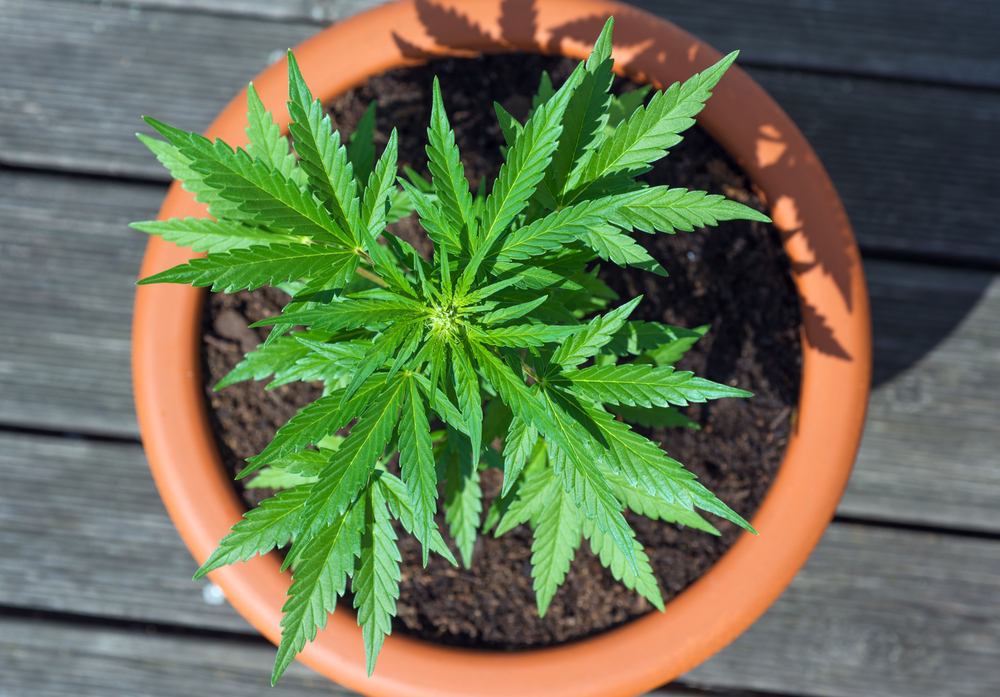
    Growing a single marijuana plant at home has many advantages, and not only for beginner growers. Granted, the simplicity of caring for just one plant is really helpful for rookies, but that’s not all there’s to it.

    First of all, finding and setting up a grow space becomes much easier. Literally anywhere could be a good spot, provided you follow some rules. Also, the fewer the plants, the better the care they receive.

    But perhaps the biggest advantage of growing just a single marijuana plant is the reduced costs: Growing cannabis can be costly. However, with a single plant, there is little you need besides seeds, nutrients, soil and a solid grow light. The overall investment is minimal and will pay itself with marijuana of the highest quality.

    What Can You Expect from a Single Marijuana Plant

    There is something about homegrown marijuana that makes it so much better! The feeling you get when you taste the fruit of your labor is unbeatable. But how much weed can you get out of a single plant?

    The answer won’t surprise you: It depends on your seed genetics!

    Every cannabis seed has certain genetic predispositions that cannot be altered, no matter how much you care for it. For example, if a strain is supposed to yield up to 200 grams of cannabis, that’s the best you can hope for. When purchasing your seeds from a vendor, pay close attention to the “Indoor Yield” section of the specs.

    Some seeds are much more productive than others. But then again, quantity isn’t everything! Thorough research will help you find the best seeds for your needs.

    If you need help, we’ve prepared some handy lists with our favorites! Find them here and here!

    Where Is Home Growing Legal (US)?

    Not all states permit cannabis cultivation at home. You can find a detailed list here.

    Find the Right Grow Room

    Since we are just talking about literally one pot of pot, anything will do the trick. It doesn’t even need to be a room. A spare cabinet or closet will do the trick. If you don’t worry about discretion, even your living room would be a suitable place. You’ll find that marijuana is surprisingly sturdy. Wherever you decide to put your plant, make sure it gets enough ventilation and lives in comfortable temperatures.

    Inadequate ventilation in your grow room can lead to a host of problems for your plant. Especially if you live in a generally humid area, fungi and mold are a constant threat. Luckily, your mini garden doesn’t need much effort to stay healthy!

    The quick and easy solution is a small fan inside the grow space. Turn it in such a way so the breeze indirectly hits the plant and make sure that there that it circulates! A fancy solution is to get an extractor. But that’s too much trouble for just a plant! In reality, you can get away with just the fan. Make sure the air that goes in, gets out!

    If the humidity in your grow space is unbearable, invest in a dehumidifier. They are cheap but need regular cleaning.

    As a rule of thumb, marijuana feels comfortable in temperatures that are pleasant for humans. It is highly unlikely that ambient temperature will be so high or so low as to cause you problems. However, grow lights are a source of heat and should be monitored.

    As long as you use a LED grow light and a fan, the temperature shouldn’t pose a problem. These issues are much more important in larger gardens.

    Get Some Grow Lamps

    As we’ve already said, the sweetest part of growing just one marijuana plant is the savings. Forget fancy lighting units and expensive setups: A simple full spectrum LED lamp will do the trick.

    Even if your plant is exposed to sunlight, you should use artificial lighting. I know from bitter experience that marijuana grown on the windowsill will grow, but will never bloom! So, ensure that your plant will get at least 48W of full-spectrum light. These units are dirt cheap on Amazon and will last for years.

    Find the Perfect Seed…

    We’ve discussed the importance of getting good seeds time and time again. Ultimately, it comes down to personal preference. Some people want taste, others believe that humongous amounts of THC are the most important factor.

    The only thing we can say is that you should definitely buy a 3-pack instead of a single seed. Germination doesn’t always work and you want to have a backup option.

    …Or Clone!

    Clones are a great option, provided you know other growers or have access to a trusty dispensary. Clones take a little less time to flower and if you know the mother plant, you don’t have to worry about the quality. You can even clone your own plant and preserve its genetics for future use!

    Growing on Soil

    There are many ways to grow cannabis. However, if you’re growing just one plant, soil is pretty much the only option. Most hydroponic systems are too expensive and are designed for larger gardens. Therefore, in this case, the simplest solution is right on the money.

    Choosing a Pot

    At the first stages of your plant’s life (after germination), you can construct a temporary home out of plastic bottles. Just make sure to cut holes in the bottom for water drainage. After sprouting, it is time to transplant the seedling to its forever home. Your local hardware or garden store should have a wide selection of pots. We recommend containers made out of organic materials that allow oxygen flow within the soil.

    Whatever you choose, make sure the pot has drainage holes to discard excess water. Too much humidity will attract pests and cause mold problems.

    High-Quality Soil

    Even the best quality soil costs very little. Therefore it makes no sense to cut corners here! Ask your local garden store for amended soil and mix it up with some hydroponic medium (perlite, vermiculite). That way you will minimize the need for extra nutrients and ensure proper airflow around the root system.

    One of the many advantages of growing a single marijuana plant is that you don’t really need to spend much on nutrients and fertilizer. A good soil will see your plant through the vegetative and onto the flowering stage without any additions.

    If you need to boost your plant while it grows, try to use organic products. They minimize salts buildup within the plant, leading to a better quality product. Better yet, prepare the fertilizer yourself! Here is a link for 15 homemade fertilizer recipes! Remember that there is such a thing as “too many nutrients”, so don’t overdo it.

    Happy Growing!

    Have you ever grown a single cannabis plant at home? Share your experience in the comment section below!

    Source

    https://internationalhighlife.com/grow-one-marijuana-plant-indoors/

  • More households subscribe to streaming than traditional TV, according to new report

    More households subscribe to streaming than traditional TV, according to new report

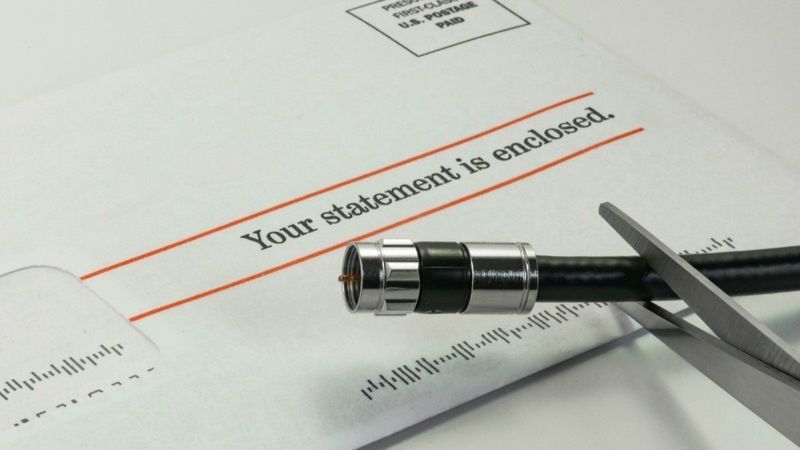
    For the first time, a higher percentage of households in the U.S. subscribe to a digital streaming service than to traditional pay television, according to the results of a new survey released Monday by Deloitte.

    Deloitte’s 13th annual digital media trends survey found that 69% of respondents have at least one streaming video subscription, compared with 65% who have a traditional pay-TV subscription. The finding underscores the continued popularity of services such as Netflix, Hulu, and Amazon Prime, as more consumers become disenchanted with the high costs associated with cable and satellite packages.

    The survey found that the average consumer subscribes to three streaming services and that binge-watching continues to be a popular activity, with 91% of U.S. millennials saying they have watched three or more episodes of a show in a single sitting.

    But many consumers experience frustration with streaming services’ content, with 47% saying they need multiple subscriptions to watch everything they want and 57% saying shows that they enjoy have disappeared from streaming services.

    “This is happening more frequently as more studios and TV networks are pulling content from the major streaming services to launch their own direct-to-consumer offerings,” the report said.

    In response, streaming services have been ramping up production of their own original content.

    Another source of frustration is the difficulty many streaming subscribers have in finding the shows or movies they want. The survey found that 43% of consumers give up on the search for content if they can’t find it within a few minutes.

    “Overall, consumers say they are getting much of what they want but are frustrated by the complexity and effort to get it,” the report said.

    Despite the rising popularity of streaming, the survey also showed that many households continue to value both streaming and pay TV, with 43% of U.S. consumers having subscriptions to both.

    “Streaming versus pay TV is not an either/or proposition,” the report said.

    Last year’s Deloitte survey found that streaming video adoption passed the halfway mark in 2017 with 55% of U.S. households subscribing to paid services.

    source

  • How to Create a Dog-Friendly Garden

    How to Create a Dog-Friendly Garden

    Envelop spaces

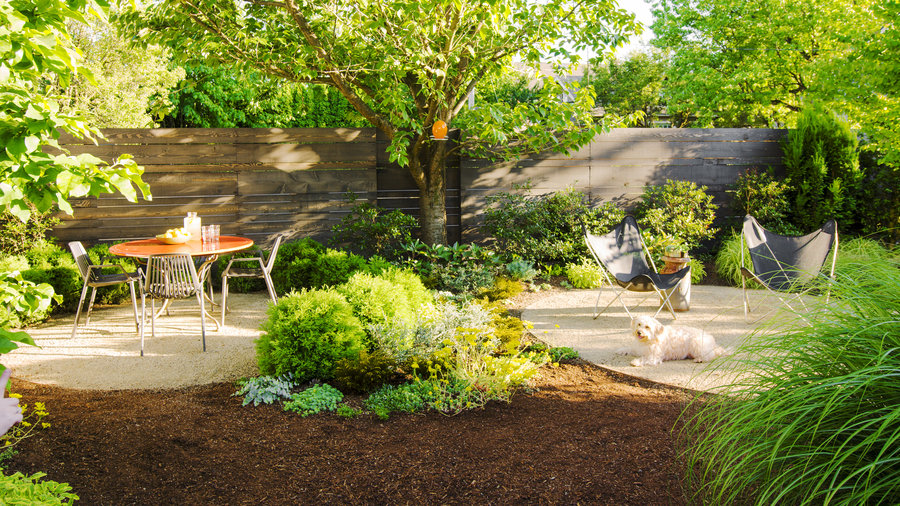
    Playful geometry breaks this backyard into dining and seating circles. The circularlanding pads filled with decomposed granite are great for lounging and dining in the backyard, edged by easy-care plants all soft and sturdy enough to withstand dogs—who can run around in the unplanted, unpaved space. Fat, dwarf Atlantic white cedars (Chamaecyparis thyoides ‘Heather Bun’) enclose the 10-foot-wide dining area, while ornamental grasses, shrubs, and perennials define the 12-foot-wide seating space. A flowering cherry (Prunus serrulata ‘Kwanzan’) shades both circles.

    Pick power materials

    Plants with soft, sturdy foliage, such as ornamental grasses, can stand up to dogs without injuring them. Along the side of this house, large clumps of maiden grass (Miscanthus sinensis ‘Adagio’) are the perfect height to provide greenery without blocking the view from the windows. Pink-hued plumes emerge later in summer. The grass holds its shape all winter and needs just one shearing in early spring.

    Use paw-friendly paving materials, such as splinter-free bark mulch and flagstone. Here, a 4-inch-thick layer of bark mulch along with hard-packed decomposed granite keep the unplanted expanses weed-free. With that kind of open space to play, the homeowner’s three dogs haven’t done any harm to the garden’s plantings.

    Replace the lawn

    In this front yard, the homeowner installed a meadow of sturdy, no-mow fountain grass (Pennisetum alopecuroides ‘Hameln’) instead of turf, for lower water usage and maintenance. Purple smoke tree (Cotinus ‘Grace’) and river birch (Betula nigra) flank the entry. Evergreen manzanita (Arctostaphylos x densiflora ‘Austin Griffiths’) and dwarf Atlantic white cedar (Chamaecyparis thyoides ‘Iceberg’) fill in near the house.

    Think like a canine

    If you were a dog, what would you want? Each breed has a different personality. The better you can accommodate its particular traits, the happier your dog. And the happier your dog, the better your chance of maintaining a garden you’ll both enjoy. This dog-friendly yard includes a running track, border control, comfy mulch, sensible plants, and a piece of driftwood to serve as a marking post.

    Like humans, dogs enjoy basking in the sun. So by all means, give them a deck or a patch of lawn for sunbathing. But remember that dogs can overheat easily, so it’s even more important to provide them with cooling retreats. Here, 4 retrievers (liko, Lexi, Andy, and Morgan) enjoy resting under an arbor in Oceanside, CA.

    Set up paths to run and patrol

    Dogs need exercise; paths give them a designated space to do it as well as a venue to perform their perceived job―to patrol your property line. Readers suggested sacrificing a few feet along the fence for a perimeter path to simultaneously satisfy both needs. If your dogs have already created their own paths through the garden, don’t try to redirect them. Instead, turn their well-worn routes into proper pathways. A 3-foot-wide clearance is enough for most dogs. Plant a screen to hide this dog run if you like; pets seem to like having their own “secret garden.”

    Give them shelter

    Dogs will happily share arbors, pergolas, and other shade structures with their owners. But most dogs seem to appreciate having a shelter of their own, such as a doghouse. Here Ozzie the Airedale has a cottage-style house, complete with window box, in Denver.

    Keep them safe

    If you have a Houdini and need to keep your escape artist from tunneling under the fence, you may need to install an underground barrier made of rebar, chicken wire, or poured concrete. Here, a fence underlined with boards keeps 4 Welsh springer spaniels from tunneling into the front yard in Battle Ground WA.

    source

  • Architect Designs Sustainable Futuristic Tree Houses In Italian Forest

    Architect Designs Sustainable Futuristic Tree Houses In Italian Forest

    Milan based studio Peter Pichler Architecture has developed a concept for sustainable tree houses in the forest of the Italian Dolomites.

    The tree houses are an addition to an existing hotel and should create a new experience to live in the woods with a maximum connection to nature. The geometry with its sharp steep roof is inspired by the surrounding fir and larch trees and is made of local wood. The size of the units ranges from 35-45 m2 on 2 levels.

    source

  • The Largest Insect Ever Existed Was a Giant “Dragonfly”

    The Largest Insect Ever Existed Was a Giant “Dragonfly”

    Meganeura the largest Flying Insect Ever Existed, Had a Wingspan of Up to 65 Cm, from the Carboniferous period. Its name is Meganeuropsis, and it ruled the skies before pterosaurs, birds, and bats had even evolved.

    The largest known insect of all time was a predator resembling a dragonfly but was only distantly related to them. Its name is Meganeuropsis, and it ruled the skies before pterosaurs, birds, and bats had even evolved.

    Most popular textbooks make mention of “giant dragonflies” that lived during the days before the dinosaurs. This is only partly true, for real dragonflies had still not evolved back then. Rather than being true dragonflies, they were the more primitive ‘griffinflies’ or Meganisopterans. Their fossil record is quite short. They lasted from the Late Carboniferous to the Late Permian, roughly 317 to 247 million years ago.

    The fossils of Meganeura were first discovered in France in the year 1880. Then, in 1885, the fossil was described and assigned its name by Charles Brongniart who was a French Paleontologist. Later in 1979, another fine fossil specimen was discovered at Bolsover in Derbyshire.

    Meganisoptera is an extinct family of insects, all large and predatory and superficially like today’s odonatans, the dragonflies and damselflies. And the very largest of these was Meganeuropsis. It is known from two species, with the type species being the immense M.permiana. Meganeuropsis permiana, as its name suggests is from the Early Permian.

    There has been some controversy as to how insects of the Carboniferous period were able to grow so large.

    • Oxygen levels and atmospheric density.
    The way oxygen is diffused through the insect’s body via its tracheal breathing system puts an upper limit on body size, which prehistoric insects seem to have well exceeded. It was originally proposed hat Meganeura was able to fly only because the atmosphere at that time contained more oxygen than the present 20%.
    • Lack of predators. 
    Other explanations for the large size of meganeurids compared to living relatives are warranted. Bechly suggested that the lack of aerial vertebrate predators allowed pterygote insects to evolve to maximum sizes during the Carboniferous and Permian periods, perhaps accelerated by an evolutionary “arms race” for an increase in body size between plant-feeding Palaeodictyoptera and Meganisoptera as their predators.
    • Aquatic larvae stadium. 
    Another theory suggests that insects that developed in water before becoming terrestrial as adults grew bigger as a way to protect themselves against the high levels of oxygen.

    Interesting Facts

      • Though always associated with the modern-day dragonflies due to their appearance, considering the various structural and other characteristic differences between them, these insects were often classified as griffinflies.
      •  It was one of the largest known insects that ever lived, with a reconstructed wing length of 330 millimeters (13 in), an estimated wingspan of up to 710 millimeters (28 in), and a body length from head to tail of almost 430 millimeters (17 in).”
      • The term ‘Meganeura’ means large-veined, and these insects had similar vein patterns in their wings. However, the vein patterns found in the wings of dragonflies usually vary.
      • It is believed that their hunting and preying methods were quite similar to those of modern-day dragonflies. However, it may have attacked many more organisms owing to its larger size.
      • Their large eyes made it possible for them to watch out for prey while the spine on their legs enabled them to get hold of it.
    • Their wings had a network of veins. Moreover, they were heavily veined and had cross braces for strength unlike those of the present-day dragonflies that have delicate wings.
    • The male insects would mate by taking hold of the female with the help of appendages in the front.
    • They believe that it was impossible for the massive bodies of these insects to survive in the present-day atmospheric conditions and that this may have led to their extinction. (The oxygen content in today’s atmosphere is up to 21% and back in the Carboniferous period, it was up to 35%.)
    • The breathing mechanism of these insects allowed the passage of air through a system of tracheal tubes, transporting the oxygen directly to the internal tissues.
    • Also, giant dragonflies were actually seen as gigantic creatures when compared to their living relatives, mainly due to the size of their wingspan rather than their bodies which were smaller than living species of some other groups.

    source

  • The Many Ways in Which Your Mattress May Harm Your Health, and How to Select a Healthy Mattress

    The Many Ways in Which Your Mattress May Harm Your Health, and How to Select a Healthy Mattress

    When shopping for a mattress, there are a number of factors to take into account, beyond perceived comfort. In time for Presidents’ Day mattress sales, The New York Times listed several tips to help you select your ideal mattress. Among them:

    Assess quality and durability — Bedding and medical experts recommend looking for memory foam with a density of 3 pounds per cubic foot or greater, and coils with a gauge of 13 to 15.

    You typically get what you pay for — A recent New York Times test of 20 foam mattresses suggested models in the $1,000 range and over were of higher quality than those costing less than that. A high-quality mattress will last you about 10 years, so it’s worth investing in the highest quality you can afford.

    Comfort is subjective — What’s too hard or too soft for one person may be just right for another, and this includes those with back pain. While a 2003 study in The Lancet concluded medium-firm mattresses improved pain and disability among patients with chronic nonspecific low-back pain the best, your best bet is to try out a variety of firmness levels.

    The New York Times recommends taking your own pillow along when shopping for a mattress, and lying in your normal sleeping position for about 15 minutes on the mattress under consideration.

    While a comfortable mattress is certainly important, if you have back pain you may want to consider addressing your sleeping position as well. As explained by chiropractor Dr. Peter Martone in “What’s the Best Position for Sleep?” it’s important to sleep with your spine in a neutral position, which means sleeping on your back with a pillow tucked beneath your neck, not your whole head. To learn more, please see the hyperlinked article.

    Take advantage of trial periods — As noted by Ron Rudzin, CEO of The Saatva Company, your mattress should not only feel comfortable when you first go to bed, “You have to feel good when you wake up” as well.

    Many mattresses now come with a 30-day trial period, and if you’re not completely satisfied with its performance, return it and try another one. After all, you’ll be sleeping on it for the next decade, so it’s worth the effort to find the right one.

    Many Mattresses Are Loaded With Toxins

    A factor that wasn’t on The New York Times’ tip list was making sure the mattress doesn’t contain toxic chemicals. From a health perspective, this may well be your most important consideration. As of July 1, 2007, all U.S. mattresses are required to be flame retardant enough to withstand exposure to a 2-foot-wide blowtorch flame for 70 seconds.

    While manufacturers can achieve this either by natural methods or chemical means, many resort to the use of flame retardant chemicals. Harmful flame retardant substances you might find in a mattress, including those from “high-end” brands, include:,,

    Polybrominated diphenyl esters (PBDEs) — PBDEs have been linked to endocrine disruption developmental neurotoxicity, reproductive problems, thyroid dysfunction, and certain cancers, just to name a few.

    PBDE has been banned in the U.S. since 2004 due to health concerns, but if your mattress contains polyurethane foam and was manufactured before this date, it might still contain this dangerous class of flame retardants.

    Decabromodiphenyl oxide — This is a flame retardant chemical similar to banned PBDE, linked to hair loss, memory loss and possibly cancer. As a group, flame retardant chemicals have been identified as one of 17 “high priority” chemical groups that should be avoided to reduce your risk of breast cancer.,
    Boric acid — A respiratory irritant used to kill roaches, boric acid is linked to reproductive, developmental and neurological damage.
    Antimony — A metal that may be more toxic than mercury and formaldehyde, it’s linked to cancer and heart problems. Antimony leaching from polyvinyl chloride (PVC) cot mattress covers has also been linked to sudden infant death syndrome. Elevated temperatures, urine, saliva and detergents used to clean the cover were all found to enhance the release of antimony, and may do the same if it’s in your mattress.
    Melamine — Linked to cellular damage, kidney malfunction, reproductive damage and cancer.
    Vinylidene chloride — While not as common as some other flame retardants, this chemical, a potential carcinogen, may still be used. Health effects include central nervous system effects such as convulsions, sedation, spasms.
    Bromine — A corrosive chemical, chronic exposure effects to this chemical include pulmonary edema.
    Formaldehyde — This is a highly toxic poison and cancer-causing agent.

    Your Mattress Can Be a Significant Source of Exposure to Toxic Flame Retardants

    The U.S. Consumer Products Safety Commission admits flame retardant chemicals such as these are toxic and that you can absorb them into your body; however, they deem the amounts emitted from your mattress to be so small as to not cause any adverse health effects.

    But that’s the claim made for most sources of toxic exposure, be it food, air, water, cleaning products, furniture, electronics, personal care items — you name it. And when you add all these exposures together, we’re no longer talking about minute amounts.

    Considering you’re spending a third of your life in bed, your mattress could be a significant source of toxic exposure, and if you look around, you’ll find anecdotal reports of people getting sick from toxins traced back to their mattress.

    Unfortunately, it’s virtually impossible to find out what’s really in your mattress as manufacturers are not required to label or disclose which chemicals their mattresses contain. Your best bet is therefore to seek out manufacturers that specify their mattresses are chemical free.

    Keep in mind, though, that just because a company may have certified chemical-free foam in their mattress, that does not necessarily mean the entire mattress is free of flame retardants.

    The flame retardant chemicals are frequently embedded in a separate mesh fabric layer on top of the foam, underneath the top fabric layer, so the fact that the foam is chemical free means little in this case. Instead, you’ll want to look for mattresses made entirely of naturally flame resistant materials, such as Kevlar, wool or organic cotton.

    Toxic chemicals aren’t the only way your mattress might make you sick. Last year, CNN Health listed a number of factors that might come into play, including:

    • Dust mite droppings — According to some research, 4 in 5 American homes have at least one bed with dust mites, and while the mites themselves do not pose a health hazard, their feces are highly allergenic.

    To control dust mites, the American Lung Association recommends reducing humidity in your bedroom, reducing places where dust mites can thrive, replacing carpets and regularly wet dusting and mopping your floors.

    • Mold and fungi — In one study, 10 pillows tested were found to contain 47 different species of fungi. To minimize mold and fungal growth, use a HEPA filter-equipped air purifier next to your bed.

    • Sweat — Some studies suggest you’ll sweat out up to 26 gallons of sweat into your bed each year, which could promote staph or strep infection. To minimize your risk, wash your linens in hot water at least once a week.

    • Pet dander, saliva and urine — If you have pets, consider not letting them sleep in your bed. If you do allow pets in bed, wash your linens more frequently, and vacuum your mattress and pillows at least once a week.

    Organic Mattress Labels You Can Trust

    If you’re looking for a safe mattress, you need to know what to look for on labels. Some terms, such as “natural,” mean virtually nothing, while other labels, such as “organic,” may be misleading (as it could mean only part of the mattress materials are organic). Consumer Reports has previously issued a guide of what such labels really mean. Here are some highlights to consider:

    Best mattress labels
    • Global Organic Latex Standard (GOLS) — This label applies to latex mattress and ensures only organic latex is used.
    Good mattress label
    • Oeko-Tex Standard 100 — This label sets limits on the emission of toxic chemicals such as formaldehyde and volatile organic compounds (VOCs). Chemical flame retardants, colorants and allergenic dyes are prohibited.
    Labels with some value
    • CertiPUR-US — This applies only to polyurethane foam and prohibits certain substances, such as PBDE. Testing is required for formaldehyde and other toxins. Just remember that this testing applies to foam only, and not the other fabric layers that may contain flame retardant chemicals.
    • Greenguard — The finished mattress must be tested for specific emission limits of formaldehyde and other VOCs.
    • Greenguard Gold — The same as Greenguard but with tighter emission limits.
    • Organic — A mattress may be labeled organic even if only parts of it are organic (and other parts contain harmful chemicals). For instance, the label may read “made with organic cotton.”
    • Organic Content Standard 100 — This applies to the percentage of certified-organic materials in the mattress. It also ensures proper tracking of organic cotton from its source to the finished product.

    The Best Mattresses Have Multiple Labels You Can Trust

    A mattress needn’t have just one of the certifications above. The best and purest mattresses on the market will adhere to multiple safety standards, giving you the ultimate in safety and comfort.

    This is certainly the case with my Healthy Home Certified Organic Mattressesand bedding made by Naturepedic. These mattresses not only pass flammability standards without chemical flame retardants, they are also third-party certified with:

    • Global Organic Textile Standard (GOTS)
    • Global Organic Latex Standard (GOLS)
    • GREENGUARD® Gold
    • Organic Content Standard (OCS100)

    My mattresses provide fire protection with superior product design and better materials. Their unique and innovative approach provides a simple and elegant solution allowing these mattresses and bedding products to meet all federal and state flammability standards — without the use of dangerous chemicals.

    Be especially careful when choosing a mattress for your child, as products intended for children and babies are also those most likely to be doused in flame retardant chemicals. You spend from six to nine hours every night with your face in close proximity to your mattress, breathing in these chemicals. Your children spend even longer sleeping, with their faces even closer to the mattress surface, so be sure to look for a chemical-free mattress for your child.

    source

  • Pest control experts warn of ‘plague of rats’ resistant to poison

    Pest control experts warn of ‘plague of rats’ resistant to poison

    Pest control experts warned of a ‘plague’ of super rats immune from poison invading homes – and a distraught mum says attempts to kill the rodents have been fruitless.

    Edinburgh is said to be the worst place in Scotland for rodents, with the blame being placed on ‘lazy’ neighbors who do not dispose of waste properly in shared areas.

    Pest control firm Wee Critters Pest Control estimated that there was a 20 percent increase in call-outs year on year, while owner Sylvia Hill said ‘amateur’ poisons bought by concerned residents would barely make a difference to the problem.

    Mum-of-three Laura McQueenie, 27, has said problems with rats at the council flat in Niddrie, Edinburgh, where she lives with her sons and young niece, have been persistent.

    She said the living conditions were “disgraceful” and “horrific”, and blamed bins, describing them as a health hazard.

    After the birth of her youngest son, seven months ago, the social work student began to realize the scale of the problem.

    Laura said: “Two rats have died in my kitchen sink and there are many more we have seen.

    “Every evening I hoover and sanitize all surfaces before bed.”

    The young mum lives with her eight-year-old son, a two-year-old boy, and seven-month-old baby, as well as her 15-month old niece.

    Laura said problems with rats were affecting the health of her youngest child – and said poison poured into the rodents’ holes did nothing to solve the problem.

    She added: “It is not an environment to be bringing up children and we shouldn’t have to live like this.”

    source

  • Early Spring Garden Tips – Get Your Garden Ready for Spring

    Early Spring Garden Tips – Get Your Garden Ready for Spring

    The warm weather is right around the corner. That means it is time to start thinking about ways to get your garden ready with these spring garden tips. Whether you are interested in vegetable gardening or just love to grow flowers, these tips will be helpful

    Many areas of the country are still under a blanket of snow, but it won’t be long before most of us will be doing things to get our garden ready for spring.  Here in NC, depending on how late our winter lasts, that time is almost here!  

    Even though most areas of the country are slowly warming, it’s also true that most plants are still dormant.  (I am delighted to see my early bulbs peeking through though.  It won’t be long before my daffodils, hyacinths and tulips will be blooming.)Spring gardening

    Even though most plants are still dormant, there are a lot of ways that you can plan ahead and prepare your garden for spring.  

    The Gardening Cook is a participant in the Amazon Affiliate Program. This post may contain affiliate links. I earn a small commission, at no extra cost to you if you purchase through an affiliate link.

    These spring garden tips will help you get ready for the warm weather.

    I have included a list of my top list of 25 things that you can do to ensure that your garden will be ready when the plants start to grow. Lets start with a good look around the garden!

    Give the Garden a General Inspection

    Most garden beds suffer from the heavy rains of winter and need some TLC.  Check my tips for preparing spring flower beds here.

    Inspecting the garden is probably the most important step and you should not skip it.  Most of us are eager to get out and actually do something in the garden after a long winter, but taking stock of what has happened over the winter is so important.

    It also gives us a to do list and makes sure that the garden gets started on the right foot.

    Check your Fences and trellises.  Have they started to break or splinter from the moisture? Now is the time to mend them.

    Look over your Raised Beds.  If you use raised garden beds, it is important to check the sides. Are they bowing?  Are the joints coming apart? If so, fix them now. Raised garden beds are easy on the back

    There is no point in planting in something that will start coming apart mid season. Raised garden beds don’t have to just be wood, either.  See how I recycled recently to make a cement blocks raised garden bed.

    Do you have Winter weeds?  No matter how well you weeded before the winter set in, there will still likely be weeds out there.  Take stock.

    Will you need a tiller to get them up, or will a hoe do?  That means you may need to borrow or rent a machine.  Some beds can do with just a light till and for others you may will need to borrow or rent a rototiller. 

    This patch of irises is full of a weed that propagates with under ground runners. I’ll need to dig up the whole patch and till this area of the garden bed or the whole bed will be full of these weeds this summer!weedy garden beds

    Check over your Garden Furniture.  Now is the time to inspect your outdoor furniture too.  Will anything need replacing? 

    If you notice it now, you can be on the lookout for upcoming sales, rather than waiting till mid season when prices are the highest.

    Check out your Potting Shed

    Look over your potting area.  Do you have a potting table? If not, drag out a sturdy table from the attic and put it to use.  Check over your pots.

    Sterilize those pots that need it. Clean your clay pots if you did not do it in the fall.  Get potting soil, fertilizers (if you use them) and other soil additives now so that they will be on hand when you need them.dirty flower pots

    Inspect your lawn edging. 

    Now is a good time to get the edges of your garden beds ready.  It will make sure that the weeds won’t start growing into the beds once the lawn starts growing and will save you one job later in the spring, when all you will really want to do is to get into the bed and dig.

    Last summer, I cut back one of my large garden beds and just laid a row of bricks around the outside of it to keep the weeds out. This spring, I’ll dig the trench and lay the bricks properly to give this bed a nice edge. 

    Working on this project now will be easier than waiting until the hot days of summer hit!bricks for a garden bed edge

    Check Bird Feeders and Bird baths 

    Give your bird bath a good cleaning.   Clean out bird houses and put in fresh feed and bedding for your feathered friends. 

    Give your hummingbird feeder a good cleaning.  Make a stock of hummingbird nectar to use when the weather warms up and the hummers arrive.clean your birdbath in early spring

    Give planters and pots a good inspection in spring

    Not all gardening in done in soil in the ground.  An important tip to get your garden ready for spring is to check over your containers.

    Take stock of your patio planters. Dig out the weeds, inspect them for cracks, and refresh the soil for new plantings.

    It’s a good idea to replenish the soil in planters each spring. Plants will deplete the soil of nutrients, so adding fresh soil will give your potted plants a good start.

    Spring Garden Tips for Plants

    We have just started on these spring garden tips. Now on to the meat of the garden – plants, trees, shrubs and more.  It’s not enough to just inspect the plants to see what is what. It’s important to give them some TLC as well.

    Plant inspection in early spring

    Winter is hard on a garden. The soil is wet and compacted and the harsh weather takes its toll on the plants.  Time to see what needs some work.

    Inspect all the plants, shrubs and trees to see what has been damaged and make notes of jobs to do to repair this.

    Clean up Perennials

    Once the soil is sufficiently dry, it’s time to start the clean up of your perennial plants.    These plants come back year after year but often need to be tended to in the spring. What you will need to do depends on the type of perennial in question.

    Prune the crowns For most perennials, if you did not prune your perennials in the fall, do so now. Cut back the old and dead foliage close to the top of the crown and mulch around it but not too close to the crown.foxglove perennial

    This foxglove plant was grown from seed last year and has made a nice mound.  It was evergreen all winter but the cold has damages a lot of the outer leaves.  A good clean up is all it needs.

    Discard dead perennials. Remove any dead plants and add them to the compost pile.  If they really are dead, they won’t grow back.  Signs of a dead perennial is a rotten root ball or crown. There should be some sign of life in the center of the crown.

    Pruning woody perennials. Some perennials with woody stems actually prefer pruning in the spring.  Examples of perennials that like to be pruned in the spring are:

    Evergreen perennial care. Evergreen perennials don’t really go dormant in some areas of the country.  But they may still need trimming now.

    Examples of evergreen perennials are hellebore and coral bells and also some of my  ferns. For me, these are green right through the winter but still look scraggly in the spring, so they need a touch up in early spring.

    All of my hellebores are flowering right now and are gorgeous but the foliage really needs trimming. See my tips for pruning hellebores here.

    Check your roses. Early spring is a good time for pruning roses. Do this before the leaf buds open. This will allow the plant to send it’s energy into the new growth.

    Cut back grassy plants. Grasses often are left for winter interest.  My Japanese silver grass has interest all winter long, but in early spring, I give it a good hair cut to encourage it to grow again and to tidy it up.

    This means cutting all of the dead leaves and grassy tops right back to just above the crown.  The grasses will love this and will send out new growth soon.

    Last year we divided some Japanese Silver grass plants and added the divisions along a fence line to hide the fence. The birds loved the seed heads in the winter.Japanese silver grass needs to be cut back in early spring.

    They have grown beautifully but will need to be cut right back this year to allow the new growth to flourish.

    You can also divide overgrown grass plants at the same time. They can easily take over a spot of you don’t divide them every few years. Spring is a good time to do this.

    Prune trees and shrubs

    Look over your small trees and shrubs to see what needs early pruning.  Doing so will help to maintain good form for them, and will result in vigorous growth when the growing season really gets going.

    Be sure to get information of which shrubs and trees like pruning later in the year.  Some benefit from early pruning and others like to be pruned after flowering. The best time to prune depends on when they set flower buds.

    Some shrubs that enjoy early spring pruning are:

    Be sure to check out my pruning tips here.

    Divide plants in spring

    Check to see if perennials have outgrown their spots. Early spring is the time to divide over grown perennials.  Give some to your gardening friends or plant the divisions in other areas of your garden. 

    Transplant plants that are just too big for the garden bed they are in now.  Last year, I had to transplant almost everything in one garden bed because I miscalculated how closely to put the plants when I first planted the bed.

    Crowded perennials just don’t grow well and really benefit from division.  If you divide and transplant early in the spring, they won’t be set back as much as if you do it later in the summer.

    Photo credit Wikimedia commons

    Spring garden tips for tools

    Spring is a good time to check over your tools.  Some may have seen there better days and need replacing. Hopefully, you gave them some care before you put them away in the fall. Put these spring garden tips for tools in place to give you a good foundation for your work.

    Examine your Tools. 

    Did you winterize your tools last fall?  If you did, then lucky you!  All you need is to check them over and maybe do a light oiling and gather them so they are ready.  If not, you have a few things to do to get them ready!

    Check garden tools in spring

    Treat yourself to a new tool

    Each year, I treat myself to one new piece of garden equipment or a new tool. 

    There is no way that I can buy afford to buy everything I need all at once.  I purchased the most necessary ones first, and then gradually, each year, I have added something new.

    A few years ago, it was a nice, good quality, pitch fork for my compost bin. Last year, I was lucky enough that one of my sponsors sent me an expandable gorilla hose with brass fittings to try out and review. 

    I have wanted one for years but just never managed to put the money aside for it.  I hate the sight of hoses all over my yard, and having to move them each time my husband mows the lawn. With the new expandable hose, that will be a thing of the past. 

    The hose is a full 150 feet in length and expands in use and contracts when not.  It has really well made brass fittings, as well as a shut off valve on one end.  I am delighted to have this baby.

    Photo credit Gorilla Hose on Amazon

    General garden tips for early spring

    Once you have inspected everything and tidied up in the garden, get ready for the new growth by putting these tips into practice.

    Don’t forget the mulch.

    Once the winter weeds are gone and the perennials are tidied up, lay down some mulch.  There are so many reasons to mulch:

    Mulched garden bedStake plants

    Figure out which perennials will need staking and get the stakes inserted.  It is so much easier to put a plant stake in before you need it, than to have to deal with all the massive growth, when staking is overdue. 

    Sure, it’ll look a bit like your garden has big toothpicks in it for a while, but you will be glad you did it when they start growing.

    Soil and Composting Tips for Spring Gardens

    The soil is the medium that gives your plants their nourishment. It pays to make sure that it is in good shape.

    Start with the soil

    Inspect your soil.  To really get your garden ready for spring, start with the soil. One of the biggest mistakes that inexperienced gardeners make is to start planting and working the soil too early. 

    Months of snow and rain make for a very wet and compacted soil.  If you work it now, it can get more compacted from treading on it, and from heavy machinery.  Pick up a ball of soil.  If it stays compacted in a ball, it is too early to work it. 

    The soil should break apart easily, not stay in a firm ball.  If you have not done so, test your soil with a soil testing kit to make sure you get off to a good start.

    Test your soil. 

    Knowing the balance of nutrients in your soil and the PH balance is important.  It helps later if you need to diagnose plant problems and gives you an idea of the type of fertilizing that you’ll need to take care of yourself.soil testing

    It is a good idea to take a PH test of your soil each year, so you will know if you need to add anything to it.  If you do, get those supplies ready. For already healthy soil, just adding compost may be all that you will need.  

    The Compost Pile. 

    A compost pile is a collection of garden waste and organic kitchen refuse that will decompose slowing to produce compost or humus. This can be used as a great source of soil enhancement and fertilizer. You would be surprised at how many common items that you can add to a compost pile.

    It is important to Inspect not just your garden beds, but your compost pile too. Turn the compost pile regularly. Check for things that are diseased and remove those and also any seed heads that you may find. 

    You won’t want to be adding compost with weed seeds in it to freshly weeded soil! Be sure to also check out my list of things to never compost.

    Photo credit Wikimedia commons

    Starting a compost pile

    If you do not already compost, what are you waiting for?  The rich earthy compost is black gold to experienced gardeners.  Find a level area of your garden and start your compost pile there. 

    You don’t even need a fancy compost bin.  If you have about 10 feet free, you can use a rolling compost pile.   I have had more success from this method than from any compost bin that I have used.

    Spring is the time to fertilize

    Once you have tested your soil to know what condition it is, get out the fertilizer or compost.  Most plants like to be fertilized early in the spring when they are having their initial growth spurt. 

    I use a handful of compost in every hole that I dig for a new plant. It’s a great habit to get into. If you don’t have a compost pile, your soil test will give you an idea of the fertilizer to buy.

    A garden planner is a big help to get your garden ready for spring.

    Do you intend to make changes to your garden this year? Did some things work well where they are and some languish? Get out that garden planner and sketch your garden the way you would like it to be.

    Check the times that your plants took to flower last year. See when your last frost will be so that you know when you can start. A garden planner is invaluable. 

    I planned my combination perennial/vegetable garden bed last year before I ever dug one hole and I am so glad I did. I had a concrete idea of how it would turn out before I ever started digging.Plan your garden

    Plan for new flowers

    I try to add several new plants each year.  Last year, it was a Hellebore

    I was determined to have something that would flower in the winter time and I am so glad I planned ahead for it.  We had snow during the last few weeks and this beauty was still blooming. What a delight!  What will you add to your garden this year?Hellebore in flower

    Go Native

    Spend some time learning about the plants that are native to your area and consider planting these.  Your water bill will thank you and you will be planting things that will have a good likelihood of success.

    Native plants are well adapted to local conditions. They require far less water and this saves both time and money.  Also, native plants will encourage local wildlife to visit your yard

    Add a new garden bed.

    The soil in early spring is easy to dig since it has had plenty of moisture.  Weeds will come out easily and you can add a pre-emergent weed deterrent at the same time.

    If you have the room, and the ambition, dig up a new garden bed, or get together a lasagna bed for planting later in the year. You can add garden refuse to it as the season progresses. If you start it early enough, you’ll be able to plant in it in summer.

    Tips for starting seeds in spring

    One of the best ways to save money on your garden is to start as much as you can from seed.  You’ll get dozens of plants for less than the price of one perennial!

    Time to order seeds.

    Order your seeds now.  One of every gardener’s favorite things to do each year is to look through the gardening magazines that are starting to arrive.

    Place your order for seeds

    now so that you will have the seeds when it is time to actually plant them.seed catalogs


    Seed Planting Tips

    Containers for Seed Planting. Don’t wait until it is time to plant seeds before you think about containers.  If you don’t have a supply of pots for them, start saving household items to use for planting seeds indoors to give them a head start.

    In addition to retail plant starters, some inexpensive and good containers are items that you have around the home.  Some ideas are:

    egg shells and egg cartons make great seed starting pots

    If you do have pots on hand, be sure to disinfect them so that they will be ready when it is time for you to plant the seeds.

    Order seed labels

    If you plan to have a lot of plants that start from seeds, gather some plant labels so that you’ll know what you have planted. 

    You can purchase plant labels online or make use of house hold items like popsicle sticks and firm plastic cut into strips.

    Spring Garden Tips for lawns

    When you are working to get your garden ready for spring, don’t forget the lawns. Raking your lawns will get rid of winter debris. 

    It will also help to aerate the soil to insure that air gets to the root zone and will get your lawn off to a good start.  Inspect the lawn while you are doing this to see if you need to reseed some areas, or aerate more fully.

    If you have dead patches, now is a good time to reseed or add more sod to fill them in.

    Spring Garden Tips for Vegetables

    A vegetable garden is one of the true pleasures of a spring garden.  Here in NC, the summers are so warm that I need to make sure my vegetables are planted and ready to grow in spring to get the best harvests.

    Cold Weather Vegetables  

    If you plan to plant vegetables, be sure to consider how much cold they can take. These cold hardy vegetables are a good choice for early spring planting, since they can really take the cold.

    Get early spring vegetables in the ground as soon as the soil can be worked.  

    Plan for crop rotation

    Planting the same vegetables in the same spot each year encourages diseases to flourish.  Take the time to plan for some crop rotation.

    Crop rotation allows you to decide where to plant each vegetable from one year to the next.  This will help manage soil fertility and reduce problems from air borne diseases and soil dwelling insects.

    Add Supports for Vegetables

    Tall vegetables, such as climbing beans and peas also need supports. Get the supports in early and when you plant the seeds, you will know that the supports will be there for them when they start growing. 

    This handy teepee supported my climbing beans the last few years.  I left it in place and just need to move it when I rotate my crops this year.   See how to make this bean teepee here.bean teepee

    What other things do you do to get your garden ready for spring?  I’d love to hear your thoughts.  Please leave them in the comment section below.

    Pin it for later

    Would you like a reminder of these early spring garden tips?  Just pin this image to one of your gardening Boards on Pinterest so that you can easily find it later.These early spring garden tips will make sure that your garden gets off to a good start this year.

    You can also print out the Spring Gardening Check List in the project card below.

    Admin note: This post first appeared on the blog in March of 2015. I have update the post with new information, all new photos, a spring garden check list for you to print out and a video for you to enjoy.

    Yield: Use this check list to get your garden ready for spring.

    Spring Gardening Check List

    Spring Gardening Check List

    Spring is right around the corner. Winter can play havoc with a garden. This check list will get your garden off to a good start.
    Active Time 2 hours

    Tools

    GENERAL INSPECTION. LOOK OVER THESE ITEMS FOR DAMAGE

    SOIL TIPS:

    LAWN CARE:


    VEGETABLE TIPS

    As an Amazon Associate and member of other affiliate programs, I earn from qualifying purchases.

    Project Type: How To / Category: Gardening Tips

    Disclosure of Material Connection: Some of the links in the post above are “affiliate links.” This means if you click on the link and purchase the item, I will receive a small commission from the sale, but the price is the same for you. I am disclosing this in accordance with the Federal Trade Commission’s 16 CFR, Part 255: “Guides Concerning the Use of Endorsements and Testimonials in Advertising.”
  • 8 Small Things You Can Do To Help Bees Survive

    8 Small Things You Can Do To Help Bees Survive

    Bees are the backbone of the environment as we know it, helping many plant and animal species by pollinating. “More than 20,000 bee species around the world are the most important group of pollinators for farming and wild plants,” a representative from The Honeybee Conservancy told Bored Panda. We can thank bees for such delicious produce as potatoes, tangerines, apples and so, so much more! “One in three mouthfuls of food we eat benefits from bee pollination” the representative added.

    Unfortunately, as precious as the bees are to our ecosystem, there has been an increasing worry regarding their numbers and what it means to our future. “Populations are declining due to a variety of factors including human development, pesticides, disease and a changing climate,” The Honeybee Conservancy representative explained. That’s why various organizations and volunteers are banding together to help out our little pollinators by spreading awareness and investing time and money to pass legislation that would help preserve many bee species by banning various insecticides.

    Update (09/03): The article previously stated that it is not recommended to give bees sugar water, especially in large quantities by leaving a bowl of sweetened water outside, however The Honeybee Conservancy representative clarified that the information was misleading and it is alright to give bees sugar water in most scenarios.

    1. Protect bee habitat

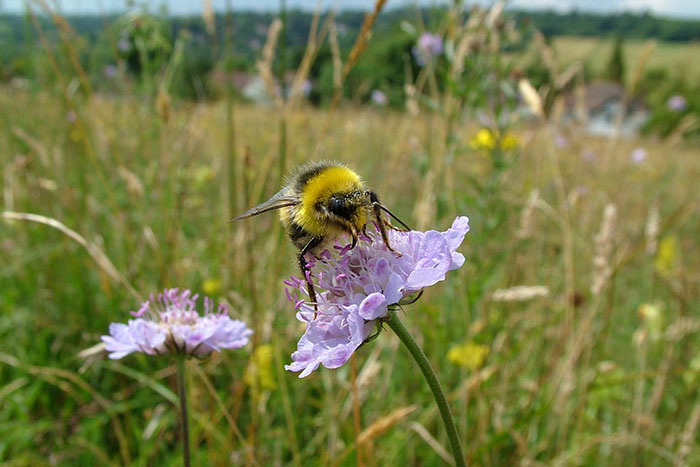
    One of the threats to our bees is reducing habitat. We all can help bees in urban spaces by creating more gardens, green areas and habitat corridors with nectar-rich plants such as wildflowers. And if you think that they require huge fields full of flowers, that is not true! Green spaces can be established on street corners, balconies, while flowers can be planted along roadways. If you want to take a step further, you can get involved with the local government to advocate sensible solutions to the expanding urban areas.

    2. Avoid harmful pesticides

    Synthetic pesticides, fertilizers, and herbicides are some of the dangers that bees face. Avoid using pesticides in your garden and if you must treat your garden, go for organic options and spray at night since pollinators are least active at that time. You can also use beneficial insects such as praying mantises and ladybugs to help you out in the garden. “Avoid chemicals belonging to the neonicotinoid family at all costs, as they are especially harmful to bees” The Honeybee Conservancy page notes.

    3. Create a Bee Bath

    You can fill a shallow dish or container with clean water and add some pebbles and stones inside so that they poke out of the water. This will be a perfect retreat for the bees to drink and rest as they take a break from foraging and pollinating.


    4. Build homes for solitary and bumble bees

    Even though it is a common knowledge that bees live in a hive, it’s only really honeybess that do. Most of the types of bees are solitary creatures with 70% of bees living underground and 30% living in holes inside of trees or hollow stems. You can buy a “Bee condo” or “Bee hotel” online or build one of your own to help create some living spaces for those lone insects. After all, even if they won’t bring you honey, the little bees pollinate surrounding plants!

    5. Plant a bee-friendly garden

    You can help out bees by planting a bee-friendly garden and providing them a place to rest, pollinate and forage. Some helpful tips offered by The Honeybee Conservancy include:
    • Avoid hybrid flowers, which may be sterile and have little or no nectar or pollen
    • Skip the double flowers, which lack pollen
    • Make sure you’ll have blooms for bees year round.
    • Plant flowers in patches – bees like to focus on one flower type at a time
    • Leave an undisturbed plot for ground-nesting bees

    6. Plant trees

    I bet we all imagine bees flying around in the garden, sitting on a lone sunflower or digging between the petals of a rose. But bees love trees just as much as perennials! In fact, bees get most of their nectar from trees! They’re not only an excellent source of food, but a great habitat. “Tree leaves and resin provide nesting material for bees, while their natural wood cavities make excellent shelters” The Honeybee Conservancy page explains. While deforestation problem is still relevant, you can do your part by caring for and planting trees and joining communities with similar interest in tree preservaton!

    7. Support your local beekeeper

    One way to help the bees out is to start a honeybee hive, however, not all of us have the means and space for it. A good alternative to that would be supporting a local beekeeper. They work hard to look after and nurture their bees and their efforts help out both, the bees and people around! Best way to support beekeepers is to buy their produce. Most will have honey and beeswax products to sell, however, there are some who create soaps, lotions, and beeswax candles. And if you buy honey locally, chances are that bees collected from your flowers!

    8. Sponsor a Hive

    Another choice for those who can’t afford to start their own hive is to sponsor initiatives that build hives. The Honeybee Conservancy is working to install stocked honeybee hives and solitary bee homes in communities across the United States. You can help them out by donating or looking for organizations around with similar initiatives. “By sponsoring a hive, you aren’t only helping to save the bees, but to improve communities across the country”

    source