Category: Survival Prepper

  • What Is A Solar Generator & How It Works..Best Portable Solar Generators For Survival Emergencies

    What Is A Solar Generator & How It Works..Best Portable Solar Generators For Survival Emergencies

    Great Portable Solar Generators For Survival Emergencies


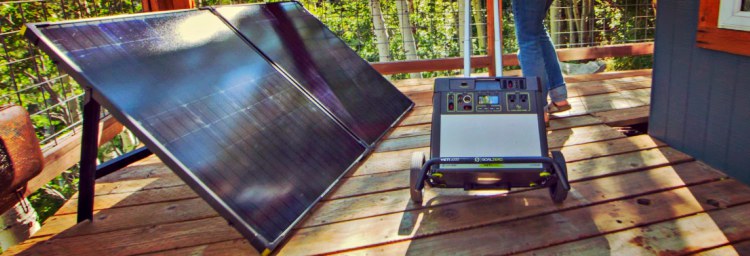
    Solar Panel and Portable Solar Generator Setup On A Deck


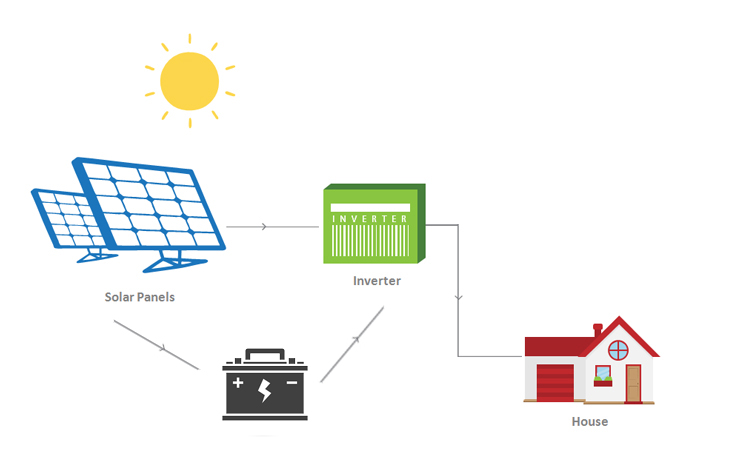
    A solar generator consists of 2 main components:

    1. Solar panel
    2. Portable power generator

    1 – Solar Panels

    Solar panels are the technology that converts sunlight into electricity.

    They do this by using the sunlight to knock electrons free from atoms. This knocking free of electrons generates a flow of electricity.

    Or more simply put, the sun’s energy excites molecules which creates a flow of electricity. If you get that, that’s all the technical understanding you need.

    The bottom line is solar panels turn sunlight into DC power.

    Here’s a short video explaining of how solar panels convert the sun’s rays into electricity.

    2 – Portable Power Generator

    A portable solar power generator is also made up of two main components

    1. Inverter
    2. Battery

    The inverter turns the DC power from the panel into more usable AC power.  Solar generators also include a storage battery. That way, if any of the power captured by the panels is not being used, you don’t lose that power. Instead, it becomes potential energy stored in the battery for later use. The battery ensures there’s power available in an emergency. Solar generators also include various power outlets. These are like power outlets in your home. They allow you to plug electrical cords, power tools or appliances into the generator.

    Recharging Is Not Instantaneous

    It takes time for a solar panel to recharge a battery. Solar panels are not an on and off device. The power they capture fluctuates based on the power of the sun. Solar panels are affected by the angle of the sun to their surface. If you set your panel in a fixed position and let the sun move across the sky, you’ll get a curve of power production. It will start out small, ramping up to peak, hold peak power conversion for a while, and then back down to zero. The hope is you can produce enough power over this time to run your appliances and charge by solar your battery. Then use the stored backup battery power from sundown to sun up (overnight). Again, you’ll have to look at the appliances you need and how often to use them. This is all about smart power supply management! Of course, the more panels you have, the more power you can produce in a given time frame. But if you charge your battery too quickly, you’ll need more batteries to store any excess energy. But expansion is not always as simple as buying more panels or batteries.

    Many Units Cannot Be Easily Expanded

    Components in the ready-made solar generators are not typically designed for easy expansion. When you buy a ready-made portable solar generator, you can’t easily upgrade the inverter. You can’t add a bigger battery (at least not internally). Nor can you increase the photovoltaic surface area or install a better inverter. Some models do allow you to add more solar panels to increase the speed of recharging. But eventually, you’ll hit the upper limit of the inverter in a ready-made generator. So for the most part, you get what you get with a ready-made solar powered generator. If this is a big concern of yours, you should check out some DIY solar generator options (covered later).

    Repair Can Be Difficult

    Solar panels and power generators are not devices that are simple to repair. They take unique components and serious expertise to fix. In the case of solar panels, it’s typically more cost effective to buy new ones as opposed to trying to repair them. Fortunately, newer solar panels are extremely durable and are difficult to break. Most of the ones built nowadays can even handle extreme hail storms. So the odds are low that you’d need to repair a portable solar generator repair. But if you do, it’s not going to be as easy as changing a tire or replacing wiper blades.

    Goal Zero Yeti Lithium Portable Power Station

    The Goal Zero Yeti is an excellent solar powered generator. But most of these models don’t come with a solar panel (sold separately).

    They have several models and sizes to choose from:

    So while the Yeti 3000 has more power capacity but also costs more money. But the Yeti 400 is more affordable and more suited for smaller devices and tasks.

    All the units include two AC outlets (300W continuous, 1200W surge), three 2.4A USB ports, and two 12V output ports.

    The weight of each unit varies based on the model but ranges from 17 lbs for the 400 series up to 75 pounds for the 3000 series.

    Order your Portable Power Station here

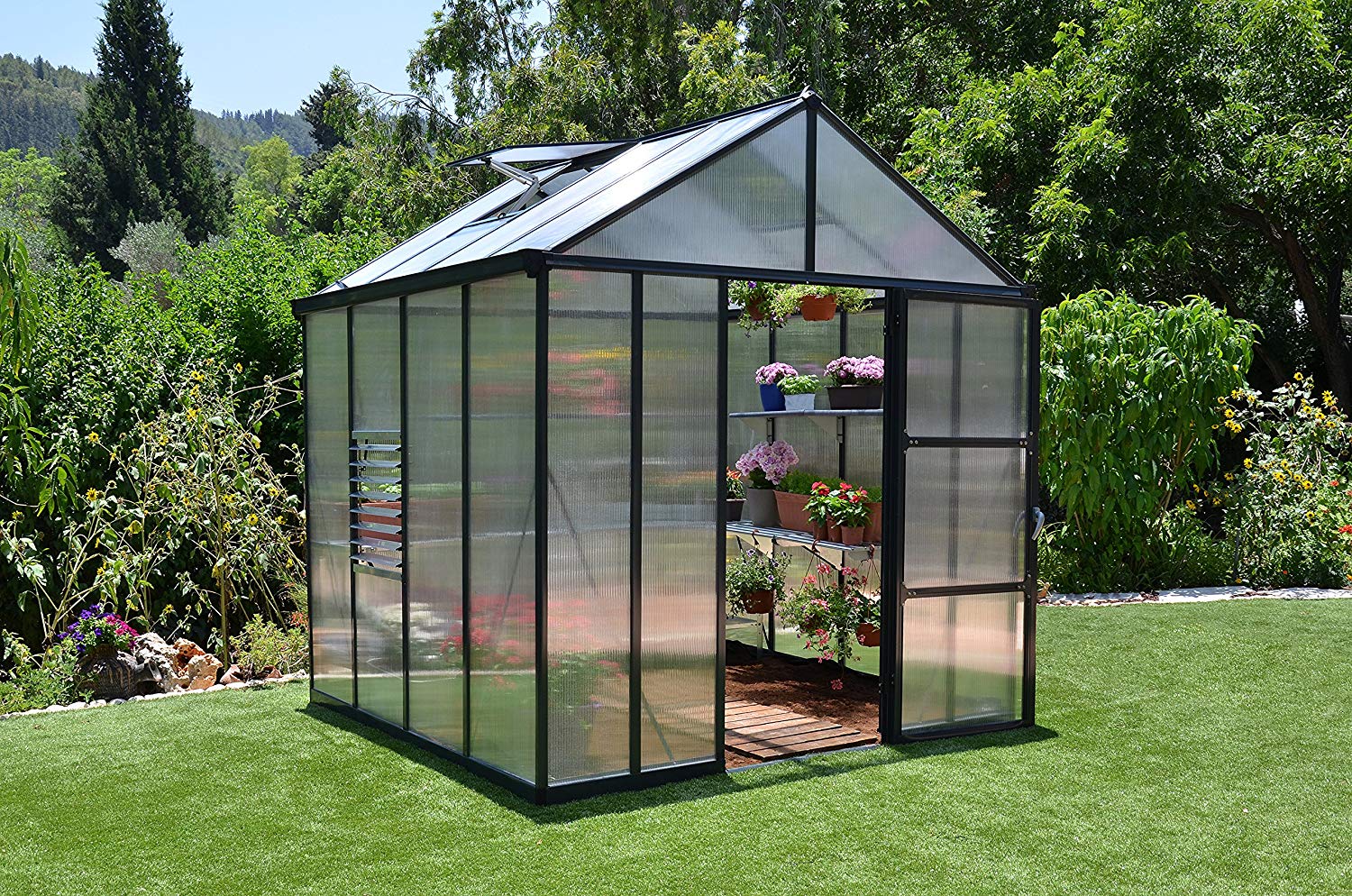
  • The Glory premium class greenhouse is the right answer for the gardening prepper

    The Glory premium class greenhouse is the right answer for the gardening prepper

    Click here to order


    The Glory premium class greenhouse is the right answer for the gardening enthusiast. The gray powder-coated aluminum frame and 10mm thick polycarbonate panels make this a professional grade greenhouse that can be heated and/or cooled for year-round usage.

    The side louver window and roof vent allow proper air flow for the ideal temperature to keep plants healthy. The heavy-duty door is over 31 Inch wide and can be locked. The door threshold allows easy access for wheelchairs or wheelbarrows. The gutter system will allow you to collect fresh rainwater for your plants.

    • 10 mm twin wall roof and side panels – polycarbonate panels are virtually unbreakable and blocks 99.9% of harmful solar UV rays
    • Robust gray powder-coated aluminum frame provides a durable, stronger and corrosion resistant structure
    • 64 square feet growing space and 8.8′ of head room
    • Includes a roof vent with automatic vent opener, side louver window, plant hangers, integrated rain gutters, threshold ramp, galvanized steel base and ground anchoring system
    • Includes a heavy duty door 31.7 Inch wide that is lockable
    • This is an O.E.M. part

    ORDER FROM AMAZON HERE

  • Your Guide to Preparedness During a Power Grid Failure

    Your Guide to Preparedness During a Power Grid Failure

    Power outages due to grid failure are a common occurrence during harsh weather. A grid failure that occurs due to a thunderstorm or hurricane can last for days. This means that you and your family will be forced to survive in your home until the lights come back on. Living in a modern society means we often take technology for granted, and that includes our access to electricity. Keeping that in mind, it pays to keep yourself and your family prepared for the unexpected, such as a grid failure.

    What to Expect After a Grid Failure?

    Obviously, the immediate aftermath of a power grid failure is going to be a loss of power. This means none of the electronic items in your home are going to work. It is also not unheard of for a power outage that lasts a few days to disrupt the supply of fuel, medication, and food items. So, it’s no surprise that those who wait too late to prepare are often greeted with empty shelves at the convenience store.

    When such situations occur, it’s important not to solely rely on emergency services or medical facilities since they are more likely to be overwhelmed and understaffed during a time of crisis. The best thing that you can do is to stay prepared to wait out a power grid failure.

    What Will You Need?

    Maintaining a positive attitude during a power grid failure will help but you are also going to need food and other supplies. The following are some of the essentials you will need to survive a power grid failure.

    Drinking Water

    One of the first things you will need to store up is drinking water. As a rule of thumb, a household should have 1 to 2 gallons of drinking water per day, so a two-week supply should help your family get through a power grid failure. Since we can do without food for a few days but not water, it’s important to make sure you have stored enough water for the whole family that can be used during the power outage.

    Food

    You will also want to stockpile on food items for the family. The food items you choose should preferably be canned food since food that requires to be cooked will require more fuel as compared to food that just needs to be heated. In the absence of refrigeration, MREs or ready-to-eat meals are one of the best options to stockpile. Since the power grid failure could also impact the gas supply, you will need to store fuel that will last you at least two weeks. The fuel you store can be a combination of propane cylinders, firewood, and charcoal.

    Lighting

    Needless to say, during a power grid failure, the electrical lighting sources in a home are going to be unavailable. Rather than depending solely on candles and flashlights, many households opt for solar-powered generators that use the energy of the sun to power the lights in their home. Solar panels are much more efficient and cost-effective as using power from the grid, and in times of emergency, the solar panels you have installed in your home can provide you with the power you need to work the essentials.

    While using backup flashlights and LED lights are okay, the beauty of having a solar generator at home is that it allows you to utilize the power of the sun to charge a long-life battery that is going to power the lighting along with other appliances in your home. But, sadly not all solar powered generators have been created equal. This means homeowners need to be careful of the solar-powered generators they are about to purchase for a bug-out situation.

    The good news is that it’s easy to purchase a solar-powered generator online these days since you will have access to dozens of sites with reviews on Solar Kits so you are able to make a more informed decision. Portable solar kits that are available in the market not only offer a low profile and are easy to use, but are also durable and efficient when it comes to providing the power you need to use lights and other appliances in your home.

    Having a combination of a well-built solar-powered generator along with an efficient set of solar panels will ensure that you and your family have access to the much-needed power they need during a lengthy power outage.

    It is also important to conserve as much power as you can during a power outage. A good option will be to store a solar battery charger set and a few batteries of various sizes for your emergency gear. Using solar garden lights will ensure that not just the interior but also the exterior of your home is illuminated during a power outage.

    Heating

    If you are preparing for a power outage during the winter months, then it goes without saying that you will have to make proper arrangements for the heating of your home. Once the grid is down, you will not be able to use your home’s heating with the traditional power source. This is where using solar-powered generator comes in.

    These portable solar generators are just the thing you need for heating your home during a power outage. That said, you will want to gather everyone in your home in one place so that you only have to use the solar powered generator to heat a single room. This will help conserve a lot more energy and will make the heating last longer as compared to heating multiple rooms in a house.

    Communication

    You don’t want to be in the dark during a power grid failure. To make sure that doesn’t happen always keep backup batteries for your phone or a power pack. Having a hand crank radio can be priceless during a power outage when you are going to need to know crucial details of the reasons for the power grid failure, how long it’s going to take to get it fixed and what guidelines are being given by the emergency response teams.

    The post Your Guide to Preparedness During a Power Grid Failure appeared first on My RSS Reader.

    This content was originally published here.

  • Food Preparedness | LateNightParents.com

    Food Preparedness | LateNightParents.com

    It’s May. Along with warmer weather, comes an opportunity to start a garden. In the 1940s, Victory Gardens were a big part of the war effort. Patriotism was measured by the food you grew and shared with family and friends.

    “As part of the war effort, the government rationed foods like sugar, butter, milk, cheese, eggs, coffee, meat and canned goods. Labor and transportation shortages made it hard to harvest and move fruits and vegetables to market. So, the government turned to its citizens and encouraged them to plant “Victory Gardens.” They wanted individuals to provide their own fruits and vegetables.

    Nearly 20 million Americans answered the call. They planted gardens in backyards, empty lots and even city rooftops. Neighbors pooled their resources, planted different kinds of foods and formed cooperatives, all in the name of patriotism.”

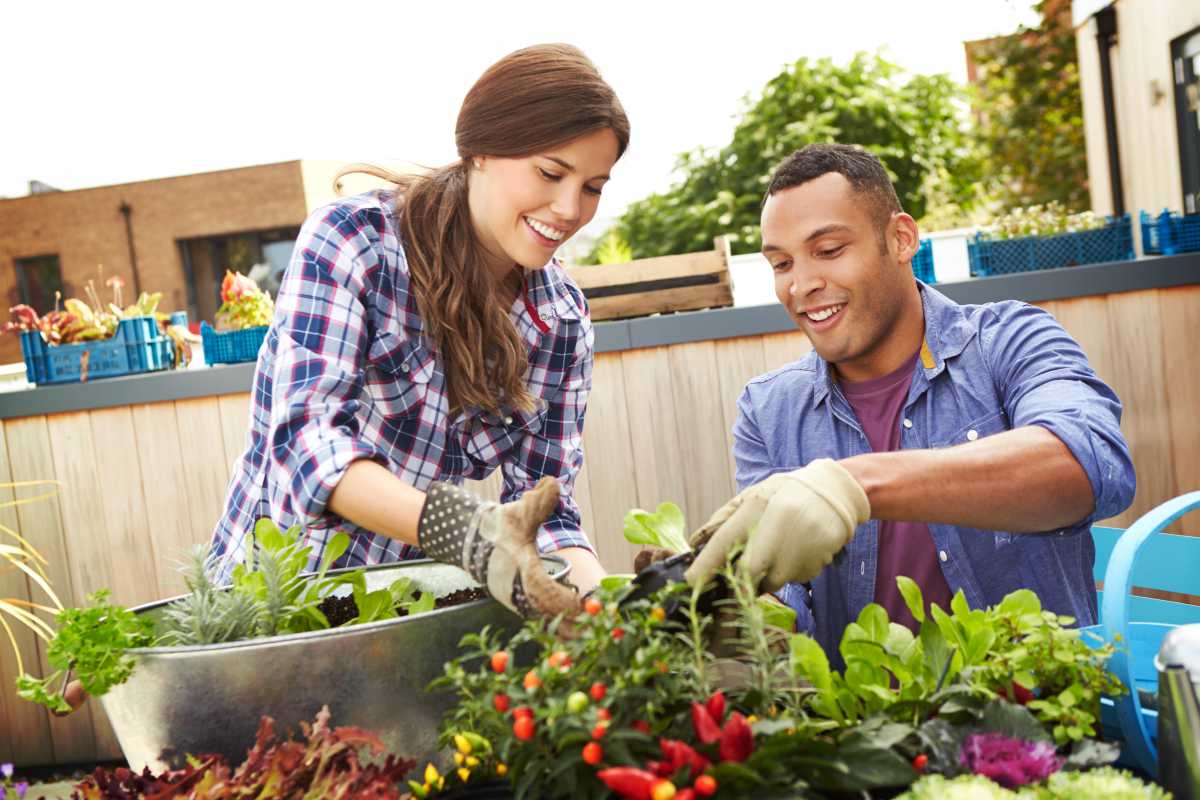
    Today, gardening has again become very popular, particularly among young people. For reasons such as sustainability, health, knowing where their food comes from, carbon sequestration, economics, providing a welcoming ecosystem for wildlife, bees and other organisms, and less grass to cut, young people are growing their own fruits, vegetables and herbs.

    In the world of being prepared, gardens or soil-filled pots or small containers on a windowsill are all relevant ways to help yourself and others. No matter what size and quantity, growing your own food can help provide sustenance in emergency situations such as when a shelter-in-place order is issued. And, when the garden is not producing, excess produce can be stored in a freezer or canned.

    Growing a garden in 2019 may not be geared towards helping out in times of war but it may go a long way in helping keep you and the planet healthy in these times.

    This content was originally published here.

  • Self Reliance & Preparedness | Precious Metals and The ‘End of The World’

    Self Reliance & Preparedness | Precious Metals and The ‘End of The World’

    Having an interest in history, I’ve been doing a good bit of reading on financial systems dating back to the Old Testament times (7th century BC) as well as more modern societies prior to fiat currencies (fiats are currencies declared by a Government to be valued at a certain amount but are not backed by any physical commodity). These include the Vikings (first known coins 995 A.D), ancient Romans (500 B.C), and ancient Chinese empire (770 B.C). The vast majority of currency in history has been based on the use of precious metals (PM) as an intermediate currency. The reasons are fairly simple:

    So I’d like to take a look at PM’s regarding “the end of the world as we know it” (TEOTWAWKI) from a few different angles. I am not advocating PM’s as a sole method of storing value. Prepping is about insurance: the more things you’re prepared for, the more likely when one of them befalls, you will be equipped to handle it. I’ll tackle such arguments as “you can’t eat gold” later.

    Before The Fall

    You run into two major theories here, both with historical precedent. Either you have a slow decline leading to spiraling hyperinflation before the whole mess crashes, or you have a major event that sends a massive number of people into the bronze age. (Note: I’m intentionally disregarding regional disasters such as major earthquakes or hurricanes. Those don’t directly cause currencies to fail, nor do they change PM’s value as a barter item.)

    With a slow decline, your currency becomes less valuable by the month, day or hour (in extreme historical circumstance). PM’s purchased before the decline gain value in direct opposition to the failing currency. When we say the value of PM’s are up or down, we’re really saying the inverse: the dollar is down or up. The value of PM’s relative to the American dollar isn’t the same as the value of PM’s relative to the Yen or Euro. Notice when a country has financial troubles “we buy gold” signs pop up everywhere?

    With a cataclysmic and rapid departure from the world we know, the likelihood of using your old currency to buy what you need is low. How much cash do you have in your pocket right now? Don’t count on using your ATM card when there is no internet. Silver and Gold have been treated as valuable since before the Roman empire was an itch in southern Europe’s skinny jeans.

    During The Dark Times

    Bad times are here. Maybe one country has fallen to accident, war or disaster. If it’s a superpower, the rest of the world will be feeling the crunch financially. In this scenario, the rough days could number in the years before a semblance of civility is restored nationwide and a new government is implemented. Humanitarian aid and multinational involvement would be likely if war is not a factor. PM’s are valuable in other countries right now, that wouldn’t change if they’re still up and running. A fistful of benjamins would be worth a fistful of nose blows. Food is something you will (shockingly) need to survive. Probably don’t want to trade much of that away… Ammo has uses defensive, offensive and for sustainability. That’s good for trading IF you really don’t need it. Ostensibly, nearly every item with barter value is directly related to survival.

    A Brave New World

    Take a look around the world today. Do you see any nations or regions that were thriving recently and now resemble a terrible Mad Max reality? Nope. Even with a full global meltdown, anything short of an extinction event will leave behind a significant number of people. Wherever there have been humans, there is a tendency towards grouping, commerce and mutual reliance. Don’t expect some long-running Book of Eli business. Even if that were to be a reality, there are a mass number of variables, too many to account for. A sharp brain and strong body are always valuable assets. If you’re looking past the big slump in the middle, what’s the plan for securing wealth now that will stay valuable until then?

    I’m no definitive expert on this matter. This article is not the be-all-end-all conversation that will zip up every internet thread regarding PM’s. I am someone who has been in a country where the local fiat currency was nearly worthless. I have also been to a few countries where I exchanged for some of the local currency and now that currency no longer exists as legal tender. Frame it as a memento or give it to the kids to play with. It has no intrinsic value.

    You Can’t Eat Gold

    Now I’d like to give my take on some of the common arguments against having PM’s as one part of the prepping plan. I’m emphasizing that PM’s should be considered only one part of the solution because number one on the most heard arguments against PM’s is

    In closing, I agree with the naysayers that “PM’s are only valuable only when we all agree they are. 9000 years of recorded human history says that someone will invariably think that they are, or will be, valuable still. PM’s do not replace beans, bullets or survival equipment. They sure don’t replace knowledge and skills. Precious metals give you a way to store wealth and a way to barter a nonessential item that can be easily transported and hidden.

    This content was originally published here.

  • Family Preparedness: What Are Your Survival Principles?

    Family Preparedness: What Are Your Survival Principles?

    Love ’em or hate ’em, without family, we break down, so consider family preparedness now and learn how-to, here!

    A Survivalists Insight Into Family Preparedness

    Introduction to Family Preparedness

    Last week, James “Dr. Prepper” Stevens shared with us his thoughts on creating a spiritual foundation for family preparedness. (Check out that article here.)

    This week, he’s back to give us some tips on forming the founding principles of your family preparedness plan. Read on to learn more.

    You may also wish to consider creating a family paradigm – a written belief statement that unites your family in your effort.

    Let me share my family’s model as an example. This helps our family to share a common perspective and thus know our objectives in terms of our preparedness efforts:

    We hope for the best;
    We fear for the worst; and
    We prepare to deal with what happens!

    Building a Family Preparedness Lifestyle

    There are three important reasons to start working toward an immersive family preparedness lifestyle:

    1. We have been advised to be prepared… (Remember the story of Noah, Joseph in Egypt, and the parable of the Ten Virgins?)
    2. You would be prudent and wise to be prepared – providential things happen as a result of being prepared.
    3. As the head of your family (patriarchal or matriarchal) responsibility, all reason demands you protect your family.

    It’s unfortunate that food storage gets such a bad rap in this Nation. When I lived out of the U.S., I was able to see that whoever controlled the food supply controlled the people

    We’ve been advised to save for the future––so many times for so long…

    What if you shift your thinking to another level, away from the mentally and physically tiring activity of food storage?

    What you achieve bit-by-bit is to comprehend the concept of accumulating a supply of food, clothing, and shelter as a way of everyday life––a preparedness lifestyle––and suddenly it’s neither so daunting nor so burdensome.

    You’ll actually get the attitude it doesn’t matter what others say or do!

    What is a preparedness lifestyle? To become self-reliant––to be able to live providently regardless of external conditions!

    May I suggest serious consideration that you make some Paradigm Shifts about your family preparedness responsibilities?

    My Three Family Preparedness Principles

    We spent many years in the activity of trying to stay prepared as we raised our six children. Here are the guiding principles that ultimately govern our family preparedness activities:

    1. We’ll Bloom Where We’re Planted

    We made a conscious decision to live on a rocky hilltop. When those below us may need to evacuate due to flooding, we plan to stay in our home.

    We have reduced and continue to reduce our belongings so as not to be owned by allegiance to our material things. If moving in the future seems important, fewer possessions will make it easier for us to move on.

    • Planning Action Item: We chose to build our house on the rock!

    2. Our Home Will Be Our Personal Convenience Store

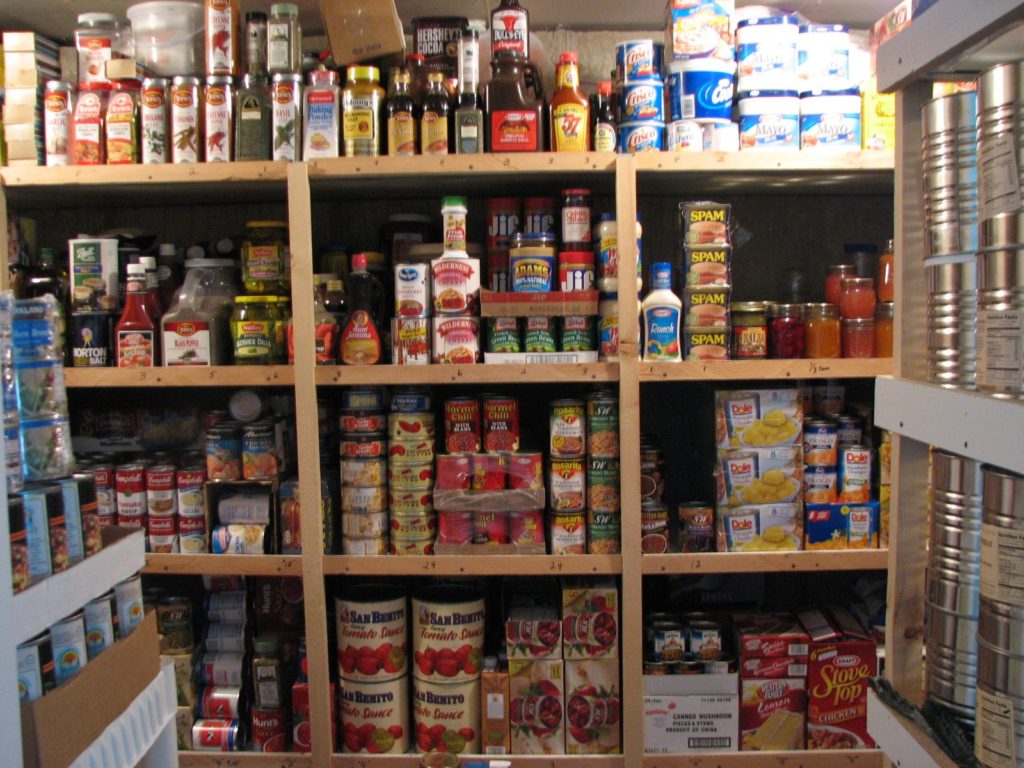
    We’ve created and continue to maintain a very selective mini-grocery store––an in-home convenience store––stocked with the things we like to eat and know we can enjoy during a crisis situation––no matter how long it lasts!

    We set it up where we have unique access to it and can utilize it as our family needs it!

    • Faith Action Item: As others may do without, we can continue to eat––and be able to give help to others in their afflictions!

    3. Our Family Will Be Able to Camp Out Within the Walls of Our Home

    In case of a disaster or emergency situation, our family will be able to maintain an acceptable level of comfort within our house and on our property. We’re prepared now to be able to live within our comfort zone in the future when others can’t live in theirs. We have equipment that will allow us to continue to function regardless of the status of the normal utilities that we depend on normally.

    • Works Action Item: We got the gear and lost the fear!

    4. Get Out of Debt

    The only allowable debts are for purposes of education, our home, or a sound business venture to produce income for the family. My father was very wise about most things––he often told me: “Jimmy, there are only two kinds of people, those who earn interest, and those who pay it!” Grow your savings, not your stuff!

    • Paradigm Action Item: We can sustain our lifestyle without too much further reduction of “creature comforts.”

    There’s a popular national talk radio show host, Dave Ramsey, who proclaims with vigor:

    “Live now like no one else, and in the future, you can live like no one else!”

    Spot on, Dave!

    If you fail to prepare adequately now for the unknown future, you will eventually pay the price for your disobedience! Benjamin Franklin (and a lot of others, also) said, “If you fail to prepare, you prepare to fail.”

    5. Go on a Survival Shopping Now

    Remember: you can’t buy insurance on a wrecked car, a burning barn, or a sinking ship.

    We are so fortunate to have the capability to buy any products we want in this great country! There is no excuse for not being or becoming a self-reliant family.

    There is no shortage of products and services to aid us in becoming self-reliant. Truly, in this country, “…there is plenty, and to spare…”

    • There are no emergencies for those who are truly self-reliant!
    • If you are truly self-reliant, you have no need to fear!

    This video from City Prepping will show you how to build Bug out Bags for the family:

    Disaster preparedness kit for the family? Check! Emergency communication plan for families? Check! Disaster recovery plan? Check!

    These are your checklist to family preparedness. From the material, physical, emotional, and spiritual preparedness, all these factors will all play into yours and your family’s survival.

    This content was originally published here.

  • Well, Venezuela Is Done… – Off The Grid News

    Well, Venezuela Is Done… – Off The Grid News

    Listen To The Article

    Socialism has destroyed yet another country…

    As I’m writing this, Venezuelans are eating dogs, cats and pigeons. The lucky ones get some supplies (after waiting in line for hours on end, that is). They may have water (rain water, I guess), but the food is gone, not to mention other supplies.

    How did this happen in a country that has the largest oil reserves in the world?

    The price of oil dropped, that’s how. But that doesn’t mean things were peachy before. They had troubles for years. Culprit? The socialist regime. High-level corruption murdered their country.

    And I can’t help but wonder. Where will the US end up given the greed and corruption of the leftists coupled with the $20 trillion debt?

    There’s only one thing we can do and that’s to stockpile. Stockpile food, water, tools, gear and everything else you and your family will need.

    This content was originally published here.

  • How to remove yourself from people search sites | Komando.com

    How to remove yourself from people search sites | Komando.com

    Privacy is becoming an increasingly scarce resource on the internet. By default, many websites, applications, and even devices start collecting your data the moment you log on — requiring you, the user, to tell them not to.

    Even then, background activity keeps the data-stream rolling while algorithms find new ways to profile you based on your browsing behavior. In many ways, it’s possible for marketers and data analysts to know more about you as a person than your close friends or family.

    Because of how easy it is to obtain information on virtually anyone, a cottage industry of so-called “data brokers” has emerged online. These shady platforms crawl across social media and public records to build profiles about anyone they come across — and they’re more than happy to sell the data to the highest bidders. Odds are, at least one data broker has compiled a profile of your personal information, and you might not even know it yet!

    The practice of data brokering is a booming business, but the people behind it are only able to get away with what they do by allowing people to “opt-out” of having their data profiled. The trick is knowing which platforms to look for, as well as how to remove yourself from them.

    That’s why we’ve put together our guide to deleting your information from data brokering platforms, as well as the best ways to prevent them from skimming your profiles in the future. You have a right to privacy, after all. It’s time you exercised it.

    How to stop data brokering sites from grabbing your data

    Data Brokers are only able to grab data that’s publicly available — meaning you’ll need to take the first steps to secure this information. The primary resources these platforms use are social media sites, with Facebook (naturally) being the biggest culprit.

    They’re not alone, however, as nearly any publicly facing social media profile can be skimmed for information. On top of this, data brokers are often keen to contact credit reporting agencies for more detailed information about you and your spending habits

    In order to prevent data brokers from harvesting your information, the best first step you can take is to lock down your social media accounts to “private.” All this means is that your profile can only be seen in detail by people you’re already friends with or mutually following.

    If a stranger looks at your account, the only information they’ll see is a profile picture, banner image, username, and any info you decide to put in your profile header (depending on the platform, of course).

    Each social media site has a different approach to going private, so we’ll list each one out individually. Mind you, these are the most popular platforms, but nearly every community or system has a way to keep your profile information between you and your closest connections

    How to make your Facebook profile private

    Facebook doesn’t make it easy to set your profile to private, but it is possible. Note: you’ll need a computer to do this, so set your phone or tablet down, for now.

    To change your profile visibility to private, you’ll want to click your name at the top of any Facebook screen you’re on to go to your profile. When you see your profile’s cover photo, click on the Edit Profile tab that appears in the bottom corner.

    On this page, you’ll see several fields of information about yourself that you may have entered. Unclick the boxes that are next to the information you want to keep to yourself, such as hometown, education, and other data you’ve listed.

    Next, you’ll want to click the arrow in the top right corner of the screen you’re on. Click on Settings in the menu that appears, and navigate to Privacy. On the next screen, you’ll see a menu option that says Do you want search engines outside of Facebook to link to your profile? You’ll want to select Edit and uncheck the box that appears.

    This will prevent Google and other search engines from indexing your account, making it so data brokers can’t use your information.

    How to make your Instagram profile private

    To make your Instagram profile private, you’ll need to use your smartphone or tablet.

    In the app, simply click on the Profile icon in the bottom right corner (it looks like the outline of a person). From your profile, click the “three lines” button in the upper right-hand corner of the screen, and select Settings at the bottom of the menu that pops out. From this screen, select Privacy, then Account Privacy on the next page.

    You’ll be able to switch a toggle that makes it so only followers you approve can see your profile and information.

    How to make your Twitter profile private

    Twitter’s privacy settings are fairly straightforward. To access them, click your profile picture at the top of the webpage.

    Next, on the menu that pops out, click Settings. On the next page, click Privacy and Safety. On the next page, you should see a box that says Protect my tweets. This locks your account from all public sources except people that follow you. Going forward, you’ll also need to approve followers that add you before they can see anything you post.

    When should you contact credit reporting agencies?

    Credit reporting agencies like Experian, Equifax, and TransUnion are vital for helping lenders determine your creditworthiness. As a result, they retain detailed profiles of you, your financials, and your spending and debt habits. Data brokers, naturally, see this arrangement as a goldmine for their business model.

    If you’re looking to stop data brokers from harvesting information from your credit report, it’s possible to “freeze” your credit. This prevents any third-parties from accessing this information, but keep in mind, you will be unable to utilize your score for credit assessment.

    You won’t be able to sign up for credit cards or apply for loans either. Consider this a “last resort” or a “drastic step” in the event you truly want to go off-the-grid, so to speak.

    To contact the biggest three credit reporting agencies, simply call the numbers below. Make sure to discuss a credit freeze, and ask the specialist who helps you any questions you might have about what you can and cannot do once your credit is frozen.

    Experian: 888-397-3742
    Equifax: 800-685-1111
    TransUnion: 888-909-8872

    How to opt out of the biggest data brokering websites

    Your main opponents in the data brokering game will be what’s called “people search sites.” These are sites that build a profile about you based on public info that site owners have gleaned from the internet. These profiles can contain extremely sensitive information like phone numbers and addresses (which, in many cases, is how junk mail and spam phone calls always know how to reach you).

    Many of these platforms have specific processes for deleting yourself from their database. Some may require a simple phone call, but others may want more information like a drivers license in order to verify you are who you say you are. We’re covering the biggest names in data brokering, including some websites like Intelius that own multiple data brokering outlets.

    The sites are listed alphabetically, along with a brief description as well as links and instructions for the best way to remove yourself completely.

    InstantCheckmate: InstantCheckmate provides an opt-out page right from the get-go. All you need to do is fill out the form at the top of the page, select the records you want to remove, and follow the instructions. The process can take up to 48 hours after opting out.

    Intelius: Intelius is one of the biggest data brokers on the internet. It owns a large network of brokering sites, including Classmates, iSearch, Peoplelookup, and PublicRecords. It, however, requires proof of identity in order to remove your data. You’ll need to fill out its opt-out form and either mail or fax a copy of your ID to complete the process.

    MyLife: MyLife requires you to call in order to verify you’re opting out. You’ll have to provide some basic personal data, but the process is fairly simple. Just make sure to ask them to remove you from Wink.com as well, since it’s another site owned by MyLife. Call (888) 704-1900 and press 2 to opt out.

    PeekYou: In order to remove your information from here, you’ll need to find your profile and copy the letters at the end of its URL. This is an identifier for PeekYou’s systems that will help them locate and remove your records. Tap or click here to find your information.

    PublicRecords: Also owned by Intelius, this site requires you to use fax or snail-mail to complete your opt-out. You’ll need to send a copy of your driver’s license along with some other basic personal info. Just make sure to verify that your data is listed here before sending it.

    Pipl: Thankfully, Pipl is hosting a guide that shows you the steps you need to take to remove yourself from its system. Its process is less ambiguous than others and allows you to remove specific data from the sites it aggregates data from. Tap or click this page for more information.

    Spokeo: Like Pipl, Spokeo features a dedicated page for opting out of your records being hosted.

    US Search: This one works in two steps, just like PublicRecords. You’ll need to locate your information on this page, then follow the on-screen instructions to opt out. Then, you’ll need to mail a copy of your driver’s license to the address it discloses for verification.

    White Pages: Like MyLife, White Pages requires you to call in order to remove your information. Its process is a bit more roundabout since you’ll need to locate your profile using the search bar at the top of the page, then paste your profile URL in the box on this page.

    Also, once you’re finished, make sure to check that your info has been removed from White Pages Premium. Sometimes, the listings will only remove from the basic White Pages, so tread cautiously.

    ZabaSearch: Like other brokers, you’ll need to visit a website and fax or mail your drivers’ license. For more information on opting out, tap or click to visit this page. You’ll need to wait 4-6 weeks for the entire process to be completed.

    Guide to cutting the cord — 5 things you need to do

    Nobody likes paying for cable these days. And with so many excellent streaming solutions out there, why would you? Between Amazon Fire, Apple TV, and Roku devices, users have a selection of premium gadgets and streaming services to choose from — each with more choices and original content than any basic cable subscription could come up with. If you’re interested in taking the plunge and cutting the cord once and for all, we’ve built a guide for you to show you how.

    Please share this information with everyone. Just click on any of the social media buttons on the side.

    Please share this information with everyone. Just click on any of the social media buttons below.

    This content was originally published here.
  • These brilliant prefab homes generate their own water and energy

    These brilliant prefab homes generate their own water and energy

    If you ever dreamed of having a little off-the-grid house in the woods, then you have to see these tiny prefab homes from a startup by the name of PassiveDom. These beautiful little homes feature big glass windows and rooftop solar panels that power both the heating and cooling systems of the home. That’s nice and all, but the coolest part of the house is a system that generates water from moisture in the outdoor air—making it unnecessary to connect to a city water supply.

    On top of that, the bathroom uses a shower system that cleans and recycles water, making it one of the first homes in America to use such a system. At the moment, a large 3D printer in Nevada is printing pieces off these tiny homes, which will go to early beta customers in Arizona this year. The final version of the homes will hit the market in 2020.

    This content was originally published here.

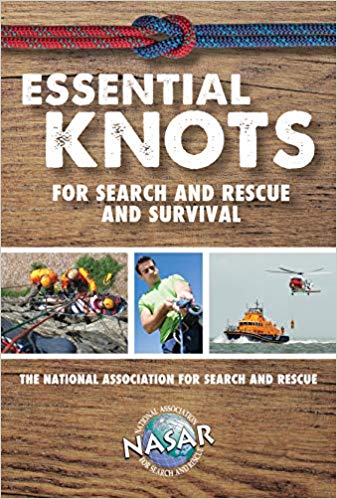
  • Essential Knots For Search and Rescue and Survival (Outdoor Skills and Preparedness)

    Essential Knots For Search and Rescue and Survival (Outdoor Skills and Preparedness)

    click here to order

    Essential Knots for Search and Rescue and Survival is a valuable reference for skilled rescue professionals, recreationists and anyone active in a wilderness setting. This lightweight folding guide is waterproof to withstand rigorous use in the field and fits easily in your pocket. Developed by NASAR’s education division in collaboration with Waterford Press, the easy-to-use guide contains step-by-step color illustrations and will assist your ability to tie the most common knots used in search and rescue. Topics include litter lashing techniques, basic anchors and improvised seat harnesses. Great resource for SAR technicians as well as campers, hikers and outdoor enthusiasts. Made in the USA.