Category: Survival Prepper

  • How Dangerous Is The LA Homeless Problem? This Dangerous

    How Dangerous Is The LA Homeless Problem? This Dangerous

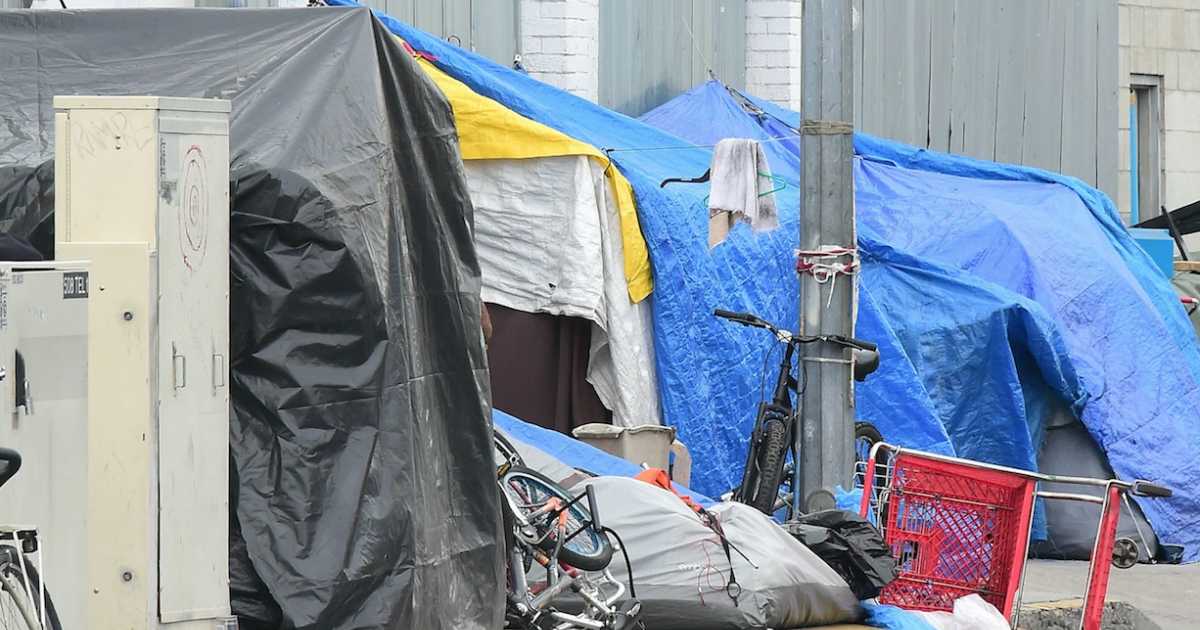
    A new video report by KOMO News on the homeless crisis in Los Angeles highlights what addiction specialist Dr. Drew Pinsky describes as conditions not seen since the Middle Ages. The number of homeless has exploded in the area, up 16% in one year, now topping 36,000 in L.A. and 59,000 in L.A. County. The result has been a humanitarian crisis and the proliferation of serious diseases, as the city fails to take action to protect residents.

    “Tuberculosis is exploding, nontuberculous mycobacteria, and then the rat-borne illnesses, plague and typhus. We had typhoid fever last week,” Pinsky says in exasperation, explaining that means that we have “oral and fecal contamination, so that’s going to mean parasites and cholera” (video below).

    The bubonic plague, responsible for over 25 million deaths over a five-year span in the 1300s, is likely already present in these homeless encampments, Dr. Drew warns. “Everything you found in your history books, we’ve got it, it’s coming,” he says.

    That plague can be rapidly spread by the million or so rats that have now exploded in the area. That “army of rats,” KOMO News reports, have infested City Hall and the LAPD station in downtown L.A., which was recently fined for rodent infestation, while two employees were infected with typhus. Officers have been diagnosed with typhoid fever, hepatitis-A, and staph.

    Skid Row, where thousands of homeless line the streets, “has been in L.A. for a long time, but not like this,” KOMO News reports. “Never like this.”

    “People get beaten, women get raped. It’s just a brutal environment,” says Andy Bales, CEO of the Union Rescue Mission, which is dedicated to helping the homeless in the area. Bales notes that there’s 1,000 sex offenders currently on the streets.

    “This is like a petri dish for disease,” he says. While providing water to the homeless, Bales contracted staph, E. coli and strep, losing his leg in the process.

    The disastrous situation has devolved despite the city throwing $620 million at the problem.

    President of the Coalition to Preserve L.A. Jill Stewart blasts city officials for paying lip service to the problem but failing to act. Her group, she warns, is about to begin issuing press releases every day calling out the incompetence of the mayor and city council.

    In one particularly eye-opening moment, KOMO News illustrates that the problem all comes down to the law. On one side of an underpass that falls under Culver City, which bans homeless from camping out on the sidewalk, is pristine, while the other side, overseen by Los Angeles, is packed with homeless tents and trash.

    Watch the report below:

    This content was originally published here.

  • Geiger Counters

    Geiger Counters

    Geiger Counters, used to detect ionizing radiation have been flying off the shelves due to the recent nuclear threat from North Korea. Just like we saw with the potassium iodide shortage after the nuclear reactor meltdown in Japan back in 2011, everyone seems to want to be as prepared as possible for whatever may come.

    Once news hit of the possibility of a nuclear attack on the US, potassium iodide began flying off the shelves along the west coast. As the situation in North Korea continues to escalate there has been a global rush for radiation pills.

    Geiger counters were first invented by a brilliant German physicist named Hans Geiger.  Since radiation is extremely harmful to all living things yet invisible and very hard to detect this was indeed a revolutionary invention of it’s time.  When the first Geiger counter was released on the market, it was extremely expensive and bulky making it impractical for the average person.  However, as technology continues to improve the devices have become more inexpensive and easier to use, allowing everyday people to own one.

    In true survivalist form, you can take matters into your own hands and get your own geiger counter to monitor the radiation in and around your home. These are vital to have in a nuclear fallout crisis because otherwise, you have no way of knowing when sheltering is no longer necessary. It can also help you avoid contaminated food or water, or “hot spots” of radiation once the fallout has passed.

    While there are many different options available for purchasing your own geiger counter, many are simply too bulky and impractical for modern day use.  I have hand selected my best recommendations for our readers so that you can buy with ease knowing that most of the legwork has already been done for you.

    Careshine Smart Geiger Radiation Counter nuclear Gamma, X-ray Detector for iOS Android

    geiger-counter-app

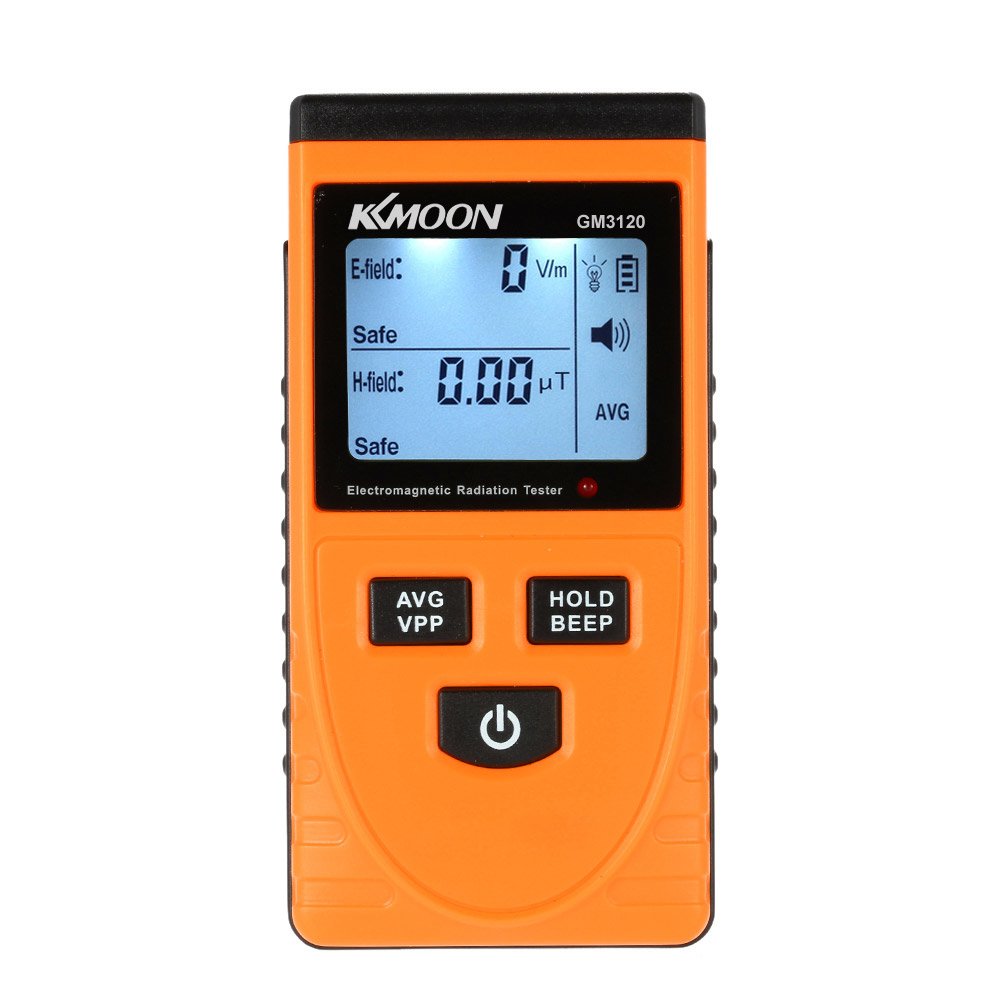
    KKmoon Digital LCD Electromagnetic Radiation Detector Dosimeter Tester EMF Meter Counter

    geiger-counter-app

    RAD Triage 50 Personal Radiation Detector For Wallet Or Pocket


    geiger-counter-app


    YOU MAY ALSO LIKE:

    Nuclear Fallout Survival Gear

    How to Get Radiation Out of Your Water

    Rainwater and air across U.S. contaminated with nuclear radiation

  • 30 Survival Skills Modern People Have Forgotten

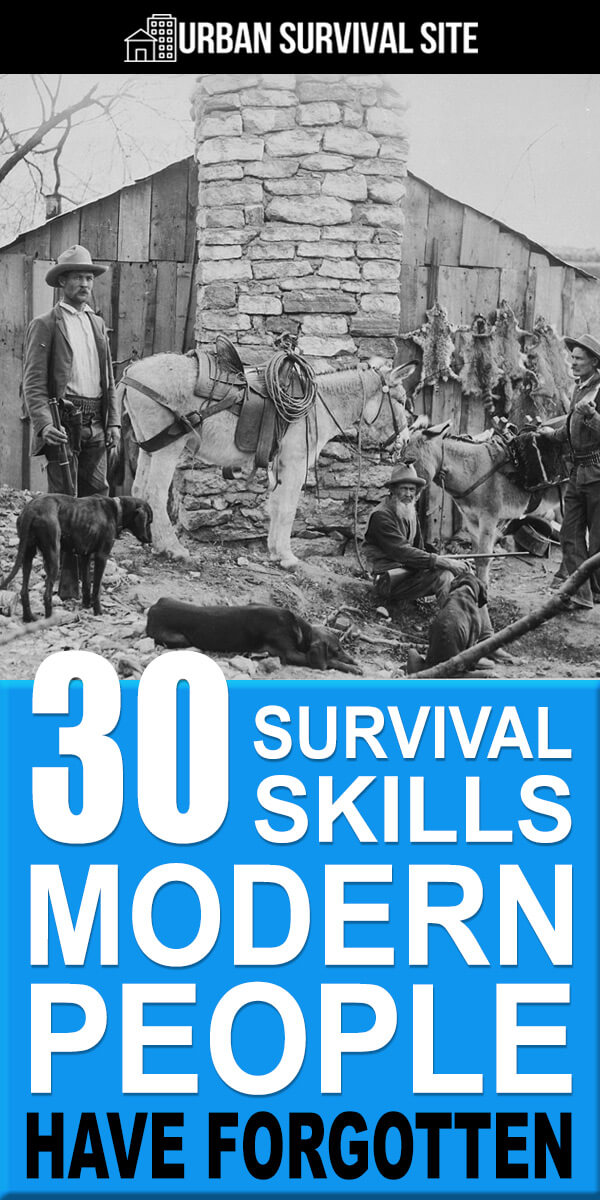
    30 Survival Skills Modern People Have Forgotten

    Every generation is skilled at using the technology of its era. For example, people today are very good at driving cars, using smartphones, setting up home entertainment systems, and so forth. The problem is, if the end of the world as we know it ever happens, all those skills will be useless. The skills of our forefathers, on the other hand, will never be useless.

    Below, we’ll take a look at 30 survival skills from our past that have mostly been forgotten today. If you want to be able to survive in a world where relying on technology isn’t an option, these skills are certainly worth learning.

    Want to save this post for later? Click Here to Pin It on Pinterest!

    Note: For each skill, I included links to resources where you can learn how to develop that skill.

    1. Hand Washing Clothes

    These days, almost everyone owns a washer and dryer, and those who don’t are able to rely on a visit to the laundromat. Washing clothes without these conveniences, though, is a forgotten skill.

    Here is how to wash clothes by hand.

    2. Marksmanship

    Being able to accurately fire a gun is a skill that takes dedication and practice. At one time, it was an essential skill for survival. Today, though, few people know their way around a firearm.

    To get started, check out this guide to marksmanship.

    3. Navigating Without a GPS

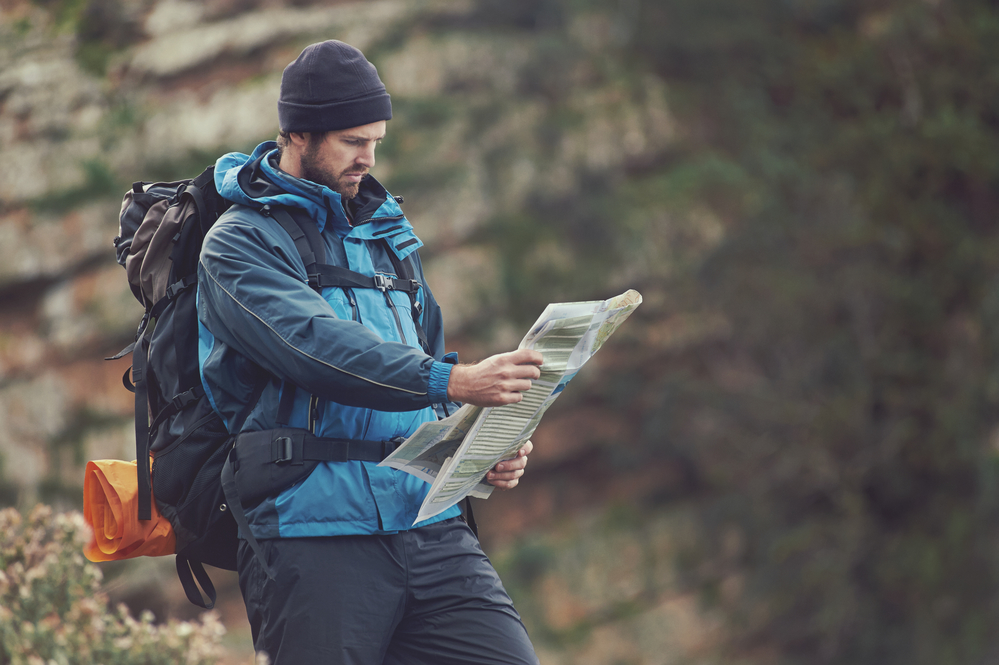
    GPS’s have made navigation incredibly easy. But now that almost everyone has a powerful GPS in their pocket at all times, not many people know how to navigate without one.

    Here is how to navigate without GPS.

    4. Building a Fire

    Building a fire isn’t as easy as they make it look in the movies. Even with the right tools and ideal conditions, getting a fire started can sometimes be a challenge – and it’s a skill that few people today have acquired.

    Here is how to start a fire without matches.

    5. Hunting

    Prey animals have spent their entire lives avoiding predators, and they are very talented at it – which makes hunting a real challenge. In an era where fresh meat is always a trip to the supermarket away, hunting has become a forgotten skill.

    Here are the basics of hunting.

    6. Fishing

    Fishing may be a slightly easier skill to acquire than hunting, but it still requires a lot of learning and practice. Without the right gear and strategy, fish can be very difficult to catch.

    Here’s how to get started fishing, and here’s how to build a survival fishing kit.

    7. Purifying Water

    Constant access to clean, pure drinking water is a very modern convenience. In the past, though, knowing how to purify water was essential for survival.

    Here are some of the many ways to purify water.

    8. Preserving Food

    Thanks to our abundant supply of food as well as the invention of freezers and refrigerators, knowing how to preserve food is no longer a necessity. Without these modern-day conveniences, though, food preservation is essential for survival.

    Here is our beginner’s guide to emergency food storage.

    9. Tying Knots

    Everyone knows how to tie a knot in a string, but few people these days are able to tie a wide range of more-complicated knots.

    Here are five of the most useful knots.

    10. Raising Animals

    Outside of farmers, few people raise their own animals these days. However, animal husbandry still remains a very useful skill to know.

    Before you start raising animals, check out this list of the most popular animals to raise.

    11. Sewing

    Sewing used to be a skill that almost all women and even many men were taught at an early age. Today, though, few people know even the simplest sewing methods.

    Here is a brief introduction to sewing.

    12. Cooking from Scratch

    Putting together meals is now easier than it has ever been in the past, but this also means that most people have forgotten the skills necessary to cook at a tasty, healthy meal from scratch.

    Sadly, cooking from scratch is becoming a lost art.

    13. Predicting the Weather

    Today, figuring out what the weather is going to be like is as easy as turning on the television or pulling up an app on your phone. In the past, though, being able to predict the weather without these modern conveniences was essential for survival.

    Here are some old fashioned ways to predict the weather.

    14. Self Defense

    There was a time when it was common for fathers to teach their sons how to defend themselves. Today, self-defense is an important skill for men and women alike, but it is certainly less common for people to know.

    Here are some basic self-defense tips, but you’re better off taking a martial arts class of some kind.

    15. Butchering An Animal

    Even if you know how to raise your own animals for meat, you’ll also need to know how to butcher them. This is a more complicated process than many people realize and it’s a skill that must be acquired.

    Here are some tips for butchering at home.

    16. Using Cloth Diapers

    Before the days of disposable diapers, cloth diapers were all that was available. If the day comes when you can no longer purchase disposable diapers, learning how to use cloth diapers is going to be a necessity.

    Here’s a beginner’s guide to cloth diapers.

    17. Gardening

    Our abundance of food and the ease in which we are able to acquire it has eliminated the need for many skills, including gardening. As far as survival skills go, though, gardening is one of the most important.

    Here is our beginner’s guide to urban survival gardening.

    18. Keeping Yourself Entertained

    We have so many sources of entertainment and distraction these days that not many people are comfortable entertaining themselves without outside stimulation. In a world without electronics, knowing how to keep yourself entertained is very useful.

    To learn what it takes to keep yourself entertained without relying on technology, here are some ways to entertain yourself for free.

    19. Mechanic Work

    Though we are very reliant on mechanical things, not many people know how to work on them without the help of a professional. At one time, though, most everyone knew how to repair their own cars, motorcycles, and other mechanical products.

    Here’s how you can learn to fix cars.

    20. Bartering

    We aren’t used to having to barter for the things we buy today, but bartering used to be a way of life. It’s an important skill to know should we ever have to go back to purchasing things locally rather than buying them from a nationwide chain.

    Here is how to effectively barter, and here’s a list of barter items.

    21. First Aid

    Thanks to the convenience of modern medicine, few people have to worry about treating their own wounds. Nevertheless, first aid remains one of the most valuable forgotten skills that a person can learn.

    To learn the basics of first aid that may one day save your life, check out this Red Cross guide.

    22. Keeping Warm

    Not many people today have to worry about dying of hypothermia. But in the past, knowing how to keep warm – both inside and outside the home – was essential for survival.

    Here are some ways to keep warm when it’s freezing outside.

    23. Making Do With What You Have

    We live in an era of excess. If we ever return to a time when life isn’t so full of plenty and abundance, many people will struggle to adapt.

    Here are some tips on how to make the best of what you have.

    24. Making Cleaning Products

    People didn’t used to purchase pre-made cleaning products from the store. Instead, they made their own cleaning products with the raw materials that were available at the time.

    Here is a list of homemade cleaning products and how to make them.

    25. Home Maintenance

    In the past, when something broke down in the home, people would fix it themselves. Today, however, the skills of home maintenance are only known by a select few.

    Here is how to fix and prevent problems around the home.

    26. Building a Shelter

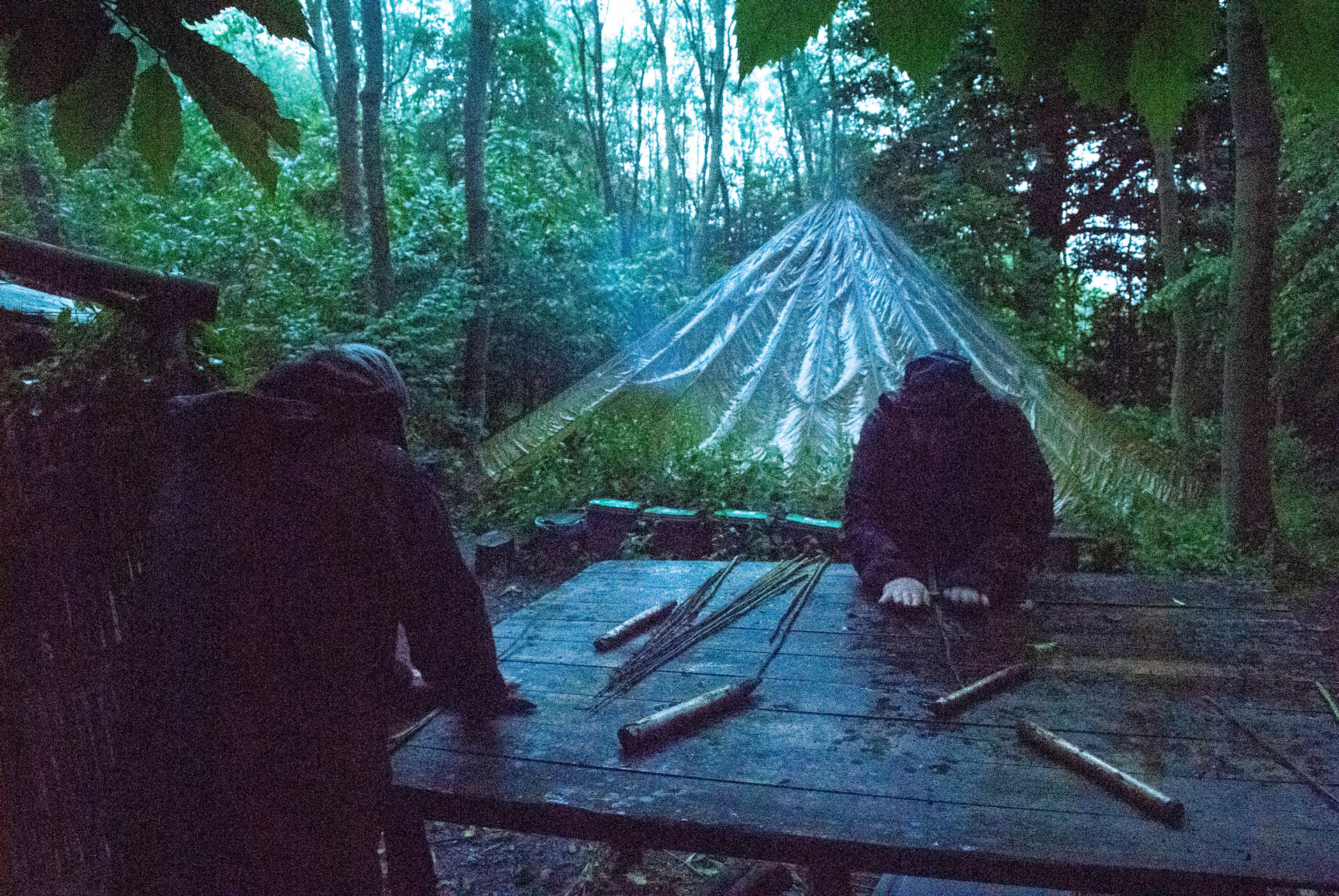
    Knowing how to build an effective shelter is key to wilderness survival. During the times where people would travel out into the woods without the convenience of a portable tent, knowing how to build a shelter was a vital skill.

    Here are some designs for wilderness shelters.

    27. Driving a Vehicle With a Manual Transmission

    Automatic transmissions haven’t always been around, and there was a time when everyone drove a manual. Today, the ability to drive a vehicle with a manual transmission is becoming increasingly less common.

    Here is how to drive a manual vehicle.

    28. Locating a Campsite

    Not every spot in the woods is suited for a campsite, and choosing the right spot to set up camp is a skill in and of itself.

    Here is how to choose a good spot for a campsite.

    29. Avoiding Panic

    We live very comfortable lives compared to the lives of our ancestors, which means that most people today are a lot more likely to panic when things take a turn for the worse.

    Here are some tips for staying calm during a disaster.

    30. Repurposing Items

    Throwing things away used to be unheard of. Instead, people would repurpose old items and find new ways to make use of them.

    Here are several dozen repurposing ideas to try out.

    Conclusion

    Even mastering just a few of these skills will put you leagues ahead of the average person, thus giving you a much greater chance of survival after a disaster. Pick one that interests you the most and start practicing. Once you get a little burnt out on it, move on to a different skill. Just be sure to get back to the first one later. With this list of survival skills, you’ll never be bored again!

    Like this post? Don’t forget to Pin It on Pinterest!

    You May Also Like:

    This article first appeared on urbansurvivalsite.com See it here

    The post 30 Survival Skills Modern People Have Forgotten appeared first on Total Survival.
    This content was originally published here.

  • 12 Survival Skills to Learn and Master for SHTF

    12 Survival Skills to Learn and Master for SHTF

    When it comes to survival, having a stockpile of stuff is not enough.

    All too often people concentrate on the gear they need rather than the skills that will serve them well in a true SHTF situation.

    And yet, when it comes to preparedness skills, there is no hard and fast set of rules.  There are simply too many variables for a one size fits all list of things you must know and things you must learn if living conditions and economic realities become dire.  It is important to think about what is best for your unique situation.

    Your skills will mean you have value even if most everything is stripped away from you. Gaining skills during good or at least better times is the way to go because although you can learn during a long emergency or SHTF, it is best to have a few things you do well and that you learned under less stressful circumstances.

    I believe that basically everyone has something to offer. Oh there are a few that would always choose not to offer anything of value but that is a choice and not because they really have no skills at all.

    Some people intend on growing their own food but that is easier said than done. Without proper soil, light, and growing conditions, you are going to waste considerable time and effort and not have enough to make it.

    Wouldn’t it be better to learn how to cultivate a few herbs in pots and become proficient at using herbs for health and first aid?  You will still learn how to work the soil a bit, so when and if the time comes, you can lend a helping hand to others that do have proper growing conditions.

    That is just one example and I am certain you can think of others.

    12 Skills That Belong in Your Survival Bucket List

    1.  Put together a first class first aid kit, learn first aid, and a good bedside manner

    You can have the best gear in the world and three years of stored food but if you are hurt or sick, you will may not live long enough to see you way through.  Put together a first class first aid kit and know how to use it.  Get a good book on survival medicine (like this one) and turn to it for advice as various ailments come up in day to day life.  Learn how to heal with herbs and essential oils and put that knowledge into practice.

    Additional Reading:  How to Create an Emergency Ammo Can First Aid Kit

    There are a lot of things wrong with the medical system in the United States but one thing that can be assured is that hospitals and Urgent Care Centers have to offer you a certain level of care even if you can’t pay right then. During a long emergency or SHTF scenario, running to the doctor or getting major modern medical care will be hard or impossible. There is also the cruel reality that even if some is available, it will go to those that are considered the most important or even more likely, those with enough money to be able to make people jump when they want to.

    These facts mean that you those that can offer some medical care to others during a long emergency will be considered some of the most valuable people in the community.

    A kind bedside manner is another skill that will make you stand out as a medical worker during SHTF. A lot of people will feel scared and hopeless if things are bad and the availability of painkillers may be low or nonexistent which will make some things harder to get through for everyone involved.

    2.  Learn to forage, fish, or hunt (or all three)

    Knowing how to make good use of food that is out there for the picking is a skill that doesn’t cost much more than some time and a guidebook of edibles in your area. There are classes and groups in many areas. Look for classes at community colleges, hiking and nature groups, and community centers. It may be easier for some to gain confidence by learning in a group or class. There are a lot of stories out there about eating the wrong thing that leads to irrational fears of all the food out there if you just start looking around.

    Being able to supplement any diet with some extra protein is very helpful. Hunting and fishing is not as easy as it may look on Outdoor Life Channel and in some areas it is even more challenging because the game and fish are just not that plentiful near any habitations. I know that when we trout fish we hike in for an hour and a half to get a good hole because any closer and people have fished it out. You literally have to go the extra mile.

    While shooting is usually the preferred means of hunting, some are skilled enough with bows to make a good go of it. Trapping is another option. You could make traps or buy some to put back for SHTF. My biggest issue with traps is that there is a chance you will trap something that you don’t want to or the fact that some people forget to check their traps and that leads to pain and suffering.

    James did an article on the pros and cons of trapping that goes into more detail.

    Additional Reading:  Should You Eat Roadkill? 8 Important Rules to Consider First

    3.  Learn multiple ways to start a fire and keep it going

    A lot of preparedness sites promote learning how to start a fire.  Indeed, fire making is important, but so is keeping the fire going.  Practice keeping your fire going for hours at a time and in all sorts of weather conditions.  Trust me, starting the fire is often the easiest part.

    Additional Reading:  The Easy Way to Start a Wood Fire

    4.  Locate local sources of water and learn to filter and purify that water

    You may have to think outside the box when it comes to sourcing water, especially in the desert.  There are no simple answers so get creative.  Remember that canned goods are a source of water so in some areas, you may be better off storing canned goods than bulk foods.  Whatever the source, make sure you know how to purify the water so it is safe to drink.

    Additional Reading:  Emergency Water for Preppers Part 2: Purification

    5.  Put together a sewing kit and become proficient at sewing and mending by hand

    For one reason or another, this skill is often missing from lists of survival skills.  You will be surprised at how well a hand-mended garment will hold, even when performing arduous physical labor.  Keep in mind that you are going to need needles large and small, thread in various weights, and scissors.  Need some practice?  Cut up a shirt or a pair of pants that are headed for the rag bag and mend them.  Then, the next time you are cleaning house or working in the yard, wear them.  How did you do?

    Additional Reading:  5 Uncommon Skills That Will Be Useful After the SHTF

    6.  Train yourself in self defense using your weapon of choice

    Tactical and strategic defense is different in town and country. Some of the principles are the same but there are some stark differences as well. Another skill is to learn to adapt lessons learned in the military to civilian situations. My article “Rules Of Engagement 101” goes into this in more detail on these concepts. People that are in charge of tactics and defense need to be good enough with people to take on a more leadership role while exercising some level of patience with beginners.

    Choose a weapon that are you comfortable with and learn how to use it.  For some that will be a firearm, and for others it will be knives, batons, tasers, or martial arts.  Whatever you choose, become comfortable with your choice of weapon and master how to use it.

    Additional Reading: 13 Steps to Prepare for Civil Unrest

    7.  Develop a survival mindset

    If there is one thing that I preach (although I hate that word), it is developing your survival mindset in such a manner that prepping becomes a way a life without overcoming your life.  Being aware of your surroundings is a big part of your survival mindset as is learning coping mechanisms for dealing with disasters, sickness, and pretty much anything else that does not go right in your life or the world.  I still maintain that having the proper frame of mind and the will to live will trump everything else when the SHTF.

    Additional Reading:  12 Tips for Coping When Life Gets the Best of You

    8.  Learn to shelter in place

    Wilderness survival will become a last ditch effort for many, if not most of us.  That is why it is important to learn how to hunker down and wait out the disruptive event in the shelter of your own home.  Learn how to board up windows, seal your home from a pandemic, and create a livable environment that will be at least modestly comfortable when conditions on the outside are austere, or worse.

    Additional Reading:  Preparing to Hunker Down in Place

    9.  Learn to cook from scratch using simple ingredients and how to preserve food

    There was a time when most meals were prepared at home. Eating out at a restaurant was something many people only did if they were traveling or on a weekend. It was definitely not common for people to eat out every day.

    Younger people often do not know how to cook anything beyond a quick box of something that you boil and add a packet or two of stuff to and mix.

    Scratch cooking is a fun and delicious skill to learn if one stops always looking at meals as drudgery at the end of a long day. There are plenty of meals during good times that are nutritious and can be fixed in less than an hour total prep and cooking time. There are tons of books dedicated to 20-30 minute meals that are healthy.

    There will be a lot of foods that require extensive preparation. Have you ever cooked beans without a pressure cooker? It takes a long time even if you soak them some.

    If you want to get in depth on good dishes you can make with commonly stashed prepper foods, you should look at my article “Best Prepper Recipe Ideas: What To Do with Stockpiled Foods”

    Anyone can cook if they want to do so. I learned on old cookbooks I found laying around. You may find that learning to cook more variety saves you money too because you eat out less. Losing weight is also easier when you have control over the ingredients and method of cooking.

    Additional Reading:  Simple Comforts: How and Why You Should Make Your Own Bread

    A long time ago almost all the food people consumed over the winter was food they had put back during the Spring and Summer. Food preservation will always be a valuable skill to know. Don’t limit yourself to a single method or two either. Fermentation, canning, pickling, drying, smoking, and curing should all be learned. Check out these articles to get started on your career in food preservation during a long emergency.

    Be an all around handy person. Know how to fix things using some of the more common hand and battery powered tools available

    I sometimes think about what a hassle it would be to have our place if Matt didn’t seem to know how to fix as much as he does. You may want to consider building up a decent tool kit now because as those in the handy person business know, having the right tools will often get you the job.

    10.  Put together a robust tool kit and learn to fix things with common tools

    Everyone needs to become a MacGyver wanna be.  Master carpentry or plumbing or become a mechanic.  Use odd bits of this and that to fix things that are broken to make them useable again.  But first, gather around your tools and make sure they are set aside in one place so that you can get to them when you need them.

    Additional Reading:  14 Essentials to Help You Fix and Clean Almost Anything

    11.  Build a library of books that you can turn to as a reference when the grid is down

    Regardless of the size of your digital library, also build a modestly sized library of print books.  My choice includes books on survival medicine, foraging in the wild, using herbs, old-timey cooking, country living, bushcraft and more.

    Additional Reading:  Every Survival Community Needs a Town Library

    12.  Think outside the box

    Finally, think outside the box.  Need to get something done and don’t know how to do it?  Barter skills with someone who does.  Seek out uncommon uses for things you already own.  Stock your survival cupboard with multi-tasking items that perform more than one function.

    The Final Word

    The ability to adapt to the new reality of SHTF is one of the most important skills and concepts because it will allow you to do a better job at everything discussed in this post.

    I have Selco to thank for pointing out this concept that sums up a lot of the survival mindset used to get through some very dire circumstances. You can know a lot of things but if you cannot get your mind to accept the new rules then you are endangering yourself and those around you. Being in denial about the terrible things going on means you cannot react fast enough or plan ahead.

    If you enjoyed this article, consider subscribing to email updates.

    You can also vote for Backdoor Survival daily at Top Prepper Websites!

    Source link

    The post 12 Survival Skills to Learn and Master for SHTF shared on Your Survival Source.

    This content was originally published here.

  • Survival Skills | Why Everyone Should Get Out There And Learn Bushcraft

    Survival Skills | Why Everyone Should Get Out There And Learn Bushcraft

    We headed to the ‘Garden of England’ to learn a whole new set of survival skills

    Bushcraft, for some it’s about learning and deepening their understanding of the natural world, connecting with ancestral practices and ensuring that these traditional methods are maintained. For others, it’s about wilderness survival and how to look after yourself in a tricky situation – either way it’s a great way to enjoy the .

    But why in the modern world of underfloor heating and smashed avocado on toast do we need to learn, practice and maintain the skills required to live in remote locations? We went to Jack Raven Bushcraft in Kent – one of the UK’s leading bushcraft centres – to find out.

    learning-bushcraft

    Pictured: Tales around the campfire. Photo: Giles Dean

    Escape City Life

    By 2050 two thirds of the global population will call the concrete jungle home, an increase from the current fifty-five percent. City life is great in bursts, but after a couple of days of it you can start hearing the outdoors calling you to escape can’t you?

    We all know that city living isn’t natural. Nor is it good for us. Terrible air quality, overcrowding on public transport, and a schedule that gives you one night a week to ‘do you’ are just a few of the tribulations city dwellers go through. Get outside, get some oxygen rich air into your lungs and recharge yourself.

    learning-bushcraft

    Pictured: Knife sharpening lesson. Photo: Giles Dean

    Learn New Skills

    Becoming a student of bushcraft opens up a whole new world of skills to learn – from building fires and sharpening knives to foraging for wild food and identifying trees and plants – the list is endless.

    It’s good for your own development to keep learning new skills and to place yourself outside your comfort zone from time to time. Whether or not you will one day find yourself in a real-life survival situation, the skills you learn in bushcraft will go deeper than the sole act of performing the task at hand.

    “Becoming a student of bushcraft opens up a whole new world of skills to learn”

    For example, learning how to carve not only allows you to create beautiful handmade utensils such as spoons and spatulas – it more importantly teaches you how to slow down. Modern life is fast paced, fuelled by double espressos as you race from one task to the next rarely allowing yourself to concentrate on what is right in front of you.

    Carving is the perfect antidote to this. Time will melt away as you lose yourself in a meditative state, working away at the wood. Before you know it, you will be holding something that is unique and personal to you and that, with a bit of care, will last a long time. Whether you’ll win any design awards for it is, of course, another matter entirely.

    learning-bushcraft

    Pictured: Tarp and hammock set up. Photo: Giles Dean

    Reconnecting With Nature

    Getting outside and living in the woods for a couple of days allows you to rewild yourself and to connect with the natural world. After one night under canvas, you will already start to notice the difference in yourself. You will have forgotten about all the things you thought you couldn’t live without, and your internal dialogue will be that much quieter.

    Bushcraft has conservation and sustainability right at the centre of its philosophy and you will be taught how to ‘leave no trace’, giving you the skills to move through the environment with no evidence of you being there.

    Recently the human race has marched through life with little regard for the natural world; over consuming natural resources and passing on the responsibility of cleaning up for the next generation. Bushcraft gives you the skills to look after the environment, to get up close and personal with nature, and to see what outdoor people are doing to protect and nurture our green spaces. 

    learning-bushcraft

    Pictured: Gary explaining fire building. Photo: Giles Dean

    Gary – Founder of Jack Raven Bushcraft

    “Bushcraft is as relevant today as it’s ever been, for at least two reasons.  Firstly, bushcraft is ultimately an exploration of the natural world. For our hunter gatherer ancestors the forest was the supermarket, DIY shop, and chemist all in one – it was simply a case of knowing what to look for, where to look for it and when.

    “So a large part of what we do is teaching people about the various trees, plants and animals that we share our countryside with.  And through that learning and understanding comes an appreciation, and with that appreciation a desire to protect, preserve and enhance the fantastic treasures that nature has provided us.

    “For our hunter gatherer ancestors the forest was the supermarket, DIY shop, and chemist”

    “On a more individual level there is a wealth of research that strongly suggests that exposure to nature is good for us, both physically and mentally.  Our species has been around for 200,000 years and for most of that time we were hunter gatherers, inexorably connected to the land.

    “It’s only in the last few centuries that we’ve moved away from that, but you can’t overcome all of that hard wiring, we’re quite literally meant to be outside in the forests.  Bushcraft is a means to stay true to our core being; a few days in the woods is like detoxing your soul and will leave you feeling energised and refreshed in your everyday life.”

    learning-bushcraft

    Pictured: Making sparks with steel and flint. Photo via JackRavenBushcraft

    To find out more about attending a bushcraft course, head to the Jack Raven Bushcraft website

    You May Also Like

    Why Your Choice Of Tent And How You Use It This Summer Could Make You A Bad Person

    Watch Bear Grylls React To Hollywood’s Most Iconic Survival Scenes

    The post Survival Skills | Why Everyone Should Get Out There And Learn Bushcraft appeared first on Mpora.

    This content was originally published here.

  • 50 Survival Tips and Tricks for the Outdoors

    50 Survival Tips and Tricks for the Outdoors

    When it comes to surviving outdoors, the more survival tips and techniques you know, the better. While you can’t possibly prepare for every single thing that is out there, you can try your best to be as aware of many of them as you can.

    Sometimes these bits and pieces of knowledge can seem quite like useless trivia at times, but don’t be fooled. The knowledge is there not to be useful ALL the time, but rather to be there when you need it the most.

    That is why we’ve put together a massive list of 50 Survival Tips and Tricks for the outdoors.

    source and more

  • How To Pack Your Bug Out Bag For Survival

    How To Pack Your Bug Out Bag For Survival

    Scared yet excited, Rick raced anxiously to retrieve the large bundle he had carefully hidden in the corner of his garage. This was the moment he had anticipated, and he was ready.

    Several months ago, Rick had come across a video about Bug Out Bags (BOBs) while surfing the Internet; even with no outdoor or survival experience, he decided he needed one. Planning a personal BOB seemed like an awful lot of work, so in his panic he bought the most expensive pre-made bug out kit he could find. After dropping a whopping $3,000, he felt confident he was prepared for any emergency and left the pack hidden for 2 years. Now, he would finally get the chance to use it.

    What happened to force him to bug out? It could have been any number of things such a natural disaster, civil unrest, viral outbreak, or some other type of event that throws society into a freefall ; but the ‘why’ isn’t what’s important. When you need your BOB, the question ‘why’ becomes much less important than the question ‘will’: will this survival kit keep you alive for 72 hours? Using Rick as an example, I’m going to take you through the basic steps in properly packing your bug out kit so that if (or when) you need it, ‘will’ won’t be a question – it’ll be a certainty.

    source

  • 33 Essential Foods to Stock Pile

    33 Essential Foods to Stock Pile

    There are many schools of thought on what should be stock piled in the event of a disaster or prolonged period of social disruption or societal collapse. It is hard to say with complete authority what “The best” foods are. This will depend on a number of factors, such as storage space, number of people to be fed, availability of water for preparation, availability of a means to cook foods or heat water, and the list goes on. There are however some standards that can guide pretty much anyone in the right direction. Just be certain that whatever you store, it provides enough calories, a dietary proper balance, vitamins, minerals, and fats. Remember, a crisis has a way of creating situations that will increase your caloric requirements, and that will tax your immune system and electrolyte balance.

    When I am going through a grocery store gathering survival food, I get some strange looks from people close enough to hear me muttering under my breath as I discount items. Phrases like “not enough calories”, “needs more fat”, not enough carbs”, and the like roll off my tongue frequently. The truth of the matter is that what we consider to be a healthy diet in normal times is probably inadequate in a high stress, very active, crisis situation. There is a reason we like carbs, and fats, and sugars, and that reason is our body needs these things. The human palate developed in times when being physically active and dealing with life threatening events was the norm, and when a steady supply of food was not a guarantee. Hence the urge to get all we can when we can, which leads to rampant obesity in modern sedentary times but is adaptive to survival in harder times.

    So, here is my list of indispensable foods to store in quantity for hard times. I have tried to take into account caloric as well as nutritional content, ease of storage, shelf life, and the intangible of enjoyable to eat. Let’s face it, it doesn’t have to taste good to keep you alive, but it does to keep you happy! Never underestimate the power of a good tasty meal to make things seem better, and never underestimate the power of a positive outlook to help survive in hard conditions!

    1. Bulk Dry Goods

    Bulk dry goods are a great way to put in a large supply of staples. They should be stored in oxygen purged, food grade buckets with a Mylar bucket liner and O2 absorber for best storage life.

    Be aware that some of these, like whole grains, require some processing in order to make the best use of them. So, if you are going to stock things that require processing, be certain to have the tools and equipment required to do the work!

    Oatmeal is great stuff! Filling and nutritious, and economical! It is also pretty darn tasty, and if you have some add ons it is easy to dress up for variety.

    I like to purchase it in sealed 5 gallon buckets, which yield about 222 servings per bucket. Even with 6 of us in the house each bucket provides a month’s worth of breakfasts. These buckets can be found on EBay, or you can repackage yourself.


    Rice prepper foodRice. This is an old standby. It can form the base of many tasty and nutritious meals. Be aware that although it requires no processing, it does require quite a bit of water to cook. It is most economical to buy rice in 40 lb bags and repackage it into buckets yourself, a 5 gallon bucket will hold a 40lb bag. For a bit more you can find rice sold pre-sealed in buckets from a number of sources.


    Beans Walmart Survival foodBeans. Another good staple, and when combined with your rice, some seasoning, and canned meats it makes a great meal! And don’t forget about a big pot of chili when you have meat from wild game or a butchered animal.

    Beans can be bought in pre-sealed 5 gallon buckets as well, but it is more economical to buy in large bags and repackage it in buckets yourself. Get a variety of beans, Red, Black, pinto, kidney, according to your taste.

    Pastas. Good source of carbs, and a firm foundation for a variety of meals. Even more so than with rice though, be aware of the water required to cook pastas.

    They can be stored in buckets, or sealed in vacuum seal food saver bags with an O2 absorber.


    grains survival food storage

    Grains. Grains are good for making flour or meal. Wheat and corn are the most common. Bear in mind that you will need a grain mill to process these, and I recommend a good hand mill in case power is an issue. By storing whole grains instead of flour or meal you drastically increase storage life. Again you can buy these in ore-sealed buckets, or repackage bulk purchases yourself to save money. If you want to increase the shelf life even more, you can turn them into flour and then into Hardtacks.

    Related: Turning Flour into Hardtack Biscuits With Over 100 Year Shelf Life


    dried fruits prepperDried fruits. These are a great addition to your oatmeal or other dishes or just for snacking on.

    They can be purchased by the bucket, or in number 10 cans form a variety of online sources. At Costco they have the #10 cans of fruit like pears or apple slices and each of these has 25 servings. 5 of these will cost about $25 and give your family their daily dose of fruit.

    Sugar. An infinite variety of uses, a good source of carbs and very cheap. Stock lots stored in 5 gallon buckets.

    No matter if white, brown or powdered, sugar it won’t spoil (sugar inhibits microbial growth) as long as it’s stored in an airtight recipient, away from humidity and sunlight.


    honey stock pilleHoney. Honey is a great natural sweetener. If you store local honey it is also good to help combat allergies and boost the immune system. It also has first aid uses, it is a natural antibiotic salve.

    Honey is one food that never spoils! Although the look of your product will change somewhat over time, it will never actually spoil. It will begin to look yellow and cloudy instead of golden and clear and will get thicker and grainy over time, eventually looking white and hard. But, it is still good. In this form, the honey may have started the process of crystallizing.

    To decrystallize honey, place the sealed jar in a warm, non-boiling pot of water and heat the honey. The crystals will dissolve as the honey heats. Do not add water to the honey. This will raise the moisture content and the honey will ferment.

    You can also find it in 5 gallon buckets on Amazon for $189, but my guess is that you’ll never need

    source