Category: Survival Prepper
-

Volcanic Events and Volcano Preparedness 2019
Editors Note: There has been an increase in seismic and volcanic activity in many regions. Today we are going to revisit this interesting post by Tagir Kabirov at the University of Ufa. I grew up in the North Cascades of Washington state so volcanoes were something I could see from my bedroom window. Mount St. Helens continues to be the most active volcano in the Cascade range. It exploded before I was born but my parents remember it waking them up hundreds of miles away. Mount Rainier that overlooks Seattle, is a volcano over 14,000 feet tall!
When I was a kid, I always wondered what it would be like if Mount Baker exploded. We used to go to Baker Lake and swim and fish when I was a kid and sometimes when I was in that water I thought about how the lake water near Mount St. Helens boiled when it erupted and a once gorgeous ecological area looked like a nuclear blast had hit.
Before we get into Tagir’s article, I wanted to list a few of the concerning volcano related stories that have made their way into the news here lately so you can get an idea what I mean about the increase of activity being concerning. Remember that volcanic eruptions and seismic activity can lead to devastating events such as massive tsunamis that can affect a lot of people. A tsunami that originates in Hawaii and that is of sufficient scale only allows 3 or 4 hours for the populations on the West coast to get to higher ground with whatever they can grab. For more info on tsunami prep and survival check out this post.
There has been an increase in seismic activity at the Mauna Loa volcano. At the time experts do not think there is an immediate cause for concern but it does show that an eruption may happen sooner than anyone would like. Last year the Kilauea eruption caused fissures to open up at the base of the volcano and led to many people’s homes being abandoned or destroyed. The Kilauea volcano is particularly concerning because of the risk of part of the island breaking off and falling into the sea and thus creating a massive tsunami that would affect the entire Western seaboard of the United States.
Raikoke, Northeast Of Japan, Sea of Okhotsk
This tiny 2 square mile island has been under Russian control since World War II. For 100 years it sat dormant and docile in the Sea of Okhotsk before violently erupting on June 22, 2019. The plume seen from the International Space Station would leave anyone awestruck. There were 9 individual explosions on the luckily uninhabited island.
Mount Manam and Mount Ulawun Papua New Guinea
On June 26, 2019 both Mount Manam and Mount Ulawun awoke and forced 15,000 villagers to flee. While no deaths were reported, a lot of homes and wells were destroyed. Villagers stayed at rescue centers but food and water supplies were severely disrupted. Since the eruption coated everything in thin slivers of volcanic material, residents are going to have to be very careful in the aftermath to avoid lung conditions.
The volcano at Stromboli has been actively erupting on some level since the 30s but on July 3, 2019, it had a more severe eruption that caused fires and also killed one person that was walking with a friend. The volcano is a tourist attraction with many people hiking to the top to look into the crater in hopes of seeing small bursts of magma.
Popocatépetl Volcano, Central Mexico
On June 29 and 30, 2019 the highly active Popocatépetl experienced 5 explosions and an additional 169 exhalations of steam and ash. The volcano has been very active since 1994 when it woke up after 50 years of dormancy. The volcano is just over 43 miles from Mexico City, a population center of 21.6 million people.
Here is Tagir’s advice on volcanoes and preparedness in 2019.
-Samantha
Volcanoes and Preparedness
I always knew that volcanoes could bring our civilization to its knees, if not destroy it completely. There are a few global challenges for humanity, and the ancient Roman god of fire is undoubtedly one of them. I said volcano, and you have probably imagined a cone-shaped mountain, erupting fire and ash, right? And most of them obey that description – old, solid, grumpy and, on occasion, making some trouble for local settlements. You might even witness one during your travels across seas and continents. Of course, a selfie with an erupting volcano is something special! You can’t hold it. As well as those overheated gases, that were relieved from inside pressure to spread at a near-sonic speed cremating every living creature on their way. Hope you’ve been streaming to your cloud!
But let’s take a minute for a serious discussion. Is it something worth worrying about? Frankly, most of us have only seen a live volcano on a screen. And look, the majority of them are located on the edges of tectonic plates and will only be a problem for island and coastal people, right?
Well, no. Even if you’re living thousands of miles away from the shore, you will still be affected. All that chunk of GDP being raised on the coastal shelf will shrink dramatically, and people will need places to go. For our awareness, United States Geological Service has just listed these 18 North American volcanoes as “very high” risk.
Credit to USGS, once again
That’s quite a lot of red. But all of those have been behaving considerably quiet lately, so why should anything change? Fortunately, global natural disasters did not occur long enough and memories of their terrors faded. Unfortunately, natural processes are cyclic, and new massive cataclysms are inevitable. Remember the funnily named volcano, Eyjafjallajökull, shaking Iceland in 2010? Back then it could even have a positive effect on the environment, considering it only produced about 40% of CO2, compared to the part of European air traffic that had to be halted. It was a big deal for the affected countries, not used to much transport delays. These local troubles were just a TV report for the rest of the world.
The game changes radically if an eruption is big and long enough to cause global effects. A persistent dust cloud over a continent or two will create a massive climate change, followed by acid rains and unprecedented refugee waves. Food shortages will become an immediate threat as well as diseases spreading throughout the affected population of humans and animals alike. If we consider the worst case scenario, we might look back to the great Permian Extinction, which was caused by massive eruptions in Siberia about 250 million years ago and led to unparalleled extinction. Few animals bigger than cats survived it. Many millions of years later some other civilization may rise on our bones if we can’t find a way to prevent the great dying of our own. To do so, let’s take a closer look at the tectonic dragon and its heads.
Danger factors of volcanic activity:
Lava. Maybe the most feared and recognized, but quite easily avoidable factor. I mean, you can see it coming, bursting from the top and some side channels, usually predicted by the upcoming smoke. Though a liquid enough lava stream on a steep enough hill can become a racing challenge. Especially with a bonus of melting icecap rushing down. If you see those molten springs, you have probably come too close. Back up a little.
From a definition of lava, being a magmatic substance, which has lost most of the dissolved gases to a much thinner atmospheric pressure, we get our second and much more insidious danger factor – pyroclastic waves, – extremely heated gases, which can boil running water on contact. Spoiler: you mostly consist of water and will boil too. Respect the fire god. Keep your distance.
Ash, ash, ash, IT’S EVERYWHERE!
Well, it’s not ash at all, in spite of being called that way. Forget the soft, dissolving fire or cigarette ash. This one mainly consists of tiny pieces of molten rock, solidified in the atmosphere. Small and light particles, but solid and very abrasive. Cover your breathing hole, take your belongings and leave.
Dust and ash, nasty enough on their own, with a prolonged eruption, become the ultimate villain, stealing our most precious resource – sunlight. Exhausting darkness killing off plants, ocean plankton, food, and eventually oxygen is not a glorious end for humanity. We’re all feeding on the sun. Indoor farms with lights and air filters may go a long way, considering you’ve got enough fuel. Enough canned sunlight. Most persistent might survive.
Tephra. Sometimes the cork is just too tight, and it’s easier to break the bottle. Incoming pressure may not find a quick enough way through the main entrance and burst a mountain open. During the process, rock sizes from shrapnel to twice as big as your car get enough kinetic energy to shame any modern weapon launchers. Again, the best protection is distance. Also, thankfully light is way faster than sound when you see something explode you usually have a second to fall to the ground and open your mouth as wide as you can. Meeting a shockwave while laying down is incommensurably better than otherwise. Also, those jaw bones covering your ear channels might save your hearing for the future evacuation routine.
Earth rumble. Infrasound is low-frequency sonic waves, indistinguishable by the human ear. Some animals seem to be more aware, becoming uneasy and trying to escape the place shortly before an eruption or an earthquake. Subjective reactions include stress, panic, and psychosis, all of which are debatably helpful in case of an emergency.
A discerning reader will notice, that most of the evading danger advice sums up to running away.
Well, these are basic rules that work for many hazards – minimize your exposure, maximize your distance (if possible evacuating perpendicular to the vector of danger factor), and use any screening (filters, walls, landscape) available. Most of your pets will instinctively try to do the same (maybe not the filter part), because evolution gave them legs and limbs, unlike those doomed plants. Retreat or adaptation, fight or flee – those were always the ultimate choices. But adapting to extreme heat and toxic gases might be a little hard if you’re not a bacterium. Thus, fleeing is usually the best option. And if it is not a civilization-ending event, your id, a smartphone and a toughly packed backpack for immediate needs are all you need. But what if it is? What if we run out of places to run to?
The post Volcanic Events and Volcano Preparedness 2019 appeared first on LewRockwell.
This content was originally published here.
-
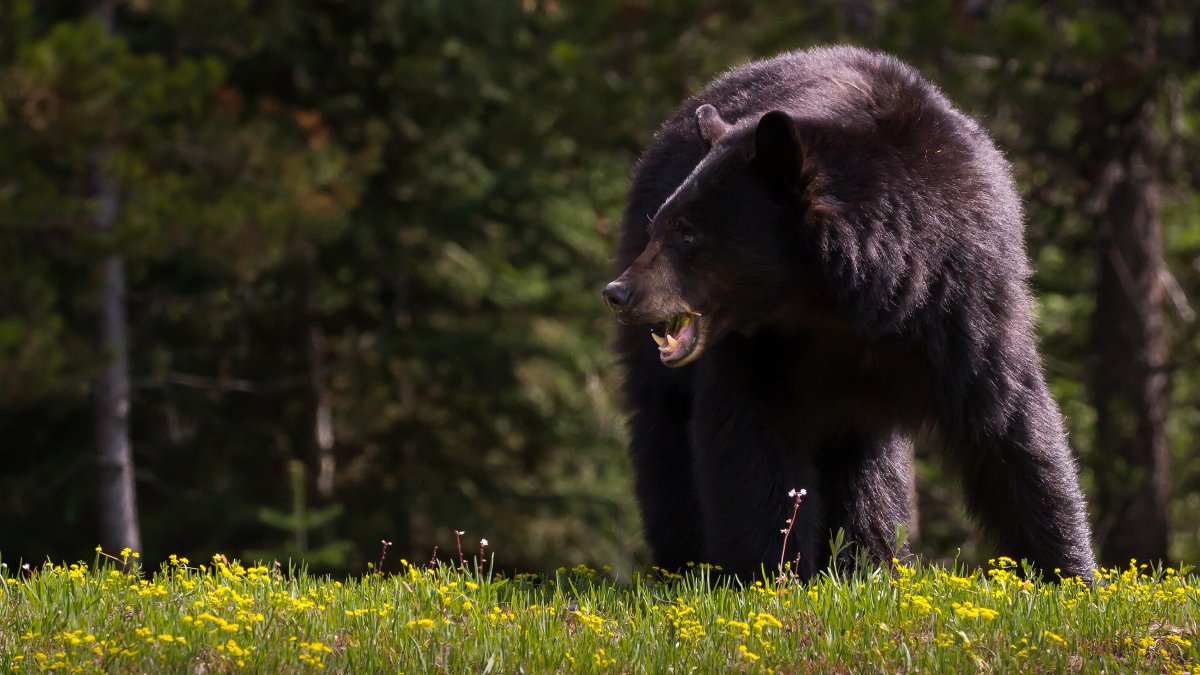
Man Attacked by Black Bear Kills It With an Axe
If it wasn’t for his dad’s hatchet, Alex Woods might not be alive.
On June 26, Woods, a forest pathologist who works for the provincial government of British Columbia, was attacked by an adult black bear while walking alone in the bush not farfrom the small Gitxsan village of Gitanyow. He survived the encounter, and the bear didn’t. Yesterday afternoon, he told me the story over a few much-needed beers on the patio of his home near Smithers.
A lean 54-year-old with a close-cropped silver beard, Woods has been working in the backcountry for decades. He’s a whitewater paddler, hunter, and outdoorsman. Thoughtful and soft-spoken, he was still rattled as he ran through the details.
“I was going out to check for the presence of Armillaria root disease in an undeveloped piece of forest,” he says. “I’m a bit technologically challenged, but I had a GPS and the coordinates I needed to get to, so I was just taking a bearing and walking to that. As I was going in I saw freshly broken fireweed, so I knew there was probably an animal around, but there areanimals everywhere up here. And when I’m by myself I always make a point of yelling, so I was going ‘Yo, bear, yo bear.’”
About 700 feet into the forest, Woods came to a deep gully where a section of hemlock and balsam sloped down to a small creek.
“I could hear the creek at the bottom,” he says, “so I yelleven louder, because that’s a place where you could potentially surprise a bear. It was really steep, like 45 degrees, with mature timber that was freshly burnt from last year, so it was relatively open and the visibility was good. I was about three quarters of the way down the slope, and I’d noticed some morels that were coming up, so I picked a couple, but then made sure I was back on my bearing and kept yelling. And then I look up, and there’s this bear running at me—full speed, no sounds, just running at me as fast as it can go from 100 feet away, straight up the slope.

The forest at the top of the slope where Woods was attacked (Alex Woods) “There was a charred tree about a foot in diameter right there, and a windfall tree across it, almost forming an ‘L’. So I steppedbehind that and reached for the bear spray that was in my vest, and I couldn’t get the frickin’ lid off it.
“And then the bear’s head came right in,” he says, gesturing to his midriff, “and I hauled off and kicked it as hard I could, and that connected with its jaw and knocked it back. I’m not a big guy, but because I was on such a steep slope, I was just big enough to get it. The bear fell back a bit, but then it came running around the tree and I kicked it hard again in the head, yelling as loud as I could the whole time. It took off and ran up another burned tree about eight feet away, still staring at me.”
For a split second, Woods may have thought the encounter was de-escalating. But it wasn’t. Fortunately, he had a hatchet with him, inherited from his father, the same one he always carries with him in the bush. Like his bear spray, he’d had it stashed in his cruiser vest, a multipocketed work vest that many foresters wear to carry tools on the job.
“I’ve always felt if anything really hit the fan,” he says, “I’d want to have a hatchet or an axe.”
“So then the bear dropped down from the tree,” he continues. “And as it was doing that, I’d reached into the back of my vest. The zipper’s broken, so I was able to get at my hatchet fast. But the bear was right back on me by then, so I just sank the hatchet into its head. I was lucky enough that it happened where those trees were, and on a such steep slope. I wouldn’t have been able to kick it otherwise, or get it on the head. Those trees slowed it down, and fortunately I didn’t struggle getting the hatchet out like I struggled with the bear spray. But also, if it wasn’t for those two charred trees, I’d probably be dead.”
After Woods struck the bear, it slumped away and rolled down the hill.
“It was lying on its back,” he says, “and it looked like it was still breathing, but I kept watching because I didn’t want to turn my back to climb the hill. And I didn’t want to leave the fort, such as it was, of those two logs, so I waited maybe three minutes, trying to see if it was going to get up or if it was dead. Then I decided to get the heck out of Dodge.”

The wounded bear on its back at the bottom of the slope (Alex Woods) Woods backpedaled up the hill and then made a beeline to his truck, looking behind him the whole way, hoping the bear wouldn’t get up and come after him once more.
Back in Smithers, he told the B.C. Conservation Officer Service about the attack. Yesterday officers located the site and found the bear still alive, but mortally wounded, with its skull opened by the hatchet blow. The officers were armed and killed the bear.
“Afterward they called and told me it was a sow with cubs,” he says, “and that’s really f’d up. That’s not good at all. I’m still processing that. But before it happened, I did everything you’re supposed to do, and exactly what’s worked for me for 35 years. I yelled, I made lots of noise. A mother bear, if it was a normal situation, would have heard that, even though it was near a creek. The experts I’ve talked to today told me it was totally predatory behavior. There was no warning. They said that bear wanted you—and they’re right, it wanted me.”
Woods isn’t sure why it happened, though he notes river levels in the area are extremely low for this time of year, and he suspects the bear’s behavior may be a reflection of a drought-affected ecosystem. However, he says the bear looked “vital” and not weakened or starving. Today, conservation officers confirmed the bear was in good health and weighed somewhere between 150 and 200 pounds.
As for what we can all learn from his ordeal, Woods is adamant about having bear spray at the ready and being well practiced in its use—if he’d been quicker at getting the safety cap off, the bear might still be alive, too.
“It has to be totally accessible,” he says. “Because it all happens so fast. The whole process, between seeing the bear charging up the hill until I sunk the hatchet in its head, was maybe 15 seconds, including me kicking it twice in the head. It was so fast, there just wasn’t any time to mess around with the clip.”

Woods’s hatchet (Malcolm Johnson) Woods will be back in the bush again soon, but the battle with the bear is making him think harder about being out alone.
“It’s going to make hunting a little more challenging,” he says. “I’ve been successful moose hunting by myself, but I’m thinking that’s going to be pretty hard to do. I think this is going to be with me for the long haul.”
This content was originally published here.
-
Bridging the Gap Between Younger and Older Preppers: Overcoming Misconceptions & Getting Started On The Path to Preparedness | Backdoor Survival
Maybe it is just me but it seems like there are not that many preppers out there that are in their 30s or younger. I have wanted to take some time to address this and encourage younger people to start prepping. This post may ruffle a few feathers but it is based on what I have observed in numerous prepping groups, on social media and when out in public.
Sometimes becoming a better person means realizing our mistakes and errors in judgement and making an effort to not repeat them. We are living in divided society and it is heartbreaking how the generations do not get along or respect each other
A lot of this post is about getting into a healthier mindset and doing what is good for you while overcoming some ridiculous and contemptuous stereotypes and ideas.
There is also some advice on how to actually get started prepping if you are younger even if you are on a strict budget. At the end of this post I have included a few links to Facebook preparedness groups that are great places for younger and older preppers to learn from and meet others.
Fact: You don’t have to spend a fortune to be a prepared person.
I know money is tight for a lot of people, especially those that are younger and trying to get a good start in life. A starter job doesn’t always offer much in the way of extra money. If you look at shows on TV or any preparedness site or Facebook group, it might seem like everyone has a lot of expensive gear and gadgets that you cannot afford and you might never even use them so investing what little extra money you have may not seem like a good move.
The truth is that you really don’t need a lot of expensive gadgets to be more prepared. Preparedness starts with an extra $5 or $10 spent on food, a pack of lighters, or a $20 water filter or even learning a new skill. You do not need a big budget to be a prepared person and get through an emergency.
You don’t have to be preparing for a “The End Of The World As We Know It” situation.
There are people that fret and prep over big disasters that may happen but are not near as likely as common events like hurricanes, winter storms, a flood, earthquake, or a supply disruption due to an oil refinery accident. Heck, you may be glad you have some extra supplies too if you experience a reduction in work hours, lose your job, or experience a brief illness.
Getting over the stigma of the Doomsday Prepper
I really think that a lot of younger people are afraid of being known as wackos or extremists if they are preppers. Guess what? You don’t have to tell anyone about your preps! So this leaves getting over some ridiculous stereotypes in your own head and realizing you are not crazy for wanting a few weeks of security in case of a disaster. Even the US government advises people to have at least 72 hours worth of emergency supplies on hand.
This brings me to another question that I have asked myself many times.
Why does the idea of prepping and stockpiling some supplies seem so extreme to some and cause them to make such gross assumptions about a person’s political beliefs and character? Why do these people get so offended that they resort to name calling or other verbal attacks? Why do people stop talking to others?
I can honestly say that preppers come from across the political spectrum but for some reason certain folks love to assume differently.
Those that take offense at preparedness baffled me for a while Why on earth would they be that offended and judgmental over things that honestly our grandparents and before did all the time before modern conveniences made it possible to live the way we do now.
I think it boils down to this: Prepping upsets the world view that everything will be okay or that you need to worry about other things. It also goes against the belief that the social safety net and disaster response efforts of the United States government will be able to take care of people if something awful happens. Being prepared and living a lifestyle of preparedness is saying to these people that you do not have complete trust and faith in the system and some cannot accept that someone may feel that way and it is their right to have that opinion if they want too.
No matter how much you trust the government to respond well in a disaster, it is worth considering and planning for them not being able to help you. There are times when despite the best efforts of emergency responders and FEMA response teams, help is days away. There is no guarantee that you will be able to get the help you need as soon as you would like.
The Truth: I struggle to like the term prepper and I despise it when people add words like doomsday to it.
Prepping is something that everyone used to do. Back in the day it was called “putting back” or “putting back for winter”. Even further back you absolutely had to put back whatever you could to get through the colder months of the year or you risked going without or having to be hungry part of the time. People could not just get something from somewhere else if there was a bad crop year or similar. Our grandparents used to grow gardens, can, and know how to do basic repairs when needed around the home.
Housework is not what oppresses women. There is a difference is between being forced or expected to do them all the time and doing them because you either like them or realize that someone has to do it.
Sewing and mending were not just for women, there were plenty of men that sewed clothes, tailored, and quilted. What do you think they did on those long evenings in the winter when there was not a lot of farm work or they were stuck inside? It wasn’t like men had a lot of inside hobbies they could do, especially if they were just the average person.
On the other side of this is of course the men that see traditional roles as the way to go and never give women a chance to do some of the more labor-intensive or dangerous tasks.
We need to value the strengths that others have and build on that.
Ask yourself if you see some tasks as beneath you? What do you think about those that have to do the rough, tough, and dirty jobs? Being prepared means doing a lot of things on your own or at least knowing how.
I went to a work college and I can tell you right now that the kids that had never had to clean their house or anything like that were not always that thrilled about getting put on the cleaning crews for the buildings. It was good for them though because it made them appreciate that someone has to do that work and that you don’t always get to start out at the middle or top.
As a society we need to stop looking down on people because they have a job that is considered low class by some. Farming is a big example of a profession that for years, kids were told to not to do. Nope they were told to get an office job, something cushy, that farming was low class work. The result is a nation where the average farmer is over 60 years old and the younger generation has no interest or the ability to farm even though without farmers, there is no readily available and steady supply of food.
My point is that we all need to stop assigning these roles immediately to tasks and allow people to do things that are in line with their personal ability level. Liberal, conservative, and everyone in between is probably guilty of assigning gender roles to work even if they think they are being super open minded.
Don’t be afraid to be a leader instead of a follower
If you break the barrier down and start prepping as a younger person than your friends may realize that it is a good idea. They might think “Hey Jane has started prepping, and she seems like she is still fun to be around. No tin foil hat or anything!.
I am not going to lie and tell you that everyone is going to be able to handle you being a prepper if you choose to tell them. I write about it so I really cannot hide the fact that I am a prepared person that is 36 years old. My personal experience is that I have people that have decided to snub me and not treat me with a basic level of respect that I have known for 15 years.
Yep. We are in living in a culture of contempt where if your opinion or lifestyle is not 100% in line with someone else’s belief system, that is enough for them to make a lot of assumptions and break ties. I also talk to very few people I went to college with. Occasionally one will pop up to comment if something really upsets their worldview, but that is rare because I watch what I say on social media and I don’t feed the trolls and others that are waiting to be offended and activity looking for a way to be.
If you try to approach things from the viewpoint of respecting others differences and their right to have an opinion different from yours and they do not return the favor or attack you worse, you may be better off without that kind of relationship. This can be tough and I think people should try to have a common ground and agree to disagree but you can only try to keep bridges up for so long without the other side making an effort.
Supplies To Get Started
Once you have your mindset right and have decided to start prepping, here is a list that I think will help you get started and that will be easy to fit into your budget
As you can afford it, put back enough food to last you 2 weeks. Try to get a 72 hour supply to start and then add the rest as you can. If you have a budget that allows and want something already put together, I recommend checking out Valley Food Storage or Mountain House 72 hour food kits.
Good Budget Foods to Stockpile
These foods are shelf stable and will help you get started on your food supply even if you are on a tight budget. Some are more shelf stable than others. For example peanut butter is great for your food stash but I would not trust it to store past a year. Buy a few things as you can and you will be amazed how fast you build a good food supply for an unexpected emergency.
Small bottles of water eventually leak during storage. The bottles are made to breakdown over time. The larger dispenser water bottles are made to be reused. You can also by special containers to store water in. A $20 Sawyer Mini water filter with a squeeze bag is a must.
If you have a family or a spouse or partner, then you might consider a Hydro Blue Gravity Fed Water filter that can handle a larger volume on demand. These will cost you under $50 in most cases.
Medical Kit
You need a basic medical kit that will allow you to treat cuts, stings, abrasions, and other typical injuries. It doesn’t have to be a large kit to get the job done. I like the small blue First Aid kits but I always add in Benadryl Liqui-gels, Some Vetrap for sprains and wrapping, and some blood stop band aids and powder. Those are the things I find missing in a lot of kits except for really fancy or large ones that are not always the best fit for everyone or their lifestyle.
Rain Gear and Quality Clothing Suitable to Your Climate
You want to be able to stay dry and comfortable during an emergency. You can get hypothermia even in warmer climates and when the temperature is in the 60s.
Non cotton clothing is a good idea because you can wash and dry it easily and some of the better garments are treated so they don’t get smelly fast.
Some reading this may not remember a time when the internet was not available, fast,or inexpensive. Plenty rely on it for all their entertainment needs. You should have some supplies put back to entertain yourself during an emergency. A few books or an ereader filled with books and a small battery bank or solar charger to keep it topped off can go a long way towards entertainment when the power is out or if you have to evacuate to an emergency shelter.
A Kindle allows for a lot of reading on a single charge, especially if the Wifi function is turned off. Make sure to keep your ereader topped off though. I learned the hard way that they are not really off sometimes and the battery will drain while it is not being used. It takes a long time but you don’t want to come back to find a totally drained device.
Some younger people are very social either online or in the physical part of their life. You need to learn to not be too distraught if you do not have that in your life for a while. It might not sound like a big deal to stay at home for a week straight but I assure you that to plenty of people it is and some do not realize how much it affects them until they have to do it. Being so attached to “getting out of the house” or going to town can lead to decisions that have dire consequences.
Ever see a news story about fatalities and injuries during a snow storm or blizzard and wonder why on earth they were out? Well not everyone that gets stuck on the road is someone out doing something like commuting to or from a job or other required activity. Being too stir crazy or unable to stay away from the action is something you need to overcome so you can stay safe and be happier when things happen that necessity staying in place.
Learn how to do things on your own instead of calling someone else to do it.
You will save a lot of money by doing some things yourself. There are very basic things that people pay good money to have done that they could do themselves and come out ahead. We are all lucky to have so many free learning resources out there such as Youtube, inexpensive community college classes, and a lot of books.
Give people a chance before you make judgements…..I mean this for young and old preppers too.
I have talked to some folks and I have to say that we need to build stronger bridges to link the generations. I hear older people make the assumption that younger people don’t want to work or they don’t know how to do anything, or they cannot handle anything that makes them the slightest bit uncomfortable.
The younger folks assume that older people are looking down on them or have antiquated ideas or they are the problem because they lived it up over the years and now young people have to pay the costs by living in a world of chaos
Let’s stop the blame game and stop feeding a culture of contempt and hate.
How about we all pledge to give people the benefit of the doubt during good times?
I know that you have to be careful with who you let into your life. I am not going to tell you that you should give everyone a lot of trust right away but I do think giving people a chance to show who they are is a positive thing.
If I didn’t write prepping articles, share pictures, ect, most people would never guess in a million years that I am a 36-year-old that has been with my husband for 15 years, helped build a house, started a vineyard, raised and butchered goats, sheep, pigs, and cattle, canned a lot of food, ect. Instead they might just see some tattooed young person with a nose ring and probably make some quick assumptions about my morals and political stance on a variety of issues.
A few months back I was on a wine shop and for the second time the same lady customer made sure to give me a dirty look, slam her wine glass down, and act shocked that someone like me was in that shop. She never would guess that we had the largest vineyard in the county because she could not see past the exterior and my assumed age. It was annoying but it didn’t make me hate her or anything like that. There is a good chance that if we were introduced, we would probably get along.
For all you young folks, even if it takes a bit of proving yourself, try to be more patient and understanding of those older than you. Realize that when you speak or ask to learn something from them that they are probably not used to that. In fact they may be used to younger people being fairly rude and disrespectful towards them.
A lot of young people are not clamoring to learn a lot skills because it hasn’t really occurred to them that they need to so it can seem even a little suspicious if you ask. Older folks may think that it will turn into a disaster because you will get offended by something because they see it happening so often around them.
Prepping Groups I Recommend For Younger Preppers
I participate in a variety of Facebook groups. Here are a few places that I know are extremely welcoming to everyone.
Prep Club was started by my good buddy Daisy Luther over at The Organic Prepper. She kindly allowed me to be an Admin too! Prep Club is a place where everyone can talk about preparedness and survival without any political agenda. One of the biggest rules of Prep Club is that no politics are allowed. A lot of prepper writers are members of Prep Club and it is a great place to learn without fear of trolling or personal attacks.
PrepperNet is a just what it sounds like, a network of preppers from across the country that regularly get together both online and in person. You can participate on whatever level you like. I regularly post in the Facebook group and everyone I have talked to has been very kind and fun to talk to!
People have to learn to give each other a chance and realize that trust and respect is something that largely has to be earned, like it or not.
Samantha Biggers can be reached at [email protected].
This content was originally published here.
-
DHS says that Americans need to be prepared for a power outage of up to 6 months
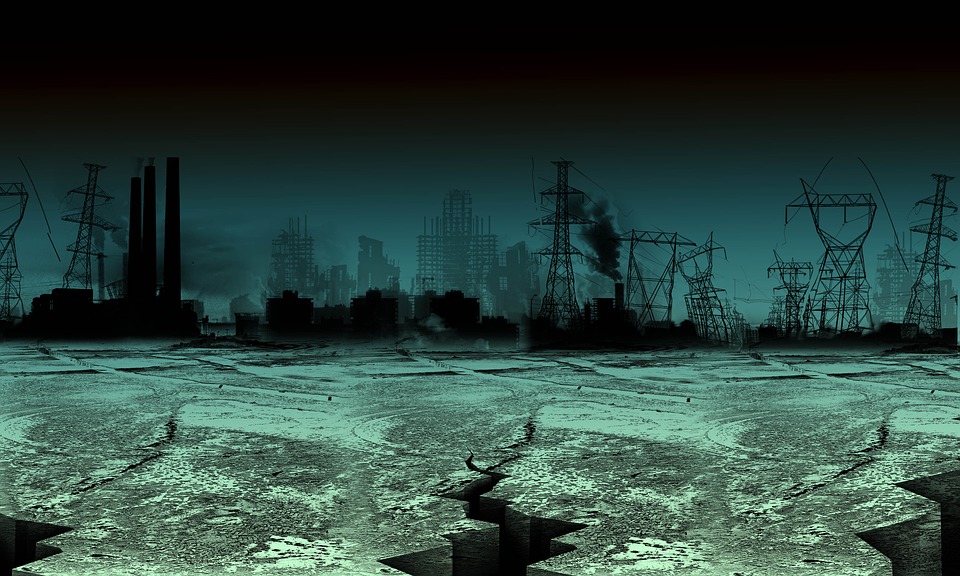
The Department of Homeland Security (DHS) urged the public to be prepared for a power outage that may last up to six months. In a report from the agency’s National Infrastructure Advisory Council, it warned that a sudden attack would likely occur and could cause chaos for at least half a year as the electric grid is now the prime target of terrorists.
“Long-duration, lasting several weeks to months (at least 2 months, but more likely 6 months or more) due to physical destruction to equipment, such as transformers or transmission lines; or the severity of the event resulting in limited workforce to repair damage, or inability to create or transport replacement parts,” said the report.
The advisory council urged Americans to prepare by having enough supplies on hand for at least 14 days. But this number appears to be grossly inadequate, considering the threat and the timeline for reestablishing essential services after an attack. (Related: Do you know what to do during a power outage? Here are 5 essential things you need.)
This isn’t the first warning about a threat to the U.S. electric grid from terrorism. In an earlier report by the Air Force’s Air University, the military warned that an EMP-style attack could wipe out the country, democracy, and the world order. The report also said that it would take at least 18 months to replace key elements of the electric grid that would be damaged or knocked out.
Things you need to do to prepare for an attack
To survive an attack, you need to be prepared to survive for an extended period without electricity, food and water, and essential services.
Increase your chances of survival during emergencies. Learn more at Preparedness.news.
This content was originally published here.
-
20+ Edible Weeds in Your Garden (with recipes!)
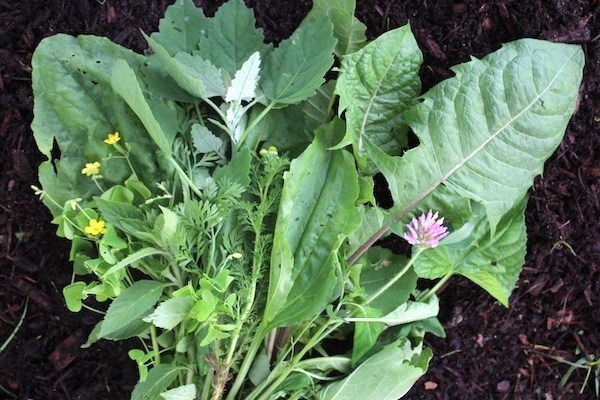
Eating edible weeds is an easy way to increase your garden’s productivity. While everyone loves to bring in the harvest, weeding is most people’s least favorite part of gardening. What if weeding could be harvesting? When you know how to identify and use edible weeds, basic garden maintenance becomes more like a scavenger hunt.
Having children makes you think a lot about your own actions and motivations. Not for any purposeful, metaphysical reason…but simply because they’re always asking, “Why?”
My 3-year old is uncommonly helpful, and she’s my regular foraging companion. She’s great at spotting chanterelles and knows all about foraging tasty edible flowers. Outside of foraging with mama, she’s a huge help weeding the garden. She used to ask, “Is this a weed mama?” before pulling out an unknown plant. Now the tiny forager in her asks, “What’s this plant?”
More often than not, I find myself explaining what it is, and how it can be used for both food and medicine. That leads my inquisitive little one to ask the next logical question. “If it’s food, then why are we pulling it up?”
Good question.
We spent the afternoon “weeding” our strawberry beds and harvested dozens of varieties of edible weeds. Yes, we still pulled them up, because strawberries are amazing, and nothing gets between me and a homegrown strawberry, but we also ate them.
Knowing how to identify edible weeds turns weeding into harvesting and makes the exercise a lot more fun, not to mention tasty.
List of Edible Weeds
Here’s a list to get you started eating wild weeds from A to Z. I’ll keep adding to the list as I find more fun plants in the garden to spark my memory, but if I’ve missed one of your favorites leave me a note in the comments at the end.
Burdock (Arctium sp.)
With a 2+ foot long taproot, burdock can be particularly difficult to remove from the garden. The sticky burrs are perfect for sticking to clothes, and I often find it growing alongside paths waiting to stick to clothing. The sticky seeds can be prolific, and if one goes to seed at the edge of the garden you’ll have your work cut out for you the following year.
Good news, burdock is an edible weed and every part is tasty. It’s actually cultivated as a vegetable in Asian cultures where it’s called gobo. The root is often used in curries, or roasted like any other root vegetable, and we make a really effective anti-inflammatory burdock tincture with it.
Burdock flower stalks are also edible, and creamy centers taste like freshly steamed artichokes to me. The leaves are edible too, and are great for wrapping dishes cooked in the campfire. I also found a recipe for burdock leaf kraut in the book Fermented Vegetables, which contains all manner of unconventional and inspiring recipes.
Chickweed (Stellaria media)
One of the earliest spring greens you can forage, chickweed can take over a garden fast. It spreads quickly to form a low growing mat, but it only really thrives in the early spring with cool temperatures. That’s enough though, to choke out young seedlings in the garden. Harvest it young, so it doesn’t take over and enjoy it as a tasty snack right in the garden. Or, bring it inside to make chickweed tincture, a natural antibacterial used externally, or anti-inflammatory and antihistamine used internally.
Chickweed pesto is mild and tasty, and a great way to save a big harvest for later. On the medical side of things, a chickweed salve is great for doctoring gardener’s hands after a long day weeding…
Cleavers/Bedstraw (Galium sp.)
Also known as bedstraw, cleavers has been used for centuries in the kitchen and home. It was once dried for bed filling, and bundles of it were used as a rudimentary strainer for frontier and backwoods cooks. Some species are used as a form of vegetable rennet to coagulate cheese, and the seeds have been roasted and used as a herbal coffee substitute.
The name cleavers comes from its herbal usage, since it’s noted for having the ability to “cleave out illness.” I’ve used cleavers tincture successfully to treat urinary tract infections where it also has the added benefit of being a diuretic which helps move things along.
Cleavers is especially invasive and difficult to eradicate once established, so I work hard to keep this one out of the garden and mostly harvest it as an edible weed along woods edges.

Our local species Galium mollugo, also known as Common Bedstraw and false babies breath.
Clover (Trifolium sp.)
I have a friend who absolutely hates clover because a clover patch means bees foraging nectar and she’s terrified of bees. The bees have the right idea though, those clover flowers are sweet and tasty….and both bees and clover run rampant in my veggie garden.
Each flower contains a tiny drop of honeydew at its base, and rural children in New England spend summers harvesting the blossoms for a teeny tiny sweet treat. The flowers are often made into clover tea. The blossoms can also be ground into clover flour, which can replace flour in baked goods. The blossoms can also be baked into things whole, like in these clover and strawberry cookies. Clover greens are an edible wild salad green, though not one of my favorites.
Not just an edible weed, clover is also medicinal. Herbalists recommend a tea for colds, flu, and coughs, and it’s also used to help treat skin conditions like eczema. Studies show that red clover can help balance hormones in menopausal women, and my midwife specifically recommended I drink red clover tea during my pregnancy.
Curly Dock (Rumex sp.)
There are a lot of dock species (Rumex genus), all of them are edible weeds. The leaves are cooked into curries or baked into chips, the seeds can be ground into dock flour that’s similar in some respects to buckwheat and the roots are cooked too.
Dock plants form long tap roots, and they’re persistent perennials, producing thousands of seeds each year. Once one gets a foothold it’s hard to get them out of the garden unless you dig out the whole root system. Luckily, the roots are not only edible but medicinal. They’re used as a blood cleanser similar to burdock, but I’ll admit this is one of my least favorite medicines. Few things taste worse than dock root to my palate, but plenty of people love them.
Dandelion (Taraxacum officinale)
More and more people these days know that dandelions are edible weeds, and many are willing to pay $5 for a bunch of dandelion greens on the shelf at the whole foods. Still, there’s something deeply ingrained in our culture about our hatred for a dandelion-filled lawn. Leave them if possible, there a great early spring nectar source for the bees. In our garden, if left unchecked they’ll completely take over and we harvest them by the wheelbarrow full.
Just about every part of a dandelion is useful as food or medicine, and there’s a pretty absurd variety of ways to use them. The blossoms make lovely dandelion wine or dandelion ice cream for the kids. The roots can be roasted and made into dandelion coffee, or steamed whole and eaten like carrots. They also are a key ingredient in dandelion tincture and dandelion bitters, both of which are medicinal. Even the unopened flower buds are edible, and they make a remarkably convincing wild foraged dandelion caper when pickled.
Garlic Mustard (Alliaria petiolata)
Though it’s considered one of the worst invasive weeds, garlic mustard happens to be really tasty. The name gives you an idea of the taste, a bit garlic-y, a bit mustard-y, and basically green and mildly spicy. Used sparingly, it makes a good salad green, or it can be cooked as it is in this garlic mustard frittata.
Personally, I’m less excited about using it as a green and more excited about using it as a seasoning. This garlic mustard chimichurri sounds perfect.
Japanese Knotweed (Reynoutria japonica)
One of the most invasive weeds out there, and very difficult to eradicate. Luckily, it’s also delicious, with a taste a lot like rhubarb raw and a bit like asparagus cooked.
I’m glad we don’t actually have any Japanese knotweed on our land, but I do go out of my way to forage it from a patch just up the road. A tincture of the root is one of the few herbal treatments for Lyme disease, and the shoots can be used in all manner of recipes.
I wrote up a long list of Japanese knotweed recipes some time ago, including strawberry knotweed pie, and even a few cocktails like a knotweed gin and tonic.

My own homemade knotweed mini pies. The filling includes 1 cup chopped knotweed, 1/4 cup sugar and a bit of cinnamon and allspice.
Jewelweed (Impatiens capensis)
One of the best natural remedies for bug bites and poison ivy, jewelweed is handy to have around. I keep a few jars of jewelweed salve in the medicine cabinet just in case, and it’s come in handy a few times.
Jewelweed is also edible, and the seed pods taste a lot like walnuts. Harvest carefully because they’re built to pop when touched, sending the seeds flying in all directions. If you harvest very carefully though, you can enjoy that pleasant pop on your tongue followed by the taste of fresh walnuts right from the garden.
Lambs Quarter (Chenopodium album)
Another edible weed that grows prolifically in our garden, I tend to leave lambs quarter anywhere I can. I love the sweet succulent taste of the young leaves. It’s actually a form of wild quinoa, and you can harvest lambs quarter grain if you allow them to mature and go to seed.
The plants have a sheen on the underside of the leaves because they bio-accumulate minerals. If dried, they can be burned to use as a wild foraged salt substitute. Just dry the leaves, then burn them and save the ash.
Mallow Species (Althaea sp.)
Mallow plants love moist rich soils, and they’re everywhere in our garden. There’s a cultivated variety (Althaea officinalis) that’s grown in formal perennial gardens, and it was once used to make marshmallow candies. There are also many varieties that just grow wild, readily self-seeding and taking over unweeded vegetable gardens.
The variety we get here grows huge, about 4 feet tall and just as wide. If they grow in an out of the way spot, I’m likely to leave them for their beautiful flowers and edible leaves. The leaves are tasty salad green, and work well cooked into dishes like this mallow leaf ravioli.
Beyond their use as an edible weed, they’re one of my favorite remedies for dry coughs. The roots contain soothing mucilage compounds that help to coat throats and protect mucous membranes. The plant’s soothing nature makes it good for digestive and skin issues as well.

A native bee on a wild marshmallow plant growing in my blueberry bed. We leave all these wild plants whenever possible, and they grow without any care.
Milkweed (Asclepias syriaca)
One of my favorite perennial edible weeds, milkweed shoots taste a lot like asparagus when sauteed in butter. Every stage of growth is edible, from the young shoots to the flowers to the unripe seed pods. And at every stage of growth, it tastes a little different and results in a totally new vegetable.
I let milkweed grow in with my asparagus, particularly because I actually think milkweed shoots taste better than asparagus and also because I really love the intoxicating smell of their mid-summer blooms.
Be careful, some species of milkweed can be toxic and I only eat common milkweed (Asclepias syriaca). Be aware that milkweed also has some toxic look-alikes (Dogbane) and you need to be 100% certain on your identification. I’d strongly suggest a good foraging guide, like The Forager’s Harvest, which contains detailed information on identifying and foraging milkweed.
For milkweed recipes, I’ve got quite a few tasty ones listed in this milkweed foraging guide, and there are even more in the book Forage, Harvest, Feast including a delicious looking milkweed blossom cordial that I’m going to make this summer.
Pineapple Weed (Matricaria discoidea)
Also known as wild chamomile, this little edible weed grew just about everywhere around my home in California. It loves hot sandy soil, and if you have a warm climate garden with good drainage you’ll likely have plenty of wild pineapple weed. Even here in Vermont, it grows all over our gravel driveway and finds its way into the dryer spots in the garden.
The blossoms look like chamomile, but without the white petals. They have a mild sweet pineapple taste, thus the name, and they’re commonly made into tea. I absolutely love this recipe for wildflower jam that uses pineapple weed and red clover as main ingredients.
Around here though, my little ones just love eating the tiny golden flowers fresh in the garden.
Plantain
Though it grows best in compacted soils, rather than fluffy garden beds, wild plantain still makes its way into garden paths and beds. There’s a huge spreading patch of it at the entrance to my garden, and it’s a common weed in lawns and along sidewalks.
Herbalists know plantain as a potent medicinal, great for insect bites, stings, and minor cuts. I keep a homemade plantain salve in my medicine cabinet, and we end up using it several times a week all summer.
It’s also an edible weed that can be eaten like any other salad green. The leaves can be a bit tough, but they’re a good substitute for spinach (like on this plantain leaf pizza). They can also be made into leafy green chips using recipes for kale chips.
Need more inspiration? Here are 10 things to make with plantain.

Broadleaf plantain. Image Courtesy of Melissa Keyser.
Purslane
I remember weeding out the purslane from my garden in southern California. It was so vigorous in that hot desert heat! These days, I actually plant purslane in my Vermont garden and tend it along with my salad greens. Most of the world considers purslane to be a cultivated green, and it’s especially popular in the Mediterranean and the middle east where it thrives in the wild.
It has some of the highest naturally occurring levels of Omega 3’s in plants, along with a host of other nutrients that put it in the class of “superfoods.” Try a simple purslane salad to get started, but then get creative…

A potted purslane start about to be planted in my garden. This is one of the few edible weeds that I actually plant rather than weed out.
Queen Anne’s Lace
Also known as wild carrots, that pretty well sums up Queen Anne’s Lace. The root is a wild form of our domesticated carrot and tastes pretty similar. Queen Anne’s Lace flowers and greens are also edible and can be made into dishes like this carrot top pesto or this floral soda.
The trick is, the plants can easily be confused with very toxic water hemlock. When in bloom, I think it’s easy to tell them apart, but this is one mistake that can be deadly. I’d recommend avoiding Queen Anne’s Lace until you’re really confident in your identification. For more information on positively identifying this edible weed, read up on the difference between it and poison hemlock.

Queen Anne’s Lace Flowers ~ This edible weed gets its name from the tiny red flower in the middle, supposedly where Queen Anne pricked her finger when making the lacy flowers.
Quickweed (Galinsoga parviflora)
Originally native to South America, quickweed has been introduced just about everywhere in the world. It often doesn’t show up in gardens until later in the summer, but then it grows at an alarming rate, quickly outpacing everything else. One day the garden is weed free, and a week later you could fill a garbage bag in just a few minutes with this prolific edible weed.
Forager Chef says it’s “the hardest working green I’ve met so far…It can be used raw, or cooked. Got a call from a farmer that the spinach was killed by hail? Don’t worry, just toss some Galinsoga in that pasta. While you’re at it, put it in the salad mix and on the fish entree, then throw the purchased microgreens in the compost where they belong, as fodder to grow interesting, edible weeds.”
The scientific name, galinsoga, is often mispronounced and it eventually took on the common name “gallant soldier” as a result. There’s nothing particularly gallant about this weed, but it does soldier on all summer, remaining tender and edible well after flowering.
Since it’s a South American native, it’s incorporated into their traditional cuisine. It’s a key ingredient in a dish called Ajiaco, a Columbian chicken stew.
Stinging Nettles (Urticia dioica)
Honestly, I really hate stinging nettles and I’m glad they’re not a problem in my garden. My neighbors though, they have a huge stinging nettle patch taking over the corner of their garden, and I learned about it the hard when I walked through it in sandals…
Stinging nettles sting you see, and it can be quite painful. Once cooked, the stinging leaves are absolutely delicious and lose their sting completely. If you harvest with care, using gloves and long sleeves, foraging stinging nettle can be a really satisfying way to turn a menace into a meal.
Here are a few stinging nettle recipes to try:
Still need more inspiration? Check out these 40+ Ways to use Stinging Nettles.

Harvesting Stinging Nettles. Image Courtesy of Melissa Keyser.
Thistle (Cirsium sp.)
Thistles are never fun to find in the garden, especially if you find them with bare feet. All of them are edible to the best of my knowledge, and I’ve personally eaten bull thistle and Canada thistle. The stalks are eaten like celery, and the roots can be cooked like any other root vegetable.
I’ve talked to some people that love them, mostly my more adventurous foraging friends, but I’d class them as a survival food that’s barely worth the bother.

While I’m not a fan of thistles, the bees sure do love them…
Violets (Viola sp.)
Left unchecked, wild violets would absolutely take over my strawberry beds, and they love the shady rich soil underneath my rhubarb. They’re common lawn weeds, sprouting up in moist shady spots, but without grass as competition, they’ll readily grow in sunny gardens too.
Every part of this beautiful weed is edible. The flowers make a lovely violet jelly, and they add beauty to a wild greens salad. The leaves can be eaten fresh or made into tea. They’re also made into a medicinal salve to support the lymphatic system.
We have so many of them, this spring I posted to Instagram asking for creative ways to use violets…and I got a bunch of answers. My favorite idea was a violet leaf pesto, and I’m planning on making that happen shortly.
Wood Sorrel (Oxalis spp.)
Though it’s not actually related to true sorrel, wood sorrel has a similar bright, lemon-y taste. The most common edible garden weed type has three-part clover-like leaves and tiny yellow flowers make it easy to identify in the garden. There are other wild varieties, hundreds in fact, with different blossom colors.
I find wood sorrel to be really refreshing when weeding, and I’ll happily munch the leaves fresh right in the garden.

A wood sorrel plant held in my hand, this edible weed was harvested from the garden and then promptly consumed on the spot.
That’s my list, mostly harvested right from our garden. What did I miss? What are your favorite edible weeds to pull (I mean harvest) from the garden?
Looking for more information on edible wild plants? Check out any of these foraging guides:
This content was originally published here.
-
Your vegetable garden’s early summer to-do list | The Star
Early riches. The “early croppers” are ready for harvest — start looking for shorter season zucchinis before they get too big and spoil in the field. The first kale, Swiss chard, carrots, peas, and radishes you planted should also be nearing harvest. Staying ahead of this onslaught will prevent woody radishes and maximize the bounty of leafy greens.
Last chances. Take whatever leftover lettuce, mesclun, radish, broccoli (all “cold” crops), carrots, onions and pea seed you have left over and plant them. This is not a Hail Mary as you are certain to get a great fall harvest from these cool-season crops.
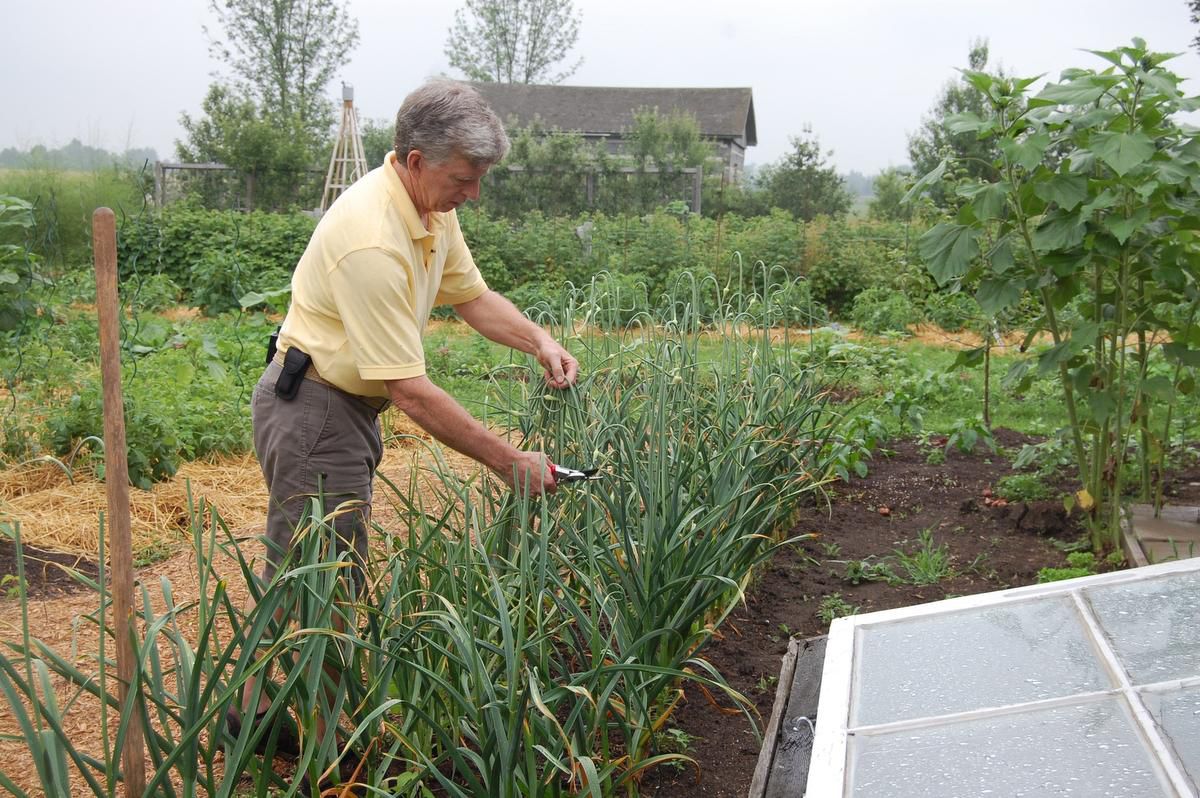
A great e-scape. Garlic scapes are ready for harvest — go out there and get them! Many gardeners do not realize the pigtail atop their garlic plants is delicious and valued. They sell for about a dollar each at farmers’ markets. Cut them off and toss them in a salad or grill them on the barbecue. Truth is, every part of the garlic plant is edible.
A thorny treasure. Sweet, delicious raspberries are maturing behind the guarded veil of their thorny branches. A good pair of rose-pruning gloves with leather gauntlet are perfect for reaching in for the harvest or go barefisted if you’re brave.
Alas, the locusts. And other insects or disease. Protect your fruit trees by applying Green Earth insecticidal soap and garden sulphur. Mark applies both at the same time in his orchard to protect his crop through to harvest.
This content was originally published here.