Category: Survival Prepper
-
Guide to Vegetable Garden Pests: Identification and Organic Controls
Every vegetable gardener faces pest issues from time to time, and learning how to manage the little leaf-munching menaces without using synthetic chemical pesticides is an essential step in growing a healthy, productive garden. To help gardeners with this task, we’ve put together this easy-to-use guide to vegetable garden pests.
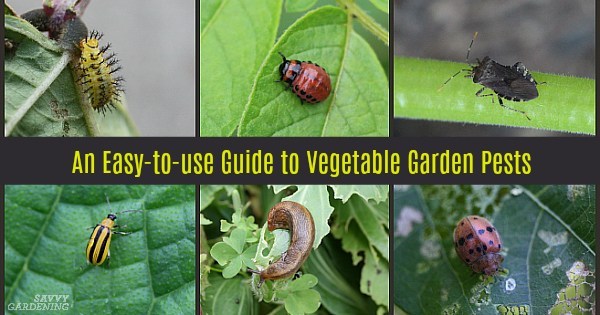
To make our guide to vegetable garden pests both user-friendly and straightforward, we’ve included essential details about 15 of the most common – and destructive – veggie garden pests and lots of info on how to protect your garden from the damage they cause. Use the photos and descriptions to help you identify the culprit, then implement the useful prevention techniques. If these preventative tips don’t solve your problem, move on to employing the listed physical control methods. As a last resort, we’ve also included our favorite organic product controls for each garden pest. Apply them with caution and only after carefully reading the label. Use this guide to vegetable garden pests to grow a high-yielding, gorgeous, organic vegetable garden.
Our guide to vegetable garden pests: 15 of the worst offenders
Aphids (many species)
Aphids can be found gathered in small groups on many vegetable plants, including cabbage and lettuce.
Identification: Aphids are tiny, pear-shaped insects. They can be green, yellow, brown, red, gray, or black. There are both winged and non-winged aphids, depending on their species and life-stage.
 OUR LATEST VIDEOS
Plants affected: Aphids feed on many species of potential host vegetable plants, including tomatoes, lettuce, kale, and cabbage. Their prolific nature makes them sure-finds on every guide to vegetable garden pests.
Description of damage: Aphids suck plant juices, causing distorted, deformed growth. They typically feed in large groups on new plant growth or leaf undersides.
Preventative measures: Promote beneficial predatory insects by including a lot of flowering plants with small flowers in the garden. Learn more about using beneficial insects as pest control here.
Physical controls: You can remove aphids from plants by spraying them off with a sharp stream of water from the hose. Hand-squishing aphids is easy, or cover plants with floating row cover to protect them from insects.
Organic product controls: Use horticultural oil, insecticidal soap, or neem-based insecticides to get rid of challenging aphid infestations.
Asparagus beetle (Crioceris asparagi)
Asparagus beetle adults are very distinctive.
Identification: Adult asparagus beetles are 1/4″ long. They’re black with creamy yellow spots and a red mark right behind their head. The larvae are army-green, grub-like creatures with a black head.
Plants affected: Asparagus beetles only feed on asparagus plants.
Description of damage: Both larvae and adults chew asparagus spears and ferns. Severe infestations can cause complete browning of the foliage and a reduction in the vigor of the next year’s crop.
Preventative measures: Adult asparagus beetles overwinter in garden debris, so cut down ferns and clean up fallen leaves in the asparagus patch in the autumn.
Physical controls: Protect emerging spears with floating row cover and keep it in place throughout the harvesting season. Look for small, dark eggs on spears and hand squish them. Knock the larvae off the plants daily with a soft broom – once on the ground, spiders and other beneficial insects will find and consume them.
Organic product controls: Neem– or spinosad-based products are effective controls recommended here in our guide to vegetable garden pests.
In the following video, our horticulturist shows you what asparagus beetles look like in all stages of their lifecycle. Plus, she offers tips on how to get rid of asparagus beetles organically.
Cabbage worms (Artogeia rapae)
Imported cabbage worm caterpillars are very destructive pests of the vegetable garden.
Identification: Imported cabbage worm caterpillars are 1″ long and light green with a faint yellow stripe down the back. Adults are white to yellowish-white butterflies with up to four black spots on the wings.
Plants affected: All members of the cabbage family, including cabbage, broccoli, kale, cauliflower, radish, turnip, kohlrabi, and Brussels sprouts can fall victim to cabbage worms.
Description of damage: Cabbage worm caterpillars chew holes in leaves and flower clusters. They can cause complete defoliation if infestation is severe.
Preventative measures: Hang birdhouses in garden as birds enjoy eating cabbage worms.
Physical controls: Cover susceptible plants with floating row cover from the time of planting until harvest as host plants do not need to be pollinated to be productive. Hand-picking the caterpillars is also effective.
Organic product controls: Bacillus thuringiensis (Bt)-based insecticides work great, as does spinosad, and hot pepper wax.
Carrot rust fly (Psila rosae)
Carrot rust fly maggots leave distinctive tunneling behind as they feed.
Identification: Adult carrot rust flies are very small, shiny black flies with an orange head and legs. The larvae are tiny, beige-colored maggots. Though this pest is not found in every guide to vegetable garden pests, it’s becoming more problematic for many gardeners and deserves to be featured.
Plants affected: Adult flies lay eggs near many vegetable crops, including carrots, celeriac, parsley, celery, parsnips, and others.
Description of damage: Carrot rust fly larvae feed on crop roots, leaving tunnels and scarring behind. As the season progresses, the damage grows more prominent. Roots riddled with tunnels and scars are the result.
Preventative measures: Adult carrot rust flies are poor fliers so rotate crops every season. Try to pick a site downwind from last year’s crop location. Also, wait to plant carrots until late May or early June as that’s off the mating cycle of this pest.
Physical controls: Keep carrots and other susceptible crops covered with floating row cover from the time of planting until harvesting day. Female flies find their host plants through smell, so inter-planting carrots and other crops with onions, garlic, and chives may help limit carrot rust fly egg laying.
Organic product controls: Beneficial nematodes released into the soil near the carrot crop help control the larvae. Species of nematodes in the genus Steinernema are most effective. Apply in the spring according to the package instructions.
Colorado potato beetle (Lepinotarsa decemlineata)
Colorado potato beetle larvae feed on the leaves of potatoes, tomatoes, and other garden crops.
Identification: Adult Colorado potato beetles are 1/3″ long, rounded, with black and tan striped wing covers. The larvae are 1/2″ chubby, reddish-purple with rows of black dots on the side.
Plants affected: All members of the tomato family are potential hosts, including potatoes, eggplants, peppers, tomatillos, and tomatoes.
Description of damage: Both adult and larvae Colorado potato beetles skeletonize foliage all the way down to the leaf veins. They’re often found toward the top of the plant.
Preventative measures: Adult beetles overwinter in garden debris, so clean up the garden and rotate crops every year.
Physical controls: Cover plants with floating row cover and leave in place until harvest. You can also hand-pick both the adults and the larvae.
Organic product controls: Spinsoad-based organic sprays are very effective, as are neem-based insecticides.
Cucumber beetles (Acalymma vittata; Diabrotica undecimpunctata howardi)
Striped cucumber beetles have black stripes while the spotted species have black dots instead.
Identification: Adult cucumber beetles measure 1/4″ long at maturity. They are bright yellow with spots or stripes, depending on the species. Their larvae live underground and are seldom seen.
Plants affected: All members of the cucumber family are hosts, including melons, cucumbers, pumpkins, gourds, and squash. Cucumber beetles are also sometimes found on corn, beets, beans, and other vegetables.
Description of damage: Adult beetles make small, ragged holes in the leaves and flowers, and transmit bacterial wilt.
Preventative measures: Only plant bacterial wilt-resistant cultivars, or plant cucumber beetle-resistant varieties such as ‘Saladin’, ‘Little Leaf 19’, and ‘Gemini’ cucumbers, muskmelons, butternut-type squashes, and squashes in the species group Cucurbita moschata as they are less favored by the beetles.
Physical controls: As with many other insects listed in this guide to vegetable garden pests, cucumber beetles can be kept off of plants by covering them with floating row cover, but in this case, you’ll need to remove the cover when the plants come into flower to allow for pollination. Mulch susceptible crops with loose materials like straw or hay to prevent egg laying.
Organic product controls: Spinosad-based organic pesticides are effective against the beetles, but planting resistant varieties will always be your best line of defense.
Cutworms (many species)
Cutworms chomp off plant stems at ground-level.
Identification: Adult cutworms are brown or gray night-flying moths. Their larval caterpillars are up to 2″ long and curl into a tight C-shape when disturbed. The caterpillars are found in the top few inches of soil, and they can be green, yellow, brown, or gray, depending on the species.
Plants affected: Any young seedling is susceptible, but favorites include tomatoes, broccoli, kale, cabbage, and others.
Description of damage: Cutworms sever seedlings at ground level or girdle them by chewing the outer stem tissue. The presence of wilted or severed seedlings is a clear sign of cutworms.
Preventative measures: Crop rotation is important as is protecting the stems of young seedlings at their base with a collar made from a toilet paper tube or aluminum foil nestled 1/2″ into the ground.Tilling the garden in autumn to expose pupae to predation and cold temperatures is also helpful.
Physical controls: Bait cutworms with cornmeal or wheat bran paced in sunken bowls near susceptible plants; the caterpillars are attracted to the granules, but cannot digest them and die.
Organic product controls: Beneficial nematodes (species Steinernema carpocapsae or Heterorhabdtis bacteriophora) mixed with water and applied to the soil are very helpful for controlling cutworms.
Flea beetles (many species)
Flea beetles may be tiny, but they can cause big trouble for eggplants, radish, and other vegetable crops.
Identification: Extremely small, black or brown beetles, flea beetles are 1/10″ long. They move very quickly and hop like a flea.
Plants affected: Many different plants are hosts to flea beetles, but favorites include radish, potatoes, tomatoes, brassicas, corn, and eggplants.
Description of damage: Flea beetles make small, round holes in plant foliage. Their larvae live underground and can consume plant roots, too.
Preventative measures: Practice crop rotation.
Physical controls: Place yellow sticky cards above plant tops to lure and trap adult flea beetles. Do not use floating row cover as it can trap newly emerged flea beetles underneath it.
Organic product controls: Beneficial nematodes can help control larvae when added to soil. For adult beetles, use garlic oil, hot pepper wax, neem, spinosad, or kaolin clay-based products.
Leafminers (many species)
Leafminers leave behind marred foliage. These have attacked beet foliage.
Identification: Adult leafminers are nondescript flies that do not feed on plants. Their tiny, brown or green larvae feed inside plant tissues.
Plants affected: Different species of leafminers feed on different plants, but for this guide to vegetable garden pests, common host plants include spinach, chard, beets, nasturtiums, and blueberries.
Description of damage: Leafminer larvae tunnel between layers of leaf tissue, creating tell-tale squiggly tunnels and lines on leaves.
Preventative measures: Cut off leaves where tunnels are present throughout the growing season and toss them in the garbage to prevent another generation. Damage is seldom severe enough to cause harm to the plant.
Physical controls: Place floating row cover over susceptible vegetable crops to prevent adults from accessing the plants. Include lots of flowering herbs in the garden to attract beneficial insects to help control the leafminers (more on this later).
Organic product controls: Leafminers are difficult to control with products because the larvae are between leaf tissue layers. Neem– and spinosad-based products have some effect.
Mexican bean beetles (Epilachna varivestis)
When it comes to vegetable garden pests, one of the most common is the Mexican bean beetle. Here is a larva.
Identification: Adult Mexican bean beetles are copper-colored, ladybug-like beetles with 16 black spots (see lower right image in this post’s featured photo). Their larvae are light yellow with soft, bristly spines.
Plants affected: All beans, including green, snap, pole, runner, lima, and soy, can host these beetles and their larvae.
Description of damage: Adults and larvae consume leaf tissue down to the veins. Occasionally, they also feed on flowers and bean. The larvae are often found on leaf undersides.
Preventative measures: Plant lots of flowering herbs as they attract a beneficial, predatory wasp that feeds on the beetle larvae.
Physical controls: Cover bean plants with floating row cover from the time of germination until flowering.
Organic product controls: Hot pepper wax and spinosad are both useful for the control of Mexican bean beetles.
Slugs and snails (many species)
Slugs are among the most despised vegetable garden pests.
Identification: Slugs and snails are not insects, but land-dwelling mollusks. Snails have a shell, slugs do not. They can be gray, black, orange, brown, tan, or mottled, and often leave a slime trail behind.
Plants affected: No guide to vegetable garden pests is complete without slugs and snails because almost any young seedling is a favorite of these pests. Slugs and snails feed on numerous species of plants and vegetables.
Description of damage: Snails and slugs leave irregular holes in leaf margins or centers. They feed at night or on rainy days, so often the culprit isn’t present during the day.
Preventative measures: Water in the morning only as slugs and snail prefer feeding on wet foliage. Encourage birds, snakes, frogs, and toads in the garden because all of these critters eat slugs and snails. Copper strips placed around plants prevent feeding due to a chemical reaction with the slime produced by slugs and snails.
Physical controls: Handpick slugs and drop them into a jar of soapy water. Beer traps also work, but the beer should be emptied and refilled daily.
Organic product controls: Use only slug baits with the active ingredient of iron phosphate; do not use baits made from metaldehyde or methocarb as both are poisonous to pets and other wildlife.
Squash bugs (Anasa tristis)
These mating squash bugs will soon lay bronze-colored eggs that will hatch into more leaf-sucking squash bugs.
Identification: No guide to vegetable garden pests is complete without a mention of what’s probably the toughest veggie pest to control: squash bugs. Adult squash bugs are 5/8″, dark brown with flattened, oval-shaped bodies. The nymphs are gray and without wings. They often feed in groups. Squash bug eggs are bronze and laid in groups.
Plants affected: All members of the cucumber family fall victim to squash bugs, including cucumbers, zucchini, squash, melons, and pumpkins.
Description of damage: Adults and nymphs suck plant juices with their needle-like mouthpart. Damaged leaves are mottled with yellow and they eventually turn yellow and die. Plants may turn crispy with a severe infestation.
Preventative measures: Plant resistant varieties, rotate crops, and use trellises to keep the growing vines off the ground.
Physical controls: Use floating row covers from the time of planting until flowering begins. Remove egg clusters on a daily basis with a piece of tape; be sure to check leaf undersides as that’s where most egg-laying occurs.
Organic product controls: Products don’t work well on adults, but nymphs can be targeted with insecticidal soap or neem.
Squash vine borers (Melittia satyriniformis)
Squash vine borer adults are seldom seen, but this female is ready to lay eggs on the plants.
Identification: Adult squash vine borers are red and black moths that look like large wasps. Their larvae are chubby, white caterpillars found inside the base of squash vines.
Plants affected: All members of the cucumber family are susceptible, including both summer and winter squash, pumpkins, melons, and gourds. Cucumbers are not often affected.
Description of damage: The presence of borers is often noted as a rapid wilting of the plant. Look for hole in the stem tissue near ground level for confirmation.
Preventative measures: Wrap a strip of aluminum foil around the base of the plant soon after the first true leaves appear to protect the base of the plant from egg-laying females (more on this technique here).
Physical controls: Cover plants with floating row cover soon after planting and leave in place until flowering begins. If borer hole is found before plant dies, slice open the stem, dig out the borer, and cover the cut with a mound of soil.
Organic product controls: Inject Bacillus thuringiensis (Bt) into the borer hole with a needle-less syringe. You can also spray insecticidal soap on base of stem weekly to smother any eggs.
Tomato/tobacco hornworms (Manduca quinquemaculata; Manduca sexta)
These tobacco hornworms, and their close cousins the tomato hornworms, are destructive pests in the veggie patch.
Identification: Adult hornworms are large, nocturnal moths with brown/gray wings. Hornworm caterpillars are green with white stripes or Vs on the side of their body and a soft horn or spike protruding from their posterior.
Plants affected: Members of the tomato family, including tomatoes, potatoes, peppers, eggplants, and tobacco, are host plants.
Description of damage: Tobacco and tomato hornworms leave dark pellets of excrement behind. Damage is eaten leaves, often toward the top of the plants. The caterpillars feed at night and shelter in the foliage during the day.
Preventative measures: Plant lots of flowering herbs with tiny flowers near susceptible plants as these flowers attract tiny parasitic cotesia wasps that use hornworms as hosts for their young, eventually bringing death to the hornworm (more on using beneficial insects to control pests in a bit). This is a great way to prevent all of the pests discussed in this guide to vegetable garden pests.
Physical controls: Inspect plants for hornworms on a regular basis and handpick, but do not destroy any hornworms that have the white, rice-like cocoons of parasitic wasps hanging from their backs.
Organic product controls: Spray products are seldom necessary as handpicking is more successful. If necessary, Bacillus thuringiensis (Bt) and spinosad are effective.
Whiteflies (Trialeurodes vaporariorum and others)
Whiteflies are annoying vegetable garden pests that suck plant juices and cause distorted growth.
Identification: Whiteflies are tiny, white, moth-like flies. Infested plants are often coated in sticky honeydew, the excrement of the flies. Whiteflies are often present in large numbers on leaf undersides.
Plants affected: Common whitefly hosts in the vegetable garden include sweet potatoes, tomatoes, peppers, citrus, and others.
Description of damage: Both whitefly adults and nymphs suck plant juices, causing weak plants, yellow leaves, wilt, and in severe cases, leaf drop.
Preventative measures: Carefully inspect all new plants for whiteflies before purchasing from a nursery. This is a helpful idea for preventing all of the insects featured in this guide to vegetable garden pests.
Physical controls: Hang yellow sticky cards just above plant tops to capture the adult flies and prevent a new generation.
Organic product controls: Insecticidal soap, horticultural oil, neem, and hot pepper wax are all effective whitefly controls.
No guide to vegetable garden pests would be complete without mention of how interplanting your veggie patch with flowering herbs and annuals can help limit pest numbers by attracting the many species of beneficial insects that prey upon garden pests. For more info on how to use these good bugs to battle the pests in your garden, check out Attracting Beneficial Bugs to Your Garden: A Natural Approach to Pest Control by Savvy Gardening contributor Jessica Walliser.
And, if you have pests plaguing your flower and shrub beds too, we recommend a handy little field guide called Good Bug, Bad Bug to help identify and manage pests in other parts of the garden.
This content was originally published here.
-
Edible Insects as Haute Cuisine | A Gringo In Mexico
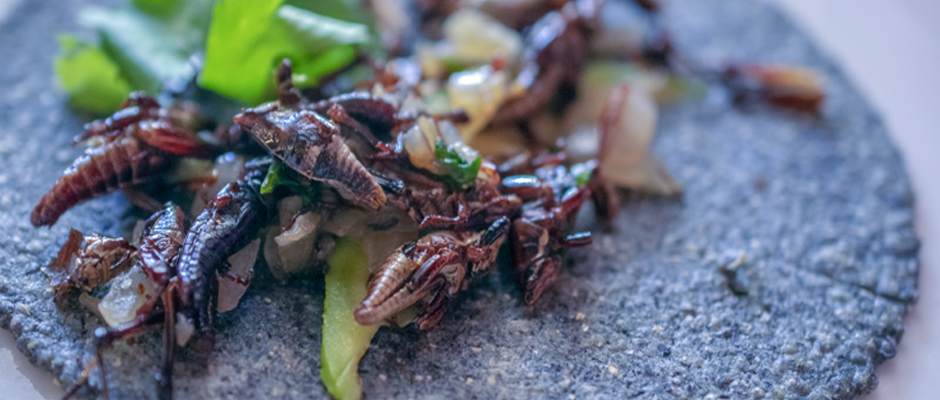
Edible insects were a mainstay of the Mesoamerican diet and have been consumed in Mexico for centuries. Not typically considered alongside the country’s more well-known gastronomic fare such as tacos, moles, tamales and the like, insectos are one of Mexico’s most time-honored culinary traditions. Many in the central and southern regions of the country still consume the critters as part of their daily sustenance.
It’s common to find baskets of crunchy chapulines (fried grasshoppers seasoned with lime, salt and dried chilies) in labyrinthine mercados in Oaxaca and Puebla. Or nutty escamoles (ant larvae) – often called “Mexican caviar” due to its rarity and richness – on the menu at traditional restaurants in Veracruz and Hidalgo.
Clockwise from top: escamoles, gusanos de maguey, chinicuiles, chapulines. Photo: W. Scott Koenig
Modern Preparations
In the past decade, however, chefs throughout Mexico have been reacquainting diners with the ancestral staple in dishes of modern Mexican cuisine. And doing so in a manner more befitting of the white tablecloth than the dusty floor of a Mayan hut.
Acclaimed chef Enrique Olvera of Pujol in Mexico City, one of the World’s 50 Best Restaurants, delights diners with his take on elotes — ears of corn coated in mayonnaise and dashed liberally with chili powder. Olvera’s interpretation utilizes baby corn slathered in costeno chili mayonnaise and peppered with chicatanas, the midsection of flying ants. The edible insects are harvested in southern Mexico as they fall from the sky during rainy season.
Elotes with chicatanas at Pujol, Mexico City. Photo: W. Scott Koenig
At Latin America’s 50 Best Restaurant Pangea in Monterrey, chef Eduardo Morali serves escamoles two ways: in a risotto with hazelnuts and sprinkled simply over stalks of white asparagus. His preparations are subtle, allowing the nutty taste and creamy texture of the pre-Hispanic delicacy to shine through.
Edible Insects at Restaurant Cien Años
Closer to home in Baja California, a variety of the 500+ edible insects that crawl, fly and burrow throughout Mexico can be found in markets and restaurants just across the border in Tijuana. At restaurant Cien Años in the Zona Rio neighborhood, chef José Sparza serves a tasting menu of insects which he prepares vis-a-vis traditional methods.
“Like fruits and vegetables, edible insects are seasonal,” says the chef. “That means chapulines from August until December, and Gusanos de Maguey (worms from the leaves of the maguey plant) in July and August.” (see the seasonal insect chart at the end of this article)
Taco de Guasano de Maguey, Restaurant Cien Años. Photo: W. Scott Koenig
Sparza serves his insects as tacos, tucked within a variety of warm, house-made, nixtamalized tortillas of white, yellow and blue heirloom corn. They’re accompanied by salsas in heavy molcajetes, including a profoundly deep salsa rojo and a piquant salsa verde of tomatillo and Serrano chili.
Flight of the Insects
Sparza shares, “In the manner of Oaxaca, our insect taco flight is accompanied by a bottle of mezcal.” The smoky and aggressive Mexican agave spirit combines perfectly with the salty, acerbic taste of his chapulines and pairs nicely with the restaurant’s escamoles— sautéed in butter and garlic with onion and jalapeño peppers, salted, doused in mezcal and set afire to finish the dish.
“The cooking of insects should be very simple,” Sparza continues. “I learned from (traditional cooks) I met in Oaxaca, Tulancingo, Mexico City and Tierra Colorada in the state of Guerrero.” Though ingredients and methods used in his uncomplicated preparations should not be assumed. When pressed for the recipe of his tangy, crunchy and slightly spicy chapulines, the chef demurs, “That is a recipe handed down to me in secrecy.”
“The cooking of insects should be simple.”
– Jose Sparza, Executive Chef, Cien AñosTacos of escamoles, chapulines, chicatanas and gusanos de maguey are featured during the tasting, as well as chinicuiles on tortillas of mixed blue and yellow corn. The small red worms reside in the roots of agave cultivated for tequila and mezcal, are unearthed en masse, fried on a comal until crispy, seasoned with salt and lime and frequently garnished with a dollop of creamy guacamole.
Taco de chicatanas, Restaurant Cien Años. Photo: W. Scott Koenig
Taco de chinicuiles, Restaurant Cien Años. Photo: W. Scott Koenig
Sparza likes to prepare an unusual protein at the end of his insect tastings. It might be tostadas of steamed and shredded rattlesnake, which has a similar taste and texture as chicken, but slightly oilier. Or during a recent visit, a taco of dense, flavorful crocodile which has a firm texture reminiscent of pork.
Protein of the Future
Sampling gusanos de maguey. Photo: Ana Laura Holguin
In the US, many turn their noses up at the mention of edible insects, yet they’re consumed daily by over 2 billion people worldwide, primarily in Latin America, Asia and Africa. As the population of the planet continues to grow and grazing areas for livestock diminish, many speculate that Entomophagy – the eating of insects – will be key in providing the rest of the world eco-friendly protein in the not-too-distant future.
According to Eva Muller, a director at the UN’s Food and Agriculture Organization (FAO), “Consumer disgust remains one of the largest barriers to the adoption of insects as viable sources of protein in many Western countries. Nevertheless, history has shown that dietary patterns can change quickly, particularly in the globalized world.” *
“Consumer disgust is the largest barrier.”
– Eva Muller, Director, FAOIt’s not necessary to be a survivalist or a prepper to know that bugs are indeed the food of tomorrow. One can get a head start on the other 7 billion inhabitants estimated to populate the planet by the year 2030 by sampling the elegant entomophagy on offer at restaurant Cien Años.
* www.news.un.org
Edible Insects By Season
INSECT NAME: IN SEASON: 
Chapulines
(Grasshoppers)Aug-Dec 
Chinicuilis
(Red Maguey Worm)Aug-Nov 
Escamoles
(Ant Larvae)Mar-Apr 
Gusano de Maguey
(Maguey Worm)Jul-Aug 
Chicatanas
(Flying Ants)Jun-Aug The insect tasting menu at restaurant Cien Años is $30/US per person and includes six taco courses and a bottle of mezcal. Tastings are by appointment only and require a minimum group of 10.
This content was originally published here.
-

Keep that Backpack Light with Freeze-dried Food from Home | Harvest Right™ | Home Freeze Dryers | Freeze Dried Food Storage
Traversing a trail through nature for a period of time with nothing but what you can carry on your back can be a very satisfying and fun adventure. Of course, if that backpack you are relying on is extremely heavy, it can also be a miserable and painful experience. Making sure you have what you need, while keeping your pack light is critical.
An overweight backpack can cause serious problems. Your body will adjust for the extra weight by leaning forward. This can cause back problems and reduce your balance making it easier to fall. Your body will also compensate for the extra weight by using other muscles which can cause severe muscle strain.
Backpacking experts suggest the following general guidelines:
One of the easiest ways to decrease the overall weight of your backpack is by packing freeze-dried food. With a freeze dryer from Harvest Right, you are able to preserve the food and meals that you like to eat at home and then take them with you on the trail. Unlike the freeze-dried food you purchase in a store or online, the food you freeze dry at home is not loaded with salt and other preservatives. Not only is freeze-dried food lightweight, it is also nutritious, retaining almost all the original nutrients during the freeze-drying process. Freeze-dried food from home tastes better than anything else that will fit in your backpack and is lightweight. It’s perfect for every outdoor enthusiast.
This content was originally published here.
-

How to Treat a Sprained Ankle While Hiking – Five Spot Green Living
How to Treat a Sprained Ankle While Hiking
I will admit it I am not the most coordinated and when I am out hiking I usually hurt myself in some way. Have you ever had an injury while hiking or camping? Here is some information on how to treat a sprained ankle while out in the woods.
R.I.C.E. treatment
RICE is going to be the most common suggestion because it is what helps the most. When you are out on a hike or camping, you can’t really get to a hospital or urgent care right away. This is why RICE is so important. It helps to reduce the swelling and pain before you are able to safely get somewhere for proper medical attention.
RICE can be used for an ankle sprain, wrist sprain, strain, and other soft tissue injuries. Here is what this stands for:
Try to find help without walking around on your own if you can. Call out for help or use your phone to call someone.
More posts like how to treat a sprained ankle
This content was originally published here.
-

Homemade Tick Repellent Recipe – Five Spot Green Living
Lately I’ve been finding teeny tiny ticks on the dog – and I almost wouldn’t have seen it but for the fact that I’ve been hyper-vigilant about checking for ticks. It looked like a piece of dirt!! But those teeny tiny ticks still bite and they still transmit lyme disease.
Last week I made this homemade tick repellent recipe using tea tree oil and a few other essential oils and low and behold – NO MORE TICKS!
What is tea tree oil?
Tea tree oil is derived from the leaves of the tree using steam distillation or a similar process. A natural tick repellent can be made for both animals and humans using tea tree oil as an active ingredient. If you are not into DIY or don’t have time, scroll down to the bottom to find a ready-made mixture you can apply easily to repel ticks naturally!
In small concentrations (.1% to 1%), tea tree oil is tolerated and safe for cats and dogs.
I love Rocky Mountain Oils because of their quality 100% pure essential oils that require no minimum purchase and always gives FREE shipping! Plus they always have specials going on!
Rocky Mountain Oils’ essential oils are verified by a third-party, independent lab. GC/MS tests verify purity and quality of the oils sold so you can look at the bottom of the bottle to find your individual batch code and then input that number into our website to pull up the GC/MS test results.
Geranium essential oil is safe to use around kids and this study showed it as very effective in repelling ticks.
This study from the National Institutes for Health found that geranium oil works comparably to DEET in repelling ticks. This is for humans and NOT dogs.
According to this study in Environmental Entomology, cedarwood oil repels fire ants and actually kills ticks! It is so toxic to ticks but safe for kids!
If you do happen to get bit by a tick, learn how to remove a tick properly.
Never apply tea tree oil directly to the skin as it could cause an allergic reaction, particularly if the oil is highly concentrated. Mix the oil in some carrier oil like sweet almond oil to dilute it a bit.
For best results, use a glass bottle. Oils such as tea tree oil react with plastic and may cause dangerous chemicals to leech into your repellent. Before each use, shake the bottle vigorously to thoroughly mix the oils. When applying to pets, rub the repellent under their fur so that it reaches their skin.
You can also use a plastic spray bottle that is labeled as safe for oils, like this one.
Ingredients
2 ounces liquid oil such as jojoba oil (which is non-greasy), olive or almond oil.
15 drops geranium essential oil
15 drops tea tree oil
15 drops cedarwood oilDirections
Note
If you prefer, you could add peppermint oil, eucalyptus oil, or camphor oil or lemongrass.Alternative to making your own homemade tick repellent

Don’t have time or patience to make the Natural Tick Repellent Tea Tree Oil Recipe? Don’t have all the oils on hand? No worries, you can get
Bug Off! Mist Spray Recipe
75 drops Bug Off!
4 ounces Distilled WaterAdd all ingredients to a 4 ounce, fine mist spray bottle. Shake well before every use. You can apply to areas where you might be bit. (If the spray is for your pet, use 10-15 drops) You can also use a light carrier oil or witch hazel instead of water if you are spraying on the skin.
Bug Off! Carpet Freshener Recipe
100 drops Bug Off!
1/2 cup Baking SodaMix all ingredients in a ziploc type bag. Seal and massage bag until essential oils are thoroughly mixed in. Pour into a glass jar and seal with a lid. Sprinkle over carpeting, leave for 10–15 minutes and vacuum. Use when you have a big problem with ants and other bugs.
This content was originally published here.