Category: Home & Garden

  • Break These Bad Living Room Cleaning Habits & Transform Your Living Space

    Break These Bad Living Room Cleaning Habits & Transform Your Living Space

    bad living room cleaning habits

    Are bad living room cleaning habits keeping you from your best home? Image: NelleG/Getty Images

    Cleaning is a hassle. But you might be making it harder on yourself than is absolutely necessary. Whether you’re tidying up your bedroom, kitchen or bathroom, banishing your bad habits can make it easier to clean — and easier to keep your place clean.

    And nowhere will a truly good clean be more apparent than your living room. It’s your space for relaxing and it’s where you entertain guests. It’s where your most statement-making decor will most likely live. So it deserves some TLC. And you can deliver it with a little help.

    Break these five bad living room cleaning habits and you can get your space pristinely clean. So clean, in fact, that it might just stay that way for good.

    Living with piles

    Look around your living room. What’s the state of your stuff? If you’ve got piles, it’s time to reconsider. That stack of magazines and that heap of throw blankets aren’t doing your aesthetic any favors. Plus, do you know what piles invite? Bigger piles.

    Now, that’s not to say that your stuff might not benefit from being gathered in groups. But there’s a difference between having your kids’ toys piled loosely in the corner and neatly stored in a bin. If you can’t part with your pile because it makes sense to keep the items gathered that way, invest in a storage system for those items to keep your living room neat. As an added bonus, it can clue your family members or roommates into where that stuff should go when it’s not in use, helping them put stuff away so your living room stays tidy.

    bad living room cleaning habits 2

    Keep your surfaces streamlined so they’re easy to wipe down. Image: Breadmaker/Shutterstock

    Cluttering surfaces

    How often do you dust and disinfect all the surfaces in your living room? If it’s not often, you might be facing one of the most common bad living room cleaning habits: too much clutter. You’re never going to wipe down your mantel if you have to move over a dozen items off it to cross that chore off your list.

    Streamline what you keep on your surfaces to make it easier to keep everything near looking and sanitized.

    Not dusting first

    The living room tends to accumulate dust. So when you start by vacuuming without addressing the dust on your surfaces first, you’re just moving the problem around. Instead, start by dusting. And do your highest ledges first, then work your way down. Wait to clean your floors last so you’re catching all of that dust and getting your space truly clean. Bonus: making sure all of the dust is completely gathered throughout the course of your clean will help you space stay cleaner over time.

    Also, don’t forget about the items that aren’t easy to knock free of dust, like throw pillows and blankets. Launder them regularly to catch those dust mites.

    bad living room cleaning habits 3A sparkling living room requires clean tools used on a regular basis. Image: FollowTheFlow/Getty Images

    Using dirty tools

    Cleaning your living room takes some elbow grease. Don’t waste it. One of the most common bad living room cleaning habits is starting with tools that aren’t clean themselves.

    If you haven’t cleaned your vacuum filter in a while, this is the time. The same goes for your cleaning rags, sponges or whatever else you use to disinfect and dust.

    And speaking of disinfecting, don’t forget this part. It’s easy to give your coffee table a quick wipedown, but don’t forget to get those frequently touched items like remotes and light switches.

    Not having a place for everything (and everything in its place)

    Where is that remote supposed to go? What about that throw pillow? How about that board game? If you’re not sure, odds are no one else in your house knows either. And that’s why you end up with stuff just floating around, creating visual clutter and making it hard to keep your place looking clean. It also leads to the problem of piles we discussed above.

    Because living rooms are generally spaces for relaxing, it’s easy to get relaxed about how they’re maintained. But that can lead to junk accumulating. And not only does that leave your place looking messy, but it also makes your to-do list that much longer when it comes time to clean.

    Collect all the stuff in your living room that doesn’t have a place. Then, find a place for it. Then, keep it in its place. Easy-peasy.

    Do any of these bad living room cleaning tips sound familiar? If so, it’s time to reconfigure your space so it can better serve you. Break these habits and you can enjoy a cleaner space for longer!

    The post Break These Bad Living Room Cleaning Habits & Transform Your Living Space appeared first on Freshome.com.

    This content was originally published here.

  • Vultures Invade Florida Neighborhood, Damaging Roofs & Property

    Vultures Invade Florida Neighborhood, Damaging Roofs & Property

    A Florida neighborhood is beginning to look a lot like one of those terrifying scenes from the classic Alfred Hitchcock thriller ‘The Birds.’

    That’s because hundreds of black vultures are invading the neighborhood, damaging the roofs they walk on and blocking sidewalks with their large, extended wings, according to CBS affiliate WKMG.

    Residents think the vulture invasion is due to development encroaching on the birds’ previous habitat.

    “It sounds like there are rocks being dropped on our rooftop,” a resident of the neighborhood told WKMG. He estimates 200 to 300 vultures live around the small subdivision.

    Residents say the birds have been very destructive.  One resident said he has replaced his pool screen three times because the vultures sharp talons tear it to shreds.

    Vultures are state and federally protected as a migratory bird, so they can’t be hurt or killed without a federal permit from the US Fish and Wildlife Service.

    The Florida Fish and Wildlife Conservation Commission says if vultures are damaging property, they can be scared away with Pyrotechnics.

    When neighborhood residents went to their homeowners’ association management company requesting it hire a wildlife control service to take care of the birds, it said removing the birds was not its responsibility.


    “We certainly sympathize with the homeowners most adversely impacted by this phenomenon as these folks are our fellow neighbors, and began investigating options to address the problem,” officials with the Tudor Grove at Timber Springs Homeowners Association said in a statement to WKMG.

    The HOA board members claim they contacted a biologist and after learning decoy deterrents might not be a guaranteed solution, decided against the effort.

    The board president also told WKMG the HOA is “not responsible for the removal of any natural nuisances.”

    Residents disagree and still think the HOA should help maintain the value of the homes and solve the issue.

    source


  • The Latest Way To Spoil Your Beloved Kitty

    The Latest Way To Spoil Your Beloved Kitty

    Summer is here in the Northern Hemisphere, which means your indoor cat might begin to crave a little fresh air and freedom. But what if you live near a busy road? If the outdoors around your area just isn’t suited for roaming? Well, the solution is clear. You need to build a cat patio.

    ‘Catios’ are all the rage at the moment, with Seattle-based business Catio Spaces leading the way. They have created downloadable designs that are easy to build using basic materials and can be installed next to a window, on a deck, or in a backyard.

    The way that some people have built their catios are as impressive as they are inspiring. These cat owners have taken a simple concept and turned it into a super cozy space for their feline friend, and for some designs at least, themselves too!

    Do you have an indoor cat? Would you consider building a catio, to give your kitty a bit of the outdoors in safety, and the chance to dream of the life of a hunter? Scroll down below to check out Bored Panda’s favorite examples, and let us know what you think in the comments!

    source

  • Rhododendron Care | Planting and Maintenance Tips

    Rhododendron Care | Planting and Maintenance Tips


    The stunning and stately rhododendron plant — native to Asia — is a popular and much-loved landscaping element in New England. Large blossoms in hues of pink, purple, red, and white bloom each spring, attracting pollinating insects. A member of the Azalea family, this ornamental shrub requires very little care and maintenance once it is established, making rhododendron care a snap. It isn’t prone to insect infestation and requires little, if any, pruning. In the Northeast, early spring or early fall planting is the best time to put a rhododendron in to the ground.

    rhododendron care

    Rhododendron Care | Planting and Maintenance Tips

    Brenda Darroch

    Rhododendron Planting Tips | Rhododendron Care

    1. Choose an area for planting that receives ample amounts of both sunlight and shade — filtered sunlight is ideal. Before attempting to plant, test your soil’s pH. Rhododendrons prefer acidic soil with a pH of about 5.5. PH test kits are simple to use and available to purchase at garden centers. If the soil is not acidic enough, it can be amended with organic matter, such as peat moss. Rhododendrons typically do well in sandy soil.
    2. Dig a hole 2-3 times the width of the root ball and deep enough so that the top of the root ball is covered by a few inches of soil, but not deep enough to cover the stem of the plant. Place the plant in the hole and water well before covering the root ball.
    3. Mulch lightly around the top of the root ball to help retain moisture.

    Rhododendron Maintenance | Rhododendron Care

    1. A thorough daily watering is preferred throughout the season of the first planting. After the first year, a new plant should be fine on its own as long as the soil is kept moist.
    2. In winter, smaller rhododendron shrubs will need protection from heavy snowfall. Before the first snowfall, wrap the branches lightly in burlap and secure with twine. An A-frame style covering or a box style shelter is the best way to shield small, newly planted Rhododendron plants during the harsh winter months. Remove the coverings after the danger of a late term snow storm in the spring.

    For additional information on rhododendron care, visit the American Rhododendron Society.

    Do you know any other rhododendron care tips? Let us know in the comments!

    This post was first published in 2013 and has been updated.

    SEE MORE:
    When to Prune Shrubs | Gardening Advice
    Witch Hazel Guide | Winter-Flowering Shrubs
    The Beautiful Winterberry Bush

    The post Rhododendron Care | Planting and Maintenance Tips appeared first on New England Today.

    This content was originally published here.

  • The 7 Best Climbing Roses for Your Garden

    The 7 Best Climbing Roses for Your Garden

    The best climbing roses have a wild side. Consider the one in my backyard. It covers a large crab apple tree that I disdain but for one attribute: it is the best “trellis” around.

    I am probably committing some horrible gardening offense by letting the rose take over. But the wildness of climbing roses and ramblers is what makes them magic. Here are seven of our favorite varieties to consider:

    1. Eden

    If you want a vigorous, scented pink climber, consider Eden; in a one-gallon pot, it is $45 from Heirloom Roses. Photograph by YourPinnie.de via Flickr.

    Above: If you want a vigorous, scented pink climber, consider Eden; in a one-gallon pot, it is $45 from Heirloom Roses. Photograph by YourPinnie.de via Flickr.

    2. New Dawn

    Above: The prolific pink grower in my garden is the New Dawn Climbing Rose. A fragrant climbing classic that is the forerunner of the modern climbing rose; $28 at White Flower Farm. Photograph by Justine Hand.

    3. Renae

    Above: For a similar variety without the wicked thorns, consider the Renae – Climbing Roses; $25.45 per pot at Rose Sales Online.

    4. Mme. Alfred Carriere

    Above: A tough climbing rose that can survive many climates (even the San Francisco fog), the Mme. Alfred Carriere Climbing Rose has very fragrant white informal-shaped blooms. Available for $27.50 from David Austin Roses.  Photograph by Janet Hall.

    5. Zephirine Drouhin

    Above: The nearly thornless Zéphirine Drouhin Climbing Rose is Michelle’s favorite and offers fragrant old-fashioned blooms in a bright cerise pink; $45 for a one-gallon pot at Heirloom Roses.  Photograph by Erin Boyle.

    6. Kew Rambler

    Above: The fragrant Kew Rambler offers single apple blossom-like blooms; €20.95 at David Austin. Photograph by Janet Hall.

    7. Ballerina

    I love the delicate small foliage and blossoms of the Ballerina Climbing Rose. Good for hedging, it is available for $45 at Heirloom Roses. Photograph by Janet Hall.

    Above: I love the delicate small foliage and blossoms of the Ballerina Climbing Rose. Good for hedging, it is available for $45 at Heirloom Roses. Photograph by Janet Hall.

    For more of our favorite garden roses, see:

    This content was originally published here.

  • Everything You Need to Know About Light Bulbs

    Everything You Need to Know About Light Bulbs

    light bulbs

    Learn everything you need to know about light bulbs so you can pick the best one for your home. Image: united photo studio/Shutterstock

    We hope you like the products we recommend. Just so you are aware, Freshome may collect a share of sales from the links on this page.
    For over a century, Americans have used electricity to light their homes. And that’s meant a recurring purchase: light bulbs. But if you’re still using incandescent bulbs in your home, it’s time for an upgrade.

    Today there are new, more energy efficient options. And even if you don’t care about your energy consumption, you’ll want to know this: these new light bulbs can save you money in two ways. First, their minimized electricity usage means you get lower utility bills. Secondly, they last longer so you’re not shelling out for new bulbs nearly as frequently.

    Think a few bulbs here and there aren’t that big of a deal? Think again. ENERGY STAR reports that the average American household has 70 (count ’em, 70!) light bulbs. And all that lighting can use more energy than your refrigerator, dishwasher and washing machine put together.

    So what are you waiting for? Use this guide to light bulbs to figure out which energy- and money-saving option is best for your home.

    light bulbs - incandescent

    Incandescents are over. Image: Ezume Images/Shutterstock

    Incandescent light bulbs

    Let’s start with the most basic light bulb: incandescents. These have been super handy in the last dozen or so decades. But they’ve served their purpose and it’s time to put them to bed.

    Why? ENERGY STAR estimates that the new ENERGY STAR-rated bulbs use a whopping 70 to 90 percent less energy than incandescents. But wait, there’s more! They also last at least 15 times longer. This all averages out to about $55 in savings per bulb.

    Still not convinced to move away from incandescents? We get it. Incandescent alternatives used to be known for their harsh, cold light. And here at Freshome, we know that lighting is important. But even our team is moving to other types of bulbs. No, we’re not just sacrificing form for function. Turns out, you aren’t the only one who hated that cool, bright light — and manufacturers listened. Today, there are tons of incandescent alternatives in warm white and soft white. They’re even dimmable!

    So get on board. There’s no time like the present, especially considering the sale of residential-use incandescent bulbs will be pretty much completely banned by 2020.

    Fear not! You’ve got a couple of other fantastic options.

    light bulbs - led

    LEDs can brighten indoors and out for a fraction of the cost of lighting with incanescents. Image: alexandre zveiger/Shutterstock

    LED light bulbs

    Light emitting diode, or LED, bulbs are the front-runner incandescent replacement. They started pretty pricey (we’re talking three figures), but you can now grab an LED bulb that gives off the same amount of light as a 60-watt incandescent bulb for just a couple of bucks. And you’ll get a lot of bang for that buck, considering LED bulbs generally last between 20,000 and 50,000 hours. That means they’ll last decades in the average household.

    Another perk of LEDs: they don’t emit heat. So you can safely touch them without hurting yourself and your AC won’t have to work overtime to keep your house cool. That might not seem like much but, again, we’re talking 70 bulbs a house on average. That radiant heat adds up.

    If you want an LED that’s truly going to maximize your savings, look for ENERGY STAR-rated LED light bulbs. The package will be marked with their blue square logo.

    light bulbs - cfl

    CFL bulbs are affordable while still delivering energy efficiency. Image: amasterphotographer/Shutterstock

    CFL light bulbs

    LEDs certainly have their perks, but they do come with a price. If you’re looking for a more incandescent-comparable price, compact fluorescent lights, or CFLs, could be for you. Back in the days of expensive LEDs, these were the go-to for people looking to choose more energy efficient lighting. But they’re also to blame for some of the association of non-incandescent bulbs and harsh, white light. Because, yes, they are fluorescents. And some people didn’t like the idea of having their sterile office lighting follow them home.

    Fortunately — like their energy-efficient ally, the LED — CFLs have changed. You can now find them in warm white and soft white. CFLs usually last around 10,000 hours (still pretty impressive) and have a signature spiral shape.

    light bulbs - colors

    Colored LEDs can help you set different moods in different spaces. Image: alexandre zveiger/Shutterstock

    The future is now

    Why stop there? With its long history of innovation, now that the light bulb has solved its energy use problem, it’s onto bigger and better things. Today, you can get voice-activated bulbs that your digital assistant (e.g., Alexa, Google Home) can turn on and off for you. No more getting out of bed to turn off the light at night. If that’s not luxury, we don’t know what is.

    There’s more, too. You can get LEDs that change colors with a few presses of a button. Mood lighting, anyone?

    When it comes to choosing the perfect light bulb for your home and your wallet, you’ve got options. Steer clear of those pesky incandescents, look for an ENERGY STAR logo and you’ll pull in some savings while doing your part for the environment.

    Now that you know which light bulbs to use, you can start working on the more fun part: choosing fixtures and placements for them. You could even DIY if you’re feeling crafty. After all, you’ll have all those pocketed energy savings to spend on supplies. Let there be (energy efficient) light!

    The post Everything You Need to Know About Light Bulbs appeared first on Freshome.com.

    This content was originally published here.

  • 30 Easy Ways To Keep Mosquitoes Away This Year

    30 Easy Ways To Keep Mosquitoes Away This Year

    Summer isn’t here officially until the end of June but that doesn’t mean we can’t pretend. Most schools are out for vacation, the weather is perfect for swimming, and temperatures are rising. Of course, that also means that mosquitoes are coming out to enjoy their favorite time of year.

    Most people have an unpleasant reaction to mosquito bites. This can include pain, redness, itching, and inflammation at the site of a bug bite. But for some people, getting a mosquito bite is much worse. “Skeeter syndrome” is a rare allergic reaction to mosquito bites. Those that have it can experience unbearable itching, pain, swelling, redness, and even scarring at the site.

    Thankfully, most people don’t have such a severe reaction. But even if you aren’t allergic to mosquitoes, you probably want to avoid them as much as possible.

    Bug spray has been proven to be safe and effective against most mosquito bites. However, there are some easy ways that you can make your yard a safe haven from mosquitoes — and make yourself less of a target.

    If you’re planning on spending a lot of time outside this summer, make sure you keep yourself safe with these handy tips for avoiding itchy bites.

    1. Wear light shades like yellow and white.

    It may seem unbelievable, but mosquitoes actually don’t like certain colors. They tend to be attracted to darker or more vibrant colors, like red and black. Wearing light-colored clothing is an easy way to get these pesky creatures to leave you alone.


    2. Fortify your clothes.

    Spraying your outdoor clothes with permethrin is a good way to repel mosquitoes. This chemical is safe and effective and you only need to apply it once every few weeks. This is particularly important if you have skeeter syndrome or are in a really buggy area.


    3. Protect your feet.

    Mosquitoes are actually attracted to strong odors …. like the ones given off by a pair of sweaty feet. To avoid getting itchy bites on your feet or ankles, keep your shoes outside. Better yet, make sure you wear both socks and sneakers.


    4. Don’t indulge in beer.

    Researchers aren’t sure why, but mosquitoes are attracted to the scent of beer. Drinking even a single serving makes you a target. If you want a pleasant drink to enjoy outside this summer, consider a glass of wine or a mixed drink instead.


    5. Make your garden into a mosquito-repelling sanctuary.

    There are tons of plants and herbs that mosquitoes dislike. Planting these is an easy way to make your yard into a no-mosquito zone — and get some beautiful aromas, too. Mosquito-repelling plants include lavender, bee balm, peppermint, rosemary, basil, lemon, marigolds, and catnip.


    6. Choose your perfume with care.

    You may love your floral perfume but so do the mosquitoes. If you feel like you are getting targeted by too many bugs, consider switching fragrance. Fun fact: some perfumes have been found to be as effective as DEET when it comes to repelling nasty critters.


    7. Keep standing water out of your yard.

    Mosquitoes love laying their eggs in standing water. To make sure your yard isn’t a sanctuary for larvae, empty out any buckets and try to dry out long-standing puddles (or put some skeeter killer in them).


    8. Wear loose clothing.

    Good news for anyone who loves clothes with a little swish. Mosquitoes can actually bite through skin-tight clothing. Wearing loose clothes ensures that they can’t get at your skin.


    9. Swat them away.

    This might seem fairly self-explanatory but there’s actually science behind swatting at bugs. The more you do it, the more mosquitoes associate you with danger. They even send one another signals that you’re better avoided.


    10. Keeps fans running.

    While mosquitoes like to swarm, they’re not very good at flying. Keeping fans running is a great way to keep them away since they simply can’t fight the airflow.


    11. Use candles.

    There are tons of mosquito candles that you can find to illuminate your porch and yard while keeping the little buggers at bay. If you prefer a double shield, use citronella candles that repel mosquitoes both with their light and scent.


    12. Embrace natural predators.

    Mosquitoes have a couple of natural predators that are very effective at cutting back on the bug population. Consider putting in a bat house. A single bat eats hundreds of mosquitoes in a night.


    13. Apply bug repellent the right way.

    If you’re putting on both sunscreen and bug repellent, make sure to get the order right. Sunscreen goes on first and bug repellent second for the best protection you can get.


    14. Burn citronella candles.

    Citronella candles are a great way to keep the bugs away. Some people dislike their strong scent, while others find it pleasant. But the important thing is that mosquitoes REALLY don’t like it.


    15. Set out bowls of used coffee grounds.

    For a cheap, easy, and environmentally-friendly way to repel mosquitoes, put used coffee grounds throughout your garden. It’s an easy way to compost and gets rid of bugs without spraying anything in your yard.


    16. Use mosquito curtains.

    Using mosquito curtains is actually an incredibly effective way to deter bugs. Mosquitoes aren’t all that determined to find their way through the netting, which means you stay protected. There are plenty of options for attractive, affordable curtains.


    17. Light a fire.

    If you’re camping, you may as well light a campfire! Both the fire’s smoke and light repel mosquitoes. Plus, it just gives you an opportunity to make s’mores.


    18. Use garlic.

    Garlic is another plant that mosquitoes dislike. They can’t stand the smell. You can set some cloves out in bowls or grow garlic in your garden for the ultimate bug protection.


    19. Go the herbal route.

    Aromatic herbs are a great way to keep mosquitoes out of your yard. Basil, lavender, and rosemary are all plants that keep your yard smelling fragrant while repelling bugs. You can also use the herbs to enhance your cooking.


    20. Put in a Cadaga tree.

    Cadaga is yet another scent that mosquitoes can’t stand. Planting one of these trees in your yard will make it an undesirable place for mosquitoes to flourish.


    21. Use a mosquito misting system.

    Mosquitoes can’t fight netting or fans. Similarly, they don’t enjoy trying to fight their way through misters. Installing a misting system on your porch will help keep the bugs away.


    22. Install a koi pond.

    Standing water is a bad idea, but a koi pond is actually a great way to keep mosquitoes away. Bugs lay their eggs in the water and koi eat them by the thousands. It’s an easy and aesthetic option for giving you some extra bug control.


    23. Buy some mosquito coils.

    You can find mosquito coils at any hardware store. These coils are actually made of special incense. The combination of smoke and aroma will drive mosquitoes out of your yard.


    24. Plant some catnip.

    If you have a love of cats and a hatred of bugs, consider planting catnip. The smell repels mosquitoes — but be prepared to have some very excited feline visitors in your yard.


    25. Drop a couple of pounds.

    If you’re planning on getting a “summer body” this year, know there are some extra benefits: the more you weigh, the more heat you put off. This naturally attracts more bugs.


    26. Don’t use bug zappers.

    You might think that bug zappers are a good way to, well, zap the bugs. But they also continually attract more mosquitoes that come to see what’s going on with their “friends.”


    27. Burn some thyme.

    This simple method of getting bugs out of your yard is super straightforward: just light a little bit of thyme until it starts to smoke. Once it gets going, leave it on your porch for a while before you go outside.


    28. Mind your timing.

    Bugs love to swarm early in the morning and late in the afternoon as the sun starts to set. If you’re particularly sensitive to mosquito bites, it’s best to avoid going outdoors during those times.


    29. Don’t do exercises outside.

    If there’s anything that mosquitoes really love, it’s heat and odors. Working up a sweat outside makes you, unfortunately, the perfect meal for a hungry bug. Take your workout indoors until autumn!


    30. Use bug lights.

    There are special mosquito-repelling lights that you can find on many websites. These are an attractive and easy way to make your yard or porch an unattractive place for these critters.


    Please SHARE this with your friends and family.

    Cedric Jackson is a contributor at Home Hacks.

    This content was originally published here.

  • A Single Dragonfly Can Eat Hundreds of Mosquitoes Per Day, Plant This to Attract Them to Your Yard

    A Single Dragonfly Can Eat Hundreds of Mosquitoes Per Day, Plant This to Attract Them to Your Yard


    Build a dragonfly pond with the following aquatic plants for all-natural pest control. Never worry about mosquitoes, termites, deerflies, blackflies, horseflies or midges again!

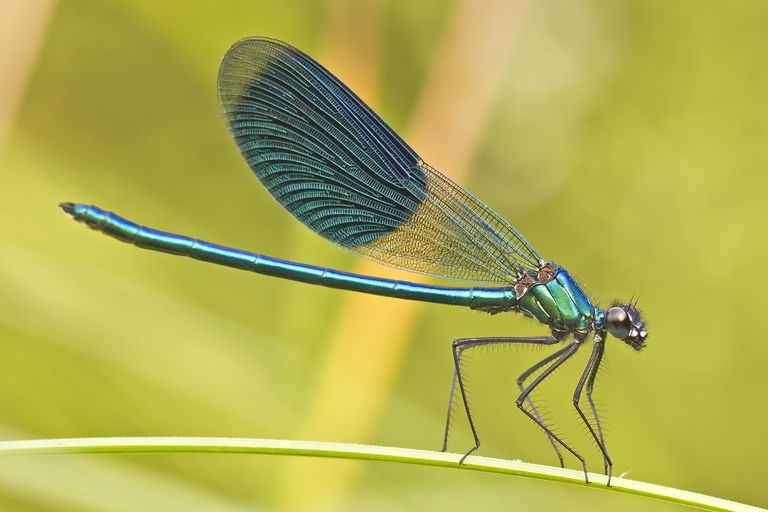
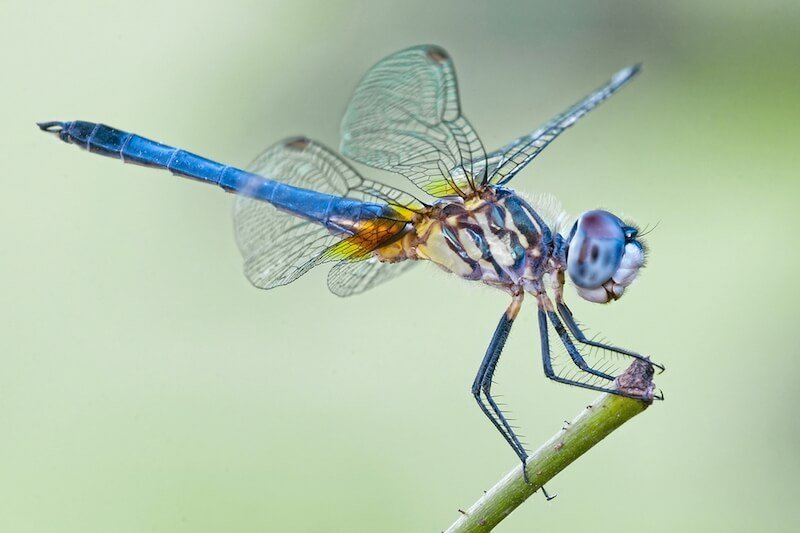
    Dragonflies are not only beautiful, they are some of the most efficient “bug” exterminators on Earth.

    A single dragonfly can eat hundreds of mosquitoes per day, according to Smithsonian Magazine.

    They’re also great at hunting other pesky, disease-carrying insects, consuming up to 15 percent of their own body weight each day on mosquitoes (90 percent of their diets), termites, deerflies, blackflies, horseflies and midges, according to Popular Mechanics.

    “Because they’re top predators in the insect world, they keep a balance with the insects in your yard,” landscaper Christine Cook tells HGTV.

    Attracting dragonflies to your yard requires two simple steps: building a pond a planting a few plants.

    Pond: The pond can be as simple as a barrel or trough of water or an elaborate oasis:

    If you’d like to opt for the latter, here’s how to dig and line your pond with rubber liner and stones.

    The pond doesn’t need to be large, nor does it require a filter, according to Popular Mechanics, but should be located in an area that is protected from wind and will get five or six hours of midday sun.

    The depth should be very shallow at the edges and about 2 feet in the center. A pond that is too shallow can overheat or dry up, while the deep areas provide refuge from predators.

    Add flat stones around the perimeter, so dragonflies have a place to rest and bask in the sun, and more stones emerging from inside the pond to create hiding places for larvae during the underwater growth stage.

    Don’t introduce fish, frogs, or ducks, which prey on the nymphs and eggs.

    And of course, keep all poisons and fertilizers out of the water.

    Plants: What you plant in and around the pond is critical to a dragonfly’s survival.

    “Cattails and grassy foliage allow the larvae passage out of the pond,” Cook tells HGTV. And “water lilies are a favorite birthing place for some species of dragonflies.”

    Water lilies also provide shade and algae in check, she says.Cook recommends starting the water lilies in pots or containers with no holes in the bottom, filled three quarters full with soil rich in organic matter.
    Place the water lily in the soil, leaving the top portion of the tuber exposed. Add some gravel to the top so the soil won’t float up, and place the lily 1-1/2 to 2 feet deep in the water. Move it deeper in the winter so it won’t freeze.

    Dragonflies also love a grass called Glyceria Maxima, also known as Great Manna Grass or Reed Manna Grass, according to LiliesWaterGardens.co.uk:


    “Dragonflies spend most of the lives as nymphs under the water, so when the time comes for them to take to the skies, they emerge out of the water by climbing the stems of their favored pond plants. Glyceria Maxima is one such plant as it has perfect stems and leaves for the newly emerged dragonflies to cling to while they dry off and expand their wings.”

    The post A Single Dragonfly Can Eat Hundreds of Mosquitoes Per Day, Plant This to Attract Them to Your Yard appeared first on Return to Now.

    This content was originally published here.

  • 10 Plants That Attract Dragonflies for Mosquito Control

    10 Plants That Attract Dragonflies for Mosquito Control

    It always amazes me the way nature takes care of things in her own time, and her own way. If people only stopped taking control and started listening to her, we’d see the beauty of these interactions take place. Utilizing plants that attract dragonflies for mosquito control, for instance, is one such example. 

    I grew up in a place that danced with hundreds of dragonflies, and was always taken aback at how effective they were at controlling the mosquito populations. Every evening in the warmer months, when bugs very evidently started to get worse, swarms of dragonflies would populate the skies and scoop up the bugs in a matter of minutes. 

    Utilizing dragonflies for mosquito control is natures way of telling us she’s got this. Only when we start intervening with harmful chemicals (like bug sprays and mosquito coils), will we do more harm than good.

    Dragonflies for Mosquito Control

    Dragonflies are some of the best predators to keep mosquito populations low. Not only do they scavenge the skies in adulthood, but they eat large numbers of mosquito larvae in their larval form (which happens in the water). 

    One study found that dragonfly larvae could play a significant role in the regulation of mosquito populations (1). While they are most effective in their larval stage, adult dragonflies can still eat up to 100, if not many more, mosquitoes per day. 

    Not only do dragonflies control mosquito populations – they help control other bugs, too, like midges. 

    10 Plants That Attract Dragonflies for Mosquito Control

    Attracting dragonflies to your garden and backyard requires planting a diverse array of plants. Planting trees and shrubs around the perimeter of the yard will provide adequate hiding spots for young dragonflies. Blooming plants also attract pollinators (like butterflies, beetles, wasps, moths and other small flying insects) that dragonflies love to prey on. Water plants that grow near and within ponds are also highly sought out by dragonflies, but only if you’re willing to sacrifice a part of your yard with a pond (which wouldn’t be too bad, would it?). 

    Land Plants

    While building a backyard pond is the best way to attract dragonflies as they mate and lay their eggs in water, you can still attract dragonflies through other means. Planting flowers that attract prey for dragonflies will bring them to your garden indirectly. Here are five plants you can grow to attract more dragonflies into your backyard. 

    1. Black-Eyed Susan (Rudbeckia hirta)

    Black-eyed susans attract butterflies and other pollinators – a popular choice of the dragonfly (unfortunately so, but everyone has to eat!). These bright yellow wildflowers typically live for around two years in climates that remain warm for most of the year, and will die off once winter hits in cooler climates. They adapt well to nearly every type of soil and require full sunlight and regular watering to bloom.

    2. Swamp Milkweed (Asclepias incarnata)

    A cousin of the better-known common milkweed, swamp milkweed produces attractive white and pink flowers that come back every year (it’s a perennial!). They flowers are very showy and good for attracting dragonfly prey like butterflies, wasps and bees. As the name suggests, this plant grows best in moist, wetland areas. It likes wet, clay soil, but also prefers full sun. 

    3. Joe-Pye Weed (Eupatorium purpureum)

    This attractive plant produces pale pink-purple flowers that last from mid-summer through fall. It attracts multitudes of butterflies and other pollinators like bees, which dragonflies love. These plants reach a height of anywhere between 3 and 12 feet, so they’re perfect for dragonflies that like tall perches. The flowers also come with a light vanilla fragrance that becomes more intense when crushed (who doesn’t want a yard that smells like vanilla?!). These plants grow in full or partial sunlight and occur naturally in moist woods or meadows. The dried roots and flowers of the Joe Pye weed can also be used to make a diuretic tea. 

    4. Meadow Sage (Salvia marcus)

    Meadow sage is a beautiful perennial with eye-catching purple flowers that attract butterflies and other small insects. This flower loves full sun, but it can also do well in partial shade. The best growing location receives morning sun and afternoon shade. Once established, this plant does not need a lot of water. In fact, it can handle pretty well in drought conditions, but if scarcity of water does become a thing, make sure you give it a sip at least once a day. 

    5. White Yarrow (Achillea millefolium)

    This graceful perennial wildflower produces an abundance of huge, flat clusters about 5 inches across, packed with 20-25 creamy-white flowers. Their fern-like foliage is disease-resistant, and they attract bugs like butterflies and tiny parasitic wasps that dragonflies love. This plant thrives in full sun, in average, dry to medium moisture, well-drained soils. The flower is loved by many, as it helps brighten the garden throughout summer. Plus, it’s easy to grow, so you don’t need a green thumb!

    Pond/Shoreline Plants

    Incorporating a pond into your backyard is also a good idea if you want dragonflies to return to your side of the neighborhood. Dragonflies spend two months to several years underwater, and water is a place they will return to time and time again. If you provide water, dragonflies will come to hunt, reproduce, perch, and play. 

    Aside from the water-dwelling plants listed below, you should also provide rocks around the pond, and around your garden in general. Rocks provide hiding place for dragonfly larvae as they grow and develop under water. While you’re waiting for plants to grow tall enough for dragonflies to perch on, you can place sticks around your pond. This will give them somewhere to land and take a rest. You can use sticks from nearby trees, or bamboo stakes for plants and vegetables. 

    Here are five plants that can be grown in and around ponds or other bodies of water to attract dragonflies to live a more permanent lifestyle in your yard. 

    6. Arrowhead (Sagittaria latifolia)

    Arrowhead, or duck-potato, is a colony-forming, aquatic perennial, that rises above water level to a height of three feet. The leaves are arrowhead shaped, hence the name, and comes with tiny white flowers with yellow centers that grow from the top of the stem. This marsh plant is often used by adult dragonflies to hang out; they also work as egg-laying sites. The easiest way to plant an arrowhead is by using the tuber of the plant and pushing it into the underwater soil in spring (with the growing tip facing up). Since plants tend to float when you put them in the underwater soil, you have to figure out a way to weight them down (like with rocks). It’s okay if the leaves are completely submerged, as they will quickly grow to reach the surface.  

    7. Wild Celery (Vallisneria americana)

    Wild celery is a useful tape grass that provides excellent aquatic habitat for dragonflies. It is a fully submerged plant that will grow to the water surface, making it a great place for adult dragonflies to deposit their eggs onto. Being a submergent, wild celery needs to be planted where there will be at least 18 inches of water at all times. The sunlight will have to filter down to the tubers in the spring to germinate them. If you can get your hand on some wild celery tubers, place them in a cheesecloth with some mud or stones, and put them at the base of your pond. The mud and stones will help keep everything stuck to the bottom while the wild celery takes root. Be careful not to break off the sprouts on the tubers, and they will not re-sprout if broken off. 

    8. Water Horsetail (Equisetum fluviatile)

    Water horsetail is an emergent plant that is a combination of a submerged and floating plant. They are rooted on the pond floor, but they also feature stems that rise out of the water. Dragonfly larvae use water horsetail to make their way to the pond surface once they have reached their adult phase. Horsetails are grown from nursery plants, not seed. Plant horsetail rhizomes about two inches below the soil on the edge of your pond or water area. Once they are established, they can withstand short periods of dry weather. It is happy to grow in part shade or full sun. 

    9. Cattail (Typha latifolia)

    Cattails, or bull rushes, thrive in moist soil and do best in swampy marshy areas. They are used as areas for adult dragonflies to hang out, but they also work as egg-laying sites. Cattails thrive in bright locations, so avoid planting them in shady areas. As with most water plants, growing cattails from their rhizome is most effective. Plant some cattail rhizomes in your pond margin, and voila – you’ve got cattails! These plants are very hardy, so they’re fairly easy to transplant if you happen to find a few in a ditch somewhere and want to translocate them to the pond in your garden. 

    10. Water Lily

    Floating plants like water lilies make the perfect egg-laying spot for adult dragonflies. Water lilies can be grown from tubers planted in pots beneath the water’s surface. The plant will then send up stems with rounded leaves and star-shaped blossoms that float on the surface. Adding in rocks will help keep the plant submerged. 

    Let me know if you’ve had success with attracting dragonflies to yor garden with these plants (or others) in the comment section below!

    This content was originally published here.

  • Minnesota will pay homeowners to make their lawns bee-friendly | MNN – Mother Nature Network

    Minnesota will pay homeowners to make their lawns bee-friendly | MNN – Mother Nature Network

    Homeowners in Minnesota can benefit financially if they forgo the grass and instead grow a lawn for bees.

    State lawmakers have approved a new spending program that would set aside $900,000 annually to pay homeowners who replace traditional lawns with bee-friendly wildflowers, clover and native grasses, reports the Star Tribune. The spending plan has been sent to Gov. Tim Walz for his signature. The plan is an effort to help the state’s declining bee population.

    Although the wildflowers and native grasses will benefit all species of bees, the hope is that the unmanicured lawns will specifically attract and help the rusty patched bumblebee. Once abundant across a wide swath of North America, the bee species (Bombus affinis) was formally listed as endangered in March 2017. The fuzzy, striped critters have suffered an 87% decline in population since the mid-1990s due to factors such as climate change, pesticide exposure, habitat loss, population fragmentation and diseases transmitted from infected commercial domesticated honeybees.

    The program would cover up to 75% of the cost for homeowners who convert their lawns. According to the Star Tribune, it would cover up to 90% in areas targeted as “high potential” to support rusty patched bees.

    How people can help

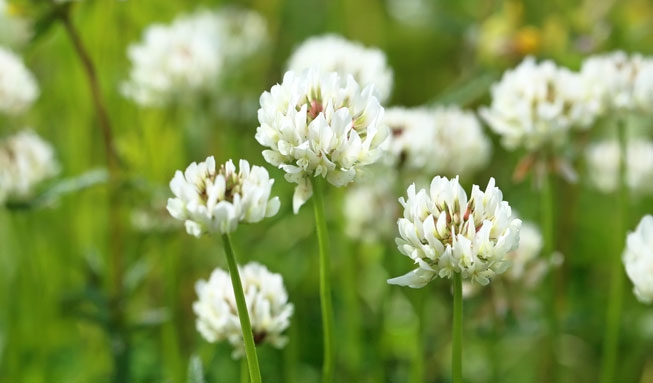
    White clover Some homeowners may consider it a weed, but clover is provides food for bees — and it’s good for the soil. (Photo: Grigorii Pisotsckii/Shutterstock)

    “I have gotten a ton of e-mails and so much feedback from people who are interested in this,” said state Rep. Kelly Morrison, who introduced the bill in the House. “People are really thinking about how they can help.”

    Morrison said she hopes the program will be ready by spring 2020. The state has not released details about how residents will be able to apply for consideration.

    In the meantime (and if you don’t live in Minnesota), you can make your yard more attractive to bees by forgoing a chemical lawn service (which can kill pollinators), growing lots of different flowering plants and leaving a few small spots of bare soil for bees to nest.

    If you can’t give up your whole lawn to clover and wildflowers because of pesky homeowner associations or other aesthetic reasons, at least try sneaking in a small undisturbed corner with tall grasses, sticks and general chaos. The bees will be happy and should move right in.

    Mary Jo DiLonardo writes about everything from health to parenting — and anything that helps explain why her dog does what he does.

    Posted an hour ago:
    Minnesota will pay homeowners to make their lawns bee-friendly
    A Minnesota spending plan will pay homeowners to transform their lawns into bee-friendly habitats.

    This content was originally published here.