Category: Home & Garden

  • How to Lay Out an 8-by-5-Foot Bathroom

    How to Lay Out an 8-by-5-Foot Bathroom


    How to Lay Out an 8-by-5-Foot Bathroom

    Houzz Editorial Staff. Home design journalist writing about cool spaces, innovative trends, breaking news, industry analysis and humor.

    Click “Embed” to display an article on your own website or blog.

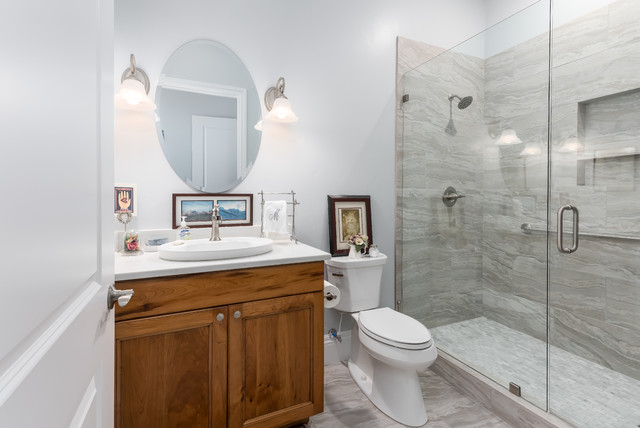
    There’s a lot you can do with an 8-by-5 bathroom in terms of visually expanding the space and creating clever storage solutions. Fundamentally speaking, there’s also a lot up in the air in terms of where the components should go, depending on where your bathroom door is located; whether you want a shower, bathtub or both; and if you have the budget to move plumbing around for an optimized layout. Here are a few popular ways you can arrange your 8-by-5.

    Meg Escott is an engineer by training who runs the website House Plans Helper, where she uploads her favorite — and free — layout ideas that she’s gained from living in 26 homes. In this example, with a door on the 5-foot wall, she shows how the preferred arrangement would be sink-toilet-shower because the sink allows more space for the door to swing in.

    If the sink and toilet were switched, you’d have to step around the door, or you may bang the knees of your partner or family member when entering, she says.

    The shower could be swapped for a bathtub or shower-tub combo, but this layout accommodates a shower large enough for drying off, preventing water drops on the floor that others could step in. “Also, there’s less opportunity for water from the shower to reach a wood cabinet box vanity,” says designer Sarah Keane of One Week Bath.

    Keane says she doesn’t see much benefit to having the toilet first, but if that’s how your bathroom is already laid out, it makes sense to keep the toilet there to avoid the cost of moving it. There could be some benefits for people with mobility challenges or who need to get to the toilet quickly.

    If you’re stuck with a toilet-sink-bathtub or shower arrangement, a pocket door, as shown here, can save space by eliminating a swing-in door. But just be conscious of selecting pocket door hardware. Many designers say the tracks are a hassle to deal with if you want to change them out, and moisture does a number on them. If you have your heart set on a pocket door, don’t skimp on the hardware.

    Also, pocket doors don’t insulate sound very well because you can’t insulate the wall space in which the pocket door mechanism is housed. Nor can you run electrical through that space. “Even though they seem like a good idea, you’re actually losing in other areas,” says Renewal designer Jaime Milo.

    If you don’t need a bathtub, a shower provides more flexibility because you can reduce its size to gain a small amount of storage space. This is something you may want to consider for a hall bath, but maybe not for a master bathroom, where a spacious shower can be more welcome.

    If you need a bathtub, your options are a bit more limited. “You’re not really going to find a bathtub smaller than the standard 60 inches,” Milo says. “Especially not one that would be useful.”

    This is Escott’s favorite layout for an 8-by-5-foot bathroom. With the door on the 8-foot wall, the desired arrangement is to have the sink directly opposite the entrance. That way if the door gets left open, guests — or you and your family — are looking at a nice vanity rather than a toilet. “You don’t want the door opening on the toilet,” Milo says. “A vanity gives a little bit of privacy.”

    If you do keep a bathtub, this configuration allows a parent to sit on the toilet lid while bathing a child. The only thing Milo finds tricky with this layout is where to put the toilet paper holder. “If you want it on the wall, you have to reach behind or mount it to the side of the vanity,” she says. “If you have a pedestal sink, then you have to put it behind you or get one of those freestanding holders with a rod.”

    This layout offers a separate corner shower and a bathtub, but Escott says it doesn’t provide ideal wet zone separation. You could even skip the bathtub and replace it with a double-length vanity. Again, this may be something to consider for a hall or guest bathroom where storage is more desired rather than a master bathroom where you probably want that spacious shower.

    In this example, Escott has incorporated a small shelf over the sink and toilet for extra storage space.

    If your morning routine conflicts with your partner’s, Escott says this is a great layout to consider for an 8-by-5-foot bath. You can separate the toilet into its own water closet accessed with a separate door. That way someone can use the toilet in private while the other person showers. Where to wash your hands becomes an issue, though. You could also create a pocket door between the water closet and sink and tub area, but Keane says that for some homeowners, the water closet will end up feeling very small. “But it is an option,” she says.

    This content was originally published here.

  • Petals From This Flower Look Like Tiny Humming Birds

    Petals From This Flower Look Like Tiny Humming Birds

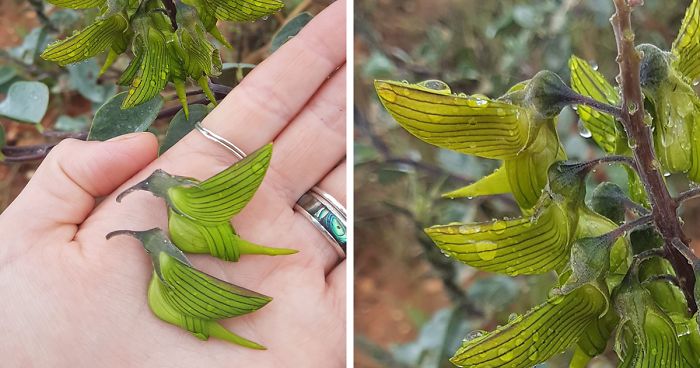
    A fascinating photo was recently posted to Reddit by the user “OctopusPrime,” showing flowers that looked just like hummingbirds. People commenting on the thread discovered that the plant was a Pareidolia.

    These flowers do not always look like hummingbirds, but because of how the petals grow, sometimes they do appear to show wings. Some experts who have found these plants in the wild also suggest that they sometimes look like butterflies.

    A postdoc scientist studying the evolution and ecology of flowers commented on the post, explaining some of the science behind the photo.

    Photo Credit: Reddit

    “This plant inhabits remote and arid Australia. The fact that the flower looks like a bird to humans cannot have evolved adaptively because as a signal receiver, there is nothing humans could have done to increase the fitness of individuals that evolved this signal (to look like a bird). Unless indigenous Australians in arid Australia bred or traded the plant because it looks like a bird,” the Reddit user SolitaryBee said.

    “We have no evidence for ornamental horticulture in indigenous Australian culture, further, the scarcity of water and food makes this a waste of resources, therefore highly improbable. Now one could argue that today, the plant has increased fitness because it is traded and bred due to its appearance. But that does not say anything about the selection that gave rise to the traits we find so interesting,” the anonymous scientist added.

    Photo Credit: bgpa.wa.gov.au

    The scientist’s post went on to explain that this is most likely an optical illusion, that is experienced only by humans based on our point of reference and how we perceive the world around us.

    Most animals probably don’t recognize this plant as being the same shape as a bird. In fact, if this plant appeared to be a bird to other plants and insects, it would probably never get pollinated. This is because birds are predators to bees, so they would avoid the flower instead of pollinating it.

    In the Reddit thread where the photo originated, there is a lively and intelligent discussion about the evolution of plants.

    Below are some other photos, showing the flower species from different angles.

    Photo Credit: Cressflower

    Photo Credit: australianseed

    Photo Credit: Atlas of Living Australia

    This content was originally published here.

  • Plants the Deer Don’t Eat – FineGardening

    Plants the Deer Don’t Eat – FineGardening

    Susan Esche has been facing the same problem as many gardeners: hungry deer.

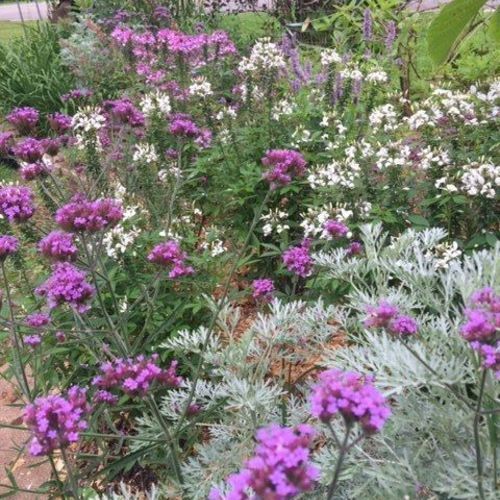
    My rural garden near a lake is becoming increasingly popular with the local deer, and this is shaping my design and plant options. Aside from a 20×20 fenced area for vegetables, everything else must be sufficiently unpalatable to survive here. Phlox is being replaced by agastache, Brazilian verbena (Verbena bonariensis, Zones 7–11 or as annual), artemisia, and cleome. The daylilies will be given away and replaced by nepeta, lamb’s ears (Stachys byzantina, Zones 4–7), bugleweed (Ajuga reptens, Zones 3–10), and Millenium allium (Zones 5–9). Purple basil, lantana, and variegated sage replaced pots of coleus. Ferns and Lenten roses (Helleborus sp.) replaced hostas in the shade. The smooth hydrangea (Hydrangea arborescens, Zones 3–9) is not immune to nibbling, but that midsummer pruning sometimes brings more flowers on the fresh growth. The southern magnolia (Magnolia grandiflora, Zones 7–11) gives year-round structure, as do golden false cypress and Hicks Yew. So far, the stately oakleaf hydrangeas (Hydrangea quercifolia, Zones 5–9) have escaped their notice, but I have already decided upon buckeyes (Aesculus sp.) if I have to replace those. I dare you to nibble on that, Bambi!

    Red buckeye (Aesculus pavia, Zones 4–8) is beautiful—and toxic. Deer leave it alone.

    Brazilian verbena is perennial in Zones 7–11 and often self-sows year after year in colder zones.

    Lamb’s ear has fuzzy leaves unpopular with deer, and small flowers very popular with bees.

    Allium ‘Millenium’ is a beautiful flower, and like most members of the onion genus, it is unpalatable to most deer.

    Clouds of purple verbena and pink and white cleome (Cleome hassleriana, annual) make a beautiful, deer-resistant planting.

    A huge white flower opening in the evergreen, and deer-resistant, southern magnolia.

    Agastaches have colorful flowers, and new varieties are always coming on the market. Like many plants with fragrant foliage, agastaches don’t count many deer as fans.

    Smooth hydrangeas are usually not on the top of deer’s most-loved list, so they can often do well despite the occasional nibble.

    Have a garden you’d like to share?

    Have photos to share? We’d love to see your garden, a particular collection of plants you love, or a wonderful garden you had the chance to visit!

    To submit, send 5-10 photos to GPOD@finegardening.com along with some information about the plants in the pictures and where you took the photos. We’d love to hear where you are located, how long you’ve been gardening, successes you are proud of, failures you learned from, hopes for the future, favorite plants, or funny stories from your garden.

    If you want to send photos in separate emails to the GPOD email box that is just fine.

    Have a mobile phone? Tag your photos on Facebook, Instagram or Twitter with #FineGardening!

    You don’t have to be a professional garden photographer – check out our garden photography tips!

    Do you receive the GPOD by email yet? Sign up here.

    Get our latest tips, how-to articles, and instructional videos sent to your inbox.

    This content was originally published here.

  • Your Guide to Rustic Style

    Your Guide to Rustic Style

    What Is Rustic Style?

    Rustic style wholeheartedly embraces the natural beauty of the outdoors. Materials are left as raw and unadulterated as possible, with exposed wood beams, brick and stone; big, comfy furniture; and warm, cozy textiles. Inspired by woods, plains, rivers and lakes, rustic style can be as simple and pared-back as a one-room log cabin or as jaw-dropping as a ski lodge perched on a mountainside. And while rustic style is inspired by the past, today’s interpretation can lean contemporary with more streamlined furnishings, depending on your personal design sensibility.

    Rustic style is:

    • Rugged. Furnishings are hardy and made to stand up to heavy wear. Materials are tough and weathered — pieces that look better with age fit right in.
    • Cozy. Rustic style embraces the home comforts we crave after a day spent outdoors, including fireplaces, overstuffed armchairs and warming textiles.

    Rustic style is not:

    • Complicated. Rustic style is about getting away from it all, not complicating life with fussy decor. Keep it simple and straightforward.
    • Trendy. Tradition and heritage are rustic style’s strong suits. Leave the passing fads in favor of pieces that will stand the test of time.
    • Polished. Think softly gleaming wood, not highly polished chrome, and you’ll be on the right track.
    Key Element: Rough-Hewn Wood

    In rustic spaces, wood is a key ingredient, not an afterthought. Whether you opt for wood beams, wall paneling, floors, counters, furniture or all the above, you can’t go wrong with natural wood in a rustic home.

    Key Element: Natural Hues

    Rustic homes tend toward colors pulled directly from nature — think of the rusty red of a fallen autumn leaf, not glossy fire-engine red. Echo the hues of natural materials like stone and warm woods with paint colors and accents in similar shades for a rich, cozy look.

    Great shades for rustic-style spaces:

    • Neutrals. Buttermilk, cream, straw, wheat, stone
    • Earth tones: Chestnut, mushroom, umber, terra-cotta, sepia
    • Spicy hues. Cinnamon, saffron, pumpkin, chile pepper, baked apple
    Key Element: Hefty Furniture

    Furniture that looks as strong as an ox will feel right at home in a rustic space. Look for solid wood coffee tables and leather armchairs and sofas. Solids make up the bulk of upholstery, with texture playing a larger role than pattern — think of buttery leather, soft velvet, nubby linen or even burlap, with classic details like tufts and nailhead trim.

    Design Detail: Chandeliers

    A chandelier offers just the right balance of big statement and soft glow for a rustic space, whether it’s a classic candelabra fixture, a wood wagon wheel or a naturally shed or resin antler fixture. For maximum ambiance, be sure to include a dimmer switch.

    Finishing Touches: Cozy and Outdoorsy

    Express a love and respect for nature and the outdoors through carefully chosen art, textiles and accessories that bring to mind the creatures, landscapes and traditions of your region and envelop you in cozy comfort.

    Classic accessories for rustic spaces:

    Do You Have to Live in the Mountains to Make Rustic Style Work?

    No way. Rustic style is about embracing the beauty of the outdoors, no matter where you live. In fact, incorporating a rustic look into a suburban or urban home can be a wonderful way to feel connected to nature, even if you can’t get away to the mountains as often as you would like. Case in point, this inviting rustic-style space is far from the mountains in Austin, Texas.

    Rustic Kitchen Design

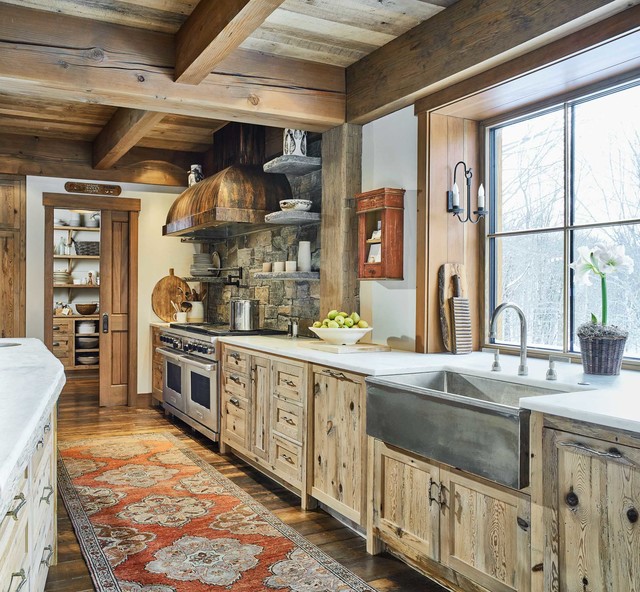
    With a tumbled slate backsplash, a copper farmhouse sink, a live-edge counter and lots of knotty lumber, this room is a spot-on example of a rustic kitchen done right. Rich with natural materials and exuding comfort and warmth, a rustic kitchen has wide appeal.

    Features of rustic kitchens:

    • Brick and stone. Natural materials are a must, and the less polished the better. Consider slate, soapstone, brick, stone veneer or even a brick oven or kitchen fireplace.
    • Natural wood. Exposed wood beams, wood flooring, knotty wood cabinetry, a farm table, butcher block and other wood accents bring warmth to a rustic kitchen.
    • Soft lighting. Of course you need good, bright task lights over your work surface. But in a rustic kitchen, it’s also nice to have the option to turn down the dimmer a bit and bask in a warm glow.
    • Weathered hardware. Go for cabinet pulls in antiqued brass, hammered copper or oil-rubbed bronze. Or opt for something more whimsical like twig- or stone-shaped hardware.

    Find a local kitchen and bath designer on Houzz

    This content was originally published here.

  • The 7 Best Gardening Apps for Android and iOS | Digital Trends

    The 7 Best Gardening Apps for Android and iOS | Digital Trends

    It doesn’t matter whether you have a green thumb or are horticulturally hopeless, the best gardening apps can help you to create and maintain beautiful gardens, grow fresh garden-to-table food, or become a brilliant botanist. Even if you live in an apartment, there are plenty of great gadgets for indoor gardens available to those who have no way to grow a garden outdoors.

    Here is a list of gardening apps that will help you identify plants, get expert advice, deal with pests, plan a brand new garden, and share your accomplishments with friends and neighbors. Check out even more great app suggestions in our comprehensive roundups of the best Android apps and best iPhone apps, along with our guide on how to grow herbs indoors.

    This popular gardening app — great for design inspiration — is home to a large community of friendly gardeners who are quick to offer care advice, identification help, and handy tips. You can keep a photographic journal of your garden and get reminders about pruning, or advice on the best spots for growth. You can also search the encyclopedia, see what’s popular, and follow other gardeners when you find plants and gardens that you really like. Recent versions add plant recognition features to help you quickly identify plants. Just point GardenTags at a flower or leaf and select Identify and add plant, and the app will find the plant name. The app also updated how to manage privacy and communication settings and let you set up your gardening task schedule according to your climate. Premium users on monthly, annual, or six-month plans can now change the season or frequency of various plant care tasks.

    Moon & Garden takes a unique lunar approach to planting and harvesting fruits, vegetables, and herbs in your organic garden. Using a biodynamic method, the app relies on the phases of the moon to advise you of actions you can take in caring for your garden for the following day. The app approaches gardening from a position that plants depend on lunar phases like full moon or new moon for successful sowing, repotting, transplanting, and harvesting, depending on the type of fruit, flower, or leaf you have. The app reveals not only the current phase of the moon and the zodiac sign, but also the weather forecast for determining optimal gardening conditions. The app lets you schedule your gardening tasks with its reminder feature and share your pictures with other Moon & Garden users via the Community feature. The app is free, but for 99 cents you can disable the ads.

    GrowIt allows you to join an enthusiastic community of gardeners, helping you to find inspiration, gather information, and share your own cultivations with the world.  This gardening app is good if you want to find out what plants will grow well in your local area. You’ll also find useful advice catalogued in projects or you can add your own. You can even ask the community to help you identify specific plants and rate other people’s gardens and check out the most beautiful ones out there if you seek more ideas. Recent upgrades let you zoom in on plant cards and images in questions for easier horticultural identification, share a plant card, navigate to another member’s profile, and get updated search results, improved mapping, and more.

    With Garden Answers Plant Identifier, you can snap a photo of a plant you want to identify and submit it to the app’s experts to find out what it is. It can automatically recognize more than 20,000 plants and if it can’t identify the plant in question, you can pay $2 to get an expert identification from a botanist with additional information and advice on its care. This app also identifies pests and has a robust Q&A section that covers more than 200,000 of the most common gardening queries. Recent updates expand the community function by letting you share your questions with the app’s Garden Answers community, in addition to streamlined plant ID and onboarding features, ad-free service, the ability to access all your questions and answers within the app, and enhanced answers to questions. Thanks to new plant recognition technology, the app promises instant answers to your questions.

    Gardenize helps you keep track of all the plants in your garden and offers information on how to care for them, including location, crop rotation, and yearly tracking of plants and crops. You can keep notes and photos of your plants in a single place. A dynamic news feed gives you perspective on how to keep your garden beautiful and healthy. Different sections of the app specialize in plants, types of flower beds or raised beds, and tasks such as watering, fertilizing, or harvesting. Document your plant development from seed to full grown plant, track the condition of the soil and duration of sunlight, and keep a running narrative of your garden with up-to-date photos. You can create a public or private account so friends can follow you and you can track gardens worldwide. The most recent version lets you use the app to drop in on your friends’ gardens as well as public gardens. The app is free, however if you want to export or download your information, you can choose to pay for up to 30 exports as PDFs, spreadsheets, or photo galleries.

    This app, previously called PlantSnapp, is targeted to both gardeners general plant owners. It features an huge plant library, but the real attraction is the ability to snap and upload a picture of a plant — or pest — and have an expert gardener identify it for you. It also allows you to add your plants to the app and generate a care calendar, which will send you notifications and remind you of what you need to do each month to order to keep your plants healthy. Connecting with plant experts is a premium feature, but you do get free stuff both when you download the app and every month, so you can connect to the experts even without a monthly, quarterly, or annual premium account. SmartPlant has teamed up with several commercial vendors so that if you scan plant barcodes at retail partners, you get all kinds of goodies like monthly care, or a free premium membership trial, and more.

    Gardenate ($1)

    If you’re looking for a simple calendar for planting garden vegetables, accompanied by an assortment of practical hints and tips, then have a look at Gardenate. Using this app, you can plan your garden, set a schedule, access detailed information on different vegetables, and use the Planting Now tab to see what to plant each month. The app offers details for growing nearly 100 popular garden vegetables, with specific planting information for the U.S., Australia, Canada, New Zealand, South Africa and the U.K. All the information is on your phone so there’s is no need for an internet connection while using the app. It’s minimalist and straightforward, making it a refreshing and simple alternative to many of the social media-style gardening apps out there. The Share your Garden feature can sync your information and notes with your other phones and tablets, if you wish.

    This content was originally published here.

  • 5 Vinyl Inground Pool Designs that You Can Choose

    5 Vinyl Inground Pool Designs that You Can Choose

    If you want a pool that’s easy and affordable to install, consider adding a vinyl inground pool. The vinyl pools are flexible and highly customizable. You can design the pool as per your backyard. Above all, it doesn’t take months to builds a vinyl pool. Rather, you can swim in your own pool in a matter of 6-8 weeks. Selection of design can be a bit tricky though. Here are some design options to consider:

    Freeform Vinyl Pool

    You can transform your backyard into a lakeside retreat with freeform pools that come in a range of shapes and sizes. The design contours of these pools merge well with the existing landscape. But, you need superb engineering and expertise to create the desired looks. Choose the best pool builders holding expertise in construction and installation of freeform vinyl pools.

    Rectangular Pool

    The simple rectangular pools are forever classy. If you have ample space in your backyard, consider adding a rectangular pool with fine edges and shiny surface finish. In fact, a rectangle is the most preferred shape in a vinyl inground pool. You can also opt for an L-shaped pool if you have kids around. Keep the smaller portion of pool shallow to allow safe swimming for young swimmers.

    Kidney Shaped Pools

    This is another popular choice of shape in vinyl pools. The kidney-shaped pools have deep ends that flair out with the radius. As the name implies, it looks like a kidney bean. Select this design for a contemporary look in your backyard.

    Grecian Pools

    The Grecian pools have clipped corners that give them a unique and stylish appearance. If you are looking to create a Mediterranean retreat in your backyard, you can choose this design. It is beveled corners and fluid lines that can merge with eccentric curves of your backyard. Deck it up with custom features like natural rock grottos to create a private oasis where you can escape.

    Oval Shaped Pools

    When you need plenty of room in your pool, choose oval-shaped vinyl inground pool. With its generous and streamlined shape, it is an inviting pool design for avid swimmers. If choosing a vinyl pool, prefer galvanized steel along with pool steps to ensure safe entry and exit.

    Roman Pools

    The generous proportions and classic shape of Roman pools can be imitated beautifully into vinyl pools. The roman design adds a striking focal point to your entire backyard space. It is a sophisticated design that can add a lot of pizzazz to the appeal of your garden. When choosing a shape as peculiar as this, lay your trust in an experienced pool contractor for the desired outcomes.

    Custom Shape

    If you have a shape in mind, talk to your pool builder to see if they can turn into reality using the vinyl liner. A custom shaped pool is completely tailored to your vision with modular configurations and integrated systems. Whether you want a lap pool or freeform design, custom-made pools are the best options for you.

    These are some alluring vinyl inground pool shapes and designs that you can choose for your backyard.

    • New Customer

      (Please tell us who you are referring)

    • Referred By

      (Please tell us who the referral is from)

    • Drop files here or

      Accepted file types: jpg, jpeg, gif, png, pdf, mov, avi, mp4.

      Upload images of your home and backyard for consideration on the show.

    This content was originally published here.

  • Summer Bedroom Tips – Soft French Country Style – shabbyfufu.com

    Summer Bedroom Tips – Soft French Country Style – shabbyfufu.com

    In this post I’m sharing summer bedroom tips that are simple and can give your room a feeling of relaxing calm. It’s my belief that it’s more than possible to have your home look polished and pretty and not have to spend a lot of money. We are all working within different budgets and while there are high end items that are fantastic, there are lower priced items that are nice too. Please don’t feel intimidated by this, I love to give you tips that you can take away and apply to your home. I’m also including links to either the products (SCROLL TO THE BOTTOM) that I have, or similar looks for your convenience.

    The look is here is soft, and what I like to call a French country coastal style. There are key pieces in any bedroom and once you are satisfied with those pieces you can build upon it and change things out seasonally. My summer bedroom tips are merely tips…as I don’t believe in firm decorating rules and your home should ultimately reflect YOU.

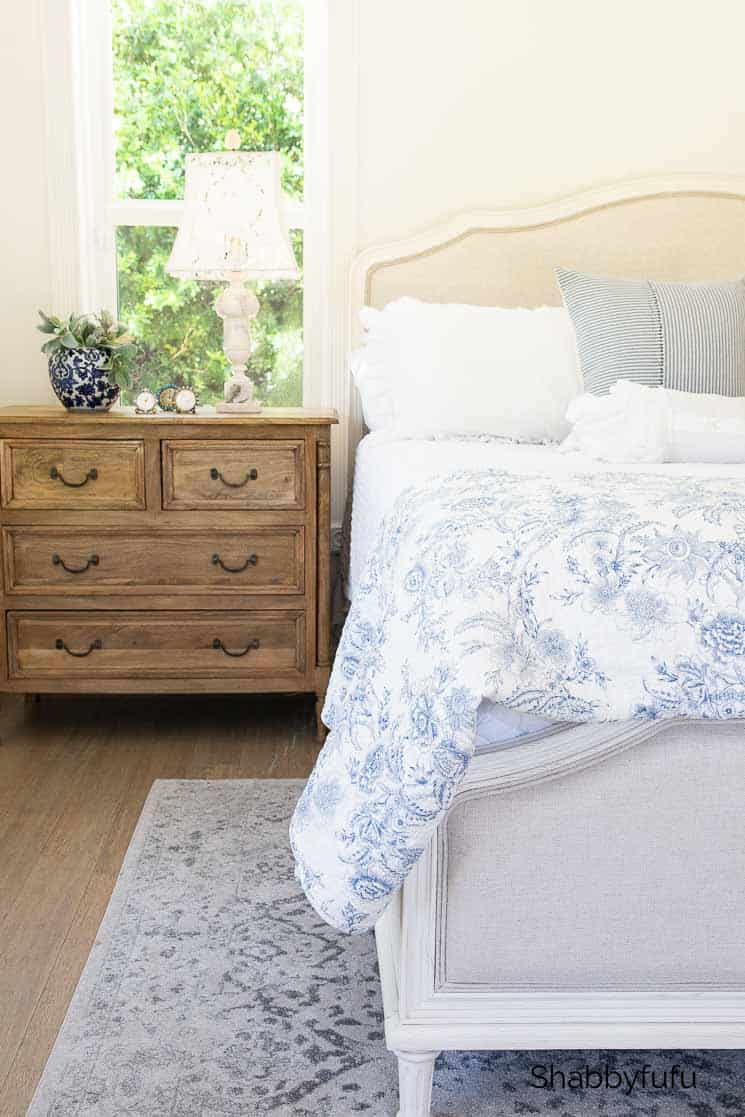
    Obviously the largest “key item” in your bedroom is the bed! I love my bed and by changing out blankets, pillows and throws seasonally it’s easy to achieve various looks. There is nothing quite as refreshing getting into a bed that has freshly laundered crisp white sheets in the summer.

    All of the bedrooms that I’ve designed over the years have a good set of white sheets. I’ve tried lots of brands and always seem to come back to Pottery Barn for much of my bedding. For my summer bedroom the look is pale blue and white, with ticking and toile that is a classic combination! The linen on the bed is a sand color and really shows off these pale colors well.

    You really don’t need lots of layers in a summer bedroom. I keep the blue and white toile quilt at the end of the bed just in case, as the air conditioner can really get cranking at night.

    A nice soft rug covers just the part of the bamboo flooring where we step around the bed. It’s a pale grey and has a distressed vintage look, which goes well with my love of all things vintage. A corner of the bedroom has a small stash of vintage items that I’ll eventually sell. We don’t have linen closets in our home, so a cabinet holds extra sheets and blankets. Keeping a room as clutter free as possible helps to impart that feeling of serenity.

    Sometimes I have a bench or a settee at the foot of the bed, but since no extra blankets are needed I’ve decided to keep this summer bedroom more open.

    Summer Bedroom Tips

    I recently switched out my nightstands for a set that has lots of storage. Game changer and I’ve linked a few similar below. I also think that the rustic reclaimed wood adds charm to the French country style that I love. I’ve incorporated vintage with rhinestone clocks and vintage alabaster lamps.

    On the opposite side of the bed there are 2 sets of French doors that we recently replaced with new. The fireplace mantel has a collection of old bottles for summer and you can see more about that in this post – How To Decorate With Collections.

    The French deconstructed chair in the corner is where I often sit and read or work on my laptop. The mirror brings in some additional light and reflects the pool, depending on where you are in the room. One of my favorite ways to bring light into a room is mirrors and always check what the mirror will reflect before hanging or putting in place. Above all, I think that we need to keep in mind that our bedrooms are where we retreat to at the end of the day. Sleep is essential to health and well being, so keep it light and commit to keeping a neat and tidy space!

    This content was originally published here.

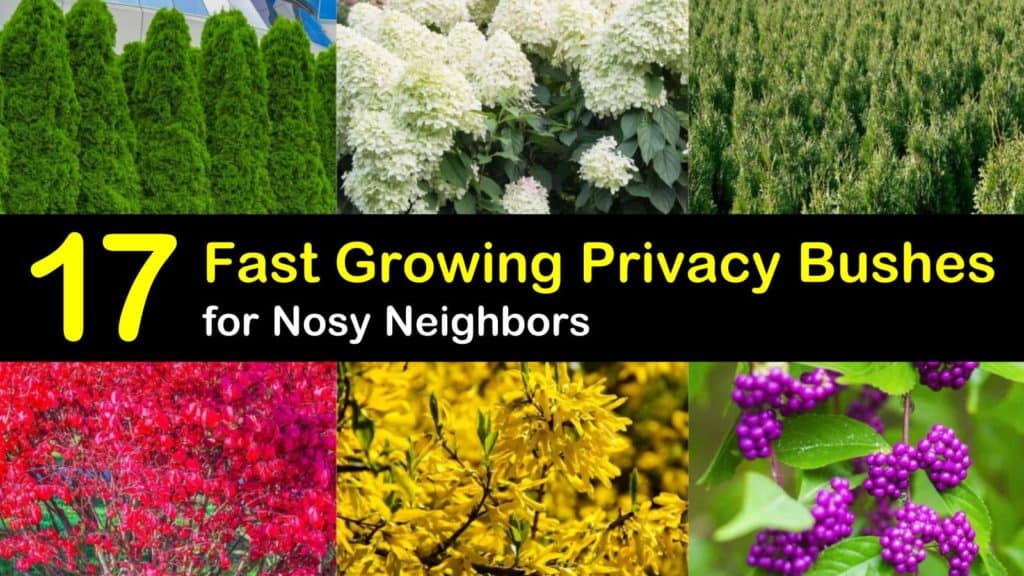
  • 17 Fast Growing Privacy Bushes to Deal with Nosy Neighbors

    17 Fast Growing Privacy Bushes to Deal with Nosy Neighbors

    People who reside in the city or near the streets have often have privacy issues. A house isn’t homey if you are frequently disturbed by cars on the road or by people walking by or through your yard. If you need some secluded space and do not want to spend too much money on iron fencing panels or wooden perimeter lines, consider planting privacy bushes.

    Many shrubs grow tall enough to block the view of nosy strangers lounging around the house. Generally, fast growing bushes can provide you a quick screen within a couple of months, and slow growing shrubs offer a thicker screen as they mature.

    Shrubs are smaller than trees, typically growing to twelve feet or less. Unlike trees, shrubs or bushes have thick foliage from top to bottom, leaving no space or holes for people to peek through.

    Here, you will find information about characteristics and planting requirements for seventeen bushes and shrubs. These details will help you pick the right privacy plant species suitable for your needs.

    Benefits of Planting Privacy Bushes

    Privacy bushes and shrubs for perimeter screening are amazingly versatile. They provide many benefits, aside from giving you a secluded retreat. For instance, some shrubs keep the area cool, and others work as effective windbreaks during the cold months.

    Flowering privacy shrubs also provide your surroundings with seasonal beauty with unique color, shapes or textural bark and stems. Some bushes are also insect repellents and deer deterrents.

    Other shrubs bear edible fruits for snacks or bird food. Many have juicy berries that attract songbirds during cold months when wildlife food is short in most areas.  

    Caring for Privacy Bushes

    Each plant has specific needs and requirements to mature appropriately. Typically, most privacy shrubs grow best in moist, fertile soil. But, if you live where there is not have an ideal planting environment, consider getting planting mix or other organic alternatives.

    Adequate watering is also critical. Know if the plant you choose needs a lot of watering or not so that you can avoid overwatering effects and vice versa. Some privacy bushes are drought tolerant, but still, they will need watering from time to time to survive.

    Lastly, if you have tall trees, check if the privacy bushes that you select can live in the shade. Your trees might cast a shadow over your shrubs and possibly hinder their growth. In general, most plants for privacy need a lot of sunlight exposure.

    Pruning, Trimming, and Clipping Privacy Bushes

    Planting hedges and low bushes around the house is a perfect option for low screening. For tall shrubs and other fast-growing plant species, pruning may be necessary.

    If you want to clip them, remember to keep the top of the hedge narrower than the base. This habit will prevent the plant from thinning and will avoid open spaces at the bottom part of the plant, where you want the foliage to be as dense as possible.

    Thuja Green Giant (Thuja standishii x plicata) – Fast Growing Privacy Bushes

    Thuja green giants belong to the group of evergreens called conifers. Conifers do not have flowers but produce cones instead.

    They are famous for use as perimeter plants because they are low maintenance, can cover large yards, and they mature close to each other. Because of these features, they are sometimes recognized as the best evergreen bushes for privacy.

    Aside from its superb performance in enclosing the yard, Thujas are resistant to common tree diseases and are very adaptable to different soil or weather conditions. These green giants are fast growing privacy plants and only require little water. Pruning is not a problem; plant them a few feet apart, and in no time, you can have a concealed backyard.

    Green Columnar Juniper (Juniperus chinensis)

    The green columnar juniper is a durable evergreen that offers a perfect privacy screen for areas where other evergreens won’t thrive. It is not picky, and it can grow even in poor, rocky soil. It can also tolerate drought and heat. The height can peak up to fifteen feet or more in a short time.

    The colors of the leaves are rich dark-green and are not quickly burned in the sun or cold. If you want a dense hedge for screening, easy-care accents, and putting up greenery, the green juniper is an ideal option.

    You can prune or clip the juniper or let it grow naturally. Once established, you will find that this is one of the easiest privacy bushes to grow, and the perfect option if you do not have a lot of time for gardening.

    Emerald Green Arborvitae (Thuja occidentalis)

    If you want privacy trees for every purpose, the emerald green arborvitae is the best pick. Unlike Thuja Green Giants, these trees only grow from eight to twelve feet.

    They can grow in smaller spaces as a tall privacy fence without the hard work of regular trimming and other maintenance. To grow them as hedges, plant them three feet apart.

    Fast Growing Hedges – Leyland Cypress (Cupressocyparis leylandii)

    The Leyland Cypress is a fast growing privacy hedge that can grant you a secluded retreat. It is one of the most common fast growing evergreen trees in the United States. It grows around three to five feet every year and can thrive within USDA plant hardiness zones 6-10.

    The green foliage will provide you pleasing feathery look. Leyland Cypress prefers full sunlight and can tolerate some shade.

    Furthermore, Leyland Cypress trees are drought tolerant and grow best in fertile, moist soil. Don’t overwater to avoid yellowing of the foliage.

    Redtwig dogwood (Cornus sericea)

    The redtwig dogwood is an attractive year-round shrub that can reach a mature height of three to twelve feet tall, depending on the location and the amount of pruning. It is cultivated mainly for the bare twigs’ red color in the winter, which looks striking against a white snowy background.

    These low-maintenance privacy shrubs also make an attractive informal hedge. It is especially useful if your garden or yard has water nearby like a pond because it is perfect for boundary plantings. If you also need a perfectly natural way to mark your property boundary, redtwig dogwood is a lovely choice.

    Lo and Behold Butterfly Bush (Buddleia hybrid) – Flowering Privacy Bush

    If you are looking for the best bushes for front yard or lawns, consider planting a butterfly bush. Aside from the fact that it has pink to reddish spike-shaped flowers, its grey-green foliage is also beautiful, as it intensifies the opposing contrast of colors between the leaves and the flowers.

    These plants easily thrive in a sunny or dry place with well-drained, sandy soil. They grow quickly to a mature height of only two feet, so for you to have a medium height privacy bush, you might have to get a planter or pot. Either way, you will love these flowering shrubs because they always have flowers. They also produce a honey-like fragrance that attracts butterflies, where they feed on the sweet nectar.

    American Holly (Ilex opaca)

    You might think American Holly is a Christmas plant with red berries or winter berries, but what you might not realize is that it is a stunning deciduous shrub. In the spring, this privacy plant bestows exquisite white flowers. Once winter arrives, prepare yourself to see red berries against green leaves, a stunning look that makes the holly the tree of the American winter.

    The Pennsylvania Horticulture Society awarded this hardy tree with a Gold Medal for its ability to survive in different environments. It grows in full or partial shade, and it is also tolerant to drought. It does not require a lot of trimming or pruning and is resistant to pests and diseases.

    Cold Hardy Bush – White Panicle Hydrangea (Hydrangea paniculata)

    White Panicle Hydrangeas are best for smaller gardens in cold areas. They have a large rounded clump of stunning white flowers. Their stems are very durable, keeping the flower heads upright and preventing them from flopping, so they always look great.

    Like other types of bushes for front of house, hydrangeas are of moderate size, peaking up to only six feet tall. They survive just as well in warmer regions, where the flowers bloom in early summer.

    These bushes are easy to grow anywhere because they are heat resistant, sun-tolerant, and not picky when it comes to soil type. They can live well even in partial shade or full sun and usually are disease or pest free.

    Dwarf Burning Bush (Euonymus alatus ‘Compactus’)

    The Dwarf Burning Bush is a deciduous shrub that matures compactly. In the late season landscape, it creates a sensational ornamental accent due to its awe-inspiring foliage. Its dark green leaves turn into the most brilliant bright red or scarlet late fall color. Mature height is about four feet tall.

    They are relatively straightforward to care for – all you need is a sunny spot with properly-drained soil. To care for burning bush shrubs, water them regularly, especially during warmer months. Prune only when necessary and enjoy their brilliance against evergreen shrubs.

    Compact Japanese Holly (Ilex crenata) – Evergreen Shrubs for Privacy

    The Compact Japanese Holly is a remarkable substitute for boxwood in humid or warmer regions where boxwood cannot survive. It has small, evergreen foliage and grows much faster than boxwood plants.

    These fast-growing bushes can grow up to five feet tall, which makes them excellent hedges. This holly is easy to care for because this species is tolerant of humidity, heat, and drought. So, if you want fast growing shrubs or ground covering plants that won’t take too much of your attention, consider these shrubs.

    Summer Blooming Wine Ninebark (Physocarpus opulifolius)

    Summer Blooming Wine Ninebark has been around for decades. However, many people, even long-time gardeners, do not know a lot about this native American shrub. Offering four-season interest, these easy perennial plants grow six to eight feet tall.

    The ninebark produces beautiful white flowers in spring that turn into berries over a couple of weeks. As a hardy shrub, it thrives in cold temperatures and grows in various types of soil, which makes it unique because other quickly growing bushes are picky with planting soil conditions. This shrub’s upright arching form is lovely, making it the perfect solution for transforming mundane corners of any garden.

    Mosquito Deterring Shrub – European Pennyroyal (Mentha pulegium)

    European Pennyroyal is a plant that is scientifically known as Mentha pulegium. It also belongs to in the mint family and is one of the most common bushes that repel mosquitoes.  Aside from that, its leaves are edible. Dry or fresh leaves harvested from pennyroyals can be extracted to use as condiments or tea.

    Pennyroyals parade their flowers in August to October, and the seeds ripen during late fall. They grow in various types of soil in any acidity level and can survive in partial to no shade.

    Lynwood Gold Forsythia (Forsythia x intermedia)

    Lynwood Gold Forsythia is one of the first blooming shrubs in early spring or late winter. It bursts into glorious yellow-golden large flowers before any leaves appear, even when there are snow patches still lying around.

    This plant grows up to six or nine feet horizontally and vertically. It can grow in clay soil or other types of soil where most shrubs won’t grow. The Forsythia can also thrive in harsh city-life conditions and serves as an excellent flowering privacy screen hedge in full yellow bloom every spring and as a rich-green barrier afterward.

    American Beautyberry (Callicarpa americana) – Privacy Fruit Trees

    American Beautyberry, also known as French mulberry or simply beautyberry, is a deciduous shrub that is common in the southeastern United States. It typically matures to a height of four to five feet, and many gardeners love it for its spectacular bright purple berries. For a privacy hedge that also serves as a fruit tree, you’ll enjoy seeing beautyberry’s fruit hanging on the stem in plump clusters.

    The pink spring flowers bloom until mid-summer. Although some people think they are poisonous, beautyberry is edible.

    It can grow in partial shade and moist conditions. It is a large understory foliage shrub with an arching form that makes it useful as a screen in a garden or greenhouse setting. You can also leave it to grow naturally into a tall shrub.

    Furthermore, researchers found a compound called callicarpenal in the leaves of beautyberry. It is thought that this chemical can be used as a natural insect repellent.

    Chinese Fringe Flower (Loropetalum chinense)

    Chinese fringe flower is a small genus of shrub species in the witch-hazel family. It has spider-like blooms that show starting in late winter or early spring. It is native to woodlands of China, the Himalayas, and Japan.

    To plant Chinese fringe flower, select an area with partial shade rich in humus and well-drained soil. It is generally problem-free and is perfect for use as a shrub border. You can either grow it in pots, planters or directly in the ground.

    Sensation Lilac (Syringa vulgaris) – Deer Repelling Shrub

    If you need quickly growing bushes to give you privacy at home, you might like Sensation Lilacs. They will not only give you the seclusion you need from nosy neighbors but, they will also deter wild animals. With lilacs, you have a natural deer repellent recipe. So, to keep them away from your home, plant them around the perimeter.

    Another feature that many people love about lilac is that they are fire retardant, which means they are perfect for planting around homes that are susceptible to wildfires.

    Growing lilacs involves using reasonably fertile soil that is neutral or at least slightly non-acidic and well-drained. Also, these shrubs prefer full sun, so pick a spot where no tall trees overshadow your lilacs.

    Doublefile Viburnum – (Viburnum plicatum var. tomentosum)

    The Doublefile viburnums are medium-sized shrubs that bloom with beautiful little white flowers in the springtime, typically from April to May. They have dark green foliage on a dense, multi-stemmed bush that is oval.

    In autumn, the green leaves turn to beautiful burgundy red. The blooms group together in flat clusters, of about two to four inches wide, which gives way to small fruits that bear seeds.

    These color changing shrubs have many applications for landscaping. You can use them as single specimen plants or plant them in groups to form shrub screens or hedges and perimeter borders. They are incredibly easy-to-care-for and do not have many problems in terms of pest and plant diseases.

    Privacy at home is essential. Expensive fencing materials like wood and iron panels are not necessary to provide the seclusion needed for a solitary retreat. Sometimes, you only need to let the beauty of hedges and privacy shrubs enfold you and your home. Many shrubs and bushes mature quickly, providing you the privacy that you desire in no time.

    We hope that you enjoyed reading about privacy bushes that you can plant around the perimeter of your yard. If you found the information on the best bushes for privacy interesting, please share our bush plant suggestions with your family and friends on Pinterest and Facebook.

    This content was originally published here.
  • Barn Wood Coffee Table | Facil Furniture

    Barn Wood Coffee Table | Facil Furniture

    Barn Wood Coffee Table – Coffee tables are frequently the central emphasis of a living location as well as as a result have a incredible impact on a space’s design as well as ambiance. A sensible choice could produce a sensation of design as well as consistency whilst a inadequate choice could make a space appearance disordered as well as could bewilder the other furnishings, making the space look smaller as well as really feel less linked.

    The choices that you make concerning the size, shape, expense, material as well as design of the coffee table are hence vitally important to making your living-room a inviting space as well as setting the tone that you desire for your house. Next off, we will give you a few pictures of Barn Wood Coffee Table could be your ideas.

    Best Barn Wood Coffee Table Rustic Barnwood Coffee Table Coffee Lover And Enthusiasts

    Before starting your look for the best coffee table you must as a result work out exactly what it is that you want from it. Do you want it to be purely decorative- to produce a contemporary as well as elegant declaration, or are you a lot more curious about its features- do you intend to eat from it, place beverages on it, store magazines in it or utilize it as a screen cabinet?

    The Barn Wood Coffee Table can be beneficial inspiration for those who seek an image according specific category Coffee Table; you can find it in this site. Finally all pictures we have been displayed in this site will inspire you all.

    Pictures Gallery of Barn Wood Coffee Table

    This content was originally published here.
  • If you build it, they will come… sometimes | Backyard and Beyond

    If you build it, they will come… sometimes | Backyard and Beyond

    But not always. This wannabe Purple Martin colony waits patiently at the Narrows Botanical Garden. The half dozen bird-shapes are decoys It’s thought that the birds like to see that someone has done some recon. The so-called “scout” phenomenon of martins who arrive weeks in advance of others at a colony is, in explained by this: veteran birds returning to their nesting colony do it faster than the year-olds. Having made it back once, they’re able to do the migration rather quicker in subsequent years. (The oldest Purple Martin on record was 13-years-old.)

    I don’t know of any Purple Martins nesting in Brooklyn. It’s certainly possible to see them passing through during migration. Meanwhile, here’s an established colony on Staten Island. Here’s another at Great Swamp.Meadows, meanwhile, are a very good bet for attracting: pollinators; the creatures that eat pollinators; creatures that eat plants; creatures that lay their eggs on plants. It cascades, it becomes more complicated, it triumphs over the sterile, water-wasting, poison-filled grass lawn.This hillside in Green-Wood is looking good. More than 99% of the place is still grass, though. Gotta start convincing people that life is better than lawn, and Green-Wood that its honeybee hives are a mistake.

    This content was originally published here.