Category: Health

  • An Empowering Way to Respond to Hurtful People

    An Empowering Way to Respond to Hurtful People

    “Cause peace and love ain’t so far
    If we nurse our wounds before they scar.”
    Alicia Keys

    I can vividly remember certain times in my life when I have been deeply hurt, shamed, excluded, or violated by someone.

    I clearly remember wanting the violators to understand the pain they caused, offer me a genuine apology, and hear them pledge to never do it to anyone else.

    That happened once.

    All the other times, there was either no resolution or no remorse. I walked away from the painful experiences feeling angry, conflicted, hopeless, and confused.

    When my daughters began coming to me with their own hurtful experiences, I felt a familiar wave of unsettledness. In a few cases, there was somewhat of a resolution. But most of time, resolution did not happen. The person who inflicted the pain was either unremorseful, unaware, or unchanged. My children’s hurt was their hurt to bear and to deal with as best they could. As we talked through it, I wondered, is this it? Is this all we can do when someone hurts us?

    Then last spring, I came across a powerful perspective offered by renowned author and speaker for young people, Kari Kampakis. Kari wrote:

    “Everyone in your life serves a purpose. Everyone has something to teach you.

    And while people who are kind and friendly help teach you who you do want to be, those who are not kind and friendly teach you who you don’t want to be.

    So when you encounter someone who hurts your feelings, lean into that feeling. Ask yourself what they did to make you feel that way. Was it the words they chose? Their tone? The way they picked favorites and then ignored everyone else?

    Whatever they did, make a pledge. Promise yourself that you’ll never treat anyone the way they treated you. This is how you become a kinder and more compassionate person. This is how you learn from their mistakes.

    And when you meet someone you really like, lean into that feeling, too. Ask yourself what they did to make you feel so good. Then make a pledge to yourself to be more like them. This is also how you become a kinder and more compassionate person.

    Regardless of how anyone treats you, you stand to benefit. While some people teach you who you do want to be, others teach you who you don’t want to be. And it’s the people who teach you who you don’t want to be that provide some of the most lasting and memorable lessons on social graces, human dignity, and the importance of acting with integrity.”

    That’s it! I thought hopefully. This empowering perspective was the resolution I’d been searching for all these years. Kari’s perspective—that even hurtful, unresolved experiences can feel resolved by viewing them as a learning experience—was both empowering and liberating.

    Just when you think there isn’t anything you can do, there is.

    That hurtful person can teach you how to be a more compassionate human being who someday makes someone else’s life better with that knowledge.

    I knew I’d be using Kari’s wisdom in my own life and with my daughters – little did I know the very day I read her words, they would be needed.

    As we were driving home from swim team practice, my younger daughter, who was nine at the time, said something happened at school that made her very sad. She has given me permission to share.

    When she told her friend she was going to have to have surgery, the friend immediately went into worse surgeries people she knew have had.

    My daughter further explained that each time she shares either bad news or good news with this friend, she treats it like a competition and tries to “outdo” my daughter.

    Talking to her friend about how her response made her feel only caused her friend to become defensive and angry.

    “She walked away mad, Mama,” she said sadly.

    After talking for a few minutes about what that response says about her friend’s own insecurities and how one friend typically can’t meet all our needs, I had something empowering to offer.

    “Take a moment and envision this person as a teacher. While she may seem like an unlikely teacher or an unqualified one, see this person as someone here to teach you something. What did she teach you today?”

    My daughter thought for a moment. Then she said, “To be happy for other people’s good news and not be jealous. And to give comfort when people tell me they are scared or when they share bad news.”

    “Yes, exactly!” I said. “I’m very sorry you had that experience today. It doesn’t sound like that friend is going to change anytime soon, but all hope it not lost because you can be the change! Now when someone tells you something bad or good going on in his or her life, you can respond with the compassion you would have liked to receive today.”

    I told her it might be a good idea to make a pledge of what she’s going to do, as Kari mentioned in her article. When we got  home, we made a pledge book. We both agreed to use it whenever an unlikely teacher taught us something through a hurtful experience.

    Some of our pledges include:

    I pledge to try and remember to ask others, “how are doing?” and really listen.  

    I pledge to be honest.

    I pledge to pick up guests on time when they travel a long way.

    I pledge to be nice to people who are lost.

    I pledge never to say, “You owe me,” after I do something nice for someone.

    I pledge to support someone’s dream no matter how farfetched it is.

    I pledge not to judge someone based on appearance.

    I pledge to give my full attention when someone is talking to me.

    I pledge to consider who I might be excluding.   

    I pledge not to dismiss someone’s feelings just because I deal with things differently.

    I pledge not to talk about someone’s weight.

    I pledge not to jump to conclusions.   

    I pledge to make it easy for people to be themselves around me.   

    Our pledge book has been very cathartic for us. Taking hurts and offenses and turning them into positive intentions feels empowering and healing. I even revisited some of my unresolved past hurts and made them into pledges. I was surprised at the relief and closure that mere action brought to my soul.

    But I must say, the pledge book has been most helpful to us right now, in a time of great divisiveness and pain in our country. Recently, my daughter’s pledge reflected what I have been seeing amongst some adults. She gave me permission to share.

    I pledge not to call people bad names just because they have a different opinion.

    She had been hurt. And when she told the person that the name-calling hurt her feelings, she was met with anger and opposition. While the tendency might have been to:

    Lash out

    My daughter did something better.

    She pledged to stop the hurt rather than perpetuate it.

     She pledged to be the change she wanted to see.

     She pledged to take a negative and turn it into a positive.

    And I am seeing it. I am seeing the pledges in her book come to life through her actions and words–and mine too.

    You might say the pledge book sitting on my dresser is A Playbook for Bettering Humanity.

    Just imagine for a moment, if we all had one.

    When hurtful words are thrown like confetti,

    When harsh judgements are made in a couple of keystrokes,

    When pain cuts deep and resolution is nowhere near,

    We could pause and ask ourselves: What is this person here to teach me?

    And from that unlikely teacher, a painful experience could become a heartfelt pledge, igniting hope for all of humanity.


    This content was originally published here.
  • Move Over Therapy Dogs. Hello, Therapy Cows.

    Move Over Therapy Dogs. Hello, Therapy Cows.

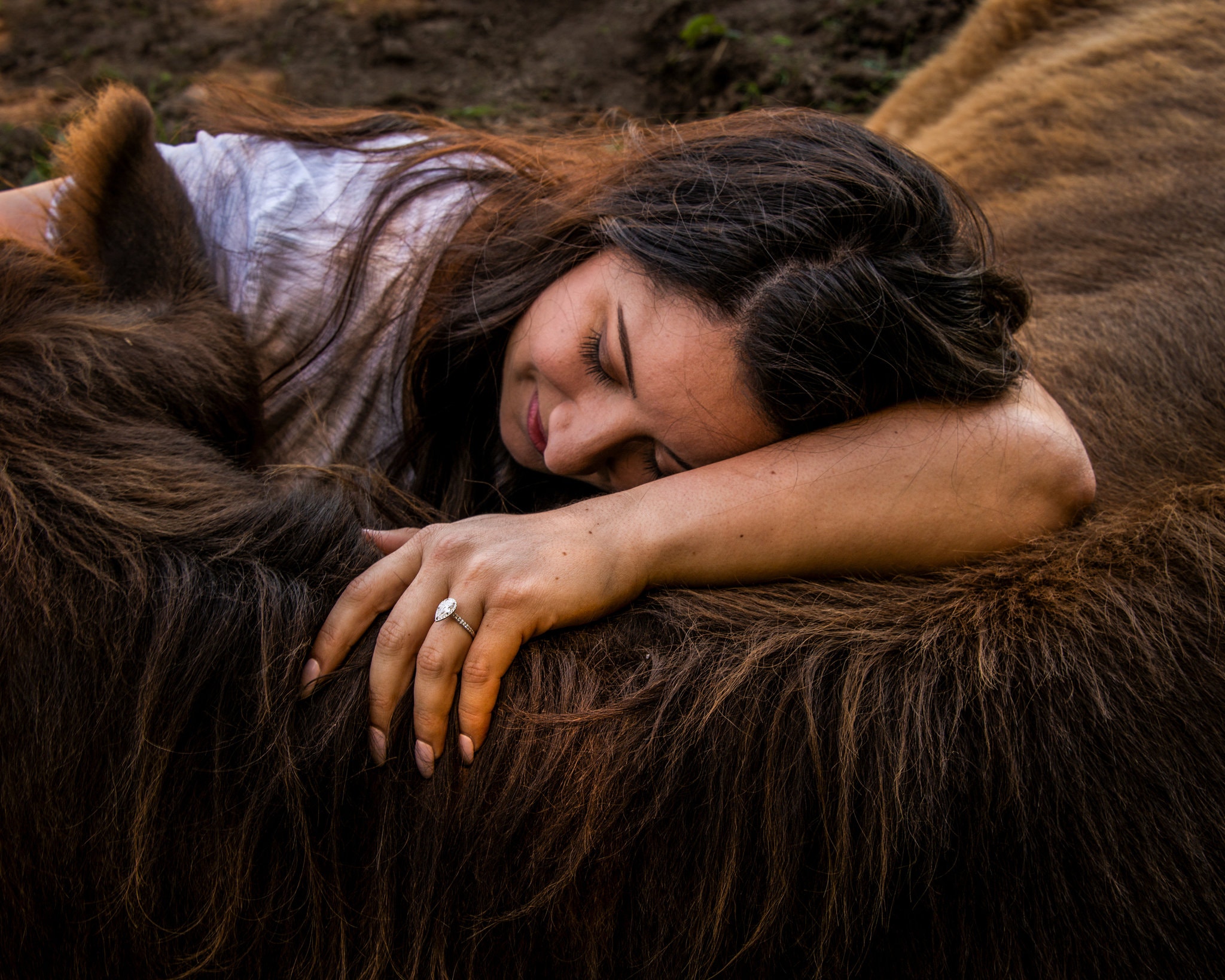
    Even without a psychology degree, Bella’s natural talents made her an excellent therapist: She is calm and accommodating of a range of personalities, with the patience to listen to endless problems without so much as a judgmental moo. From a lush, secluded pasture on the Mountain Horse Farm, a 33-acre bed-and-breakfast in the Finger Lakes region of New York, 3-year-old Bella and 2-year-old Bonnie are the highlander-angus crossbred cows that provide animal-based therapy. Cow cuddling, as the practice is called, invites interaction with the farm animals via brushing, petting or heartfelt chats with the bovines. The experience is similar to equine therapy, with one game-changing difference: Horses tend to stand, but cows spontaneously lie down in the grass while chewing their cud, allowing humans to get even more up close and personal by joining on the ground and offering a warm embrace. As more people are turning to a variety of animals — dogs, ducks, alligators — for their mental health, states are cracking down on how and when therapy animals can be used. But cows? You can’t take them with you.

    Rudi Vullers, who runs the Mountain Horse Farm with his wife, Suzanne Vullers.CreditShane Lavalette for The New York Times
    “Can you see how quiet she gets?” said Suzanne Vullers, 51, an accountant turned equine therapist who co-owns the bed-and-breakfast with her husband, Rudi Vullers, also 51. “That’s what we’re looking for,” she said. “For the person and the cow.”

    Hailing from the rural town of Reuver, in the Netherlands, the pair came across “koe knuffelen,” which means “cow hugging” in Dutch, on a return visit to their homeland two years ago. In parts of the Netherlands, cow cuddling is offered as part of half-day visits, and is part of an larger movement to connect people with country life. In the major urban center of Rotterdam, a newly opened floating dairy farm in the city’s oldest port invites city dwellers to visit the beasts. About a decade earlier, in 2007, Mr. and Ms. Vullers — he a former supply chain manager, she a former accountant — traded their corporate lives to set up their farming shop in Naples, N.Y. (Population: 2,500. Claim to fame: a grape festival that takes place in the fall, with a competition for grape pie.) The idea of cow cuddling opened the barn gates. In May of 2018, they purchased Bonnie and Bella, selecting them for their gentle personalities and lack of horns. “A lot of cows are not suited for it,” Mr. Vullers said. ”They can chase you out of the field.”

    source

  • Leaves Of Grass: Views Of Greenery From Home, Work Help Reduce Harmful Cravings

    Leaves Of Grass: Views Of Greenery From Home, Work Help Reduce Harmful Cravings

    So much of modern life happens indoors. From offices to apartments or homes, most people in today’s day and age find themselves cooped up inside for most of the day. Spending more time outdoors has long been linked to a more positive mindset, but now a study has concluded that just seeing greenery on a day-to-day basis can put us in a better mindset and reduce harmful cravings for substances such as alcohol, cigarettes, and junk food.

    According to the study out of the University of Plymouth, being able to see greenery and nature from your home will lead to less frequent, and intense cravings. The research builds off of previous work that has established a link between exercising outdoors and reduced cravings, but the study’s authors assert that exercise isn’t necessary to reap the benefits of nature.

    “It has been known for some time that being outdoors in nature is linked to a person’s wellbeing. But for there to be a similar association with cravings from simply being able to see green spaces adds a new dimension to previous research. This is the first study to explore this idea, and it could have a range of implications for both public health and environmental protection programmes in the future,” explains lead researcher Leanne Martin in a release.

    Participants in the study filled out an online survey that asked questions about their daily exposure to nature, usual cravings, and how often they experience negative emotions. Regarding nature, the survey measured participants’ exposure to greenery in their own neighborhoods, the amount of foliage visible from their homes, access to a garden, and how often they frequent public parks.

    The results indicated that daily access to a garden or other green spaces lowered the frequency and occurrence of harmful cravings. Additionally, the ability to view nature from one’s home caused similar results. Researchers also took exercise into account in the surveys, but they found that participants reported less cravings after seeing nature regardless of whether they exercised or not.

    source

  • Researchers Find That Gardening Soil Is A Natural Antidepressant | Spirit Science

    Researchers Find That Gardening Soil Is A Natural Antidepressant | Spirit Science

    Gardening enthusiasts adamantly tout the long list of benefits include stress reduction and mood improvement. But, why stop there? Could tending to a garden, breathing in fresh air and exposure to Vitamin D sunshine rays help those suffering with depression? The votes are in and experts say “yes.”

    The answer lies in the actual antidepressant microorganisms in the soil.

    Antidepressant Microbes in the Soil

    Mycobacterium vaccae (M. vaccae) in dirt and soil naturally activate the release of serotonin and dopamine in the brain.

    Together, these neurotransmitters send chemical messages to the brain: dopamine affects your emotions via sensations of pleasure and pain, while serotonin regulates our mood, social behavior, libido, memory and sleep.

    When gardening, these microorganisms absorb into your skin and are inhaled with each breath. Upon entering your bloodstream and respiratory system, they quickly get to work – boosting your mood and subsiding your pain.

     According to O’Brien, not only did the vaccae microbial bacteria improve their immune system, but patients also demonstrated a sizeable boost in their happiness, vitality and pain relief.

    Study: Soil Organisms and Performed Behaviour

    According to a study conducted by neuroscientists Dorothy Matthews and Susan Jenks, published in the Behavioural Processes Journal, “eating, touching and breathing a soil organism may be tied to the development of our immune system and nervous system.”

    The research was conducted on mice, administered M. vaccae and put through a series of behavioral tests. Not only were the mice less anxious, but they also demonstrated boosted cognitive functioning – navigating a maze twice as fast as their placebo counterparts who weren’t administered any microorganism.

    According to Matthews, these findings lay the foundation for human adolescent schooling practices, “it is interesting to speculate that creating learning environments in schools that include time outdoors where M. vaccae is present may decrease anxiety and improve the ability to learn new tasks.”

    Professor Graham Rook at the University College London has weighed in on the issue. Rook points to the gastrointestinal tract, the home to a hundred trillion microbes at any given time.

    These bacteria are a product of both genetics and lifestyle, interacting with our entire body, from our lungs to our gut. Deficiencies in microbial exposure, Rook argues, is the link between the rise in chronic health problems, including both autoimmunity deficiencies and depression.

    This brain-gut connection proves to be the bridge between gardening and mental health.

    Get Dirty: Gardening for your Brain

    The long-held benefits of gardening, as proven here, are true. Not only is gardening an exceptional activity to incorporate into your daily routine, but the release of happy neurotransmitters are undeniable.

    From the soil brain-boosting benefits to the grounding effects of nature, getting down and dirty by tending to a garden proves to be a worthy investment in your mental wellbeing.

    What are you waiting for? Start a garden, get outside, enjoy nature and get dirty.

    This content was originally published here.

  • People Are Skipping 4th Of July Fireworks To Comfort Scared Shelter Dogs

    People Are Skipping 4th Of July Fireworks To Comfort Scared Shelter Dogs

    Just like New Year’s, July 4 isn’t exactly a holiday for most pups. In fact, fireworks and other loud noises can even make it a nightmare. And, while our family furballs have the commodity of hiding under the bed, shelter dogs aren’t so lucky. However, one shelter came up with a brilliant idea to help these homeless pups relax through the blasting holiday.

    “When they have these noise phobias, it’s horrible,” noted veterinarian Marty Becker said. “A lot of times these dogs will self-mutilate. I’ve had dogs come in that have run through a plate-glass window. They think they’re going to die, and when you think you’re going to die, you do crazy things.”

    source

  • Toxic caterpillars spark health scare across Germany

    Toxic caterpillars spark health scare across Germany

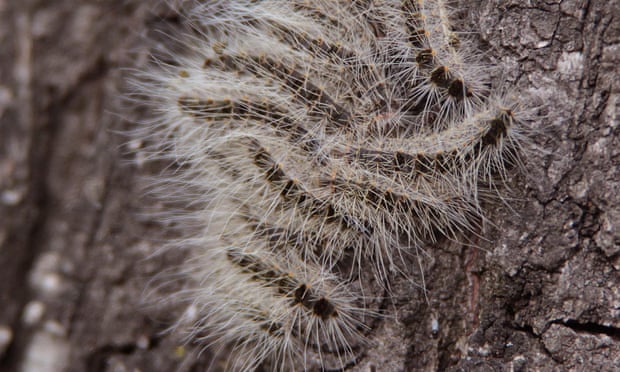
    Marauding caterpillars with toxic hairs have brought parts of Germany to a standstill, leading to closures of swimming pools, restaurants, public parks and sections of the motorway. Oak processionary moth caterpillars, named after the nose-to-tail processions they form to travel between the oak trees they devour, have fine, long hairs with an irritating toxin that can cause blistering rashes, feverish dizzy spells and asthma attacks. For years, the caterpillar used to be a relatively rare sight in Germany, found only in isolated areas of woodland. But following a this year’s mild spring and warm, dry summer, the oak processionary’s nests have been found in large numbers all over the country. Cities and towns in Brandenburg, Saxony-Anhalt, Baden-Württemberg, Bavaria and the western state of North Rhine-Westphalia have been particularly badly affected. In the city of Münster, six people had to have eye operations to remove caterpillar hair that got stuck in their corneas. In Mülheim, nine children were taken to a hospital last month after suffering rashes and breathing problems during a sports day.

    “It’s terrible everywhere,” Thomas Schwolow, an administrator in the municipality of Issum, where numerous trees have been affected, told Rheinische Post. “It would be great if it would rain so that at least all the hair on the leaves and in the air could be washed away,” he added. Dortmund’s Fredenbaumpark, where nearly 500 trees were found to be infested, was closed for three weeks, broadcaster Deutschlandfunk reported. “The oak processionary infestation this year is very intensive – much more than last year,” said the park’s manager, Frank Dartsch. In Nuremberg, organisers of a rock festival had to hire a private company to remove processionary nests that had infested about 50 trees where the concert was due to be held. In Frankfurt, authorities have used helicopters in the battle against the caterpillar, spraying 220 hectares of forest with biocides that stop the larvae from eating oak leaves and makes them die off.

    Near Hamburg in northern Germany, parts of the A1 motorway were closed for three nights in May so firefighters could tackle infected trees. Authorities were concerned that the caterpillar’s hairs, which are almost invisible, could affect the health of drivers and local residents. In Louvain, Belgium, firefighters had to destroy nests of the invasive species before a rock concert. Oak processionary moth caterpillars begin to pupate in early July, but the threat posed by their nests remains. Each caterpillar can have up to 700,000 hook-ended hairs, and the toxins they contain can remain active several years after the caterpillar has pupated into an adult moth.

    source

  • Mental Illness: Brain Disease or Gut Disease? | Psychology Today

    Mental Illness: Brain Disease or Gut Disease? | Psychology Today

    Almost 30 years ago, the U.S National Institute of Health declared the 1990s ‘the decade of the brain’. Since then, considerable funding has been devoted to psychiatric research exploring various aspects of brain science.

    Some scholars have argued that this was a nodal point in the history of psychiatry, marking a reorientation from a biopsychosocial model to a ‘bio-bio-bio model’, which remains dominant today. This emphasizes three factors: neuroscience, psychiatric genetics and psychopharmacology.

    This led to groundbreaking new knowledge in areas such as neuroplasticity, brain architecture and molecular genetics. That said, subsequent research offered inconclusive evidence for popular hypotheses regarding the ‘chemical imbalance’ theory of mental illness.

    For example, ‘the dopamine hypothesis’ of schizophrenia and ‘the serotonin hypothesis’ of depression remain unproven, and there are still no validated diagnostic biomarkers for any mental illness.

    This led the respected psychiatrist, Dr Ron Pies, to caustically declare that ‘The legend of the “chemical imbalance” should be consigned to the dust-bin of ill-informed and malicious caricatures’.

    Beyond the Brain

    Given this situation, some mental health researchers have refocused their activity beyond the brain to examine an unlikely organ: the gut. This was prompted in part by epidemiological research indicating a high degree of co-morbidity between gastrointestinal illnesses and mental illnesses.

    For example, both irritable bowel syndrome and ulcerative colitis are highly co-morbid with major depression. This raises the possibility of a common factor affecting both gut and brain health.

    As such, there is a growing research interest in ‘the gut brain axis’ and gut microbiota in particular, and their possible causal role in mental illnesses.

    The Gut-Brain Axis

    The human gut is extremely rich in a diversity of bacteria and other microorganisms, known collectively as gut microbiota (or gut flora). There is a delicate balance between this diversity of gut microbiota, which have a variety of vital biological functions.

    Importantly, new research indicates considerable bi-directional ‘cross-talk’ between the gastro-intestinal system and the brain, with both organs influencing the other. This can occur through the nervous system (mainly via the vagus nerve) or through the vascular system.

    In other words, brain activity can influence gut activity, and gut activity can influence brain activity, through intense bidirectional cross-talk in this ‘gut-brain axis’ (GBA).

    Could this mean that gut activity affects mental health and mental illness?

    Gut Microbiota and Mental Illness

    Much research indicates that the distribution of gut microbiota varies between individuals. Interestingly, a small but growing number of studies indicate that people with a range of mental illnesses tend to have different gut microbiota patterns (or ‘signatures’) compared to healthy controls

    For example, two studies published in February this year independently found that people with schizophrenia had a much lower diversity of gut microbiota compared to healthy controls. Other studies indicate that people with depression and autism spectrum disorder also have different patterns of gut microbiota compared to healthy controls.

    This is concerning as related studies indicate that specific gut microbiota play a formative role in the production and regulation of neurotransmitters and metabolites implicated in mental illness. This includies serotonin, dopamine and gamma-aminobutyric acid (GABA).

    Similarly, harmful gut microbiota can produce neuroactive substances than can cross the blood-brain barrier, affecting both cognition and emotion.

    All this points towards plausible mechanisms and preliminary evidence for an association between gut microbiota signatures and mental health.

    What Causes an Unhealthy Gut?

    Some research indicates that both chronic and temporary stress can affect the distribution of gut bacteria. Likewise, rodent studies indicate that in utero stress and maternal separation can upset the equilibrium of gut microbiota with a knock-on effect on mental health.

    Other studies indicate that exposure to maternal microbiota is important to the development of a healthy and diverse gut in offspring. This can be achieved through vaginal birth, skin contact and breast-feeding.

    Interestingly, one 2019 study introduced fecal microbial transplants from people with schizophrenia into sterile germ-free mice, finding that these mice subsequently ‘displayed schizophrenia relevant behaviours’.

    Likewise, another study indicated that administering probiotics to rodents with depression-like traits can diminish these traits, restoring the rodents to baseline behaviours. All this suggests that external manipulation of gut microbiota has the potential for new mental health treatments.

    Diagnosis and Treatment

    The emerging corpus of research on the gut-brain axis has produced exciting new knowledge about the possible etiology of mental illness. Moreover, this line of research contains much promise and potential for both diagnosis and treatment.

    Understanding the relationship between specific gut microbial signatures and specific mental illnesses could aid in the ongoing quest for diagnostic biomarkers. Additionally, ongoing findings could have implications for targeted treatment and personalized therapies.

    For example, probiotics can provide healthy gut bacteria, while antibiotics can destroy harmful gut bacteria. Likewise fecal microbial transplants could be used to transfer healthy and diverse gut bacteria to those lacking.

    Could these be used to treat mental illness?

    A Note of Caution

    It should be noted that most studies on mental illness and the gut-brain axis have been on rodents, and University of California expert Clair Martin and colleagues rightly state that “evidence for causality remains sparse”.

    Indeed, there is an absence of double-blind randomized longitudinal studies examining the impact of probiotics, antibiotics or fecal microbial transplants on recovery from mental illness. Likewise, the problem of reverse causation has not been adequately addressed.

    For example, lifestyle factors associated with mental illness (e.g. poor diet) and medication side-effects could cause a disturbance and disequilibrium in the gut microbiota. In other words, variations in the distribution of microbiota could be a consequence, rather than cause, of mental illness.

    As such, it is too early to state that mental illnesses are ‘gut diseases’, and we should be wary of replacing simplistic notions of ‘chemical imbalance’ with equally simplistic notions of ‘gut imbalance’.  

    That said, this line of research does hold promise and potential, and the upcoming 2020s may very well be the ‘decade of the gut’ when it comes to breakthroughs in psychiatric diagnosis and treatment.

    Only time will tell.

    This content was originally published here.
  • CDC issues warning on ‘crypto’ fecal parasite that can live for days in swimming pools

    CDC issues warning on ‘crypto’ fecal parasite that can live for days in swimming pools

    (CNN) — Health officials are asking Americans to take precautions over reports that “crypto,” a fecal parasite that can be transmitted via swimming pools, is on the rise.

    The parasite’s full name is cryptosporidium. It causes cryptosporidiosis, which can leave healthy adults suffering from “profuse, watery diarrhea” for as long as three weeks. The effects can be worse for children, pregnant women and those with compromised immune systems.

    “The number of treated recreational water-associated outbreaks caused by cryptosporidium drives the summer seasonal peak in both waterborne cryptosporidiosis outbreaks and cryptosporidiosis outbreaks overall,” according to a statement from the US Centers for Disease Control and Prevention.

    Though it’s almost never fatal, one death has been reported since 2009, according to the CDC. Another 287 people were hospitalized between 2009 and 2017, the CDC says.

    CDC report released Friday explains why health officials are alarmed:

    • Between 2009 and 2017, there were 444 cryptosporidiosis outbreaks reported in 40 states and Puerto Rico.
    • The outbreaks resulted in 7,465 people falling ill.
    • Recreational water — mostly swimming pools, but also kiddie pools and water playgrounds — were responsible for 156, more than a third of the cases.
    • Untreated water (such as lakes) and drinking water caused 22 more cases.
    • Eighty-six cases involved contact with animals, mostly cattle.
    • Another 57 cases were associated with child care settings.
    • Twenty-two cases were foodborne, most involving unpasteurized milk or apple cider.
    • Most cases were reported in the months of July and August, and 2016 was a peak year for outbreaks with more than 80.
    • The number of cases increased by an average of 12.8% annually between 2009 and 2017.

    The CDC adds two caveats to the figures, which it suspects underestimate the number of actual cases and outbreaks: The spike in cases may be the result of new testing technology, and the requirements and ability to detect, investigate and report cases vary across jurisdictions.

    It’s also worth noting the one death from cryptosporidiosis came in the sole instance in which the parasite was transmitted in a hospital setting.

    In pools, cryptosporidium can enter the body when a swimmer swallows contaminated water.

    The parasite is a problem in pools is because an infected swimmer can excrete the parasite at several orders of magnitude higher than the amount necessary to cause infection. Cryptosporidium has a high tolerance to chlorine and can survive in a properly chlorinated pool for up to seven days, the CDC says.

    There are preventative measures that can help stem the number of outbreaks, and the CDC is working to educate the public on them.

    Youngsters sick with diarrhea should not be placed in child care, according to the CDC, and following a cryptosporidiosis outbreak, child care workers should clean surfaces with hydrogen peroxide, as chlorine bleach is an ineffective means of killing the parasite.

    People who come in contact with livestock should wash their hands thoroughly and remove any shoes or clothing to avoid contaminating other environments, like their homes.

    As for pools, anyone suffering diarrhea should avoid swimming until at least two weeks after their diarrhea subsides, the CDC says.

    That last one is most important, as 24% of American say they’d jump in a swimming pool within an hour of having diarrhea, according to a survey released last month by the Water Quality & Health Council.

    This content was originally published here.
  • Study finds residue of pesticides, antibiotics and growth hormone in non-organic milk

    Study finds residue of pesticides, antibiotics and growth hormone in non-organic milk

    Results from a recent study examining what’s in organic versus conventional milk show that the majority of samples of conventional, non-organic milk tested positive for certain low, chronic levels of pesticides, illegal antibiotics and growth hormones. The organic samples tested at either much lower or non-existent rates in comparison. “To our knowledge, the present study is the first study to compare levels of pesticide in the U.S. milk supply by production method (conventional vs. organic),” the researchers noted. “It is also the first in a decade to measure antibiotic and hormone levels and compare them by milk production type.” However, an expert reviewing the study at USA TODAY’s request expressed caution at overinterpreting the results. The study, conducted by Emory University in Atlanta was funded by Washington, D.C.-based nonprofit research organization The Organic Center and looked at a total of 69 samples of conventional and organic milks pulled from retail stores around the U.S., which were then shipped overnight to Georgia to be analyzed. The results have been published online June 26 by peer-reviewed journal Public Health Nutrition.

    Pesticide residues were found in up to 60% of conventional samples and none of the organic samples. Those included atrazine (26%), chlorpyrifos (59%), cypermethrin(49%), diazinon (60%), and permethrin (46%). “To what impact these chemicals that we’re seeing in the supply are having, we don’t know,” said Jean Welsh, a nutritional epidemiologist who proposed the Emory study, noting that, “this study wasn’t designed to look at that.” Jessica Shade, director of science programs for The Organic Center said,  “This study finds that the presence of antibiotics and pesticides in conventional milk is much more prevalent and pervasive than previously thought.” The Organic Center operates with oversight from the Organic Trade Association, an organization focused on promoting the organic business community. OTA members include a range of businesses from small organic farmers and mom-and-pop operations to brands like Pure Organics, Moodbeli and Horizon Organic and retailers such as Whole FoodsThe presence of these antibiotics in conventional milk, however, isn’t necessarily a sign of illegal antibiotic use. They’re illegal only for use in cows producing milk, meaning calves can be administered doses of sulfonamide drugs to treat bacterial diseases, as long as they’re under 20 months old, says Jamie Jonker, a vice president for the National Milk Producers Federation.  Any positive test results for sulfonamides could be the result of leftover antibiotics from that time or intentional misuse, Jonker said.

    When it comes to the question of hormones in milk, cow-derived hormones were found in both conventional and organic samples. The difference was in how much. The study said the dramatic difference suggests “the use of synthetic growth hormones,” but Welsh said that there currently isn’t a research method to differentiate which hormones are naturally or synthetically produced.  Synthetically produced bGH has not been shown to have adverse health effects on either humans or cows, according to a 2014 study published in the Journal of Animal Science by Cornell University’s Dale Bauman and the University of Arizona’s Robert CollierCows supplemented with bGH have been shown to produce nutrients and milk more efficiently. One pesticide on the list, chlorpyrifos, has recently been in California’s crosshairs, with plans to ban it announced in May. It’s used on row crops such as corn, soybeans, fruit and nut trees, Brussels sprouts, cranberries, broccoli, and cauliflower, as well as on non-agricultural spaces such as golf courses, according to the Environmental Protection Agency.   Again, the use of hormones and pesticides is off limits for organic farmers. That said, some banned legacy pesticides were found in nearly all samples of both organic and conventional milk, the study showed, as they remain “persistent, at very low background levels in the environment.” Levels in the conventional milk again surpassed what was found in the organic samples. “Traces of these legacy pesticides persistently show up in any test for residues, so we were not surprised that they were detectable in both organic and conventional milk,” Shade said.

    source

  • Bubonic Plague In LA: California On The Verge Of Becoming A Third World State

    Bubonic Plague In LA: California On The Verge Of Becoming A Third World State

    Authored by Mac Slavo via SHTFplan.com,

    The city of Los Angeles is quickly descending into a cesspool of decay and disease.  With bubonic plague now likely present amongst residents, the city and the state of California are on the verge of becoming a third-world hellscape.  Some say that that’s already happened…

    Tucker Carlson had historian Victor Davis Hanson on his show just last week, where the latter said that California is on the verge of becoming the nation’s first Third World state. From trash being illegally dumped to city hall becoming a rat-infested den in the city of LA, it all points to the decay suffered when Democrats run things. Even police stations in the city are loaded with rats and according to Townhall, one was fined $5,000 over its conditions that left one officer stricken with typhoid fever. California’s descent has gotten to the point where there is a possibility that bubonic plague (the black death) may now be present in the city.

    This isn’t new information either. Typhus outbreaks were being reported back in February. Typhus is not transmitted person-to-person, and flea-borne typhus can spread to people from infected fleas and their feces. Typhus infection can be prevented through flea control measures on pets, using insect repellent to avoid flea bites and clearing areas that can attract wild or stray animals like cats, rats, and opossums, according to the Department of Public Health.

    Typhus is spread by fleas hitching a ride on rats. While the general population struggles under the weight of the government (local, state, and federal in LA’s case) and the homeless population continues to climb up, the same cannot be said for the rats that carry fleas the cause typhus. The rat population in LA is doing just fine, however, as piles of garbage dot the cityscape, making it Thanksgiving Day every day for the city’s fat, happy rodents, wrote the American Thinker. -SHTFPlan

    California’s burgeoning homeless camps are not the most hygienic places to live, obviously.  And with the homeless population growing daily, the encampments are becoming more dangerous when it comes to crime and disease. Dr. Drew Pinsky said this month that there has been a total and complete breakdown of services in the city that has placed the population at risk of infection and other health-related issues.

    “We have a complete breakdown of the basic needs of civilization in Los Angeles right now,” Pinsky told Fox News host Laura Ingraham.

    “We have the three prongs of airborne disease, tuberculosis is exploding, rodent-borne. We are one of the only cities in the country that doesn’t have a rodent control program, and sanitation has broken down.”

    Pinsky said bubonic plague, which is also known as the “Black Death,” a pandemic that killed off millions in the 14th century, is “likely” already present in Los Angeles. The plague is spread by infected fleas and exposure to bodily fluids from a dead plague-infected animal, with the bacteria entering through the skin and traveling to lymph nodes.

    This is unbelievable. I can’t believe I live in a city where this is not Third World. This is medieval,” Pinsky said, according to Fox News. 

    “Third World countries are insulted if they are accused of being like this. No city on Earth tolerates this. The entire population is at risk.”

    via zerohedge

    This content was originally published here.