Category: Health

  • The Magic of Fresh Air for Babies & Other Beings

    The Magic of Fresh Air for Babies & Other Beings

    CC by 2.0 Abigail Batchelder’s flickr photostream

    For centuries it was common wisdom that a few hours of fresh air each day was an absolute necessity. Children from infancy on up were bundled in warm clothes and taken out in all seasons. The practice stemmed from a longstanding belief that time outdoors promoted strength and robust health. It was also believed that it kept various character weaknesses at bay. That is, until the practice was poo-poo’ed as nonsense. Nothing but old wives’ tales.

    Fortunately, my parents thought otherwise. My mother knew childish energy is best expended outdoors. It never occurred to her that we required her participation as she sent us out every day. When we were small she told us to stay in the yard, checking every now and then from the window. Soon our range expanded to a few acres of woods behind our house plus pretty much anywhere we could go on our bikes while still making it back in time for dinner.

    I learned even more about the importance of being outside from my father. He set a quiet example by paying attention to birds, the weather, the garden. If we went somewhere with him other than a hardware store, it was to go hiking in the Cleveland Metroparks.

    It wasn’t until I had my first baby that my father showed me a deeper power of nature, again simply by example. When he held babies he almost always walked outdoors with them, particularly if they were fussy.

    “Here’s the sky,” he’d point. “That’s a tree over there, you’ll be running on this grass in no time,” he’d gently tell an infant.

    Their eyes would get big and they’d look around, more calm and focused than they were indoors.

    I started to follow his example. If I couldn’t figure out my baby’s troubles, I’d go out to lie on the grass during the day, or wrap up warmly to look at the stars in the middle of the night. It nearly always settled a crying baby.

    It worked even better for toddlers. They’d get cranky in the house, far crankier in the car. They wanted out in the largest sense possible. They’d stay outdoors as long as I’d let them, on our most glorious days this lasted for hours. When she was a year old my daughter liked to pick up little stones, hold them briefly, then place them in little piles. She’d look at me, shaking her head to remind herself they couldn’t go in her mouth. My little children helped me garden and sweep and rake. They dug in the dirt, made fairy houses out of sticks and leaves, filled their little wagons with the hickory nuts that littered our yard in autumn, stomped in puddles, squatted to watch bugs, climbed on logs, and asked endless questions. All these richly sensory experiences happened simply because we were outdoors. I had no idea at the time that all of this movement helped build essential brainpower.

    As Gill Connell and Cheryl McCarthy explain in the wonderful book, A Moving Child Is a Learning Child,

    A young child can learn only what her brain is primed and ready for. And in the early years, that’s everything the body has to teach—the tangible, physical, and sensory qualities of the world around her. It’s no wonder preschool learning rarely happens sitting down.

    Influential 19th century British educator, Charlotte Mason, suggested children should spend four to six hours a day outdoors. She wrote in Home Education,

    …every hour spent in the open is a clear gain, tending to the increase of brain power and bodily vigour, and to the lengthening of life itself. They who know what it is to have fevered skin and throbbing brain deliciously soothed by the cool touch of the air are inclined to make a new rule of life, Never be within doors when you can rightly be without.

    Besides, the gain of an hour or two in the open air, there is this to be considered: meals taken al fresco are usually joyous, and there is nothing like gladness for converting meat and drink into healthy blood and tissue. All the time, too, the children are storing up memories of a happy childhood.

    In Scandinavian countries, parents believe it’s healthier for babies and children to be outside for a few hours a day in all but the most extreme temperatures (and they mean extreme, as in 0 degrees Fahrenheit). It’s a common practice to dress babies warmly and tuck them in a stroller in the yard, balcony, or outside a shop to nap on a snowy day.

    In fact, the Finnish Ministry of Labour specifically recommends it (see page 24 under “naps”).  Does it help babies sleep better? One study showed children took longer naps outdoors compared with naps taken indoors.

    Pediatrician Harvey Karp points out, in The Happiest Toddler on the Block, how staying indoors is overstimulating while at the same time boring for children.

    Our homes are boring because they replace the exciting sensations of nature (the feeling of the wind on their skin, the brilliant sun, the soft grass, etc.) with an immense stillness (flat walls, flat floors, no wind).

    Yet at the same time, he writes, being indoors is overstimulating.

    It bombards them with jolting experiences that kids in the past never had to deal with: crazy cartoons, slick videos, clanging computer games, noisy toys, and bright colors everywhere…which can make many little children feel stressed.

    There are exhaustive studies showing that time outdoors, particularly in nature, benefit us in myriad ways—from better health to peace of mind.  I think there’s something intangible too, something to do with keeping alive the awe and wonder that is our birthright. That’s something the youngest children can help us relearn.

    “Live in the sunshine, swim the sea, drink the wild air.”  ~Ralph Waldo Emerson

    CC by 2.0 pixydust8605’s flickr photostream
  • 9 Incredible Health Benefits of Black Garlic

    9 Incredible Health Benefits of Black Garlic

    If you as well love the taste that garlic adds to your food, but wish that it would not smell so pungent, then black garlic is your go-to thing. Not only does it has any bad odor, but also there is a legion of health benefits to black garlic.

    If this were not the case, black garlic would have lost its place in the historical records as a medicinal food item. Black garlic was first employed in Asian cuisine. Koreans have developed it as a health product, and in Thailand, even chocolate is made up of black garlic. Before diving deep into its health benefits, it is nice to have a look at what black garlic is and what goes into its making along with its nutritional composition.

    What Is Black Garlic?

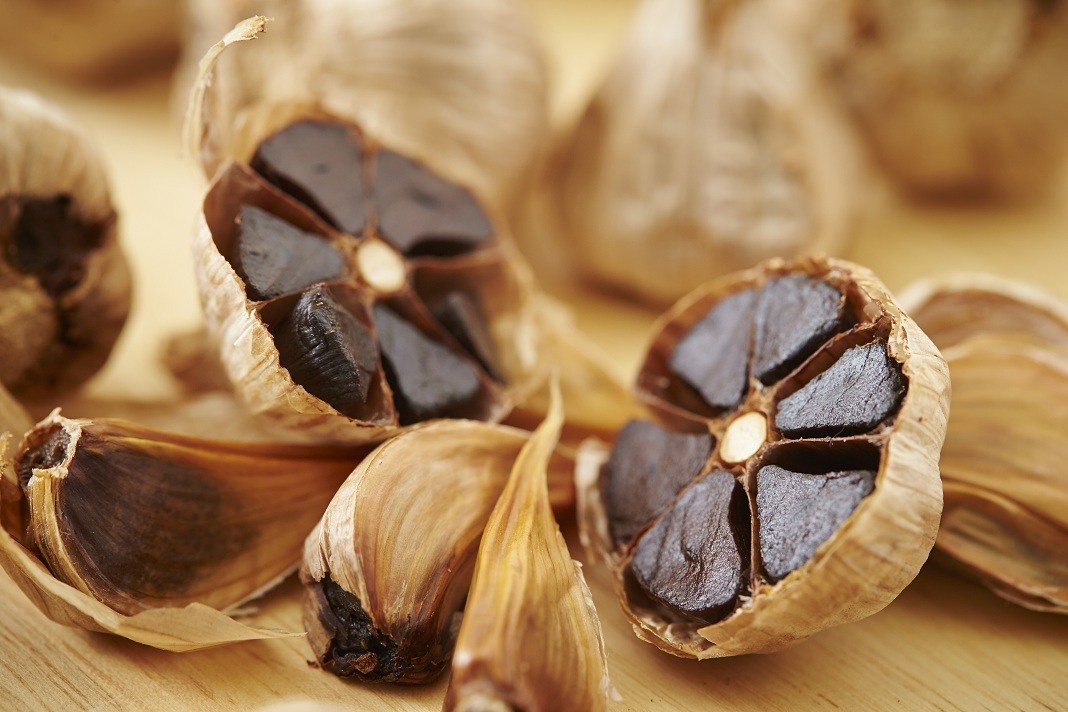
    Black garlic is, simply put, aged fresh garlic. This super versatile cum delicious garlic has an unusually sweet flavor and the consistency of jelly. Nevertheless, it is not a different species in garlic; but, just a fermented version of the same.

    Black garlic does not exist naturally. It is fermented black garlic which is a product derived from fresh garlic and which gets made in 10 days on high temperatures ranging from 40 to 60 degrees Celsius. The aging treatment of garlic to black garlic can vary from 4 days to 40 days. The aged black garlic is thus, the black garlic we know.

    The black garlic taste is related to that of a tangy with a syrupy, balsamic flavor. It works wonders in savory and sweet dishes alike and can be an ingredient in everything from meat blends to desserts. It’s even accessible in powdered form to give that extra dose of flavor needed with minimal effort.

    Thanks to its immensely growing popularity, it’s easy to find black garlic at many major retail markets and even some of the Asian supermarkets. One can even buy it online and get it delivered right at their doorstep. If you find it expensive, with just some fresh garlic, a rice cooker and a bit of patience, you can cook and enjoy this unique delicacy at home with only a few ingredients in no time.

    The Nutritional Profile Of Black Garlic (Per 100 Grams)

    You might wonder why are the health benefits of black garlic getting emphasized so much? Well, the answer lies in its nutritional value.

    Water 33.6 grams
    Protein 14.2 grams
    Carbs 39.8 grams
    Fat 0.3 grams
    Calories 219 kcal
    Vitamin B1 0.00002 grams
    Cholesterol 0.0
    Food Fibre 9.8 grams

    The health benefits of black garlic are several and many as they are known to treat the minutest of health problems and cure the biggest among them. Right from controlling the cholesterol levels to maintaining the digestive health, this easy to make-at-home black garlic has got your back (1). Read on to know more about the health benefits of black garlic and before that the Do-It-Yourself (DIY) procedure to make it at home.

    Do you know how to make black garlic?

    Being a bit expensive, the toothsome cum nutrient-packed ingredient that black garlic is can put away many people from even trying it because of its high pricing. It is no big guess that it is way more pricey than fresh garlic. So, it’s a clever move if you decide to prepare black garlic by yourself all in your hands and enjoy its benefits thoroughly.

    Still wondering how to make black garlic by yourself? One of the more natural methods involves just two ingredients: a rice cooker and a few heads of garlic. Follow these 3 simple steps and take the leadh now:

    Sign up for Our Natural Wellness Newsletter !

    Simply throw fresh garlic into your rice cooker, plug it in and put it in “keep warm” mode.

    Step-2

    Just wait for 3 to 4 weeks and allow your black garlic to form slowly.

    Step-3

    You can replicate the above procedure even with a slow cooker or a fermenting box and set the temperature between 140-170 degrees Fahrenheit till the garlic becomes aged.

    An alternate method of making black garlic is to go for a “black garlic fermenter” though the machine is way pricey. Despite “odor free” claims by the manufacturer, reviews by people who use it say that there will still be a garlic scent to it no matter what.

    After the preparation, the issue comes to be about is its preservation. Black garlic can be stored at room temperature, but to extend its shelf life even more, it’s best to keep it in the refrigerator. Once refrigerated, it can last for at least a month without losing its distinct flavor and aroma.

    Without spending a fortune, you can now earn the benefits of black garlic by dressing it at home on your own simply and cost-effectively. The bonus is that you can mainly minimize the risk of food additives and preservatives in your diet as you don’t pick it up from a local store.

    Health Benefits of Black Garlic

    1. Boosts immunity

    Black garlic constitutes to be a natural immunity booster. All thanks to the antifungal, antiviral, antiparasitic, and antibacterial properties of black garlic. Many types of research show that organic black garlic exhibits powerful immunomodulatory actions and thus, does resolve to enhance the immunity of the body.

    It protects the body from various diseases and infections which may enter the body of the people who have a weak immune system. The antifungal property of the black garlic not only protects the body from internal infections but is an excellent remedy to treat diseases on the surface of the skin.

    2. Black garlic repairs liver damage

    75 % of the people in the United States of Americas deal with the problem of liver damage due to alcohol consumption. If you or someone you know suffers from liver damage due to alcohol, black garlic is an excellent remedy to heal your liver. Black garlic reduces the inflammation in the liver due to injury and provides relief.

    Although to work on the deterioration of the liver, it is necessary to bring a lot of changes in your diet and routine including the prevention of consumption of alcohol and oil food items which may trigger the inflammation. If there is no change in the diet and the use of alcohol does not get stopped, one cannot notice the benefits of black garlic.

    3. Black garlic has high antioxidants content

    Due to consistent treating with hot temperatures, the black garlic raises its content of antioxidants more than white garlic. It has twice the level of antioxidants contained in itself than white garlic. Adding a portion of black garlic oil to your diet will do wonders for your health. It improves your digestion system and enhances your metabolic capacity and activity.

    4. Aids to control insulin secretion

    The compounds present in black garlic tend to stimulate the insulin resistance. It reduces blood sugar levels and maintains the secretion of insulin. Plus, the oil is low on calories and fat; therefore, it’s consumption will not harm the body as much as the regular oil will do.

    5. Regular intake helps to fight cancer

    Black garlic’s high antioxidants content can do miracles for people who have cancer. It combats the growth of cancer cells and prevents them from spreading. The antioxidants in the black garlic black the accumulation of free radicals which inhibits the spread and growth of cancer cells in the body. The results of the same have majorly gets observed in colon cancer cells and lung cancer cells(2).

    6. Enhance heart health

    One of the most amazing benefits of the black garlic is that it improves and works on your heart health. It increases the flow of blood in your body, stimulates the blood vessels in the body, lowers blood pressure, decreases the bad cholesterol and replaces it with good cholesterol along with enhancing digestion.

    A secure and safe heart is a way to go with black garlic. By replacing lousy cholesterol with good cholesterol, the health of your heart gets optimized. Black garlic increases the age of your heart and keeps it healthy.

    7. Black garlic helps to improve brain function

    Black garlic works on improving the mental health of a person. It alleviates the prevention of Parkinson’s and Alzheimer’s and its related cognitive conditions.

    8. Black garlic as a diet food

    Black garlic is very low in calories, and thus, you can add the black garlic oil diet rather than the regular vegetable oil it will help the people looking for healthy food to accomplish their goals of reaching a defined boy and designated fine structure.

    Consuming black garlic while you are working out or before you start working out as a supplement is quite beneficial for the body. It will make you work out far better than the usual. For the same purpose, black garlic supplements are also available in the market in the form of powder and capsules which can be consumed directly as well in smoothies or daily diet.

    9. Boosts Testosterone Levels

    Studies have shown that a regular intake of black garlic may result in the enhancement of testosterone levels in both males and females. This works well for people who are looking for in-house remedies for boosting testosterone levels.

    Black Garlic Uses

    Black Garlic Sauce for dressing (1 cup)

    Here is a short and crisp black garlic recipe to add to your diet.

    Ingredients-

    How to make?

    Black Garlic Side Effects

    Along with good points come the bad ones as well. It is up to you on how to optimize the health benefits of black garlic along with taking necessary precautions and looking out for various side effects(3).

    White garlic vs. Black garlic

    1.    Low fiber content 1.    More fiber content
    2.    High in allicin 2.    Low in allicin
    3.    Lower antioxidant 3.    High in antioxidants
    4.    More carbs get stored 4.    Fewer carbs get stored
    5.    High in vitamin C 5.    Low in Vitamin C
    6.    Low in calories 6.    High in calories
    7.    Iron content is low 7.    Higher content of iron

    With the popularity of black garlic, the given health benefits of black garlic have come to limelight. It is necessary for us to realize that you can see its health benefits only when you continue to use them regularly and accurately depending on the target you wish to achieve. For maximum results and optimized benefits, it is essential to make sure you work on yourself with patience and look out for effects on the way.

    Frequently Asked Questions

    1. What is the difference between raw garlic and black garlic?

    The difference lies in the age of garlic being raw/ white and black. The white garlic gets converted into black garlic over a period and consistent heating. Most of the properties of the towing kind of garlic are same. There is very little difference in the two which can be made out for the article.

    2. Is black garlic natural?

    Yes, black garlic is natural. Only it is a little processed with heat and warmth. It does not contain any chemical.

    3. Is black garlic good for people with diabetes?

    Yes, black garlic works wonders for people with diabetes. It is an excellent remedy to control blood sugar levels and work on the condition of insulin resistance which makes the state of the person with diabetes better in every way and heals it to a great extent.

    Sign up for our newsletter !
    Get access to quality and natural health tips right from the experts. 

    Source

    https://howtocure.com/health-benefits-of-black-garlic/

  • Pesticide residues found in 70% of produce sold in US even after washing

    Pesticide residues found in 70% of produce sold in US even after washing

    • Strawberries, spinach, and kale among most pesticide-heavy
    • Conventionally farmed kale could contain up to 18 pesticides

    About 70% of fresh produce sold in the US has pesticide residues on it even after it is washed, according to a health advocacy group.

    According to the Environmental Working Group’s annual analysis of US Department of Agriculture data, strawberries, spinach, and kale are among the most pesticide-heavy produce, while avocados, sweetcorn and pineapples had the lowest level of residues.

    More than 92% of kale tested contained two or more pesticide residues, according to the analysis, and a single sample of conventionally farmed kale could contain up to 18 different pesticides.

    Dacthal – the most common pesticide found, which was detected in nearly 60% of kale samples, is banned in Europe and classified as a possible human carcinogen in the US.

    “We definitely acknowledge and support that everybody should be eating healthy fruits and vegetables as part of their diet regardless of if they’re conventional or organic,” said Alexis Temkin, a toxicologist working with the EWG.

    “But what we try to highlight with the Shopper’s Guide to Produce is building on a body of evidence that shows mixtures of pesticides can have adverse effects.”

    Other foods on the group’s “dirty dozen” list include grapes, cherries, apples, tomatoes, and potatoes. In contrast, its “clean 15” list includes avocados, onions, and cauliflower.

    Leonardo Trasande, an environmental medicine specialist at the New York University medical school, called the EWG report “widely respected” and said it can inform shoppers who want to buy some organic fruits and vegetables but would like to know which ones they could prioritize.

    source

  • Discover the P53 Gene that Controls Cancer Development

    Discover the P53 Gene that Controls Cancer Development

    [Editor’s note] This post was originally published in February 2019. It has been updated and republished in March 2019.

    Our beliefs behind nature vs. nurture have always been a subject for debate. For generations we were taught that the genetic traits our parents have (along with the health concerns they face) would undoubtedly be passed along and inherited by our children.

    But the science of epigenetics today is shaping our understanding that our genetics are, in fact, controlled by environmental factors. This field of genetics shows that environmental stimuli have the ability to turn genes off and on and therefore cause variations or genetic adaptation. Both genetic and epigenetic expressions are important factors in our health.

    The Expression of Genetics and Epigenetics

    While genetic polymorphism is a change in our DNA sequence which occurs before we are born, epigenetic adaptation happens following birth. This modification is the result of the influences of the environmental factors we are exposed to. An example of genetic polymorphism is evident in the case of individuals with a third chromosome at chromosome 21 (as opposed to two chromosomes). Also known as trisomy 21, this genetic abnormality occurs during development and before birth.

    In the case of epigenetic adaptation, the DNA sequence does not contain a specific genetic abnormality, however the code is translated differently with undesired consequences.

    This understanding of epigenetics dramatically impacts our understanding of chronic disease. The fate of our bodies is not held captive in the DNA inherited from mom and dad. Instead, we have the ability to reduce our risk of developing health complications by choosing to maintain healthy lifestyle habits. You can improve your health today by reducing stress levels, getting adequate amounts of rest, avoiding toxins, using detoxification techniques, eating quality foods, and maintaining positive relationships.

    The P53 Gene is Associated with Cancer Development

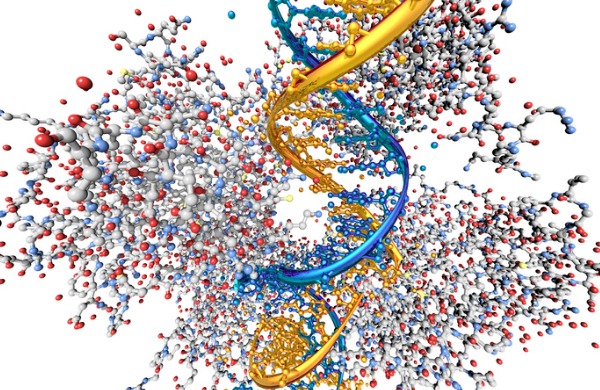
    P53 is a genetic protein critical in ensuring cancerous cells do not grow. Acting similar to a bodyguard for DNA, p53 is a checkpoint. The cell cycle comes to a halt when the p53 gene senses abnormalities in the cell cycle and activates the p21 gene. P21 stops the cell cycle by inhibiting a protein which stimulates cell division.

    If the DNA is capable of repair, the p53 gene allows cellular division to continue occurring, ensuring the proper genetic expression. Otherwise, the cell is signaled for apoptosis or cellular death. P53 is responsible for regulating hundreds of genes in the human body.

    Oxidative Stress and the P53 Gene

    P53 is influenced by environmental stressors which cause oxidative stress. Oxidative stress leads to an increase in free radicals and weakens the ability of antioxidants to act. When oxidative stressors are low, the p53 gene is capable of acting like an antioxidant, ensuring a cell’s survival. As previously mentioned, the p53 gene is also responsible for initiating cell death and as a result increases oxidative stress to create cellular destruction.

    A major cause in the development of cancer is a result of chronic oxidative stress. Epigenetic mutations arise when the p53 gene becomes damaged and genes no longer have the ability to inhibit cancerous cells from dividing. In fact, epigenetic adaptations can result in the production of a mutated p53 gene. This form of p53 is shown to increase the cellular growth of invasive cancers.

    Toxicity and the p53 Gene Activity

    The p53 gene can become damaged by long-term periods of oxidative stress and will lose the ability to protect a cell’s DNA. Some metals, such as zinc, are critical for stimulating p53 activity. Unfortunately, an imbalance between zinc and copper can lead to the p53 gene becoming unfolded and rendered inactive.

    The imbalance of a high copper concentration and low zinc concentration are not the only culprit to blame for damaging the p53 protein. Cadmium, aluminum, mercury, and lead are examples of other heavy metals which are toxic to p53 gene activity.

    The risk of cancer growth from the disruption of the P53 gene can be caused by exposure to environmental factors and toxins including:

    Air Pollution or PCAH

    Furthermore, dietary factors can contribute to an increased risk of cancer. Unhealthy lifestyle habits contribute to conditions of chronic oxidative stress which disable the p53 gene from properly functioning. Unhealthy lifestyle habits that introduce chemical, physical, and biological influences contributing to DNA damage include the following:

    Naturally Occurring Compounds in Nature Protect p53 Activity

    Antioxidants protect the body from oxidative stress. Many potent antioxidants can be found as natural compounds in healthy food sources. Protecting the p53 gene from becoming damaged is necessary to reduce your risk of developing cancer.

    The following food sources contain naturally occurring compounds which help protect p53 activity:

    Liposomal P53 Gene Therapy

    [Editor’s Note] Dr. Shin Akiyama graduated from Sapporo Medical University School of Medicine in 1989 and was trained as a specialist in chemotherapy. He has been treating cancer patients for 30 years. About 10 years ago, Dr. Akiyama started practicing immunotherapy. Six years ago, he started practicing cancer gene therapy.

    According to Dr. Akiyama, the number one cause of cancer in Japanese men is gastric cancer, while in Japanese women, it is breast cancer.

    Liposomes are spherical vesicles made up of liquid completely enclosed by a double layer of fatty membranes. Liposomes can be used to contain and administer nutrients and therapies such as liposomal P53. Dr. Akiyama and his colleagues enclose or “wrap” normal, non-mutated P53 plus amino acids into liposomes, then administer these liposomes intravenously (IV).

    Liposomes are positively charged, and are attracted to cancer cells because cancer cells are negatively charged. In this way the liposomes deliver intact, non-mutated P53 genes to cancer cells, which then induces apoptosis or programmed cell death, killing the cancer cells.

    According to Dr. Akiyama, liposomal P53 gene therapy can be used to successfully target most of the solid cancers (not blood cancers) such as brain cancer, lung cancer, breast cancer, liver cancer, pancreatic cancer, and bladder cancer.

    Tune into our upcoming Eastern Medicine: Journey Through ASIA series to learn more!

    Strengthen your p53 Genes

    Epigenetic factors are clearly responsible for increasing your risk of developing fatal cancers. While the genetics you inherited from your parents do play a role in health, the influence from epigenetic factors is one of the greatest factors which can both help or harm your p53 genes. Strengthen your p53 gene activity by reducing your exposure to toxins and choosing healthy lifestyle habits.

    Consuming a diet rich in antioxidants will help your p53 genes function optimally and prevent abnormal cells from both growing and dividing. Each day you have a choice to choose habits which will feed cancer or prevent it. Which do you choose?

    SAVE THE DATE! Eastern Medicine: Journey Through ASIA airs on April 3, 2019. Experts share more on the p53 gene and so much more!

    The science of epigenetics is shaping our understanding that our genetics are, in fact, controlled by environmental factors.

    We have the ability to reduce our risk of developing health issues and diseases by choosing to maintain healthy lifestyle habits.

    P53 is a genetic protein critical in ensuring cancerous cells do not grow.

    P53 is damaged by toxins in our environment, including: herbicides & pesticides, chlorine, fluoride, and radiation.

    A number of foods contain naturally occurring compounds which help protect p53 activity. These compounds include:

    Source

    https://thetruthaboutcancer.com/p53-gene-cancer-development/

  • U.S. town becomes ‘sanctuary city for the unborn’

    U.S. town becomes ‘sanctuary city for the unborn’

    ROSWELL, New Mexico, March 15, 2019 (LifeSiteNews) – The City Council of Roswell, New Mexico passed a resolution Thursday declaring its jurisdiction to be in support of “fetal life,” something local pro-life activists say makes Roswell a “sanctuary city for the unborn.”

    In a seven-to-one vote, with one council member abstaining, the City Council passed Resolution 19-28, which declares “that innocent human life, including fetal life, must always be protected and that Society must protect those who cannot protect themselves.”

    The resolution also states that the City Council declares “its opposition to any diminution by the New Mexico Legislature of the limitations on abortion” and “honors the rights of healthcare providers to object on moral grounds to performing abortions and opposes any regulation or law seeking to violate that right.”

    This week, the New Mexico Senate was considering a pro-abortion bill that would have forced doctors to commit abortions. It also would have repealed old, unenforced sections of the law criminalizing abortion – preparation for a possible overturning of Roe v. Wade. New Mexico is home to an infamous late-term abortion facilitySouthwestern Women’s Options, and has some of the loosest abortion laws in the country. Southwestern Women’s Options commits abortions throughout the third trimester of pregnancy.

    In a surprise pro-life victory, though, the New Mexico Senate rejected the bill 24 to 18. Eight Democrats joined 16 Republicans in voting against it.

    The Roswell resolution cites the Declaration of Independence’s listing of life as the first unalienable right. It also cites a paper from the American College of Pediatricians stating:

    The predominance of human biological research confirms that human life begins at conception-fertilization. At fertilization, the human being emerges as a whole, genetically distinct, individuated zygotic living human organism, a member of the species Homo sapiens, needing only the proper environment to grow and develop. The difference between the individual in its adult state and in its zygotic state is one of form, not nature.

    “The protection of human life is important to the people of the City of Roswell,” the resolution says.

    source

  • 15 Foods Anti-Aging Experts Eat Every Day

    15 Foods Anti-Aging Experts Eat Every Day

    Carrots

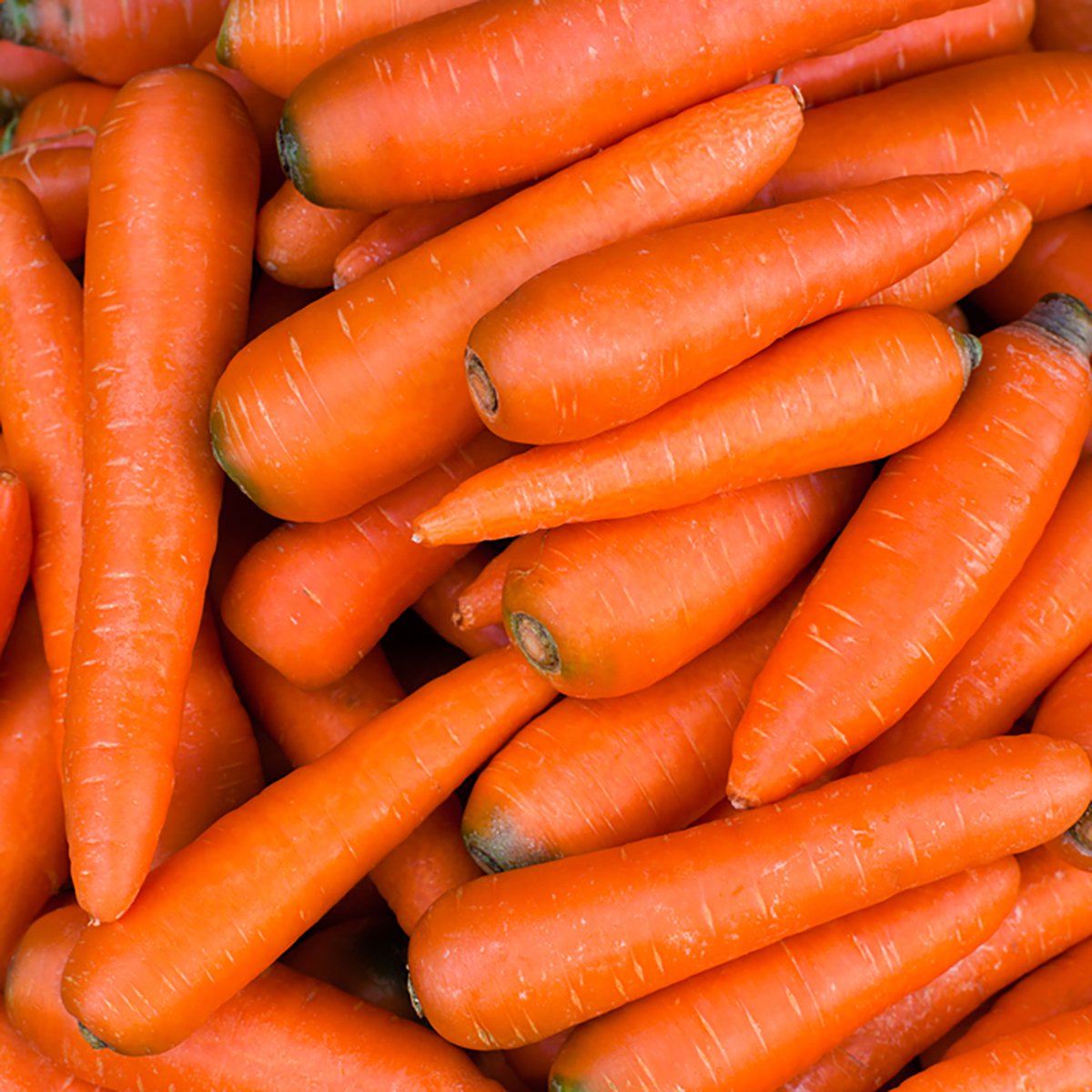
    These veggies supply a hearty helping of beta carotene, and that’s valuable. “Beta carotene is a precursor to vitamin A, a critical nutrient for skin health that also slows skin aging,” says Cynthia Bailey, MD, a dermatologist in Sebastopol, CA. “As an antioxidant, it helps fend off aging for your entire body, too. You get an added bonus because beta carotene warms your complexion, and a beta-carotene-rich glow has been scientifically proven to be more attractive than a suntan.” Carotenoids, such as beta carotene, are best absorbed when paired with healthy-fat foods. So enjoy carrots with eggs in a salad, puree them into a creamy soup, or dip them into guacamole.

    Edamame

    This hearty protein is full of good-for-you nutrients, including linoleic acid. “This is an essential fatty acid your body can’t make, so you must consume it in your diet,” says Joan Salge Blake, EdD, RDN, a clinical associate professor of nutrition at Boston University. “It’s also the most abundant fatty acid in your skin. In a study of about 4,000 women, people with a diet higher in linoleic acid were associated with a lower likelihood of skin atrophy, better known as the thinning of your skin and which also magnifies wrinkles on your face. The older women in the study who had lower dietary intakes of both linoleic acid and vitamin C also had drier skin.” Edamame is delicious slightly salted and served as a snackmixed into a stir-fry or even blended into a breakfast smoothie.

    Tea

    “I always sip a warming cup of tea first thing in the morning, and its anti-aging benefits are just an added bonus,” says Toby Amidor, author of The Healthy Meal Prep Cookbook“As you age, bone-mineral density tends to decrease, which can lead to fractures. A study published in the American Journal of Clinical Nutritionfound that elderly women who sipped on tea had a lower risk of bone fractures and had stronger bone-mineral density compared to women who did not include tea in their diet. Researchers in the study credited flavonoids in tea, which may help minimize the risk of osteoporosis, or brittle bones, as you age.” Drink tea straight up, or make a green tea latte.

    Grapes

    “I always make room for grapes in my daily diet.” says Amidor, a nutrition partner with Grapes from California. “The antioxidants and other polyphenols found in heart-healthy grapes may also play a role in healthy aging. Preliminary studies suggest that grape polyphenols may contribute to brain health, colon health, eye health and more. And they appear to help maintain cell health, which of course is critical to our overall health. Polyphenols are found in every part of the grape—the skin, flesh and seeds—and in grapes of all colors, including red, green and black.” Snack on frozen grapes, add them to a salad, or whip up a grape crostini.

    Avocado

    Avocados are full of monounsaturated fatty acids, and that’s a good thing. “Avocados contain anti-inflammatory fats that help to moisturize our skin, delay wrinkles and protect us from harmful toxins from the sun,” says Melissa Mitri, MS, RD, a dietitian in Milford, CT. “They’re delicious in smoothies, with eggs, in salads or made into guacamole.” Ani Petrosyan-Baran, LAc, an acupuncturist in Jersey City, NJ, enjoys eggs on whole-grain toast. “Or you can even have a quarter of an avocado, plain, to reap the benefits,” she says. Try it with a sprinkle of everything bagel seasoning!

    Greek yogurt

    “This type of yogurt is higher in protein than other yogurt, and as we age we need more protein-packed foods,” says Christine Rosenbloom, PhD, RD, a dietitian in Atlanta and author of Food & Fitness After 50. “Dairy like yogurt contains the amino acid leucine, a trigger for muscle building and repairs. And yogurt has calcium. I check the label for yogurt that contains vitamin D,” she adds. Your body needs vitamin D to optimally absorb calcium. Enjoy Greek yogurt in a parfait, in a smoothie or in a dip.

    Walnuts

    “These are a portable snack packed with anti-aging nutrients,” says Ginger Hultin, RD, a dietitian in Seattle and a spokesperson for the Academy of Nutrition and Dietetics. “These include healthy unsaturated fats such as alpha-linolenic acid, which is good for the heart, brain and skin. Walnuts are also a source of biotin for optimal skin, nail and hair health.” Walnuts are a great snack on their own, and they also make a delicious topping for salads.

    Chia seeds

    “Ah, where do I start with chia seeds?” says Arlene Dijamco, MD, an integrative physician in Roswell, GA. “They are packed with plant-based omega-3s, antioxidants and minerals important for clear thinking, memory, mood, heart rhythms and skin texture. The gel-like consistency of hydrated chia seeds provides soluble fiber that not only helps keep your digestive tract moving but also helps keep cholesterol levels balanced and helps you feel satiated—decreasing your likelihood of overeating. Plus, chia is so versatile. You can use chia seeds in drinks, pudding, oatmeal, veggie patties, salad, granola and as an egg replacement in baking.”

    Berries

    “I eat berries—strawberries, blueberries, blackberries, raspberries or cranberries—every single day,” says Sharon Palmer, RDN, a dietitian in Los Angeles and author of Plant-Powered for Life“In the summer, I eat fresh berries. Then I switch to dried and frozen when they are out of season. The research on brain health benefits as they relate to cognition during aging is quite promising. Berries are packed with powerful antioxidant and anti-inflammatory compounds.” Berries provide vitamin C, a nutrient that helps you absorb plant-based iron from foods such as spinach, tomatoes and beans when the foods are eaten in the same meal. Add raspberries to a spinach salad, or enjoy a berry nice cream.

    Eggs

    “Protein-providing foods such as eggs help support muscle and metabolism,” says Jessica Crandall Snyder, RDN, CDE, a dietitian in Denver, CO. “This is especially important as you age, as most people lose 0.8 percent of their lean body mass every year after the age of 40. If you want to prevent muscle breakdown, eating protein-rich foods is critical. Also to properly support the recommended resistance training, you need protein to develop and maintain your lean muscle.” Enjoy eggs in an omelet, deviled or in faux fried rice.

    Fatty fish

    “Salmon, mackerel, tuna and sardines are fatty fish that contain high levels of omega-3 fatty acids, which are known to reduce inflammation in the body and skin,” says Tsippora Shainhouse, MD, a dermatologist in Los Angeles. “Two to three servings a week can also help reduce LDL cholesterol and triglyceride levels. Adding these fish to the diet helps balance the omega-3 to omega-6 ratio, the latter of which can actually trigger inflammation. Fish oil supplements can substitute for eating these healthful, fatty fish, but they don’t provide the low-calorie protein benefit of eating the fish itself.” Grill or broil salmon for dinner, or whip up a tuna salad.

    Fatty fish

    “Salmon, mackerel, tuna and sardines are fatty fish that contain high levels of omega-3 fatty acids, which are known to reduce inflammation in the body and skin,” says Tsippora Shainhouse, MD, a dermatologist in Los Angeles. “Two to three servings a week can also help reduce LDL cholesterol and triglyceride levels. Adding these fish to the diet helps balance the omega-3 to omega-6 ratio, the latter of which can actually trigger inflammation. Fish oil supplements can substitute for eating these healthful, fatty fish, but they don’t provide the low-calorie protein benefit of eating the fish itself.” Grill or broil salmon for dinner, or whip up a tuna salad.

    Almonds

    “I eat nuts daily—all types but especially almonds,” says Bonnie Taub-Dix, RDN, author of Read It Before You Eat It“They help me feel full and they are heart healthy, as studies have shown that almonds might lower cholesterol levels. They also help keep blood sugar levels from spiking (because of the healthy fat within), they have a satisfying crunch and most of all they are decadently delicious. Although many of us have been fat phobic for years, it’s important to have healthy fats in our diet to help promote healthy skin as we age along with a sense of well-being.” Enjoy almonds as a snack, use them as an ingredient in energy bites or add as a topping to oatmeal.

    Almonds

    “I eat nuts daily—all types but especially almonds,” says Bonnie Taub-Dix, RDN, author of Read It Before You Eat It“They help me feel full and they are heart healthy, as studies have shown that almonds might lower cholesterol levels. They also help keep blood sugar levels from spiking (because of the healthy fat within), they have a satisfying crunch and most of all they are decadently delicious. Although many of us have been fat phobic for years, it’s important to have healthy fats in our diet to help promote healthy skin as we age along with a sense of well-being.” Enjoy almonds as a snack, use them as an ingredient in energy bites or add as a topping to oatmeal.

    Bread

    “I know many people cut bread out of their diets as they age, but the carbs in bread help power me through my high level of physical activity, says Rosenbloom. “Bread also provides dietary fiber, B vitamins and iron. I like getting vitamins and minerals from foods instead of supplements. I enjoy both whole grains and enriched grains for variety.”

    What’s the difference between whole grain and enriched, refined products? Whole grains contain the entire grain kernel—including the bran and germ—which provides dietary fiber and many important vitamins and minerals. Refined grains have been milled to remove the bran and germ—but most refined grains are enriched to add back nutrients such as iron, folic acid, riboflavin, thiamin and niacin after processing. Iron is a nutrient that’s under-consumed by women ages 19 to 50 in the United States, and eating both whole-grain and enriched-grain bread can help increase intake of this nutrient, which was labeled a nutrient of concern in the 2015-2020 Dietary Guidelines. These guidelines recommend that at least half of all grains consumed should be whole grains

    source

  • Eat more eggs | Dr. William Davis

    Eat more eggs | Dr. William Davis

    The headlines are once again filled with advice to reduce egg and cholesterol consumption based on a study that found an association of egg and cholesterol consumption with increased risk for cardiovascular events. Sounds scary and persuasive, doesn’t it? After all, nearly 30,000 people were tracked over 17 years and the authors authoritatively declare that this proves that eggs and cholesterol are risk factors for heart disease.

    There are several problems with this assessment. It is emblematic of the studies that confuse people, yield wildly conflicting conclusions, are used to craft absurd and ineffective dietary guidelines, and provide tantalizing headlines for media. And it is virtually all untrue.

    Problems:

    1) This is an observational study, meaning people are asked a few questions, then followed for many years, i.e., they are observed. Over and over again, observational studies that do not involve any sort of intervention (i.e., people purposefully advised to eat, say, 3 eggs per day vs. people advised to eat no eggs, as would be done in a real clinical study—much more difficult and costly to conduct) cannot be used to generate cause-effect relationships. See this Undoctored Blog post about the fictions generated by such observational studies. 4 times out of 5, the conclusions drawn by observational studies are disproven by prospective randomized clinical trials, i.e., the real way to prove or disprove a cause-effect relationship. Or, stated differently, 80% of the conclusions drawn through observational analyses are false. In other words, the majority of conclusions drawn by observational studies are complete fictions.

    If we were to believe observational studies, we would have to believe that Premarin is good for women’s health, since proven to increase endometrial cancer, breast cancer, and cardiovascular death despite the observational evidence suggesting the opposite; red meat causes colon cancer; coffee consumption leads to extended longevity, etc., all the absurd proclamations based on the fictions of observational studies and nutritional epidemiology.

    2) Observational studies are unreliable because they are plagued by confounding factors—That is, people who eat eggs also do other things differently than people who don’t eat eggs. Perhaps they eat cured bacon, exposing them to nitrosamines like N-nitrosodimethylamine. Or perhaps they eat at restaurants that use soybean or corn oil to prepare the eggs. In other words, the nature of observational analyses is that you cannot untangle the oodles of other factors that can influence outcome and cannot say that one factor—egg consumption—is the cause. This is the reason why, by the way, the vegetarian community declares that being vegetarian is healthier: Being vegetarian is not healthier; being vegetarian is associated with a constellation of other behaviors such as less cigarette smoking, less alcohol, more exercise, more overall health consciousness, etc. that can improve health, but health has nothing to do with avoiding animal products.

    3) That all said, observational studies can occasionally lead to firm conclusions if the association is overwhelming powerful. This happened with cigarette smoking: The increase in heart disease and lung cancer was so large that even the observational data proved conclusive. The very small increment in risk suggested by this study (17% increased cardiovascular disease, 18% increase all-cause mortality) is essentially no difference at all—much too small to be conclusive.

    Observational studies have been the basis of all manner of nutritional misinformation. It is the basis for cutting total and saturated fat, increasing consumption of “healthy whole grains,” “move more, eat less,” all the fictions that have created the worst epidemics of obesity, heart disease, type 2 diabetes, gastrointestinal and autoimmune diseases ever in the history of humankind. Dietary guidelines have gotten it wrong for 50 years and I am not hopeful that they will ever get it right in our lifetimes.

    What I find most shocking is that most of us in healthcare know that observational studies are virtually worthless and cannot be used to generate cause-effect conclusions, yet the authors of this study state authoritatively that their study should be used to resurrect the advice to limit dietary cholesterol. I cannot decipher their motivations beyond garnering attention and headlines. But don’t fall for it: This is yet another example of how far wrong dietary conclusions can be when drawn from the fictions of nutritional epidemiology.

    source

  • 13 Impressive Health Benefits of Cucumber

    13 Impressive Health Benefits of Cucumber

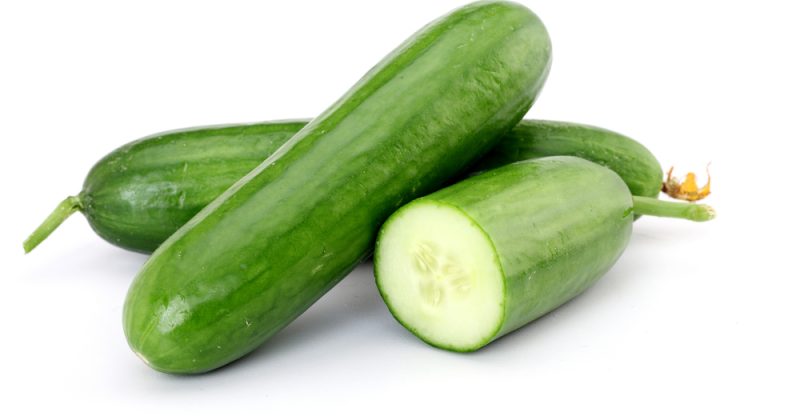
    Cucumber health benefits include reducing the risk of cardiovascular disease, healthy weight management, detoxifying the body, enhancing the skin, supporting eye health, alkalizing the blood and treating cancer. Other benefits include combating bad breath, supporting digestion, controlling blood sugar level, maintaining adequate blood pressure, supporting bones, repairing hair, supporting nails and supporting dental health.

    Since ancient times, cucumber has been used as traditional, herbal medications in India. The vegetable contains various lipid-lowering and anti-diabetic properties that prevent the body from overheating, exerting a more the natural cooling effect.

    What is a Cucumber?

    It is a widely cultivated crop that belongs to the gourd family. It is basically originated in South Asia but is grown in other parts of the world as well.  It is considered the perfect food when it comes to keeping fit and healthy. As it contains many essential nutrients such as Vitamin AVitamin BVitamin CVitaminKManganeseCopper and Potassium, incorporating cucumbers in your daily diet can lead to excellent health benefits.

    Extreme climatic conditions have left us dehydrated and exhausted, but this vegetable really helps to combat dehydration as it is 90% percent water, which keep the body hydrated and flushes out many hazardous substances, providing some of the most essential nutrients your body needs.

    You can easily juice cucumbers and add a mix of other vegetables such as carrots and beetroots to say hydrated and at the same time enhance your metabolism. Moreover, the seeds inside a cucumber contain magnesium, which is ideal for people who suffer from a deficiency of this nutrient.  Consuming cucumbers with other fluid containing foods such as limeavocadocelery, and fennel helps you to deal with stomach pain and abdominal tightening.

    13 Impressive Health Benefits of Cucumber

    1. Reduce the Risk of Cardiovascular Disease

    The ingredients in the cucumber play an important role in maintaining a healthy heart – with trace elements of potassium and magnesium; you can improve your body’s neurological function along with keeping your blood pressure under control.

    Cucumbers also contain lignin, which is referred to as an anti-inflammatory element that helps boost your immunity and reduces the occurrence of all the risks associated with cardiovascular disease.

    2. Healthy Weight Management

    Cucumbers are a useful supplement to reduce weight. You can enjoy your meals by adding it in your diet you can either eat it in your salad or mix it in yogurt or eat it whole – the point is it will help you lose weight faster.

    3. Promotes Detoxification

    Cucumbers help the liver to remove impurities, waste and also helps completely eliminate accumulated toxins from your bloodstream and gut. It also helps the body to pass out more urine in order to remove toxins. Drinking cucumber beverages speed up the detoxification process.

    4. Good for Your Skin

    You can use it as a home remedy to nourish your skin by applying a thick paste on your face. The natural face mask will provide you with a soothing and cold effect. It also protects the skin from dryness, acne, skin irritation and other skin issues.

    5. Good for Your Eye Health

    It moisturizes all the skin around your eyes as it contains 95% water. Vitamin E plays a crucial role in improving your skin, enhancing collagen production, acting as a natural, anti-wrinkle agent. Moreover, eating cucumbers on a regular basis helps enhance your vision as it contains several anti-inflammatory and antioxidants that can help steer you clear of cataracts.

    Hyperpigmentation forms dark circles around the skin of your eyes mainly due to restlessness, cucumbers are the best option for it. The antioxidant present in the cucumber eliminates skin irritation. As you know vitamin C in cucumbers lighten your skin tone, so you should incorporate cucumbers in your beauty routine as well.

    6. Alkalizes Your Blood

    Keeping your body’s pH level optimal can help eliminate free radical cells, which are acidic and cause symptoms associated with cancer. Drinking cucumber water on a daily basis can keep increasing your body’s alkalinity.

    7. Treats Cancer

    Cucumbers contain fisetin, caffeic acid, cucurbitacins, lutein, which have the capability to reduce cancerous symptoms at the early stages. The phytochemicals in the vegetable have strong anti-cancer properties including antioxidants, which eliminate the free radical cells and boost your immunity.

    Eating it whole or juicing the vegetable can reduce the occurrence of breast, ovarian, prostate, uterine and lung cancer due to the presence of flavonoids such as fisetin and caffeic acid.

    8. Combats Bad Breath

    Placing cucumber slices in your mouth can help you to get rid of bad breath by eliminating bad-odor causing bacteria along with eliminating the formation of microbes, which can also lead to oral health complications and gum disease.

    9. Optimal Digestive Health

    To keep your gut health, you have to incorporate foods that are fibrous, and cucumbers are one of those foods. The vegetable also contains an enzyme referred to as “erepsin”, which improves the process of digestion – and helps the body adequately absorb protein.

    Pectin in cucumber facilitates the normal flora of the intestine. It also manages the bowel movement and softens the stool due to its high water content, which helps treat constipation, gastritis, ulcer and many other stomach related disorders.

    10. Anti Diabetic

    Studies have found it effective against diabetes, and medical scientists recommend eating cucumber peels, which helps maintain an adequate blood sugar level. Plus, eating its peels can also reduce oxidative stress.

    A hormone in cucumber helps the pancreas to utilize insulin that converts the carbohydrates into energy.

    11. Maintains Adequate Blood Pressure

    The rich amount of magnesium, fiber, and potassium makes cucumbers useful in maintaining the right blood pressure – which should not be too high or too low. It also helps lowers the pressure in arteries and keeps them hydrated. This is one of the main reasons why cucumbers are recommended to people battling hypertension.

    12. Stronger Bones, Nails, and Teeth

    Cucumber contains ascorbic acid and caffeic acid, both of which help strengthen your body’s ligaments, cartilage, tendons and bones. The vegetable also contains silica in it, which helps in the formation of connective tissue, which helps strengthen weakened bones.

    As it also contains protein, magnesium, vitamin A, vitamin C, vitamin K, vitamin B1vitamin B2vitamin B6vitamin B5folic acid and silicon – you can pretty easily enhance your bone health.

    13. Repair Hair

    If dry and rough hair is your problem then try making some cucumber paste, mixing it with water. Then just gently massage the concoction on your head and you will gradually see the difference on your hair and scalp health.

    All in all, cucumbers contain a plethora of powerful nutrients and vitamins, which are essential for supporting your overall physical and mental health. Try to incorporate as much of the vegetable you can.

  • People Are Questioning The U.S. Healthcare System After This American Gets Hospitalized In Taiwan And Only Has To Pay $80

    People Are Questioning The U.S. Healthcare System After This American Gets Hospitalized In Taiwan And Only Has To Pay $80

    Getting sick really sucks, no matter where you are. However, there are certain places in the world where the bill for emergency care is a killer blow that magnifies your misery 100 fold, so you better make sure your insurance is top notch.

    Luckily for 25-year-old American student Kevin Bozeat, Taiwan is not one of those places. With his U.S. health insurance lapsed, and not qualifying for the local national healthcare system, he feared the worst when he was rushed to ER with severe stomach pains and vomiting. “The last thing I ate before getting sick was KFC, but I don’t think that was it because I got sick less than an hour after eating. The incubation period was too fast, Kevin told Bored Panda.“Rather, I ate some roast duck at a night market the night before. I think that was the culprit.”

    The care itself was swift, professional and quite regulation; IV fluids, blood tests, and an ultrasound to check for gallstones. He was diagnosed with a stomach virus, given some prescription medicine and sent on his way, he would be just fine.

    Still, in the back of his mind, he knew that back home this would set him back a couple of thousand dollars, at least. What kind of bill was waiting for him, now he was on the road to recovery? “Eighty. American. Dollars,” he wrote. “Out of pocket. Full cost. No discounts. No insurance. At one of the best hospitals in Taiwan.”

    Kevin went viral again, this time for happier reasons. His post has been shared over 200k times on Facebook, and has reignited the long-running debate about the criminally inhumane healthcare system in the U.S. Predictably, there were some people who continue to vote against their own interests and live in perpetual fear of the term ‘socialized,’ so Kevin posted an update that clarified a few points and shed light on the way they do things in Taiwan.

    read more

  • Are wireless earbuds dangerous? Experts warn that Apple’s AirPods could send an electromagnetic field through your brain – as 250 scientists sign petition to regulate trendy tech

    Are wireless earbuds dangerous? Experts warn that Apple’s AirPods could send an electromagnetic field through your brain – as 250 scientists sign petition to regulate trendy tech

    Tiny wireless Bluetooth headphones fit into the ear canal
    250 scientists from over 40 countries have signed a petition to the WHO and UN to warn against radio wave radiation from wireless technologies
    The close proximity of AirPods to the brain and inner ear may raise cancer risks
    Little research exists on Bluetooth and its health effects but it also uses radio waves radiation
    Plus, AirPods talk to one another using a magnetic field that passes through the brain
    An expert says there is little research on this but ‘can’t imagine it’s all that great for you’

    Scientists are growing increasingly concerned over the potential health risks of wireless technologies which, they say, national and international regulations ‘fail’ to limit.

    And new technologies are arriving every day – and customers can’t buy them fast enough.

    Apple’s wireless AirPods, for example, ‘communicate with one another using a magnetic induction field, a variable magnetic field [one] sends through your brain to communicate with the other,’ explains Dr. Joel Moskowitz.

    Dr. Moskowitz, a University of California, Berkeley community health professor who focuses on cell phone exposures, says there isn’t even research on what this could do to the brain yet, let alone regulations to limit the potential effects.

    ‘But I couldn’t imagine it’s all that great for you,’ he says.

    Wireless technologies are simply outpacing both research and regulation – and it could have disastrous effects on our health.

    A petition warning that microwave radiation from many popular wireless technologies may pose health risks has gathered 250 signatures.

    While the scientific jury is still out on the whether or not particular devices cause cancer, animal studies on the kind of radiofrequency radiation that they emit – which is used in Bluetooth, cellular and wifi transmissions – has suggested a link to cancer.

    And, in some cases, the levels of radiation found to be carcinogenic were significantly lower than the maximum allowed by federal and international guidelines.

    Last year, Apple sold 28 million pairs of its tiny, white wireless earbuds. The year before, they sold 16 million pairs. With a new design reportedly on the way, the technology company is set to profit even more on sound.

    Together, Apple and Beats wireless headphones account for 40 percent of the product market.

    But the devices could be pumping more than beats into wearers’ heads.

    AirPods – like most small wireless bud-style headphones – wirelessly connect with a phone via Bluetooth, the popular short distance radio communication technology.

    Essentially, anything that communicates wirelessly using electromagnetic energy waves of varying types.

    Bluetooth operates on one form involving low-power radio waves.

    The most obvious and well-established risk of radio waves is that, at high levels, they can generate heat and cause burns. Scientists are still working out the effects of long-term exposure to lower-power radiowaves.

    When they have exposed animals to this form of radiation, reproductive, neurological and genetic damage has become more common in those animals that would be expected in a normal sample of the same animals.

    These forms of energy are powerful enough to shake up atoms that compose cells but not powerful enough to fundamentally change their structures.

    This means that radio waves are less dangerous than higher energy radiation like X-rays or UV, but more extremely low-frequency radiation.

    Last year, further evidence that cellular transmissions may indeed cause certain kinds of cancer was published by the National Institutes of Health (NIH).

    Now, scientists calling for more oversight and warnings for all manner of radio wave-based technologies are particularly concerned over the intensity and proximity of Bluetooth radiation to the human ear canal and brain.

    The International Agency for Research on Cancer has declared electromagnetic field radiation a possible carcinogen.

    WiFi, too, has been shown to pose cancer risks.

    The World Health Organization (WHO) has developed guidelines for the level of electromagnetic frequency (EMF) that various devices are allowed to expose users to.

    But, the authors of the petition to the UN and WHO argue, research has revealed evidence that EMF may be carcinogenic at even lower levels.

    And brain cancers are among the forms that research links to EMF radiation.

    Their petition is written with regard to broad human exposures to EMF radiation.

    ‘These include – but are not limited to … devices such as cellular and cordless phones and their base stations, Wi-Fi, broadcast antennas, smart meters, and baby monitors as well as electric devices and infrastructures used in the delivery of electricity that generates an extremely-low-frequency electromagnetic field (ELF EMF),’ the authors write.

    The petitioners stop short of naming Bluetooth or any particular products, the technology does use radiofrequency radiation, and AirPods in particular also uses an electromagnetic field.

    Very little research has been conducted on Bluetooth itself, but the proximity of AirPods to the brain makes them particularly concerning.

    ‘Since Bluetooth tends to be low-intensity it could open the blood-brain barrier, which evolved to keep large molecules out of the brain,’ explains Dr. Moskowitz.

    The concern here is ‘probably more neurological disorders and diseases as opposed to cancer,’ he adds.

    Related research on cancer and EMF has also revealed that cell phone radiation – which is not unlike that which comes from Bluetooth may cause non-cancerous tumors to form along the nerve that connects the brain and the ear.

    Plus, the magnetic field the two AirPods use to talk to each other must pass through the brain.

    ‘From a precautionary standpoint, I would argue you shouldn’t experiment with your brain like this by keeping these kinds of wireless headphones on your head or in your ears,’ says Dr. Moskowitz.

    ‘You’re conducting a health experiment on yourself, and current regulations are completely oblivious to these kinds of exposures.’

    A great deal more research needs to be done to clarify the exact risks associated with each kind of EMF, but the petitioning scientists believe that our current use of these technologies throws caution dangerously to the wind and they want to hold regulators accountable.

    ‘The various agencies setting safety standards have failed to impose sufficient guidelines to protect the general public, particularly children who are more vulnerable to the effects of EMF,’ they wrote.

    ‘By not taking action, the WHO is failing to fulfill its role as the preeminent international public health agency.’

    source