Category: Health

  • Square Dancing Is Good Healthy Fun

    Square Dancing Is Good Healthy Fun

    Remember in high school when the gym teacher announced, “Today we are going to learn square dancing!”? You picked out a partner, usually of the same sex, and then the teacher went on to teach you the commands, also known as calls, such as “dosado” and “swing your partner”. Eventually, the teacher would put on a record of country music and test your square dancing skills by yelling out the calls in random order. Well, square dancing has changed a lot since then.

    Have you seen square dancers twirling, laughing, and having fun at the state fair or at a dance convention? Do you want to meet people that will turn into life-long friends? Are you looking for more fun in your life? Would you like to have fun while exercising? You are invited to get fit through square dancing. Find out how much fun square dancing can be. Did you know that one and one-half hours of square dancing equals 30 minutes of aerobics and a 3 mile walk? Square dancing keeps the mind active and the body fit without strenuous workouts.

    Submitted by Barbara Veres

    Square Dancing is a great activity for any kind of social event. Square Dancing provides a synergy and team-building experience that is unlike any other activity that I know of. Garland Smith specializes in providing square dance and line dance entertainment for parties and social events. Garland uses Square Dancing, line dancing, circle mixers, contras, and other specialty dances to provide a unique party experience that will leave you with a smile on your face and a song in your heart.

    The post Square Dancing Is Good Healthy Fun appeared first on Garland Smith Caller.

    This content was originally published here.

  • LOVE – ABUNDANCE

    LOVE – ABUNDANCE

    Conjuring a Love Revolution: Everyday Acts of Love to Transform Our Communities

    Vanessa Jackson is a Soul Doula and licensed clinical social worker who is passionate about creating healing spaces and supporting individuals and communities in being powerful and authentic. She is a graduate of Washington University in St. Louis-George Warren Brown School of Social Work. She practices her craft in Atlanta, Georgia and worldwide via Skype.  You can learn more about Vanessa at HealingCircles.org.
    “I am an activist with a passion for women’s health and community building. This interest led me to pursue a masters degree in social work with a focus on women’s issues and social and economic development at Washington University, George Warren Brown School of Social Work. Over the years, I embarked on my own spiritual journey which allowed me to honor many spiritual traditions and to be present for others who are trying to live spirit-centered lives in a world which does not always honor the spiritual life.  As I negotiated the inevitable crises in my own life, I noticed that I found it most helpful and healing to take integrated approach that explored the emotional, intellectual, spiritual and community aspects of my “problems”. Over time, it made sense for me to offer this perspective to individuals and families who came to me for consultation.  I sought additional training in reiki, energy healing, Emotional Freedom Techniques (EFT), crystal healing and aromatherapy to add to my clinical training in family systems, narrative therapy and power dynamics. I was once asked about my “theoretical orientation” and my heart-centered response was “My theoretical orientation is magic. It is my goal to fully express the magic in me and to invite out the magic in you!”

  • Housework could keep brain young!

    Housework could keep brain young!

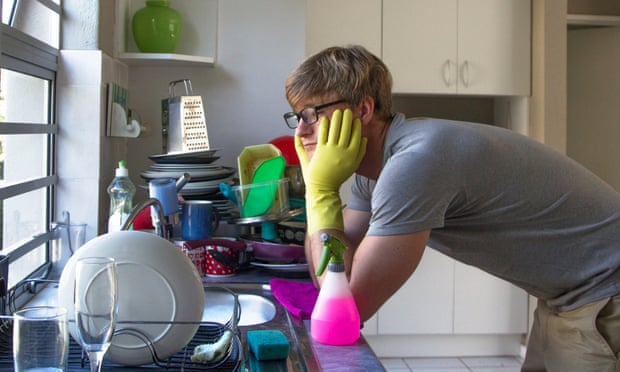
    Even light activity such as household chores might help to keep the brain young, researchers say, adding to a growing body of evidence that, when it comes to exercise, every little helps.  The findings mirror upcoming guidance from the UK chief medical officers, and existing US guidelines, which say light activity or very short bouts of exercise are beneficial to health – even if it is just a minute or two at a time – countering the previous view that there was a threshold that must be reached before there were significant benefits.  “Our study results don’t discount moderate or vigorous physical activity as being important for healthy ageing. We are just adding to the science, suggesting that light-intensity physical activity might be important too, especially for the brain,” said Dr Nicole Spartarno, first author of the study from Boston University, adding that light activity might include a gentle walk or household chores.  Writing in the journal Jama Network Open, the international team of researchers report how they came to their findings by studying at least three days of activity-tracker data from 2,354 middle-aged adults from the US, together with the participants’ brain scans.

    From the latter, the researchers worked out individuals’ brain volume, a measure linked to ageing: about 0.2% of the volume of the brain is lost every year after the age of 60. Loss or shrinkage of brain tissue is linked to dementia, Spartano noted.  After taking into account factors including sex, smoking status and age, the team found that every extra hour of light physical activity per day was linked to 0.22% greater brain volume, equal to just over a year’s less brain ageing. What’s more, those who took at least 10,000 steps a day had a 0.35% greater brain volume than those who took, on average, fewer than 5,000 steps a day – equivalent to 1.75 years’ less brain ageing.  The results were even starker when the team looked at those who did not meet recommended guidelines for physical activity – just over half of the participants.

    While the results also suggested that greater levels of moderate to vigorous physical activity were linked to higher brain volumes, the team say further analysis suggests this could just be because these people were also doing more light activity.  But Spartano said, even if true, that did not mean people should stop trying to break a sweat. “Higher levels of fitness are linked to longevity and a better quality of life in older age, not to mention being associated with lower rates of dementia,” she said.  However the study has limitations: it is based on a snapshot in time, used mainly white participants, and cannot prove cause and effect – those with more brain ageing might move less. The authors add that not all time spent sedentary is necessarily “bad” for the brain – particularly if people are engaged in a task that takes a lot of thinking.

    Emmanuel Stamatakis, professor of physical activity, lifestyle and population health at the University of Sydney, welcomed the overall message, but questioned some of the results.  “The finding that even light-intensity physical activity, that it is usually part of daily living, is associated with brain volume is very encouraging as such activities are feasible for most middle-aged and older people, even those who are less likely to do structured exercise,” he said.  But, he added, there was no biologically plausible reason moderate to vigorous activity would have less effect on brain volume than light activity. For cardiovascular health, said Stamatakis, a minute of high-intensity activity was known to be more beneficial than a minute of light activity.  Dr James Pickett, head of research at Alzheimer’s Society, stressed that the research did not look at the impact of different levels of activity on dementia risk, although it is known that, in general, exercise reduces the risk of such conditions. “Don’t worry if you’re not hill-running, but find something you enjoy and do it regularly, because we know that what’s good for the heart is good for the head,” he said.

    source
  • On the basis of these findings, dogs can be considered as clean compared with bearded men

    On the basis of these findings, dogs can be considered as clean compared with bearded men

    The study was trying to determine whether there was a risk of humans picking up a dog-borne disease from an MRI scanner also used for examinations by vets, the Mail On Sunday reports.  In examining the beards of 18 men and the necks of 30 dogs from a number of breeds, scientists  found that even hounds had lower levels of microbes than the beards surveyed.  Professor Andreas Gutzeit, of Switzerland’s Hirslanden Clinic, said: “The researchers found a significantly higher bacterial load in specimens taken from the men’s beards compared with the dogs’ fur.”  The study found all of the bearded men, aged from 18 to 76, showed high microbial counts, while only 23 out of 30 dogs had high counts, and the remainder had moderate levels.

    Seven of the men were shown to have bugs hazardous to human health.  The scanners were disinfected after the dogs were examined on the MRI scanner, showing a “significantly” lower bacteria count compared with levels seen when used by humans.  “On the basis of these findings, dogs can be considered as clean compared with bearded men,” said Dr Gutzeit.  Keith Flett, founder of the Beard Liberation Front that promotes facial hair, was not impressed by the report.

  • Crude oil touted as health cure in Azerbaijan

    Crude oil touted as health cure in Azerbaijan

    Naftalan (Azerbaijan) (AFP) – Immersed up to her neck in a dark viscous liquid, Sulfiya smiles in delight, confident that the fetid substance will cure her painful condition.  Sulfiya, a Russian woman in her 60s, has travelled to Azerbaijan’s north-western city of Naftalan in the hope that crude oil baths at a local sanatorium will end her years of suffering from polyarthritis, a disease affecting the joints.  “This is so pleasant,” she enthuses, despite the reek of engine oil.  Her naked dip in oil heated to just above body temperature lasts 10 minutes, after which an attendant scrapes the brown oil off her skin and sends her into a shower.  The native of Russia’s Tatarstan region said she and her friends “have long dreamed of coming” for treatment in Naftalan.

    The petroleum spa resort in the oil-rich Caucasus country is a draw for visitors despite its proximity to Nagorny Karabakh, a region disputed between Azerbaijan and Armenia in a long-running armed conflict.  After 10 days of bathing in crude oil Sulfiya says she now feels “much better” and has even reduced her medication for the polyarthritis that she has had for 12 years.  “It is a gift from God,” agrees 48-year-old Rufat, an Azerbaijani journalist and opposition party member who is undergoing treatment in the sanatorium called Sehirli, or “magic” in Azerbaijani.  Azerbaijan’s vast oil deposits were discovered in the mid-19th century, making what was at the time part of the Russian Empire one of the first places in the world to start commercial oil production.

    Oil exports to markets all over the world are the largest sector of Azerbaijan’s economy, but the crude that comes from subsoil reservoirs in Naftalan is not suitable for commercial use.  Instead the local oil is used to treat muscular, skin and bone conditions as well as gynaecological and neurological problems.  According to a legend, which spa staff readily tell clients, the healing properties of Naftalan’s “miraculous oil” were discovered by accident when a camel left to die near a pool of oil was cured.  The small town of Naftalan some 300 kilometres (185 miles) from the capital Baku became a popular health resort for Soviet citizens in the 1920s.

    “In the past, when there weren’t any hotels or sanatoriums, people would come to Naftalan and stay with locals,” said one of the doctors at the Sehirli sanatorium, Fabil Azizov, sitting in her office under a portrait of strongman President Ilham Aliyev. “But as time passed, sanatoriums were built and treatment methods developed.”

    – Controversial benefits –

    Some specialists warn the method has dangerous side effects.  “Despite the stories of past cures, the use of crude oil for medicinal purposes has been condemned by Western doctors as potentially carcinogenic,” former journalist Maryam Omidi wrote in a 2017 book published in Britain about Soviet-era sanatoriums.  In fact, the oil at Naftalan is almost 50 percent naphthalene, a carcinogenic substance found in cigarette smoke and mothballs that in large amounts can damage or destroy red blood cells.  But doctors and patients at Naftalan brush aside any misgivings and the sanatorium even has a small museum displaying crutches that once belonged to patients who have recovered from their illnesses.

    source

  • The Key To Happiness? Just Smile, Study Suggests

    The Key To Happiness? Just Smile, Study Suggests

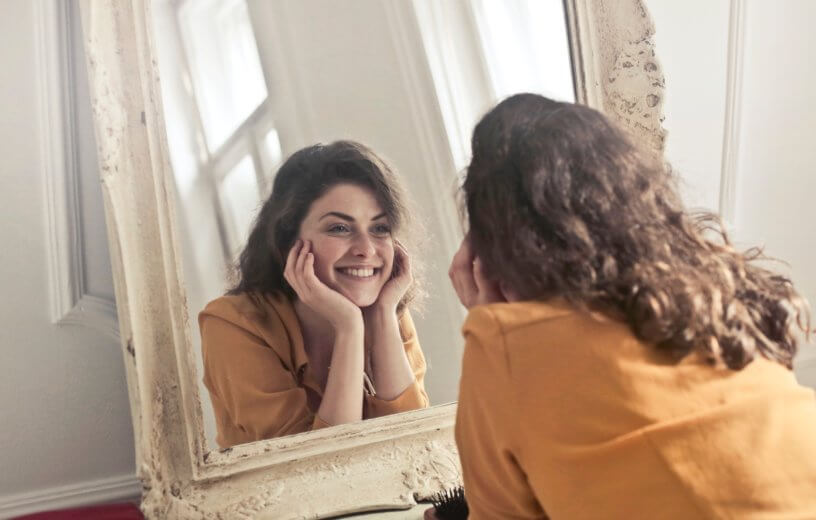
    If you’re having a rough day, one way to help turn that frown upside down may be as simple as doing just that. A new study reveals that smiling actually makes people feel happier.

    Researchers from the University of Tennessee and Texas A&M say that, in fact, several of our emotions can be manipulated to a degree by our facial features. The effect, they note, isn’t necessarily long-lasting or even profoundly powerful, but it’s significant enough to show a correlation between our emotions and how we carry ourselves.

    “It appears that the physical act of smiling can make us feel happy, that frowning can make us feel sad, that scowling can make us feel angry,” says lead researcher Nicholas Coles, a PhD student in social psychology at UT, in an interview posted by the university.

    Coles’ conclusion comes following a meta-analysis of 138 studies conducted over the past 50 years. The research included data more than 11,000 participants from around the world. Just two years ago, one project involving 17 teams of researchers was unsuccessful in proving a prominent experiment that found a link between smiling and happiness. Coles says psychologists have debated this theory for more than a century, but he believes his team’s research is the strongest evidence yet.

    “Some studies have not found evidence that facial expressions can influence emotional feelings,” Coles says in a statement. “But we can’t focus on the results of any one study. Psychologists have been testing this idea since the early 1970s, so we wanted to look at all the evidence.”

    Ultimately, Coles found that there is a clear and noteworthy connection between our facial expressions and our feelings, albeit a small one. The effect can vary from person to person and may depend on the circumstances and setting. He doesn’t suggest that smiling more will cure a depressed person, but it might help in bringing some level of uplift.

    source

  • A Breast Milk Ingredient Is the Hot New Health Supplement for Adults

    A Breast Milk Ingredient Is the Hot New Health Supplement for Adults

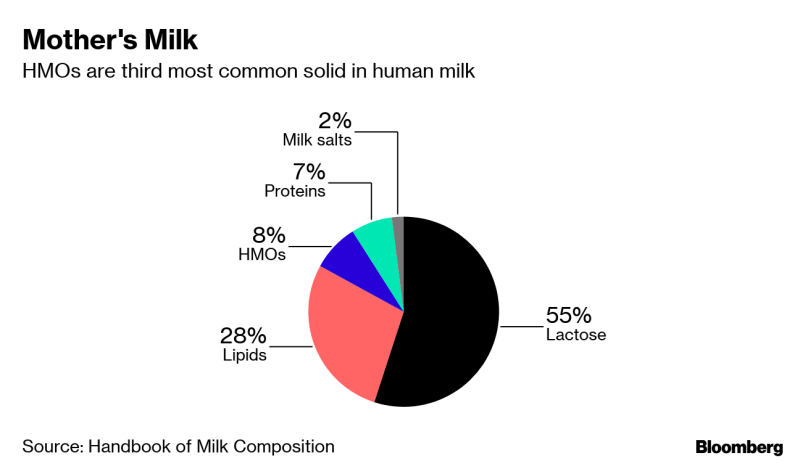
    Mother’s milk isn’t just for babies anymore.  Global chemical giants DowDuPont Inc. and BASF SE are investing millions to ramp up production of an indigestible sugar found naturally in breast milk. Infant formula makers like Nestle SA can’t get enough of the synthetic ingredient. Now the companies are eyeing a potentially bigger customer: adults. DuPont estimates the annual market could reach $1 billion.  Human milk oligosaccharide is the third most common solid in breast milk, after lactose and fat. HMO escapes digestion, allowing it to reach the colon where it feeds beneficial bacteria. HMOs may explain why breast-fed babies tend to fare better than formula-fed, said Rachael Buck, who leads HMO research at Similac formula-maker Abbott Laboratories.  Abbott Laboratories in 2016 was the first to add HMO to infant formula in its Similac brand.  “It’s just been a fascinating treasure trove of benefits that we’ve uncovered,’’ Buck said.  In babies, HMOs strengthen the developing immune system, helping fight infection and inflammation while aiding brain development, according to early research. New studies show those benefits may extend to people of all ages, fitting neatly into consumers’ growing fascination with probiotics — the “good” bacteria that can help keep a human body healthy.

    Replicating Nature

    Synthetic HMOs come from the formula industry’s quest to manufacture a breast-milk substitute that’s as close to the real thing as possible. The purported benefits are still viewed with skepticism by some in the scientific community — especially when they come at a premium price.  “Never assume that the addition of a component of human milk actually makes the formula like human milk,’’ said Steven A. Abrams, chair of the American Academy of Pediatrics committee on nutrition. “It’s not,” said Abrams, a Dell Medical School professor at the University of Texas at Austin.

    HMOs could lead to treatments for adult ailments such as irritable bowel syndrome, allergies and even the aging brain, Buck said. An animal study at Abbott’s labs showed that HMO stimulated the vagus nerve, “a superhighway communicating from gut to brain,” she said. “This has the potential to help both brain development early in life and, later in life, brain decline.”  Commercial production is typically accomplished through a fermentation process using giant vats filled with microbes genetically engineered to produce specific HMO varieties, such as 2’FL.  DuPont plans to spend $40 million building out its HMO production capacity this year, its second biggest capital investment after expanding a factory that makes Tyvek. Meanwhile, it’s partnering with Lonza Group AGto make enough product to meet current demand. DuPont will become a stand-alone company when it splits from DowDuPont on June 1.

    After two decades of research, Abbott was first to bring HMOs to the U.S. baby nutrition market in 2016. It’s now expanded to 15 countries. Nestle last year rolled out HMO formula in Gerber and other brands across 40 countries. HMOs nourish bacteria that “train’’ immune system cells, 80 percent of which reside in the gut, said Jose Saavedra, Nestle chief medical officer.  The health claims propelled about $600 million in sales of HMO formula last year for each of Abbott and Nestle SA.  Among Abbott’s customers was Heidi Haydock, a senior manager at Cardinal Health Inc., who two years ago wasn’t able to breast feed her newborn son because she was undergoing chemotherapy for breast cancer. Concerned about the development of his digestive system, she fed him Similac with HMO.

    Next Best

    “With a mom who can’t give breast milk, you kind of feel deficient,’’ Haydock said. “Being able to give the next best alternative made me feel better.’’  While some research indicates advantages to HMO-enhanced formula, it’s not clear that there’s a long-term health difference, Abrams said. In the U.S., babies fed generic formulas, which are as much as 50 percent cheaper, have outcomes “every bit as good’’ as those fed pricier formulas, Abrams said.  Even in nature, breast milk can vary depending on the different kinds of sugars produced by each mom. DuPont and BASF are focusing on making the most common version of HMO, which consists of the 2’FL sugar. That’s where the benefits can be seen most clearly, according to Nestle’s Saavedra: Babies getting 2’FL from their mothers have slightly lower rates of acute infection than babies whose moms are deficient in that HMO.

    Widening Market

    BASF began scaling up production of 2’FL earlier this year, and it’s studying how the different health effects of HMOs might be developed into a range of products beyond baby formula.  “Our aim is to expand on our scientific know-how on specific health functions of HMOs to adults as well,” said Stefan Ruedenauer, BASF director of human nutrition research and development. “BASF will have a pipeline of science-driven products with substantial health benefits of HMOs in the near future.”  Smaller rivals making the ingredient include closely held Jennewein Biotechnologie GmbH and FrieslandCampina of Germany.  Holigos IBS is one of the first HMO products for adults seeking better digestive health.  Danish biotechnology company Glycom S/A is targeting the adult digestive health market with HMO supplements it began selling in the U.S. and Europe late last year. The company touts its Holigos IBS product as managing symptoms of irritable bowel syndrome, including abdominal pain, constipation diarrhea and bloating. It sells 28 doses on Amazon.com for $50.

    HMO is just one part of DuPont’s larger foray into digestive health, a loosely regulated market growing 20 percent a year. The company sees an estimated $5 billion annual opportunity developing gut-health products, though some experts question whether the supplements benefit everyone. DuPont is already a leader in probiotics, offering the widest variety of bacteria strains and operating the world’s largest probiotics fermentation plant, in Rochester, New York.

    HMOs are known as prebiotics, nourishing desirable microorganisms that occur naturally or from probiotics. DuPont is marketing its 2’FL HMO, branded as CARE4U, to consumer manufacturers who can use it in adult supplements for digestive and immune health, said Ratna Mukherjea, global research and development leader at DuPont.

    DuPont is researching how to produce more of the 130 or so HMO varieties found in breast milk as the company identifies those with the most potential health benefits, Mukherjea said. More HMO varieties are already in the commercial pipeline.

    “This is just the beginning for HMO,’’ she said.

    source

  • Biologist Exposes Sushi Restaurants For False Labels For Their Ingredients

    Biologist Exposes Sushi Restaurants For False Labels For Their Ingredients

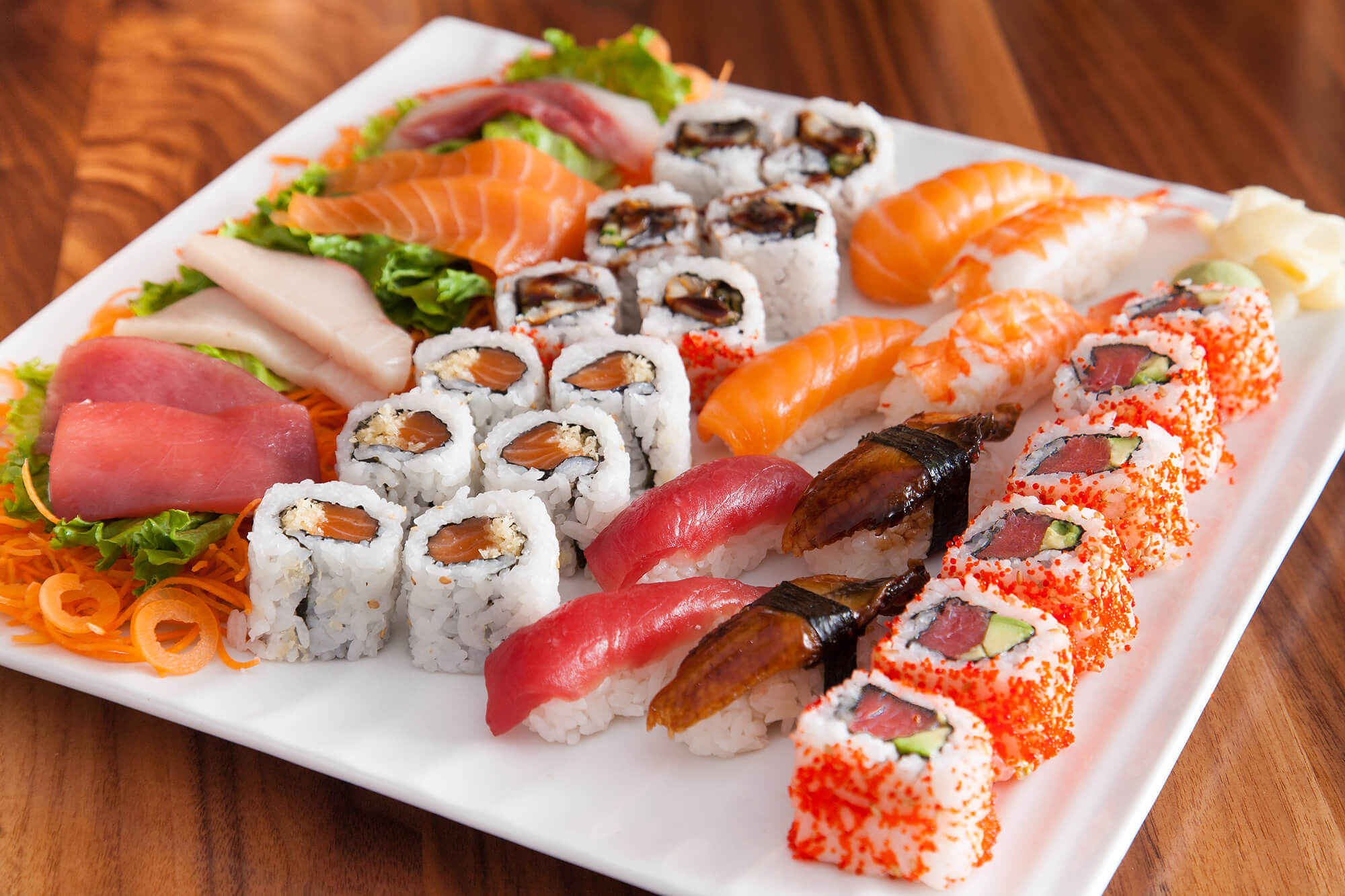
    “You are what you eat as the saying goes but if you run some tests on that food – as one biology teacher did with her class – you might find out that what you are is pretty disgusting. Biology professor Dr.Jennifer McDonald asked her college senior class to go out to various sushi restaurants and bring back a sample for their lab assignment, so they could extract the DNA and find out if the fish name on the menu was in fact what it said it was. Not only did the class expose some serious fish fraud they uncovered some other seriously stomach-churning “ingredients.”

    Dr. McDonald is a biology professor at Fanshawe College in London, Ontario. Recently she tweeted out an experiment she was conducting with her students to sequence the fish DNA from restaurant sushi and see if the fish matched their menu labels. The educator told Bored Panda she got the idea from Twitter of all places, “I was looking for a way to “spice up” my Molecular Biology labs with a practical exercise that integrated the theory portion of the lab with something that was really hands-on, relevant to today’s biology world, and relevant to what my students may one day be doing as Laboratory Technicians when they graduate. One of the developers of the kit we used from the company Bio-Rad sent me information links and it looked really promising. I ordered a kit for my course, tried it out, and it was incredibly successful (and fun!)

    While the educator couldn’t predict all the results, she was familiar with studies on the fish fraud phenomenon, “Fish mislabelling in the seafood and fish industry (even the aquarium industry!) is well-documented and something that many governments are attempting to tackle with stricter rules and regulations, more enforcement, and higher fines. I expected to find results that were in line with what was previously published: about 50% of fish will not be labeled correctly, with some species like red snapper and white tuna being more likely to be mislabelled than others.”

    read more

  • Is coffee a health drink? | Diet and Nutrition | Articles | Magazine

    Is coffee a health drink? | Diet and Nutrition | Articles | Magazine

    Some foods and drinks have been causing confusion lately about how healthy they are, and one of them is coffee. Here are some thinks people are reading or hearing about coffee. Various studies have touted coffee as being beneficial against Type 2 diabetes, liver disease, cancer, heart disease, and Parkinson’s disease. These are usually scientific studies known as retrospective studies because they examine the health of people who have consumed varying amounts of coffee and then determined if they had more or less of a given disease. Sometimes scientists think it is because coffee has antioxidants in it or some other beneficial ingredient. The exact cause and effect relationship is not usually known. Here are some things we do know about coffee. Non-organic coffee is full of pesticides. Coffee is acidic, and an acidic pH level encourages illnesses such as cancer. Coffee can inhibit the natural production of hydrochloric acid, which can impede the digestion of protein and potentially lead to illnesses such as heart disease and cancer. Caffeine and acid in coffee can irritate the stomach and the lining of the small intestines. This can cause ulcers, gastritis, Crohn’s disease and irritable bowel syndrome. Coffee can also relax the lower esophageal sphincter leading to acid reflux. Coffee can cause an increase in the passage of food before it is properly digested, which decreases nutrient absorption and increases intestinal inflammation. Coffee impedes the ability of the kidneys to retain calcium, zinc, magnesium, and other minerals. Magnesium is crucial to healthy bowel movements, brain function, and energy. The roasting of coffee beans produces acrylamide, which is one of the most serious cancer-causing substances in our diet. Coffee is addictive and produces excess cortisol, which is the bodies stress hormone. This can contribute to the development of high blood pressure and health disease. It can also cause a lower production of neurotransmitters, which can contribute to fluctuations in mood. Coffee overstimulates the nervous system leading to addictive tendencies and then withdrawal symptoms when the coffee is not available. Caffeine causes dehydration, which is harmful to the brain, liver, kidneys and other systems and organs. It also leads to premature aging of the skin. As with many foods and drinks, coffee may have some good points, but it also has far too many bad points to be classified as a health drink. The less coffee you drink the better. In fact, one of the only real health benefits for coffee is drinking one cup in the morning in order to get the digestive system working. This one cup of Joe can help to keep some people “regular” and at the same time lower the risk of becoming addicted. There is also good evidence to support the use of organic coffee as the way to avoid the pesticides and other chemicals found in non-organic brews. If you need a hot drink consider trying a decaffeinated tea of some kind such as white, black or green tea because you can get even more nutrients than coffee without the negative side effects mentioned earlier. And finally, coffee is usually served with sugar and cream, two more things that you do not need. Instead, try a little honey in your tea and you will have created a truly healthy drink instead of a potentially unhealthy one.

    This content was originally published here.

  • ‘Measles parties’ to give their kids the virus so they become immune

    ‘Measles parties’ to give their kids the virus so they become immune

    Why is the old way becoming the only way?  You would think by now maybe there is a better way to cure some of these viruses.  Filling us with  hordes of vaccines is proving not to work.

    The movement against the MMR vaccine, which protects against measles, mumps and rubella, is largely thought to stem from the work of Andrew Wakefield.  The now discredited UK doctor penned a damning research paper claiming a link between the MMR vaccine, autism and bowel disease.  The study was retracted in 2010 but the paper has had a lasting influence with the “anti-vaxxer” movement particularly taking off in America.  And the movement has sparked concern amid the current measles outbreak in New York – the largest the city has seen since 1991.  It is believed misguided parents are hosting “measles parties”, encouraging their young, un-vaccinated children to spread measles with the idea that once a child has contracted it, they will be immune.  The “parties” are similar to “pox-parties” where kids were encouraged to contract chickenpox from each other . These were popular before the introduction of the varicella vaccine in 1955.  It is now widely recognised by health officials that vaccinating a child is far safer than deliberately infecting them.

    MEASLES OUTBREAK

    The measles virus is highly contagious and in some cases can lead to death.  The city’s health commissioner said she was “particularly concerned” about these parties and urged parents to get the MMR vaccine for their children.  She said: “I understand that parents may be afraid of getting their children vaccinated.  “I know that getting vaccinated is far safer than getting measles.”  According to the NHS, the MMR vaccine is “a safe and effective combined vaccine that protects against 3 separate illnesses – measles, mumps and rubella (German measles) – in a single injection.  “The full course of MMR vaccination requires 2 doses.  “Measles, mumps and rubella are highly infectious conditions that can have serious, potentially fatal complications, including meningitis, swelling of the brain (encephalitis) and deafness.”

    source