Category: Health

  • The Amazing Health Benefits of Nettle

    The Amazing Health Benefits of Nettle

    health benefits nettle teaWe have March – we drink nettle! As Paul Pitchford wrote, “Wild vegetables give us a lot of strength and vitality, especially when we collect them ourselves.”

    There is a lot of truth in this, because the movement in the open air is the basis of health. That’s why we take gloves and run to forests, parks and gardens for fresh nettle.

    March is the best time to harvest. We can remove it and then drink it in the form of infusions, use as a hair rinse. But later, in spring, I encourage you to drink freshly squeezed nettle juice.

    Nettle has a protective effect on the mucous membranes of the body due to the high content of beta-carotene (provitamin A). The chlorophyll contained in the cut inhibits the development of viruses and allows the lungs to expel the remains of chemical vapors, coal dust, tobacco smoke – something that is in effect after the heating season.

    If you’re looking to improve your health, nettle is a fantastic herb to incorporate into your overall nutritional plan. Let’s take a closer look at the health benefits of nettle.

    Nettle Health Benefits: Nature’s Powerhouse Herb

    Nettle is packed with nutrients and offers many beneficial health properties including:

    Nettle is also…

    Chock-full of Minerals

    Nettle is packed with minerals, especially magnesium and calcium. Studies have shown that nettle has more calcium, magnesium, potassium, boron, phosphorus, and strontium than other popular herbs including peppermint, sage, and even chamomile.

    Packed With Beta Carotene

    Also due to the content of beta-carotene, the nettle has a protective effect on the lungs and large intestine. And as we know, the large intestine is our body management center (to pair with the brain).

    A Gentle Diuretic

    It works as a gentle diuretic and improves the functioning of the kidneys, so it is good to get rid of excess water from the body. It has beneficial effects on the kidneys, urinary bladder and urinary tract, and thanks to chlorophyll for hair growth and blood reconstruction, which is important for people with anemia or, for example, those with celiac disease.

    Vitamin B9 Rich

    Nettle juice is a very good way to deliver folic acid to the body, which we often lose while cooking green vegetables. And folic acid, together with iron, copper and vitamin K – nettle ingredients – are involved in the formation of red blood cells and hemoglobin, that is, improves the quality of blood.

    Full of Antioxidants

    Nettle contains a lot of antioxidants in the form of vitamins C, E, folic acid or beta-carotene, which deal with these free radicals, responsible for the aging of the body and the formation of diseases.Therefore, it helps to keep our body young.

    The Bottom Line

    The health benefits of nettle are many. Nettle is packed with minerals, folic acid, antioxidants, and other key nutrients. There’s a reason nettle has been a stable among herbalists for centuries.

    Stinging nettle grows wild in temperate regions globally so the usage of nettle as a nutritive herb is widespread too. This means getting a hold of some is as simple as buying nettle tea at your local grocery store or visiting your local herbalist.

    If you’re looking to improve your health, try some nettle tea today for some easy and refreshing nourishment!

  • This Woman Is Revolutionizing the Dairy and Spirit Industries… At the Same Time [VIDEO] | Inc.com

    This Woman Is Revolutionizing the Dairy and Spirit Industries… At the Same Time [VIDEO] | Inc.com

    Source

    https://www.inc.com/video/founders-project/this-woman-is-revolutionizing-the-dairy-and-spirit-industries.html

  • More Kids A Woman Has, The Slower She Ages, Science Says

    More Kids A Woman Has, The Slower She Ages, Science Says

    Now, we usually love science. Science is awesome! Science deals in facts and evidence, so you can’t argue against it. It can’t really be misinterpreted or changed, because facts are facts, right? But every once in a while, a new scientific study comes along with research that is … a little hard to swallow. We don’t mean that the research is wrong – far be it from us to question science. We mean that the research runs contrary to everything we know to be true in our own lives. This 2016 study on aging is one such piece of research. We truly WANT to believe that having more children slows the aging process. We want to believe that so very much! But … personal experience tells us otherwise. But science says that the more kids a woman has, the slower she ages, so we’re going to give science a chance here.

    The 2016 study published in Science Daily was conducted by researchers at Simon Fraser University. The research suggests that the number of children a woman has can actually influence the rate at which her body ages. The more kids, the slower the rate of aging. This is because women who give birth to more living children have longer telomeres.

    What are telomeres, you ask? They’re kind of like the little pieces of plastic at the end of a shoelace. These protective tips are found at the end of each DNA strand, and they are indicative of the cellular aging process. The longer the telomeres, the faster the cell replication, and thus, slower aging rate and increased longevity!

    Now, we fully accept that to be true. Howver, there’s big difference between physical signs of aging and longevity. Will having more kids help you live longer? Quite possibly! Will having more children make you look and feel younger? Well, on that point we’re not quite convinced. More children means more stress, less money, less sleep, and less time. All of those things age you like cheese.

    But still, it’s a pretty cool study. And just think – the more kids you have, the more options you have for someone to care for you in your old age since you’ll live so long!

    Source

    https://www.moms.com/more-kids-a-woman-has-the-slower-she-ages/

  • What’s Dirty Keto and Should You Be Doing It?

    What’s Dirty Keto and Should You Be Doing It?

    • Dirty keto is the latest version of the high-fat, low-carb keto diet.
    • It follows the same macronutrient-breakdown as regular keto, but with one key difference — it doesn’t matter where those macronutrients come from.
    • What you’re missing on dirty keto are micronutrients (like vitamins, minerals, and enzymes) — vital to your overall health, too.
    • You can still lose weight with dirty keto, but in return you’ll get inflammation, bloating, cravings, and rebound weight gain when you go off the diet.
    • Dirty keto is OK when you’re in a pinch or traveling, but it’s always better to cook from scratch when possible.
    • Regular keto doesn’t have to be all steak and salad — you can indulge in a clean way with keto breads, fat bombs, and keto pancakes.


    What if you could eat fast food all day and still lose weight? That’s what dirty keto promises — go ahead and eat that sausage, egg and cheese breakfast sandwich, minus the bun. While you’re at it, wash it down with a sugar-free Slurpee. It’s the latest version of the high-fat, low-carb keto diet, but is it good for you in the long-term? And can you still burn fat while eating processed foods? Read on to find out how dirty keto works, and if it can really help you lose weight fast.

    What is “dirty keto”?

    On a regular keto diet, you focus on fats (75% of your daily calories), some protein (20%), and a very small amount of carbs (less than 5%). Restricting carbs puts your body into ketosis — a metabolic state where you burn fat, not glucose, for fuel. The result? Rapid weight loss and reduced inflammation.[1] 

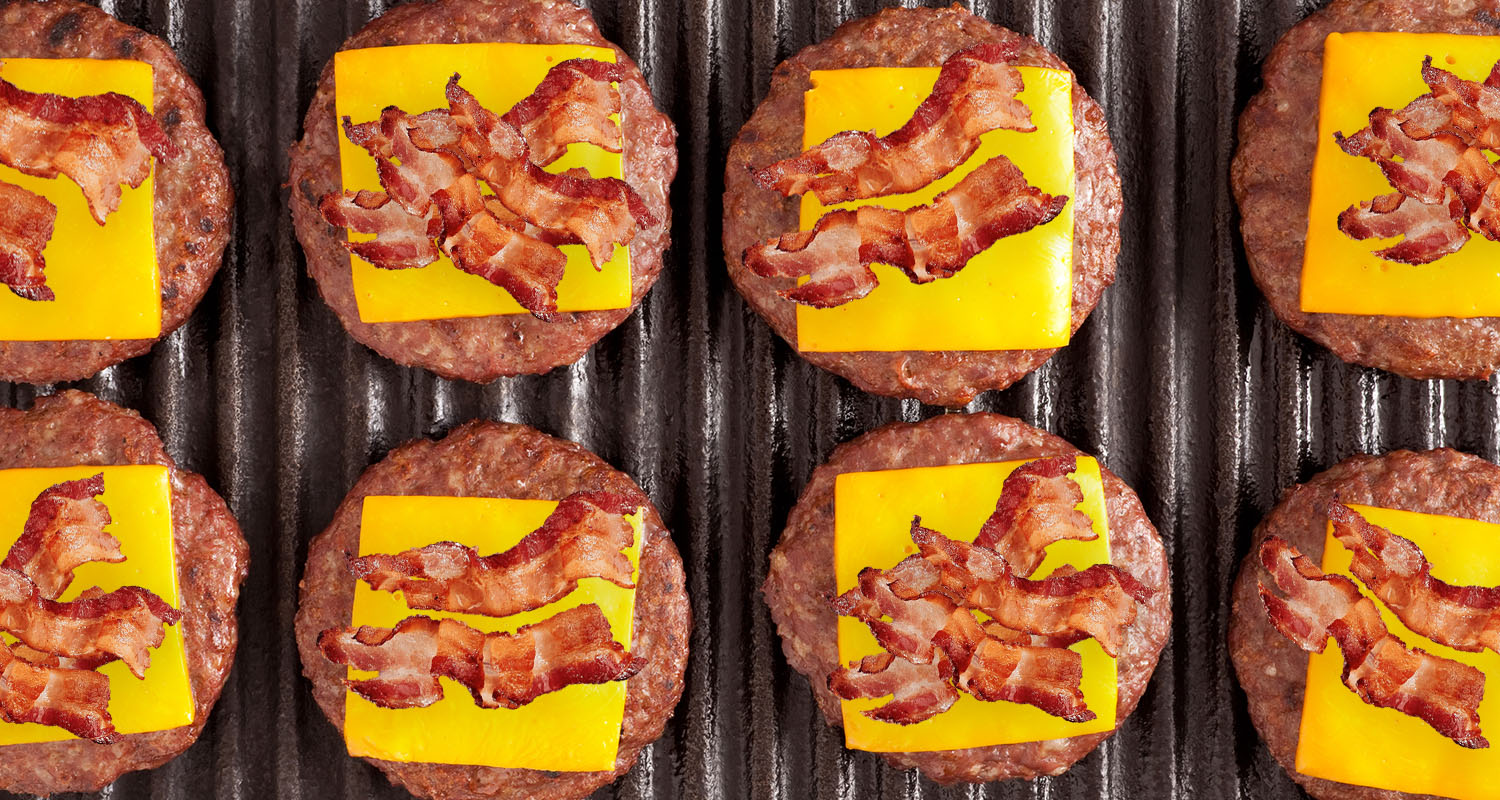
    Dirty keto follows the same breakdown of fats, protein, and carbs, but with one key difference — it doesn’t matter where those macronutrients come from. Instead of choosing good fats like wild salmon and avocado for lunch, you might reach for a bunless double bacon cheeseburger and diet orange soda.

    Clean keto diets like Bulletproof focus on organic vegetables, grass-fed meat and butter, and healthy fats like coconut oil and olive oil, while dirty keto lets you wallow in pork rinds and Cheez Whiz.

    “Dirty keto is a pithy way of referring to the ‘fast and dirty’ practice of using premade, packaged foods instead of homemade food crafted from whole food ingredients,” says Stephanie Pedersen, holistic nutritionist and author of “Keto Lunches: Grab-and-Go, Make-Ahead Recipes for High-Power, Low-Carb Midday Meals.”

    The idea has caught on — numerous dirty keto groups have cropped up on Facebook. One has the tagline “No shaming, no judgement, no negativity.”  On a page called “The Dirty Keto Life,” a user posted an image of their morning snack — Powerade Zero and packaged bacon BBQ cheese crisps.

    Drawbacks of dirty keto

    Dirty keto is tempting — you can quickly scan a nutrition panel on a package to see whether a product will work with your daily macro counts. But what you’re missing are micronutrients (like vitamins, minerals, and enzymes) — equally as important to your overall health, says Pedersen.  

    “[Micronutrients] help keep your immune system strong, help your skin look great, help your body systems function, help fight off oxidants that lead to aging and illness, help with everything from healthy vision to preventing weak bones,” she says.

    Dirty keto and weight loss

    So will you lose weight this way? Probably, but here’s what you’ll get in return:

    Processed foods tend to contain a lot of sodium to add flavor and as a preservative — this can cause bloating and puffiness. It can also exacerbate dehydration, constipation, and other symptoms of the keto flu.

    “Can you ‘do keto’ relying on fast food, convenience food and packaged food? Yes,” says Pedersen. “But your skin may not look as good. Your hair may not look as good. You may not feel as good. And, in the long run, you may run into some deficiencies.”

    But dirty keto is convenient…

    If you’re choosing dirty keto for its convenience or you don’t like to cook, you have other options, says Pedersen.

    “If you downright despise cooking, look into keto boxed meal-prep services or reach out to a healthful private chef in your area and hire him or her to make a few keto-compliant meals and snacks to help you reach, and maintain, ketosis,” says Pedersen.

    Or, do what Bulletproof Diet founder Dave Asprey does while traveling or in a pinch: order sushi.

    Cleaner ways to indulge

    Now, eating keto the Bulletproof way doesn’t have to mean salads and steak all the time — there are clean ways to indulge. You can still enjoy bread and sweet treats on occasion. Start with these keto apple pie fat bombs, almond flour pancakes, or this white chocolate and raspberry keto cake. They’ll keep your body, and your tastebuds, happy.

    Join over 1 million fans

    Sign-up for the Bulletproof mailing list and receive the latest news and updates!

  • Six Foods for Boosting your Eye Health | Idea Digezt

    Six Foods for Boosting your Eye Health | Idea Digezt

    Those who have poor eyesight should know just how precious the eyesight is. Visual problems can hinder many activities and opportunities that could otherwise have had left an impact on your life. Sadly, 3 out of 4 adults need eyeglasses of one kind or another. Moreover, cataracts are increasingly becoming an endemic problem in certain areas which then leads to billions of dollars being spent each year for operations concerning the disease. As early as today, no matter what the current state of your eyesight is, you should learn to protect your vision and eye health. You can do this by taking precautions or by checking in with your local eye specialist or by changing your diet and lifestyle. There are a lot of foods out there that are rich in vitamins and nutrients necessary for promoting the sharp vision and youthful eyes. Here are six foods you can eat to boost your eye health.

    1. Fish

    Oily fish is rich in omega-3 fatty acids that are not only good for your cardiovascular health, but for your eyesight as well. These fatty acids will prevent dry eyes, macular degeneration, and even reduce the risk of cataracts. Cold-water fish such as salmon, tuna, sardines, and mackerel are only some of the oily fish you can incorporate in your diet to obtain omega-3 fatty acids.

    2. Carrots and squash

    Basically any fruit and vegetable of the color ranging from yellow to oranges, such as carrots and squash, are rich in the nutrient carotenoid. Carotenoids contain lutein which protects the part of the retina known as macula from damage caused by blue and ultraviolet light. Other foods rich in the same nutrient include cantaloupe, dried apricots, sweet potatoes, and sweet red peppers. Apart from carrots, it is better not to overcook these vegetables as they lose more of their carotenoid content under prolonged heat. Carrots, on the other hand, will retain its maximum benefit even if it is cooked well.

    3. Kale

    Kale is rich in a number of nutrients including beta-carotene, lutein, and zeaxanthin. All of these nutrients can contribute in one way or another to protecting your eye health such as by preventing macular degeneration and reducing the risk of cataracts. You can either eat the kale fresh as a salad or as a side dish or you can bake the leaves to into kale chips. You can even blend it with some fruits to make a healthy smoothie. Kale is also rich in potent antioxidants that can reduce your risk of developing cancer.

    4. Eggs

    There are many vitamins and nutrients in eggs including lutein and vitamin A. Vitamin A can protect against night blindness and prevent dry eyes. Lutein specializes in protecting the macula from damage caused by blue light and UV light. Coupled together, both promote eye health and efficient eye function.

    5. Almonds

    One of the most potent vitamins when it comes to promoting eye health is vitamin E and one of its richest sources is almonds. In fact, most nuts contain great amounts of vitamin E. The reason why vitamin E is great for protecting the eyes is because of its powerful antioxidant properties. Being a potent antioxidant, vitamin E can then prevent free radicals from causing much damage to your cells including those in your eyes. Therefore, snacking on almonds and nuts can help prevent cataracts and macular degeneration.

    6. Whole grains

    By reducing the glycemic index (GI) in your diet, you can prevent age-related macular degeneration. You can do this by swapping refined carbohydrates for whole-wheat bread and pasta, quinoa, brown rice, and whole oats. Whole grains also contain some amounts of vitamin E, zinc, and niacin which further promote optimal overall eye health.

    source

  • Genius New ‘Food Cubby’ Kitchen Tool Keeps Food From Touching And Parents Are Loving It

    Genius New ‘Food Cubby’ Kitchen Tool Keeps Food From Touching And Parents Are Loving It

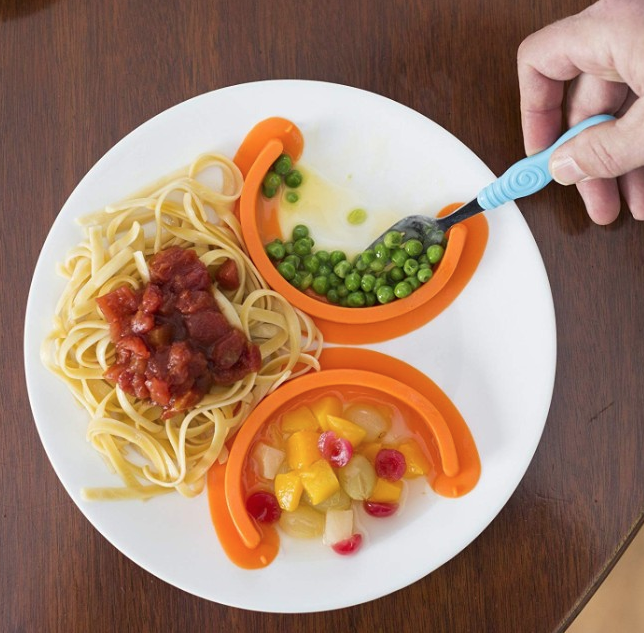
    We all have our eating quirks, and a common one is a belief that food should stay separate on the plate. Mixing peas and mashed potatoes or rice with beans are common food combinations but not to these picky eaters. Enter the company ‘Food Cubby,’ dedicated to ‘keeping food in its place,’ with innovative BPA- free, silicone dividers that fit on any plate so that your grub will never fraternize again – well until it goes in your stomach.

    food chubby


    Sold on Amazon in packs of two, the Food Cubby offers a choice of orange or green and includes two different sizes to assure that it fits on any of your dishes. The site says it not only works as a divider but also “as an ‘edge’ to push food onto a utensil, without fingers. ”

    So often getting kids to eat is a battle that parents go through. They have to come up with creative methods to make food seem more appetizing, but the sleek, smooth, plates and clever suction plate design is guaranteed to be kid-friendly, maybe because the original Food Cubby was invented by one. However, the company notes that this is perfect for all ages, “Good for special needs, elderly, vision impaired, and occupational therapy needs at mealtime.”

    food chubby


    Food Cubby can even help make sure you are eating healthier. This mealtime helper can hold 1/2 cup of food within its walls which can help with portion control and nutrition. The Center for Disease Control and Prevention recommends your plate include lots of fruits, vegetables, lean meats, and whole grains, with quarter portions of each.

    Food Cubby Plate Divider 

    The ORIGINAL Food Cubby food divider, invented by a kid, suctions to flat, smooth plates to keep runny food from spreading. The Food Cubby keeps food separated on plates you already own, so you don’t have to buy and store plastic divider plates. It also provides an “edge” to push food onto utensils for people who might need that help at mealtime. Good for special needs, elderly, vision impaired, and occupational therapy needs at mealtime. Also, holds 1/2 cup of food within its walls for portion control and nutrition. The Food Cubby was created by a kid inventor!

    source


  • Proven Health Benefits of Banana and Banana Peel Based on Science

    Proven Health Benefits of Banana and Banana Peel Based on Science

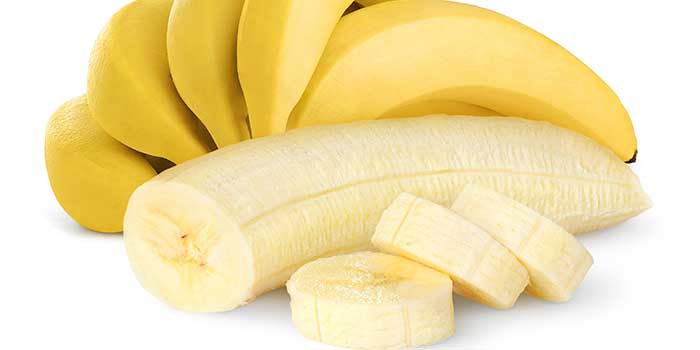
    Bananas are a delicious fruit that contains vitamins, minerals, nutrients, and plenty of dietary fiber. Eating one or 2 bananas a day can help improve your digestion, lower blood glucose levels, and give you plenty of energy. Bananas also contain dietary fiber and certain starches that can help you lose weight.

    One medium-sized banana is relatively low in calories and carbs and contains about 17% of your recommended daily intake (RDI) of vitamin C. Consuming 1 banana a day can also help you get potassium, vitamin B6, and 10% of your RDI of fiber.

    It’s not just the tasty flesh of the banana that has health benefits. Banana peels are also edible and contain antioxidants and antibacterial properties. In fact, banana peel from Cavendish bananas contains high levels of dopamine.

    In this article, you will find out why bananas are so good for you. I will examine what scientific research has revealed as to the many health benefits of regularly eating bananas. At the end of the article, you will find out how to get the health benefits of banana peel in your diet, as well as delicious banana smoothies to boost your health.

    What Are Bananas?

    Bananas are an edible fruit that has a thick skin and grow in tropical warm climates. Bananas belong to the Musa genus of plants.

    One of the most popular types of banana is the Cavendish banana (Musa acuminate). These are very sweet bananas that usually have yellow skin. (1) Other types of bananas on sale in supermarkets are Big Michael and Martinique bananas.

    You can also buy red bananas which have a skin that is reddish-purple and is usually sweeter than Cavendish bananas. Another type of banana it the Lady Finger variety which is smaller than regular bananas.

    Plantains are also a type of banana but have a higher starch content and less sweetness. These are sometimes referred to as “cooking bananas” and can be eaten unripe or ripe. Plantains are usually green even when they have ripened.

    Bananas are also a very convenient and tasty snack because they come in their own “packaging.”

    Banana Nutrition Facts

    Bananas are extremely nutritious because they are low in sugar, have a low glycemic index (GI) and contain a number of vitamins and minerals (2) which can help you get your daily recommended intake of essential nutrients.

    For example, even a small banana contains just 90 calories and 23 g of carbs. The fiber content in a small banana is about 2.6 g which is an impressive 11% of your RDI.

    What are the reasons to eat one or 2 bananas a day? According to the United States Department of Agriculture (USDA), one medium-sized banana (about 7” long, 118 g) has the following nutritional benefit: (3)

    So, consuming 2 bananas a day could help you get almost half of your vitamin B6 requirements, over 30% of your vitamin C requirements, and 25% of your needed potassium.

    Bananas also contain protein. The amount of protein in a medium-sized banana (118 g) is 1.3 g which is 3% of your RDI.

    According to Dietitian and Nutritionist Christine Mikstas, eating a banana every day can help to keep your bowels working well, lower cholesterol, reduce inflammation, and boost your cardiovascular health. (4)

    Bananas nutritional value is also boosted by being a good source of antioxidants. Apart from having a lot of vitamin C (which is an antioxidant) scientists have found that a compound in bananas, gallocatechin, has antioxidant effects. In fact, there are more antioxidants in banana peel than in the pulp of the fruit! (5)

    At the end of the article, you will find out ways of using banana peel in your diet for its health benefits.

    Benefits of Bananas

    Let’s look in more detail at the many ways of eating a banana a day can help give your health a boost.

    Bananas Promote Good Digestive Health

    Bananas are a good source of dietary fiber and so can help keep your digestion working properly.

    Many studies point to the fact that a high-fiber diet is essential to prevent many chronic diseases. Also getting the right amount of fiber daily helps to have regular bowel movements. (6)

    Having a large banana in the morning can help you start your day by getting 14% of your fiber intake and 20% of your required vitamin C intake.

    Researchers from Harvard School of Public Health say that another way bananas promote digestive health is because they contain resistant starch. This type of starch found mainly in unripe bananas is absorbed slowly in the small intestine. This helps beneficial microbes to grow in the gut that is essential for digestion. (7)

    Studies have found that banana consumption has a prebiotic effect in the intestines. Prebiotics are necessary to help friendly bacteria (probiotics) to grow. In one study, women who consumed 2 bananas a day had increased levels of bifidobacterial compounds which are friendly bacteria in the human gut. The women also reported less abdominal bloating. (8)

    Find out about other ways to improve your digestive health naturally.

    Bananas Are a Good Source of Energy

    If you enjoy exercising regularly, then bananas can give you a great healthy energy boost.

    One medium banana contains 27 g carbs but has a low glycemic index which classes them as a healthy carb. Studies have shown that bananas provide good nutritional value during intensive exercise. Scientists described bananas as a “cost-effective energy source” for athletes. (9)

    Enjoying a banana before exercising will also help reduce the effects of oxidative stress on the body and exercise-induced inflammation. (9)

    Apart from enjoying the health benefits of bananas, find out what other great foods can give you energy.

    Bananas Can Help Prevent Muscle Cramps After Exercising

    Another reason to consume a medium-sized banana before working out is that compounds in bananas can help reduce post-exercise muscle pain.

    Research into the nutritional content of bananas has found that the nutritional content in bananas can help reduce exercise-associated muscle cramps and pain. One clinical trial found that athletes who consumed 2 bananas before intensive cycling had less muscle cramping than those who only consumed water. (10)

    The scientists found that sugar and phytochemicals in bananas help reduce inflammation after exercise and speed up metabolic recovery. (10)

    Bananas Can Help Lower Blood Pressure

    Bananas contain a high amount of potassium and can prove beneficial in helping to lower blood pressure.

    A large banana contains about 490 mg potassium which is 14% of your recommended daily intake. Research into the effect of potassium on hypertension (high blood pressure) found that getting enough dietary potassium can help reduce diastolic and systolic blood pressure. This can also have a significant impact on cardiovascular health and also reduce your risk of stroke and heart attack. (11)

    One random cross-over study found that a meal containing the equivalent of  bananas can lower blood pressure after the meal. Consuming bananas can have an overall effect of improving artery health. (12)

    Other studies have found that regularly including more bananas in your diet can help to lower diastolic blood pressure. (13)

    Some studies also say that minerals in bananas like potassium and magnesium have a general cardio-protective effect. (1415)

    Learn about other ways to lower blood pressure naturally and the importance of addressing magnesium and potassium deficiencies.

    Bananas Can Help Regulate Blood Glucose Levels

    If you have diabetes, you can still eat moderate portions of bananas because they can help improve blood glucose levels.

    One small banana (6” or 15 cm) contains 23 g of carbs and has a low GI count of 8. One study found that eating a banana for breakfast significantly lowered fasting blood glucose levels after 4 weeks in people with high cholesterol. The trial concluded that consuming a banana daily shouldn’t harm people with diabetes or high cholesterol. (16)

    If you have type 2 diabetes, learn about other foods that can help manage diabetes symptoms.

    Bananas Contain Compounds That Can Protect Against Gastric Ulcers

    Unripe plantain bananas contain compounds that can help protect your gastrointestinal lining from damage.

    Gastric ulcers can be caused by the long-term use of non-steroidal anti-inflammatory drugs (NSAIDs). One study found that unripe bananas have anti-ulcerogenic properties that can protect the stomach lining. Preparations using plantain banana powder can help to stimulate the growth of gastric mucosa. This helps to prevent gastrointestinal damage that results in ulcers. (17)

    Other research has suggested that using plantain banana extracts can help to kill off free radicals in the intestines and reduce excess stomach acid. This can help to heal the peptic ulcer. (18)

    Unripe Bananas Can Help You Lose Weight

    Bananas are a very healthy fruit that can also help you lose weight as part of a weight-loss program.

    Two large bananas can provide you with about 30% of your recommended daily fiber intake. Researchers say that dietary fiber can help reduce feelings of hunger and keep your digestion working properly. Increasing dietary fiber can help to lose weight and reduce obesity. (19)

    Unripe bananas that are still green contain resistant starch that can also help you lose weight. The British Journal of Nutrition reported that foods containing resistant starch can help to manage appetite better. (20)

    What about claims that bananas cause you to put on weight? According to researchers from the Harvard School of Public Health, increasing your regular banana intake doesn’t cause weight gain. (7)

    Bananas May Help Lower Your Risk of Kidney Cancer

    One study in Sweden found that bananas are one of the best fruits to eat to lower your risk of renal cell carcinoma (a type of kidney cancer). The researchers found that eating 3 portions of fruits and vegetables per day can reduce the risk of renal cancer. From fruits, bananas had the best protective effect on the kidneys against cancer. (21)

    Banana Peels: Are They Edible?

    Banana peels are edible and contain many antioxidants, vitamins, and minerals. So, you shouldn’t dispose of your banana peels but you can try to incorporate them into your diet. In fact, banana peels have more antioxidants than banana pulp.

    Scientists have found that banana peel contains polyphenols and carotenoids – strong plant-based antioxidants. In fact, unripe banana peel has the strongest antioxidant activity. (22)

    How can you eat banana peel? You can roast bananas along with the peel to make them more palatable. Or, you can fry them or boil them. However, if you want to get the health benefits of raw banana peel, you can chop the ends off, thoroughly wash the peel, and add the peel to your favorite smoothie.

    What are the benefits of using bananas peels? Here a few great reasons to use banana peel in your diet.

    Consuming banana peel may have an anti-depressant effect

    Adding raw banana peel to your smoothies can help lift your mood and have an anti-depressant effect.

    Scientists have found that the peel of Cavendish bananas contains high levels of dopamine. In fact, banana peel has up to 560 mg dopamine levels per 100 g as compared to just 10 mg dopamine in the pulp. As well as containing dopamine, the banana peel is a rich source of antioxidants. (23)

    Researchers have found that extracts from banana peel have antibacterial activity against certain strains of bacteria that are found in the mouth. Oral bacteria are associated with a periodontal disease like bleeding gums, bad breath, loose teeth, or gum abscesses. (24)

    You can also try using the skin of a banana to whiten your teeth. Some people claim that potassium, manganese, and magnesium in banana peel have teeth-whitening properties. There are no scientific studies backing up these claims. However, the only way to see if bananas can whiten your teeth is to try yourself.

    How to use bananas to whiten teeth:

    Apply banana peels to insect bites or to soothe skin rashes

    You could also try applying banana peels to skin rashes and insect bites.

    Interestingly, the journal Medicines in 2017 reported that banana peel can help to reduce skin swelling and irritation from mosquito bites. Also, you can make your own poultice for wounds to reduce inflammation and pain. (25)

    All you need to do is apply the banana peel flesh side down to your irritated skin to help reduce discomfort and speed up healing.

    Use banana peels in your compost

    Another way to get the benefits from banana peels is to put them into your compost. Nutrient-rich banana peels in compost breakdown into their base elements and creates a wonderful fertilizer for your plants.

    Can You Eat Too Many Bananas? How Many Bananas Should You Eat a Day

    Bananas are a popular fruit that makes a great snack because they are already pre-packaged in their own protective skin. How many bananas should you eat in a day to get its health benefits?

    You can safely eat bananas without worrying too much about overdosing. For example, one medium-sized banana contains 422 mg of potassium. According to medical sources, you need around 4,700 mg of potassium per day as part of a healthy diet. (26) That would mean that you would have to eat around 11 bananas before reaching your RDI of potassium.

    If you have an underlying health problem like kidney disease or diabetes, you should limit your banana intake.

    Most people can eat safely 4 or 5 bananas a day.

    How to Store Bananas

    You can try to buy organically-grown bananas, although bananas have low to moderate pesticide residue score according to the Environmental Working Group (EWG) annual guide to pesticides in produce. Bananas continue to ripen in the store and when you take them home. Bananas should be stored at room temperature to ripen properly.

    If your bananas are about to become overripe, you can freeze them and keep them for several months. To do this remove the peel first, cut the bananas into chunks and arrange them in one layer on a parchment lined a baking tray and freeze for about two hours. Once frozen, transfer to plastic freezer bag.

    Health Boosting Breakfast Banana Smoothies

    While you cannot juice bananas, it doesn’t mean that you can’t blend them with your juiceBananas make excellent smoothies – they add thickness and fiber to smoothies and make them taste smooth, creamy and delicious.

    Here I would like to share with you some great banana smoothie recipes that are great for breakfast and will provide you lots of energy to face the day ahead.

    Heart Smart Oatmeal Banana Smoothie

    Oatmeal provides high levels of fiber, has low levels of fat and is a good source of protein. It is a recommended food to control diabetes as a large amount of fiber causes a slower absorption of glucose.

    Almonds are rich in minerals (zinc, magnesium, potassium, iron, calcium), vitamins (E, folic acid, B1, B2, B3), polyunsaturated fatty acids, protein, and fiber. They also help lower cholesterol and maintain a healthy heart and blood vessels, help lower blood pressure and strengthen bones because they are rich in calcium. This yogurt smoothie recipe combines all these nutritional benefits and is delicious too!

    Ingredients:
    2 whole bananas (best with brown flecks on peel)
    2 cups Ice
    1/3 cup yogurt – preferably Greek yogurt flavored with honey
    1/2 cup oatmeal
    1/3 cup almonds

    Pour all ingredients in a blender, pouring the ice in last. Blend on high for 30 seconds or until the smoothie thickens.

    Breakfast Banana Green Smoothie

    Another great recipe is for a green smoothie that combines the goodness of leafy greens and banana. You can also read my article on how to upgrade your health with green smoothie recipes.

    Green smoothies enable us to consume various combinations of greens and vegetables that can improve our health. The health benefits of green smoothie vary depending on the green leaves or vegetables you choose, but generally speaking, they help clear toxins, add many nutrients, cleanse the digestive system, nurture the skin, improve vision, and more.

    Ingredients:
    5-6 lettuce leaves or a big handful of spinach
    1 cucumber (or celery if you like)
    Handful of sprouts
    1 banana
    Dried pitted date
    Optional: flaxseeds or chia seeds (for the addition of omega- 3 fatty acids)
    Cool water as needed, depending on the desired consistency.

    Put all the ingredients in a blender without the water and blend. Add the water gradually until you have reached to the desired consistency.

    Banana Cocoa Smoothie

    And last – a recipe for a cocoa banana smoothie. I’ve already written about the amazing health benefits of raw cacao, and a smoothie is a great and easy way to incorporate raw cocoa into your daily nutrition.

    4 oranges, juiced (you can change the taste by replacing orange juice with coconut water or milk substitutes)
    2 tsp raw cocoa powder
    2 bananas, peeled
    1 mango, peeled and pitted

    Pour the orange juice and all the other ingredients into the blender and blend. If you want you can add more juice or water to thin the smoothie.
    Proven Health Benefits of Banana and Banana Peel Based on Science

  • Sunscreen is killing people; scientists now say sunlight deficiency is deadly, reversing decades of propaganda pushed by the toxic sunscreen industry

    Sunscreen is killing people; scientists now say sunlight deficiency is deadly, reversing decades of propaganda pushed by the toxic sunscreen industry

    File this under “long-standing health beliefs we now know are false:” Sunscreen isn’t really that good for you after all. Like eggs and salt, the sun has been given a bad name rather unfairly. Not only is the sun not bad for you – quite the opposite, in fact – but sunscreen isn’t exactly doing your health any favors. Let’s take a look at what we now know.

    After years of avoiding the sun in hopes of preventing skin cancer, doctors and researchers are now seeing just how badly a lack of sunlight can impact your health. One of the biggest problems right now is vitamin D deficiency. This hormone is manufactured by your skin upon exposure to sunlight. Although there are food sources of vitamin D, it’s very difficult to get it from diet alone.

    These days, most people work indoors, and many of us wear sunscreen every time we do go outside because we’ve been told that UV rays can cause skin cancer. The advice from some experts has been to always use sunscreen and get vitamin D supplements, but clinical trials have shown that these supplements are no match for the real deal.

    In fact, a study of nearly 26,000 participants found that taking high doses of vitamin D supplements over five years had essentially no impact on stroke, heart disease, or cancer. This may have added fuel to those who argue that vitamin D isn’t that important, but it overlooks the fact that getting vitamin D from a pill simply isn’t the same thing as inspiring your body to produce its own the way nature always intended.

    Many experts now believe that stepping outside without sunscreen is a healthy lifestyle choice, and it deserves a place right alongside eating a healthy diet and exercising regularly.  Do not forget to protect yourself from the sun by using something as simple as a hat.

    Sunscreen is bad news all around

    If you still can’t shake your reservations about cancer and want to wear sunscreen anyway, consider this: The ingredients in sunscreens actually transform into chemicals that can cause cancer when they are exposed to the chlorine found in swimming pool water. In addition to cancer, such chemicals have also been linked to problems like immune system damage and infertility. The reaction is even worse in pools that use copper salts to enhance the blue color of the water; this causes sunscreen to break down into a substance called bromoform that has been linked to liver and kidney problems as well as nervous system disorders.

    Natural sunscreens do exist, but you should only use them after you’ve gotten adequate sun exposure to keep your vitamin D levels healthy. It’s hard to say for sure how much sun you might need as factors like your location, skin tone, time of day, and the weather all play a role, but as a general rule, 20 to 30 minutes without sunscreen three times per week should do the trick.

    source:  https://www.naturalnews.com

  • Sick of Searching for Lids for Your Plastic Containers? These Containers Zip Shut

    Sick of Searching for Lids for Your Plastic Containers? These Containers Zip Shut

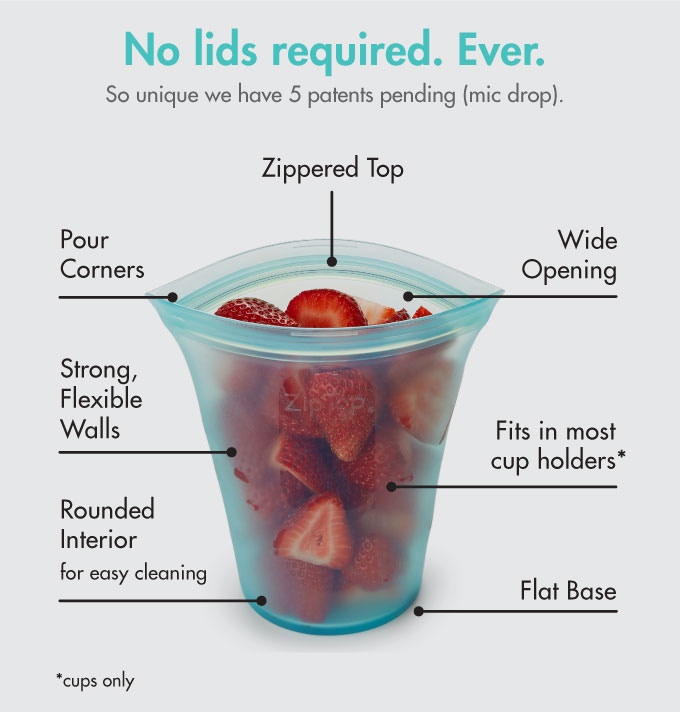
    Half the battle of cleaning up after dinner is trying to find a plastic container and the right lid to hold your leftovers. Like a modern-day Goldilocks dilemma, it seems that the lid is always too big—or too small—for the container you want to use. Houseware and handbag brand Finell may have found a solution, though. The company’s Zip Top containers combine the best features of a plastic container and zippable plastic baggie while eliminating the hassles associated with both.

    Zip Top containers stand upright like a typical plastic container, but they’re a lot more malleable, letting you squeeze them into tight spots in your fridge. And unlike other storage containers, they have a zippable top, so you’ll never have to tear apart your kitchen looking for another lid. (Another helpful feature: The container’s pointed “pour corners,” so you won’t make a mess trying to transfer soup or sauce to a bowl.)

    Another selling point is its versatility, they’re safe for the dishwasher, microwave, oven, and freezer. You can even use them as sous vide, with some modifications. “Zip Top containers are thicker than most commercial sous vide bags, so you may need to increase the temperature slightly to compensate,” the company notes.

    They’re also said to be “virtually indestructible,” so you can use them as many times as you’d like—all while helping the environment. By some estimates, traditional plastic bags may take 500 years to break down in a landfill. According to Finell, one Zip Top can save 5000 plastic bags.

    Source: Mentalfloss.com

  • 2019’s Most Sinful States in America

    2019’s Most Sinful States in America

    Red states and blue states may like to point to one another as the source of all that is wrong with the U.S., but the truth is that each of the 50 states has its own virtues and vices. For example, Missouri has the worst drug use problem. And it certainly comes as no surprise that Nevada is the most gambling-addicted.

    But the cost of state sins is something we have to share as a nation. Gambling alone costs the U.S. about $5 billion per year. That’s nothing compared to the amount of money we lose from smoking, though – over $300 billion per year. Harmful behavior on the individual level can add up to staggering economic costs on a national scale.

    Some states are more well-behaved than others. In order to determine the states that most give in to their desires, WalletHub compared the 50 states across 43 key indicators of immorality. Our data set ranges from violent crimes per capita to excessive drinking to share of the population with gambling disorders. Read on to see the full ranking, insight from a panel of experts, and a full description of our methodology.

    With Mardi Gas approaching and Louisiana set to be the center of plenty of drinking, drug use, and sex, WalletHub has also prepared a Mardi Gras Facts – Booze, Floats, Money & More infographic to go along with this report.

    Read More