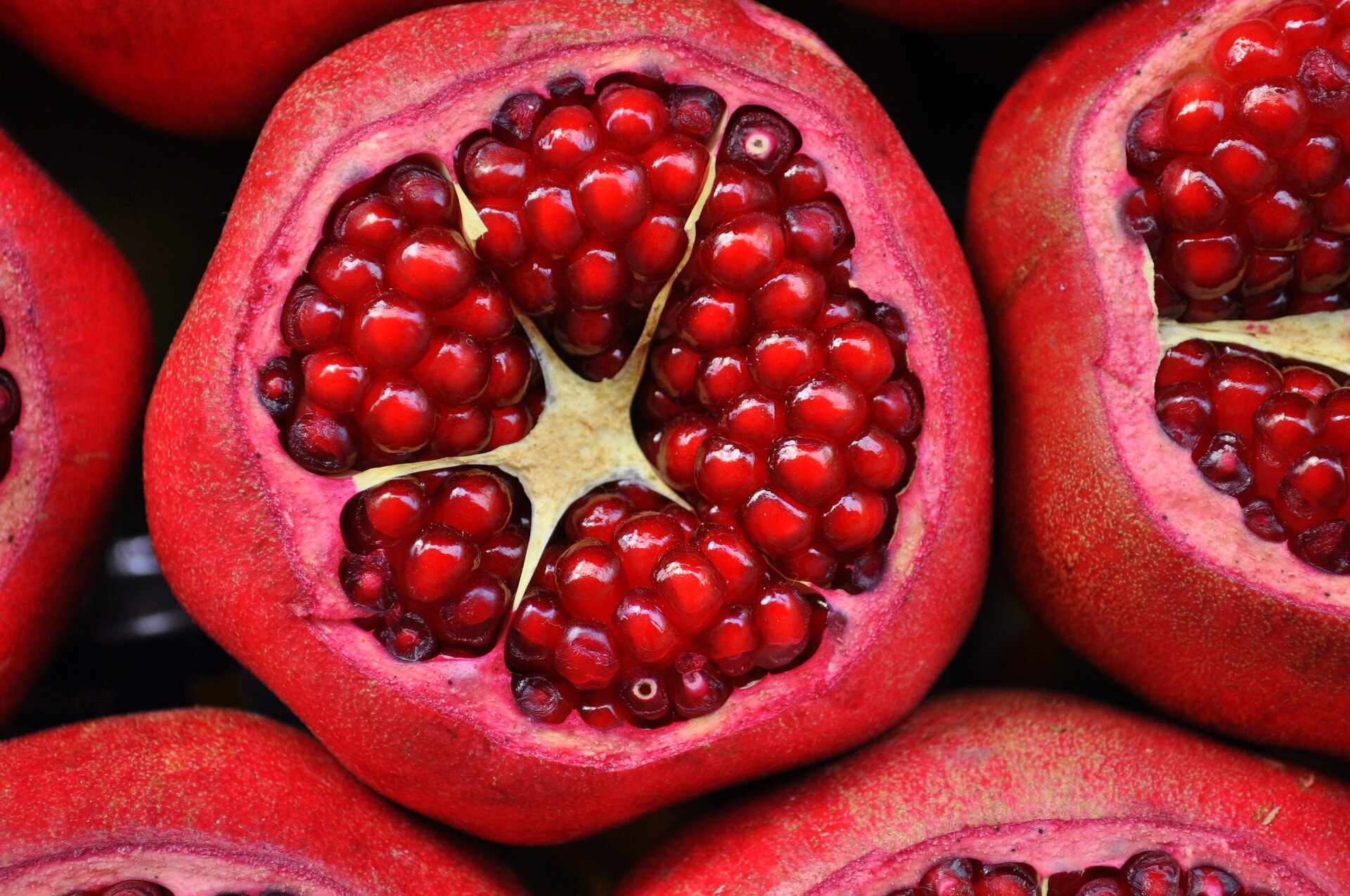
Urolithin A, a metabolite of biomolecules found in pomegranates and other fruits, could help slow certain aging processes. EPFL spin-off Amazentis, in conjunction with EPFL and the Swiss Institute of Bioinformatics, has published a paper in the journal Nature Metabolism outlining the results of their clinical trial.
It is a fact of life that skeletal muscles begin to lose strength and mass once a person reaches the age of 50. A recent clinical trial involving two EPFL entities—spin-off Amazentis and the Laboratory of Integrative Systems Physiology (LISP) – showed that urolithin A, a compound derived from biomolecules found in fruits such as pomegranates, could slow down this process by improving the functioning of mitochondria—the cells’ powerhouses. A joint paper presenting the results of the trial, published today in Nature Metabolism, also demonstrates that ingesting the compound poses no risk to human health.
Slowing mitochondrial aging
The claim that healthy eating is the key to longer life might seem too convenient—but it is now further backed by scientific evidence. Pomegranate, a fruit prized by many civilizations for its health benefits, contains ellagitannins. When ingested, these molecules are converted into a compound called urolithin A (UA) in the human gut. The researchers found that UA can slow down the mitochondrial aging process. The catch is that not everyone produces UA naturally.
To get around that problem, and to make sure all participants received an equal dose, the team synthesized the compound. Some 60 elderly people, all sedentary yet in good health, took a single dose of between 250 and 2,000 mg of UA. The researchers observed no side effects when compared with the control group, who were given a placebo. The participants were then split into four groups, each receiving a placebo, or a 250, 500 or 1,000 mg daily dose of UA for 28 days. Again, no adverse health impacts were found, even after prolonged ingestion. The team then assessed the efficacy of UA by looking at cellular and mitochondrial health biomarkers in the participants’ blood and muscle tissue. The results were compelling: UA stimulates mitochondrial biogenesis—the process by which cells increase mitochondrial mass—in the same way as regular exercise.
UA is the only known compound that re-establishes cells’ ability to recycle defective mitochondria. In young people, this process happens naturally. But as we age, our body starts to lose its power to clean up dysfunctional mitochondria, causing sarcopenia (loss of skeletal muscle mass) and the weakening of other tissues. The team focused on slowing, or even reversing, this natural effect of aging.
The paper, published today, also confirms that the compound is safe to eat. Amazentis, based at EPFL’s Innovation Park, hopes to harness the promising results to quickly bring the product to market. “These latest findings, which build on previous preclinical trials, really crystallize how UA could be a game-changer for human health,” says Johan Auwerx, a professor at LISP, the EPFL lab involved in the trial. An article published in 2016 showed that the lifespan of nematode worms exposed to UA increased by 45 percent—from around 20 to 30 days—when compared with the control group. Likewise, older mice showed 40 percent better endurance while running after two weeks of treatment. The compound may thus have even more secrets to reveal about its benefits for human health.
More information: Pénélope A. Andreux et al. The mitophagy activator urolithin A is safe and induces a molecular signature of improved mitochondrial and cellular health in humans, Nature Metabolism (2019). DOI: 10.1038/s42255-019-0073-4
Citation: Pomegranate compound with anti-aging effects passes human trial (2019, June 17) retrieved 17 June 2019 from https://medicalxpress.com/news/2019-06-pomegranate-compound-anti-aging-effects-human.html
This document is subject to copyright. Apart from any fair dealing for the purpose of private study or research, no part may be reproduced without the written permission. The content is provided for information purposes only.
Beans, beans. The magical fruit! The more you eat, the more you.. need to stock more. Beans are an excellent addition to your food supply for an emergency. They last practically forever if stored correctly, and can provide you with a nutritional punch that is very hard to match for the price you pay for them. I’m going to cover a couple of the varieties of survival beans and why you should consider adding them to your emergency pantry.
Beans have been a human staple for thousands of years. A member of the legume family, beans have been cultivated the world over both as food for people and livestock. In fact, evidence in Thailand points to beans having been cultivated since the early seventh millennium BCE, which actually predates the creation of ceramic pottery.
In terms of using beans as a food storage item, you have a LOT of choices. The most common beans you’ll find in most US grocery stores include:
Pinto beans
Probably the most famous of the beans, pinto beans are widespread in Mexican cooking (commonly seen as refried beans) They are high in protein, iron, and several micronutrients and of course provide you with needed fiber. Pinto beans are also great cheap survival beans, and can be purchased in bulk without hurting your wallet. And, as the children’s rhyme goes, they actually are good for your heart.
Black Beans
Commonly available in canned form or dried in packs, the black bean is a little smaller than the pinto bean, but actually has a lot more flavor and are just a little more interesting to the pallete, in my personal opinion. There is research suggesting that black beans can help reduce your risk of certain types of cancers. With some lime and cilantro flavored rice and black beans, you’re well on your way to a survival beans burrito in no time.
Kidney Beans
My mother used to make this weird kidney bean relish and when I was a kid, I absolutely hated it. As I grew older, though, I became more health conscious and came to love the kidney bean. Taking its name from the shape of our internal kidneys, these red beans are a welcome addition to any prepper’s pantry. Like it’s pinto and black cousins, the kidney bean is high in molybdenum, folate, fiber, copper, manganese, phosphorus, protein and fiber. Kidney beans tend to be a little more expensive than the previously mentioned varieties, but they have a unique flavor and can add a hearty element to any meal.
Mixed survival beans for soup
Anyone else remember having 15 bean soup? It’s such an easy meal to make, and if you can throw in some ham or bacon, it’s freaking delicious! Plus, there’s lots of different variants of this classic meal that you can throw together in no time. the beans take on any different flavorings or spices you may mix with them, and if nothing else the colors make it a fun dish to prepare.
Grow your own survival beans
Of course it’s easier to just buy a bag of survival beans and throw it in your cupboard, but if you’re like me, you like to see if you can produce your own! Beans are a pretty easy crop to grow for the beginning gardener, and there are many dozens of beautiful varieties to choose from. Some of these beans can be eaten while still in the pod (think regular old green string beans) and some can be left to dry until the beans themselves are husked from the pod at harvest. Some have the ability for both. If you don’t have some bean seeds, you should get some. You might even get lucky and grow a giant bean stock and find a golden goose!
Well, Estwing, you’ve really done it. You’ve gone and made a functional, cool looking tomahawk axe at an affordable price? You savages. The Estwing Tomahawk is my first ever tomahawk axe, and I love everything about it. It’s got functionality and style wrapped into a sleek tactical package – what more could one ask for?
Estwing has been in the business of creating hand tools since 1923, and prides themselves on creating products out of one solid piece of hardened tool steel, giving them incredible strength and durability. While most of their products focus on tools for contractors like hammers or pry bars, they have journeyed into the camping / survival realm with various types of knives and axes. One of my favorite features of the Estwing tomahawk is the handle, which is made out of a high quality rubber and provides a sure grip so you can feel comfortable while you are swinging it. The handle is also designed to absorb a good deal of shock from impacting, which will save your hands on longer cutting jobs. I’ve taken the Estwing tomahawk with me on many a hike and camping trip and I love the feeling of security it provides. It’s actually made in the United States, as well so it gets some points for being locally produced! It’s available in multiple colors, from flat black, to desert camo, to the leather wrapped handle version you see above.
The Estwing tomahawk is fairly light, it weighs in at just under two pounds, making it an easy addition to your camping or bug out equipment. The axe blade itself is bladed on one side, and has a puncturing tool on the other, which could be used to breach glass or other surfaces. It comes equipped with a nylon carry case that covers up the axe head, and you can affix it to a belt or MOLLE compartment pretty easily – and the axe is easily removed by popping a couple snap on buttons off of the case. Overall, if you’re looking for a high quality axe that looks awesome and isn’t going to wreck your wallet, look no further than the Estwing Tomahawk.
The author, who is also the founder of Nalane Reproductive Justice, explains why she believes sex work should be decriminalized.
“The idea of purchasing intimacy and paying for the services can be affirming for many people who need human connection, friendship, and emotional support,” Mofokeng said.
What drew outrage, beyond the obvious, was that the article was published in Teen Vogue, a magazine targeted toward 13-year-old girls.
This article reduces the work of a medical professional to that of a sex worker. In her piece, Mofokeng questions why having a medical degree to talk about sex-related problems differs from physically performing sexual acts. Both are a transfer of cash, therefore both ought to be legal.
With that line of logic, we should legalize all drugs because doctors give out drugs; therefore crack dealers should be allowed to give out drugs. They’re both a transfer of cash, after all.
Mofokeng elaborated:
“I find it interesting that as a medical doctor, I exchange payment in the form of money with people to provide them with advice and treatment for sex-related problems; therapy for sexual performance, counseling and therapy for relationship problems, and treatment of sexually transmitted infection. Isn’t this basically sex work? I do not believe it is right or just that people who exchange sexual services for money are criminalized and I am not for what I do. Is a medical degree really the right measure of who is deserving of dignity, autonomy, safety in the work place, fair trade and freedom of employment? No. This should not be so. Those who engage in sex work deserve those things, too.”
Why would a topic of such moral ambiguity be promoted by a magazine for teenagers?
When I was younger, I used to pick up an issue of Teen Vogue before I would head over to the neighborhood pool. The magazines were filled with trendy models and articles about Selena Gomez. The biggest scandal, from what I can recall, was the Selena Gomez-Justin Bieber break up. How did a magazine that used to dish about celebrity scandals choose a topic as perverted as sex work to preach to young women about?
Not only was the article was tasteless, given the audience, but it also failed to talk about legitimate problems with consensual prostitution and closely-related sex trafficking:
I don’t doubt that a small % of women enter into sex work consensually. But it is beyond selfish for @TeenVogue to prioritize their needs & desires above the needs & desires of women who are victims of this industry—women (and girls) who are trafficked, abused, and desperate. https://t.co/PZ6REWnT0N
— Kelsey Bolar (Harkness) (@kelseybolar) June 17, 2019
This article was a slap in the face to those young women who are trafficked and abused at skyrocketing rates. Between 2010 and 2015, there was an increase of reported child sex trafficking by 846 percent.
In 2014, the Department of Justice reported that more than half of sex trafficking victims are 17 years old or younger. While Teen Vogue is pushing a sex liberation agenda on young women, they are bypassing the unfortunate truth that some of their readers may become victims of this industry.
Promoting unlimited, legal prostitution is not freeing and not something that we should be promoting to young women, especially during a time when women are doing exceptionally well in America and the doors are opening for women in all job fields. In fact, 70 percent of people see the wide-ranging benefits of female leadership. Why should we open up avenues for women to fall into the dangerous clutches of sex work—or worse, sex trafficking—when the working woman’s opinion is of such value?
We should not be promoting a sex liberation narrative to 13-year-olds. We should be teaching 13-year-olds about community, family, careers, literally anything else. You would think a doctor would know that.
It is unimaginable how someone would promote such a skewed ideology of feminism to such a vulnerable readership.
WOULDN’T it be great if weight loss was so straight forward that you could even do it in your sleep?
Well, it kind of is.
Drinking some teas before you go to bed could improve your sleep – and your weight loss ability. But we’re not talking about downing mugs of builders’ brew before bed!Getty – Contributor
Many of us think of shedding body fat as being complicated.
But it really isn’t – it’s simply a matter of re-balancing our lifestyles.
How well we sleep really does affect weight loss
We tend to store a lot of fat around our middles if we’re exposed to high and prolonged stress.
Stress comes in many different forms but their effect on our metabolisms is basically the same.
If you’re disproportionately storing more fat around your lower belly, then you need to start thinking about reducing your stress levels and getting a good night’s sleep.
Pre-bed tea time
And an easy way to start improving the quality of your sleep and boosting your weight loss is by drinking a cup of pre-bed tea.
We’re not talking about the kinds of dubious diet teas that promise to help you shed a stone in a week.
Instead, try these herbal teas to satisfy sweet cravings, calm the mind and prepare the body for rest…
Cinnamon tea
Cinnamon has tonnes of health benefits.
It’s naturally anti-inflammatory, meaning that it’ll help you de-bloat and reduce your overall physical stress load.
It’s also said to increase insulin sensitivity and decrease blood sugar – both of which are vital for losing weight.
The spice is also thought to boost metabolism because your body uses more energy to process it.
“Though it has a slight metabolism/thermogenic effect, it is more about balancing blood sugar and insulin resistance, which in turn aids weight loss and can lessen food cravings,” nutritionist Helen Bond told The Sun.
“Again, this does not replace the need for dietary changes. A far better way of balancing blood sugar and insulin resistance is to follow a sugar-free, low-carbohydrate diet.”
Dr Sally Norton told The Sun that cinnamon can be added to desserts or hot drinks as a healthy alternative to sugar, as it can have a subtle sweetness.
So if you want something sweet after dinner, a cup of cinnamon tea might be the ideal solution.
Cinnamon tea can help to balance out blood sugar and minimise cravings, aiding weight lossRoger Crump – The Sun
This stuff is traditionally drunk black and has actually been directly linked to weight loss.
A 2016 study found that the fat-burning effect of daily tea drinking helped 59 overweight or obese people to reduce their BMI and shift a significant amount of weight.
In just four weeks, they were found to have cut fat from their arms, legs and bellies.
And they also reported having a smaller appetite after drinking the stuff.
Have a go with Dragonfly Skinny Dragon Pu’Er tea, £1.87, Waitrose
“Firstly, it’s going to interfere with your thyroid – meaning it’s going to be very hard to burn fat when your cortisol is high. In fact, you’re going to be more likely to burn muscle.”
And secondly, “too much cortisol can also lead to an over-stimulation of the brain during sleep causing an increase of ghrelin – the hunger hormone, which is going to make it impossible for you to control your appetite and stay away from simple sugars and high-fat foods.”
Weight loss more likely after 8 hours
A 2011 study found that people who slept between six and eight hours a night had a greater chance of achieving their weight-loss goal than those who slept less or more.
It also found that lower stress levels were associated with greater success at weight loss, particularly when combined with between six and eight hours of sleep.
Sleep has all kinds of miraculous effects on our bodies.
It can help us fight cravings and stabilise our insulin levels.
Excess insulin makes you more hungry and tells the body to store more calories as fat – so you want to make sure that you’re as insulin sensitive as possible.
One study forced 11 men to have only four hours of sleep for six nights. After this, their bodies’ ability to lower blood sugar levels decreased by 40 per cent.
Poor sleep also slows down your metabolism, increases your calorie intake and increases your appetite.
So anything we can do to promote a much better sleep is going to result in greater fat burning ability.
Work on an 80:20 approach
Don’t think that drinking tea is going undo eating badly and doing no exercise.
Think of tea as the cherry on top of a cake that you’ve been building with good lifestyle habits.
MORE ON WEIGHT LOSS
TAKE A WEIGHT OFF
The best fasting diets to help boost weight loss – from 5:2 to days off
BACK TO BASICS
BOSH! chefs Ian and Henry talk veganism and cooking with singer Gary Barlow
SLIM FOR SUMMER
You DO feel less hungry in the summer – it’s the best time to lose weight
DON’T WEIGHT
Weight loss tips to REVERSE type 2 diabetes – from Mediterranean diet to keto
MIND BOGGLING
Fast food could cause dementia – and damage is ‘irreversible’, scientists say
WEIGHTY ISSUE
Lose weight with the 5 best diets of 2019 – low-carb keto to Mediterranean
POP TAX
Fizzy drinks could be more expensive in restaurants to tackle childhood obesity
STEAK YOUR LIFE ON TUNA
Eating fish instead of meat can cut risk of dying early by a FIFTH
SOUR GRAPES
Does apple cider vinegar REALLY boost weight loss? We asked the experts…
FLACK ON
Lose weight like Love Island host Caroline Flack with 5 easy tips to cut sugar
DIET DILEMMA
Twins prove why some pile on weight and others don’t & it’s NOT down to food
LIFE HACKS
Lose weight and live longer with three lifestyle tweaks you can make NOW
No one is saying that you have to ditch the evening wine altogether.
But if you want to lose weight, you’re probably best off trying to minimise the amount you drink and saving it for those weekend nights.
Try to drink tea five nights a week and then treat yourself on Fridays and Saturdays when you can catch up on sleep the next morning.
We pay for your stories! Do you have a story for The Sun Online news team? Email us at tips@the-sun.co.uk or call 0207 782 4368. You can WhatsApp us on 07810 791 502. We pay for videos too. Click here to upload yours
SINGAPORE’S electronics exports in May posted their sharpest contraction since 2009, dragged down by the US-China trade conflict, the fading of the semiconductor cycle and weakening external demand.
Economists warn that electronics players should brace themselves for a long winter, as the ongoing US-China trade tension – the biggest wildcard – remains unresolved and the global appetite for chips wanes.
Overall, non-oil domestic exports or NODX, of which electronics is a subset, posted a dismal showing in May, plunging by 15.9 per cent, the biggest fall in more than three years. Enterprise Singapore, in the release of the monthly trade data, noted that this was due to the high base in May last year.
Market voices on:
The fall follows two straight months of double-digit declines: It was a 10 per cent drop in April and an 11.8 per cent contraction in March. But it was slightly less gloomy than what economists had predicted earlier; they had expected an 18.7 per cent plunge in exports.
While the lacklustre performance in May came on the back of declines in both electronic and non-electronic shipments, it was the former that was the main drag.
Electronics plummeted 31.4 per cent in May, following a 16.3 per cent fall in the previous month. Integrated circuits (ICs or chips), disk media products and parts of ICs contributed the most to the drop.
OCBC Bank economist Howie Lee said the sharp fall in electronics exports was “mostly a result of poor demand”, which was expected, given the continued sluggishness in the global electronics sector, particularly in China.
“We do not expect a quick turnaround in the fortunes of the electronics sector,” he said.
“The multiple trade barriers by the US are likely to crimp global disposable income, dampening worldwide demand for smartphones and PCs and pushing the highly cyclical electronics industry into an even deeper downturn.”
Maybank Kim Eng economists Chua Hak Bin and Lee Ju Ye pointed out that the trade numbers underscored the fragility of Singapore’s export growth this year.
They noted that US export controls on tech goods to China, including Huawei, will worsen disruption to supply chains.
They wrote in a report: “With the broadening of the US-China trade war to a tech war, Singapore may face increasing pressure and collateral damage, given the widening reach of US export controls on emerging and foundational technologies.”
Many multinational companies that abide by US export controls such as Intel, Micron, Broadcom and Panasonic have a presence in Singapore, the Maybank Kim Eng economists noted.
Non-electronics exports also weighed on NODX in May, marking its third straight month of contraction.
It fell by 10.8 per cent last month, with civil engineering equipment parts, non-monetary gold and petrochemicals contributing the most to the fall.
In comparison, exports of pharmaceuticals, which tend to be volatile, surged.
Non-oil exports to the majority of Singapore’s top markets shrank in May, with the exception of the US. The largest contributors to the NODX decline were China, Taiwan and Hong Kong.
Total trade shrank by 2.1 per cent in May as both imports and exports declined, after the 3.2 per cent growth in the preceding month.
With the release of the latest NODX figures, several economists lowered their export forecasts for the year against the backdrop of a deteriorating external environment.
This follows last month’s downgrading of the official NODX full-year forecast from zero to 2 per cent growth to -2 to zero per cent growth.
Some of the latest downgrades came from UOB, which lowered its projection to between -1 and -3 per cent in 2019 (from -1 per cent previously); OCBC lowered its forecast from -2.2 per cent to -2.6 per cent.
With exports hard hit, economists are speculating that Singapore could experience a severe economic downturn down the road.
Maybank Kim Eng’s Mr Chua and Ms Lee are among those entertaining this possibility: “A full blown trade war, if (President Donald) Trump applies tariffs to the remaining trade items with China, could see Singapore slip into recession.”
With so much at stake, all eyes will be on the leaders of the world’s two biggest economies at the upcoming Group of 20 Summit in Osaka this month, when the US and China are expected to try to iron out a trade deal.
But economists are not holding their breath.
Dr Tan Khay Boon, senior lecturer at SIM Global Education, said: “With no deal between the US and China in sight, as well as the continuation of the messy Brexit and increasing instability in the Gulf region, the trade environment is unlikely to turn around in the immediate future.”
Google will invest $1 billion toward efforts to develop at least 15,000 new homes in the San Francisco Bay Area.
“Across the region, one issue stands out as particularly urgent and complex: housing,” CEO Sundar Pichai wrote in a blog post. “As Google grows throughout the Bay Area — whether it’s in our home town of Mountain View, in San Francisco, or in our future developments in San Jose and Sunnyvale — we’ve invested in developing housing that meets the needs of these communities. But there’s more to do.”
The announcement comes as tech companies, especially Google and its parent company Alphabet, face increased pressure from local communities claiming their expansion encroaches on the Bay Area’s already-tight housing market and displaces long-time residents. The move could also be an attempt to preempt protests planned for the Alphabet shareholders meeting Wednesday, as some activists are concerned about Google’s effects on housing prices and local communities.
More than 45,000 Google employees live in the San Francisco Bay Area, according to Pichai.
The $1 billion will be broken up into a few different funding types.
Google will, over the next 10 years, rezone $750 million worth of its property, most of which is currently zoned for commercial and office space. That means Google could knock down existing offices to enable housing.
Nonprofits focused on homelessness and displacement will get $50 million, and $250 million will go toward an investment fund for developers specifically to build affordable housing.
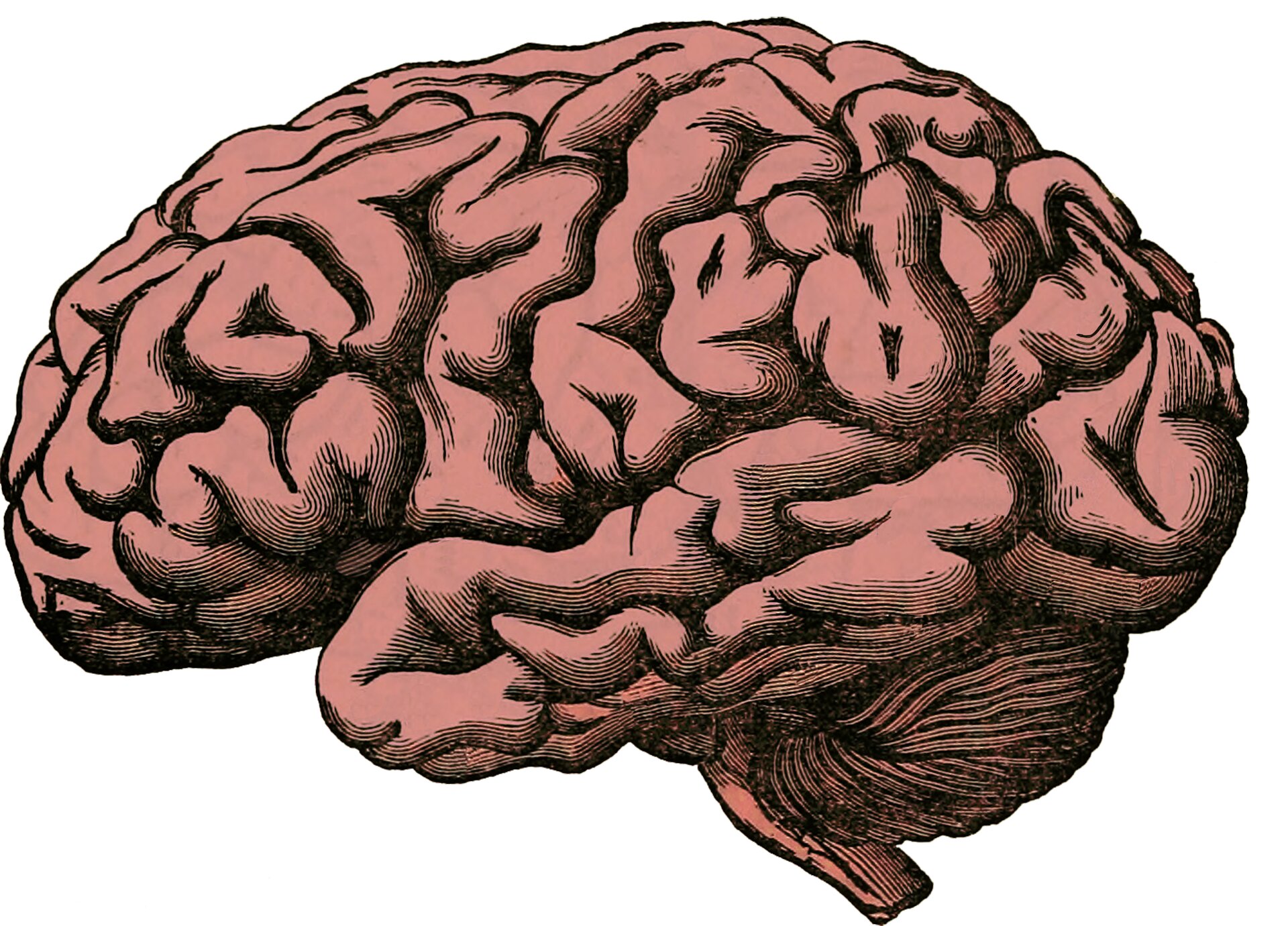
Scientists at the University of York have revealed that there are two separate ‘pathways’ for seeing 3-D motion in the human brain, which allow people to perform a wide range of tasks such as catching a ball or avoiding moving objects.
The new insight could help further understanding into how to alleviate the effects of lazy eye syndrome, as well as how industry could develop better 3-D visual displays and virtual reality systems.
Much of what scientists know about 3-D motion comes from comparing the ‘stereoscopic’ signals generated by a person’s eyes, but the exact way the brain processes these signals has not been fully understood in the past.
Scientists at the Universities of York, St Andrews, and Bradford have now shown that there are two ways the brain can compute 3-D signals, not just one as previously thought.
They found that 3-D motion signals separate into two ‘pathways’ in the brain at an early stage of the image transmission between the eyes and the brain.
Dr. Alex Wade from the University of York’s Department of Psychology, said: “We know that we have two signals from our visual system that helps the brain compute 3-D motion—one is a fast signal and one is a slow signal.
“This helps us in a number of ways, with our hand-eye coordination for example, or so that we don’t fall over navigating around objects. What we didn’t know was what the brain did with these signals to allow us to understand what is going on in front of our eyes and react appropriately.
“Using brain imaging technology we were able to see that two 3-D motion signals are separated out into two distinct pathways in the brain, allowing information to be extracted simultaneously and indicating to the visual system that it is encountering a 3-D moving object.”
The research team had previously shown that people with lazy eye syndrome might still be able to see ‘fast’ 3-D motion signals, despite them having very poor 3-D vision in general. Now that scientists understand how this pathway works, there is the potential to build tests to measure and monitor therapies aimed at curing the condition.
Dr. Milena Kaestner, who conducted the work as part of her Ph.D. at the University of York, said: “We were also surprised to see a link between 3-D motion signals and how the brain receives information about colour. We now believe that colour might be more important in this type of visual processing than we previously thought.
“The visual pathways for colour have been thought to be independent of signals about motion and depth, but the research suggests that there could be a connection in the brain between these three visual properties.”
Dr. Julie Harris, from St Andrews University, said: “Knowing more about our visual system, and particularly how motion, depth and colour could all be connected in the brain, could help in a number of research areas into what happens when these pathways go wrong, resulting in visual disturbances that impact negatively on people’s quality of life.”
The research is published in the journal Proceedings of the National Academy of Sciences (PNAS).
Citation: Breakthrough in understanding how human eyes process 3-D motion (2019, June 17) retrieved 18 June 2019 from https://medicalxpress.com/news/2019-06-breakthrough-human-eyes-d-motion.html
This document is subject to copyright. Apart from any fair dealing for the purpose of private study or research, no part may be reproduced without the written permission. The content is provided for information purposes only.
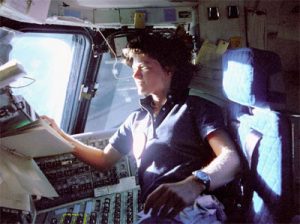
Sally Ride aboard space shuttle mission STS-7/Challenger. Image via NASA.
June 18, 1983. On this date, physicist Sally Ride became the first American woman in space. She was the third woman in space overall, after USSR cosmonauts Valentina Tereshkova (1963) and Svetlana Savitskaya (1982). Ride was an astronaut aboard space shuttle mission , NASA’s seventh space shuttle mission and the second mission for the shuttle Challenger.
The mission lasted 147 hours. Ride’s job was to work a robotic arm, used to help put satellites into Earth orbit. She flew on the space shuttle again (mission STS-41G) in 1984.
STS-7/Challenger crew during Ride’s historic 1st flight in 1983. Image via NASA Flickr.
Ride was scheduled to board the shuttle again, on proposed shuttle mission STS-61M, which was canceled due to the 1986 Challenger disaster. Ride later helped investigate the Challenger accident, as a member of the Rogers Commission. According to a 2016 article in Popular Mechanics, it was Sally Ride who revealed to General Donald Kutyna – another member of the Rogers Commission – that the O-rings used in the shuttle become stiff at low temperatures, a fact that eventually led to identification of the cause of the explosion.
Sally K. Ride as a teenager. She was passionate about tennis and participated in national championships. Image via Afflictor.com.
Sally Ride was born in Los Angeles, California, on May 26, 1951. As a teenager, she loved sports such as running, volleyball, softball and, especially, tennis. After receiving undergraduate degrees in physics and in English from Stanford University in 1973, she obtained her Ph.D. in physics.
While Ride was studying physics, in 1977, NASA was looking for women astronauts. Ride saw an ad in the school newspaper inviting women to apply to the astronaut program and decided to apply for the job. She was one of six women chosen as an astronaut candidate in 1978.
The following year, she began training as a Mission Specialist for future space flights.
Sally Ride and her partner of 27 years, Tam O’Shaughnessy. Image via Daily Mail.
In 1989 – when her career with NASA ended – Ride began teaching physics at the University of California, in Los Angeles. In 2001, she began inspiring other young women to pursue STEM careers through Sally Ride Science, a company she co-founded with her partner, Tam O’Shaughnessy. Her company targeted middle school students and their parents. With O’Shaughnessy, Ride wrote five science books for children and undertook many other projects to motivate young people toward the sciences.
Sally Ride died on July 23, 2012, after suffering pancreatic cancer.
語言: English Photo Credit: I. Aotearoa/WikiCommons/CC
FROM THE UN to the WHO, from the ILO to UNESCO, these organisations are united about one thing: excluding Taiwan. This remains true even though, as the world is increasingly witnessing, Taiwan is one of the beacons of light in terms of democracy and human rights in Asia. Just recently same-sex marriage became legal in the country after the legislature bravely passed a law condoning it. This comes after the New York Times recently labeled the country Asia’s new ‘bastion of free speech’, supplanting Hong Kong.
The latest evidence of international exclusion comes from the WHO, where for the third year in a row Taiwan was barred from participating in a major World Health Assembly (WHA) meeting. Last year even Taiwanese journalists were excluded from participating in the event, a move that was condemned by the International Federation of Journalists. As Taiwanese democracy advances, these exclusions become increasingly absurd in terms of their legitimacy; only the Taiwanese people and their leaders are not laughing. How much more exclusion can the people of Taiwan take before they start repudiating such international behaviour, or even worse, turn their backs on these important international bodies?
WHO headquarters in Geneva. Photo credit: Thorkild Tylleskar/WikiCommons/CC
Unfortunately for these organisations—and especially the UN—Taiwan holds the moral high ground in most instances, as it is invariably Chinese pressure that prevents Taiwanese participation in a vast range of international organisations. The hypocrisy of this situation is rich given that, ever since the end of World War II, the UN and their affiliates have explicitly stressed—and indeed are founded on—the following values: peace and friendly relations between nations, justice, co-operation, and human rights; values that some of their members only tepidly hold. And although it may have been easier to justify the de-recognition of Taiwan in 1971, with authoritarian Chiang Kai-Shek in power and little democratization having taken place, the Taiwan of today is markedly different.
After all, just look at what Taiwan has achieved ever since it was punted out of the UN in 1971: a high standard of living, a robust health care system, a strong economy, a healthy democracy, a commitment to peace, and a respect for human rights. In 2019 Freedom House rated Taiwan 93/100 in terms of overall freedom, putting them ahead of Western countries such as the United States (86), France (90), Greece (87) and Italy (89). Taiwan’s economy—though not as strong as previously—continues to compete at a global level. In terms of human rights, Taiwan has recognised the ICCPR and ICESCR since 2009. Democratically, Taiwan has had peaceful and democratic legislative elections since 1992 and presidential elections since 1996 (of the elected presidents, two have been from the KMT party and two from the DPP party). Additionally, the country’s government-run single-payer health care system has been praised as a model by many governments and countries throughout the world, which makes the exclusion from WHO events that much more absurd.
Thus not just in comparison with East Asian countries, but across the international spectrum, Taiwan is performing quite well.
Of course, Taiwan absolutely needs allies and trading partners in the international sphere, and much evidence points to success in this domain as well. Taiwan’s passport has been ranked 32nd best in the world and guarantees visa-free entry into 134 countries or territories (China’s passport came in at 75th on the same ranking). Ever since their de-recognition from the UN, Taiwan’s relationship with the United States has been especially significant. The Taiwan Relations Act continues to provide cover for arms sales to Taiwan and military backing, and other recent legislation—such as the Taiwan Travel Act—has solidified that relationship. And many states have allowed for Taiwan Representative Offices to be established in their respective countries. These institutions are key to Taiwan’s international presence, and allow for Taiwanese living or traveling abroad to have a de facto consulate nearby.
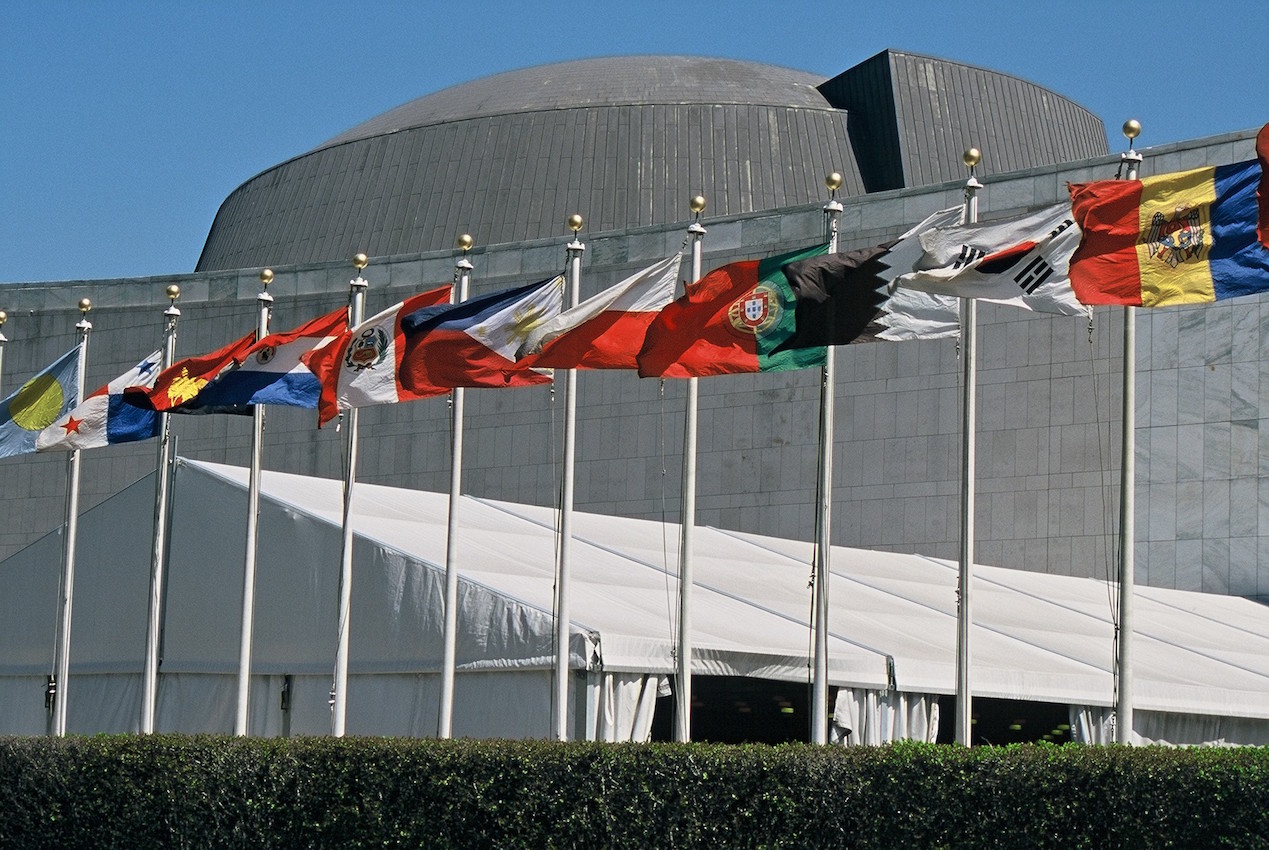
UN headquarters in New York City. Photo credit: Neptuul/WikiCommons/CC
Therefore outside of formal state recognition, many nations are indeed willing to work with Taiwan and recognise them at various levels. Not to mention that Taiwan has had to engage in the delicate game of soft diplomacy for decades and that their vast experience in this complex business could aid the UN’s handling of jurisdictions going through similar experiences, such as Kosovo or Palestine.
But the UN and their affiliated organisations don’t seem willing to take advantage of this opportunity. Instead of using Taiwan as a teachable moment in terms of valuing democracy and human rights and the establishment of friendly relations between nations, they have done the opposite, using Taiwan as a reminder that power and economic might still prevail in the international community over democratic values and peaceful relations. And it is not just a one-off; they have repeatedly chosen this route, as opposed to looking for an alternative solution or attempting to fulfill the values they claim to be about.
Although Taiwan still expresses a desire to join some of these international organisations that have neglected them for decades, this much seems obvious: the UN and others need Taiwan more than Taiwan needs them.
About New Bloom
New Bloom is an online magazine covering activism and youth politics in Taiwan and the Asia Pacific, founded in Taiwan in 2014 in wake of the Sunflower Movement. We seek to put local voices in touch with international discourse, beginning with Taiwan.




 Estwing has been in the business of creating hand tools since 1923, and prides themselves on creating products out of one solid piece of hardened tool steel, giving them incredible strength and durability. While most of their products focus on tools for contractors like hammers or pry bars, they have journeyed into the camping / survival realm with various types of knives and axes. One of my favorite features of the Estwing tomahawk is the handle, which is made out of a high quality rubber and provides a sure grip so you can feel comfortable while you are swinging it. The handle is also designed to absorb a good deal of shock from impacting, which will save your hands on longer cutting jobs. I’ve taken the Estwing tomahawk with me on many a hike and camping trip and I love the feeling of security it provides. It’s actually made in the United States, as well so it gets some points for being locally produced! It’s available in multiple colors, from flat black, to desert camo, to the leather wrapped handle version you see above.