Category: Science&Technology

  • Did The Government Just Test The Internet Kill Switch?

    Did The Government Just Test The Internet Kill Switch?

    This page provides status information on the services that are part of Google Cloud Platform. Check back here to view the current status of the services listed below. If you are experiencing an issue not listed here, please contact Support. Learn more about what’s posted on the dashboard in this FAQ. For additional information on these services, please visit cloud.google.com.

    Google Compute Engine Incident #19003 We are experiencing a multi-region issue with Google Compute Engine

    Incident began at 2019-06-02 12:25 (all times are US/Pacific).

    Jun 02, 20 12:25 We are investigating an issue with Google Compute Engine. We will provide more information by Sunday, 2019-06-02 12:45 US/Pacific.

    One Google insider explains (via YCombinator):

    I work on Google Cloud (but disclaimer, I’m on vacation and so not much use to you!).

    We’re having what appears to be a serious networking outage. It’s disrupting everything, including unfortunately the tooling we usually use to communicate across the company about outages.

    There are backup plans, of course, but I wanted to at least come here to say: you’re not crazy, nothing is lost (to those concerns downthread), but there is serious packet loss at the least. You’ll have to wait for someone actually involved in the incident to say more.

    source

  • Chinese Chang’e-4 Satellite Nabs Stunning Moon-Earth Shot

    Chinese Chang’e-4 Satellite Nabs Stunning Moon-Earth Shot

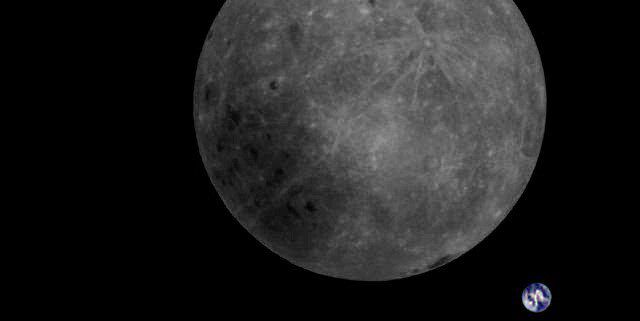
    China’s Chang’e-4 mission made history by landing on the far side of the moon, and now it’s exploring the area in unprecedented detail. As China’s Yuta-2 rover explores the surface, its lunar satellites are relaying back to Earth stunning pictures of this mysterious and hard-to-reach area.

    The photo above was taken by Longjiang-2, a small satellite that a Chang’e-4 relay satellite unloaded on its way to the moon last May. Longjiang-2 is small, just under 100 pounds (45 kilograms) and is around 20 by 20 by 15 inches in size (50-50-40 centimeters). It was meant to be part of a pair with Longjiang-1, but its sibling malfunctioned and became inoperable. Now Longjiang-2 orbits the moon by its lonesome, testing out future radio astronomy and interferometry techniques (studying what happens when light, radio, electromagentic, and various other types of waves are met with interference).

    Only one of the two microsatellites was outfitted with an optical camera developed by the King Abdulaziz City for Science and Technology of Saudi Arabia. Luckily for us, it was Longjiang-2.

     
    An early photo taken from Longjiang-2.
    CSNA

    The photo—the first photo with the moon’s far side and the Earth in the same shot—calls to mind the famed 1968 photo from Apollo 8 astronaut William Anders, “Earthrise.

    At the same time, the Yuta-2 lander is finding data that contradicts with the early Apollo testing of lunar soil. “According to the measurements of Chang’e-4, the temperature of the shallow layer of the lunar soil on the far side of the Moon is lower than the data obtained by the U.S. Apollo mission on the near side of the Moon,” says Zhang He, executive director of the Chang’e-4 probe project, speaking to China’s state media Xinhua. “That’s probably due to the difference in lunar soil composition between the two sides of the moon. We still need more careful analysis,” Zhang said.

    It speaks to the chance that the moon’s far side and its Earth-facing side might possess different environments, starting with their ability to retain heat. Expect the data—and the photos—to keep rolling in.

    This content was originally published here.
  • A rose inspires smart way to collect and purify water

    A rose inspires smart way to collect and purify water

    A rose inspires smart way to collect and purify water
    Credit: Cockrell School of Engineering, The University of Texas at Austin

    The rose may be one of the most iconic symbols of the fragility of love in popular culture, but now the flower could hold more than just symbolic value. A new device for collecting and purifying water, developed at The University of Texas at Austin, was inspired by a rose and, while more engineered than enchanted, is a dramatic improvement on current methods. Each flower-like structure costs less than 2 cents and can produce more than half a gallon of water per hour per square meter.


    A team led by associate professor Donglei (Emma) Fan in the Cockrell School of Engineering’s Walker Department of Mechanical Engineering developed a new approach to solar steaming for water production—a technique that uses energy from sunlight to separate salt and other impurities from water through evaporation.

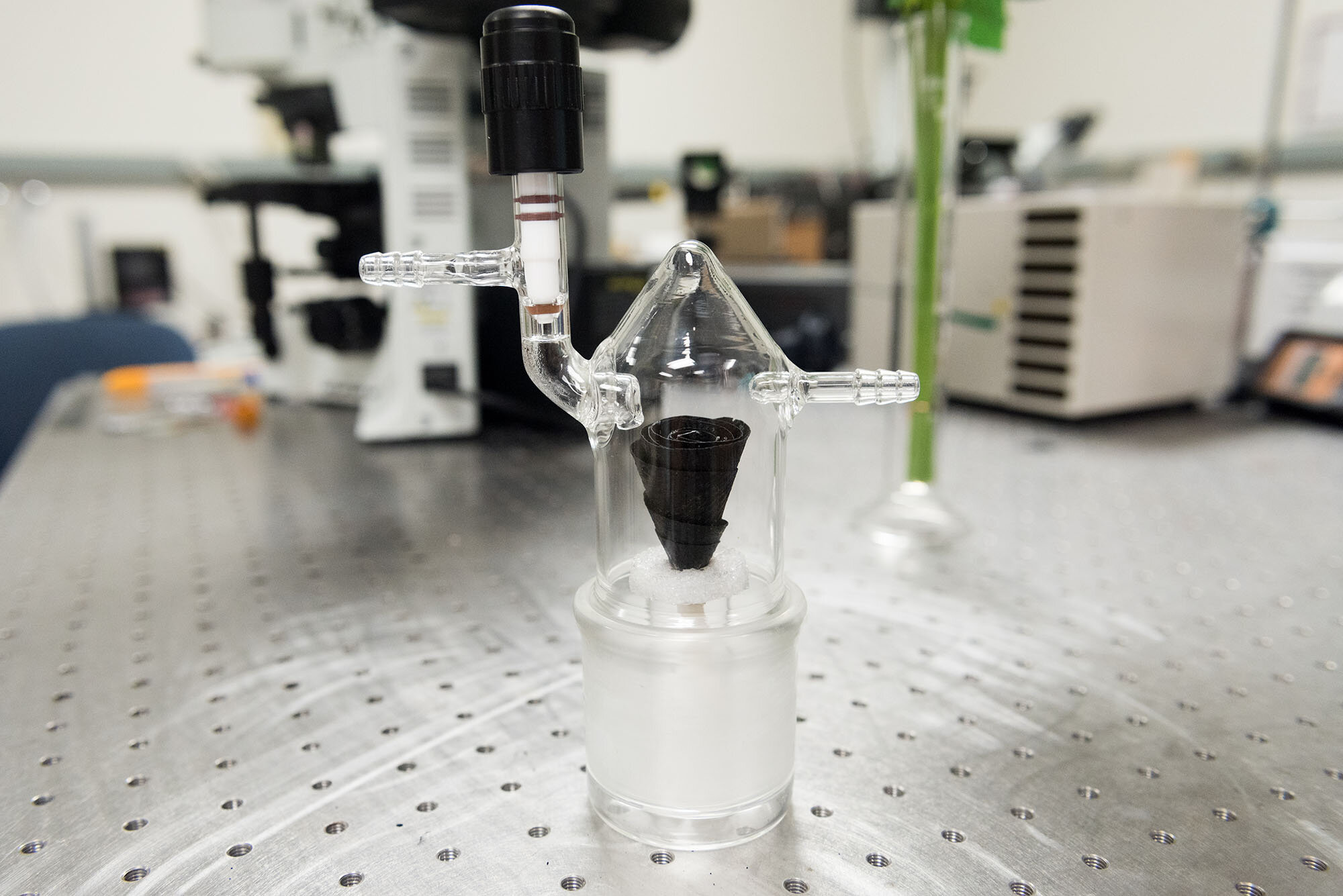
    In a paper published in the most recent issue of the journal Advanced Materials, the authors outline how an origami rose provided the inspiration for developing a new kind of solar-steaming system made from layered, black paper sheets shaped into petals. Attached to a stem-like tube that collects untreated water from any , the 3-D rose shape makes it easier for the structure to collect and retain more liquid.

    Current solar-steaming technologies are usually expensive, bulky and produce limited results. The team’s method uses inexpensive materials that are portable and lightweight. Oh, and it also looks just like a black-petaled rose in a glass jar.

    Those in the know would more accurately describe it as a portable low-pressure controlled solar-steaming-collection “unisystem.” But its resemblance to a flower is no coincidence.

    “We were searching for more efficient ways to apply the solar-steaming technique for water production by using black filtered paper coated with a special type of polymer, known as polypyrrole,” Fan said.

    Polypyrrole is a material known for its photothermal properties, meaning it’s particularly good at converting solar light into thermal heat.

    Fan and her team experimented with a number of different ways to shape the paper to see what was best for achieving optimal water retention levels. They began by placing single, round layers of the coated paper flat on the ground under direct sunlight. The single sheets showed promise as water collectors but not in sufficient amounts. After toying with a few other shapes, Fan was inspired by a book she read in high school. Although not about roses per se, “The Black Tulip” by Alexandre Dumas gave her the idea to try using a flower-like shape, and she discovered the rose to be ideal. Its structure allowed more direct sunlight to hit the photothermic material—with more internal reflections—than other floral shapes and also provided enlarged surface area for water vapor to dissipate from the material.

    The device collects water through its stem-like tube—feeding it to the flower-shaped structure on top. It can also collect rain drops coming from above. Water finds its way to the petals where the polypyrrole material coating the flower turns the water into steam. Impurities naturally separate from water when condensed in this way.

    “We designed the purification-collection unisystem to include a connection point for a low-pressure pump to help condense the water more effectively,” said Weigu Li, a Ph.D. candidate in Fan’s lab and lead author on the paper. “Once it is condensed, the glass jar is designed to be compact, sturdy and secure for storing .”

    The device removes any contamination from heavy metals and bacteria, and it removes salt from seawater, producing clean water that meets drinking standard requirements set by the World Health Organization.

    “Our rational design and low-cost fabrication of 3-D origami photothermal represents a first-of-its-kind portable low-pressure solar-steaming-collection system,” Li said. “This could inspire new paradigms of solar-steaming technologies in clean production for individuals and homes.”

    This content was originally published here.
  • Circadian clock and fat metabolism linked through newly discovered mechanism

    Circadian clock and fat metabolism linked through newly discovered mechanism

    Circadian clock and fat metabolism linked through newly discovered mechanism
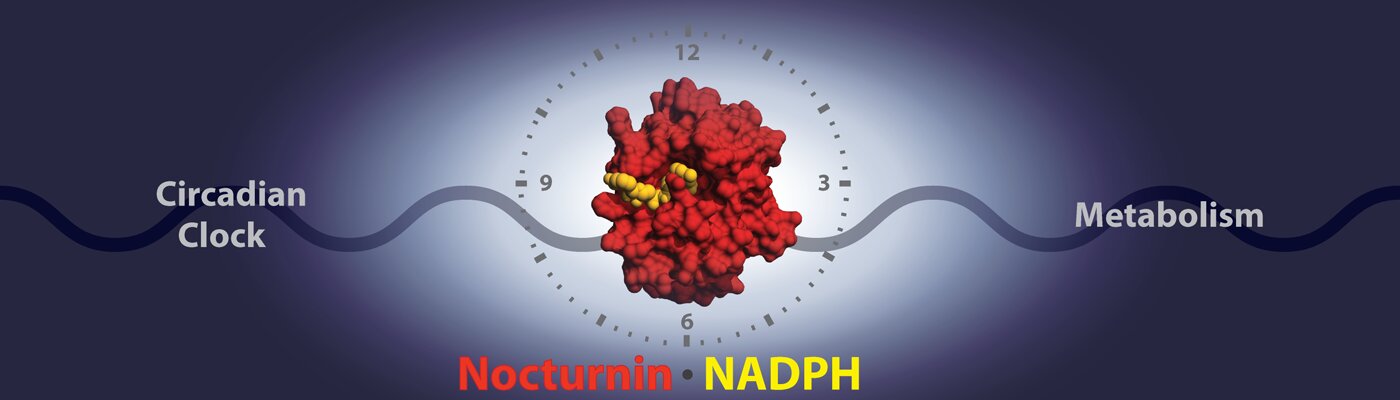
    A new study reveals the mechanism by which the circadian clock enzyme Nocturnin interacts with its target, NADPH, to affect energy regulation and metabolic functions. Credit: Michael Estrella, Jin Du and Alexei Korennykh, Princeton University

    The enzyme Nocturnin, which governs daily tasks such as fat metabolism and energy usage, works in an entirely different way than previously thought, reported a team of researchers at Princeton University. The newly discovered mechanism reveals the molecular link between the enzyme’s daily fluctuations and its energy-regulating role in the body, according to a study published this week in Nature Communications.

    “The realization that Nocturnin works in this manner will guide our thinking about sleep, oxidative stress and , and eventually may serve as a step toward finding better treatments for metabolic diseases,” said Alexei Korennykh, an associate professor of molecular biology at Princeton, who led the work.

    Nocturnin is part of the circadian clock that alters the metabolism and behavior of living organisms to match the body’s needs at different times of the day. For example, Nocturnin levels fluctuate throughout the day, dramatically peaking when the body first awakens. Nocturnin is also a critical regulator of metabolism; compared to regular mice, mice lacking the enzyme make less insulin, are protected from fatty liver disease and are less susceptible to weight gain.

    The precise function of Nocturnin inside cells has remained unclear, however. For many years, the enzyme was thought to turn on and off cellular metabolism by degrading certain cellular messages made of ribonucleic acid, or mRNAs. Last year, however, three groups of researchers—a group from the University of Michigan, a group from the University of Minnesota, and Korennykh’s team—discovered that Nocturnin is incapable of degrading RNAs.

    To find out how Nocturnin can have such large effects on the body’s metabolism, Korennykh teamed up with Princeton’s Joshua Rabinowitz, a professor of chemistry and the Lewis-Sigler Institute for Integrative Genomics, and Paul Schedl, a professor of molecular biology. The study was led by postdoctoral research associate Michael Estrella and graduate student Jin Du in the Alexei lab, and postdoctoral research associate Li Chen in the Rabinowitz lab.

    Using methods pioneered by Rabinowitz to screen tissues for the presence of metabolites, the researchers discovered that Nocturnin plays a far more direct role in metabolism than previously appreciated. Rather than degrading mRNAs, the enzyme regulates specific metabolites that help and protect cells from damage. The study determined that Nocturnin is located in the cell’s energy-producing structures, the mitochondria, suggesting that this is where the enzyme performs its function.

    Circadian clock and fat metabolism linked through newly discovered mechanism
    Close-up view of the structure of Nocturnin (red) interacting with NADPH (yellow). Credit: Michael Estrella, Jin Du and Alexei Korennykh, Princeton University

    The team found that Nocturnin removes a phosphate group from two molecules important in metabolism, called NADP+ and NADPH. These molecules allow the cell to modulate the levels of reactive oxygen species, which function both as harmful agents causing damage and as signaling molecules controlling metabolism and fat storage. The researchers conclude that Nocturnin is the first known enzyme to perform this reaction on NADP+ and NADPH inside mitochondria.

    Removing phosphate groups from NADP+ and NADPH produces two different but equally important molecules, NAD+ and NADH, which are essential for the function of metabolic enzymes—the molecular machines that produce energy by breaking down energy-rich biomolecules such as glucose.

    Nocturnin upregulation when an animal first awakens might therefore kick the body’s energy production into high gear by providing more NAD+ and NADH. “It is tempting to propose that one physiologic function of Nocturnin could be to maximize available NAD+ and NADH for energy generation in a search for food, using the elevated blood sugar that animals have at the time of awakening,” Korennykh said.

    Korennykh and colleagues also deciphered the crystal structure of human Nocturnin bound to NADPH, showing at the atomic level how the reaction mediated by Nocturnin occurs. NADPH fits perfectly into Nocturnin’s active site so that the enzyme can easily remove the molecule’s phosphate group.

    Finally, the researchers determined that the fruit fly version of Nocturnin, known as Curled, is also unable to cleave RNA. Instead, Curled uses the same mechanism as human Nocturnin and targets NADP+ and NADPH. The Curled gene was first described over 100 years ago by Thomas Hunt Morgan, the pioneering geneticist who won a Nobel Prize for demonstrating that genes are carried on chromosomes. Though Curled has been studied by fruit fly researchers ever since, its biochemical mechanism was a mystery until now.

    “Our work shows that even in the age of genomics and personalized medicine, basic biology still remains to be understood,” Korennykh said. “In the example of Nocturnin and Curled, a pathway regulating some of the most important molecules in metabolism was hidden in plain sight for the past 100 years.”

    The study, “The Metabolites NADP+ and NADPH are the Targets of the Circadian Protein Nocturnin (Curled),” by Michael A Estrella, Jin Du, Li Chen, Sneha Rath, Eliza Prangley, Alisha Chitrakar, Tsutomu Aoki, Paul Schedl, Joshua Rabinowitz and Alexei Korennykh, was published online in Nature Communications on May 30, 2019.

    More information: “The Metabolites NADP+ and NADPH are the Targets of the Circadian Protein Nocturnin (Curled),” Nature Communications (2019). DOI: 10.1038/s41467-019-10125-z


  • More than 7K robots to take on construction work by 2025
                     | Construction Dive

    More than 7K robots to take on construction work by 2025 | Construction Dive

    Dive Brief:

    Dive Insight:

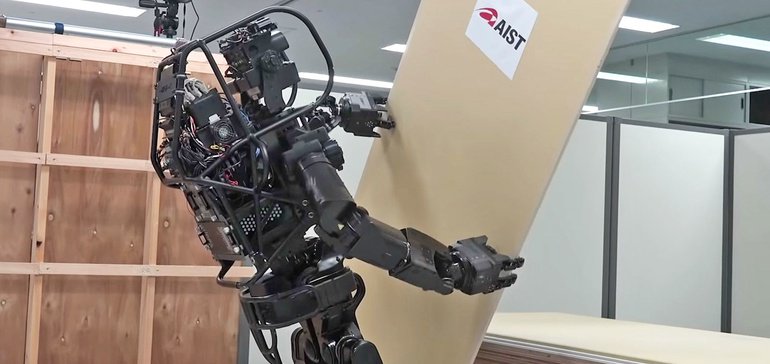
    Although the construction industry has historically resisted automation, a nationwide shortage of skilled labor may push U.S. firms to consider artificial intelligence to fill the gap. The technology is rapidly advancing, with robots being employed to hang drywall, weld and lay bricks.

    In order to maintain high standards of craftsmanship, some companies are looking to a hybrid “cobot” option. Collaborative robots are designed to work alongside human counterparts instead of replacing them entirely to improve productivity for tasks that would otherwise be considered busywork for employees, according to the Robotics Business Review. They can also significantly lower operating costs by cutting down on the amount of labor needed for a project.

    A few companies are offering construction robot products for sale or lease, said Tractica senior analyst Glenn Sanders. The main categories that are currently available include robots for demolition, bricklaying, drilling, 3D printing and rebar tying, plus a few exoskeletons and assistant robots for lifting loads, he said.

    Sanders added that midsize and major construction companies are beginning to incorporate these robots to solve issues related to worker shortages, safety, speed, accuracy, and integration with building automation and BIM.

    This content was originally published here.
  • Ford Is Working on Package-Delivering Robots That Fold Up Inside Self-Driving Cars

    Ford Is Working on Package-Delivering Robots That Fold Up Inside Self-Driving Cars

    These days, we keep hearing automakers talk about all the partnerships they’re forming for autonomous cars, car sharing, large-scale electrification, and just general “mobility solutions.” A lot of it is bullshit meant to make the companies appear on the cutting edge, and some is legit research. I won’t speculate which camp this new Ford package-delivery robot research falls into, but I will say that I don’t mind the concept.

    With Ford’s layoffs in the news, the company dropped a new press release describing how it has partnered with an Oregon-based startup called Agility Robotics to research “last mile delivery,” particularly how to get a package from a self-driving car onto someone’s front porch.

    Ford’s Vice President of Research and Advanced Engineering, Dr. Ken Washington, wrote all about this partnership on Medium, starting by saying the Postal Service delivered twice the volume in 2018 that it did 10 years ago, and that this is an issue Ford plans to work with Agility to solve:

    Together, we will work toward making sure self-driving vehicles are uniquely outfitted to accomplish something that’s proven surprisingly difficult to do: Carry out that final step of getting your delivery from the car to your door.

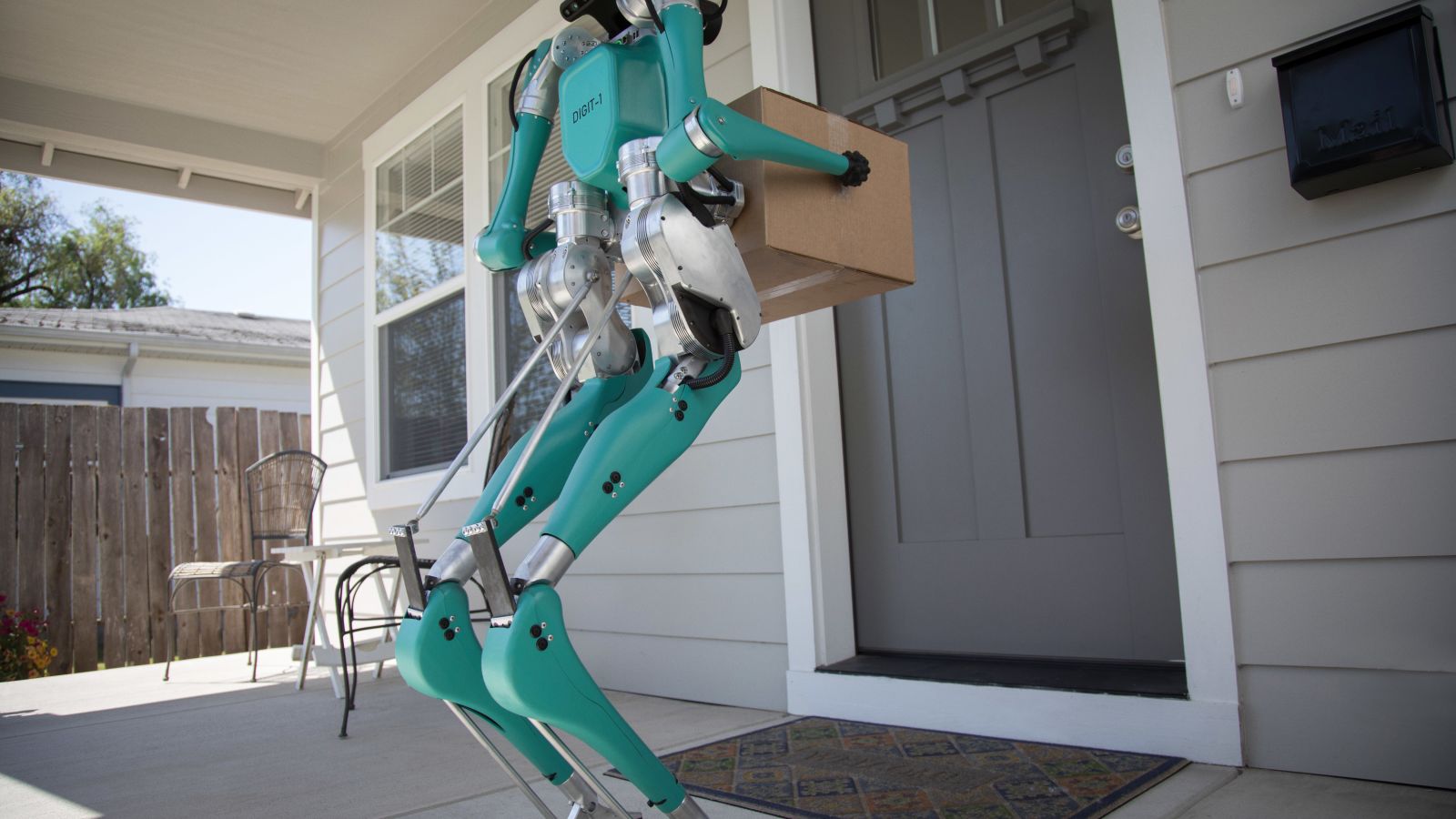
    Developed by Agility Robotics, the little turquoise robot you see here is called Digit. It’s a lightweight bipedal machine that can apparently carry 40-pounds up and down stairs, detect and react to obstacles, and recover from bumps. It’s outfitted with LiDAR and cameras, and is set up to share data with a self-driving car. Per Ford:

    When a self-driving vehicle brings Digit to its final destination, the vehicle can wirelessly deliver all the information it needs, including the best pathway to the front door. Through this data exchange, Digit can work collaboratively with a vehicle to situate itself and begin making its delivery.

    If it encounters an unexpected obstacle, it can send an image back to the vehicle and have the vehicle configure a solution. The car could even send that information into the cloud and request help from other systems to enable Digit to navigate, providing multiple levels of assistance that help keep the robot light and nimble.

    Is this just silly or will we actually see some type of result from “Digit”? We’ll have to wait and see. Do we really need a robot to deliver packages? I don’t know. Generally, I don’t think we need to robot-ify all aspects of our lives, but I think for a task as simple as dropping a box off at my front door, a robot’s not a terrible idea. Especially since my mail delivery person doesn’t say hi to me anymore, and also since I bet a robot is more resistant to aggressive German Shepherd bites.

    This content was originally published here.

  • Hackers targeting airport charging stations to steal data

    Hackers targeting airport charging stations to steal data

    Security experts are issuing a warning for travelers to think twice about using airport charging stations.

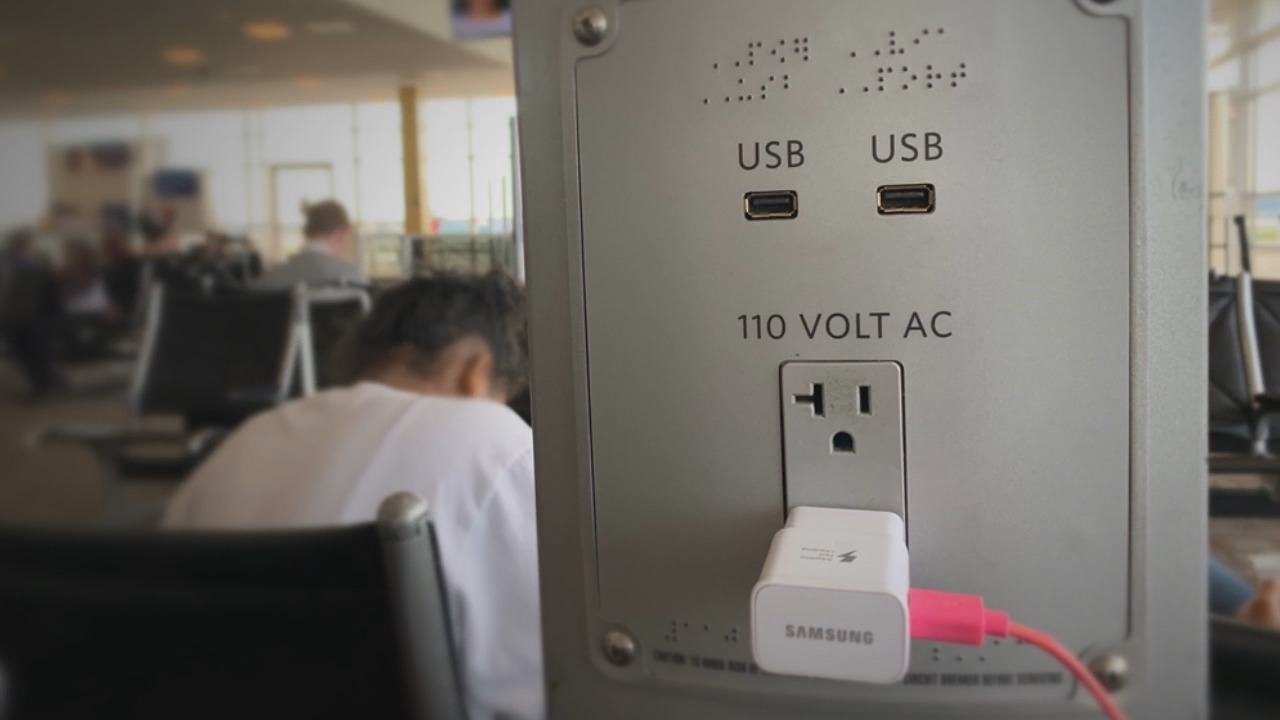
    They say using the public USB ports could put unsuspecting users at risk of what’s called “juice jacking.”

    Just by plugging in, hackers can steal data, text messages, pictures, and email from your phone.

    “There’s really no way to tell, and you have to be really technically savvy to detect such an attack,” IBM cybersecurity expert Charles Henderson said.

    Experts recommend bringing your own charger or portable battery along to avoid using the public USB ports.

    source

  • 5G signal could jam satellites that help with weather forecasting | World news | The Guardian

    5G signal could jam satellites that help with weather forecasting | World news | The Guardian

    The introduction of 5G mobile phone networks could seriously affect weather forecasters’ ability to predict major storms.

    That is the stark warning of meteorologists around the world, who say the next-generation wireless system now being rolled out across the globe is likely to disrupt the delicate satellite instruments they use to monitor changes in the atmosphere.

    The result will be impaired forecasts, poorer warnings about major storms, and loss of life, they say.

    “The way 5G is being introduced could seriously compromise our ability to forecast major storms,” said Tony McNally of the European Centre for Medium-Range Weather Forecasts in Reading. “In the end it could make the difference between life and death. We are very concerned about this.”

    The crisis facing the world’s meteorologists stems from the fact that the radio frequencies the new 5G networks will use could contaminate critical Earth observations made by weather satellites.

    Instruments on board the satellites peer down into the atmosphere and study variables such as water vapour, rain, snow, cloud cover and ice content – all crucial factors that influence our weather.

    One example is the 23.8 gigahertz (GHz) frequency. Water vapour emits a faint signal at this specific natural wavelength, and this data is monitored and measured by weather satellites. Forecasters then use this information to work out how a storm or weather system is likely to develop.

    “Such data is critical to our ability to make forecasts,” said Niels Bormann, also of the Reading weather centre. “They are a unique natural resource, and if we lose this capability, weather forecasts will get significantly worse.”

    The problem is that some 5G phone networks may transmit near a frequency similar to that emitted by water vapour, and so would produce a signal that looks very like its presence in the atmosphere.

    “We would not be able to tell the difference and so would have to discard that data,” added Bormann. “That would compromise our ability to make accurate forecasts.”

    The urgency of the problem is underlined by the fact that US Federal Communications Commission and similar agencies in other countries have already started to auction off frequencies close to the 23.8 GHz frequency to future 5G network providers. In addition, other bands that are used to probe our weather include the 36-37 GHz band, which is used to study rain and snow; the 50 GHz band, which is used to measure atmospheric temperature; and the 86-92 Ghz band, which helps to analyse cloud and ice.

    All these contain sections of waveband that are being auctioned off in the US. It remains to be seen if other nations will follow suit and sell these frequencies in their own countries over coming months. The issue is set to be debated at a global conference in Egypt later this year.

    Forecasters say the US move has already compromised their ability to collect data, and promise to lobby other nations to limit use of crucial frequencies to preserve their ability to provide accurate forecasts. They accuse phone operators of ransacking the radio spectrum for wavelengths to exploit, and regulators of failing to protect the natural frequencies vital for Earth observation from space. “The more we lose, the greater the impact will be,” states meteorologist Jordan Gerth, of the University of Wisconsin-Madison, in the current issue of Nature. “This is a global problem.”

    This content was originally published here.
  • Frances Arnold Turns Microbes Into Living Factories – The New York Times

    Frances Arnold Turns Microbes Into Living Factories – The New York Times

    Rather than seeking to design new proteins rationally, piece by carefully calculated piece — as many protein chemists have tried and mostly failed to do — the Arnold approach lets basic evolutionary algorithms do the work of protein composition and protein upgrades.

    You start with a protein that already has some features you’re interested in, such as stability in high heat or a knack for clipping apart fats. Using a standard lab trick such as polymerase chain reaction, you randomly mutate the gene that encodes the protein.

    Then you look for slight improvements in the resulting protein — a quickened pace of activity, say, or a vague inclination to carry out a task it wasn’t performing before, or a willingness to operate under conditions it deplored in the past.

    You mutate the improved version again and screen the output for even better performance. Repeat as needed. You do your experiments with the help of a bacterial workhorse such as E. coli, or with an exotic microbe isolated from hot springs in Iceland where temperatures can exceed 175 degrees F.

    You consciously treat proteins and their carrier microbes exactly as people unconsciously treat disease microbes when blasting them willy-nilly with antibiotics: You encourage the microbes to rise to the challenge, adapt, survive.

    Through directed evolution, Dr. Arnold’s lab has generated microbes that do what organisms in nature have never been known to do. Some of them, for instance, stitch together carbon, the element that defines life, and silicon, the stuff of sand, glass and computer chips but heretofore not of life (unless you are a Horta, the rock-shaped beings who famously mind-melded with Mr. Spock on “Star Trek”).

    “We showed for the first time that living organisms can use their own machinery to bring carbon and silicon together to form a bond,” said Jennifer Kan, a postdoctoral scholar in Dr. Arnold’s lab who performed the experiments. “We didn’t even have to nag the protein too hard to get it to do it.”

    Dr. Arnold has another favorite mantra: “Nature doesn’t care about your calculations.” Analyzing the evolved mutations that proved most effective at tweaking a protein’s performance, the Arnold team found the changes in all sorts of unpredictable places.

    Natalie Angier became a columnist for Science Times in January 2007. She joined The Times in 1990, covering genetics, evolutionary biology, medicine and other subjects, and was awarded the 1991 Pulitzer Prize in Beat Reporting.

    A version of this article appears in print on , on Page D1 of the New York edition with the headline: Evolution in the Lab. Order Reprints | Today’s Paper | Subscribe

    This content was originally published here.

  • Cambridge scientists create world’s first living organism with fully redesigned DNA | Science | The Guardian

    Cambridge scientists create world’s first living organism with fully redesigned DNA | Science | The Guardian

    Scientists have created the world’s first living organism that has a fully synthetic and radically altered DNA code.

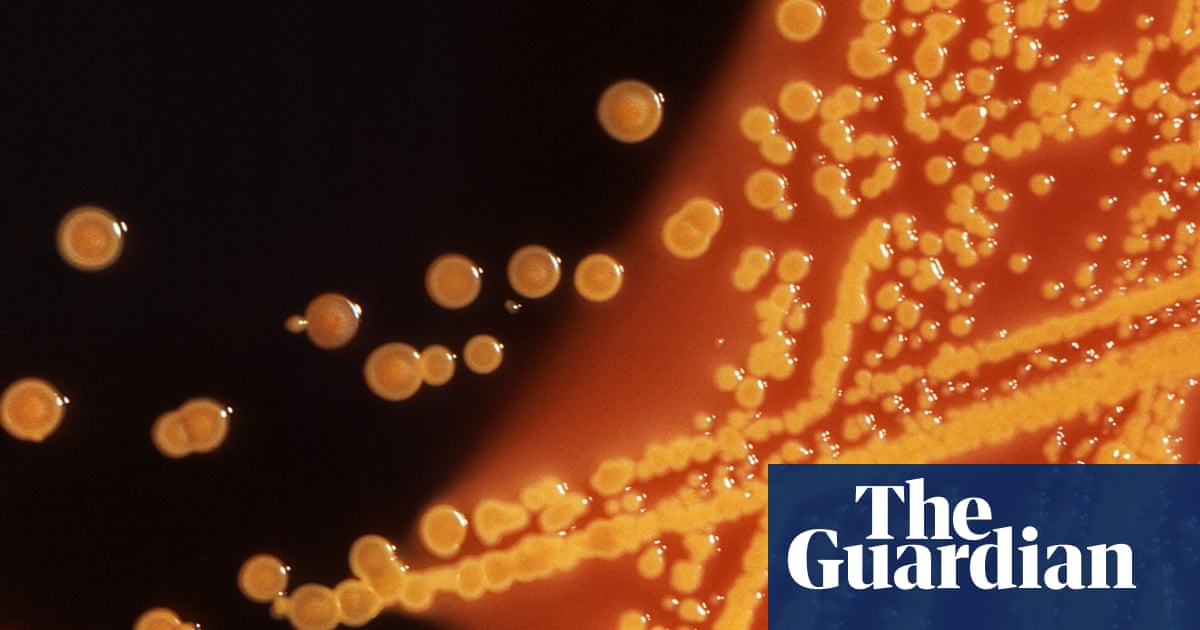
    The lab-made microbe, a strain of bacteria that is normally found in soil and the human gut, is similar to its natural cousins but survives on a smaller set of genetic instructions.

    The bug’s existence proves life can exist with a restricted genetic code and paves the way for organisms whose biological machinery is commandeered to make drugs and useful materials, or to add new features such as virus resistance.

    In a two-year effort, researchers at the laboratory of molecular biology, at Cambridge University, read and redesigned the DNA of the bacterium Escherichia coli (E coli), before creating cells with a synthetic version of the altered genome.

    The artificial genome holds 4m base pairs, the units of the genetic code spelled out by the letters G, A, T and C. Printed in full on A4 sheets, it runs to 970 pages, making the genome the largest by far that scientists have ever built.

    “It was completely unclear whether it was possible to make a genome this large and whether it was possible to change it so much,” said Jason Chin, an expert in synthetic biology who led the project.

    The DNA coiled up inside a cell holds the instructions it needs to function. When the cell needs more protein to grow, for example, it reads the DNA that encodes the right protein. The DNA letters are read in trios called codons, such as TCG and TCA.

    Nearly all life, from jellyfish to humans, uses 64 codons. But many of them do the same job. In total, 61 codons make 20 natural amino acids, which can be strung together like beads on a string to build any protein in nature. Three more codons are in effect stop signs: they tell the cell when the protein is done, like the full stop marking the end of this sentence.

    Pinterest

    The Cambridge team set out to redesign the E coli genome by removing some of its superfluous codons. Working on a computer, the scientists went through the bug’s DNA. Whenever they came across TCG, a codon that makes an amino acid called serine, they rewrote it as AGC, which does the same job. They replaced two more codons in a similar way.

    More than 18,000 edits later, the scientists had removed every occurrence of the three codons from the bug’s genome. The redesigned genetic code was then chemically synthesised and, piece by piece, added to E coli where it replaced the organism’s natural genome. The result, reported in Nature, is a microbe with a completely synthetic and radically altered DNA code. Known as Syn61, the bug is a little longer than normal, and grows more slowly, but survives nonetheless.

    “It’s pretty amazing,” said Chin. When the bug was created, shortly before Christmas, the research team had a photo taken in the lab with a plate of the microbes as the central figure in a recreation of the nativity.

    Such designer lifeforms could come in handy, Chin believes. Because their DNA is different, invading viruses will struggle to spread inside them, making them in effect virus-resistant. That could bring benefits. E coli is already used by the biopharmaceutical industry to make insulin for diabetes and other medical compounds for cancer, multiple sclerosis, heart attacks and eye disease, but entire production runs can be spoiled when bacterial cultures are contaminated with viruses or other microbes. But that is not all: in future work, the freed-up genetic code could be repurposed to make cells churn out designer enzymes, proteins and drugs.

    Play Video
    4:22

    In 2010, US scientists announced the creation of the world’s first organism with a synthetic genome. The bug, Mycoplasma mycoides, has a smaller genome than E coli – about 1m base pairs – and was not radically redesigned. Commenting on the latest work, Clyde Hutchison, from the US research group, said: “This scale of genome replacement is larger than any complete genome replacement reported so far.”

    “They have taken the field of synthetic genomics to a new level, not only successfully building the largest ever synthetic genome to date, but also making the most coding changes to a genome so far,” said Tom Ellis, a synthetic biology researcher at Imperial College London.

    But the records may not stand for long. Ellis and others are building a synthetic genome for baker’s yeast, while Harvard scientists are making bacterial genomes with more coding changes. That the redesigned E coli does not grow as well as natural strains is not surprising, Ellis added. “If anything it’s surprising it grows at all after so many changes,” he said.

    This content was originally published here.