Category: Health

  • 4 Reasons Sleeping Naked Makes You Healthier And Wealthier

    4 Reasons Sleeping Naked Makes You Healthier And Wealthier

    What if I told you in just 10 seconds a day, you can sleep better, make more money, reduce stress, and lose weight? Sleeping naked can do all these things and more. All you have to do is take off your clothes. While there are countless strategies floating around out there to help you improve in these areas, none is as simple—and many are less effective—as stripping down before you go to sleep.

    Since only 8% of people sleep naked, most everyone can discover the benefits of sleeping in the buff. This may sound far-fetched, but hear me out before you throw those cozy flannel pajamas on.

    1. You Sleep Better Naked

    We’ve always known that quality sleep is good for your brain, but recent research from the University of Rochester demonstrates exactly how so. The study found that when you sleep your brain removes toxic proteins from its neurons that are by-products of neural activity when you’re awake. The catch here is that your brain can only adequately remove these toxic proteins when you have sufficient quality sleep. When you don’t get high-quality, deep sleep, the toxic proteins remain in your brain cells, wreaking havoc and ultimately impairing your ability to think. This slows your ability to process information and problem solve, kills your creativity, and increases your emotional reactivity (something you can measure with an emotional intelligence test).

    Researchers at the University of Amsterdam found that lowering your skin temperature increases the depth of your sleep and reduces the number of times you wake up in the night. Stripping down to your birthday suit is a great way to lower your skin temperature without changing the temperature of the room.

    2. Sleeping Naked Reduces Stress

    We all know that prolonged stress is bad news. It suppresses your immune system and increases your risk of heart disease, depression, and obesity in addition to decreasing your cognitive performance. Stress throws your cortisol levels out of whack. Proper rest helps to restore normal cortisol levels, which improves your stress level regardless of what’s happening around you. As described in the section above, sleeping naked will help you to get a better night’s sleep.

    3. Sleeping Naked Is Healthier

    Sleeping naked has a slew of health benefits, including helping you to lose weight. A study conducted by the U.S. National Institutes of Health found that keeping yourself cool while you sleep speeds the body’s metabolism because your body creates more brown fat to keep you warm. Brown fat produces heat by burning calories (300 times more heat than any organ in the body), and this boosts your metabolism all day long to help you lose weight. In addition to the metabolic effects of sleeping in the buff, removing your clothes improves blood circulation, which is good for your heart and muscles. The quality sleep you’ll enjoy also increases the release of growth hormone and melatonin, both of which have anti-aging benefits.

    4. Sleeping Naked Builds Confidence

    Confidence doesn’t just feel good; it’s the pillar of success. It pushes you to try new things, take on challenges, and persevere in the face of adversity. A University of Melbourne study found that confident people earn higher wages and get promoted more often than their less confident counterparts. Sleeping naked makes you more comfortable in your own skin. As your comfort with your body increases, so does your self-esteem and confidence.

    Bringing It All Together

    The benefits of sleeping naked are many—so many that you owe it to yourself to give it a try.

    Did you know there was so much to gain from sleeping naked? Please share your thoughts in the comments section below, as I learn just as much from you as you do from me.

    This content was originally published here.

  • Why Attitude Is More Important Than IQ

    Why Attitude Is More Important Than IQ

    When it comes to success, it’s easy to think that people blessed with brains are inevitably going to leave the rest of us in the dust. But new research from Stanford University will change your mind (and your attitude).

    Psychologist Carol Dweck has spent her entire career studying attitude and performance, and her latest study shows that your attitude is a better predictor of your success than your IQ.

    Dweck found that people’s core attitudes fall into one of two categories: a fixed mindset or a growth mindset.

    With a fixed mindset, you believe you are who you are and you cannot change. This creates problems when you’re challenged because anything that appears to be more than you can handle is bound to make you feel hopeless and overwhelmed.

    People with a growth mindset believe that they can improve with effort. They outperform those with a fixed mindset, even when they have a lower IQ, because they embrace challenges, treating them as opportunities to learn something new.

    uncaptionedCommon sense would suggest that having ability, like being smart, inspires confidence. It does, but only while the going is easy. The deciding factor in life is how you handle setbacks and challenges. People with a growth mindset welcome setbacks with open arms.

    According to Dweck, success in life is all about how you deal with failure. She describes the approach to failure of people with the growth mindset this way,

    “Failure is information—we label it failure, but it’s more like, ‘This didn’t work, and I’m a problem solver, so I’ll try something else.’”

    Regardless of which side of the chart you fall on, you can make changes and develop a growth mindset. What follows are some strategies that will fine-tune your mindset and help you make certain it’s as growth oriented as possible.

    Don’t stay helpless. We all hit moments when we feel helpless. The test is how we react to that feeling. We can either learn from it and move forward or let it drag us down. There are countless successful people who would have never made it if they had succumbed to feelings of helplessness: Walt Disney was fired from the Kansas City Star because he “lacked imagination and had no good ideas,” Oprah Winfrey was fired from her job as a TV anchor in Baltimore for being “too emotionally invested in her stories,” Henry Ford had two failed car companies prior to succeeding with Ford, and Steven Spielberg was rejected by USC’s Cinematic Arts School multiple times. Imagine what would have happened if any of these people had a fixed mindset. They would have succumbed to the rejection and given up hope. People with a growth mindset don’t feel helpless because they know that in order to be successful, you need to be willing to fail hard and then bounce right back.

    Be passionate. Empowered people pursue their passions relentlessly. There’s always going to be someone who’s more naturally talented than you are, but what you lack in talent, you can make up for in passion. Empowered people’s passion is what drives their unrelenting pursuit of excellence. Warren Buffett recommends finding your truest passions using, what he calls, the 5/25 technique: Write down the 25 things that you care about the most. Then, cross out the bottom 20. The remaining 5 are your true passions. Everything else is merely a distraction.

    Take action. It’s not that people with a growth mindset are able to overcome their fears because they are braver than the rest of us; it’s just that they know fear and anxiety are paralyzing emotions and that the best way to overcome this paralysis is to take action. People with a growth mindset are empowered, and empowered people know that there’s no such thing as a truly perfect moment to move forward. So why wait for one? Taking action turns all your worry and concern about failure into positive, focused energy.

    Then go the extra mile (or two). Empowered people give it their all, even on their worst days. They’re always pushing themselves to go the extra mile. One of Bruce Lee’s pupils ran three miles every day with him. One day, they were about to hit the three-mile mark when Bruce said, “Let’s do two more.” His pupil was tired and said, “I’ll die if I run two more.” Bruce’s response? “Then do it.” His pupil became so angry that he finished the full five miles. Exhausted and furious, he confronted Bruce about his comment, and Bruce explained it this way: “Quit and you might as well be dead. If you always put limits on what you can do, physical or anything else, it’ll spread over into the rest of your life. It’ll spread into your work, into your morality, into your entire being. There are no limits. There are plateaus, but you must not stay there; you must go beyond them. If it kills you, it kills you. A man must constantly exceed his level.”

    If you aren’t getting a little bit better each day, then you’re most likely getting a little worse—and what kind of life is that?

    Expect results. People with a growth mindset know that they’re going to fail from time to time, but they never let that keep them from expecting results. Expecting results keeps you motivated and feeds the cycle of empowerment. After all, if you don’t think you’re going to succeed, then why bother?

    Be flexible. Everyone encounters unanticipated adversity. People with an empowered, growth-oriented mindset embrace adversity as a means for improvement, as opposed to something that holds them back. When an unexpected situation challenges an empowered person, they flex until they get results.

    Don’t complain when things don’t go your way. Complaining is an obvious sign of a fixed mindset. A growth mindset looks for opportunity in everything, so there’s no room for complaints.

    Bringing It All Together

    By keeping track of how you respond to the little things, you can work every day to keep yourself on the right side of the chart above.

    Do you have a growth mindset? Please share your thoughts in the comments section below as I learn just as much from you as you do from me.

    Watch on Forbes:

    This content was originally published here.

  • How to Naturally Stimulate Vagus Nerve to Stop Migraines, Inflammation and Depression!

    How to Naturally Stimulate Vagus Nerve to Stop Migraines, Inflammation and Depression!

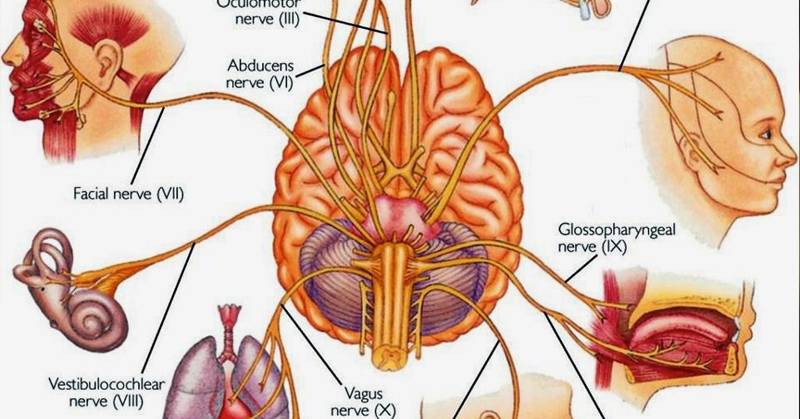
    You may have already heard of the vagus nerve in one of your school biology lessons.

    It’s the longest nerve in your body and is found right behind where you feel for your pulse.

    One of 12 cranial nerves, this super nerve starts in the brainstem and runs all the way to your abdomen, cutting through your heart, esophagus and your lungs.

    Known as “cranial nerve X”, the nerve is part of your involuntary nervous system, the system that directs your unconscious body activity, such as keeping your heart rate stable and ensuring you digest food properly. It tells the body to heal itself, essentially.

    The nerve moves around your body (like a vagabone, hence the name) sending out tiny fibres to your organs, such as your heart, lungs, liver, pancreas, and intestines. The vagus nerve is essentially controlling your parasympathetic nervous system, responsible for stimulating your “rest and digest” activities.

    But the most interesting thing about the vagus nerve is the new research that has revealed its link with treating chronic inflammation, which can lead to high blood pressure, digestive issues, and migraines. Known as the missing link, the nerve may be able to treat these issues without medication! Here’s how:

    Vagal Tone

    Vagal tone is the control the vagus nerve has over your heart rate. Recent studies have revealed that vagal tone is important in order to activate the parasympathetic nervous system. By tracking your heart rate in addition to your breathing rate your vagal tone can be measured in a person.

    When you breathe in your heart usually speeds up slightly, and when you breathe out your heart rate slows down a little. To determine your vagal tone, you need to establish the difference between your inhalation heart rate and your exhalation heart rate. The bigger the difference, the higher your vagal tone will be.

    High or low?

    Having a higher vagal tone is a good thing. It means you are more likely to be able to relax your body after suffering from stress more quickly, and your internal systems probably function better, such as:

    Scientists have discovered that the vagus nerve is monitoring and responding to your body. It initiates responses to any inflammation, all of which affects your mood and your ability to cope with your body’s reactions.

    Low vagal tone

    If you have a low vagal tone you are more susceptible to heart problems, strokes, diabetes, depression, and inflammatory conditions such as rheumatoid arthritis, inflammatory bowel disease, lupus, and endometriosis.

    However, a number of researchers have discovered that by stimulating the nerve using electrical current you can increase your vagal tone, and improve your resilience to these problems.

    However, there are ways you can improve your vagal tone yourself:

    1. Hum. It may sound bizarre, but humming stimulates the nerve because it is connected to your vocal chords. Try it!

    2. Speak. Speak more and you will raise your vagal tone through your vocal chords.

    3. Coldwater. While there is more research to be done on this technique, there has been evidence to suggest that by splashing cold water on your face you stimulate the vagus nerve.

    4. Breathe Deeply. Take long, deep breaths and use your diaphragm to stimulate your vagus nerve.

    5. Yoga. The relaxed, concentrated breathing practices of yoga can increase to your vagal tone levels.

    6. Meditate. A study in 2013 reported that meditation and thinking positive thoughts can have a positive effect on your vagus nerve.

    7. Improve gut health. One of the many positives of having a healthy gut is that it increases your vagal tone levels. It works by creating a loop of health from your gut, through the nerve and back. Try probiotics as a healthy bacteria supplement.

    Adjust your daily routine to improve your vagal tone and stimulate your vagus nerve, it’s so simple but so effective. It’s time to take control of your nerves!


    Copyright © 2014-2019 Life Advancer. All rights reserved. For permission to reprint, contact us.


    This content was originally published here.

  • Texas Woman Forcibly Taken Off Life Support Has Been SAVED By a Pro-Life Group

    Texas Woman Forcibly Taken Off Life Support Has Been SAVED By a Pro-Life Group

    A Texas woman who had her life-sustaining breathing assistance withdrawn by the doctors who were meant to be caring for her has been saved through an emergency hospital transfer.

    The transfer, which involved the use of a private ambulance, was funded by pro-life group, Texas Right to Life.

    Carolyn Jones was taken off life-support May 13 after medics invoked the 10-day rule, a Texas directive that allows doctors to stop medical treatment if they deem it futile.

    Since then, there has been a frantic effort to raise the funds required to transfer Jones to another facility. Now, after much prayer and some incredibly generous donations, Jones has finally been released from Houston’s Memorial Hermann Southwest Hospital and ferried by private ambulance to Ben Taub Hospital, which is staffed by faculty, residents, and students from Baylor College of Medicine.

    here, the dedicated medics immediately ensured that Carolyn was adequately cared for.

    “Not only did they accept her, but they agreed that she needed dialysis if she was going to live,” explained pro-life campaigner Mark Dickson, who has been advocating on behalf of the family.

    “Because Ben Taub had no extra beds, they arranged an emergency transfer to another hospital that was ready and willing to help Carolyn Jones get the life-sustaining treatment that she desperately needed,” Dickson added.

    Though Jones is stable for now, Mark reminded supporters just how desperately unprofessional the original hospital had been throughout the entire process.

    “Memorial Hermann Southwest Hospital refused to provide Carolyn Jones with the care that she needed to survive,” Dickson explained of the shocking situation. “That hospital was a death trap and one we had to escape from.”

    Though the private transfer was successful, it was certainly a struggle. Dickson noted that hospital workers at the Memorial booted out many of those supporting the family through this nightmarish situation.

    “In the process of this great escape, several of our patient advocates were kicked out of the hospital and off of Memorial Hermann Southwest Hospital’s property,” Dickson explained.

    Still, for now, Carolyn is out of the woods — and that is a massive answer to prayer!

    “Thank you Jesus. I know Texas Right to Life and Right to Life of East Texas are both extremely grateful for everyone who played a role in helping Carolyn Jones get the help that she needed,” Dickson said.

    While the immediate danger is no more, Dickson added that “the fight for the life of Carolyn Jones is not over!” and urged people to keep giving to the fundraising effort.

    source

  • Suicide rates surging among young girls

    Suicide rates surging among young girls

    Since 2007, the suicide rate for girls ages 10 to 14 has increased by about 13% per year. It’s gone up about 7% per year for boys in the same age group.

    For girls ages 15 to 19, the rate has gone up about 8%; for boys, 3.5%.

    The study — authored by Donna Ruch of the Nationwide Children’s Hospital in Columbus, Ohio; Arielle Sheftall of the Ohio State University College of Medicine; and Paige Schlagbaum of West Virginia University — did not analyze the cause of the trend.

    “What we’re seeing is alarming,” Ruch told Time. “On top of the fact that females are thinking about suicide more and attempting suicide more, now they’re actually completing suicide.”

    source

  • LED light can damage eyes, health authority warns

    LED light can damage eyes, health authority warns

    Maisons-Alfort (France) (AFP) – The “blue light” in LED lighting can damage the eye’s retina and disturb natural sleep rhythms, France’s government-run health watchdog said this week.  New findings confirm earlier concerns that “exposure to an intense and powerful [LED] light is ‘photo-toxic’ and can lead to irreversible loss of retinal cells and diminished sharpness of vision,” the French Agency for Food, Environmental and Occupational Health & Safety (ANSES) warned in a statement.  The agency recommended in a 400-page report that the maximum limit for acute exposure be revised, even if such levels are rarely met in home or work environments.  The report distinguished between acute exposure of high-intensity LED light, and “chronic exposure” to lower intensity sources.  While less dangerous, even chronic exposure can “accelerate the ageing of retinal tissue, contributing to a decline in visual acuity and certain degenerative diseases such as age-related macular degeneration,” the agency concluded.

    Long-lasting, energy efficient and inexpensive, light-emitting diode (LED) technology has gobbled up half of the general lighting market in a decade, and will top 60 percent by the end of next year, according to industry projections.  LED uses only a fifth of the electricity needed for an incandescent bulb of comparable brightness.  The world’s leading LED light-bulb makers are GE Lighting, Osram and Philips.  The basic technology for producing a white light combines a short wavelength LED such as blue or ultraviolet with a yellow phosphor coating. The whiter or “colder” the light, the greater the proportion of blue in the spectrum.

    – Circadian rhythm –

    LEDs are used for home and street lighting, as well as in offices and industry.  That are also increasingly found in auto headlights, torches (flashlights) and some toys.  LED cellphone, tablet and laptop screens do not pose a risk of eye damage because their luminosity is very low compared to other types of lighting, Francine Behar-Cohen, an ophthalmologist and head of the expert group that conducted the review, told journalists.  But these back-lit devices — especially when they are used at night or in a dark setting — can “disturb biological rhythms, and thus sleep patterns,” the agency cautioned.  Because the crystalline lens in their eyes are not fully formed, children and adolescents are particularly susceptible to such disruptions, the ANSES reports noted.  Interfering with the body’s circadian rhythm is also known to aggravate metabolic disorders such a diabetes, as well as cardiovascular disease and some forms of cancer, noted Dina Attia, a researcher and project manager at ANSES.  In addition, a stroboscopic affect in some LED lights — provoked by tiny fluctuations in electric current — can induce “headaches, visual fatigue and a higher risk of accidents,” the report said.  For domestic lighting, ANSES recommended buying “warm white” LED lighting, limiting exposure to LED sources with a high concentration of blue light, and avoiding LED screens before bedtime.  ANSES also said that manufacturers should “limit the luminous intensity of vehicle headlights,” some of which are too bright.  Finally, the agency cast doubt on the efficacy of some “anti-blue light” filters and sunglasses.

  • Snakebites declared world’s biggest hidden health crisis

    Snakebites declared world’s biggest hidden health crisis

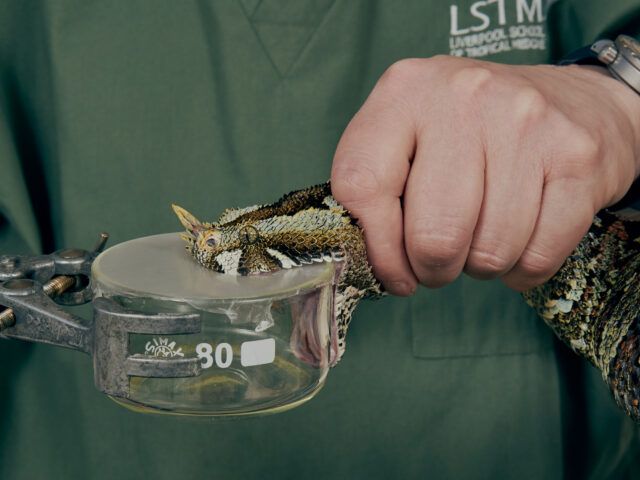
    A multimillion-pound programme has been launched to improve treatment for snakebites, which are thought to kill up to 138,000 people each year.  Scientists said research is urgently needed into the problem as they described snake bites as the world’s biggest hidden health crisis.  Snakebites are treatable but doing so can be expensive, and experts say ineffective antivenom medicines, often in less developed countries, mean people living in the world’s poorest places are worst affected.  Wellcome, the London-based independent global charitable foundation, has announced £80 million in funding for a new programme to focus on changing the way treatments are researched and delivered.  Current methods to make antivenom – using antibodies extracted from horses – have not changed since the 19th century and lead to a high risk of contamination and adverse reaction in patients.

    Of people who survive venomous bites each year, 400,000 suffer life-changing injuries including amputations.  Deaths are rare in countries like the US and Australia where health systems are good and antivenom stockpiles are available, and the worst affected people are usually in rural Africa, Asia and South America.  The new programme aims to work with producers to make antivenoms better, safer and cheaper and make snakebite treatment a global health priority.  The investment comes as the World Health Organisation (Who) prepares to publish its first strategy on the problem next week, which aims to halve death and disability from snakebite by 2030.

    Professor Mike Turner, director of science at Wellcome, said: “Snakebite is – or should be – a treatable condition. With access to the right antivenom there is a high chance of survival. While people will always be bitten by venomous snakes, there is no reason so many should die.  “Treatment has progressed little in the last century, and is too rarely accessible, safe and effective in the places where it is needed the most.  “It’s an incredibly challenging issue – there has been almost no investment in snakebite research over the last decade – but it’s also one that is solvable with support from WHO, national governments, industry and other funders”

    source

  • How Neuroscience Explains Your Teenager’s Impulsive Behavior

    How Neuroscience Explains Your Teenager’s Impulsive Behavior

    The following was produced in partnership with the Lieber Institute for Brain Development and the Maltz Research Laboratories whose mission it is to translate genetic insights into next generation treatments for brain disorders.

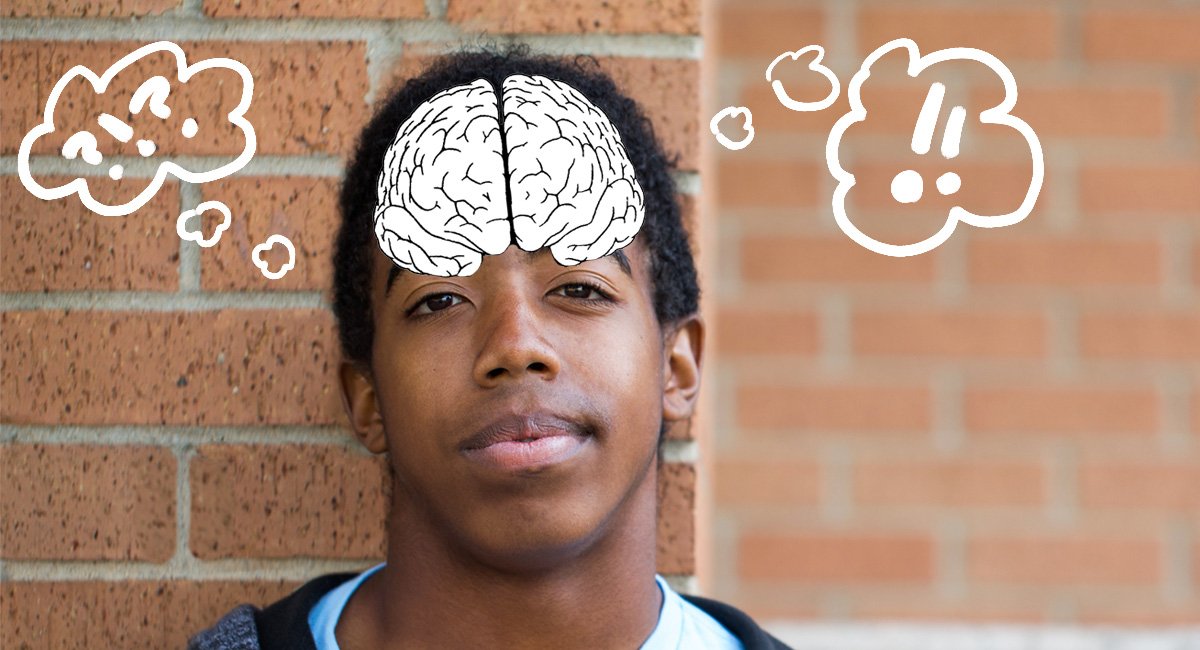
    Have you ever wondered why your teen seems to act impulsively? Why their actions seem to be taken without regard to consequences? While some of these acts are relatively harmless, others — swilling a few beers at a party or cliff-jumping into a lake at night — can be downright dangerous. Parents of teenagers often find themselves scratching their heads and wondering what on Earth their kids were thinking. A more productive question would be for parents to ask themselves, “What do I need to understand about my teen to help them through this turbulent time in their development?”

    For one, adolescence is a critical period of neurological development that can explain a lot of behaviors that, to parents, may seem inexplicable. While we accept that a kindergartner’s brain is still forming, we often expect teenagers to think and act just like adults. The truth is, massive developmental changes occur at this time and require parenting skills to help. Most notably, by better understanding the biological aspects of teenage brain development, parents can not only improve their empathy, but also facilitate safe and moderately structured environments to assist them with the multitude of competing priorities emanating from their environment.

    “It’s so important for parents — and teachers, and school administrators, and decision-makers, and young people themselves — to understand how an adolescent’s brain develops,” says Cynthia Germanotta, president of Born This Way Foundation (which she co-founded with her daughter Lady Gaga), a partner of the Lieber Institute for Brain Development. “That understanding is key for effectively supporting youth as they move into early adulthood, creating environments in which they can thrive and providing the resources they need to navigate the obstacles and opportunities of adolescence and lead happy, healthy lives.”

    Dr. Daniel Weinberger, director and CEO of the Lieber Institute for Brain Development at Johns Hopkins University, concurs.“The human brain is a constantly changing organ, and a lot happens to it during adolescence,” he says. “When you are born, your brain is two-thirds to three-fourths the size of an adult’s brain, but it undergoes an enormous amount of change over the next 20 years — more than it will undergo for the entire rest of your life.”

    Among the connections that have yet to be fully forged in a teenager’s brain are those that govern reason and emotion — and the ability to make decisions and behave based on reason and emotion. “When the adolescent brain, with its less-than-fully-developed prefrontal cortex, is exposed to hurt, aggression, disappointment, and other feelings, it doesn’t have all the resources of a mature brain to inhibit immediate and emotionally driven responses,” explains Weinberger.

    “All human experiences affect the brain. If they didn’t, we couldn’t learn things or acquire new skills.”

    Whether it’s firing back an insult when they feel slighted or slamming down on the gas pedal to show off their car’s speed to their friends, the seemingly impulsive acts of teenagers can be explained biologically. “To be able to inhibit impulsive tendencies or [say no to] a tantalizing experience, you need to be able to understand the implications of the action,” Weinberger says. “You have to understand cause and effect, not just in the immediate moment but in the future. It takes a high-functioning brain to understand that something that would be really fun in the moment could have consequences down the road.”

    What does that mean for parents?

    Given their still-developing prefrontal cortexes, teens often don’t have the wherewithal for such long-term thinking. “The older you get, the more likely you are to not chase every fox that runs out of the bush,” Weinberger says. “As an adolescent, you chase after many foxes, but eventually, as the prefrontal cortex develops, you learn that everything that glitters is not gold.” This is why it’s so important for parents to invite dialogue through empathy, understanding, and patience. When necessary, parents also need to offer hard guidance away from clear and present dangers — like drugs and alcohol.

    “Adolescence is like a perfect storm that kids have to get through.”

    Along with talking with your teen about the real brain dangers, you can support their development just by being there: being present, patient, and understanding. “Adolescence is like a perfect storm that kids have to get through,” Weinberger says. “What does it take to make it all work? It takes an environment that is stable, caring, empathic, and tolerant. It takes sensitivity to the difficulties they may have. Understand that adolescence is a real biological transition, not that they are just lazy or obstinate.”

    But having patience and compassion doesn’t mean letting teens rule the roost, either. “Good parents lend teenagers their ego — that part of us that lets us think in an adaptive way based on behavior,” Weinberger says. “Adolescents need to know that their parents are there when they need them to provide structure and logic and limits.”

    Parents also need to understand that as teens mature, their allegiances move from the home to peers. That is why friendships suddenly becomes so important to them. It’s critical to understand that hypersensitivity to social exclusion impacts adolescent risk-taking. Studies consistently show teens’ susceptibility to peer pressure is not, in other words, a character flaw, but a neurological drive. So next time you have a particularly frustrating run-in with your teen, take a deep breath, count to 10, and try to appreciate the complexities their still-developing brain.

    A Day in the Life of an Adolescent Brain

    It’s a typical day in the neighborhood and your son is out with his friends on their bikes. They are pressuring him to ride off a giant jump, one he knows he doesn’t have the skills to clear, not to mention the fact that he broke his arm playing lacrosse last season and is not yet fully recovered. Still, the stunt looks thrilling, and all the other teens, albeit more experienced riders, have already tackled it. Now they are laying it on thick, trying to coax your kid into taking the jump and taunting him for being chicken.

    Your son feels a mix of emotions that would match that of most adults put in this situation: nervousness, excitement, fear, social anxiety, inadequacy. But how he copes with these is where he struggles. The pressure to conform combined with a developing prefrontal cortex, his decision making is maybe compromised, and studies show he’s more likely to follow along with what his friends are doing.

    In other words, your son’s underdeveloped brain doesn’t have the cortical-processing abilities to run a cost-benefit analysis. His fear of being judged will likely push him to launch off the jump and, sigh, crawl home with a busted-up bike and re-injured arm.

    This content was originally published here.

  • 5 Research-Backed Reasons Your Wife Is Colder Than You

    5 Research-Backed Reasons Your Wife Is Colder Than You

    Your wife is (probably) not shivering to be dramatic, asking for your coat to look fashionable, or messing with the thermostat to pick a fight. Studies suggest women legitimately feel colder than men, on average, for a combination of physiological, hormonal, and psychological reasons.

    Here’s what the science has to say about your freezing-cold wife:

    She Has Less Blood in Her Extremities

    When you get cold, the blood vessels in your hands and feet constrict to redirect blood flow (and heat) toward the center of your body, keeping your most vital organs toasty. Since women tend to have less blood to begin with, this redirection happens faster and leaves their fingers and toes particularly cold. Indeed, studies suggest women conserve more heat than men overall — at the cost of their frozen hands and feet, which are 2.8 degrees Fahrenheit colder than men’s, on average.

    She’s Warm on the Inside, but Cold on the Outside

    While it’s true that women run hotter than men when it comes to their core temperatures, researchers have argued that skin temperature may be a more effective way to measure cold sensitivity than core temperature. And, as it turns out, women have lower skin temperatures than men, on average. 

    You Have Important Hormonal Differences

    Estrogen can slow blood flow to the hands and feet, and raise women’s core temperatures, making them more sensitive to temperature drops, especially during menstruation. Hormonal birth control can make this even worse. At the same time, male sex hormones like testosterone might desensitize one of the main cold receptors in the skin, research reveals, making men feel ever warmer.

    She’s Not as Buff as You

    Men have a metabolic rate that’s about 23 percent higher than women’s, which means they burn calories and heat up their bodies faster, on average. And while it’s true that women have larger fat stores (which presumably add some warmth) fat is not nearly as good at keeping us warm as muscle.

    And, you guessed it — men have more muscle mass too.   

    All of Her Friends Are Cold

    If a woman is cold, her gal pals are probably cold, not just because of their shared biology or flimsy coats, but because of something social scientists call “cold contagion.” One study found that people’s hand temperatures dropped significantly after they viewed videos of hands being submerged in cold water, indicating that the perception of chilliness can be spread socially. So even if her body isn’t making her cold, her mind is. Either way, be a gentleman. Just hand her your coat. 

    This content was originally published here.

  • Low-dose aspirin increases risk of bleeding in the skull, study finds  | Daily Mail Online

    Low-dose aspirin increases risk of bleeding in the skull, study finds  | Daily Mail Online

    Taking low-dose aspirin could increase the risk of bleeding in the skull, especially among those with no history of heart issues, a new report finds.

    Low-dose aspirin has been recommended in the past for older adults as a method to reduce their risk of heart attack and stroke by preventing blood clots.

    But several recent studies have found this positive benefit is negated by the increased risk of internal bleeding.

    Now, a new review finds that taking low-dose aspirin regularly raises the risk of a type of skull bleeding, known as an intracranial hemorrhage.

    Among those who had the greatest risk were adults with a body mass index under 25.

    The team, led by Chang Gung University College of Medicine in Taiwan, says the findings show the medication should only be taken by adults who have the highest cardiovascular disease risk such as those who’ve undergone bypass surgery. 

    A new study from Chang Gung University College of Medicine in Taiwan has found taking a low-dose aspirin had a 0.63 percent risk of bleeding in the s, roughly two out of every 1,000 people (file image)

    A daily low-dose aspirin has been recommended to prevent blood clots that can lead to heart attacks and strokes.  

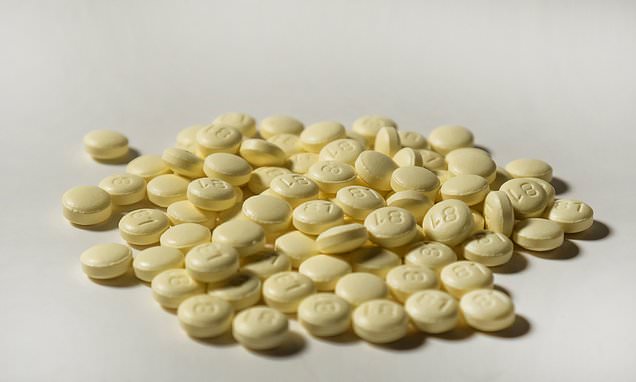
    An adult low-dose aspirin is defined as such if it’s between 75 and 100 milligrams. One pill of low-dose Bayer, for example, is 81 milligrams. 

    For the review, published in JAMA Neurology, the team looked at 13 previous studies on the subject.

    More than 130,000 people between ages 42 and 74 – none of whom had a history of stroke or heart disease – were given either a low-dose aspirin or a placebo. 

    Those who were on the placebo had a 0.46 percent risk of bleeding, but those taking a low-dose aspirin had a 0.63 percent risk, roughly two out of every 1,000 people. 

    People who were either ethnically Asian or had a body mass index under 25 faced the greatest risk. 

    When a hemorrhage occurs in the skull, oxygen-rich blood can’t reach brain tissue and instead pools around the brain.

    This can put pressure on the brain, and lead to permanent damage or even death, according to the Cleveland Clinic.  

    ‘The absolute magnitude of these adverse effects is modest, but clinically relevant,’ said co-author Dr Wen-Yi Huang, a professor of neurology at Chang Gung University College of Medicine.

    ‘Given that the many individuals in the general population have a very low risk of atherosclerotic cardiovascular events, if low-dose aspirin is given universally, adverse outcomes from intracranial hemorrhage may outweigh the beneficial effects of low-dose aspirin.’ 

    It comes just two months after the American College of Cardiology and American Heart Association released new guidelines on low-dose aspirin.

    The two organizations recommended that older adults above age 70 not take the medication as a preventive measure due to an increased risk of bleeding.   

    ‘Clinicians should be very selective in prescribing aspirin for people without known cardiovascular disease,’ said Dr Roger Blumenthal, a cardiologist from Johns Hopkins Medicines who co-chaired the guidelines. 

    ‘It’s much more important to optimize lifestyle habits and control blood pressure and cholesterol as opposed to recommending aspirin. Aspirin should be limited to people at the highest risk of cardiovascular disease and a very low risk of bleeding.’

    Low-dose aspirin increases risk of bleeding in the skull, study finds 

    The views expressed in the contents above are those of our users and do not necessarily reflect the views of MailOnline.

    Add your comment

    What’s This?

    By posting your comment you agree to our house rules.

    We will automatically post your comment and a link to the news story to your Facebook timeline at the same time it is posted on MailOnline. To do this we will link your MailOnline account with your Facebook account. We’ll ask you to confirm this for your first post to Facebook.

    You can choose on each post whether you would like it to be posted to Facebook. Your details from Facebook will be used to provide you with tailored content, marketing and ads in line with our Privacy Policy.

    This content was originally published here.