Author: Truth & Hammer

  • Fortnite Eclipses Facebook, Instagram as Tweens’ Preferred Social Platform

    Fortnite Eclipses Facebook, Instagram as Tweens’ Preferred Social Platform

    It’s not just a game for the 250 million players who are eschewing traditional social media, Netflix and other leisure activities in favor of community events like Marshmello’s virtual concert.

    Fortnite isn’t just a game — it’s also social media. So says a study from National Research Group, which provides a telling snapshot of the new attention economy. Fortnite players spend more of their free time logging into the battle royale game than they do scrolling through Facebook and Instagram or streaming on Netflix and YouTube.

    In the two years since its July 2017 launch, Fortnite has grown into a global phenomenon with more than 250 million active players (82 percent under age 35) and $2.4 billion in annual revenue. Netflix CEO Reed Hastings was on to something when he noted in January that the streamer “competes (and loses) more with Fortnite than with HBO.” According to NRG, Fortnite players spend 21 percent of their free time with the game.

    The reason? Per Tim Sweeney, CEO of Fortnite developer Epic Games, the title was designed to be a “social experience.” Not only does Fortnite encourage players to hone their skills in competitive matches, but it also offers activities for people who just want to hang out in its virtual world. In February, for instance, the EDM DJ Marshmello hosted an in-game concert that drew 10 million viewers. “The competition for free time is finite,” says NRG CEO Jon Penn. “To have an event that draws that many people, in any capacity, makes the threat of Fortnite being a platform very real.”

    NRG indicates that users are responding to the game’s social elements. Researchers write that it “makes people feel good while also providing a worthwhile experience and social connection.” And more social elements could be coming, Sweeney hinted during a March interview with THR. “Just like anybody could create a Facebook page, anybody should be able to express themselves in Fortnite in a huge variety of ways,” he said.

    While the majority of Fortnite users are young, it’s the tween demographic that is spending more time in the game in 2019. NRG reports that 53 percent of survey respondents ages 10 to 12 play Fortnite weekly, significantly more than those who said they use Facebook and Instagram regularly.

    “Facebook limits usage to 13 years old and up, so most kids don’t have any idea why they’d want to be on it anyway,” says Wedbush analyst Michael Pachter, adding, “Fortnite is 100 percent a social platform.”

  • Foraging for your dinner encouraged in community drive

    Foraging for your dinner encouraged in community drive

    Company Drinks founder Kathrin Bohm says being less wasteful comes naturally if you understand the energy that goes into making something in the first place.

    “We’ve become so used to buying a drink, to make your own drink is quite empowering and to understand the politics of drinks-making is really important.

    “Food is not just something you consume, you can use your own city to make food, there’s a lot of learning involved. By making drinks you learn what grows in your space, you meet other people. Food is a strong social glue.”

    Major ecological changes and an abundance of processed goods is causing many people to pay greater attention to the provenance of our food.

    Based in Barking and Dagenham, the drinks-maker runs foraging workshops to teach people how to take things like elderflower, dandelions and even Japanese knotweed, and turn them into cordials or fizzy drinks.

    Through the project, Sean Tuck has become an expert at brewing up locally-sourced soft drinks using long-forgotten recipes.

    “We get together as a community to go out into the local parks to collect and forage for flowers for stalks and leaves and we create drinks from that,” he said.

    “We don’t want the knowledge to get lost, we want to share and grow that knowledge so everybody knows that something so simple that could be growing in their lawn can be used as a food or a drink.”

    When it comes to understanding food production, the links between east London and the Kent countryside go way back.

    Before machinery was introduced onto farms, from the 1850s through to the 1950s, successive generations of working class families would spend their summers hop-picking.

    The community group also organises special day trips so that today’s families can get a taste of what it was like back then.

    For 89-year-old Violet Charlton, the trips are a chance to share her stories.

    “I do remember those days really fondly because it gave me an occasion to meet all my family, my cousins, my aunts.

    “I grew up in Wapping, which was dark, damp and dirty, and going into Kent… it was this fresh, beautiful smell. That’s what I remember more than anything.”

    Violet believes people today could learn a lot from the approach to food back then.

    “Then, you could pick raspberries, blackberries – all sorts of things locally that were grown. We used to do pea picking as well.

    “Food buying and food producing was so different. We grew a lot more vegetables in our back gardens and it was much better than what you taste in the supermarkets today.”

    Our relationship to what we eat is central to a new exhibition at the V&A that’s examining what artists, scientists and food producers are doing to plan for a sustainable food future.

    Curator Catherine Flood says the idea was to explore “how food connects us as a society – to culture, to our own bodies and ultimately, to the planet”.

    “Because of major ecological challenges – fast changing societies – now’s a really key moment to be asking not just what we’re going to be eating tomorrow, but what kind of food future do we want.

    “What does that look like? What could it taste like? It’s at the forefront of so many global challenges that we’re facing today.”

    Company Drinks’ June Hopping Afternoon takes place on 15 June and FOOD: Bigger Than The Plate runs at the V&A until 20 October.

    This content was originally published here.

  • Foraging Spruce Tips (and Other Conifer Tips)

    Foraging Spruce Tips (and Other Conifer Tips)

    Spruce tips have a bright, citrus flavor that works well in both savory and sweet dishes. Almost all conifer tips are edible, and the only exception is yew trees. Pine and fir tips have their own unique taste, and as an added bonus, all conifer tips have medicinal properties.

    Conifer Tips ~ From left to right: Hemlock tips, Spruce Tips, Young Fir Tips, Older Fir tips and Pine Shoots

    Conifer Tips ~ From left to right: Hemlock tips, Spruce Tips, Young Fir Tips, Older Fir tips and Pine Shoots

    A spruce tip is the new spring growth at the end of a branch.  The tree hunkers down for winter, but then in the spring they send out tender (and flavorful) new growth.  The flavors can vary from tree to tree, ranging from bright and citrus-y to warm and resinous.  

    While spruce are the most famous, other conifer tips are also edible.

    Identifying Conifer Species

    We don’t have many spruces on our land, but we have a plethora of hemlock, pine and fir trees.  I’d had my eye on making spruce beer for years, but without a source of spruce tips, it seemed out of reach.  A few months ago, when I was doing research for an article on how to eat a pine tree, I learned that all conifer tips are edible with the exception of yew trees which are questionably toxic.  That’s a pretty big selection of conifer tips, and a lot more options than spruce tips alone.

    I found a really excellent guide to identifying different conifer species here, and it takes you through all the ins and outs of different varieties.  I’ll give you a quick rundown of each species as I know it.

    Spruce Tips

    As it turns out, we do have spruce or two in a few landscape plantings around our house.  Spruce tips tend to stay inside a papery covering when they’re young, which helps you identify them at a distance.

    Beyond that, spruce trees:

    • Tend to have short and stiff needles, that feel a lot sharper than the other conifers.
    • Each needle comes out of a single small woody projection (instead of in groups like pine needles) and if you pull out a needle the woody projection remains (unlike needles on fir trees which come off clean)
    • Needles are square in cross-section, and they can be rolled between the fingertips.

    Spruce tips are the canonical “tip” that’s used by fancy chefs to create real world class foraged food.  This spruce tip ice cream is served in classy restaurants, and they’re also used as an exotic veggie mixed with pasta or in stir-fries.

    Still though, my favorite are fir tips…

    Handful of fir tips...mostly indistinguishable from spruce tips at this stage.

    Handful of fir tips…mostly indistinguishable from spruce tips at this stage.

    Fir Tips

    My favorite thus far, all the fir tips around these parts are lightly sweet with a hint of citrus.  Grapefruit maybe, with an ever so slight bitter note.  They’re also a lot more pleasant to harvest than spruce tips, since the needles are soft and you won’t get spiked if you trip into the tree.

    Fir trees have:

    • Soft, flat needles.
    • Needles grow individually from the branch (unlike pine) but they’re attached with what looks like a tiny suction cup (rather than a woody projection like spruce).
    • a white-ish color on the undersides of the needles.

    Thus far, I’ve been eating fir tips raw out of hand because they’re so good.  I have a boatload of them squirreled away in the fridge, and I’m hoping to get creative over the next month or so.  Tips keep really well if they’re refrigerated promptly, so these will be coming out for fun projects all the way into mid-summer.    

    I did make a lovely fir tip posset, which is a simple eggless custard that simmers cream until it thickens and then adds a bit of lemon juice to help it set up.  If you summer the spruce tips in the cream, they infuse beautifully.

    Pine Shoots

    Probably the easiest to identify of all the conifers, pine trees have many long needles coming out of a single point of origin.  Beyond that, pine trees have:

    • Upturned branches that tend to grow sparsely in comparison to other conifers.
    • They grow in whirls circling the trunk, and the tree puts out a new ring of branches each year (handy for approximating the age of a pine tree).

    Pine shoots are a bit different than all the other “tips” in that they’re more of a tight shoot and they don’t really look like conifer needles.  It’s the shoot of a new branch coming out, and there are no needles visible yet.  They’re pretty plain looking, but they’re packed with incredible flavor.

    Warm, spicy and resinous, pine tips taste like sweet pine candy to my palate.  Imagine the smell of pine, but without the “green” taste of the needles (if you’ve ever recreationally eaten pine needles).  Slightly bitter, but still warm, comforting and mildly sweet. 

    I made a pine shoot syrup that’s totally out of this world, and just uses sugar to draw out the natural liquid from the pine shoots.  Add in 2 parts pine shoots and 1 part sugar to a jar, then give it a good shake.  Allow it to sit for about a week, shaking it any time you think about it, and then spoon out a taste of heaven.

    I dipped a spoon in for a taste, and I’m glad I was alone because I actually let out a soft moan…so good!  Next year I’m making a huge batch of this stuff.

    This pine shoot syrup can be used to flavor meats, and I’m thinking it’d make a really unique baklava-like treat.  It’s also a natural cough syrup, in the same way as this pine needle cough syrup.  

    Hemlock Tips

    Thus far I’m not a huge fan of hemlock tips.  They’re wicked tiny, and they taste distinctly sour to my palate.  Hemlock trees have needles that are flat, and come out in one plane from the stem like a fan.

    They can look a bit like yew species, but the underside of hemlock needles are white, while yew are a uniform green.

    While I’m passing on hemlock tips, I am loving baby hemlock cones.  The underside of mature trees produce tiny hemlock cones that you can harvest at the same time as tips.  They’re sweet and flavorful, and much better tasting than the tips.

    A little later on they produce a lot of pollen from those little proto-cones, and I’m trying to come up with some way to gather it.  Give the branch a whack and you’ll see what I mean, as a huge cloud puffs off the branch if your timing is right.

    Avoiding Toxic Yew Species

    Your best bet in avoiding a potentially toxic yew tree is to positively ID the conifer as something else edible.  Pretty simple.

    In the northeast, we do have some yew species, namely Taxus canadensis, which looks quite a bit like young hemlock trees.  The main difference is hemlock trees have a white underside, and this species of yew is evenly green on both sides.

    I’ve never seen a yew tree to my knowledge out here, and I think they’re maybe more common in the Pacific Northwest.  You can see I’m no expert on these, so do a bit of research to see if there are any in your local area to avoid.

    Spruce Tip Recipes

    Regardless of the type of tips your harvesting, search for “spruce tip recipes” because that’s the one that everyone knows.  Each conifer tip has a slightly different flavor, but so does each individual tree.  They all produce slightly different flavors, so if you find one you don’t like, that doesn’t mean the next tree might not be better.

    What’s your favorite way to use spruce tips?  I’m always looking for new ideas!  Leave me a note in the comments.

    This content was originally published here.

  • Night owls’ health may benefit from ‘simple’ routine adjustments

    Night owls’ health may benefit from ‘simple’ routine adjustments

    bearded man asleep in bed
    A few easy adjustments could help night owls boost their productivity and lower their health risks.

    Research from earlier this year found that night owls — people who naturally keep late hours — experience an effect similar to jet lag on a daily basis.

    This occurs, at least in part, because they have to meet the requirements of a world that we created for “morning people,” in which 9 to 5 jobs are standard, and there is the expectation that people should primarily work in the mornings.

    Other studies have suggested that night owls have a higher risk than morning people of diabetes and that they are also more likely to develop heart disease.

    However, a team of researchers from the Universities of Birmingham and Surrey in the United Kingdom and Monash University in Melbourne, Australia, argues that by making just a few simple lifestyle adjustments, night owls might be able to minimize their health risks.

    For their study, the researchers recruited 22 healthy volunteers with night owl habits. They had an average bedtime of 2.30 a.m. and an average wake-up time of 10.15 a.m.

    “Our research findings highlight the ability of a simple nonpharmacological intervention to phase advance ‘night owls,’ reduce negative elements of mental health and sleepiness, as well as manipulate peak performance times in the real world,” says lead researcher Elise Facer-Childs, Ph.D.

    The team presents the study’s findings in a dedicated paper that appears in the journal Sleep Medicine.

    4 changes to boost night owls’ performance

    “Having a late sleep pattern puts you at odds with the standard societal days, which can lead to a range of adverse outcomes — from daytime sleepiness to poorer mental well-being,” explains study co-author Andrew Bagshaw, Ph.D.

    For this reason, the researchers wanted to find out whether implementing some easy lifestyle changes would allow individuals to adjust their sleep patterns. They also wanted to see whether it could reduce the ill effects that the mismatch between body clock rhythm and the rhythm of modern society can have on health.

    To this end, the team asked the 22 participants to make certain lifestyle changes over 3 weeks. These changes included:

    “We wanted to see if there were simple things people could do at home to solve this issue,” says Bagshaw, adding that the study’s approach “was successful, on average allowing people to get to sleep and wake up around 2 hours earlier than they were before.”

    After the 3-week intervention, the volunteers demonstrated improvements in both cognitive performance, with an increase in reaction time, and physical shape, with improved grip strength, in the morning. They also reported reaching “peak” performance capacity in the afternoons rather than in the evenings as they were before the study.

    Moreover, participants reported a decrease in feelings of depression and stress, as well as in daytime sleepiness.

    “[The intervention] was also associated with improvements in mental well-being and perceived sleepiness, meaning that it was a very positive outcome for the participants,” notes Bagshaw.

    However, the researcher continues, “we now need to understand how habitual sleep patterns are related to the brain, how this links with mental well-being, and whether the interventions lead to long-term changes.”

    For now, the researchers argue that these easy adjustments can allow people whose natural body clock does not match the regular 9 to 5 work schedule to boost both their performance and their well-being.

    Establishing simple routines could help ‘night owls’ adjust their body clocks and improve their overall physical and mental health. Insufficient levels of sleep and circadian misalignment can disrupt many bodily processes, putting us at increased risk of cardiovascular disease, cancer, and diabetes.”

    Study co-author Prof. Debra Skene

    This content was originally published here.

  • Purslane, with its many health benefits, is a ‘wonderweed’ – Agriculture Monthly

    Purslane, with its many health benefits, is a ‘wonderweed’ – Agriculture Monthly

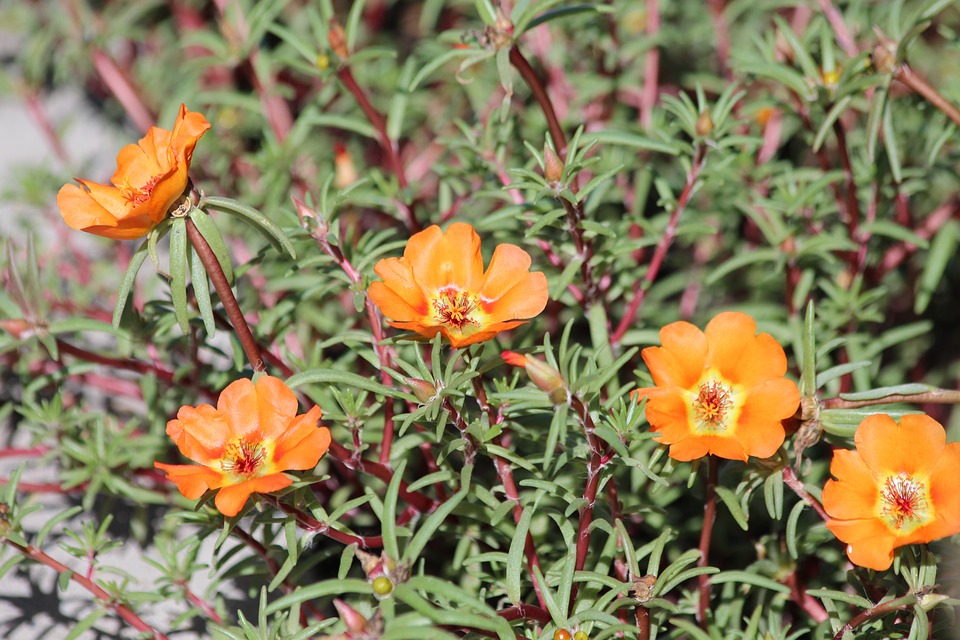
    Though it might be considered a weed, Portulaca Oleracea more known as purslane (ngalong or ulasiman in the Philippines), has a lot of health benefits.

    First, they are rich in antioxidants like glutathione, vitamin E, and beta-carotene. Being rich in antioxidants means that it promotes good heart health, also because it contains omega-3 fatty acids. Purslane also helps soothe and heal wounds when directly applied to a mild burn or scratch. Eating the succulent leaves of purslane can also help treat inflammatory diseases.

    Purslane also has compounds may increase the number of white blood cells as well as phytochemicals,  a potential treatment for cancer. Recent tests found that purslane extracts also have the potential to subdue tumors, lower gastric acid, and even manage diabetes symptoms. This weed also contains minerals such as calcium, potassium, magnesium, iron, and phosphorus, which are beneficial to the bones. But purslane must be moderately taken for people who are prone to having kidney stones.

    This content was originally published here.

  • The crucial connection between magnesium and vitamin B6

    The crucial connection between magnesium and vitamin B6

    You may be familiar with the connection between magnesium, calcium and vitamins K2 and D, and how they work in tandem. But are you aware of the crucial link between magnesium and vitamin B6 (pyridoxine)? Individually, magnesium and vitamin B6 are both essential for heart and brain health. Both also play roles in the regulation of your blood sugar level.,

    When you get insufficient amounts of magnesium from your diet, your body will leach magnesium from your bones, muscles and internal organs, which can lead to osteoporosis, kidney problems and liver damage.

    Vitamin B6 can help ameliorate this by escorting magnesium to the cells that need it most, thus ensuring that the magnesium you’re getting, whether from foods or supplements, is being used as efficiently as possible. In so doing, vitamin B6 also helps augment the many benefits of magnesium.

    Magnesium-B6 combo is superior for severe stress

    The importance of magnesium in combination with vitamin B6 was presented in a 2018 study in the journal PLOS ONE. Taken together, these two nutrients have been shown to have a complementary effect on stress reduction in animal studies.

    In this randomized trial, they evaluated whether the combination of magnesium and B6 would improve perceived stress levels in 264 human subjects who also had low magnesium to start. Healthy adults with a depression anxiety stress scale score above 18 and a serum level of magnesium between 0.45 nanomoles per liter (mmol/L) and 0.85 mmol/L were randomized to receive either:

    1. 300 milligrams (mg) of magnesium in combination with 30 mg of vitamin B6
    2. 300 mg of magnesium only

    The primary endpoint was a reduction in stress score from baseline to Week 8. While both treatment groups experienced similar reductions in their stress scores — the magnesium-B6 combo group reporting a 44.9% reduction in perceived stress and the magnesium-only group a 42.4% reduction — a more significant impact was shown in those with severe and/or extremely severe stress.

    According to the authors, adults with a stress score at or above 25 had a 24% greater improvement with magnesium-vitamin B6 versus magnesium only at Week 8. Those taking magnesium and B6 in combination also experienced fewer side effects: 12.1% of those taking magnesium-vitamin B6 versus 17.4% of those taking magnesium only experienced some form of adverse event. As noted by the authors:

    “These findings suggest oral Mg supplementation alleviated stress in healthy adults with low magnesemia and the addition of vitamin B6 to Mg was not superior to Mg supplementation alone. With regard to subjects with severe/extremely severe stress, this study provides clinical support for greater benefit of Mg combined with vitamin B6.”

    Magnesium and B6 may ease premenstrual syndrome

    Magnesium and vitamin B6 are two nutrients commonly recommended for women struggling with premenstrual syndrome. According to a research paper published in the Journal of Caring Sciences, magnesium deficiency has been proposed “as one of the factors causing and intensifying premenstrual syndrome symptoms,” and magnesium appears to work because it has a calming effect on the neuromuscular system.

    “Vitamin B6 is another proposed treatment for this syndrome,” the paper notes. “On the one hand vitamin B6 increases serotonin and dopamine levels and improves premenstrual syndrome symptoms, and on the other, it has an essential role in the synthesis of prostaglandin and fatty acids, which are reduced in etiologies causing premenstrual syndrome.

    Moreover, researchers believe that vitamin B6 deficiency decreases dopamine in the kidneys and therefore increase sodium excretion, which in turn causes water accumulation in the body and induces symptoms such as swelling in extremities, edema, and abdominal and chest discomfort. The administration of vitamin B6 can thus decrease these symptoms and improve premenstrual acne.”

    To evaluate the effects of these two nutrients on premenstrual syndrome, 126 women diagnosed with premenstrual syndrome, based on American Psychiatric Association criteria, were divided into three groups, which received either 250 mg of magnesium oxide, 250 mg of vitamin B6, or a placebo, taken from the first day of the menstrual cycle until the beginning of the next cycle.

    Magnesium and B6 have similar rates of effectiveness

    Overall, magnesium and B6 had similar rates of effectiveness for premenstrual syndrome in this Journal of Caring Sciences study. Mean scores of premenstrual syndrome before and after intervention in the three groups were as follows:

    Magnesium Vitamin B6 Placebo

    Before intervention: Before intervention

    Magnesium : 36.89%

    Vitamin B6 : 36.51%

    Placebo : 35.8%

    After intervention: After intervention

    Magnesium : 22.22%

    Vitamin B6 : 22.84%

    Placebo : 28.41%

    As you can see, while the placebo also helped reduce premenstrual syndrome symptoms, magnesium and B6 did so more effectively, and at similar rates. When looking at specific symptoms, B6 and magnesium were found to be the most effective for lowering rates of depression, water retention and anxiety. In conclusion, the authors noted:

    “Considering the importance of premenstrual syndrome and the numerous effects it has on society and the lives of women, health groups should prioritize the diagnosis and treatment of this syndrome. Since there is no definitive etiology and treatment for this syndrome, many researchers have tried to find the best and most effective drug with the least side effects to prevent the occurrence of the syndrome …

    The current study was also undertaken with the goal of finding an effective compound with no side effects to reduce the symptoms of this syndrome and its direct and indirect economic and social effects. All compounds used in the current study had no side effects, were effective, non-chemical, and acceptable by most groups of women in the society.

    Hence, health groups, especially midwives, can compare the effectiveness the compound on their specific patients and select the most appropriate treatment for each individual. Moreover, in cases where the patient is prohibited from using chemical drugs to treat premenstrual syndrome, such as oral contraceptive pills and gonadotropin releasing hormone (GnRH) agonists, the use of these compounds seems effective …”

    Unfortunately, a combination of magnesium and B6 was not evaluated in this study. It would have been interesting to see what their combined effect would have been. Considering the importance of both of these nutrients for health, I see no risk in combining them, though, should you struggle with premenstrual syndrome.

    The importance of magnesium for optimal health

    Magnesium is the fourth most abundant mineral in your body and the second most common intracellular cation (positively charged ion) after potassium. It’s required for the healthy function of most cells in your body, but is especially important for your heart, kidneys and muscles.

    Low magnesium will impede your cellular metabolic function and deteriorate mitochondrial function, which can have far-reaching health consequences, seeing how loss of mitochondrial function is a foundational factor in most chronic diseases, including heart disease and cancer.

    According to one scientific review, which included studies dating as far back as 1937, low magnesium actually appears to be the greatest predictor of heart disease, and other recent research shows even subclinical magnesium deficiency can compromise your cardiovascular health.

    Being one of the most abundant minerals in the human body, it’s not surprising that it has several hundred biological functions. To list just a few, magnesium helps: 

    • Relax your muscles as well as your blood vessels — Being deficient in it can cause muscle cramps and weakness
    • Promote mental and physical relaxation — It’s a stress antidote that works by boosting GABA, an inhibitory neurotransmitter that relaxes your nervous system. Magnesium also helps boost your melatonin production
    • Regulate blood sugar and improve insulin sensitivity, potentially protecting against Type 2 diabetes

    Magnesium is required for activation of vitamin D

    Magnesium is also a component necessary for the activation of vitamin D,,, and deficiency may hamper your ability to convert vitamin D from sun exposure and/or oral supplementation.

    According to Mohammed Razzaque, professor of pathology at Lake Erie College of Osteopathic Medicine in Pennsylvania, coauthor of a study published in The Journal of the American Osteopathic Association (JAOA) in March 2018, “By consuming an optimal amount of magnesium, one may be able to lower the risks of vitamin D deficiency, and reduce the dependency on vitamin D supplements.”

    Interestingly, the first paper I ever had published, back in 1985, was also in the JAOA. My paper was about the use of calcium to control hypertension, but if I had written the paper this century, it most certainly would have been about the use of magnesium for that purpose.

    A second study, published in The American Journal of Clinical Nutrition in December 2018 also concluded that your magnesium status plays an important role in your vitamin D status. Overall, people with high magnesium intake were less likely to have low vitamin D. They also had a lower mortality risk from cardiovascular disease and bowel cancer.

    As explained by Dr. Qi Dai, professor of medicine at Vanderbilt University Medical Center and the lead author of this study, “Magnesium deficiency shuts down the vitamin D synthesis and metabolism pathway.” What’s more, magnesium was found to have a regulating effect, raising and lowering vitamin D based on baseline levels.

    In people who had a baseline vitamin D level of 30 ng/mL (75 nmol/L) or below, magnesium supplementation raised their vitamin D level. However, in those who started out with higher vitamin D levels (50 ng/mL or 125 nmol/L), magnesium supplementation lowered their vitamin D.

    Magnesium for brain health and neurological functioning

    Magnesium is also crucial for optimal brain function, and is a common culprit in neurological ailments, including:

    Migraines,, Researchers have noted that empiric treatment with a magnesium supplement is justified for all migraine sufferers.

    Depression — Magnesium plays an important role in depression as it acts as a catalyst for mood-regulating neurotransmitters like serotonin. Research published in 2015 found a significant association between very low magnesium intake and depression, especially in younger adults.

    Research published in PLOS ONE demonstrated magnesium supplementation improved mild-to-moderate depression in adults, with beneficial effects occurring within two weeks of treatment. In fact, the effects of magnesium were comparable to prescription SSRIs in terms of effectiveness, but without any of the side effects associated with these drugs.

    Participants in the treatment group received a daily dose of 248 milligrams (mg) of elemental magnesium for six weeks, while controls received no treatment. According to the authors, “It works quickly and is well tolerated without the need for close monitoring for toxicity.”

    Memory problems and loss of brain plasticity — Memory impairment occurs when the connections (synapses) between brain cells diminish. While many factors can come into play, magnesium is an important one.

    According to Dr. David Perlmutter, a neurologist and fellow of the American College of Nutrition, “magnesium is a critical player in the activation of nerve channels that are involved in synaptic plasticity.” Magnesium threonate, which most effectively permeates the blood-brain-barrier, is likely your best choice here.

    The specific brain benefits of magnesium threonate were demonstrated in a 2010 study published in the journal Neuron, which found this form of magnesium enhanced “learning abilities, working memory, and short- and long-term memory in rats.”

    Health benefits of vitamin B6

    Like magnesium, vitamin B6 (as well as several other B vitamins) also plays an important role in heart and brain health. It is used in the creation of neurotransmitters, and is required for proper brain development during pregnancy and infancy.

    Vitamins B6, B9 (folate, or folic acid in its synthetic form) and B12 may be particularly important for supporting cognitive function as you age, and have been shown to play a major role in the development of dementia, including Alzheimer’s disease, which is the most serious and lethal form.

    A primary mechanism of action here is the suppression of homocysteine, which tends to be elevated when you have brain degeneration. High homocysteine has also been implicated in the development of atherosclerosis.,

    The good news is your body can eliminate homocysteine naturally, provided you’re getting enough B9 (folate), B6 and B12. One study confirming this was published in 2010. Participants received either a placebo or 800 micrograms (mcg) of folic acid (the synthetic form of B9), 500 mcg of B12 and 20 mg of B6.

    The study was based on the presumption that by controlling homocysteine levels you might be able to reduce brain atrophy, thereby slowing the onset of Alzheimer’s. Indeed, after two years those who received the vitamin-B regimen had significantly less brain shrinkage compared to the placebo group.

    A 2013 study took this research a step further, showing that not only do B vitamins slow brain shrinkage, but they specifically slow shrinkage in brain regions known to be most severely impacted by Alzheimer’s disease.

    As in the previous study, participants taking high doses of folic acid and vitamins B6 and B12 lowered their blood levels of homocysteine, decreasing brain shrinkage by as much as 90%. High doses of vitamins B6, B8 (inositol) and B12 have also been shown to significantly reduce symptoms of schizophrenia, more so than standard drug treatments alone. Vitamin B6 is also important for healthy:

    • Metabolism, by helping break down amino acids in the muscles to be used as energy and by converting lactic acid to glucose in your liver
    • Immune system, as it helps create white blood cells that fight infections
    • Hair and skin health, by reducing hair loss and alleviating dermatitis

    How to improve your magnesium and vitamin B6 status

    The recommended dietary allowance (RDA) for magnesium ranges from 310 mg to 420 mg for adults over the age of 19, depending on age, gender and pregnancy status, and the adult RDA for vitamin B6 is between 1.2 mg and 2 mg per day, depending on age and gender.

    Both magnesium and vitamin B6 are abundant in whole foods. Good sources of magnesium include leafy greens, berries, avocado, seeds, nuts and raw cacao nibs. Eating a primarily processed food diet is the primary culprit in magnesium deficiency, and if you fall into this group, you’d be wise to take a magnesium supplement.

    Vitamin B6 is abundant in animal foods such as beef and wild-caught salmon, as well as dark leafy greens, papaya, oranges, cantaloupe, sweet potatoes, avocados, bananas, spinach, pistachios and sunflower seeds. Nutritional yeast is another excellent source.

    To learn more about the benefits of magnesium and/or vitamin B6, see “Reasons to Increase Your Magnesium Intake” and “Top Benefits of Vitamin B6.” In those articles, you’ll also find more details about top food sources for these nutrients, and how to identify a possible deficiency.


    This content was originally published here.

  • Break These Bad Living Room Cleaning Habits & Transform Your Living Space

    Break These Bad Living Room Cleaning Habits & Transform Your Living Space

    bad living room cleaning habits

    Are bad living room cleaning habits keeping you from your best home? Image: NelleG/Getty Images

    Cleaning is a hassle. But you might be making it harder on yourself than is absolutely necessary. Whether you’re tidying up your bedroom, kitchen or bathroom, banishing your bad habits can make it easier to clean — and easier to keep your place clean.

    And nowhere will a truly good clean be more apparent than your living room. It’s your space for relaxing and it’s where you entertain guests. It’s where your most statement-making decor will most likely live. So it deserves some TLC. And you can deliver it with a little help.

    Break these five bad living room cleaning habits and you can get your space pristinely clean. So clean, in fact, that it might just stay that way for good.

    Living with piles

    Look around your living room. What’s the state of your stuff? If you’ve got piles, it’s time to reconsider. That stack of magazines and that heap of throw blankets aren’t doing your aesthetic any favors. Plus, do you know what piles invite? Bigger piles.

    Now, that’s not to say that your stuff might not benefit from being gathered in groups. But there’s a difference between having your kids’ toys piled loosely in the corner and neatly stored in a bin. If you can’t part with your pile because it makes sense to keep the items gathered that way, invest in a storage system for those items to keep your living room neat. As an added bonus, it can clue your family members or roommates into where that stuff should go when it’s not in use, helping them put stuff away so your living room stays tidy.

    bad living room cleaning habits 2

    Keep your surfaces streamlined so they’re easy to wipe down. Image: Breadmaker/Shutterstock

    Cluttering surfaces

    How often do you dust and disinfect all the surfaces in your living room? If it’s not often, you might be facing one of the most common bad living room cleaning habits: too much clutter. You’re never going to wipe down your mantel if you have to move over a dozen items off it to cross that chore off your list.

    Streamline what you keep on your surfaces to make it easier to keep everything near looking and sanitized.

    Not dusting first

    The living room tends to accumulate dust. So when you start by vacuuming without addressing the dust on your surfaces first, you’re just moving the problem around. Instead, start by dusting. And do your highest ledges first, then work your way down. Wait to clean your floors last so you’re catching all of that dust and getting your space truly clean. Bonus: making sure all of the dust is completely gathered throughout the course of your clean will help you space stay cleaner over time.

    Also, don’t forget about the items that aren’t easy to knock free of dust, like throw pillows and blankets. Launder them regularly to catch those dust mites.

    bad living room cleaning habits 3A sparkling living room requires clean tools used on a regular basis. Image: FollowTheFlow/Getty Images

    Using dirty tools

    Cleaning your living room takes some elbow grease. Don’t waste it. One of the most common bad living room cleaning habits is starting with tools that aren’t clean themselves.

    If you haven’t cleaned your vacuum filter in a while, this is the time. The same goes for your cleaning rags, sponges or whatever else you use to disinfect and dust.

    And speaking of disinfecting, don’t forget this part. It’s easy to give your coffee table a quick wipedown, but don’t forget to get those frequently touched items like remotes and light switches.

    Not having a place for everything (and everything in its place)

    Where is that remote supposed to go? What about that throw pillow? How about that board game? If you’re not sure, odds are no one else in your house knows either. And that’s why you end up with stuff just floating around, creating visual clutter and making it hard to keep your place looking clean. It also leads to the problem of piles we discussed above.

    Because living rooms are generally spaces for relaxing, it’s easy to get relaxed about how they’re maintained. But that can lead to junk accumulating. And not only does that leave your place looking messy, but it also makes your to-do list that much longer when it comes time to clean.

    Collect all the stuff in your living room that doesn’t have a place. Then, find a place for it. Then, keep it in its place. Easy-peasy.

    Do any of these bad living room cleaning tips sound familiar? If so, it’s time to reconfigure your space so it can better serve you. Break these habits and you can enjoy a cleaner space for longer!

    The post Break These Bad Living Room Cleaning Habits & Transform Your Living Space appeared first on Freshome.com.

    This content was originally published here.

  • Stanford engineers make editing video as easy as editing text

    Stanford engineers make editing video as easy as editing text

    In television and film, actors often flub small bits of otherwise flawless performances. Other times they leave out a critical word. For editors, the only solution so far is to accept the flaws or fix them with expensive reshoots.

    A new algorithm makes it possible to perform text-based editing of videos of “talking heads”; that is, speakers from the shoulders up.

    Imagine, however, if that editor could modify video using a text transcript. Much like word processing, the editor could easily add new words, delete unwanted ones or completely rearrange the pieces by dragging and dropping them as needed to assemble a finished video that looks almost flawless to the untrained eye.

    A team of researchers from Stanford University, Max Planck Institute for Informatics, Princeton University and Adobe Research created such an algorithm for editing talking-head videos – videos showing speakers from the shoulders up.

    The work could be a boon for video editors and producers but does raise concerns as people increasingly question the validity of images and videos online, the authors said. However, they propose some guidelines for using these tools that would alert viewers and performers that the video has been manipulated.

    “Unfortunately, technologies like this will always attract bad actors,” said Ohad Fried, a postdoctoral scholar at Stanford. “But the struggle is worth it given the many creative video editing and content creation applications this enables.”

    source

  • London to get ‘world’s first’ infinity pool with 360-degree views

    London to get ‘world’s first’ infinity pool with 360-degree views

    Plans to build a rooftop infinity pool — with 360-degree views of the London skyline — are in motion. The designs for the 600,000-liter pool and 55-story building, named Infinity London, have been unveiled by Compass Pools. The designers claim the concept is a world-first, describing the structure as “the only building in the world to incorporate a 360-degree infinity pool.” The pool will be made from cast acrylic and will feature transparent sides and floors, so visitors below will be able to see swimmers splashing around above them. Tulip skyscraper given approval to soar over London To keep views pristine, there are no stairs on the outside of the pool or the building — instead, a spiral staircase that rotates and rises through the water provides access for swimmers. The designers envisage that the pool will sparkle like “jewel-topped torch” at night, with the building fitted with a collection of lights. “We faced some quite major technical challenges to this building, the biggest one being how to actually get into the pool,” said Compass Pool’s swimming pool designer and technical director Alex Kemsley in an interview on the company’s website.
    “The solution is based on the door of a submarine, coupled with a rotating spiral staircase which rises from the pool floor when someone wants to get in or out — the absolute cutting edge of swimming pool and building design and a little bit James Bond to boot!” Photographer captures Hong Kong’s mesmerizing ‘cocoon’ buildings
    The pool will also be fitted with a built-in anemometer to monitor wind speed, and will be linked to a computer-controlled building management system that will regulate the pool’s temperature and ensure water doesn’t spill onto the streets below. The water will be heated using waste energy from the building’s air conditioning system. The designers also plan for a five-star hotel to sit underneath the pool in the top stories of the skyscraper.
  • Vultures Invade Florida Neighborhood, Damaging Roofs & Property

    Vultures Invade Florida Neighborhood, Damaging Roofs & Property

    A Florida neighborhood is beginning to look a lot like one of those terrifying scenes from the classic Alfred Hitchcock thriller ‘The Birds.’

    That’s because hundreds of black vultures are invading the neighborhood, damaging the roofs they walk on and blocking sidewalks with their large, extended wings, according to CBS affiliate WKMG.

    Residents think the vulture invasion is due to development encroaching on the birds’ previous habitat.

    “It sounds like there are rocks being dropped on our rooftop,” a resident of the neighborhood told WKMG. He estimates 200 to 300 vultures live around the small subdivision.

    Residents say the birds have been very destructive.  One resident said he has replaced his pool screen three times because the vultures sharp talons tear it to shreds.

    Vultures are state and federally protected as a migratory bird, so they can’t be hurt or killed without a federal permit from the US Fish and Wildlife Service.

    The Florida Fish and Wildlife Conservation Commission says if vultures are damaging property, they can be scared away with Pyrotechnics.

    When neighborhood residents went to their homeowners’ association management company requesting it hire a wildlife control service to take care of the birds, it said removing the birds was not its responsibility.


    “We certainly sympathize with the homeowners most adversely impacted by this phenomenon as these folks are our fellow neighbors, and began investigating options to address the problem,” officials with the Tudor Grove at Timber Springs Homeowners Association said in a statement to WKMG.

    The HOA board members claim they contacted a biologist and after learning decoy deterrents might not be a guaranteed solution, decided against the effort.

    The board president also told WKMG the HOA is “not responsible for the removal of any natural nuisances.”

    Residents disagree and still think the HOA should help maintain the value of the homes and solve the issue.

    source