Category: Science&Technology

  • Matter waves and quantum splinters

    Matter waves and quantum splinters

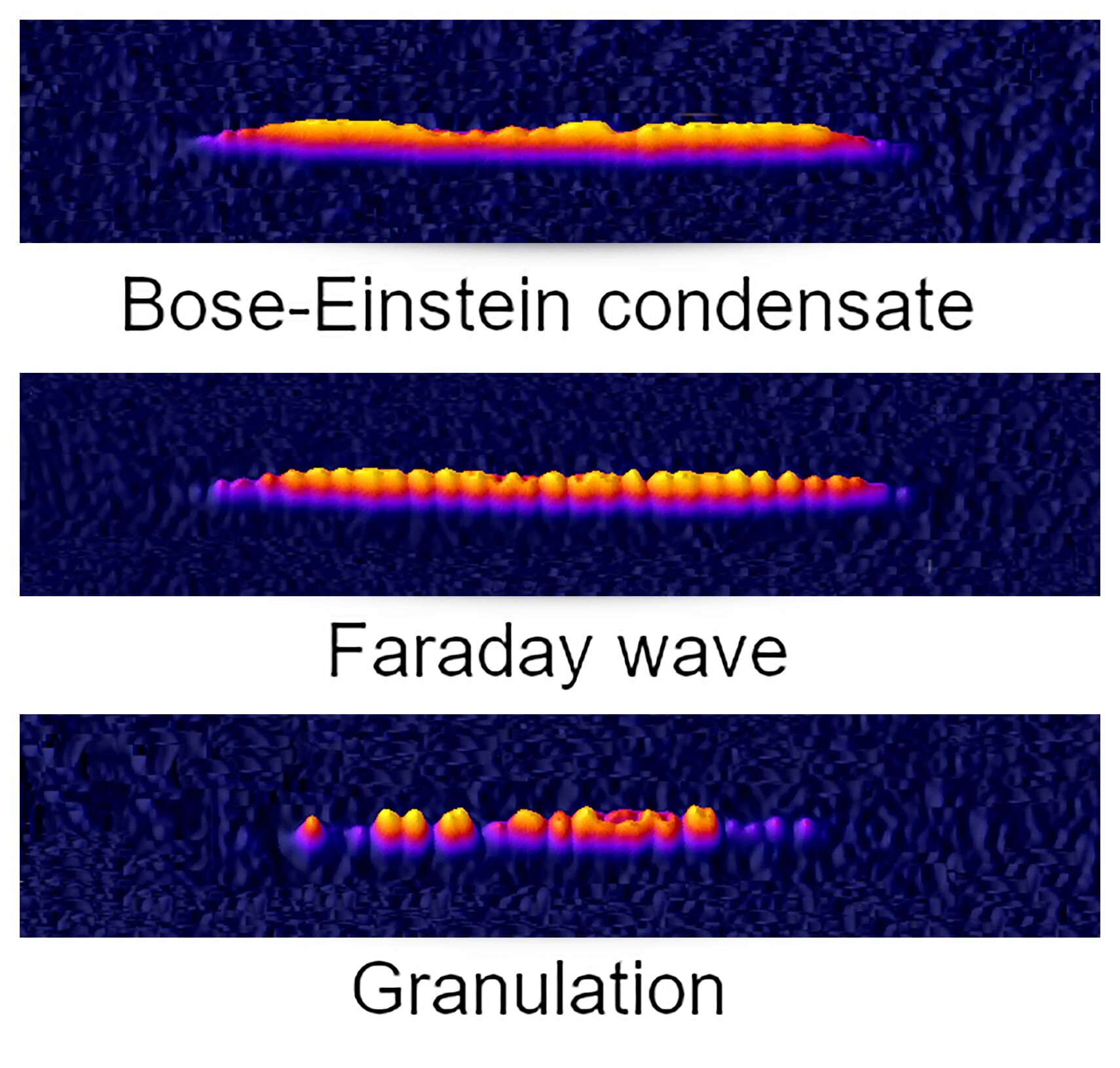
    Physicists in the United States, Austria and Brazil have shown that shaking ultracold Bose-Einstein condensates (BECs) can cause them to either divide into uniform segments or shatter into unpredictable splinters, depending on the frequency of the shaking.

    “It’s remarkable that the same can give rise to such different phenomena,” said Rice University physicist Randy Hulet, co-author of a study about the work published online today in the journal Physical Review X. Hulet’s lab conducted the study’s experiments using lithium BECs, tiny clouds of ultracold atoms that march in lockstep as if they are a single entity, or matter wave. “The relationship between these states can teach us a great deal about complex quantum many-body phenomena.”

    The research was conducted in collaboration with physicists at Austria’s Vienna University of Technology (TU Wien) and Brazil’s University of São Paulo at São Carlos.

    The experiments harken to Michael Faraday’s 1831 discovery that patterns of ripples were created on the surface of a fluid in a bucket that was shaken vertically at certain critical frequencies. The patterns, known as Faraday waves, are similar to resonant modes created on drumheads and vibrating plates.

    To investigate Faraday waves, the team confined BECs to a linear one-dimensional waveguide, resulting in a cigar-shaped BEC. The researchers then shook the BECs using a weak, slowly oscillating magnetic field to modulate the strength of interactions between atoms in the 1D waveguide. The Faraday pattern emerged when the frequency of modulation was tuned near a collective mode resonance.

    But the team also noticed something unexpected: When the modulation was strong and the frequency was far below a Faraday resonance, the BEC broke into “grains” of varying size. Rice research scientist Jason Nguyen, lead co-author of the study, found the grain sizes were broadly distributed and persisted for times even longer than the modulation time.

    “Granulation is usually a random process that is observed in solids such as breaking glass, or the pulverizing of a stone into grains of different sizes,” said study co-author Axel Lode, who holds joint appointments at both TU Wien and the Wolfgang Pauli Institute at the University of Vienna.

    Images of the quantum state of the BEC were identical in each Faraday wave experiment. But in the granulation experiments the pictures looked completely different each time, even though the experiments were performed under identical conditions.

    Lode said the variation in the granulation experiments arose from —complicated relationships between quantum particles that are difficult to describe mathematically.

    “A theoretical description of the observations proved challenging because standard approaches were unable to reproduce the observations, particularly the broad distribution of grain sizes,” Lode said. His team helped interpret the using a sophisticated theoretical method, and its implementation in software, which accounted for quantum fluctuations and correlations that typical theories do not address.

    Hulet, Rice’s Fayez Sarofim Professor of Physics and Astronomy, and a member of the Rice Center for Quantum Materials (RCQM), said the results have important implications for investigations of turbulence in fluids, an unsolved problem in physics.

    More information: J. H. V. Nguyen et al, Parametric Excitation of a Bose-Einstein Condensate: From Faraday Waves to Granulation, Physical Review X (2019). DOI: 10.1103/PhysRevx.9.011052

    Source

    https://phys.org/news/2019-03-quantum-splinters.html
  • Genetic Research Has a Big Bias Problem, And We Can’t Keep Ignoring It

    Genetic Research Has a Big Bias Problem, And We Can’t Keep Ignoring It

    Human genomics research continues to have a major bias towards people of European ancestry, scientists say – and that could have damaging consequences in terms of how research is interpreted and followed up.

    The statistics tell their own story: as of 2018, individuals included in genome-wide association studies (GWAS) were 78 percent European, 10 percent Asian, 2 percent African, 1 percent Hispanic, and less than 1 percent all other ethnic groups.

    As these GWAS studies are used to predict disease risk, develop medical treatments, and plan further research and study, the risk is that we’re not seeing the whole picture of the human population – even if the individual studies themselves are scientifically sound.

    “Leaving entire populations out of human genetic studies is both scientifically damaging and unfair,” says one of the researchers, evolutionary geneticist Sarah Tishkoff from the University of Pennsylvania.

    “We may be missing genetic variants that play an important role in health and disease across ethnically diverse populations, which may have deleterious consequences in terms of disease prevention and treatment.”

    Tishkoff and her colleagues looked at the thousands of publications listed in the GWAS Catalog to come up with their figures, as well as analysing genetic risk in particular health issues like kidney disease and schizophrenia.

    Applying findings on genetic risk taken from Europeans might not necessarily work in non-Europeans, the team argues – because of variations passed down through evolutionary history, as humans originated from and spread to different areas across hundreds of thousands of years.

    Some diseases are linked to a single gene variant, but others are associated with many different genes, as well as environmental factors – it’s here that the lack of a wide, unbiased sample set becomes a real problem. 

    “The lack of diversity in human genomics studies is likely to exacerbate health inequalities,” says one of the team behind the new research, Scott M. Williams from the Case Western Reserve University School of Medicine in Ohio.

    “For example, approaches are being developed to predict a person’s risk of diseases such as Alzheimer’s disease, heart disease, or diabetes based on their status for multiple genes. But such calculations developed based on evidence from primarily European populations may not apply to people of other ethnic backgrounds.”

    The researchers give the example of cystic fibrosis, about six times more common in those of European descent than African descent. The most common causative allele in the first group accounts for 70 percent of cases, but only 29 percent of cases in the second group.

    Specific genetic mutations might be happening in populations we haven’t studied enough, the team suggests, and together with the effects of genetic drift as populations separate, it means the end results of GWAS research might not be as precise as we would like.

    The solution put forward by the researchers is to use comprehensive biobanks for future studies, wherever possible: biobanks with ethnically diverse individuals that can be linked to extensive health records. That should result in better healthcare for everyone.

    “These initiatives will require the political will to improve funding and infrastructure for studying genomic and phenotypic diversity in global populations,” says one of the researchers, Giorgio Sirugo from the University of Pennsylvania.

    “The future success of genomic and precision medicine depends on it.”

    The research has been published in Cell.

    Source

    https://www.sciencealert.com/we-re-still-not-doing-enough-to-make-our-genetics-studies-unbiased

  • ‘Super-smeller’ helps develop swab test for Parkinson’s disease

    ‘Super-smeller’ helps develop swab test for Parkinson’s disease

    Scientists have developed a test for Parkinson’s disease based on its signature odour after teaming up with a woman who can smell the condition before tremors and other clinical symptoms appear.

    The test could help doctors diagnose patients sooner and identify those in the earliest stages of the disease, who could benefit from experimental drugs that aim to protect brain cells from being killed off.

    Perdita Barran, of the University of Manchester, said the test had the potential to decrease the time it took to distinguish people with normal brain ageing from those with the first signs of the disorder. “Being able to say categorically, and early on, that a person has Parkinson’s disease would be very useful,” she said.

    Most people cannot detect the scent of Parkinson’s, but some who have a heightened sense of smell report a distinctive, musky odour on patients. One such “super smeller” is Joy Milne, a former nurse, who first noticed the smell on her husband, Les, 12 years before he was diagnosed.

    Milne only realised she could sniff out Parkinson’s when she attended a patient support group with her husband and found everyone in the room smelled the same. She thought little more about it until she mentioned the odour to Tilo Kunath, a neurobiologist who studies Parkinson’s at Edinburgh University.

    Kunath tested Milne’s skills by having her sniff T-shirts worn by either healthy people or Parkinson’s patients. Milne identified all those worn by the patients and said one more T-shirt bore the same scent. Eight months later, the wearer was diagnosed with the disease.

    For the latest study, Barran worked with Kunath and Milne to identify the main substances that give rise to the distinctive Parkinson’s odour. They focused on compounds in sebum, a waxy fluid that is secreted by glands in the skin, particularly on the upper back where Milne said the scent was strongest.

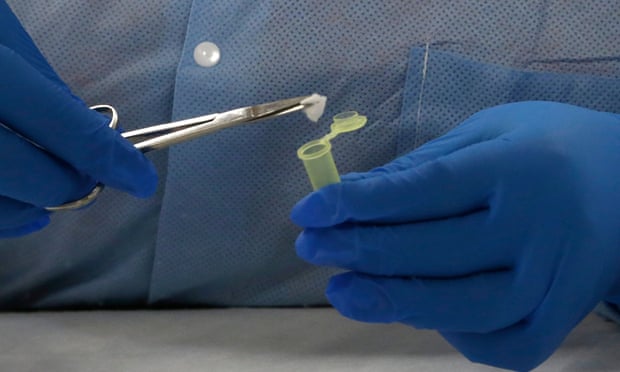
    The scientists used a technique called mass spectrometry to measure levels of volatile chemicals in sebum on swabs from Parkinson’s patients and healthy volunteers. By testing different groups, they whittled down the number of fragrant compounds from thousands to just four that appear to be most important for the scent.

    Writing in the journal ACS Central Science, the researchers describe how Milne confirmed that mixtures of the four compounds had the same musky smell as Parkinson’s patients. Tests found that levels of three substances, eicosane, hippuric acid and octadecanal, were all higher than normal in the sebum of Parkinson’s patients, while levels of a fourth substance, perillic aldehyde, were lower.

    To see whether the test can spot Parkinson’s before doctors can, the scientists have teamed up with researchers in Austria who study people with REM sleep disorders. A separate study found people with a specific kind of such disorder have a 50% risk of developing Parkinson’s in later life.

    “If we can detect the disease early on, that would be very good news. It would mean we have a test that picks it up before motor symptoms appear,” Barran said.

    source

  • People can sense Earth’s magnetic field, brain waves suggest

    People can sense Earth’s magnetic field, brain waves suggest

    A new analysis of people’s brain waves, when surrounded by different magnetic fields, suggests that people have a “sixth sense” for magnetism.

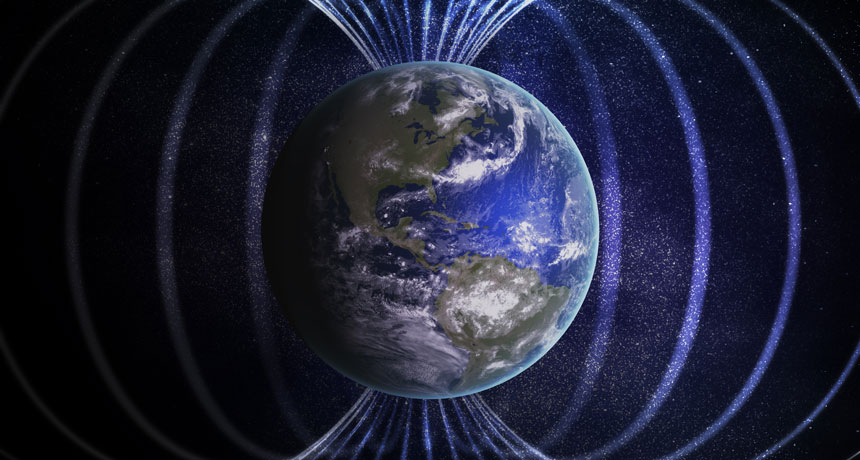
    Birds, fish and some other creatures can sense Earth’s magnetic field and use it for navigation (SN: 6/14/14, p. 10). Scientists have long wondered whether humans, too, boast this kind of magnetoreception. Now, by exposing people to an Earth-strength magnetic field pointed in different directions in the lab, researchers from the United States and Japan have discovered distinct brain wave patterns that occur in response to rotating the field in a certain way.

    These findings, reported in a study published online March 18 in eNeuro, offer evidence that people do subconsciously respond to Earth’s magnetic field — although it’s not yet clear exactly why or how our brains use this information.

    “The first impression when I read the [study] was like, ‘Wow, I cannot believe it!’” says Can Xie, a biophysicist at Peking University in Beijing. Previous tests of human magnetoreception have yielded inconclusive results. This new evidence “is one step forward for the magnetoreception field and probably a big step for the human magnetic sense,” he says. “I do hope we can see replications and further investigations in the near future.”

    During the experiment, 26 participants each sat with their eyes closed in a dark, quiet chamber lined with electrical coils. These coils manipulated the magnetic field inside the chamber such that it remained the same strength as Earth’s natural field but could be pointed in any direction. Participants wore an EEG cap that recorded the electrical activity of their brains while the surrounding magnetic field rotated in various directions.

    This setup simulated the effect of someone turning in different directions in Earth’s natural, unchanging field without requiring a participant to actually move. (Complete stillness prevented motor-control thoughts from tainting brain waves due to the magnetic field.) The researchers compared these EEG readouts with those from control trials where the magnetic field inside the chamber didn’t move.

    Joseph Kirschvink, a neurobiologist and geophysicist at Caltech, and colleagues studied alpha waves to determine whether the brain reacts to changes in the magnetic field direction. Alpha waves generally dominate EEG readings while a person is sitting idle but fade when someone receives sensory input, like a sound or touch.

    Sure enough, changes in the magnetic field triggered changes in people’s alpha waves. Specifically, when the magnetic field pointed toward the floor in front of a participant facing north — the direction that Earth’s magnetic field points in the Northern Hemisphere — swiveling the field counterclockwise from northeast to northwest triggered an average 25 percent dip in the amplitude of alpha waves. That change was about three times as strong as natural alpha wave fluctuations seen in control trials.

    Curiously, people’s brains showed no responses to a rotating magnetic field pointed toward the ceiling — the direction of Earth’s field in the Southern Hemisphere. Four participants were retested weeks or months later and showed the same responses.

    “It’s kind of intriguing to think that we have a sense of which we’re not consciously aware,” says Peter Hore, a chemist at the University of Oxford who has studied birds’ internal compasses. But “extraordinary claims need extraordinary proof, and in this case, that includes being able to reproduce it in a different lab.”

    Questions raised

    If these findings are replicable, they pose several questions — such as why people seem to respond to downward- but not upward-pointing fields. Kirschvink and colleagues think they have an answer: “The brain is taking [magnetic] data, pulling it out and only using it if it makes sense,” Kirschvink says.

    Participants in this study, who all hailed from the Northern Hemisphere, should perceive downward-pointing magnetic fields as natural, whereas upward fields would constitute an anomaly, the researchers argue. Magnetoreceptive animals are known to shut off their internal compasses when encountering weird fields, such as those caused by lightning, which might lead the animals astray. Northern-born humans may similarly take their magnetic sense “offline” when faced with strange, upward-pointing fields.

    This explanation “seems plausible,” Hore says, but would need to be tested in an experiment with participants from the Southern Hemisphere.

    The brain’s attention to counterclockwise but not clockwise rotations “is something surprising that we don’t really have a good explanation for,” says coauthor Connie Wang, who studies magnetoperception at Caltech. Some people may respond to clockwise rotations, just like some people are left-handed rather than right-handed, or clockwise rotations generate brain activity not captured in the alpha wave signal, she says.

    Even accounting for which magnetic changes the brain picks up, researchers still don’t know what our minds might use that information for, Kirschvink says. Another lingering mystery is how, exactly, our brains detect Earth’s magnetic field. According to the researchers, the brain wave patterns uncovered in this study may be explained by sensory cells containing a magnetic mineral called magnetite, which has been found in magnetoreceptive trout as well as in the human brain (SN: 8/11/12, p. 13). Future experiments could confirm or eliminate that possibility.
    With this first compelling evidence that humans are subconsciously processing magnetic signals, “we can [try to] identify the brain region it originates from and try to identify the nature of the cells” responsible, says Michael Winklhofer, a magnetoreception researcher at the University of Oldenburg in Germany. “This is really the first step.”

    source

  • Muji’s driverless Gacha bus takes to the roads in Helsinki

    Muji’s driverless Gacha bus takes to the roads in Helsinki

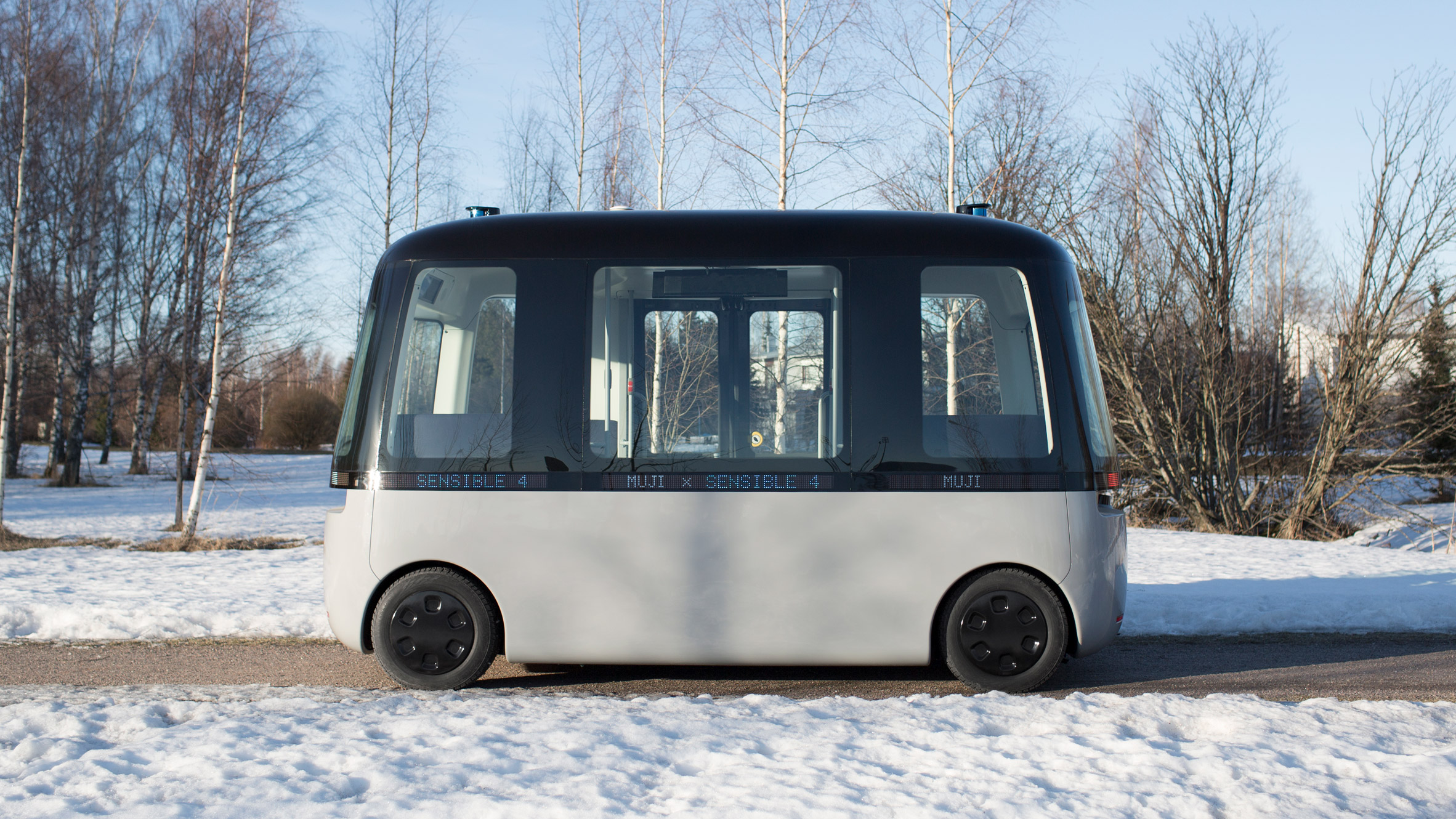
    Muji and Sensible 4 debut Gacha self-driving bus in Helsinki

    Japanese brand Muji and Finnish autonomous-driving company Sensible 4 launched the self-driving Gacha bus last week in Helsinki, which is fit for all weather conditions.

    First revealed as renders just four months ago, the driverless Gacha shuttle bus has now made its maiden journey, which took place in front of the Helsinki Central Library Oodi in the Finnish capital on 8 March.

    Muji and Sensible 4 debut Gacha self-driving bus in Helsinki

    According to Muji and Sensible 4, it is the first autonomous bus in the world that is able to drive in all types of weather, including heavy rain, fog and snow.

    The bus is expected to begin operating for the general public in Espoo, Finland, in April this year, before being rolled out to Hämeenlinna, Vantaa and Helsinki later in 2019.

    Muji and Sensible 4 debut Gacha self-driving bus in Helsinki

    “The Gacha development got started when the Sensible 4 team, working back then with the first generation of robot buses, noticed that they just don’t perform at all even in light rain, not to mention the typical winter conditions in Finland,” said Sensible 4 CEO Harri Santamala.


    “Completely autonomous self-driving technology is not here yet. Most self-driving cars can operate only in ideal weather conditions and well-marked roads.”

    “This is what Sensible 4 has managed to change through repeated tests in the harsh winter conditions of the Finnish Lapland,” Santamala added.

    Muji and Sensible 4 debut Gacha self-driving bus in Helsinki

    Users can order the on-demand bus via a ride-hailing app on their smartphone, and simply get on when it approaches them.

    It also connects them with existing transportation services, so that they can select the best route and transportation methods according to the situation, and transfer between different services with ease.

    Muji and Sensible 4 debut Gacha self-driving bus in Helsinki

    While Muji supplied the minimal design of the vehicle, Sensible 4 provided the driverless technology, which includes using digital mapping and sensor technology to detect and avoid any obstacles.

    The autonomous system runs while simultaneously tracing a digital map, like an “invisible railway”.

    According to Muji, the inspiration for the design came from a “toy capsule” – they wanted it to represent “a universal shape that embodies joy and excitement, bringing peace and happiness to those who encounter it”.

    Muji and Sensible 4 debut Gacha self-driving bus in Helsinki

    With no driver, the exterior of the bus has no defined front or rear. This also frees up space inside, where bench-style seating follows the vehicle’s soft, rounded shape, offering more space for passengers.

    An LED belt around the exterior of the bus serves as both headlights and a communication screen, informing other vehicles and passersby of the vehicle’s movements.

    Muji and Sensible 4 debut Gacha self-driving bus in Helsinki

    The two companies envision fleets of the self-driving shuttles to operate as part of the cities’ existing public transportation systems in 2021, with the hope of later establishing partnerships with other cities across the globe.

    They also believe Gacha will be especially useful in areas with limited mobility, as well as regions that have suffered population decline where there are few supermarkets and public facilities.

    Swedish car manufacturer Volvo also recently revealed a driverless electric bus that can carry up to 93 people. The 12-metre long AB 7900 bus is set to undergo testing before being put into operation on Singapore’s roads.

    The post Muji’s driverless Gacha bus takes to the roads in Helsinki appeared first on Dezeen.

    Read more: dezeen.com

  • Harvard University uncovers DNA switch that controls genes for whole-body regeneration

    Harvard University uncovers DNA switch that controls genes for whole-body regeneration

    Humans may one day have the ability to regrow limbs after scientists at Harvard University uncovered the DNA switch that controls genes for whole-body regeneration.

    Some animals can achieve extraordinary feats of repair, such as salamanders which grow back legs, or geckos which can shed their tails to escape predators and then form new ones in just two months.

    Planarian worms, jellyfish, and sea anemones go even further, actually regenerating their entire bodies after being cut in half.

    Now scientists have discovered that that in worms, a section of non-coding or ‘junk’ DNA controls the activation of a ‘master control gene’ called early growth response (EGR) which acts as a power switch, turning regeneration on or off.

    “We were able to decrease the activity of this gene and we found that if you don’t have EGR, nothing happens,” said Dr. Mansi Srivastava, Assistant Professor of Organismic and Evolutionary Biology at Harvard University.

    “The animals just can’t regenerate. All those downstream genes won’t turn on, so the other switches don’t work, and the whole house goes dark, basically.”

    The studies were done in three-banded panther worms. Scientists found that during regeneration the tightly-packed DNA in their cells, starts to unfold, allowing new areas to activate.

    But crucially humans also carry EGR, and produce it when cells are stressed and in need of repair, yet it does not seem to trigger large scale regeneration.

    Scientists now think that its master gene is wired differently in humans to animals and are now trying to find a way to tweak its circuitry to reap its regenerative benefits.

    Postdoctoral student Andrew Gehrke of Harvard believes the answer lies in the area of non-coding DNA controlling the gene. Non-coding or junk DNA was once believed to do nothing, but in recent years scientists have realized is having a major impact.

    “Only about two percent of the genome makes things like proteins,” added Mr. Gehrke said. “We wanted to know: What is the other 98 percent of the genome doing during whole-body regeneration?

    “I think we’ve only just scratched the surface. We’ve looked at some of these switches, but there’s a whole other aspect of how the genome is interacting on a larger scale, and all of that is important for turning genes on and off.”

    Marine animals, such as the moon jellyfish, are masters of regeneration and some have been found to clone themselves after death.

    In 2016, a Japanese scientist reported that three months after the death of his pet jellyfish, a sea anemone-like polyp rose out of the degraded body, and then astonishingly aged backward, reverting to a younger state.

    In the 1990s, scientists in Italy discovered that the Turritopsis dohrnii jellyfish switches back and forth from being a baby to an adult, resulting in its nickname, the immortal jellyfish.

    Dr. Srivastava added: “The question is: If humans can turn on EGR, and not only turn it on but do it when our cells are injured, why can’t we regenerate?” added Dr. Srivastava.

    “It’s a very natural question to look at the natural world and think if a gecko can do this why can’t I?

    “The answer may be that if EGR is the power switch, we think the wiring is different. What EGR is talking to in human cells may be different than what it is talking to in the three-banded panther worm.”

    The research was published in the journal Science.

    source

  • History changer? A 124,000-year-old thigh bone contains modern dna

    History changer? A 124,000-year-old thigh bone contains modern dna

    Researchers have discovered that a 124,000-year-old bone contains MODERN DNA. According to experts, the thigh bone could force us to completely rewrite everything we thought we know about our origins and human history.

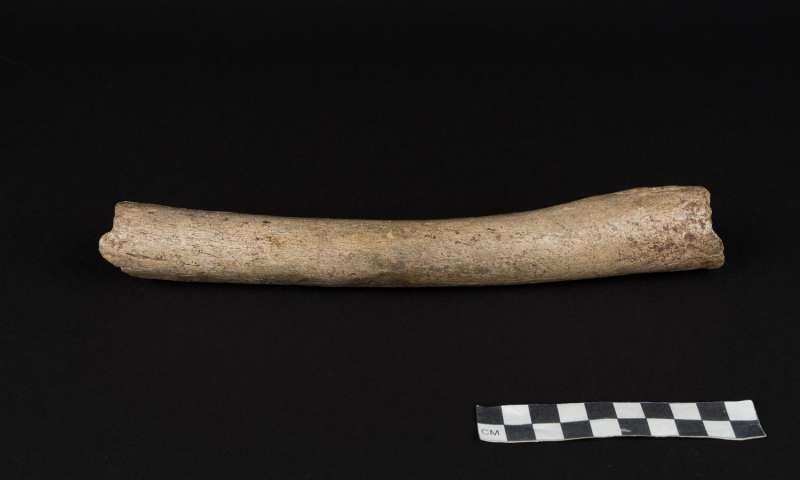
    The startling new discovery—a Neanderthal femur bone—discovered some 80 years ago is forcing experts to rethink everything they thought they knew about humans on our planet.

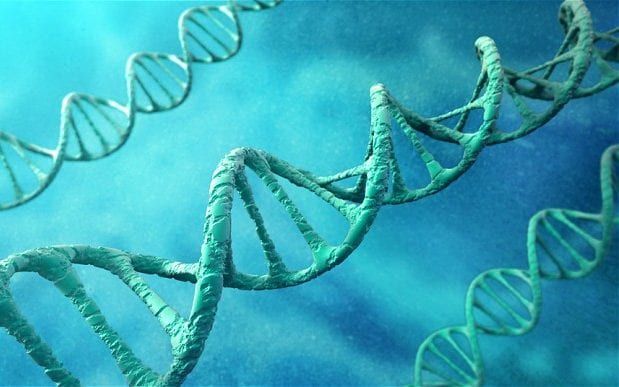
    A new study published in the journal Nature Communications explains that a 124,000-year-old Neanderthal fossil—dug up in Germany from the Hohlenstein-Stadel Cave—contains MODERN DNA. Scientists from the Max Planck Institute for the Science of Human History and the University of Tübingen analyzed mitochondrial DNA from the femur bone.

    This discovery indicates that the ‘out of Africa’ migration occurred much sooner than experts thought—around 270,000 years ago, forcing us to rewrite everything we thought we knew about our species’ origins.

    “We are realizing more and more that the evolutionary history of modern and archaic humans was a lot more reticulated than we would have thought 10 years ago,” co-author Fernando Racimo of the New York Genome Center told New Scientist. “This and previous findings are lending support to models with frequent interbreeding events.”

    The Genetic DATA obtained by scientists indicates that the bone belonged to a Neanderthal some 124,000 years ago and that hominins migrated out of Africa after the ancestors of Neanderthals arrived in Europe. Furthermore, scientists are convinced that these hominins interbred with Neanderthals between 220,000 and 470,000 years ago—300,000 years later than previously thought.

    “The bone, which shows evidence of being gnawed on by a large carnivore, provided mitochondrial genetic data that showed it belongs to the Neanderthal branch,” explains Cosimo Posth of the Max Planck Institute for the Science of Human History, lead author of the study.

    It is noteworthy to mention that traditional radiocarbon dating did not work to obtain the approximate age of the femur. Mutational rates allowed experts to calculate that these Neanderthals split apart from each other between 316,000 and 219,000 years ago. Experts found that it displays a different mitochondrial lineage than the Neanderthals previously studied.

    As noted by Phys.org, this makes this Neanderthal specimen—designated HST by the researchers—among the oldest to have its mitochondrial DNA analyzed to date.

    The new discoveries also suggest that the Neanderthal population was much larger in size than estimated and with greater mitochondrial diversity.

    Experts believe that after the divergence of Neanderthals and modern human mitochondrial DNA occurred—but before the HST and other Neanderthals split—a group of hominins migrated from Africa to Europe and introduced their mitochondrial DNA to the Neanderthal population. This is believed to have occurred between 470,000 and 220,000 years ago.

    “Despite the large interval, these dates provide a temporal window for possible hominin connectivity and interaction across the two continents in the past,” says Posth.

    This influx of hominins would have been small enough that it did not result in a large impact on the Neanderthals’ nuclear DNA, but it would have been large enough to replace the existing mitochondrial lineage of Neanderthals, more similar to the Denisovans, with a type more similar to modern humans.

    “This scenario reconciles the discrepancy in the nuclear DNA and mitochondrial DNA phylogenies of archaic hominins and the inconsistency of the modern human-Neanderthal population split time estimated from nuclear DNA and mitochondrial DNA,” explains Johannes Krause, also of the Max Planck Institute for the Science of Human History, senior author of the study.

    source

  • QUANTUM TIME Scientists have built world’s first ‘time machine’ in experiment which defies the laws of physics

    QUANTUM TIME Scientists have built world’s first ‘time machine’ in experiment which defies the laws of physics

    The “balls” scattered and, according to the laws of physics, should have appeared to split in a haphazard way.

    But researchers managed to make them reform in their original order — looking as if they were turning back time.

    Lead researcher Dr. Gordey Lesovik, of Moscow’s Laboratory of the Physics of Quantum Information at the Moscow Institute of Physics and Technology, said: “We have artificially created a state that evolves in a direction opposite to that of the thermodynamic arrow of time.”

    His team used a rudimentary quantum computer, which carries information on subatomic particles. He hopes their findings, in journal Scientific Reports, will help improve processing power.

    Not quite Dr. Who, but even Time Lords had to start somewhere . . .

    So how does it work? Well, the time machine is actually a rudimentary quantum computer made up of electron qubits.


    A qubit is a basic unit of quantum information – a unit that represents one, zero, and both one and zero at the same time. Researchers ran an “evolution program”, which caused the qubits to enter a complicated changing pattern of ones and zeroes.
    And during this process, the order was lost – like hitting balls at the start of a game of pool.

    A separate program then modified the state of this quantum computer so that it evolved backward, returning from chaos to order.

    This allowed the qubits to return to their original starting point.

    Scientists were able to perform this so-called “time reversal” successfully 85 percent of the time with two qubits, and had a 50 percent success rate with three qubits.

    The idea was to test out a theory about whether time can reverse itself – at least for a single particle for a fraction of a second.

    When scientists observe an electron, they can’t figure out its exact position but can determine where it’s roughly located.

    But over time, it becomes more difficult to tell where that electron is because the region of space containing it “spreads out”. Or rather, it becomes more “chaotic”.

    This increases the uncertainty of the electron’s position – a core principle of Schrodinger’s equation.

    The team was able to then calculate the probability of a “smeared out” electron spontaneously “localizing” back to its recent past – traveling through time, in effect.

    And it turns out that if you observe 10billion freshly localized electrons every second for 13.7billion years, you’d only see this happen once.

    And even then, the electron would only travel no more than a ten-billionth of a second into the past.

    That’s not ideal, because not being able to predict time-reversal makes the system useless to scientists.

    That’s why it’s so important that scientists were able to successfully “reverse time on demand” with a quantum computer.

    Read More

  • Research team ‘wakes up’ mammoth cell nuclei

    Research team ‘wakes up’ mammoth cell nuclei

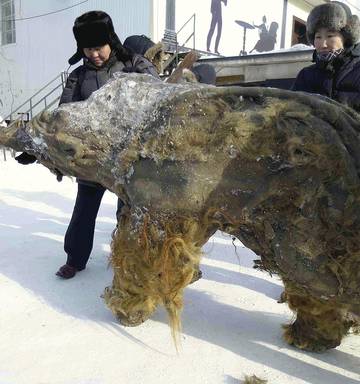
    New findings indicate that the resurrection of mammoths is not a fantasy, a research team including members from Kindai University is saying after cell nuclei extracted from the 28,000-year-old remains of a woolly mammoth were discovered to retain some function.

    When placed in the ova of mice, the nuclei developed to a state just before cellular division, according to a paper published Monday in the British journal Scientific Reports.

    The team includes researchers from Japanese and Russian universities. It has been working for about 20 years on a project to use cloning to resurrect mammoths, an animal that has long been extinct.

    The cell nuclei used in the team’s recent findings were extracted from musculature and other tissue from Yuka, an about 3.5-meter-long female woolly mammoth excavated nearly intact in 2010 from permafrost in Siberia. When inserted into mouse ova, five out of 43 nuclei were observed to develop to a point just before the nuclei would split in two as a result of cell division.

    Cell nuclei contain DNA, the so-called blueprint for life, and mouse ova have been confirmed in experiments to have a reparative function for DNA. It is said to be possible that the mammoth’s DNA, damaged as a result of being frozen for a long time, was repaired and its biological functions invigorated.

    However, the predivision development stopped before completion in all the ova.

    “Yuka’s cell nuclei were more damaged than we thought, and it would be difficult to resurrect a mammoth as things stand,” said team member Kei Miyamoto, a lecturer in developmental biology at Kindai University. “There’s a chance if we can obtain better-preserved nuclei.”

    Teruhiko Wakayama, a professor in reproductive biology at the University of Yamanashi’s Advanced Biotechnology Center, said: “This can be praised as the first step in research toward the dream of resurrecting extinct ancient animals. I hope they can determine to what extent the DNA was repaired and how much activity there was.”Speech

    source

  • What is a genetically-engineered CRISPR baby?

    What is a genetically-engineered CRISPR baby?

    Following is a transcript of the video.

    In 2011, scientists created glow-in-the-dark cats. The researchers took a gene from a glowing jellyfish and inserted it into the unfertilized eggs of house cats. It was a neat trick, but they had a bigger goal in mind. They also made the cats more likely to be resistant to a feline form of AIDS by, again, manipulating their DNA. And cats aren’t that different than humans. In fact, we share around 90 percent of our DNA with them.

    So why can’t we engineer humans in the same way? Well, we can — engineer ourselves to be resistant to life-threatening illnesses, that is. In fact, one scientist claims that he’s genetically engineered two babies using a revolutionary tool called CRISPR. But what exactly is a CRISPR baby, anyway?

    Would you like to be six feet tall? Or never bald? The secret to traits like these lies in the six billion letters of your genetic code. But there can be something else in there as well. Mutations. Genetic mutations are linked to at least 6,000 medical conditions, from sickle cell anemia to Huntington’s disease. But what if you could make those mutations simply disappear? That’s where the gene-editing tool CRISPR comes in.

    CRISPR is made from specialized proteins and other compounds found in certain bacteria. Normally, these proteins protect the bacteria by destroying enemy invaders like viruses, but the inventors of CRISPR figured out how to turn those proteins against genetic mutations and other genes linked to disease.

    First, they give the proteins coordinates of the wanted gene. Then, CRISPR runs a seek-and-destroy function. After that, other molecules are dispatched to repair the gene with new, healthy DNA. And just like that, you can edit the human genome.

    But while edits may be quick, their changes can last for centuries. Especially if you’re editing the DNA in an embryo. Embryos start out with a single cell that eventually replicates into millions and then trillions more. So, if you alter that initial cell first, you’re manipulating the ingredients for every cell that follows later in life, and those same altered cells can be passed on from generation to generation. That’s one reason why most experiments on human embryos haven’t left the lab.

    That is, except for the work of Dr. He Jiankui. He claims to have used CRISPR to target and knock out the CCR5 gene in human embryos, which is linked to HIV infection. And then he did something that shocked the scientific community. He implanted the embryos into several women, one of whom gave birth to genetically modified twins. Resistance to HIV aside, most scientists say that the procedure was too risky. At least two studies suggest that edited cells might actually trigger cancer. And another found that CRISPR can accidentally take aim at healthy DNA.

    So, while CRISPR could make us immune to disease, who knows what else we might get on the side?

    Source

    https://www.businessinsider.com/genetically-engineered-crispr-baby-dna-chinese-scientist-2019-2