Author: Truth & Hammer

  • Robin Williams’ Eldest Son Names First Child After His Dad

    Robin Williams’ Eldest Son Names First Child After His Dad

    Robin Williams eldest son, Zak Williams, welcomed his first child with fiancée Olivia June, on May 22, 2019. As a tribute to his late father, the baby boy is named after the Hollywood icon. The 36-year-old and Olivia named their son McLaurin Clement Williams, as McLaurin was the actor’s middle name. The couple plans to call him Mickey for short.

    The newborn was photographed with his parent by Zak’s half-sister, Zelda Williams, weighing 8 pounds and measures 20-and-a-half-inches. Williams died by suicide in 2014, at the age of 63 and shared Zak with his first wife Valeria Velardi. He then welcomed their daughter Zelda, 29 and Cody, 27 with his second wife, Marsha Garces.

    Watch the video

    Through an Instagram post, Zelda gushed about the newborn, reading, “Meet Mclaurin Clement Williams, aka Mickey, aka Dr. Baby! He’s a squishably cute pterodactyl cooing tiny wonder and I love him so much already,” Zelda wrote. “Big shoutout to Mickey on being the fastest swimmer, and huge congrats to @heyoliviajune and my big bro @zakpym on creating this little joy (and poop) factory!”

    Zack is a mental health advocate, as well as his fiancée, and founder of a tech startup company. In a biography about his father, named Robin, Zak recalled his father, saying he kicked himself multiple times for not visiting Williams during that time. He stated, “Because I think that was a very lonely period for him. In retrospect, I feel like I should have been there, spending time with him. Because someone who needs support was not getting the support he needed.”

    The Oscar-winning actor’s death in 2014 was a shock to the world after he had checked himself back into rehab in a bid to stay sober. The actor was battling depression and early stages of Parkinson’s disease. He was 63-years-old at the time of his death.

    This content was originally published here.

  • Wood Siding

    Wood Siding

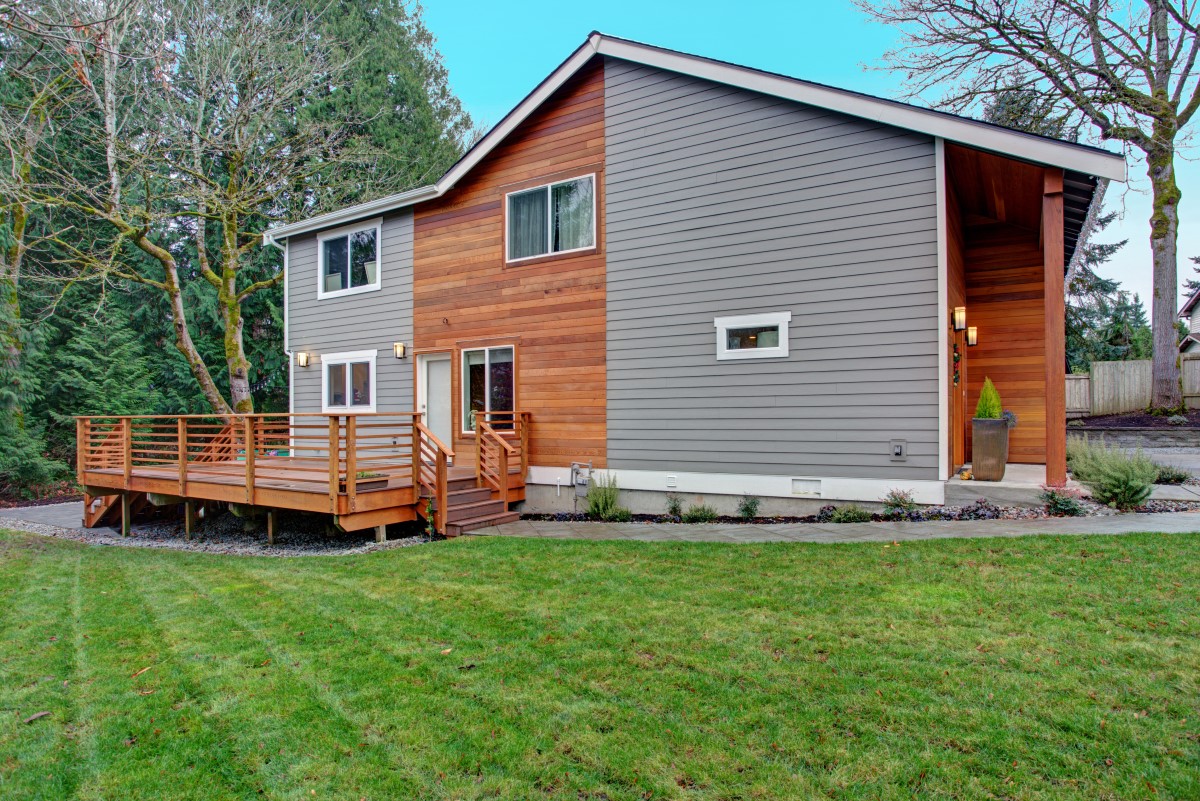
    When it comes to the outside look of your home or curb appeal, the first thing people notice is the condition that the exterior is in. Home buyers often look for specific colors and styles surrounding the exterior of the home. The exterior is the first impression people get when they see a house and it sets the mood for the inside. If the outside is in bad condition or has a dated look to it, people are less likely to make their way inside. Most homes are built with a wood siding exterior; the shade and profile of your siding are very important when it comes to designing the exterior of your home. Luckily there are plenty of options when it comes to the colors, profiles, and species of wood siding.

    Wood Siding Species

    When it comes down to picking the ideal species of wood, there are a couple of things to consider. The first thing is the climate where you live; some wood siding works well in specific environments, as opposed to others when something like cedar will work in almost any climate. Another thing to think about is what species will look the best with your home design-build, décor, and the other homes around yours. Each species of wood siding has its own attributes when it comes to color and the vibe that it gives off. It helps add movement and variety in the design, but can often be tricky to fully determine how the end result will look. The most common species of wood sidings are Beetle Kill/Blue Stain, Pine SPF, Cedar, Aspen, and Exotic Hardwood.

    Siding Profiles

    Now step two to choosing what type of wood siding is the best for your home is the profile. Besides the shade of your siding, this is one of the most important components because it sets the full look of your home. Each profile is one of a kind and has its characteristics that make it different from the others. The available profiles are Distinctive Channel, Classic Bevel, Shiplap, Tongue and Groove, and Log Lap. Below are some pictures that show the unique difference between them all…

    Now that you have been able to see the differences between the different profiles physically, it is probably much easier to determine which one would look the best on the exterior of your home.

    The Best Of Them All

    Of course, the design of your wood siding is important, but all of the things that go on behind the scenes such as installation, upkeep, and the initial functionality of the wood siding is also a big deal. Wood siding is easy to install with very little upkeep; installation is as simple as fitting the boards in a pattern that creates a flow you love and securing them in place. When it comes to maintenance there is little to none. Make sure your boards are installed and sealed correctly and all that would be needed is an occasional board replacement, which is super simple since each piece of wood siding is installed individually.

    One thing that makes wood siding a fun material to work with is that you can mix and match species or profiles to add some uniqueness to your home. Of course, this isn’t for everyone, but it would give your home a different look to it that is not commonly found, creating more interest for potential home buyers.

    Last but not least, wood siding is a completely green product. Since wood siding is made of wood and not composite materials, it is 100% biodegradable, which means there is no harm to the environment when elements aren’t used or are eventually replaced.

    Wood siding is versatile and functional when it comes to the exterior of your home. Wood siding doesn’t have to be used just on the surface of your home. It can be used as the exterior on a shed, a playhouse for the kids, a detached garage, or even on the inside of your home as an accent piece on the wall, an island in your kitchen, or even as a backsplash with the right sealant. No matter the style, feel, or overall vibe in your home, wood siding can fit in anywhere.

    The post Wood Siding appeared first on Rocky Mountain Forest Products.

    This content was originally published here.

  • Follow These Tips for Choosing and Planting Ground Cover – Planting Ground Cover? 10 Dos and Don’ts to Heed | Bob Vila – Bob Vila

    Follow These Tips for Choosing and Planting Ground Cover – Planting Ground Cover? 10 Dos and Don’ts to Heed | Bob Vila – Bob Vila

    Not all areas of your yard are conducive to a grassy lawn—and that’s where ground cover comes in. Defined as a grouping of usually low-growing plants that spread over an entire area, ground cover creates a carpet of foliage while squeezing out weeds as a bonus. These hardy plants can often thrive in shady spots to add color and texture, as well control erosion on a slope or embankment.

    Hundreds of plants can be used as ground cover—including vines, grasses, plants with spectacular blooms, even low-growing shrubs—and they’re perennial, meaning they come back every year from their roots. Still, different types of ground cover are suited to different locales and require different care. Read on to learn the dos and don’ts of choosing the right plants for your property and understand where, when, and how to get the best results.

    • Banish existing weeds, either by pulling or spraying with an herbicide and then preparing the soil for planting.

    • Do not till steep slopes, because loose soil can lead to even more erosion. Instead, after removing weeds dig a hole for each plant the same depth as the plant’s root ball and twice as wide. Center the plant in the hole and fill with good potting soil that contains an all-purpose fertilizer.

    This content was originally published here.

  • Unmarried single man who thought foster agencies would turn him away adopts FIFTH disabled child | Daily Mail Online

    Unmarried single man who thought foster agencies would turn him away adopts FIFTH disabled child | Daily Mail Online

    A single dad is looking forward to a very special Father’s Day this year after adopting his fifth disabled child.

    Ben Carpenter, 35, from Shepley, West Yorkshire, who is dubbed a ‘super dad’ by his friends and family, initially only wanted to adopt one child when he was 21-years-old.

    But ten years on, Mr Carpenter has just become a dad-of-five after finalising the adoption of his son Noah – who has a genetic condition known as Cornelia de Lange syndrome – and does not write off adopting more.

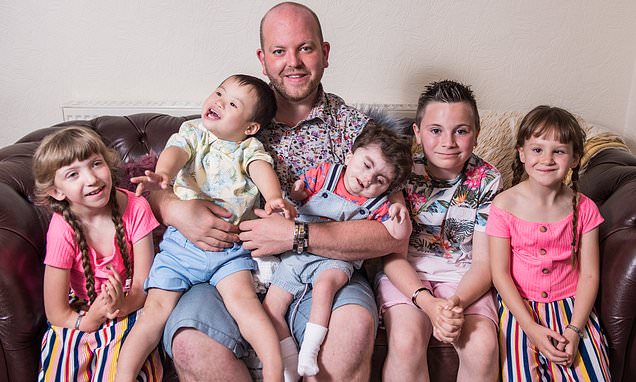
    Ben Carpenter (pictured with Ruby, Joseph, Noah, Jack and Lily) 35, from Shepley, West Yorkshire, who is dubbed a ‘super dad’ by his friends and family, initially only wanted to adopt one child when he was 21-years-old

    Mr Carpenter has just become a dad-of-five after adopting Noah (pictured) – who has a genetic condition known as Cornelia de Lange syndrome

    With a range of disabilities, his children, Jack, 11, Ruby, eight, Lily, six, Joseph, three, and Noah, one, all have complex needs, from Autism to Pierre Robin syndrome.

    The full time dad, said: ‘Even at the age of 21 I knew I wanted to be a father as soon as possible – I may have only been young but I’ve always had an old head on my shoulders.

    ‘I was convinced with me being single as well that they wouldn’t take me seriously – but I was over the moon when they did.

    ‘Due to previously working with disabled adults and children, I knew it was only right for me to adopt a disabled child because I knew I’d be able to care for them properly.

    ‘I originally saw an advertisement from local adoption social services looking for adoptive parents; and I thought, well, they’re not going to want me as a single guy.

    With a range of disabilities, his children, Jack (pictured), 11, Ruby (pictured), eight, Lily , six, Joseph, three, and Noah, one, all have complex needs, from Autism to Pierre Robin syndrome

    ‘But I told them who I was and where I worked and they were really positive and quite enthusiastic about me adopting a child.

    ‘Nine years on, I have five children and I wouldn’t change a thing.’

    Jack has autism, Ruby has Pierre Robin syndrome and limited use of her arms because of missing bones, Lily is deaf and Joseph has Down Syndrome.

    But Mr Carpenter has not ruled out adopting again. The full time dad, said: ‘Even at the age of 21 I knew I wanted to be a father as soon as possible – I may have only been young but I’ve always had an old head on my shoulders’. Pictured: jack (left) and Joseph (right)

    Is being single and adopting normal?

    Single people have been able to adopt from the earliest days of adoption and over the years many single people have successfully done so.

    Around 10 per cent of children, 420 in total, adopted between 2012 and 2013 went to single adopters.

    The parent should not be discriminated against just because they are single, regardless of their gender or sexual orientation.

    It also has the benefit of not having to negotiate with a partner, so the parent can do their best for the child the way they want to.

    Source: First 4 Adoption

    Noah’s rare syndrome and severe birth defects affect both his arms and legs but Mr Carpenter says since becoming part of the family it’s like he’s ‘always been there’.

    He said: ‘Noah is great and has fit in to our family just perfectly and, to be honest, it’s like always been there!

    ‘His new brothers and sisters are great with him, Lily in particular is extremely maternal and helps me feed Noah and things.’

    The full time dad was never bothered about having biological children as he says adopting is just as good.

    He added: ‘I’ve never wanted biological children because there’s much, much more than just being biologically linked to a child.

    ‘My children are my children – for example they have the same mannerisms as me.

    ‘Yes, they might not have the same blood as me, but who cares!’

    Whilst Mr Carpenter is happy with brood – he hasn’t completely written off adopting more children.

    He said: ‘I don’t currently plan on adopting more children but I’m one of these people who never says never.

    Mr Carpenter (receiving his father’s Day card) added: ‘I definitely see myself fostering more children though – I just love being a dad’

    ‘If in the future a child really needed me and my help, I’m sure I would end up adopting them.

    ‘I definitely see myself fostering more children though – I just love being a dad.’

    Mr Carpenter explained how he instantly ‘fell in love’ with Noah when he first saw him and knew he needed to join his family.

    Jack has autism, Ruby (left) has Pierre Robin syndrome and limited use of her arms because of missing bones, Lily (right) is deaf and Joseph has Down Syndrome

    The dad-of-five said: ‘I was flicking through an adoption magazine that comes from monthly featuring children who are deemed as ‘hard to place’ children, when I came across this picture of a little baby by quite clearly had severe complex needs.

    ‘I thought to myself this little boy needs to join our family where he can be part of something special, but more importantly someone who can accept him and his disability.

    ‘I instantly fell in love with him what with his mass of brown hair and his beautiful blue eyes I knew instantly I wanted him to be by son.’

    Mr Carpenter explained how he instantly ‘fell in love’ with Noah when he first saw him and knew he needed to join his family

    Mr Carpenter has remained single since the young age of 21 and doesn’t plan on looking for a relationship any time soon with his dad duties being the most important thing to him.

    He added: ‘I have never sought a relationship, as I am happy on my own.

    ‘Whenever I have at times visualised myself in a relationship and each time I have it always leads to the same conclusion: that my children will always come first.

    ‘I would literally walk over hot coals to protect them and provide for them so it’s very easy decision.

    ‘Anyone can be a father but it takes someone special to be a dad.’

    This content was originally published here.

  • Corn Farmers Face Possibility of Scrapping Whole Season

    Corn Farmers Face Possibility of Scrapping Whole Season

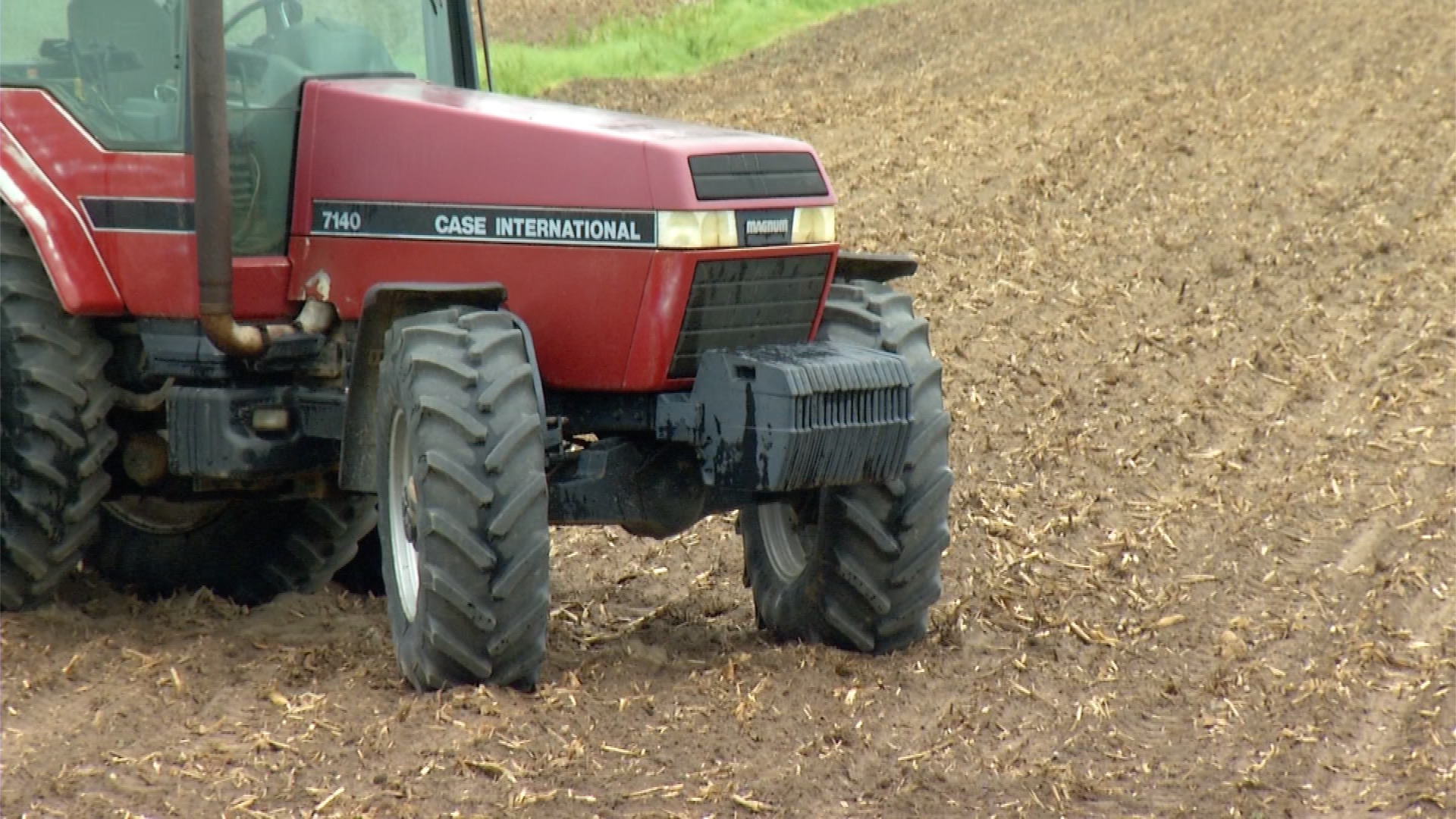
    The cool, wet spring has been a disaster for local farmers. The mud and the rain keeping them from planting their crops, many for the whole season.

    The growing season for corn and soy beans is already a tight one in Northern Michigan. Any delay in the spring or early frost in the fall cuts it even tighter. This summer may be a lost cause.

    “We just don’t see planting this late and being successful,” says MSU Extension Field Crops Educator Paul Gross, “So yeah, we’re kind of plowing new ground.”

    Northern Michigan farmers have been ready to plant corn and soybeans for weeks now. They just have not gotten reprieve from the rain. And it doesn’t look to be getting better.

    “To plant or not to plant?” says Gross, “Until things dry out, it just kind of standing at the end of the shed waiting.”

    Now the wait may be over with the decision made for them.

    “At this point, we’re in a situation where people are not probably going to plant corn,” says Gross.

    It’s not going to catch up. The corn is not going to mature at this point so now the farmers have to decide what are they going to grow and how much can they get out of it.

    “They’re still expected to manage that parcel to keep the weeds under control,” says Gross, “A lot of them will look to put some kind of cover crop on.”

    Hay, oats, wheat or even corn, knowing it won’t mature, all can be used to feed livestock at the very least. They can turn their backs on their cash crops because of their insurance. It should be able to tide them over to try again next year.

    “There is a silver lining in this a little bit where we will reduce some of our inventory so we strengthen our price,” says Gross, “So having a normal year next year, the pricing opportunities are going to be much better.”

    This content was originally published here.

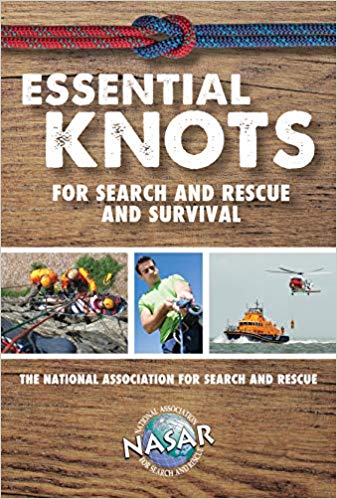
  • Essential Knots For Search and Rescue and Survival (Outdoor Skills and Preparedness)

    Essential Knots For Search and Rescue and Survival (Outdoor Skills and Preparedness)

    click here to order

    Essential Knots for Search and Rescue and Survival is a valuable reference for skilled rescue professionals, recreationists and anyone active in a wilderness setting. This lightweight folding guide is waterproof to withstand rigorous use in the field and fits easily in your pocket. Developed by NASAR’s education division in collaboration with Waterford Press, the easy-to-use guide contains step-by-step color illustrations and will assist your ability to tie the most common knots used in search and rescue. Topics include litter lashing techniques, basic anchors and improvised seat harnesses. Great resource for SAR technicians as well as campers, hikers and outdoor enthusiasts. Made in the USA.

  • The Lost Art of Reading Nature’s Signs: Use Outdoor Clues to Find Your Way, Predict the Weather, Locate Water, Track Animals―and Other Forgotten Skills (Natural Navigation)

    The Lost Art of Reading Nature’s Signs: Use Outdoor Clues to Find Your Way, Predict the Weather, Locate Water, Track Animals―and Other Forgotten Skills (Natural Navigation)

    click here to order

    When writer and navigator Tristan Gooley journeys outside, he sees a natural world filled with clues. The roots of a tree indicate the sun’s direction; the Big Dipper tells the time; a passing butterfly hints at the weather; a sand dune reveals prevailing wind; the scent of cinnamon suggests altitude; a budding flower points south. To help you understand nature as he does, Gooley shares more than 850 tips for forecasting, tracking, and more, gathered from decades spent walking the landscape around his home and around the world. Whether you’re walking in the country or city, along a coastline, or by night, this is the ultimate resource on what the land, sun, moon, stars, plants, animals, and clouds can reveal—if you only know how to look!
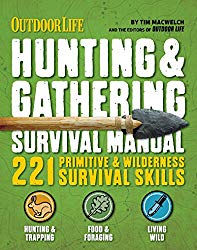
  • Outdoor Life: Hunting & Gathering Survival Manual: 221 Primitive & Wilderness Survival Skills

    Outdoor Life: Hunting & Gathering Survival Manual: 221 Primitive & Wilderness Survival Skills

    click here to order

    The modern hunter-gatherer’s manual for learning important wilderness skills, surviving tough situations, and getting back to the land. Harvest nature’s bounty and turn it into a gourmet meal; hunt and fish in the wild, with weapons or with your own two hands; and prepare for any outdoor adventure or emergency, whether you’re lost in the woods or in need of herbal medicine. This book identifies it all, with step-by-step instructions and skills to make you a self-sufficient survivor—in your backyard and in the wild.

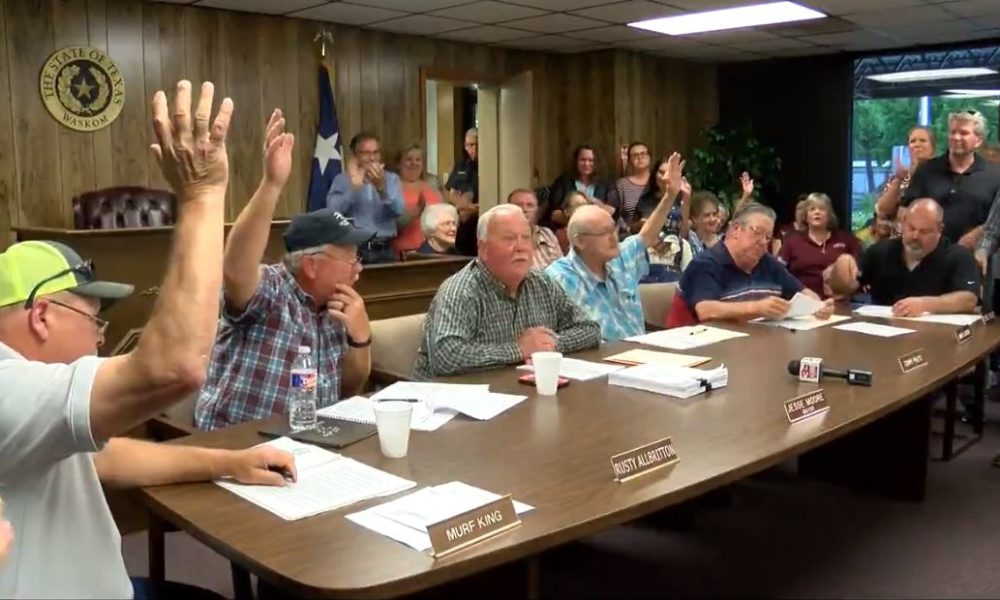
  • Texas City Council Votes To Ban All Abortions, Declares Itself A Sanctuary City For Fetuses

    Texas City Council Votes To Ban All Abortions, Declares Itself A Sanctuary City For Fetuses

    The city council of a small town in Texas voted unanimously on Tuesday to ban abortions within city limits.

    Waskom, Texas’s, five-member city council also voted to declare itself a “sanctuary city of the unborn.”

    The council members said they passed the ordinance to prevent abortion clinics from opening in the city, according to KTSA.


    There is currently no abortion provider within the city limits.

    The city’s mayor and attorney reportedly warned council members that the ordinance is unconstitutional.

    “Most likely we will end up getting sued if this passes,” Mayor Jesse Moore said, according to ArkLaTexHomepage.com. “It could go to the Supreme Court.”

    The Hill reports:

    The ordinance does include exceptions for rape, for incest or if the mother’s life is in danger. The city council, made up of five men, said it included the exceptions so the ordinance could challenge the Supreme Court’s Roe v. Wade decision, which gave women the right to an abortion.

    The ordinance was modeled after the city of Roswell, New Mexico, which had a resolution declaring it a “sanctuary city for the unborn.” Waskom’s ordinance goes further by banning abortions within its city limits, ArkLaTexHomepage.com reported.

    This content was originally published here.

  • Pronounced HOO-gul-kul-tur – Resilience

    Pronounced HOO-gul-kul-tur – Resilience

    Originally appeared in the Kildare Nationalist newspaper. Photo courtesy of Mark at Permaculture.com.au. 

    A while back I wrote about how we built raised beds for our garden, and when they rotted, rebuilt them in brick. Many permaculture gardeners, however, build a different kind of raised bed, one that involves using no walls at all.

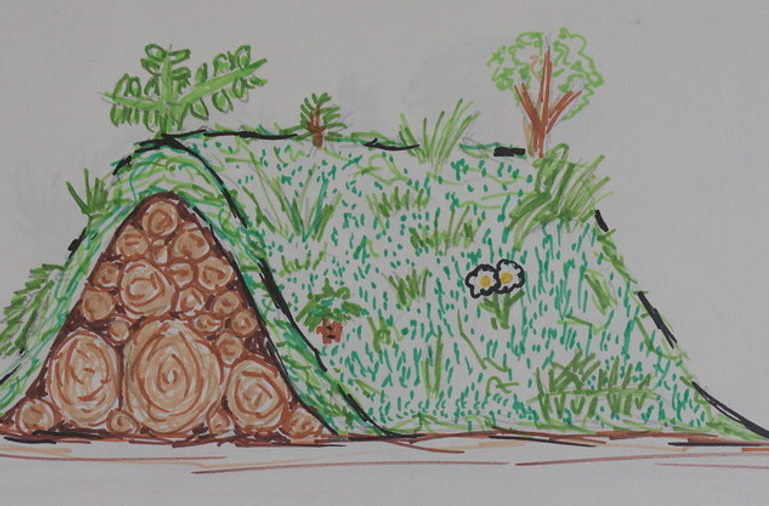
    The technique, called hugelkultur (HOO-gul-kul-tur), has the advantage of being simple to understand and easy to make, and lasting a long time. Hugelkultur beds basically involve piling wood – usually dried logs of various sizes – into a single ridge, piling vegetation, cardboard or newspaper over that, and finally a layer of soil on top.

    As the wood at the centre is slowly consumed by fungi, it absorbs and holds dozens of times its weight in water, creating a reservoir for the plant roots around it. As it decomposes it releases heat, extending the growing season. The decomposing wood, looking like a fine Swiss cheese under the soil, helps aerate the ground as well. Finally, as the wood breaks down into nutrients, its slow decay feeds the soil and anything growing on it.

    Since the soil and garden plants are draped over logs, they also greatly increase the surface area for a garden, allowing gardeners to grow many more plants on the same ground. They also greatly increase the types of plants that can be grown near each other, as the top of the ridges will better suit sun-loving plants, while thirsty plants that can tolerate flooding will be more suited to the hollows between ridges. Such ridges are also an excellent way to stave off erosion and flooding, if you build them on a slope parallel to the side of the hill.

    One risk in a hugelkultur is that the rotting wood might lock up nitrogen, so many gardeners prefer using large logs, buried deeply, so that the decay and nitrogen loss will be more gradual. Some also add high-nitrogen crops like nettles or comfrey over the logs and below the soil to offset the loss, or plant legumes or other nitrogen-fixing plants. Permaculture gardeners say that large ridges built over sizeable logs, or several logs, can offer a constant supply of nutrients for two decades.

    Be careful what woods you plant; if it is aggressive coppice tree, like willow, make sure it is well dead and dried, or you’ll get willow sprouting from your ridge. Also, most texts on the subject warn against using woods loaded with natural pesticides, anti-fungal chemicals and the like – cedar, black walnut, black locust – but you’re not likely to find those in Ireland anyway.

    Creating hugelkultur takes carbon out of the atmosphere in a few ways; it takes trees that are mostly carbon sucked out of the atmosphere, and sequesters them underground; and it encourages the growth of many plants that will, themselves, suck more carbon out of the air. In other words, it’s a win-win for the climate.

    Hugelkultur beds can be built quite high, and some gardeners said they built theirs more than two metres tall, piling up the wood almost vertically and draping vegetation and soil over it. Some bolster the sides with pallets to keep them in place, but I wouldn’t recommend using them as the basis for the ridge, tempting as that might be – pallet wood is often sprayed with chemicals that you don’t want in your food.

    Raised beds like this are more work at the beginning, but a lot less as time goes on, and can largely be left alone for years. Some gardeners recommend planting mostly perennials, which can keep producing crops year after year – and can keep building up the ridge as parts of the plants die off and become soil again. The plants’ roots also keep the soil in place, so rain doesn’t collapse the ridge.

    Best of all, this garden uses scrap material that many people already have on their property, and are often trying to get rid of. Many of us clear brush or have to cut down trees or branches on our property, weeds and grass clippings they want to use, and spare soil not good enough for the regular garden. Hugelkultur uses all these things and combines them into something useful that can benefit your garden for years to come.

    This content was originally published here.