Author: Truth & Hammer
-

Mental Illness: Brain Disease or Gut Disease? | Psychology Today
Almost 30 years ago, the U.S National Institute of Health declared the 1990s ‘the decade of the brain’. Since then, considerable funding has been devoted to psychiatric research exploring various aspects of brain science.
Some scholars have argued that this was a nodal point in the history of psychiatry, marking a reorientation from a biopsychosocial model to a ‘bio-bio-bio model’, which remains dominant today. This emphasizes three factors: neuroscience, psychiatric genetics and psychopharmacology.
This led to groundbreaking new knowledge in areas such as neuroplasticity, brain architecture and molecular genetics. That said, subsequent research offered inconclusive evidence for popular hypotheses regarding the ‘chemical imbalance’ theory of mental illness.
For example, ‘the dopamine hypothesis’ of schizophrenia and ‘the serotonin hypothesis’ of depression remain unproven, and there are still no validated diagnostic biomarkers for any mental illness.
This led the respected psychiatrist, Dr Ron Pies, to caustically declare that ‘The legend of the “chemical imbalance” should be consigned to the dust-bin of ill-informed and malicious caricatures’.
Beyond the Brain
Given this situation, some mental health researchers have refocused their activity beyond the brain to examine an unlikely organ: the gut. This was prompted in part by epidemiological research indicating a high degree of co-morbidity between gastrointestinal illnesses and mental illnesses.
For example, both irritable bowel syndrome and ulcerative colitis are highly co-morbid with major depression. This raises the possibility of a common factor affecting both gut and brain health.
As such, there is a growing research interest in ‘the gut brain axis’ and gut microbiota in particular, and their possible causal role in mental illnesses.
The Gut-Brain Axis
The human gut is extremely rich in a diversity of bacteria and other microorganisms, known collectively as gut microbiota (or gut flora). There is a delicate balance between this diversity of gut microbiota, which have a variety of vital biological functions.
Importantly, new research indicates considerable bi-directional ‘cross-talk’ between the gastro-intestinal system and the brain, with both organs influencing the other. This can occur through the nervous system (mainly via the vagus nerve) or through the vascular system.
In other words, brain activity can influence gut activity, and gut activity can influence brain activity, through intense bidirectional cross-talk in this ‘gut-brain axis’ (GBA).
Could this mean that gut activity affects mental health and mental illness?
Gut Microbiota and Mental Illness
Much research indicates that the distribution of gut microbiota varies between individuals. Interestingly, a small but growing number of studies indicate that people with a range of mental illnesses tend to have different gut microbiota patterns (or ‘signatures’) compared to healthy controls
For example, two studies published in February this year independently found that people with schizophrenia had a much lower diversity of gut microbiota compared to healthy controls. Other studies indicate that people with depression and autism spectrum disorder also have different patterns of gut microbiota compared to healthy controls.
This is concerning as related studies indicate that specific gut microbiota play a formative role in the production and regulation of neurotransmitters and metabolites implicated in mental illness. This includies serotonin, dopamine and gamma-aminobutyric acid (GABA).
Similarly, harmful gut microbiota can produce neuroactive substances than can cross the blood-brain barrier, affecting both cognition and emotion.
All this points towards plausible mechanisms and preliminary evidence for an association between gut microbiota signatures and mental health.
What Causes an Unhealthy Gut?
Some research indicates that both chronic and temporary stress can affect the distribution of gut bacteria. Likewise, rodent studies indicate that in utero stress and maternal separation can upset the equilibrium of gut microbiota with a knock-on effect on mental health.
Other studies indicate that exposure to maternal microbiota is important to the development of a healthy and diverse gut in offspring. This can be achieved through vaginal birth, skin contact and breast-feeding.
Interestingly, one 2019 study introduced fecal microbial transplants from people with schizophrenia into sterile germ-free mice, finding that these mice subsequently ‘displayed schizophrenia relevant behaviours’.
Likewise, another study indicated that administering probiotics to rodents with depression-like traits can diminish these traits, restoring the rodents to baseline behaviours. All this suggests that external manipulation of gut microbiota has the potential for new mental health treatments.
Diagnosis and Treatment
The emerging corpus of research on the gut-brain axis has produced exciting new knowledge about the possible etiology of mental illness. Moreover, this line of research contains much promise and potential for both diagnosis and treatment.
Understanding the relationship between specific gut microbial signatures and specific mental illnesses could aid in the ongoing quest for diagnostic biomarkers. Additionally, ongoing findings could have implications for targeted treatment and personalized therapies.
For example, probiotics can provide healthy gut bacteria, while antibiotics can destroy harmful gut bacteria. Likewise fecal microbial transplants could be used to transfer healthy and diverse gut bacteria to those lacking.
Could these be used to treat mental illness?
A Note of Caution
It should be noted that most studies on mental illness and the gut-brain axis have been on rodents, and University of California expert Clair Martin and colleagues rightly state that “evidence for causality remains sparse”.
Indeed, there is an absence of double-blind randomized longitudinal studies examining the impact of probiotics, antibiotics or fecal microbial transplants on recovery from mental illness. Likewise, the problem of reverse causation has not been adequately addressed.
For example, lifestyle factors associated with mental illness (e.g. poor diet) and medication side-effects could cause a disturbance and disequilibrium in the gut microbiota. In other words, variations in the distribution of microbiota could be a consequence, rather than cause, of mental illness.
As such, it is too early to state that mental illnesses are ‘gut diseases’, and we should be wary of replacing simplistic notions of ‘chemical imbalance’ with equally simplistic notions of ‘gut imbalance’.
That said, this line of research does hold promise and potential, and the upcoming 2020s may very well be the ‘decade of the gut’ when it comes to breakthroughs in psychiatric diagnosis and treatment.
Only time will tell.
This content was originally published here.
-
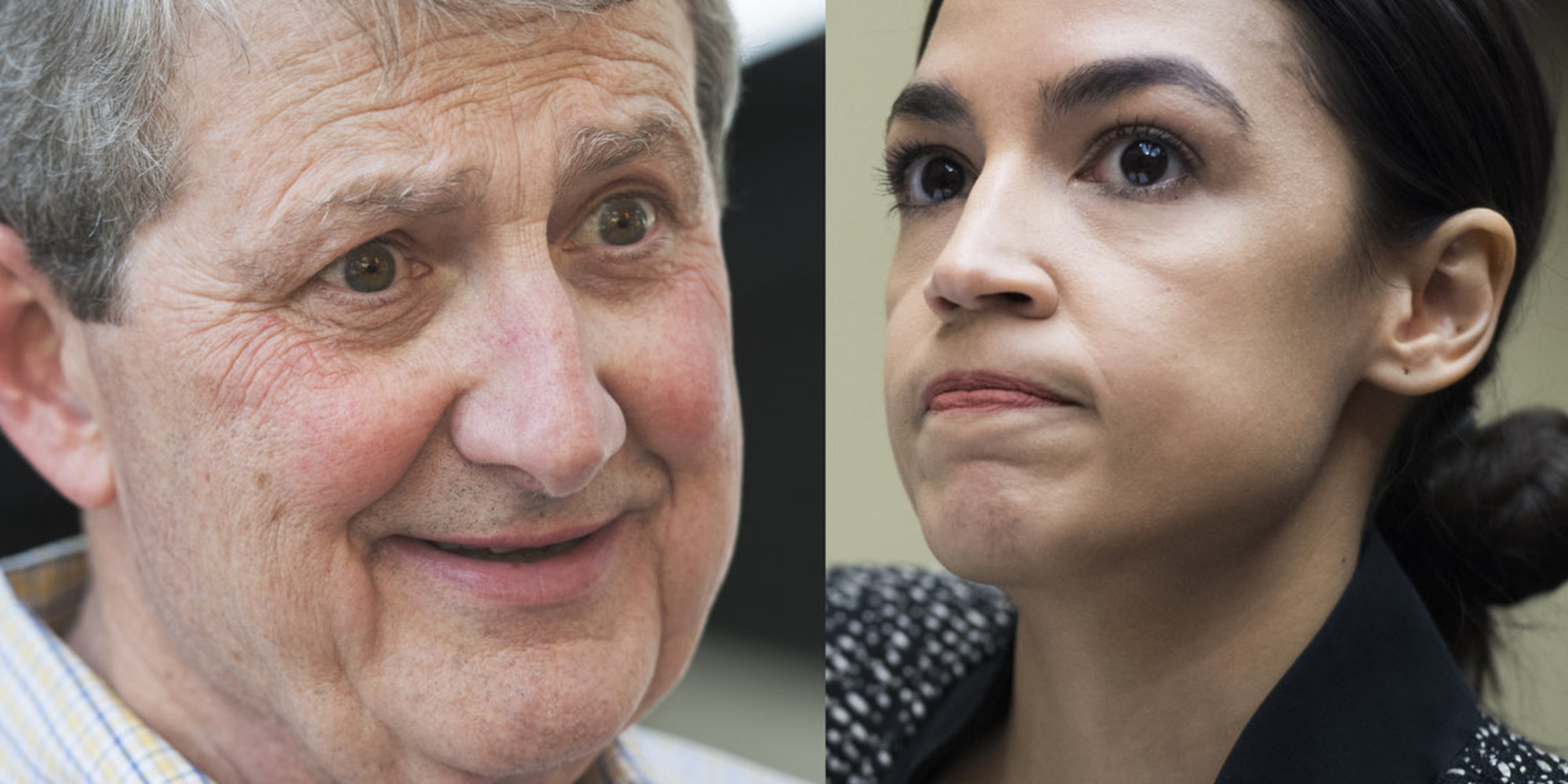
‘Someone needs to tell her that the voices in her head are not real’ – Sen. Kennedy on AOC’s border comments

Republican Sen. John Kennedy of Louisiana ridiculed Rep. Alexandria Ocasio-Cortez (D-N.Y.) and defended the conditions at the border detention facilities in an interview Tuesday.
Kennedy was asked to reply to claims from Ocasio-Cortez that the detention centers were being run like a “concentration camp.”
“Let me be frank. Congresswoman Ocasio-Cortez,” explained Kennedy, “someone needs to tell her that the voices in her head are not real.”
Ocasio-Cortez claimed that migrant detainees were being made to drink out of toilets, but border officials denied the claim, saying that drinking water sings were built into the urine stalls, and that this was a standard detention policy.
“She says that the men and women of our Border Patrol and our authorities are intentionally running concentration camps on the southern border,” Kennedy continued. “She needs to go to the Holocaust Museum and see what a concentration camp is.”
He went on to say that Ocasio-Cortez bears some of the blame for the crisis.
“The problem we’re having at the border, a problem that Congresswoman Ocasio-Cortez has helped create, is that we have 5,000 people a day, not a week, not a month, a day coming into this country. We don’t have a place to put them,” he explained.
“The Department of Homeland Security is out of money and the congresswoman knows that. She says the conditions are inhumane. But yet, when we send a bill over to her to vote to improve those conditions, she voted no,” Kennedy continued.
“Her hypocrisy is breathtaking,” he added.
“This is the bottom line,” Kennedy concluded. “Congresswoman Ocasio-Cortez believes that illegal immigration is a moral good. And she believes that the border is just a nuisance and it should be open, and I don’t think that’s what America believes.”
Kennedy’s argument against Ocasio-Cortez is backed by Rep. Dan Crenshaw (D-Texas), who pointed out that Democrats were given a chance to vote for funding to alleviate the border crisis, and didn’t.
Here’s Crenshaw on Ocasio-Cortez:
Crenshaw: Ocasio-Cortez is ‘getting bolder with her lies’
This content was originally published here.
-
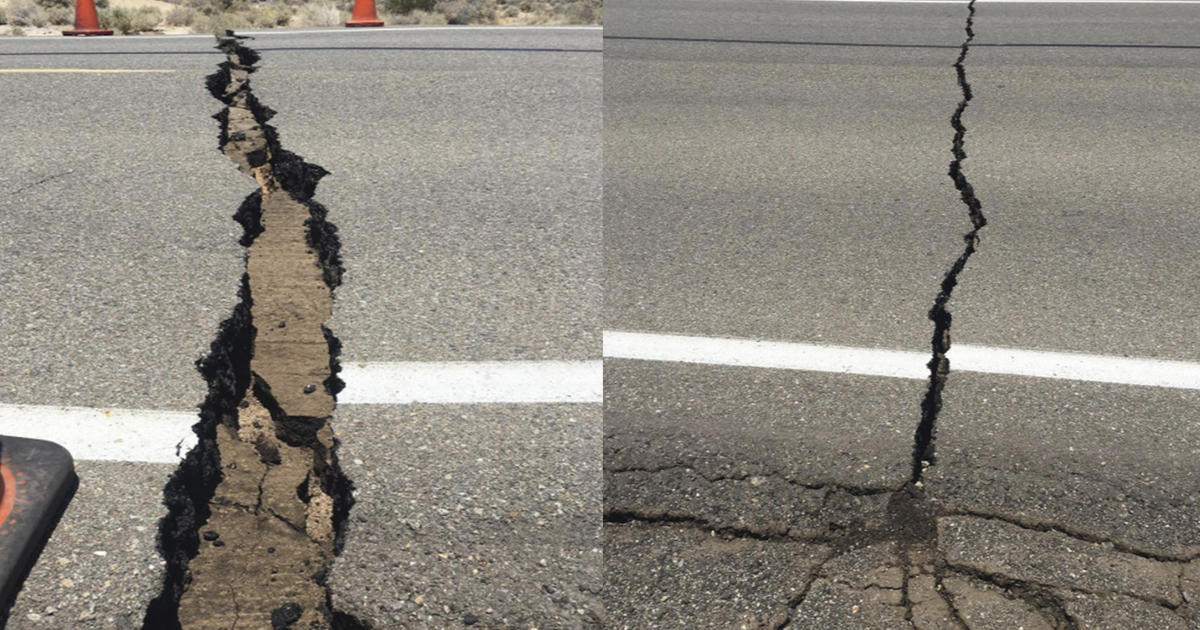
Strongest earthquake in decades a reminder that California is “way overdue” for the “big one,” expert says
Strongest earthquake in decades a reminder that California is “way overdue” for the “big one,” expert says
“We’re playing Russian roulette with Mother Nature. You realize the last big earthquake to hit the L.A. segment of the San Andreas fault was 1680. That’s over 300 years ago. But the cycle time for breaks and earthquakes on the San Andreas fault is 130 years, so we are way overdue. In any given year, the probability of the big one is 3% in any given year. Think about that,” he said.
Seismologists in California are predicting another major earthquake may strike in the days ahead. There have already been more than 100 aftershocks in the region. But predicting an earthquake isn’t easy. It all comes down to probability, according to Kaku.
“Look, I’ll be blunt. It’s voodoo black magic trying to predict when an earthquake is going to take place. The Japanese are the world’s leader in this area, and they can only predict an earthquake perhaps maybe a few seconds to a minute before it actually hits. So we are children when it comes to understanding earthquake prediction,” he said. “In 30 years’ time the probability of the big one is about 100%. So we will see the big one. It’s inevitable. It’s going to happen. It’s the law of physics.”
Because of that inevitability, he said California residents should get prepared now.
“Learn about things you can do for the family. Talk to your family, kids, loved ones, what to do, stock up on food, water in case of an emergency. Go have an escape route. Get hooked up to the internet or radio or whatever. Be prepared, basically, because it will happen.”
© 2019 CBS Interactive Inc. All Rights Reserved.This content was originally published here.
-

Meghan Markle debuts stunning £3000 sapphire ring at Wimbledon – but her summer hat is a trusty bargain
Duchess Meghan’s go-to Wimbledon hat is a total bargain
…and check out that stunning new pinky sparkler!
The Duchess of Sussex made a surprise appearance at Wimbledon on Thursday, to watch best pal Serena Williams triumph against Kaja Juvan on court one – and it looks like she stuck to what she knows when it comes to fashion! We’re not surprised Meghan opted to wear her trusty Panama hat in the hot weather. It’s one of her favourite summer pieces, having owned it for a number of years – she was often seen sporting it on her now-deleted Instagram page, and also during a trip to Jamaica with Prince Harry back in 2017.
Meghan shaded from the sun in her Panama hat on Thursday
The cool accessory is the Madewell x Biltmore Panama Hat, and costs £54.59 from the brand’s website – though sadly it has completely sold out since Meghan’s latest appearance. It’s also stocked on fashion retailer Modesens for £46, and looks like it will be coming back in stock at some point. Here’s hoping!
Meghan kept her look cool and casual as usual for her trip to Wimbledon, choosing a chic linen pin-striped blazer by L’Agence, jeans and a black cami top. Aside from her hat, she accessorised with simple black heels and an adorable tribute to baby son Archie, with a sweet ‘A’ initial necklace. Meghan’s sunglasses are the ‘Henrietta’ style from one of her favourite brands, Finlay & Co, and her gold earrings are the ‘Turquoise Mountain Nosheen Stud Earrings’, £50, from Pippa Small.
Madewell x Biltmore Panama Hat and Signature Sapphire Heart Button Back Ring
Fans also spotted another modern jewellery piece that the Duchess hasn’t been seen wearing before – a beautiful pinky ring with a pretty blue stone setting, thought to be by designer Jessica McCormack. Meghan wore a stunning diamond necklace from the New Zealand-born jeweller during her royal visit to the country in October 2018. Her new piece – the ‘Signature Sapphire Heart Button Back Ring’ – costs £3000 and features a 0.94 carat heart-cut sapphire. How beautiful?
Meghan also wore her go-to hat for a trip to the polo in June 2018
On Thursday, Meghan was joined at Wimbledon by two of her friends from university – Lindsay Roth and Genevieve Hills – who have likely travelled to the UK for baby Archie’s christening, which is set to take place on Saturday. It will be a private affair, but we can expect official pictures to be released from the royal couple soon afterwards.
This content was originally published here.
-
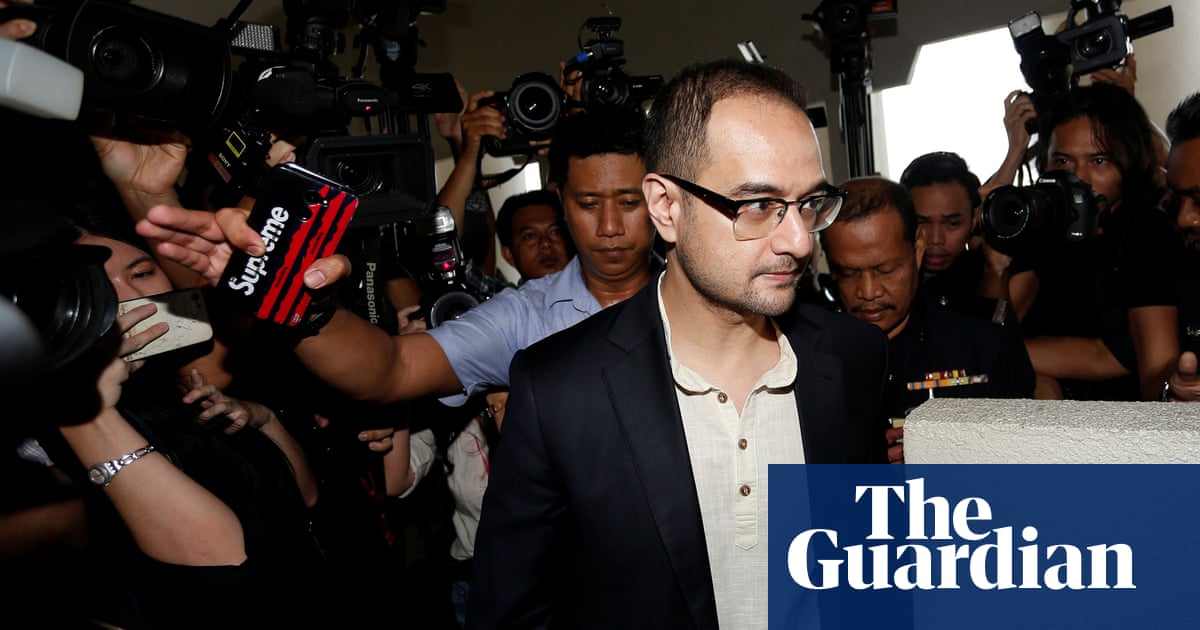
Wolf of Wall Street producer charged with embezzling millions
The Wolf of Wall Street producer Riza Aziz, who is the stepson of former Malaysian prime minister Najib Razak, has been charged with embezzling millions of dollars from the Malaysian government.
Riza, who ran a Hollywood production company Red Granite Pictures, appeared in a Kuala Lumpur court on Friday morning charged with five counts of money laundering, accused of receiving $248 million into Swiss bank accounts from the Malaysian state fund 1MDB, which was controlled by Najib. Each charge carries a five-year jail sentence.
Riza is now the third member of the former first family of Malaysia to face multiple charges linked to misappropriated 1MDB funds. Najib, who was toppled from power in May 2018, is facing 42 corruption charges and his first trial of at least three is ongoing. Najib’s wife and Riza’s mother, Rosmah Mansour, has also been charged with 17 counts of money laundering.
Wolf of Wall Street producers to pay $60m to US government
Read moreThe 1MDB scandal, described as the biggest corruption scandal in Malaysian history, involved billions of dollars being embezzled from a government fund and fraudulently spent around the world. Some $681m (£516m) of 1MDB money went into Najib’s personal bank account, where it is alleged it was used to fund the lavish spending habits of Najib and Rosmah. The US justice department believes more than $4.5bn was stolen overall. The couple deny all wrongdoing.
Riza has been accused of receiving the 1MDB money into a bank account in Switzerland and then transferring the funds in smaller amounts, between $1.2m and $133m, into a Red Granite bank account in the US. He has pleaded not guilty to all charges and was granted bail of 1 million Malaysian ringgit ($240,000).
It was a US justice department investigation that first accused Red Granite productions of using stolen 1MDB money to fund Hollywood productions, from Wolf of Wall Street to Dumb and Dumber 2 and Daddy’s Home. In March last year the company agreed to pay a $60m fine, though it stated that the payment was not “an admission of wrongdoing”.
Red Granite was a relative unknown on the Hollywood scene before it stumped up $100m to help director Martin Scorsese make The Wolf of Wall Street. Three months after shooting began, Red Granite also presented the film’s star, Leonardo DiCaprio, with the Oscar given to Marlon Brando for On the Waterfront, worth around $600,000, as a lavish birthday present. DiCaprio has since surrendered the statue as part of the 1MDB investigation.
This content was originally published here.
-

Hydrangea Serrata Care: Learn To Grow Mountain Hydrangea
Hydrangea serrata [hy-DRAIN-juh serrata] is a deciduous shrub and a member of the family Hydrangeaceae.
The plant is native to Korea and Japan.
The genus name is derived from the Greek word, hydor, which means water combined with the Greek word, aggeion, which means vessel.
The genus name refers to the plant’s capsular, cup-like fruit.
The specific epithet, serrata, refers to the plant’s toothed or serrated leaves.
Common names include:
This plant grows naturally in moist areas in Japan and Korea. More details on Hydrangeas plant care.
Hydrangea serrata is very much like Hydrangea macrophylla, but the overall size of the plant is smaller, and the leaves and flowers are daintier.
Blood-On-the-Snow attains a height and spread of 2′ – 4′ feet.
The plant’s height and spread may be stunted by very cold winters.
Control growth by pruning the plant smaller.
Foliage color is dark green.
Leaves are oval with toothed edges.
The simple, opposing leaves are 2″ – 6″ inches in length.
Flowering & Fragrance
Tea of Heaven bloom time is throughout early summer, mid-summer, and late summer.
Blossoms may be either pink or blue depending on the alkalinity or acidity of the soil.
Alkaline soil produces pink blooms, and acidic soil produces blue blooms.
This is where hydrangea serrata ‘bluebird’ or ‘blue billow’ gets its name.
Unlike many types of hydrangea, the flowers grow in flattened sterile floret clusters or lace caps.
Sterile flowers form around the outer margins of the blossoms, and fertile smaller flowers grow in the center.
Most H. serrata varieties bloom on old wood.
Tuff Stuff is a variety which blooms on both old and new wood.
Light & Temperature
As a woodland plant, part shade is the ideal light setting.
In areas with ample rainfall, the plant will tolerate full sun.
In areas with low rainfall, it must have partial shade during the hottest times of the day.
During dormancy, plants can survive temperatures as low as -13° degrees Fahrenheit (-25° C).
If temperatures plummet in the springtime after new growth has begun, the plant may be killed.
Hydrangea serrata is winter hardy in United States hardiness zone 6 and higher.
It is possible to grow it in USDA zone 5 if you provide it with ample protection through the winter.
You’ll need to mulch around it heavily and provide a burlap wrap.
Watering & Feeding
Mountain Hydrangea requires medium water.
Keep a well-draining, evenly moist soil.
Soil & Transplanting
Well-draining soil is a must, but this plant can tolerate various types of soil from light to heavy.
This plant grows best in acidic soils (soil pH level 4.5), but a wide range of pH values are acceptable and will produce different colored blossoms.
Neutral to alkaline soil produces pink flowers.
Acidic soil turns hydrangeas blue. Learn more about how to make Hydranegas blue.
Some pH levels will produce lilac flowers.
Although it’s important to prevent having it from standing in water, it’s equally important to prevent the drying of the roots.
A well-draining, loamy soil is best.
Grooming & Maintenance
This deciduous shrub has a compact size and a naturally rounded growth habit so it requires very little grooming and maintenance.
After your Mountain Hydrangea has flowered, you should prune it.
Cut back the flowering stems to the first healthy set of buds.
In early spring, cut away any winter damaged or weak stems.
How To Propagate Mountain Hydrangea
To grow from cuttings, take a 5″ – 6″ inches long cutting from a lower branch.
You should not need to water again, and you should see roots within two or three weeks.
Hydrangea Pest or Disease Problems
Harsh winters may cause the plant to die back to the ground.
Blooming in the subsequent springtime may be negatively impacted.
Serrated Hydrangea experiences few disease and insect problems.
You may occasionally see aphids (plant lice) on the plants.
Overcrowding and excessive watering can lead to fungal problems such as mildew, leaf spot, bud blight, and bacterial wilt.
Hydrangea serrata is not deer resistant.
Is Hydrangea Toxic Or Poisonous?
Even though some parts of the plant are edible, it’s considered toxic and listed as having poison characteristics.
Some sources assert the flower buds, leaves, and bark are poisonous if ingested and will cause sweating, vomiting, stomach pain, and nausea.
The toxic principle of the plant is a cyanogenic glycoside called Hydrangin.
It’s worth noting this plant is only considered toxic if large amounts are consumed.
The young leaves are used to make a Japanese sweet tea known as amacha.
This tea is used in many Buddhist ceremonies.
The leaves may also be distilled to create a sweetener.
It’s also possible to dry and powder older leaves to use as a spice.
Young shoots and leaves may be added to a stir-fry.
Is Hydrangea Invasive?
There is no indication Hydrangea serrata is considered invasive.
Suggested Uses for Tea of Heaven
Grow groups of hydrangea serrata in sheltered locations such as the border of a hedge or close to your home or an outbuilding.
Individual plants can make nice specimen plants as long as they are provided with good shelter from harsh weather.
Good uses of this plant include naturalizing in a forest or meadow setting or use in the landscape like an old wood shrub.
The long-blooming lacecap flowers attract pollinators.
Given the right setting (a large enough container and space to grow) this compact hydrangea makes a good indoor container plant.
This content was originally published here.
-
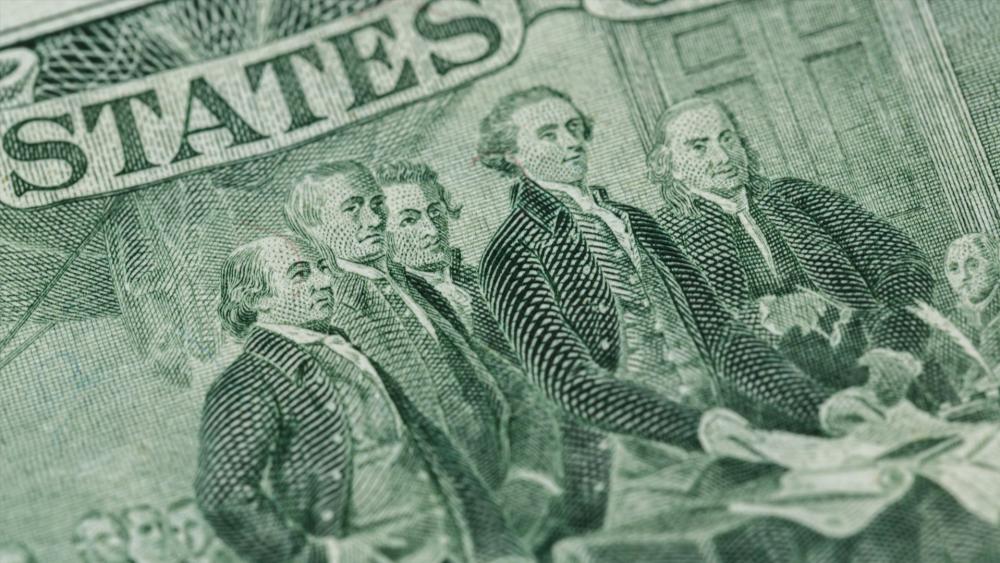
The Faith of Our Fathers: God and the American Revolution
Many people are unaware of America’s Judeo-Christian heritage. The following are short profiles of some of America’s founding fathers, sharing their thoughts on how God’s hand could be seen in the establishment of this nation.
John Adams
In June of 1776, John Adams was in Philadelphia, deep in the flurry of political activity. The Continental Congress appointed him, along with Thomas Jefferson and three others, to draft a “Declaration of Independence” from England. Although Adams was later to become the second president of the United States, he is best remembered for being one of the great minds and statesmen of the American Revolution. His prolific diaries, letters, and books provide an invaluable insight into the politics of the time and to what liberty meant to the founding fathers.
Freedom, Adams believed, did not rest solely on man. Instead, he wrote, “It is religion and morality alone, which can establish the principles upon which freedom can securely stand … the only foundation for a free constitution is pure virtues, and if this cannot be inspired into our people, in a greater measure, than they have it now, they may change their rulers, and the forms of government, but they will not obtain a lasting liberty” (letter to cousin Zabdiel Adams, June 21, 1776).
John Adams would face another difficult situation as the second president of the United States in 1798. He had a hard act to follow — the popular George Washington. Although he tried to avoid the trap of partisan politics, Adams soon found himself caught in its web. And if trouble at home wasn’t bad enough, diplomatic relations with France were rapidly sinking. Adams prepared the American army and navy for defensive measures against France.
It was during this time that Adams spoke to the first brigade of the militia of Massachusetts, and re-affirmed the foundations for the American government:
“We have no government armed with power capable of contending with human passions unbridled by morality and religion,” Adams said. “Avarice, ambition, revenge, or gallantry would break the strongest cords of our constitution as a whale goes through a net. Our constitution was made only for a moral and religious people. It is wholly inadequate to the government of any other.”
Thomas Jefferson
Thomas Jefferson was just 33 years old when he was given the task of writing the Declaration of Independence. His knowledge of political philosophy, his eloquence as a writer, and his belief in natural rights made him a leader among the patriots.
But he was not without his political problems. Jefferson’s opponents often portrayed him as an infidel and an atheist. But in reality he was a staunch supporter of the freedom of religion and considered it a very personal matter — one he often pondered in his writings. The man who gave us the immortal words “when in the course of human events” also gave us these reflections on God and his role in freedom. Etched in the marble of the Jefferson Memorial in his honor are these words:
“…God who gave us life gave us liberty. Can the liberties of a nation be thought secure when we have removed a conviction that these liberties are the gift of God? Indeed I tremble for my country when I reflect God is just, that his justice cannot sleep forever” (from notes on the state of Virginia).
In the early 1780’s, Jefferson was drafting a plan for future territories of the United States. Much of this plan became incorporated into the Northwest Ordinance of 1787, which established guidelines for territories applying for statehood. Under this law, any new states added to the nation would be recognized as equals with the original 13 states and not as colonies. The ordinance’s provisions for the states included self-government, religious tolerance and the prohibition of slavery.
Jefferson’s belief in the unquestionable relationship between good government and religious freedom is reflected in article three of the Northwest Ordinance, where he writes:
“Religion, morality and knowledge being necessary to good government and the happiness of mankind, schools and the means of education shall forever be encouraged.”
Noah Webster
Noah Webster’s dictionaries, spellers, and grammars shaped the education of America in the 18th century and his legacy still lives on today. As author of the first American dictionary and a son of the American Revolution, Webster sought to give the new country a different kind of freedom — a culture of its own. Webster considered his most important project his revision of the King James Bible. He wanted to make it accessible to every American. He believed God played an important part in the education of the people and in the preservation of the American experiment.
Here is his advice on how to choose the nation’s leaders:
“When you become entitled to exercise the right of voting for public officers, let it be impressed on your mind that God commands you to choose for rulers, just men who will rule in the fear of God. The preservation of a republican government depends on the faithful discharge of this duty; if the citizens neglect their duty, and place unprincipled men in office, the government will soon be corrupted” (“Advice to the Young” from Value of the Bible and Excellence of the Christian Religion, 1834).
Benjamin Franklin
Benjamin Franklin’s role in drafting the Declaration of Independence was far from his first invention. The founding father contributed to America both in politics and in science. From almanacs and kite flying, to serving as ambassador and statesman, Benjamin Franklin was truly one of the most versatile of America’s founding fathers. Franklin’s scientific mind also led to many intellectual and philosophical discussions.
Although he was not a regular church-goer in his adult life, he expressed the importance of implementing God’s moral values in all aspects of life. His writings demonstrate an acknowledgement of God that transcended the scientific mysteries Franklin longed to answer. In 1731 he articulated a creed to live by, both personally and in public life:
“That there is one God, Father of the universe. That He is infinitely good, powerful and wise. That He is omnipresent. That He ought to be worshipped, by adoration prayer and thanksgiving both in public and private.”
In the summer of 1787, delegates to the Constitutional Convention in Philadelphia had been in bitter debate for ten long weeks. Tempers flared over heated issues between the northern and southern states. As tensions rose, some delegates threatened to pull out of the convention altogether, leaving the fledgling nation without a strong constitution.
When it looked like no one would ever be able to agree, the elder statesman of group took charge. 81 year-old Benjamin Franklin stood to his feet. And although he was not known to be devoutly religious, he gave this contentious gathering a stirring call for prayer.
“I have lived, sir, a long time, and the longer I live, the more convincing proofs I see of this truth, that God governs in the affairs of men. And if a sparrow cannot fall to the ground without His notice, is it probable that an empire can rise without His aid? … I also believe that without His concurring aid we shall succeed in this political building no better, than the builders of Babel … Therefore, I beg leave to move that henceforth prayers imploring the assistance of heaven, and its blessings on our deliberations be held in this assembly every morning…”
Benjamin Rush
Benjamin Rush’s impact on America did not stop with his signature on the Declaration of Independence. Although he was a member of the Continental Congress, Rush was also one of the most influential physicians in early America. He served as the continental army’s Surgeon General during the American Revolution.
Under President John Adams, Rush was Treasurer of the United States Mint. More notably, the statesman encouraged support for building more African churches in Philadelphia. Rush was convinced this would reduce high black prison populations, since many of the convicted served time for stealing food and clothing.
Benjamin Rush’s advocacy reflected earlier writings of his beliefs in a strong religious and moral foundation for all people. In 1806 he wrote:
“The only foundation for a useful education in a republic is to be laid in religion. Without this there can be no virtue, and without virtue there can be no liberty, and liberty is the object and life of all republican governments.”
William Penn
Little did William Penn know that his vision of establishing a society that was godly, virtuous and exemplary for all would one day birth the freedoms of a nation. After establishing Pennsylvania with land granted by King Charles the second, Penn set out to plan a city called Philadelphia. Years later William Penn’s historic city would become the first capital of the United States and out of it the nation’s foundational structure would be laid.
Although Penn is best remembered for his vision of a democratic government and peaceful co-existence with the native Indians, in 1682, William Penn’s beliefs of government fundamentals echo those of biblical principles:
“It is impossible, Penn wrote, that any people of government should ever prosper, where men render not unto God, that which is God’s, as well as to Caesar, that which is Caesar’s.”
James Wilson
One of the lesser-known patriots and founding fathers of our nation was Scottish born James Wilson. The young lawyer’s writings on the British Parliament’s authority impressed members of the continental congress so much they elected him to the body in 1775. The following year, Wilson signed the Declaration of Independence and later the United States Constitution.
Serving as a United States Supreme Court Justice until his death, James Wilson realized there was a much higher law than man’s to consider. When questioning what the ultimate cause of moral obligation is, Wilson determined, “I give it this answer, the will of God. This is the supreme law. His just and full right of imposing laws, and our duty in obeying them, are the sources of our moral obligations.”
George Washington
In May of 1776, fighting was well under way in the American Revolution. For General George Washington it was a stressful time. Under his command in New York he had about 7 thousand men. The rag tag army was poorly trained. They were about to face some thirty thousand soldiers from the most highly trained and successful military force in the world. The Americans were outnumbered and outgunned. As they waited in New York for the onslaught of British military power, Washington issued orders for his troops to pray for the campaign ahead.
On May 17, 1776, he wrote that that day was, “…to be observed as a day of fasting humiliation and prayer, humbly to supplicate the mercy of almighty God, that it would please Him to pardon all our manifold sins and transgressions, and to prosper the arms of the united colonies, and finally establish the peace and freedom of America upon a solid and lasting foundation.”
After the Revolution, Washington was elected America’s first president. Years later, as he prepared to leave office and return to his beloved Mount Vernon, foremost in his mind was the need for the young nation to stay neutral on foreign issues until it grew stronger. George Washington chose to send this message to the nation in a farewell address — not in a speech, but in the September, 1796 Philadelphia newspapers. In it, the president advised Americans to value the newly formed republic and its constitution. But Washington cautioned that the country’s success depended not only on national strength but also on two essential factors:
“Of all the dispositions and habits which lead to political prosperity, religion and morality are indispensable supports.”
-

Russian Sub That Caught Fire Possibly Sent to Cut Internet Cables
On Monday, a Russian submarine caught fire during a mission, killing 14 sailors on board.
But the public didn’t find out about the incident until the next day, when Russia finally released a statement about the accident — though two days after the event, the nation still wouldn’t say exactly what kind of sub caught fire or whether it was nuclear-powered.
A possible reason for Russia’s caginess? Multiple sources are now claiming the sub was an AS-12 “Losharik,” a nuclear-powered submarine some speculate was designed to cut the undersea cables that deliver internet to the world.
Russian media outlets RBC and Novaya Gazeta have both cited anonymous sources who claim the submarine was a Losharik, and while the sub has been in operation since 2003, Russia has never come out and declared its official purpose.
That hasn’t stopped the U.S. and other Western officials from conjecturing about it, though.
For years, they’ve warned that Russia has been surveying undersea cables, and experts have called out the Losharik by name as possibly playing a role in future missions to disrupt those cables.
Of course, there’s another possible reason for Russia’s lack of openness about Monday’s incident: if the Russian sub was a Losharik, that means a nuclear-powered craft just caught fire.
On Tuesday, Norwegian authorities reported that they hadn’t detected any abnormal radiation in the area of the fire. But the fact that Russia itself hasn’t released a similar statement is cause for serious concern, according to Russian news site The Bell.
“Nearly a day without information about the accident in a nuclear facility and the need to look out for Norwegian statements about the level of radiation should have given a shudder to those who remember the Chernobyl nuclear power station,” the site wrote about the fire, according to Reuters.
READ MORE: Russia accused of cover-up over lethal submarine fire[Reuters]
-

Switzerland named ‘world’s best destination for expats’
The Alpine country offers “the complete expat package” with improved quality of life alongside excellent salaries and “swift career progression”, according to the report which ranks 33 countries globally and is based on interviews with just over 18,000 people in 163 locations.
Spain was ranked fourth in the overall rankings, for very different reasons. Germany was ranked eighth while France was 17th.
A total of 82 percent of survey respondents based in Switzerland said their life had improved since moving to the country while 67 percent of people said they felt safer in Switzerland than in their home country.
There were also very high levels of satisfaction with the country’s political and economic stability.
Top for incomes
The HSBC Expat Explorer breaks down its findings into three different categories: ‘living’, ‘aspiring’ (which refers to finances and career prospects) and ‘little expats’ – or family life and education.
Switzerland ranks relatively highly in all three categories, coming seventh overall for living and fourth for children and family life.
But it is in the realm of incomes that the country excels. Expats, or immigrants as many foreigners prefer to be called, earn an average $111,587 in Switzerland, against a global average of $75,966, according to HSBC.
That sees Switzerland score top for salaries, while it comes second for disposable incomes behind the United Arab Emirates (UAE).
However, Switzerland does less well on metrics such as career progression (15th place) and work–life balance, where it comes 16th.