Author: Truth & Hammer

  • The Mayonnaise House Plant Trick | The Creek Line House

    The Mayonnaise House Plant Trick | The Creek Line House

    If you love the idea of having beautiful, healthy plants around your home, but can’t quite seem to get your plants to thrive, try this mayonnaise house plant trick!

    If you love the idea of having beautiful, healthy plants around your home, but can't quite seem to get your plants to thrive, try this mayonnaise house plant trick!OK, this mayonnaise house plant trick is going to sound downright crazy to some of you, but just hear me out! This trick is used by professionals and it just may be the thing to perk your plants up!

    One mistake a lot of new plant owners make is that they think house plants are kind of a “set-it-and-forget-it” type of home decor item. Or maybe rather at, “set it, water it occasionally, but mostly forget it” type. This is especially true with all these super low-maintenance succulents that are so popular now.

    The problem is that we often go a little too far in the low-maintenance direction and then are disappointed when our plants look a little lacklustre. So here’s what to do!

    MY LATEST VIDEOS


    First of all, every 2 weeks or so, you need to wipe down your leaves. To do this, take a damp, slightly soapy cloth and gently wipe the underside and the top side of each leaf. Follow up with another damp, soap-free cloth to remove the soap.

    Dust build-up on plants not only looks yucky, it can also clog your plant’s pores and prevent transpiration. Plants need their leaves to be clean so they can enjoy the sunshine as well!

    Want your cut flowers to look great too? How to Make Cut Flowers Last LongerThe Creek Line House

    The Mayonnaise House Plant Trick

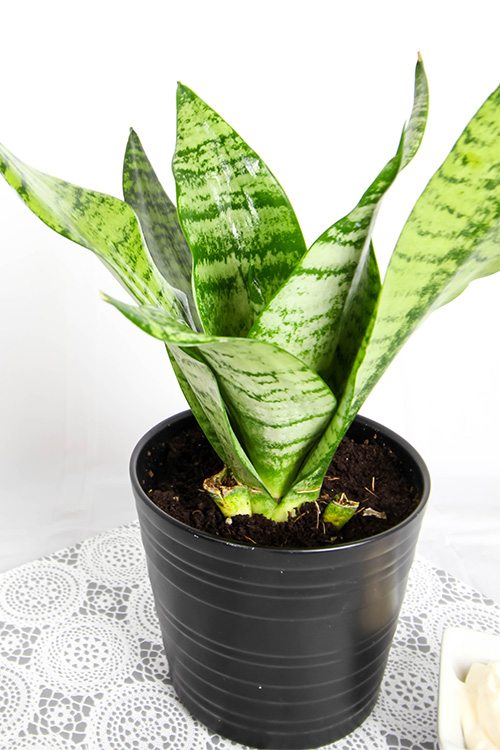
    Now here’s where the mayo comes in! This is especially good for plants with wide, smooth leaves.

    Put a small amount of mayo in a dish and using another clean, dry cloth, wipe the top of each leaf of your houseplants. Not only will this give you those amazing super-shiny leaves that you see on plants at the florist’s, mayonnaise is also super effective at breaking down and removing any built-up sticky gunk like sap, so it will make sure your plant’s leave are really extra clean.

    And wow does it ever make those leaves shine!

    This may be just the ticket to keep your houseplants looking beautiful and healthy!

    Have you ever heard of the mayonnaise house plant trick before?

    If you enjoy little tips like this one, visit my subscribe page and I’ll keep you updated whenever I post a new one!

  • Uber “to announce” Careem acquisition for at least $3.1 Billion

    Uber “to announce” Careem acquisition for at least $3.1 Billion

    (Reuters) – Uber Technologies Inc will announce plans to acquire Dubai-based rival Careem Networks FZ as early as this week, Bloomberg reported on Sunday, citing people familiar with the matter.

    Careem as a brand will remain for a period of time but will eventually disappear as the operation will become entirely Uber, according to the source.

    According to Bloomberg, The U.S. ride-hailing giant will pay $1.4 billion in cash and $1.7 billion in convertible notes for Careem, the people said, asking not to identified because the talks are private. The notes will be convertible into Uber shares at a price equal to $55 per share, according to the term-sheet seen by Bloomberg.

    Uber’s acquisition of Careem would come ahead of its imminent initial public offering, which could be one of the New York Stock Exchange’s biggest-ever listings. Uber is expected to publicly file for an IPO in April, kicking off a listing that could value the company at as much as $120 billion, people familiar with the plans have said previously.

    Careem: The First Unicorn in the Middle East

    Careem, whose backers include Saudi Prince Alwaleed bin Talal’s investment firm and Japanese e-commerce giant Rakuten, reached a $1bn valuation in 2016. Set up in July 2012 in Dubai, the company now operates in more than 120 cities in 15 countries in the Middle East, Turkey and Pakistan serving 33 million customers.

    Careem declined comment while Uber did not immediately respond to a request from Reuters comment.

    Uber has been preparing for an initial public offering, and its bankers have indicated that it could be valued at as much as $120 billion.

  • 20 Cut & Come Again Veggies For An Endless Supply Of Free Food

    20 Cut & Come Again Veggies For An Endless Supply Of Free Food

    People who reside in places with a shorter growing season have come up with many clever ways to extend the harvest –from row covers to cold frames to greenhouses.

    Succession planting is another way to maximize your vegetable garden’s productivity. Varying by approach, succession planting involves careful consideration of crop type, maturity dates, space, and timing.

    Cut and come again gardening offers a similar boost to yields as succession planting, but without any extra planning. It’s definitely the easiest way to get a succession of harvests throughout the season, and all from a single plant.

    Any plant that grows in a rosette is a good candidate for cut and come again. For example, leafy greens are terrific cut and come again plants. Snip the outer leaves while leaving the younger inner leaves intact for fresh salads throughout the summer. Many herbs can handle repeated harvests too.

    Best of all, many cut and come again plants are super nutrient dense, providing you with plenty of vitamin and mineral rich foods throughout the summer.

    20 Cut & Come Again Veggies For Endless Harvests

    Amaranth (Amaranthus spp.)

    Grown for its edible leaves and seeds, amaranth also features a gorgeous display of tightly packed purplish flowers that grow in spikes.

    Amaranth greens can be plucked as they grow. Smaller leaves will be tender and mild in taste while more mature greens have a deeper, nuttier flavor.

    Arugula (Eruca sativa)

    Arugula is a tangy leafy green vegetable, excellent in homemade mesclun mixes. It is a fast growing, cool season crop that can be harvested just four weeks after sowing.

    Arugula leaves taste best when still young, so pick greens when they are 2 to 3 inches long, working from the outside of the plant in.

    Asparagus (Asparagus officinalis)

    A perennial vegetable that returns year after year, asparagus takes two to three growing seasons to become established enough for its first harvest.

    Once matured, check up on your asparagus plants every other day. When shoots are at least six inches tall, snip off at the soil line. Cutting asparagus will encourage more growth for new shoots.

    Basil (Ocimum basilicum)

    Basil is a fast growing, heat loving herb that yields plenty of leaves for making pesto, soups, flavored oils, and more. It is also a fantastic companion plant for tomatoes and peppers, all while naturally repelling many garden pests.

    To keep basil plants compact and productive, snip tops off ¼ inch above the node – like so.  

    Beet Greens (Beta vulgaris)

    Beets are fantastic producers in the garden. Not only will beet plants provide you with healthful root vegetables at the end of the season, they also produce an abundance of nutrient rich leafy greens as the beetroots grow.

    For the tastiest beet greens, continually harvest throughout the season. Snip outer leaves when they are no more than 6 inches tall – the smaller the leaf, the more tender. Take a cutting or two from each plant, leaving an inch of stem still attached to the beetroot.

    Bok Choy (Brassica rapa var. chinensis)

    A shade loving Chinese cabbage, bok choy grows in a celery like habit with a bulbous base and broad green leaves.

    Remove outer leaves for on the go harvesting. Or cut the entire plant back, leaving a couple of inches of growth – bok choy will resprout a new plant.

    Celery (Apium graveolens)

    Celery requires a longer growing period (130 to 140 days) in cooler summer temperatures. If you reside in a good climate for growing celery, you will be rewarded with a bountiful harvest.

    Snip outer celery stalks and work your way inwards when the plant is 8 inches tall. Store stalks in the fridge and they will keep for several weeks.

    Chicory (Cichorium intybus)

    Great sautéed or eaten fresh in salads, leaf chicory very much resembles a dandelion in its growth habit. Since it forms rosettes as it grows, pluck a few outer leaves from each plant for a bountiful harvest.

    Chives (Allium schoenoprasum)

    Chives are an easy to grow perennial herb with a spiky grass like appearance. You can receive a multitude of harvests throughout the summer months by pruning the entire plant back, leaving an inch or two of growth at the soil line. Be sure to cut often and regularly to keep chives productive and prevent them from going to seed.

    Collard Greens (Brassica oleracea)

    Closely related to kale and broccoli, collard greens are a loose leaf cabbage with broad green leaves that grow in a rosette.

    Like other cruciferous vegetables, collards are a cool season crop that can take more than 60 days to mature. In the meantime, take leaf cuttings by snipping them off at the base of the thick stalk.

    Corn Salad (Valerianella locusta)

    A pint sized leafy green, corn salad (also called mâche, lamb’s lettuce, nut lettuce, and rapunzel) is a tiny annual with deep green leaves and a distinctive nutty flavor.

    Harvest outer leaves when they are 3 inches in length, working from the outside in.

    Cress (Lepidium sativum)

    Garden cress is one of the fastest growing foods, ready to be harvested in just two weeks. It is a spicy herb that adds a delectable zing to salads and soups.

    Once cress is about 4 inches tall, you can take your first cutting. Leave a ½ inch stem behind and garden cress will quickly regrow.

    Dandelion (Taraxacum officinale)

    A wildflower with many uses, dandelions have long been considered a weed due to its amazing ability to persist. Thanks to its deep taproot, it can be cut all the way down to the ground and will happily regrow.

    Harvest dandelions flowers to make tea and botanical oils, and use the green leaves for salads.

    Kale (Brassica oleracea)

    Available in varying shades of green and purple, kale is a type of non-heading cabbage with crinkly or flat leaves. Kale becomes bitter when exposed to too much heat so seeds should be planted in spring and fall.

    Taking around two months to mature, you can pluck young leaves from the plant for fresh salads or wait for larger leaves to use in cooking.

    Radicchio (Cichorium intybus var. foliosum)

    A type of leaf chicory, radicchio is well known for its striking purple-red leaves and bright white veins. It has a somewhat bitter, spicy, and nutty flavor raw but becomes much sweeter when touched by frost or roasted.

    Though the more common varieties grow similarly to cabbage, there are other types of radicchio that form upright heads that resemble romaine lettuce. Either type can be a cut and come again plant. Carefully peel back and remove the outer leaves for heading varieties.  

    Romaine Lettuce (Lactuca sativa)

    With tall upright heads and firm ribs, romaine (or cos) lettuce spans far more varieties than the common green leaf type used in Caesar salads.

    Because they bunch together as they grow, cut the outer leaves for easy greens on the go.

    Scallions (Allium fistulosum)

    Also known as green onions or spring onions, scallions are quick growing plants with tubular, hollow green shoots that emerge from a small bulb.

    Because they grow so rapidly, snip greens an inch or two above the soil line when plants are about six inches tall. Scallions will continue to send out shoots from the bulb.

    Spinach (Spinacia oleracea)

    Spinach requires six weeks of cooler temperatures to thrive. As it grows, keep an eye on its leaves and pick them before they have fully matured. If you wait too long, spinach becomes bitter with age.

    To get the most out of your crop, harvest outer leaves and let the center continue to grow.

    Swiss Chard (Beta vulgaris subsp. vulgaris)

    Swiss chard is essentially a beet, but without the edible bulb. It grows crinkly, deep green leaves on colorful stems.

    Keep Swiss chard productive by snipping outer leaves as soon as they are mature.

    Turnip Greens (Brassica rapa)

    As with beets, turnips produce tasty and nutritious greens above the soil. Cut these when they are about 4 inches in length, taking just a couple leaves from each plant at a time.

    Cut & Come Again Gardening Tips

    There inevitably comes a time where cut and come again vegetables will have expended all their energy and exhausted their capacity to produce new growth.

    Although you should be able to get several harvests per plant each growing season, you can help replenish their energy stores by fertilizing regularly. Use a well rounded fertilizer, such as compost tea.

    Each time you take from a plant, give it a thorough watering. A good drink after cutting will aid in the plant’s recovery while also boosting growth.

    Pin This To Save For Later

  • The Magic of Fresh Air for Babies & Other Beings

    The Magic of Fresh Air for Babies & Other Beings

    CC by 2.0 Abigail Batchelder’s flickr photostream

    For centuries it was common wisdom that a few hours of fresh air each day was an absolute necessity. Children from infancy on up were bundled in warm clothes and taken out in all seasons. The practice stemmed from a longstanding belief that time outdoors promoted strength and robust health. It was also believed that it kept various character weaknesses at bay. That is, until the practice was poo-poo’ed as nonsense. Nothing but old wives’ tales.

    Fortunately, my parents thought otherwise. My mother knew childish energy is best expended outdoors. It never occurred to her that we required her participation as she sent us out every day. When we were small she told us to stay in the yard, checking every now and then from the window. Soon our range expanded to a few acres of woods behind our house plus pretty much anywhere we could go on our bikes while still making it back in time for dinner.

    I learned even more about the importance of being outside from my father. He set a quiet example by paying attention to birds, the weather, the garden. If we went somewhere with him other than a hardware store, it was to go hiking in the Cleveland Metroparks.

    It wasn’t until I had my first baby that my father showed me a deeper power of nature, again simply by example. When he held babies he almost always walked outdoors with them, particularly if they were fussy.

    “Here’s the sky,” he’d point. “That’s a tree over there, you’ll be running on this grass in no time,” he’d gently tell an infant.

    Their eyes would get big and they’d look around, more calm and focused than they were indoors.

    I started to follow his example. If I couldn’t figure out my baby’s troubles, I’d go out to lie on the grass during the day, or wrap up warmly to look at the stars in the middle of the night. It nearly always settled a crying baby.

    It worked even better for toddlers. They’d get cranky in the house, far crankier in the car. They wanted out in the largest sense possible. They’d stay outdoors as long as I’d let them, on our most glorious days this lasted for hours. When she was a year old my daughter liked to pick up little stones, hold them briefly, then place them in little piles. She’d look at me, shaking her head to remind herself they couldn’t go in her mouth. My little children helped me garden and sweep and rake. They dug in the dirt, made fairy houses out of sticks and leaves, filled their little wagons with the hickory nuts that littered our yard in autumn, stomped in puddles, squatted to watch bugs, climbed on logs, and asked endless questions. All these richly sensory experiences happened simply because we were outdoors. I had no idea at the time that all of this movement helped build essential brainpower.

    As Gill Connell and Cheryl McCarthy explain in the wonderful book, A Moving Child Is a Learning Child,

    A young child can learn only what her brain is primed and ready for. And in the early years, that’s everything the body has to teach—the tangible, physical, and sensory qualities of the world around her. It’s no wonder preschool learning rarely happens sitting down.

    Influential 19th century British educator, Charlotte Mason, suggested children should spend four to six hours a day outdoors. She wrote in Home Education,

    …every hour spent in the open is a clear gain, tending to the increase of brain power and bodily vigour, and to the lengthening of life itself. They who know what it is to have fevered skin and throbbing brain deliciously soothed by the cool touch of the air are inclined to make a new rule of life, Never be within doors when you can rightly be without.

    Besides, the gain of an hour or two in the open air, there is this to be considered: meals taken al fresco are usually joyous, and there is nothing like gladness for converting meat and drink into healthy blood and tissue. All the time, too, the children are storing up memories of a happy childhood.

    In Scandinavian countries, parents believe it’s healthier for babies and children to be outside for a few hours a day in all but the most extreme temperatures (and they mean extreme, as in 0 degrees Fahrenheit). It’s a common practice to dress babies warmly and tuck them in a stroller in the yard, balcony, or outside a shop to nap on a snowy day.

    In fact, the Finnish Ministry of Labour specifically recommends it (see page 24 under “naps”).  Does it help babies sleep better? One study showed children took longer naps outdoors compared with naps taken indoors.

    Pediatrician Harvey Karp points out, in The Happiest Toddler on the Block, how staying indoors is overstimulating while at the same time boring for children.

    Our homes are boring because they replace the exciting sensations of nature (the feeling of the wind on their skin, the brilliant sun, the soft grass, etc.) with an immense stillness (flat walls, flat floors, no wind).

    Yet at the same time, he writes, being indoors is overstimulating.

    It bombards them with jolting experiences that kids in the past never had to deal with: crazy cartoons, slick videos, clanging computer games, noisy toys, and bright colors everywhere…which can make many little children feel stressed.

    There are exhaustive studies showing that time outdoors, particularly in nature, benefit us in myriad ways—from better health to peace of mind.  I think there’s something intangible too, something to do with keeping alive the awe and wonder that is our birthright. That’s something the youngest children can help us relearn.

    “Live in the sunshine, swim the sea, drink the wild air.”  ~Ralph Waldo Emerson

    CC by 2.0 pixydust8605’s flickr photostream

  • 6 Things Happy People Never Do

    6 Things Happy People Never Do

    Happiness is not something you postpone for the future;
    it is something you design into the present.

    Happy people do a lot of things.  They spend time expressing gratitude, cultivating optimism, practicing kindness, nurturing loving relationships, committing to meaningful goals, savoring life’s little pleasures, and so on and so forth.

    But they NEVER…

    1.  Mind other people’s business.

    Forget about what others are doing.  Stop looking at where they are and what they have.  Nobody is doing better than you because nobody can do better than you.  YOU are walking your own path.  Sometimes the reason we struggle with insecurity is because we compare our behind-the-scenes circumstances with everyone else’s public highlight reel.  We listen to the noise of the world, instead of ourselves.  So stop the comparisons!  Ignore the distractions.  Listen to your own inner voice.  Mind your own business.

    Keep your best wishes and your biggest goals close to your heart and dedicate time to them every day.  Don’t be scared to walk alone, and don’t be scared to enjoy it.  Don’t let anyone’s ignorance, drama, or negativity stop you from being the best you can be.  Keep doing what you know in your heart is right, for YOU.  Because when you are focused on meaningful work and at peace within yourself, almost nothing can shake you.  (Angel and I discuss this in more detail in the “Passion and Growth” chapter of 1,000 Little Things Happy, Successful People Do Differently.)

    2.  Seek validation of self-worth from others.

    When you are content to simply be yourself, without comparing and competing to impress others, everyone worthwhile will respect you.  And even more importantly, you will respect yourself.

    How are you letting others define you?  What would you do differently if you knew nobody would judge you?

    Truth be told, no one has the right to judge you.  People may have heard your stories, and they may think they know you, but they can’t feel what you are going through; they aren’t living YOUR life.  So forget what they think and say about you.  Focus on how you feel about yourself, and keep walking the path that feels best under your feet.

    Those who accept you are your friends.  Those who don’t are your teachers.  If someone calls you something and it’s true, it’s not your problem because it’s true.  If someone calls you something and it’s not true, it’s not your problem because it’s not true.  Either way, whatever they call you is not your problem.  What other people call you is their problem…

    What you call yourself, and who you decide to become, is your problem.

    3.  Rely on other people and external events for happiness.

    Unhappiness lies in that gap between what we have now and what we think we need.  But the truth is, we don’t need to acquire anything more to be content with what we already have.  We don’t need anyone else’s permission to be happy.  Your life is magnificent not because someone says it is, or because you have acquired something new, but because you choose to see it as such.  Don’t let your happiness be held hostage.  It is always yours to choose, to live and experience.

    As soon as you stop making everyone and everything else responsible for your happiness, the happier you’ll be.  If you’re unhappy now, it’s not someone else’s fault.  Take full responsibility for your own unhappiness, and you will instantly gain the ability to be happier.  Stop seeking in vain to arrange conditions that will make you happy.  Simply choose to appreciate the greatness that is yours in this moment, and the right conditions will start to line up around the contentment you seek.

    The greater part of your happiness or unhappiness depends upon your outlook, and not upon our situation.  Even if things aren’t perfect right now, think of all the beauty still left around you.  A good reason to smile is always one thought away; choose to tap into it any time you like.  (Read The Gifts of Imperfection.)

    4.  Hold on to resentment.

    Let today be the day you stop being haunted by the ghosts from your past.  What happened in the past is just one chapter in your story; don’t close the book, just turn the page.

    We’ve all been hurt by our own decisions and by others, and while the pain of these experiences is normal, sometimes it lingers for too long.  Feelings of resentment urge us to relive the same pain over and over, and we have a hard time letting go.

    Forgiveness is the remedy.  It allows you to focus on the future without combating the past.  To understand the infinite potential of everything going forward is to forgive everything already behind you.  Without forgiveness, wounds can never be healed and personal growth can never be achieved.  It doesn’t mean you’re erasing the past, or forgetting what happened.  It means you’re letting go of the resentment and pain, and instead choosing to learn from the incident and move on with your life.

    5.  Spend prolonged periods of time in negative environments.

    You can’t make positive choices for the rest of your life without an environment that makes those choices easy, natural, and enjoyable.  So protect your spirit and potential from contamination by limiting your time with negative people and the environments they inhabit.

    When other people invite you to act like victims, when they whine and moan about the unfairness of life, for example, and ask you to agree, to offer condolences, and to participate in their grievances, WALK AWAY.  When you join in that game of negativity you always lose.

    Even when you’re alone, create a positive mental space for yourself.  Make it a point to give up all the thoughts that make you feel bad, or even just a few of them that have been troubling you, and see how doing that changes your life.  You don’t need negative thoughts.  They are all lies.  They solve nothing.  All they have ever given you is a false self that suffers for no reason.  (Read Buddha’s Brain.)

    6.  Resist the truth.

    It is a certain deathtrap when we spend our lives learning how to lie, because eventually these lies grow so strong in our minds that we become bad at seeing, telling and living our own truth.  Lives come apart so easily when they have been held together with lies.  If you resist the truth, you will live a lie every day as the truth haunts your thoughts every night.  You simply can’t get away from your truth by moving dishonestly from one place to the next.

    So don’t bend; don’t water it down; don’t try to hide the truth with deception; don’t edit your own soul according to the fashion of what’s popular.  It is better to offer no explanation or excuse than a false one.  It takes courage and strength to admit the truth, but it is the only way to truly live.  Accept what is, embrace it fully, and live for the possibilities that lie ahead.

    Your turn…

    What would you add to the list?  What’s something you should NOT do if you want to be happy?  Leave a comment below and share your thoughts.

  • Recording Reveals Oil Industry Execs Laughing at Trump Access

    Recording Reveals Oil Industry Execs Laughing at Trump Access

    Lance Williams is a senior reporter for Reveal, focusing on money and politics.

    Gathered for a private meeting at a beachside RitzCarlton in Southern California, the oil executives were celebrating a colleague’s sudden rise. David Bernhardt, their former lawyer, had been appointed by President Donald Trump to the powerful No. 2 spot at the Department of the Interior.

    Just five months into the Trump era, the energy developers who make up the Independent Petroleum Association of America had already watched the new president order a sweeping overhaul of environmental regulations that were cutting into their bottom lines — rules concerning smog, fracking and endangered species protection.

    Story Continued Below

    Dan Naatz, the association’s political director, told the conference room audience of about 100 executives that Bernhardt’s new role meant their priorities would be heard at the highest levels of Interior.

    “We know him very well, and we have direct access to him, have conversations with him about issues ranging from federal land access to endangered species, to a lot of issues,” Naatz said, according to an hourlong recording of the June 2017 event in Laguna Niguel provided to Reveal from The Center for Investigative Reporting.

    The recording gives a rare look behind the curtain of an influential oil industry lobbying group that spends more than $1 million per year to push its agenda in Congress and federal regulatory agencies. The previous eight years had been dispiriting for the industry: As IPAA vice president Jeff Eshelman told the group, it had seemed as though the Obama administration and environmental groups had put together “their target list of everything that they wanted done to shut down the oil and gas industry.” But now, the oil executives were almost giddy at the prospect of high-level executive branch access of the sort they hadn’t enjoyed since Dick Cheney, a fellow oilman, was vice president.

    “It’s really a new thing for us,” said Barry Russell, the association’s CEO, boasting of his meetings with Environmental Protection Agency chief at the time, Scott Pruitt, and the then-Interior Secretary, Ryan Zinke. “For example, next week I’m invited to the White House to talk about tax code. Last week we were talking to Secretary Pruitt, and in about two weeks we have a meeting with Secretary Zinke. So we have unprecedented access to people that are in these positions who are trying to help us, which is great.”

    This story was produced by Reveal from The Center for Investigative Reporting, a nonprofit news organization.

    In that Ritz-Carlton conference room, Russell also spoke of his ties to Bernhardt, recalling the lawyer’s role as point man on an association legal team set up to challenge federal endangered species rules. “Well, the guy that actually headed up that group is now the No. 2 at Interior,” he said, referring to Bernhardt. “So that’s worked out well.”

    Today, Bernhardt is in line for a promotion: the former oil industry lobbyist has been nominated by Trump to be secretary of the Interior. The Senate Energy and Natural Resources Committee will hold a confirmation hearing Thursday, March 28. Bernhardt has been running the department since early January, when Zinke resigned amid an ethics scandal. The post gives Bernhardt influence over regulations affecting energy production on millions of acres of public lands, deciding who gets to develop it, how much they pay and whether they are complying with the law.

    An Interior Department spokeswoman, Faith Vander Voort, said, “Acting Secretary David Bernhardt has had no communication or contact with either Barry Russell or Dan Naatz.” The IPAA executives were not available to comment on this story, a spokeswoman said.

    At the meeting, the association’s leaders distributed a private “regulatory update” memo that detailed environmental laws and rules that it hoped to blunt or overturn. The group ultimately got its way on four of the five high-profile issues that topped its wish list.

    Trump himself was a driving force behind deregulating the energy industry, ordering the government in 2017 to weed out federal rules “that unnecessarily encumber energy production.” In a 2017 order, Zinke called for his deputy secretary—Bernhardt—to make sure the department complied with Trump’s regulatory rollbacks.

    The petroleum association was just one industry group pushing for regulatory relief — the American Petroleum Institute, the U.S. Oil and Gas Association and the Western Energy Alliance also were active. But since IPAA created its wish list, the Interior Department has acceded to nearly all its requests:

    * Rescinded fracking rules meant to control water pollution. Frackers pressure-inject water and chemicals into the ground to break up rock and release oil and gas. In 2015, the Interior Department’s Bureau of Land Management moved to minimize water pollution caused by fracking, setting standards for well construction and proper management of fracking fluids. For the first time, the new rule also required frackers to get federal permits, a costly and time-consuming process, the industry complained.

    The IPAA sued, contending the rule was not needed because fracking was already regulated by states. Under Trump, Interior sided with the energy industry, and in 2017 the rule was rescinded.

    * Withdrawn rules that limit climate-change causing methane gas releases. An oil strike can release clouds of methane, a potent greenhouse gas. When producers lack the means to capture methane and sell it as natural gas, they either burn it or release it into the air. In 2016, to fight global warming, the BLM issued a rule sharply limiting these practices and imposing a royalty fee on operators who wasted natural gas on public lands.

    IPAA sued, complaining producers would face huge financial losses. Trump’s Interior Department sided with the industry and in 2018 rescinded key provisions of the rule.

    * Abandoned environmental restoration of public land damaged by oil development. To offset the harm of oil production, the BLM often required producers to pay for restoration projects as a condition of their permits. This practice of “compensatory mitigation” is used by many government agencies. In 2015, then-President Obama ordered Interior to set a goal of “no net loss for natural resources” when issuing development permits.

    IPAA pushed back hard against the “no net loss” standard, arguing that developers might be saddled with exorbitant mitigation costs. In 2017, Trump himself ordered the repeal of the Obama mitigation rule. Interior Secretary Ryan Zinke attacked the concept as Un-American.

    * Ended long-standing protections for migratory birds. Every year, millions of migratory birds are killed when they fly into power lines, oil waste pits and other energy development hazards, the U.S. Fish and Wildlife Service says. Since the 1970s, the service has promoted industrial safety practices to protect birds from accidental harm—and has prosecuted and fined energy companies responsible for the deaths of these birds.

    IPAA complained it was unfair to prosecute energy companies engaged in legal activities that unintentionally harmed birds. In 2017, Trump’s Interior Department called a halt to prosecuting companies for the “incidental” deaths of birdlife. Bernhardt played an important role in crafting the legal opinion that gutted these protections, emails obtained through the Freedom of Information Act show.

    “The IPAA’s wish list was granted as asked, in the executive order, and in the actions taken by the Department of the Interior,” said Nada Culver, senior counsel for the Wilderness Society environmental group, who reviewed the document for Reveal. “It pains me to say it.”

    Bernhardt’s began his career in government as an aide to then-Rep. Scott McInnis, a Colorado Republican elected in 1992. In 1998, he quit to work at the powerhouse Washington lobbying firm of Brownstein, Hyatt.

    After President George W. Bush took office, Bernhardt returned to government as a political aide to Secretary of the Interior Gale Norton, a fellow Coloradan. He worked on the administration’s push to reverse a congressional ban on drilling for oil in Alaska’s Arctic Wildlife Refuge. In 2006, he was promoted to solicitor, the department’s top lawyer.

    In 2009, he rejoined the Brownstein firm and became head of its natural resources department. Over the years, he lobbied or provided legal advice to about 40 clients, many of them companies seeking to block the force of environmental regulations administered by Interior. Among his clients were 18 energy concerns, including offshore oil drillers, frackers and operators of coal-fired power plants. His federal ethics report showed he had worked for IPAA since at least 2015.

    In July 2018, then-Deputy Secretary of the Interior David Bernhardt listens as Jack Gerard, president and CEO of the American Petroleum Institute, speaks at a luncheon in Denver sponsored by the Colorado Petroleum Council. | AP

    After Trump was elected, Bernhardt served on the new administration’s transition team, then was named Zinke’s deputy. A coalition of 150 environmental groups opposed Bernhardt’s appointment, calling him a “walking conflict of interest” because so many of his former clients were subject to Interior Department regulations.

    Bernhardt’s Senate confirmation hearings were roiled when a collection of his emails, reported by Reveal, showed he had continued to give political advice to the Westlands Water District, a California agribusiness concern, for months after he told Congress he had quit lobbying.

    Bernhardt promised to follow Interior’s ethics rules, which call for him to recuse himself for up to two years on matters involving former clients.

    “I believe that public trust is a public responsibility and that maintaining an ethical culture is important,” he told senators, and the Senate confirmed his appointment. At Interior, to remind himself of conflict of interest concerns, Bernhardt carries a wallet-sized card listing former clients covered by his ethics recusals, the Washington Post reported.

    Interior Department lawyers say Bernhardt is permitted to work on matters affecting his former clients, such as the petroleum association, as long as the issues affect a broad group of players, not just the one client. But the watchdog group Campaign Legal Center has filed a complaint accusing Bernhardt of ethics violations for working on California water issues favored by Westlands, his former lobbying client.

    Bernhardt’s recusal concerning the petroleum association expires in August and his official calendars do not reflect any meetings to date with IPAA officials.

    The oil lobby has had ready access to top administration officials, both inside the Interior and out, according to public records and the lobby leaders themselves. Since Bernhardt began work at the department, the IPAA has spent more than $1.3 million lobbying the department and other federal agencies, according to data from the Center for Responsive Politics.

    In April 2018, an IPAA contingent led by Naatz, the political director, met with Bernhardt’s top aide, Todd Willens, concerning two issues from the wish list: migratory birds and mitigation. Hours later, Willens met with Bernhardt, but a copy of Willens’ calendar doesn’t state the topic of their meeting.

    It was the kind of access the group had begun to marvel at the year before in the plush confines of their Southern California resort. On the recording, Russell, the IPAA’s CEO, described an extended meeting he had already had with Pruitt, a former Oklahoma attorney general and climate-change doubter whose tenure at EPA would be cut short by ethics scandals. What started as a simple meet-and-greet became an invitation to critique the EPA’s air pollution regulations, the oil executive said.

    “Scott Pruitt, he came from Oklahoma, and we have a lot of friends in common and I thought that’s what we were going to talk about, we did that for about three minutes,” Russell said. “And then he started asking very technical questions about methane, about ozone … and if Scott Pruitt thought he was going to go deep nerd …”

    The audience began laughing.

    “And what was really great is there was about four or five EPA staffers there, who were all like, ‘Write that down, write that down,’ all the way through this,’’ Russell continued. “And when we left, I said that was just our overview.”

    The audience laughed again.

    “So it’s really a new world for us and very, very helpful.”

    There was about four or five EPA staffers there, who were all like, ‘Write that down, write that down,’ all the way through this,’’ Russell continued. “And when we left, I said that was just our overview.”

    Naatz predicted Bernhardt would actually run the department while Zinke would play a ceremonial role.

    “What secretaries of Interior do is go out to Yellowstone, go out to Tetons … have big vision for what they’re going to do,” he said. “David is going to be the COO. David’s going to move the pieces. David’s going to be part of that, and we know him well.”

    He also warned of what could go wrong in the Trump era.

    Trump was slow to make middle-level appointments at the regulatory agencies to carry out the pro-industry policies he ordered, Naatz contended. Without supervision, career federal employees might well slow-walk, or resist the sweeping regulatory changes the industry favors, he said.

    “If you don’t have the politicals pushing down, bureaucracy is going to take over and push up,” Naatz said.

    Another problem was what he called “the gorilla in the room.” The investigation into Trump’s ties to Russia was “hampering everything that is going on,” he said. He groused about Trump’s “inane tweets that come out after midnight,” and faulted the entire White House for lack of focus.

    “They have got to be better on message because they are going to lose the opportunity. It’s an unbelievable opportunity, you have Republicans controlling both houses of Congress, and the administration and so they need to get their act together and start to move,” he said.

    When “you are talking about issues that are important to you, the Republicans win,” he continued. “If you are talking about Michael Flynn and Russia, you are going to lose. And so it’s really important to carry that narrative on energy, on infrastructure, on all these issues.”

    Reveal reporter Elizabeth Shogren contributed reporting for this story.

    Source

    https://www.politico.com/magazine/story/2019/03/23/trump-big-oil-industry-influence-investigation-zinke-226106
  • 9 Incredible Health Benefits of Black Garlic

    9 Incredible Health Benefits of Black Garlic

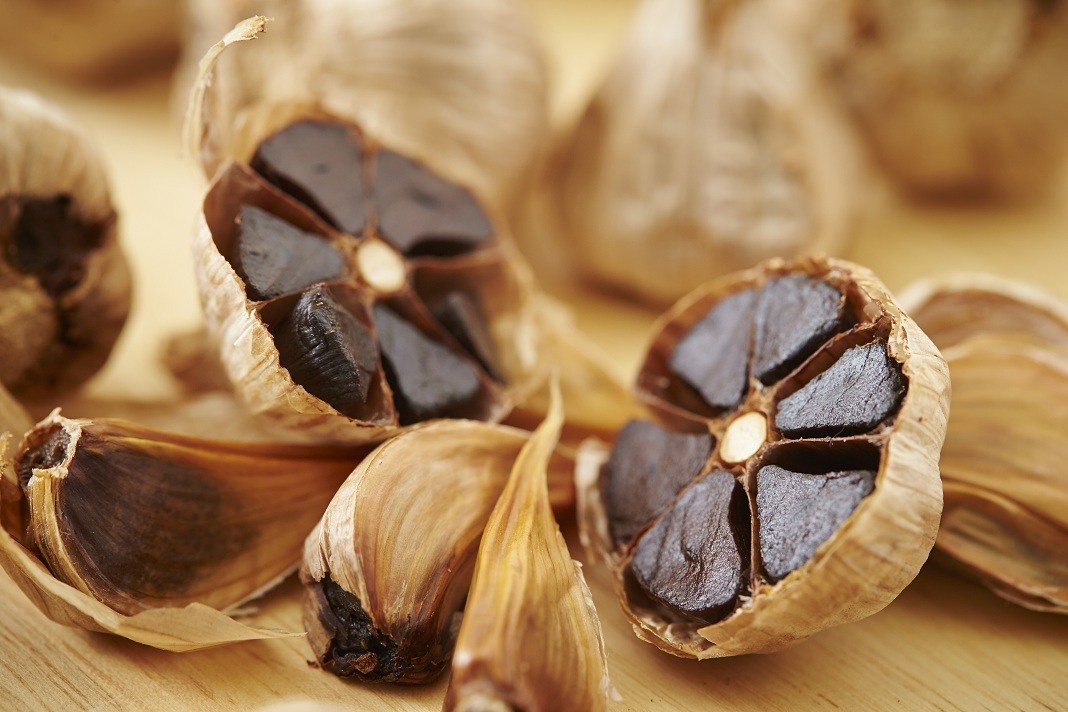
    If you as well love the taste that garlic adds to your food, but wish that it would not smell so pungent, then black garlic is your go-to thing. Not only does it has any bad odor, but also there is a legion of health benefits to black garlic.

    If this were not the case, black garlic would have lost its place in the historical records as a medicinal food item. Black garlic was first employed in Asian cuisine. Koreans have developed it as a health product, and in Thailand, even chocolate is made up of black garlic. Before diving deep into its health benefits, it is nice to have a look at what black garlic is and what goes into its making along with its nutritional composition.

    What Is Black Garlic?

    Black garlic is, simply put, aged fresh garlic. This super versatile cum delicious garlic has an unusually sweet flavor and the consistency of jelly. Nevertheless, it is not a different species in garlic; but, just a fermented version of the same.

    Black garlic does not exist naturally. It is fermented black garlic which is a product derived from fresh garlic and which gets made in 10 days on high temperatures ranging from 40 to 60 degrees Celsius. The aging treatment of garlic to black garlic can vary from 4 days to 40 days. The aged black garlic is thus, the black garlic we know.

    The black garlic taste is related to that of a tangy with a syrupy, balsamic flavor. It works wonders in savory and sweet dishes alike and can be an ingredient in everything from meat blends to desserts. It’s even accessible in powdered form to give that extra dose of flavor needed with minimal effort.

    Thanks to its immensely growing popularity, it’s easy to find black garlic at many major retail markets and even some of the Asian supermarkets. One can even buy it online and get it delivered right at their doorstep. If you find it expensive, with just some fresh garlic, a rice cooker and a bit of patience, you can cook and enjoy this unique delicacy at home with only a few ingredients in no time.

    The Nutritional Profile Of Black Garlic (Per 100 Grams)

    You might wonder why are the health benefits of black garlic getting emphasized so much? Well, the answer lies in its nutritional value.

    Water 33.6 grams
    Protein 14.2 grams
    Carbs 39.8 grams
    Fat 0.3 grams
    Calories 219 kcal
    Vitamin B1 0.00002 grams
    Cholesterol 0.0
    Food Fibre 9.8 grams

    The health benefits of black garlic are several and many as they are known to treat the minutest of health problems and cure the biggest among them. Right from controlling the cholesterol levels to maintaining the digestive health, this easy to make-at-home black garlic has got your back (1). Read on to know more about the health benefits of black garlic and before that the Do-It-Yourself (DIY) procedure to make it at home.

    Do you know how to make black garlic?

    Being a bit expensive, the toothsome cum nutrient-packed ingredient that black garlic is can put away many people from even trying it because of its high pricing. It is no big guess that it is way more pricey than fresh garlic. So, it’s a clever move if you decide to prepare black garlic by yourself all in your hands and enjoy its benefits thoroughly.

    Still wondering how to make black garlic by yourself? One of the more natural methods involves just two ingredients: a rice cooker and a few heads of garlic. Follow these 3 simple steps and take the leadh now:

    Sign up for Our Natural Wellness Newsletter !

    Simply throw fresh garlic into your rice cooker, plug it in and put it in “keep warm” mode.

    Step-2

    Just wait for 3 to 4 weeks and allow your black garlic to form slowly.

    Step-3

    You can replicate the above procedure even with a slow cooker or a fermenting box and set the temperature between 140-170 degrees Fahrenheit till the garlic becomes aged.

    An alternate method of making black garlic is to go for a “black garlic fermenter” though the machine is way pricey. Despite “odor free” claims by the manufacturer, reviews by people who use it say that there will still be a garlic scent to it no matter what.

    After the preparation, the issue comes to be about is its preservation. Black garlic can be stored at room temperature, but to extend its shelf life even more, it’s best to keep it in the refrigerator. Once refrigerated, it can last for at least a month without losing its distinct flavor and aroma.

    Without spending a fortune, you can now earn the benefits of black garlic by dressing it at home on your own simply and cost-effectively. The bonus is that you can mainly minimize the risk of food additives and preservatives in your diet as you don’t pick it up from a local store.

    Health Benefits of Black Garlic

    1. Boosts immunity

    Black garlic constitutes to be a natural immunity booster. All thanks to the antifungal, antiviral, antiparasitic, and antibacterial properties of black garlic. Many types of research show that organic black garlic exhibits powerful immunomodulatory actions and thus, does resolve to enhance the immunity of the body.

    It protects the body from various diseases and infections which may enter the body of the people who have a weak immune system. The antifungal property of the black garlic not only protects the body from internal infections but is an excellent remedy to treat diseases on the surface of the skin.

    2. Black garlic repairs liver damage

    75 % of the people in the United States of Americas deal with the problem of liver damage due to alcohol consumption. If you or someone you know suffers from liver damage due to alcohol, black garlic is an excellent remedy to heal your liver. Black garlic reduces the inflammation in the liver due to injury and provides relief.

    Although to work on the deterioration of the liver, it is necessary to bring a lot of changes in your diet and routine including the prevention of consumption of alcohol and oil food items which may trigger the inflammation. If there is no change in the diet and the use of alcohol does not get stopped, one cannot notice the benefits of black garlic.

    3. Black garlic has high antioxidants content

    Due to consistent treating with hot temperatures, the black garlic raises its content of antioxidants more than white garlic. It has twice the level of antioxidants contained in itself than white garlic. Adding a portion of black garlic oil to your diet will do wonders for your health. It improves your digestion system and enhances your metabolic capacity and activity.

    4. Aids to control insulin secretion

    The compounds present in black garlic tend to stimulate the insulin resistance. It reduces blood sugar levels and maintains the secretion of insulin. Plus, the oil is low on calories and fat; therefore, it’s consumption will not harm the body as much as the regular oil will do.

    5. Regular intake helps to fight cancer

    Black garlic’s high antioxidants content can do miracles for people who have cancer. It combats the growth of cancer cells and prevents them from spreading. The antioxidants in the black garlic black the accumulation of free radicals which inhibits the spread and growth of cancer cells in the body. The results of the same have majorly gets observed in colon cancer cells and lung cancer cells(2).

    6. Enhance heart health

    One of the most amazing benefits of the black garlic is that it improves and works on your heart health. It increases the flow of blood in your body, stimulates the blood vessels in the body, lowers blood pressure, decreases the bad cholesterol and replaces it with good cholesterol along with enhancing digestion.

    A secure and safe heart is a way to go with black garlic. By replacing lousy cholesterol with good cholesterol, the health of your heart gets optimized. Black garlic increases the age of your heart and keeps it healthy.

    7. Black garlic helps to improve brain function

    Black garlic works on improving the mental health of a person. It alleviates the prevention of Parkinson’s and Alzheimer’s and its related cognitive conditions.

    8. Black garlic as a diet food

    Black garlic is very low in calories, and thus, you can add the black garlic oil diet rather than the regular vegetable oil it will help the people looking for healthy food to accomplish their goals of reaching a defined boy and designated fine structure.

    Consuming black garlic while you are working out or before you start working out as a supplement is quite beneficial for the body. It will make you work out far better than the usual. For the same purpose, black garlic supplements are also available in the market in the form of powder and capsules which can be consumed directly as well in smoothies or daily diet.

    9. Boosts Testosterone Levels

    Studies have shown that a regular intake of black garlic may result in the enhancement of testosterone levels in both males and females. This works well for people who are looking for in-house remedies for boosting testosterone levels.

    Black Garlic Uses

    Black Garlic Sauce for dressing (1 cup)

    Here is a short and crisp black garlic recipe to add to your diet.

    Ingredients-

    How to make?

    Black Garlic Side Effects

    Along with good points come the bad ones as well. It is up to you on how to optimize the health benefits of black garlic along with taking necessary precautions and looking out for various side effects(3).

    White garlic vs. Black garlic

    1.    Low fiber content 1.    More fiber content
    2.    High in allicin 2.    Low in allicin
    3.    Lower antioxidant 3.    High in antioxidants
    4.    More carbs get stored 4.    Fewer carbs get stored
    5.    High in vitamin C 5.    Low in Vitamin C
    6.    Low in calories 6.    High in calories
    7.    Iron content is low 7.    Higher content of iron

    With the popularity of black garlic, the given health benefits of black garlic have come to limelight. It is necessary for us to realize that you can see its health benefits only when you continue to use them regularly and accurately depending on the target you wish to achieve. For maximum results and optimized benefits, it is essential to make sure you work on yourself with patience and look out for effects on the way.

    Frequently Asked Questions

    1. What is the difference between raw garlic and black garlic?

    The difference lies in the age of garlic being raw/ white and black. The white garlic gets converted into black garlic over a period and consistent heating. Most of the properties of the towing kind of garlic are same. There is very little difference in the two which can be made out for the article.

    2. Is black garlic natural?

    Yes, black garlic is natural. Only it is a little processed with heat and warmth. It does not contain any chemical.

    3. Is black garlic good for people with diabetes?

    Yes, black garlic works wonders for people with diabetes. It is an excellent remedy to control blood sugar levels and work on the condition of insulin resistance which makes the state of the person with diabetes better in every way and heals it to a great extent.

    Sign up for our newsletter !
    Get access to quality and natural health tips right from the experts. 

    Source

    https://howtocure.com/health-benefits-of-black-garlic/

  • Genetic Research Has a Big Bias Problem, And We Can’t Keep Ignoring It

    Genetic Research Has a Big Bias Problem, And We Can’t Keep Ignoring It

    Human genomics research continues to have a major bias towards people of European ancestry, scientists say – and that could have damaging consequences in terms of how research is interpreted and followed up.

    The statistics tell their own story: as of 2018, individuals included in genome-wide association studies (GWAS) were 78 percent European, 10 percent Asian, 2 percent African, 1 percent Hispanic, and less than 1 percent all other ethnic groups.

    As these GWAS studies are used to predict disease risk, develop medical treatments, and plan further research and study, the risk is that we’re not seeing the whole picture of the human population – even if the individual studies themselves are scientifically sound.

    “Leaving entire populations out of human genetic studies is both scientifically damaging and unfair,” says one of the researchers, evolutionary geneticist Sarah Tishkoff from the University of Pennsylvania.

    “We may be missing genetic variants that play an important role in health and disease across ethnically diverse populations, which may have deleterious consequences in terms of disease prevention and treatment.”

    Tishkoff and her colleagues looked at the thousands of publications listed in the GWAS Catalog to come up with their figures, as well as analysing genetic risk in particular health issues like kidney disease and schizophrenia.

    Applying findings on genetic risk taken from Europeans might not necessarily work in non-Europeans, the team argues – because of variations passed down through evolutionary history, as humans originated from and spread to different areas across hundreds of thousands of years.

    Some diseases are linked to a single gene variant, but others are associated with many different genes, as well as environmental factors – it’s here that the lack of a wide, unbiased sample set becomes a real problem. 

    “The lack of diversity in human genomics studies is likely to exacerbate health inequalities,” says one of the team behind the new research, Scott M. Williams from the Case Western Reserve University School of Medicine in Ohio.

    “For example, approaches are being developed to predict a person’s risk of diseases such as Alzheimer’s disease, heart disease, or diabetes based on their status for multiple genes. But such calculations developed based on evidence from primarily European populations may not apply to people of other ethnic backgrounds.”

    The researchers give the example of cystic fibrosis, about six times more common in those of European descent than African descent. The most common causative allele in the first group accounts for 70 percent of cases, but only 29 percent of cases in the second group.

    Specific genetic mutations might be happening in populations we haven’t studied enough, the team suggests, and together with the effects of genetic drift as populations separate, it means the end results of GWAS research might not be as precise as we would like.

    The solution put forward by the researchers is to use comprehensive biobanks for future studies, wherever possible: biobanks with ethnically diverse individuals that can be linked to extensive health records. That should result in better healthcare for everyone.

    “These initiatives will require the political will to improve funding and infrastructure for studying genomic and phenotypic diversity in global populations,” says one of the researchers, Giorgio Sirugo from the University of Pennsylvania.

    “The future success of genomic and precision medicine depends on it.”

    The research has been published in Cell.

    Source

    https://www.sciencealert.com/we-re-still-not-doing-enough-to-make-our-genetics-studies-unbiased

  • Trump on World Down Syndrome Day: ‘We Will Always Stand for LIFE!’

    Trump on World Down Syndrome Day: ‘We Will Always Stand for LIFE!’

    Citizens across the country celebrated World Down Syndrome Day Friday. President Trump and Vice President Pence met with some individuals affected by Down syndrome at the White House.

    After the event, the president shared his support on Twitter.

    “Today we celebrate the lives and achievements of Americans with Down syndrome,” tweeted Trump. “@VP and I will always stand with these wonderful families, and together we will always stand for LIFE! #WorldDownSyndromeDay”

    Trump has been a strong advocate for people with Down syndrome since taking office. In 2017, he released a statement during Down syndrome Awareness Month showing his deep support.

    “Sadly, there remain too many people – both in the United States and throughout the world – that still see Down syndrome as an excuse to ignore or discard human life. This sentiment is and will always be tragically misguided,” he wrote. “We must always be vigilant in defending and promoting the unique and special gifts of all citizens in need. We should not tolerate any discrimination against them, as all people have inherent dignity.”

    “The approximately 250,000 Americans with Down syndrome truly embody the great spirit of our Nation.  They inspire joy, kindness, and wonder in our families, our workplaces, and our communities,” he added. “We will always endeavor to make sure that their precious gifts are never maligned or taken for granted.”

    A battle over abortion has been at the forefront of the Down syndrome advocacy movement. Just recently, Utah lawmakers approved a measure to ban aborting babies born with Down syndrome. The measure is now at the desk of pro-life Gov. Gary Herbert.

    “A Down syndrome diagnosis shouldn’t be a death sentence,” Pro-Life Utah said in support of the bill. “Selective abortion, for any reason, is the very definition of eugenics. History warns us that this is a very dangerous road to take. Utah needs to draw a defining line in the sand and declare loudly to the world, ‘We will not go there!’”

    Across the globe, numbers of abortions for babies with Down syndrome are alarming. In Denmark, 98 percent of the babies aborted, and in the US, at least 67 percent are aborted.

    Did you know? Of the babies diagnosed with Down syndrome:100% are aborted in Iceland, 98% are aborted in Denmark, 67% are aborted in the US,” stated Lila Rose, president of Pro-Life Group Live Action. “Our world is being stripped of love, joy & beauty. This lethal discrimination must end.#WorldDownSyndromeDay.”

    Christian evangelist Joni Eareckson Tada also released a statement showing support for the preservation of life.

    “Over 25 years ago when I served on the National Council on Disability, we responded vehemently against a report from the National Institutes on Health which listed abortion as a ‘disability prevention strategy’,” Tada said. “All 15 bi-partisan council members strongly advised the NIH to remove any reference which used abortion as a tactic in eliminating disability.”

    “Each individual, no matter how significantly impaired, is an image-bearer of our Creator God. And people with Down syndrome are arguably some of the most contented and happy people on the planet. From them, we learn unconditional love and joyful acceptance of others who appear different. Now, even that is in jeopardy of being eradicated,” she added.

    source