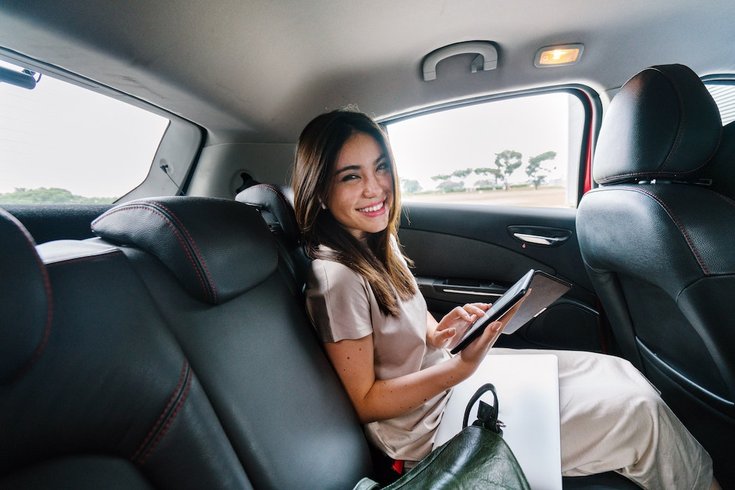
It’s second nature: When your Uber or Lyft pulls up, you hop in the back seat. Sure, you check that the license plate and driver photo match what’s on the app. But should you also pull out hand sanitizer and sit up front to be safer? Maybe you should, research shows. Concerns about cleanliness and the dangers of sitting in the back could give you pause the next time your ride rolls up to the curb. Experts say that riding in the back seat of a ride-hailing vehicle is germier than a toilet seat and potentially more dangerous than sitting in front. As millions of Americans embrace ride-hailing apps – and Uber gets ready to become a publicly traded company – the health and safety risks of back-seat riding are becoming clearer. According to a study by insurance company Netquote, the average rideshare vehicle has about 219 times as many germs as the average taxi, which is cleaned regularly. It’s nearly three times germier than the average toothbrush holder and more than 35,000 times germier than the average toilet seat. John Chung’s recent Lyft ride probably qualified. Chung, a Philadelphia-area resident, was visiting Cleveland on a business trip this month when he hopped into the back seat and discovered fingernail clippings and questionable residue. “I try not to touch too much, but what are you going to do?” he said, adding that he often feels like he doesn’t have viable alternative options.