Author: Truth & Hammer

  • May 20 Is World Bee Day

    May 20 Is World Bee Day

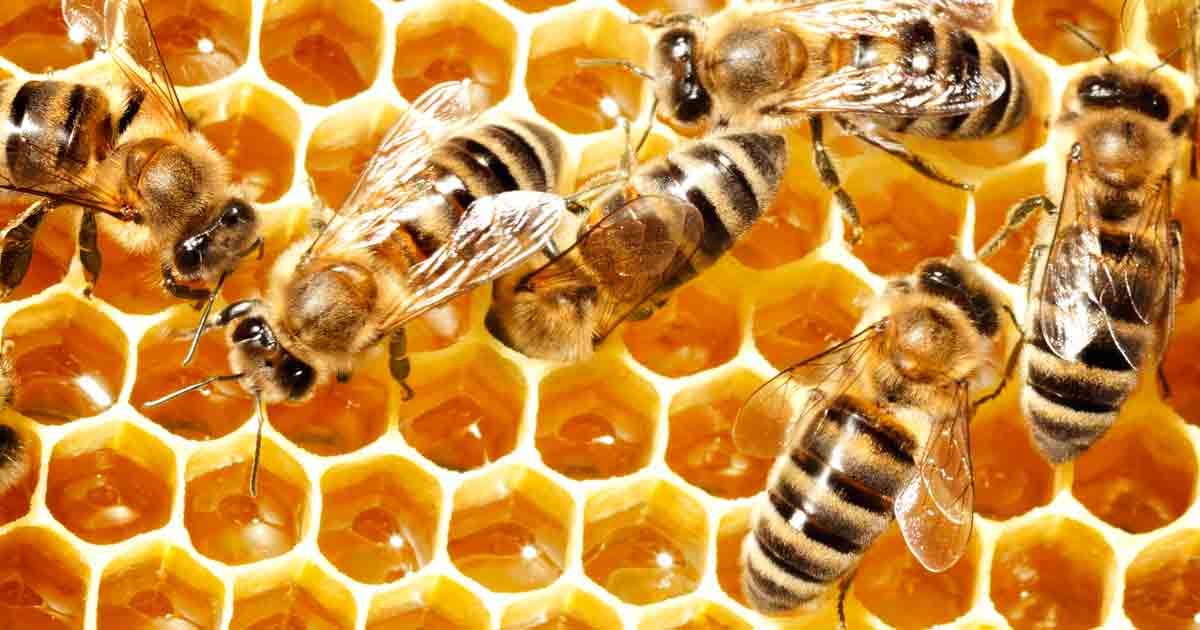
    Two years ago, in December 2017, the United Nations General Assembly declared May 20 of each year as World Bee Day. The resolution was the result of an initiative started in 2015 by the Slovenian Beekeepers’ Association in an effort to raise awareness about the importance of bees and other pollinating insects, all of which are threatened with extinction thanks to a wide range of toxic human activities.

    As explained by the U.N., May 20 was chosen because it “coincides with the birthday of Anton Janša, who in the 18th century pioneered modern beekeeping techniques in his native Slovenia and praised the bees for their ability to work so hard, while needing so little attention.”

    While bumble bees might be the most well-recognized, there are in fact between 25,000 and 30,000 different species of bees across the globe. On the Center for Food Safety’s website you can find a listing of some of the most common species, such as sweat bees, digger bees, carpenter bees, cuckoo bees, long-horned bees and many more.

    More than 75% of the world’s food crops depend on these and other pollinators, either wholly or in part, as do 90% of wild flowering plants. What’s more, in the past 50 years, there’s been a 300% increase in the volume of crops being produced that are dependent on pollination.

    As such, “Caring for bees and other pollinators is part of the fight against world hunger,” the U.N. says. It’s also important to protect and maintain biodiversity among bee species to ensure agricultural resilience.

    Report on Global Biodiversity Warns of Troubling Times Ahead

    The first report on “The State of the World’s Biodiversity for Food and Agriculture” by the U.N. Food and Agriculture Organization’s Commission on Genetic Resources for Food and Agriculture., issued in April 2019, warns that biodiversity is dwindling across the globe, thereby threatening global food production and human survival.

    All forms of life — animals, plants and microorganisms necessary for food, feed, fuel and fibers — are losing diversity. As reported by worldbeeday.org:

    “Of around 6,000 species of agricultural plants, fewer than 200 contribute to global food production, and just nine of them account for 66% of total crop yields. World livestock production is based on approximately 40 animal species, with just a handful providing the vast majority of meat, milk and eggs. The catch quantity is being exceeded for a third of fish stocks, while more than half have reached their limit of sustainability …

    At the meeting of the FAO Commission on Genetic Resources for Food and Agriculture the European Region proposed that the results of this report be included in the strategy of biodiversity being drawn up by FAO.

    Several countries proposed that countries should respond to the main conclusions of the report by including the findings and content in national policies, legislation, programmes and projects in the area of biodiversity in agriculture, forestry and food, in line with their capacities, while there is also an urgent need to formulate further measures to implement the conclusions from the report.

    The report will also be important for discussion on the global framework for biodiversity as part of the Convention on Biological Diversity after 2020 and for achieving the sustainable development goals of Agenda 2030.”

    Another global assessment report on pollinators, pollination and food production, released by the Intergovernmental Science-Policy Platform on Biodiversity and Ecosystem Services (IPBES) in 2016, found an estimated 16% of the vertebrate pollinators around the world are threatened by extinction, as are 30% of island species. According to IPBES vice-chair, Sir Robert Watson::

    “Wild pollinators in certain regions, especially bees and butterflies, are being threatened by a variety of factors. Their decline is primarily due to changes in land use, intensive agricultural practices and pesticide use, alien invasive species, diseases and pests, and climate change.”

    Bee Species Declining Across Northwestern US

    Similarly, researchers at the University of New Hampshire warn there’s been a “dramatic decline” of 14 wild bee species needed for pollination of apples, , and other crops grown in the Northwest. Sandra Rehan, assistant professor of biological sciences, told Science Daily:

    “We know that wild bees are greatly at risk and not doing well worldwide. This status assessment of wild bees shines a light on the exact species in decline, beside the well-documented bumble bees. Because these species are major players in crop pollination, it raises concerns about compromising the production of key crops and the food supply in general.

    We found that wild bee species that once greatly populated more southern areas near sea level are now in decline. While up north in more mountainous areas, like the White Mountains, those same species persist which is an indicator of how climate change is affecting certain populations, especially in the Seacoast area.”

    Using museum data stretching back 125 years (1891 through 2016), the researchers analyzed the prevalence of 119 wild bee species that are native to New Hampshire but also widespread across the Northeast and North America as a whole.

    Fourteen of the species were found to have significantly declined while eight species have significantly increased. Out of the 14 species in decline, 13 are ground nesters and one is a cavity nester. Overall, both declining and increasing species have been migrating northward over the last 125 years, suggesting changes in climate are a driving factor.

    ‘Bee Safe’ Pesticide Is Harmful to Bees, Research Shows

    In related news, the pesticide Sivanto (flupyradifurone), which its maker, Bayer CropScience, claims is completely safe for bees, may not be so safe after all. A yearlong investigation by the University of California (UC) San Diego found Bayer’s testing appears to have excluded common use cases that lead to abnormal behavior and increased mortality in exposed bees.

    Sivanto, developed to replace neonicotinoid pesticides, which are known to contribute to bee die-offs, was registered for commercial use in 2014 and is currently available in 30 countries including the U.S. and countries in Africa, Asia and Europe. Another 65 countries are also expected to give Sivanto the green-light of approval.

    It’s “bee safe” classification permits Sivanto to be sprayed on crops that are in bloom with actively foraging bees. However, according to this study, the pesticide “could in fact pose a range of threats to honeybees depending on seasonality, bee age and use in combination with common chemicals such as fungicides,” the press release states.

    The video above demonstrates the abnormal activity and motor coordination deficits exhibited by exposed bees. As noted in the press release, the researchers:

    “… showed that worst-case, field-realistic doses of Sivanto, in combination with a common fungicide, can synergistically harm bee behavior and survival, depending upon season and bee age. Bees suffered greater mortality — compared with control groups observed under normal conditions — and exhibited abnormal behavior, including poor coordination, hyperactivity and apathy.”

    Importantly, while official guidelines for pesticide risk assessment focus testing on bees inside the hive, the researchers discovered that the foragers are actually more susceptible to harm, in part because they’re more likely to be exposed and in part due to their age. Younger honeybees work inside the colony while the older ones forage outside the hive.

    In the case of Sivanto, the harmful effects were four times greater on foragers than in-hive bees. Needless to say, this still threatens the health of the entire colony. The harm was also greater on both types of worker bees during the summer, compared to spring.

    “According to the authors, the standard measurements of only lethal effects are insufficient for assessing the complexity of pesticide effects,” the press release notes. Lead researcher Simone Tosi, who works at ANSES, the French agency for Food, Environmental and Occupational Health & Safety, commented:

    “This work is a step forward toward a better understanding of the risks that pesticides could pose to bees and the environment. Our results highlight the importance of assessing the effects pesticides have on the behavior of animals, and demonstrate that synergism, seasonality and bee age are key factors that subtly change pesticide toxicity.”

    James Nieh, professor of biological sciences at UC San Diego, added:

    “Because standard risk assessment requires relatively limited tests that only marginally address bee behavior and do not consider the influence of bee age and season, these results raise concerns about the safety of multiple approved pesticides, not only Sivanto.

    This research suggests that pesticide risk assessments should be refined to determine the effects of commonly encountered pesticide cocktails upon bee behavior and survival … The idea that this pesticide is a silver bullet in the sense that it will kill all the bad things but preserve the good things is very alluring but deserves caution.”

    How to Celebrate World Bee Day and Protect Bees Every Day

    On worldbeeday.org, a number of suggestions can be found for how kindergartens and schools can get involved and celebrate World Bee Day with educational activities. For example, schools are encouraged to get together with local beekeeping associations to organize a visit to a local beekeeper where the children can learn about bees and nectar-bearing plants, honey production and how to set up a hive.

    On a more individual basis, there are a number of things you can do to help protect our pollinators, not only on World Bee Day but every day. Following are several suggestions issued by worldbeeday.org:

    Plant nectar-bearing flowers in your garden, yard or balcony to help feed the bees, and be sure to avoid using toxic pesticides and herbicides that might hurt pollinators! If you have a farm, large or small, be sure to incorporate flowers that support the wild bee population. The following video, made by Project Integrated Crop Pollination, demonstrates helpful planting practices.

    Buy honey and other hive products from local beekeepers to help keep them in business.

    Teach your children about the importance of bees and beekeepers.

    Set up a beehive.

    Preserve meadows and sow wildflowers in your garden, making sure the wildflower mix you choose contains flowers native to your area. Non-native plants do not contribute as much toward the care and feeding of local insects, as they are not able to adapt and feed on whatever is available. Hybridized plants also do not provide proper nourishment, and can be likened to “junk food” for insects, as they do not provide much in terms of nourishment.

    Wait to cut meadow grass until the nectar-bearing plants have finished blooming, so as not to rob bees of crucial nourishment.

    Avoid using toxic pesticides and herbicides. Even when using a nontoxic product, make sure to spray it when there’s little to no wind, and either early in the morning or late at night, when bees are not actively foraging.

    Blooming plants and trees that must be sprayed with pesticides should be mulched before spraying to avoid attracting bees.

    This content was originally published here.
  • 5G Danger: Hundreds Of Respected Scientists Sound The Alarm About Health Effects As 5G Networks Go Up Nationwide

    5G Danger: Hundreds Of Respected Scientists Sound The Alarm About Health Effects As 5G Networks Go Up Nationwide

    Even though many in the scientific community are loudly warning about the potential health effects that 5G technology could have on the general population, Verizon and AT&T are starting to put up their 5G networks in major cities all across the nation.  Today, the total number of cell phones exceeds the entire population of the world, and the big cell phone companies are making a crazy amount of money providing service to all of those phones.  And now that the next generation of cell phone technology has arrived, millions of cell phone users are looking forward to better connections and faster speeds than ever before.  In fact, President Trump says that 5G networks will be up to 100 times faster than the current 4G networks that we are using right now…

    5G will be as much as 100 times faster than the current 4G cellular networks. It will transform the way our citizens work, learn, communicate, and travel. It will make American farms more productive, American manufacturing more competitive, and American healthcare better and more accessible. Basically, it covers almost everything, when you get right down to it. Pretty amazing.

    And just as 4G networks paved the way for smartphones and all of the exciting breakthroughs — they made possible so many things — this will be more secure and resilient. 5G networks will also create astonishing and really thrilling new opportunities for our people — opportunities that we’ve never even thought we had a possibility of looking at.

    Sounds great, right?

    But in order to achieve such vastly superior performance, 5G networks will use technology that is completely different from 4G networks.

    5G waves are “ultra high frequency” and “ultra high intensity”, but they are also easily absorbed by objects such as buildings and trees.  So although cell towers will be much, much smaller, but they will also have to be much, much closer together than before.  According to CBS News, it is estimated that the big cell phone companies will be putting up at least 300,000 of these small towers, and it has been projected that it will cost hundreds of billions of dollars to fully set up the 5G network nationwide.

    Needless to say, there is a tremendous amount of money at stake, and the big cell phone companies are trying very hard to assure everyone that 5G technology is completely safe.

    But is it?

    Today, there is a growing body of scientific evidence that indicates that the electromagnetic radiation that we are constantly being bombarded with is not good for us.  Hundreds of scientists that are engaged in research in this area have signed the “International EMF Scientist Appeal”, and this is how that document begins…

    We are scientists engaged in the study of biological and health effects of non-ionizing electromagnetic fields (EMF). Based upon peer-reviewed, published research, we have serious concerns regarding the ubiquitous and increasing exposure to EMF generated by electric and wireless devices. These include–but are not limited to–radiofrequency radiation (RFR) emitting devices, such as cellular and cordless phones and their base stations, Wi-Fi, broadcast antennas, smart meters, and baby monitors as well as electric devices and infra-structures used in the delivery of electricity that generate extremely-low frequency electromagnetic field (ELF EMF).

    In the next paragraph, we are told that “cancer risk”, “genetic damages”, “functional changes of the reproductive system”, and “neurological disorders” are some of the health risks that have been discovered by the scientific research that has been conducted so far…

    Numerous recent scientific publications have shown that EMF affects living organisms at levels well below most international and national guidelines. Effects include increased cancer risk, cellular stress, increase in harmful free radicals, genetic damages, structural and functional changes of the reproductive system, learning and memory deficits, neurological disorders, and negative impacts on general well-being in humans. Damage goes well beyond the human race, as there is growing evidence of harmful effects to both plant and animal life.

    And remember, 5G technology is going to take all of this to an entirely new level.

    Because the 5G towers are going to be so powerful and so close together, it will essentially be like living in a closed radiation chamber 24 hours a day.

    Over in Israel, one scientist has discovered that the surface of the human body actually draws in 5G radiation “like an antenna”

    What’s further disturbing about 5G radiation is how the human body responds to and processes it. Dr. Ben-Ishai from The Hebrew University of Jerusalem discovered as part of a recent investigation that human skin acts as a type of receptor for 5G radiation, drawing it in like an antenna.

    “This kind of technology, which is in many of our homes, actually interacts with human skin and eyes,” writes Arjun Walia for Collective Evolution about the study.

    “… human sweat ducts act like a number of helical antennas when exposed to these wavelengths that are put out by the devices that employ 5G technology,” he adds.

    In other words, our bodies are essentially magnets for 5G radiation.

    So will it be worth it?

    Will you be willing to risk your life in order to have better connections and faster speeds?

    Sure, your phone will be more useful than ever before, but there is also the possibility that you could get cancer.  Even the American Cancer Society acknowledges the risk…

    A recent large study by the US National Toxicology Program (NTP) exposed large groups of lab rats and mice to RF energy over their entire bodies for about 9 hours a day, starting before birth and continuing for up to 2 years (which is the equivalent of about 70 years for humans, according to NTP scientists). The study found an increased risk of tumors called malignant schwannomas of the heart in male rats exposed to RF radiation, as well as possible increased risks of certain types of tumors in the brain and adrenal glands.

    Of course all previous studies have been done on existing cell phone technology.

    No studies have been done on the health effects of our new ultra-powerful 5G technology, and this has many scientists extremely concerned.

    Dr. Martin Pall, a PhD and Professor Emeritus of Biochemistry and Basic Medical Sciences at Washington State University, says that rolling out 5G without any safety testing whatsoever “has got to be about the stupidest idea anyone has had in the history of the world”.

    Unfortunately, there is no organized opposition and 5G networks are going up all over the country right now.

    So it won’t be too long before you are being bombarded by “ultra high frequency” and “ultra high intensity” cell phone radiation wherever you go, and most people won’t even realize what is happening.

    And if you do get sick, the cell phone companies sure aren’t going to pay the bill.

    About the author: Michael Snyder is a nationally-syndicated writer, media personality and political activist. He is the author of four books including Get Prepared Now, The Beginning Of The End and Living A Life That Really Matters. His articles are originally published on The Economic Collapse Blog, End Of The American Dream and The Most Important News. From there, his articles are republished on dozens of other prominent websites. If you would like to republish his articles, please feel free to do so. The more people that see this information the better, and we need to wake more people up while there is still time.

    This content was originally published here.
  • Ariana Grande sued for posting photo of herself

    Ariana Grande sued for posting photo of herself

    Oops.

    Ariana Grande

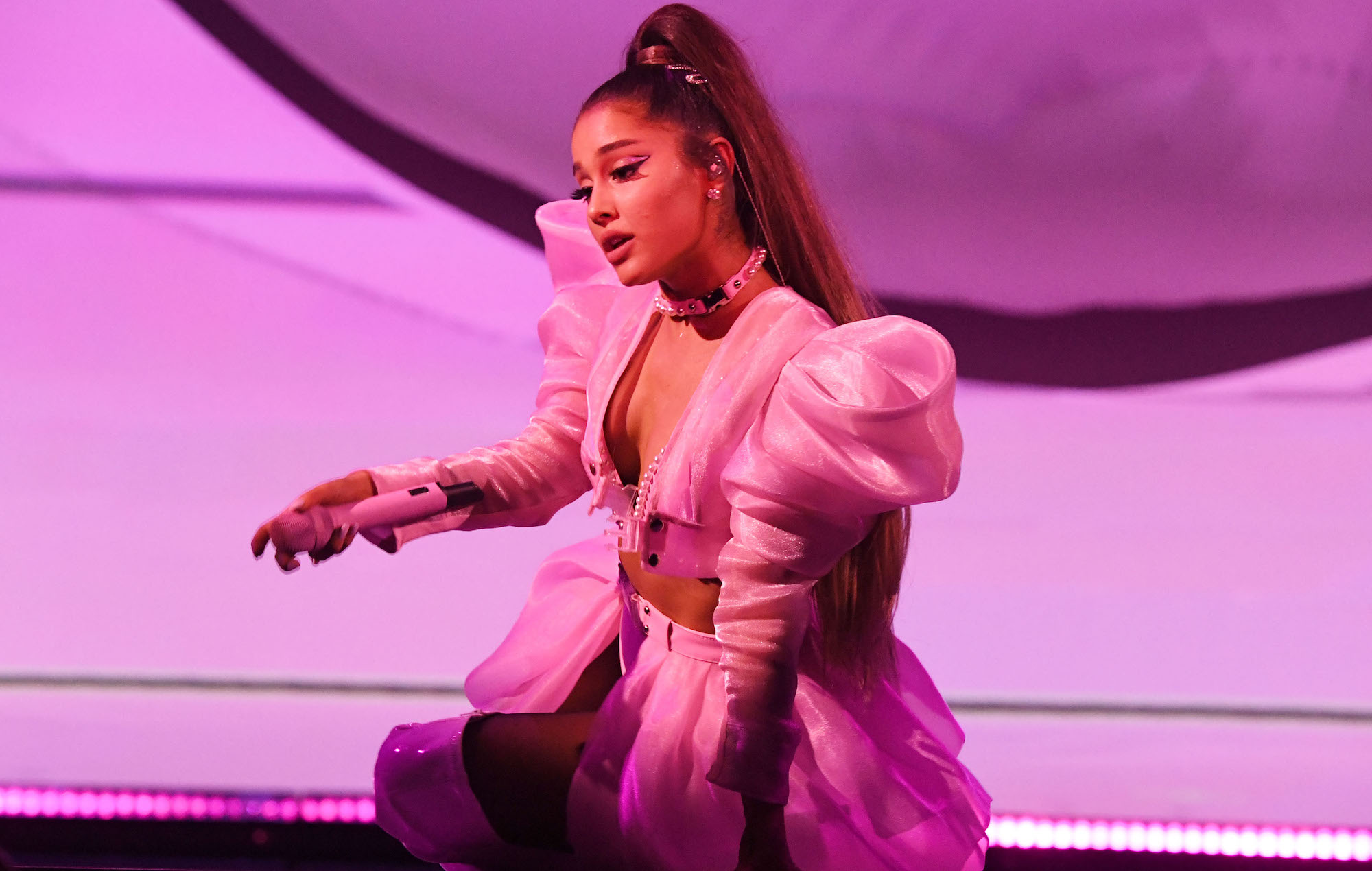
    Ariana Grande is reportedly being sued by a photographer after the pop giant posted a photo he had taken of her.

    The singer faces legal action from paparazzo Robert Barbera, who alleges that she violated copyright law by posting two pictures of herself on social media. The photos, who Barbera took in 2018, show the singer walking out of a building while holding a bag sporting the name of her ‘Sweetener’ album. Grande posted the pictures on Instagram and Twitter last August to coincide with the record’s release.

    While Barbera’s original lawsuit focused on the copyright violation, he is also suing her for damages amounting to either $25,000 (£20,000) or all the profits Grande earned from the photos – which means that he could potentially in a cut of the album’s first-day sales.

    Ariana Grande

    Ariana Grande

    The lawsuit, obtained by TMZ, states: ““[Grande] infringed [Barbera’s] copyright in the Photographs by reproducing and publicly displaying the Photographs on the Instagram Page… [Grande] is not, and has never been, licensed or otherwise authorized to reproduce, publically display, distribute and/or use the Photographs.”

    The legal challenge comes only months after Grande kicked off her massive ‘Sweetener’ world tour – which arrives in Europe this summer.

    Reviewing her stop-off at Los Angeles’ Staples Center earlier this month, NME wrote: “The ‘Sweetener’ world tour might be mostly similar to the singer’s Coachella set but, with the luxury of more time and control, it does a better job at charting the evolution of one of pop’s brightest stars.”

    The post Ariana Grande sued for posting photo of herself appeared first on NME.

    This content was originally published here.

  • Trump vows to ‘end’ Iran if it threatens US again

    Trump vows to ‘end’ Iran if it threatens US again

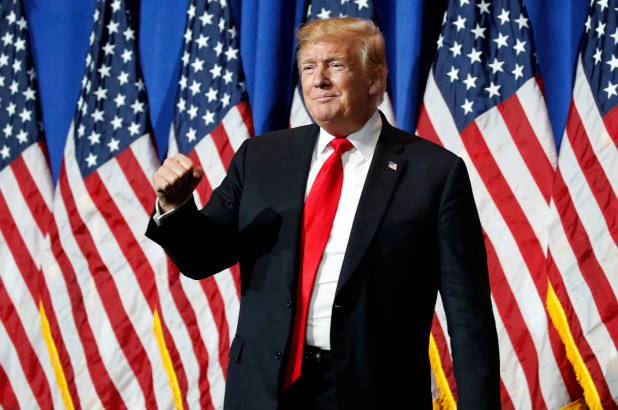
    President Trump threatened to destroy Iran in a tweet sent in the wake of reports that a rocket was fired into Baghdad’s heavily fortified Green Zone less than a mile from the US Embassy.

    “If Iran wants to fight, that will be the official end of Iran. Never threaten the United States again!,” Trump tweeted Sunday afternoon.

    It’s unclear exactly what prompted Trump’s posting, but news outlets reported explosions in Iraq’s capital and that a rocket launcher was discovered in eastern Baghdad, an area that is home to Iranian-backed Shiite militias.

    Roads leading into the Green Zone were briefly closed and no casualties were reported.

    Amid escalating tensions between the US and Iran, there have been concerns that Iraq, where Iranian forces and about 5,000 American troops are stationed, could become entangled in the standoff.

    A Saudi Arabian diplomat said his country doesn’t want to go to war with Iran but will defend itself after two Saudi oil tankers were targeted by acts of sabotage off the coast of the United Arab Emirates last week.

    No group has claimed responsibility for the sabotage, but US officials signaled in reports that Iran encouraged Iraq-based Iranian militants to carry it out.

    Riyadh also accused Tehran of being behind a drone attack on two oil pumping stations in the kingdom, for which Yemen’s Iranian-aligned Houthi group claimed responsibility.

    “The kingdom of Saudi Arabia does not want war in the region and does not strive for that … but at the same time, if the other side chooses war, the kingdom will fight this with all force and determination and it will defend itself, its citizens and its interests,” Minister of State for Foreign Affairs Abel al-Jubeir told reporters.

    The top commander of Iran’s Revolutionary Guard Corps, the country’s elite fighting force, echoed the same sentiments through state media Sunday.

    “Iran is not looking for any type of war, but it is fully prepared to defend itself,” said Maj. Gen. Hossein Salami.

    Tensions have been heightened between Washington and Tehran after reports said Iran was planning to carry out attacks on American troops and ships in the region.

    Earlier this month, the White House sent warships and bombers into the Persian Gulf to counter any threats from Iran and evacuated non-emergency personnel from Iraq.

    The US Navy said the USS Abraham Lincoln aircraft carrier strike group conducted exercises in the Arabian Sea over the weekend in a show of the US military’s “lethality and agility to respond to threat” and to protect US interests.

    Trump has employed such bluster before, including when he was negotiating with North Korea to ditch its nuclear weapons program.

    Responding to reports that North Korea had succeeded in attaching nuclear warheads to ballistic missiles, Trump warned leader Kim Jong Un not to threaten the US.

    “North Korea best not make any more threats to the United States,” Trump told reporters in August 2017. “They will be met with fire and fury like the world has never seen.”

    source

  • Morehouse commencement speaker to pay off Class of 2019’s student loans

    Morehouse commencement speaker to pay off Class of 2019’s student loans

    Billionaire Robert F. Smith, who received an honorary doctorate at Morehouse College’s Sunday morning graduation exercises, had already announced a $1.5 million gift to the school.  But during his remarks in front of the nearly 400 graduating seniors, the technology investor and philanthropist surprised nearly everyone by announcing that his family was providing a grant to eliminate the student debt of the entire Class of 2019.   “This is my class,” he said, “and I know my class will pay this forward.”  The announcement came as a surprise to Smith’s staff and to the staff at Morehouse, and elicited the biggest cheers of the morning.  Tonga Releford, whose son Charles Releford III is a member of the Class of 2019, estimates that his student loans are about $70,000.  “I feel like it’s Mother’s Day all over again,” she said.  The gift has been estimated to be worth up to $40 million.

    source

  • DNA tests reveal 30% of suspected fraudulent migrant families were unrelated

    DNA tests reveal 30% of suspected fraudulent migrant families were unrelated

    Some of the migrant families arrested at the southern border weren’t actually families.

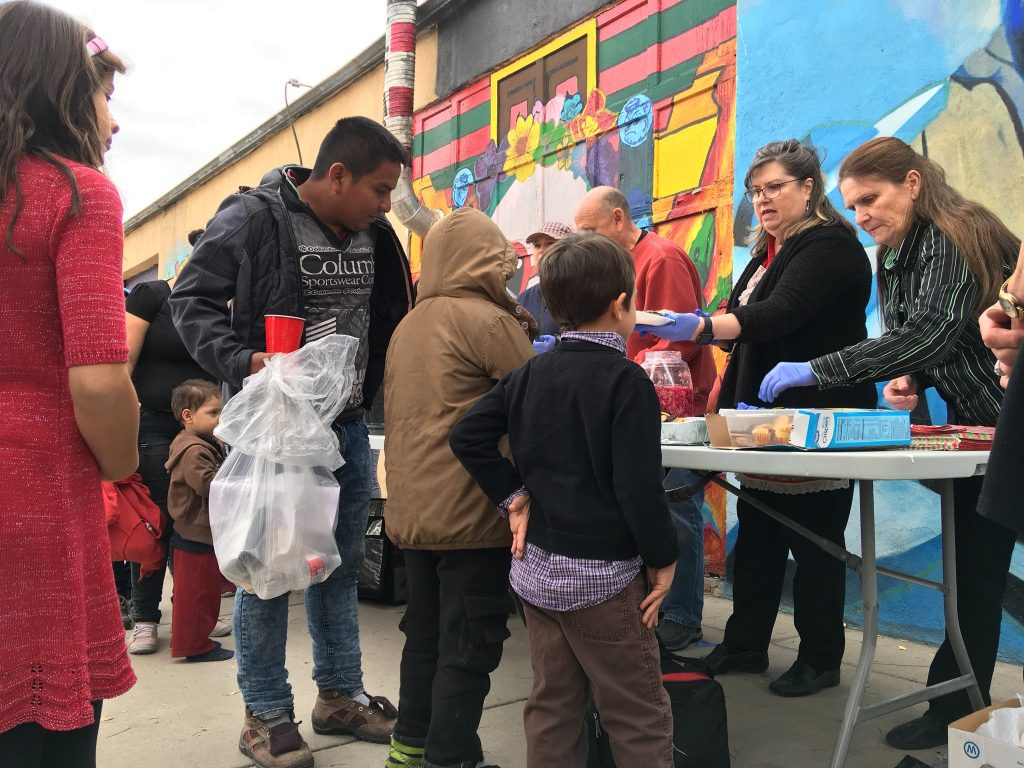
    In a pilot program, approximately 30% of rapid DNA tests of immigrant adults who were suspected of arriving at the southern border with children who weren’t theirs revealed the adults were not related to the children, an official involved in the system’s temporary rollout who asked to be anonymous in order to speak freely told the Washington Examiner Friday.

    “There’s been some concern about, ‘Are they stepfathers or adopted fathers?’” the official said. “Those were not the case. In these cases, they are misrepresented as family members.”

    In some incidents where Immigration and Customs Enforcement told the adults they would have to take a cheek swab to verify a relationship with a minor, several admitted the child was not related and did not take the DNA test, which was designed by a U.S. company.

    The pilot lasted a few days earlier this month and was used only in McAllen, Texas, and El Paso, Texas. ICE said the Department of Homeland Security would look at the results to determine if it will be part of its comprehensive solution to border issues. Homeland Security has not issued a public statement on its intentions going forward.

    “This is certainly not the panacea. It’s one measure,” said the official.

    One upside, the source said, was that in addition to verifying bogus relationships, it also verified many when Homeland Security personnel were unsure.

    The Examiner reported in March the Department of Homeland Security and ICE were looking at adopting the test, made by a company called ANDE. On May 1, DHS announced it would launch a pilot of the program in instances where ICE Homeland Security Investigations agents could not verify a family unit’s relationships.

    The debut marked the first time DNA testing of any sort has been at the border. Currently, ICE and U.S. Customs and Border Protection must use verbal statements and written documents to verify family connections.

    source

  • Burger King To Deliver Whoppers To LA Drivers Stuck In Traffic

    Burger King To Deliver Whoppers To LA Drivers Stuck In Traffic

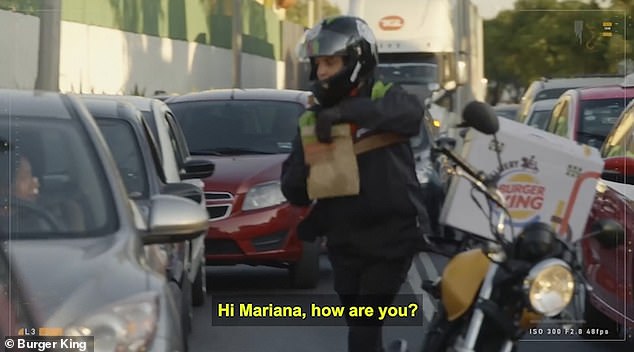
    After a successful test in Mexico City, fast-food chain Burger King will begin delivering food to drivers caught in traffic in Los Angeles in what they have dubbed The Traffic Jam Whopper.  According to several reports, the direct-to-car delivery service will use motorcyclists to delivery food to those stuck in traffic jams using real-time data to pinpoint Burger King fans on the road.  Drivers are welcome to order from a Burger King app when they are within a delivery zone, roughly a 1.9-mile radius from the closest Burger King restaurant.  In efforts to ensure safety and avoid tickets, the app used to make orders will function using voice commands . Orders in the test were limited to a Whopper combo meal, including fries and choice of bottled Pepsi or water.  Once the order is placed, Burger King’s delivery people will utilize Google map technology via the app to pinpoint the driver’s exact location.  Deliveries were reported to typically happen within 15 minutes from when the order was placed.

    source

  • Britney Spears May Never Perform Again, Manager Says

    Britney Spears May Never Perform Again, Manager Says

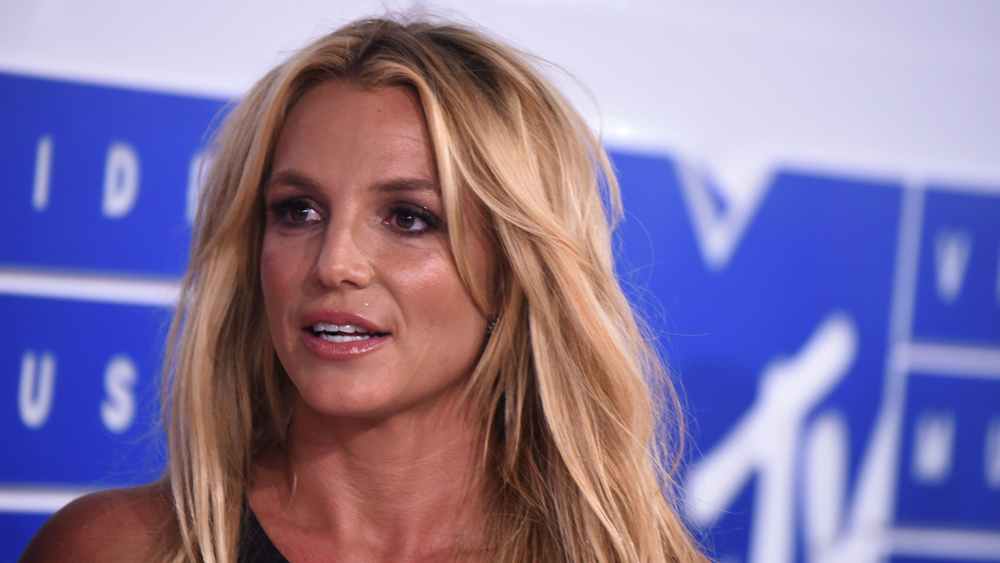
    longtime manager Larry Rudolph says the singer may never perform again. Speaking to TMZ, Rudolph said, “As the person who guides her career — based on the information I and all of the professionals who work with her are being told on a need-to-know basis — from what I have gathered it’s clear to me she should not be going back to do this Vegas residency, not in the near future and possibly never again.”

    Rudolph has managed Spears for most of her career, going back to her first album, “Baby… One More Time,” in 1999. “I’ve been with her for two-thirds of her life,” he tells Variety. “I look at her almost like I look at my own daughter. It’s very emotional for me … and really rough. Personally, I want for her to just find a peaceful, happy place — whatever that means for her. It’s not about a career anymore — it’s about life.”

    The singer is scheduled to undergo psychological evaluation after postponing her Las Vegas residency in the wake of her father’s recent treatment for a ruptured colon. Rudolph says that, though Spears had rehearsed the show (the residency was due to launch on February 13), the Vegas engagement is effectively off, which is what prompted his speaking out in the early hours of May 15.

    The decision was made “not to move forward with the Vegas residency,” he explains, adding that the question of what she’s going to do next is not the focus Spears or her family is concerned with right now. “She’s taking time to regroup and get her head together,” says Rudolph. “She’s putting herself ahead of everyone else, and I’m proud of her for that. If she never works again, she never works again. My role is to handle her career when she wants a career. If she comes back strong and full of desire and passion and wants to do it, great. If she takes off six months or six years, it’s totally fine. To me, it’s about her finding her happy place.”

    Spears’ father Jamie Spears has been her co-conservator since 2008 when she suffered a very public breakdown. He became sole conservator this year after attorney Andrew Wallet resigned from his co-conservatorship in March. Jamie Spears’ recovery from his ailment evidently has not been smooth; after postponing her residency, Britney later checked herself into a health facility for a month-long stay, suffering from stress due to his illness.

    Rudolph says that “[Britney] is the one whose focus is on on [getting better]. She’s driving it.” This runs contrary to the belief put forward by the “Free Britney” movement that she’s effectively imprisoned against her will. “I understand how much these fans love her and support her and I love that,” says Rudolph. “The part that concerns me is that it has no factual basis. The personal issues that Britney is dealing with are highly complicated and the conservatorship is there for a reason. The courts of the State of California take this very seriously. I hope the people allow her to have her private time.”

    source and more

  • Lifeguard Survival Strap

    Lifeguard Survival Strap

    Lifeguard Survival Strap

    • Ideal for Hunting, Yard work, Hiking, Runners, Training, Bikers, Police, Fireman, Boating, Canoeing, Anywhere you want to go or travel
    • A top pocket for your favorite knife or pepper spray
    • 2 pockets are designed for food, bottom zip pocket is for wallet or ID and keys
    • A place for (2) 16oz water bottles or hydration pack and the bottom zip pocket has a place for a small First Aid kit
    Click Here for More Information

  • Amazon faces backlash in India

    Amazon faces backlash in India

    Amazon.com faced a social media backlash in India on Thursday after toilet seat covers and other items emblazoned with images of Hindu gods were spotted on its website.  Thousands of Twitter users backed a call for a boycott of the U.S. retailer, making #BoycottAmazon India’s top trending topic on Twitter. Some tagged Indian Foreign Minister Sushma Swaraj, urging her to take action against the company.  Amazon, the world’s biggest online retailer, said it was removing the products from its online store.  “All sellers must follow our selling guidelines and those who do not will be subject to action including potential removal of their account,” the company said in a statement.  The episode is reminiscent of an incident in 2017 when the Indian government took Amazon to task after its Canadian website was spotted selling doormats resembling India’s flag.  Swaraj at the time threatened to rescind visas of Amazon employees if the doormats were not removed from its site.  Reuters found several listings of toilet seat covers, yoga mats, sneakers, rugs and other items depicting Hindu gods, or sacred Hindu symbols, on Amazon’s U.S. website.  Some of the items were no longer available for purchase.  “Until you hit these Hinduphobics Business hard they will keep on insulting your gods, your beliefs & your entire civilization,” tweeted Sumit Kandel, whose profile describes him as a film trade analyst. (Reporting by Sankalp Phartiyal; Editing by Mark Potter and Susan Fenton)

    source