Author: Truth & Hammer

  • Texas woman banned from Walmart reportedly for eating half a cake and refusing to pay

    Texas woman banned from Walmart reportedly for eating half a cake and refusing to pay

    More than six months after a Texas woman was banned from a Walmart by Wichita Falls police for drinking wine from a Pringles can, a second woman was reportedly banned for eating cake. According to Wichita Falls Police Department spokesman Jeff Hughes, officers received a report June 25 of a woman who had entered the Walmart, ate half of a cake and refused to pay for the other half. Hughes said the woman was banned from the store by police for the theft, the Wichita Falls Times Record News reported.  In that case, which happened at another Wichita Falls Walmart, police received a call about a woman drinking wine from the Pringles can while riding on an electric shopping cart in the parking lot. Walmart employees had requested officers ban the woman who reportedly made the parking lot ride for several hours starting around 6:30 a.m. When officers arrived, they found the woman in a nearby restaurant and notified her that she had been barred from the Walmart location. The story garnered national attention, with late night host Stephen Colbert mentioning the incident while drinking from a can of the chips and “The Late Show’s” Twitter account tweeting about it.


  • Study finds residue of pesticides, antibiotics and growth hormone in non-organic milk

    Study finds residue of pesticides, antibiotics and growth hormone in non-organic milk

    Results from a recent study examining what’s in organic versus conventional milk show that the majority of samples of conventional, non-organic milk tested positive for certain low, chronic levels of pesticides, illegal antibiotics and growth hormones. The organic samples tested at either much lower or non-existent rates in comparison. “To our knowledge, the present study is the first study to compare levels of pesticide in the U.S. milk supply by production method (conventional vs. organic),” the researchers noted. “It is also the first in a decade to measure antibiotic and hormone levels and compare them by milk production type.” However, an expert reviewing the study at USA TODAY’s request expressed caution at overinterpreting the results. The study, conducted by Emory University in Atlanta was funded by Washington, D.C.-based nonprofit research organization The Organic Center and looked at a total of 69 samples of conventional and organic milks pulled from retail stores around the U.S., which were then shipped overnight to Georgia to be analyzed. The results have been published online June 26 by peer-reviewed journal Public Health Nutrition.

    Pesticide residues were found in up to 60% of conventional samples and none of the organic samples. Those included atrazine (26%), chlorpyrifos (59%), cypermethrin(49%), diazinon (60%), and permethrin (46%). “To what impact these chemicals that we’re seeing in the supply are having, we don’t know,” said Jean Welsh, a nutritional epidemiologist who proposed the Emory study, noting that, “this study wasn’t designed to look at that.” Jessica Shade, director of science programs for The Organic Center said,  “This study finds that the presence of antibiotics and pesticides in conventional milk is much more prevalent and pervasive than previously thought.” The Organic Center operates with oversight from the Organic Trade Association, an organization focused on promoting the organic business community. OTA members include a range of businesses from small organic farmers and mom-and-pop operations to brands like Pure Organics, Moodbeli and Horizon Organic and retailers such as Whole FoodsThe presence of these antibiotics in conventional milk, however, isn’t necessarily a sign of illegal antibiotic use. They’re illegal only for use in cows producing milk, meaning calves can be administered doses of sulfonamide drugs to treat bacterial diseases, as long as they’re under 20 months old, says Jamie Jonker, a vice president for the National Milk Producers Federation.  Any positive test results for sulfonamides could be the result of leftover antibiotics from that time or intentional misuse, Jonker said.

    When it comes to the question of hormones in milk, cow-derived hormones were found in both conventional and organic samples. The difference was in how much. The study said the dramatic difference suggests “the use of synthetic growth hormones,” but Welsh said that there currently isn’t a research method to differentiate which hormones are naturally or synthetically produced.  Synthetically produced bGH has not been shown to have adverse health effects on either humans or cows, according to a 2014 study published in the Journal of Animal Science by Cornell University’s Dale Bauman and the University of Arizona’s Robert CollierCows supplemented with bGH have been shown to produce nutrients and milk more efficiently. One pesticide on the list, chlorpyrifos, has recently been in California’s crosshairs, with plans to ban it announced in May. It’s used on row crops such as corn, soybeans, fruit and nut trees, Brussels sprouts, cranberries, broccoli, and cauliflower, as well as on non-agricultural spaces such as golf courses, according to the Environmental Protection Agency.   Again, the use of hormones and pesticides is off limits for organic farmers. That said, some banned legacy pesticides were found in nearly all samples of both organic and conventional milk, the study showed, as they remain “persistent, at very low background levels in the environment.” Levels in the conventional milk again surpassed what was found in the organic samples. “Traces of these legacy pesticides persistently show up in any test for residues, so we were not surprised that they were detectable in both organic and conventional milk,” Shade said.

    source

  • Keep that Backpack Light with Freeze-dried Food from Home | Harvest Right™ | Home Freeze Dryers | Freeze Dried Food Storage

    Keep that Backpack Light with Freeze-dried Food from Home | Harvest Right™ | Home Freeze Dryers | Freeze Dried Food Storage

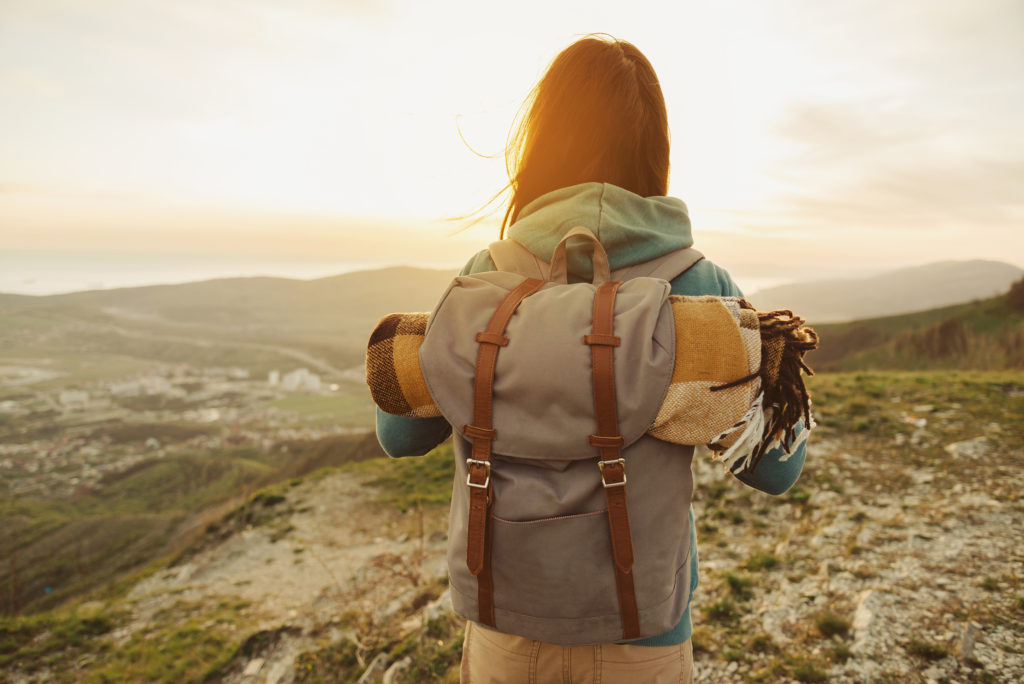
    Traversing a trail through nature for a period of time with nothing but what you can carry on your back can be a very satisfying and fun adventure. Of course, if that backpack you are relying on is extremely heavy, it can also be a miserable and painful experience. Making sure you have what you need, while keeping your pack light is critical.

    An overweight backpack can cause serious problems. Your body will adjust for the extra weight by leaning forward. This can cause back problems and reduce your balance making it easier to fall. Your body will also compensate for the extra weight by using other muscles which can cause severe muscle strain. 

    Backpacking experts suggest the following general guidelines:

    One of the easiest ways to decrease the overall weight of your backpack is by packing freeze-dried food. With a freeze dryer from Harvest Right, you are able to preserve the food and meals that you like to eat at home and then take them with you on the trail. Unlike the freeze-dried food you purchase in a store or online, the food you freeze dry at home is not loaded with salt and other preservatives. Not only is freeze-dried food lightweight, it is also nutritious, retaining almost all the original nutrients during the freeze-drying process. Freeze-dried food from home tastes better than anything else that will fit in your backpack and is lightweight. It’s perfect for every outdoor enthusiast.


    This content was originally published here.

  • Bubonic Plague In LA: California On The Verge Of Becoming A Third World State

    Bubonic Plague In LA: California On The Verge Of Becoming A Third World State

    Authored by Mac Slavo via SHTFplan.com,

    The city of Los Angeles is quickly descending into a cesspool of decay and disease.  With bubonic plague now likely present amongst residents, the city and the state of California are on the verge of becoming a third-world hellscape.  Some say that that’s already happened…

    Tucker Carlson had historian Victor Davis Hanson on his show just last week, where the latter said that California is on the verge of becoming the nation’s first Third World state. From trash being illegally dumped to city hall becoming a rat-infested den in the city of LA, it all points to the decay suffered when Democrats run things. Even police stations in the city are loaded with rats and according to Townhall, one was fined $5,000 over its conditions that left one officer stricken with typhoid fever. California’s descent has gotten to the point where there is a possibility that bubonic plague (the black death) may now be present in the city.

    This isn’t new information either. Typhus outbreaks were being reported back in February. Typhus is not transmitted person-to-person, and flea-borne typhus can spread to people from infected fleas and their feces. Typhus infection can be prevented through flea control measures on pets, using insect repellent to avoid flea bites and clearing areas that can attract wild or stray animals like cats, rats, and opossums, according to the Department of Public Health.

    Typhus is spread by fleas hitching a ride on rats. While the general population struggles under the weight of the government (local, state, and federal in LA’s case) and the homeless population continues to climb up, the same cannot be said for the rats that carry fleas the cause typhus. The rat population in LA is doing just fine, however, as piles of garbage dot the cityscape, making it Thanksgiving Day every day for the city’s fat, happy rodents, wrote the American Thinker. -SHTFPlan

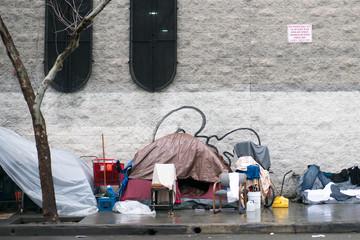
    California’s burgeoning homeless camps are not the most hygienic places to live, obviously.  And with the homeless population growing daily, the encampments are becoming more dangerous when it comes to crime and disease. Dr. Drew Pinsky said this month that there has been a total and complete breakdown of services in the city that has placed the population at risk of infection and other health-related issues.

    “We have a complete breakdown of the basic needs of civilization in Los Angeles right now,” Pinsky told Fox News host Laura Ingraham.

    “We have the three prongs of airborne disease, tuberculosis is exploding, rodent-borne. We are one of the only cities in the country that doesn’t have a rodent control program, and sanitation has broken down.”

    Pinsky said bubonic plague, which is also known as the “Black Death,” a pandemic that killed off millions in the 14th century, is “likely” already present in Los Angeles. The plague is spread by infected fleas and exposure to bodily fluids from a dead plague-infected animal, with the bacteria entering through the skin and traveling to lymph nodes.

    This is unbelievable. I can’t believe I live in a city where this is not Third World. This is medieval,” Pinsky said, according to Fox News. 

    “Third World countries are insulted if they are accused of being like this. No city on Earth tolerates this. The entire population is at risk.”

    via zerohedge

    This content was originally published here.

  • Fears Of Volcano Eruption After Yellowstone Hit By 81 Earthquakes In A Month

    Fears Of Volcano Eruption After Yellowstone Hit By 81 Earthquakes In A Month

    Geology Professor Emeritus Scott Burns of Portland State University has warned of alarming seismic activity near the Yellowstone volcano site. Burns said that an intense wave of small tremors has occurred around the site, which is usually a sign of magma movement beneath the surface.

    “If you get swarms under a working volcano, the working hypothesis is that magma is moving up underneath there,” Burns said.

    Burns says that there have been 80 some earthquakes in the region during the month of June. Earthquakes are common in the area, due to all of the magma that moves beneath the surface, but Burns finds the frequency of these quakes especially alarming because of how close together they are. He believes that this could be a sign that magma is attempting to escape from the surface, which would have disastrous results for the entire country, especially for those living within the blast radius of the volcano.

    Yellowstone Geyser. Photo Credit: Pixabay

    Meanwhile, Yellowstone’s Steamboat Geyser has also shown signs of increased activity this month as well. The Geyser broke a record for its most active cycle this month, erupting twice in three days, first on June 12, then again on June 15.

    However, experts say that there is nothing for us to worry about because the geyser’s activity is unrelated to the volcano.

    As volcanologist Janine Krippner explained in a series of tweets this week, the magma provides the heat for geysers, but geyser activity is not a sign of an impending eruption.

    “Yellowstone has an incredible geyser system that is unrelated to magmatic activity – other than the magmatic system basically providing heat,” Krippner says.

    Correct! You can read about how geysers work (and how they do not indicate magmatic activity) here: https://t.co/U1IMIgNf6f https://t.co/NeIHmUwyAM

    — Dr Janine Krippner (@janinekrippner) June 27, 2019

    However, other experts are skeptical about the possibility of an impending disaster at Yellowstone.

    Jamie Farrell of the University of Utah in Salt Lake City told Express that earthquakes are merely a natural feature of the environment.

    “Earthquake swarms are fairly common in Yellowstone. There is no indication that this swarm is related to magma moving through the shallow crust,” Farrell said.

    Still, if an eruption were ever to occur at Yellowstone, experts predict that it would be an event that would change civilization. It is estimated that roughly 87,000 people would be killed instantly in the blast, and more than half of the United States would become uninhabitable. Some researchers believe that the large cloud of ash sent up into the atmosphere would cause a “nuclear winter” by blocking out the sunlight.

    Photo credit: The Weather Network

    Similar concerns were voiced in 2014, after the region was rocked by the worst earthquake seen in years.

    According to Yellowstone observatory, seismic activity is fairly common in this area, but the earthquakes usually aren’t as powerful as the one seen in 2014. The observatory reported that 1 to 20 earthquakes occur every day, however, they are very weak, often measuring much less than magnitude 3. The earthquake in 2014 was measured a 4.8 and was the most powerful quake to hit the park since 1980.

    There have been six earthquakes with a magnitude of at least 6 or higher in historical times, including a 7.2‑magnitude quake at Hebgen Lake which occurred in 1959.

    In January of 2010,  over 250 earthquakes were detected over a two day period.

    This content was originally published here.

  • 9 Secrets Your Pastor’s Wife Won’t Say Out Loud

    9 Secrets Your Pastor’s Wife Won’t Say Out Loud

    NOTE: This article originally appeared here on the Shattered Magazine site.

    The pastor’s wife is always there. Sometimes in the background, sometimes with a welcoming smile up front, sometimes noticed and appreciated, sometimes being silently judged. Your pastor’s wife: the powerful force behind most church leaders often perceived as a mystery by the rest of the church. It doesn’t have to be that way.

    What if we just asked our pastor’s wife to candidly, honestly, even anonymously, share some of their secrets? What if we invited them to share their hearts and tell us what they wished the church knew?

    I posed a simple, open-ended question to a panel of pastors’ wives in different states, from different denominations, with various years of service: “If you could tell the church a few things about your role as a pastor’s wife, what would you say?”

    The women selected are the wives of music ministers, children’s leaders, senior pastors and youth pastors. Some of them serve in churches with large staff and even larger budgets, others in newer church plants, and even some from old and barely surviving congregations. Despite such different backgrounds, their responses were strangely similar and in several cases, almost identical.

    I’ve sat for coffee, exchanged emails and had lengthy conversations with many who freely shared their secrets with me in exchange for the promise of anonymity. What follows is a condensed collection of their words.

    1) “I wish people knew that we struggle to have family time.”

    There was one common response that I received from every single pastor’s wife. Every. Single. One. Over and over again, many pastors’ wives shared numerous occasions where planned vacations had been cut short (wouldn’t that be hard?). They told me tales of family evenings being rearranged for crises of church members, middle of the night emergencies and regular interruptions. A true day off is rare; even on scheduled days off, their husbands are essentially on call 24/7.

    2) “Almost every day, I’m afraid of screwing it all up.”

    They don’t have it all together. They battle many of the same issues every other woman battles: marriage issues, extended-family difficulties, sickness, finances, children who make poor decisions, fear and insecurities. Some seasons of life are obviously harder than others; but remember, ministry wives are not Wonder Woman with special powers. Please have a little mercy and extend grace.

    3) “Being a pastor’s wife is THE loneliest thing I’ve ever done and for so many reasons.”

    Personally, I think this is surprising to many (it was to me). Several ladies shared the difficulties of finding friendships that are safe, being looked at (or treated) differently, and even the desire to be invited for an occasional ladies night out. One woman shared, “Invite us to something just to get to know us. We like being known.” People in the church often assume that the pastor’s wife is always invited and popular. In reality, for whatever reason, many ladies fear befriending them. On Sunday mornings, pastors’ wives are often sitting solo, and those with children are essentially single parenting.

    4) “It is OK and welcomed to have conversations with me about things that do not pertain to church, or even Jesus. There I said it!”

    They have a variety of interests. Believe it or not, many pastor’s wives went to college and had full-time careers before becoming “Mrs. Pastor’s Wife.” They have hobbies, likes and dislikes, and though they often serve beside their husband, they are individuals with their own unique gifts. Do not make the mistake of assuming your pastor’s wife has the same personality as her husband. One wife shared that as newly weds when they announced their engagement, people regularly commented on how good of a singer she must be (because her husband-to-be was a music minister). When she shared that she sounded more like a dying cat than an elegant song bird, the shock on their faces was evident.

    5) “Sundays are sometimes my least favorite day. Wait—am I allowed to say that?”

    Sundays are hard. And long. And there is no rest. To a pastor’s wife, Sunday means an early morning of rushing around to have the family ready in their “Sunday Best.” Although you may not see your pastor’s wife on the platform, rest assured, Sunday is equally tiring for most (all) of them.

    This content was originally published here.

  • the july garden chores – A Way To Garden

    the july garden chores – A Way To Garden

    JULY DAY is a stern little conversation or two (or 10): with myself, to push onward; with certain weeds to please stop being so pushy; with the sky (if things get hot and dry) to please, please, please consider the regular concept of proper, soaking rain.

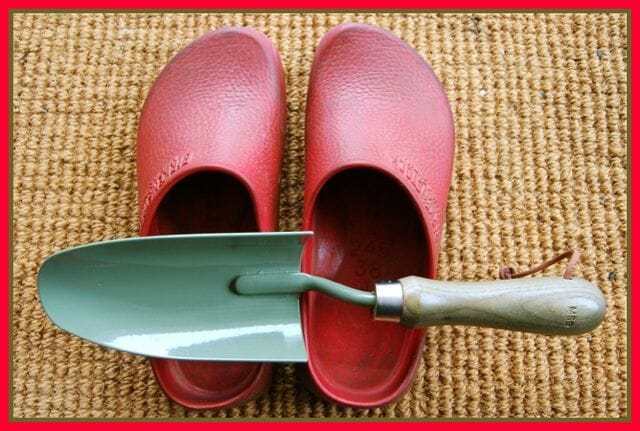
    Often, as July begins–especially if it does so with a heatwave, as in 2018, and in 2019 with our first summery weather after a generally cold spring–I want to throw in the trowel; mow the whole place down or turn it under (think: bulldozer).

    Years ago, I wrote an essay, confessing that July always starts out as Throw In the Trowel Month for me, as in: “I give up!” If you’re feeling stuck, like the garden just isn’t “working,” it might help to read it.

    Thankfully, though, there is payoff—new potatoes, a tomato finally, perhaps, and then garlic harvest as the month winds on. There are also problems to be managed (hello, Japanese beetles, and squash bugs), plus more plans to be put into place, to get from here to fall without getting engulfed, and overwhelmed. That’s July in the garden here: busy, but with benefits.

    Raise the mower deck; man the sprinklers; get out the vegetable seeds for succession sowings. Pull weeds, and handpick pests. Diligence on all fronts will be rewarded, but I know it’s daunting—and that the view out the window right now can be paralyzing–though I do love the avian ruckus in all my twig dogwoods, whose fruit is attracting birds galore right now, and will soon be disappeared, every last bit. Oh, and clean out the freezer to make room for incoming.

    If I push through, summer usually shapes up, and the tall annuals and perennials, ornamental grasses, the fresh white blooms of hydrangeas, and those heat-loving vegetables we’ve waited all year to taste again, have their day. I’m always glad I summoned the energy to plow forward through the July chores.

    garden elsewhere? regional links

    THE ORGANIC-GARDENING approach and the how-to tips I offer apply most anywhere–pruning a rose or sowing a tomato seed is similar, wherever the rose or tomato may grow. But the when is not the same. To adjust timing: My garden is in Zone 5B, in the Hudson Valley (NY)-Berkshires (MA) area, where frost can persist well into May and return in October. You may need next month’s chores, or last month’s (the archive is here). For more Zone-specific advice, I’ve rounded up links to calendars and checklists from around the nation (and the U.K.). But read on first, because I’m betting there’s something here for you, wherever you may dig, weed, or prune.

    weeding and watering

    MAKE A PASS through each garden bed each week, since weeds are not just unsightly but steal moisture, nutrients and light. Top up mulch where needed (or maybe you need a layer or cardboard or newsprint first?). First: Learn to identify your opponents, and the tactics and timing for best control. You cannot outsmart a plant whose life cycle you do not understand.

    OBSERVE WHILE WEEDING: Make notes, to plan for fall reworking of problem spots–areas that seem to invite weeds to sow with abandon, like the driveway, or other gravel surfaces, or cracks between pavers. Again, decision time: To solarize (lay down plastic sheeting, and use summer heat and sun to cook the weeds to death)? Or to spray? I say no to chemical herbicides, so there are sheets of plastic here and there, and the scuffle hoe (a push-pull long-handled tool sometimes called a Dutch hoe) is getting a workout, too, especially in the driveway gravel.

    GARDENS NEED AN INCH OF WATER a week. Check your rain gauge to see if the heavens provided it. Soak beds deeply in the root zone, but don’t spritz with a sprayer now and again like you’re washing the car. Containers, especially smallish ones in sun, need daily attention, and periodic feeding. Be alert!

    IF YOU ARE IN JAPANESE BEETLE territory, handpick each morning and again late day. Drown in a container of water. We can’t eliminate them; we have to manage them once they resume activity, around July 4 in my zone. Consider a biological (non-toxic) control to further help reduce overwintering grub population with nematodes, or one of the other biologicals covered in this government bulletin for homeowners (pdf). Ken Druse and I chatted about various tactical approaches we’ve taken to them in this story and podcast.

    WITH OTHER OBVIOUS pests like tomato hornworms, squash bugs, Colorado potato beetles or imported cabbage worms, I do the same: handpick early each morning, and destroy.  And then I will do a very serious fall cleanup, removing all debris to a distance (I compost it at my office, where there is no vegetable garden). As with weeds, learning what your bugs are by name is a good thing.

    GETTING TO KNOW your garden insects–good, bad, ugly–can help you be a better gardener. Here is how (and an encyclopedia of them I recommend).

    MAKING MORE HABITAT for “natural enemies” (the so-called “good bugs”) is key to the bigger picture of a healthy, manageable garden. Here is how.

    OR MAYBE SLUGS AND SNAILS are proliferating? Some tactics on dealing with them.

    ASIAN JUMPING WORMS are lately one of the most-feared recent invaders of all, degrading soil in not just gardens but also in our natural forests. What we know about them.

    vegetable, fruit and herbs

    EVEN UP NORTH, there is so much vegetable- and herb-harvest potential ahead. Plan a prolific fall garden by starting with this how-to, which includes tips for dealing with hot, dry soil and making a succession-sowing calendar.

    POSSIBILITIES ARE MANY, including carrots, beets, radishes, lettuce, dill, basil, brassicas including cabbage, broccoli, and broccoli cousins such as spigarello, and kales, plus fall peas. More bush beans and another mound of bush cukes and zucchini are going in here right this very minute (your timing may vary; I am Zone 5B).  More about planning the fall vegetable garden.

    GARLIC may start to fade and topple, as harvest time nears. When several lower leaves yellow, but about five topmost ones are still green—some experts say four or five, some say five or six–carefully lift a head or two to judge readiness. If good, lift all to cure during a warm, dry spell in an airy, sheltered place. How to judge the right harvest moment. Or read all about growing garlic, and even storing your harvest–and don’t forget, order bulbs now for October-ish planting.

    TOMATO TROUBLES? If your plants are having issues, like spots on leaves or disfigured fruit, start here.

    SEND IN SOIL SAMPLES for testing if you’re seeing poor results in some beds. Contact your local cooperative extension for details on how to sample and where to send it. Don’t just dump fertilizer or other amendments into beds without knowing what is going on. Here is why.

    STRAWBERRY BEDS may appreciate rejuvenation now.

    KEEP ASPARAGUS well weeded and water it, too. Let asparagus ferns grow till hard frost to nourish the underlying crowns.

    FOR PEAK FLAVOR, basil, sage, marjoram and oregano, mint, tarragon are best harvested just before bloom. Start more basil from seed for combining with those September tomatoes, and dill for late pickles. Harvest lavender, rosemary and chamomile as they flower, blossoms and all.

    trees & shrubs

    STOP FEEDING woody plants, especially if you’re in a zone that has a cold winter. Promoting more soft growth in high summer and beyond isn’t good; time for them to start moving naturally toward the hardening-off phase of their cycle. No more fertilization till late winter or earliest spring.

    TREES ARE vulnerable to drought, if you’re having a dry year, particularly the oldest and the youngest (those planted in the last few years). Water slowly and deeply, as with a Tree-Gator. Ugly…but better than not watering.

    ALWAYS BE on the lookout for dead, damaged, diseased wood in trees and shrubs and prune it out as discovered. Ditto with suckers and water sprouts.

    SPRING-FLOWERING shrubs like lilacs reach the end of their pruning window after July 4th here, otherwise too-late pruning risks removal of emerging buds for next year’s blooms.

    THROUGH MONTH’S END, softwood cuttings of buddleia, weigela, rose-of-sharon and roses, among other shrubs, can be taken to propagate more plants inexpensively.

    flower garden

    MORE CUTBACKS. In many spots I’m being downright brutal with more “edits” and cutbacks. (I know, I gave a lot of haircuts in June to things like perennial geraniums and euphorbias. But the barbershop is still open here apparently, with bleeding hearts, groundcover sedums that flowered recently, Phalaris or ribbon grass, and more getting hacked to the ground. Celandine poppy, or Stylophorum diphyllum, too—anything whose foliage looks insipid and is just an invitation for slugs as it yellows and flops.)

    HAVE DESIGN ISSUES, with the yard just not hanging together visually? Landscape architect Thomas Rainer offered some valuable tips on reducing lawn areas and massing plants for visual impact, and designer and nursery owner Katherine Tracey told us how to critique our own yards. If you’re feeling stuck, I suggest both articles as a start.

    PRUNE RAMBLER ROSES and once-blooming climbers now, after their flowering period.

    ROSE ROSETTE DISEASE, caused by a virus transmitted by a mite, is affecting more roses in widening areas. Learn how to diagnose this scourge and what to do (including to remove affected plants, roots and all, at once; bag and dispose in trash).

    MANY PERENNIALS and biennials can be started now from seed, then set out in the fall into nursery beds.

    I MOW THE foliage of my ripened daffodil drifts around July 4th. Deadhead faded perennials unless they have showy seedheads (same with bulbs), or you want to collect seed later (non-hybrids only).

    ARE ANNUAL VINES getting the continuing support they need, whether twine, wire, lattice? Perennial types like Clematis may need a bit of help, too.

    ORDER BULBS to get varieties you want (see Resources for catalog suggestions). Remember our “early, middle, late” mantra when doing so, so that you choose varieties with staggered bloom times for a long display.

    PREPARE NEW beds for fall planting by smothering grass or weeds with layers of recycled corrugated cardboard or thick layers of newspaper, then put mulch on top.

    RE-EDGE BEDS to make a clean line and define them, and keep edges clean with regular fine-tuning with grass shears. A clean edge makes a big difference, and I often topdress with a little more mulch to prevent weed seeds from proliferating, too.

    wildlife-garden ideas

    WANT MORE WILDLIFE, including birds? Here’s how to create a habitat garden, and also a Q&A with wildlife ecologist Doug Tallamy of the University of Delaware on creating backyard habitat.

    HEARD ABOUT ‘NATIVARS’–cultivated varieties of native plants that may have showier foliage or flowers, or be otherwise extra appealing to gardeners? Research about how effective they are in supporting pollinators and other beneficials may surprise you.

    SPEAKING OF WILDLIFE MAGNETS: Will this be the year you add water, whether in-ground or simply an easy, seasonal trough like this?

    SICK OF MOWING? Less lawn means space for more diverse plantings, and therefore support of more wildlife diversity from insects on up. Do you want to mow differently (as I did the last three years to good result)?

    SICK OF DEER? Maybe it’s time to plan for upgrades in deer control. If by this point in winter you have tired of deer damage, perhaps this will be the year you fence the yard, or at least a key area, using one of these approaches. Also: deer-thwarting advice from Ohio State’s wildlife expert, applicable no matter where you garden.

    DON’T BAG or rake clippings; let them lie on the lawn to return Nitrogen to the soil. Be careful not to mow too low in summer’s heat. Scalped areas are prime targets for crabgrass to emerge in.

    compost heap

    DON’T LET the heap dry out completely, or it will not “cook.” Turning it to aerate will also hasten decomposition, but things will rot eventually even if not turned. Composting 101 with expert Lee Reich.

    need help in other regions?

    AGAIN: I’m in the Northeast, in Zone 5B. For more Zone-specific advice, I’ve rounded up a new page of links to calendars and checklists from around the nation.

    This content was originally published here.

  • 8 tips to help you sleep during a heatwave – The News

    8 tips to help you sleep during a heatwave – The News


    THE temperatures have been soaring as summer well and truly arrives in Portsmouth. 

    But it can be trick to get a good nights sleep when it is so hot. 

    Here are The Sleep Council’s top tips to help stay cool and get your fourty winks this summer:

    – Open windows – and doors – to create a cool draught through your bedroom, and keep curtains or blinds drawn during the day to keep the sun out and your room cooler at night.

    – If you’ve got an attic, try opening the hatch. Hot air rises and this will give it somewhere to go. Get rid of the duvet and blankets and sleep with just a cotton sheet – or a duvet with a low tog rating. Wear light cotton nightwear – this is actually better than wearing nothing at all as natural fabric will absorb any perspiration. Have a cool shower or bath before bedtime to lower your core body temperature.

    –  Drink plenty of cold water during the evening and keep a glass by the bed.

     Avoid too much caffeine, alcohol or a big meal before bedtime as this can make you feel hot in the middle of the night because of dehydration and overactive digestion.

    – Pull out your hot water bottle, but fill it with ice cold water and have it in bed with you. Cool a pillow case in the fridge before bedtime or try one of the new cooling pillows that are available to buy – both will help you keep a cool head!

    – If you share a bed, make sure it’s big enough for two people so you can sleep without disturbing each other – a 5ft wide bed should be your minimum.

    – Also, try putting socks in the fridge and wear them in bed – cooling your feet lowers the overall temperature of your skin and body, ideal during a hot summer’s night. Use an electric fan to cool you down at night.

    – If it’s really hot, put a tray of ice and a little water in front of the fan which will cool the air even more.

    This content was originally published here.
  • xUS attorney general declares emergency for public safety in rural Alaska, freeing up $10.5 million to support police

    xUS attorney general declares emergency for public safety in rural Alaska, freeing up $10.5 million to support police

    U.S. Attorney General William P. Barr declared an emergency for public safety in rural Alaska on Friday and announced that the Department of Justice will provide more than $10 million in emergency funds as part of a sweeping plan to support law enforcement in Alaska Native villages.

    The department’s Emergency Federal Law Enforcement Assistance Program will immediately provide $6 million to the state to hire, equip and train rural police, and for mobile holding cells. Another $4.5 million will support 20 officer positions and be provided to Alaska Native organizations by the end of July.

    The announcement comes a month after Barr visited Alaska during a multiday trip to hear concerns from Alaska Natives and rural residents about a lack of police in rural communities and high rates of sexual assault and family violence.

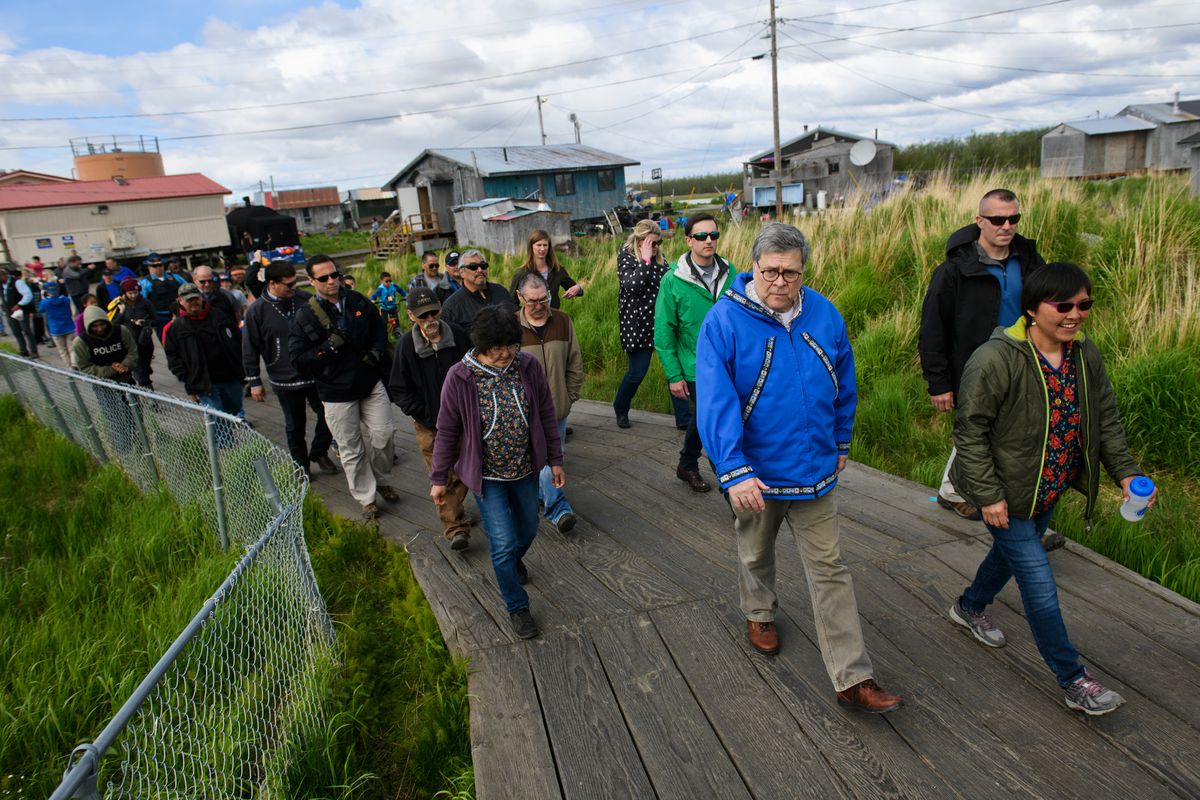
    During a trip to a Western Alaska village in late May, Barr called the situation an “emergency” and vowed to do everything he could to help.

    “In May, when I visited Alaska, I witnessed firsthand the complex, unique, and dire law enforcement challenges the state of Alaska and its remote Alaska Native communities are facing,” Barr said in a statement from the Department of Justice. “With this emergency declaration, I am directing resources where they are needed most and needed immediately, to support the local law enforcement response in Alaska Native communities, whose people are dealing with extremely high rates of violence.”

  • Taco Bell’s pop-up hotel reservations sell out in 2 minutes

    Taco Bell’s pop-up hotel reservations sell out in 2 minutes

    Apparently, people were excited about the prospect of sleeping in a taco-themed room.

    So excited that reservations for the Taco Bell pop-up hotel in Palm Springs, California, sold out in just 2 minutes after opening at 10 a.m. Pacific time Thursday, reports The Desert Sun, which is part of the USA TODAY Network.

    “Taco Bell fans are truly one of a kind, and today was one of the best expressions of that fandom yet,” Taco Bell Global Chief Brand Officer Marisa Thalberg said in an email. “The Bell: A Taco Bell Hotel and Resort officially sold out in just 2 minutes. We would like to extend a big ‘thank you’ for those who have come along on this journey with us and even though The Bell is sold out, we’ll have more to share on exclusive merchandise, food and more in the coming weeks so those unable to score a room can still experience the fun from home.”

    source