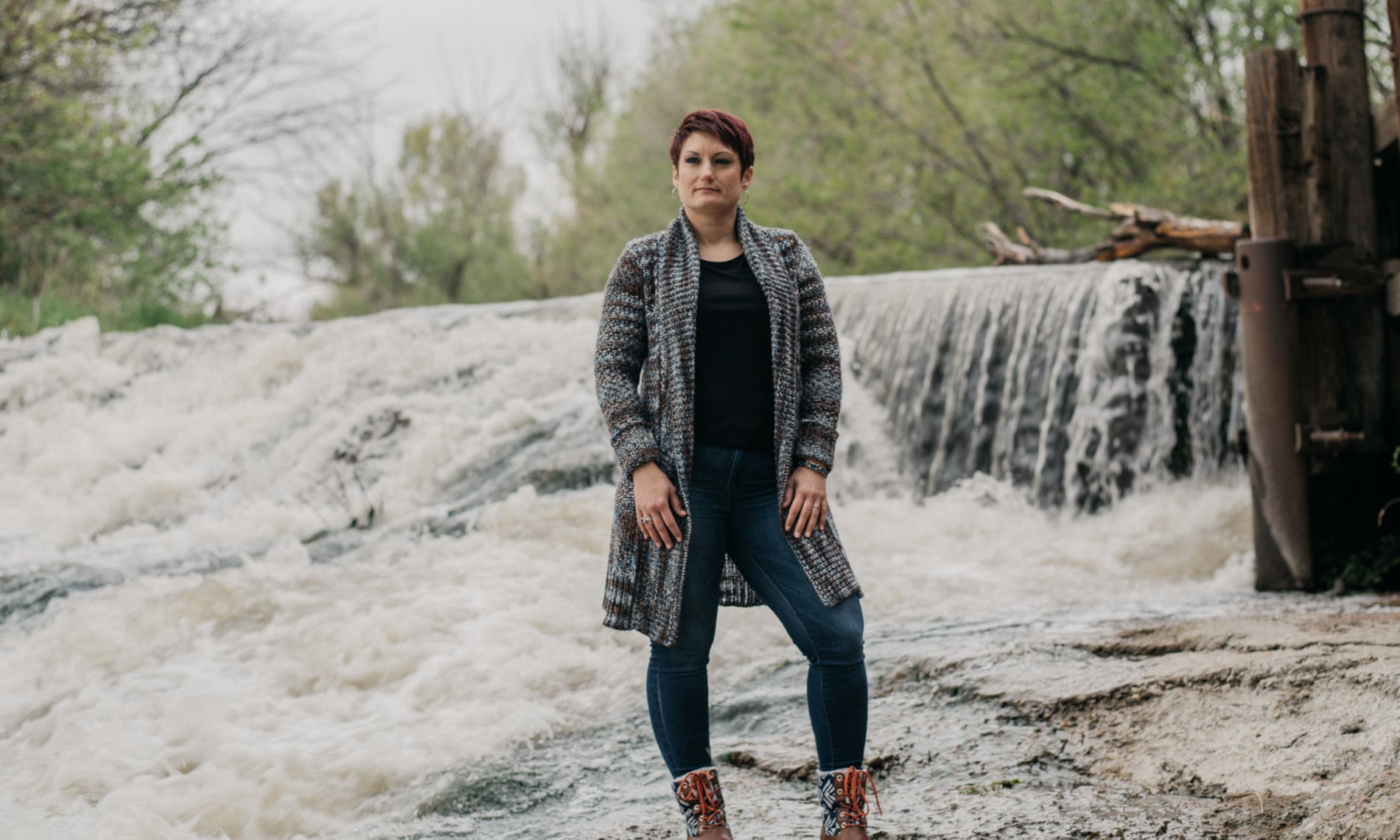
Over the last 80 years, much of the land surrounding Venetucci Farm was sold to the US army to establish the base now known as Fort Carson, and today it is hemmed in by highways. Still, with its 200 acres of fields, farmhouse and big red barn, it is a beloved institution in Colorado Springs. As the only community urban farm left in the sprawling city, it is a valuable resource, educating thousands of children about agriculture, sustainability and healthy eating and known above all for its annual pumpkin giveaways. The autumn pumpkin event has taken place for decades, and a local brewer still makes Venetucci Pumpkin Ale, but now the pumpkins are bought elsewhere. The produce is no longer available for public consumption because farming activities have stopped. In 2016, irrigation water was found to be contaminated with elevated levels of perfluorinated compounds (PFCs). The foundation that runs the farm has joined forces with a local water district to sue the US Air Force, alleging that toxic chemicals used in firefighting foam at a nearby base have tainted the water, perhaps for decades, prompting health worries and causing economic losses. Similar concerns have been raised about dozens of other bases across the country. But the problem is not limited to areas close to military installations. PFCs and related human-made chemicals, more generally known as per- and polyfluoroalkyl substances (PFAS), have been virtually unregulated since at least the 1950s. As well as at industrial sites, airports and bases, PFAS have long been used in household products thanks to their grease- and stain-resistant properties. They are everywhere: from fast-food packaging to carpets and furniture, water-repellent clothing and non-stick cookware such as Teflon.
The extraordinary resilience that led to them being dubbed “forever chemicals” no longer seems such a boon. As more becomes known about their widespread presence in the environment and the potential health risks, activists are urging state and federal regulators take action to increase oversight and even ban PFAS outright. A 2007 study estimated that PFAS are in the blood of 98% of Americans, while last year an analysis by the not-for-profit Environmental Working Group found that more than 1,500 drinking water systems nationwide could be contaminated by PFAS, affecting as many as 110 million people. Studies suggest that certain PFAS may affect the growth, learning and behaviour of infants and older children; lower a woman’s chance of getting pregnant; interfere with the body’s natural hormones; increase cholesterol levels; affect the immune system; and increase the risk of kidney and testicular cancer and thyroid problems.
Mark Favors is convinced that PFAS can cause cancer. The 50-year-old now lives in New York but was born and raised in the Colorado Springs area and went to an army nursing school. “The veterans are starting to call this Agent Orange 2.0,” he said. Favors told a congressional oversight committee meeting in March that 16 of his family members who have lived in contaminated areas for at least a decade were diagnosed with cancer, seven of them military veterans, and not all blood relatives. Ten died, several from kidney cancer. A 15-year-old cousin required a kidney transplant in 2015 after a sudden failure that doctors determined was not caused by a genetic defect. “We had four generations that drank contaminated water. We’ve been there since the 70s. My mother grew up on a farm a mile away from Peterson [air force base] and drank well water,” he told the Guardian. “We didn’t think they’d be dumping an odorless, colourless, toxic chemical into our drinking water that would remain in our bodies for five or 10 years at a minimum.”